


Peugeot Offers hydrogen Electric Van from End of 2021
The latest Peugeot e-Expert Hydrogen goes to commercial buyers by direct sales first, in France and Germany, in the 3rd quarter 2021. They’ll make it in in France, in Valenciennes, with further hydrogen components fitted at the Stellantis competence centre in in Rüsselsheim, Germany.
Other GayCarBoys EV Stories:
- We drive 2019 Jaguar I-Pace SE EV400 Electric car
- 2019 Jaguar I-Pace SE EV400 Driven and rated in GALSTON GORGE Australia Video Review
- Nissan LEAF 2019: All New EV Powers Your Home VIDEO REVIEW
- Hyundai’s 2019 Electric Ioniq: The cheapest EV In Australia?
- New Nissan Leaf Could Power Your Home for a Week
- Tesla Model 3 Colors and Price
- Charging My tesla Model 3
- Tesla Model 3 Full Review Inside, outisde, and Roadtest
- Mini Cooper SE electric
- Karma Starts E-Flex Prototype Testing
- Is Karma Automotive’s New E-Flex Platform a Game Changer
Kate Gillis, General Manager Peugeot Australia, said: “Globally, Peugeot has committed to offering an electrified variant across the entire model line up by 2025 and the reveal of the e-Expert Hydrogen is a wonderful example of Peugeot’s commitment to the ‘extended power of choice’ strategy.
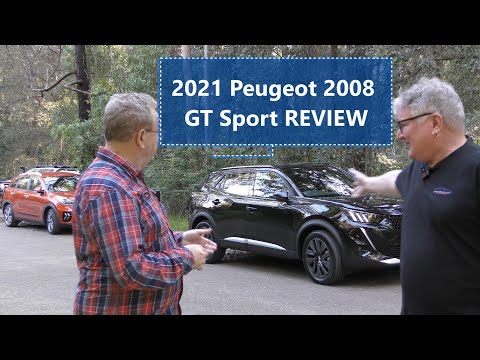
Above: This Week 2021 Peugeot 2008 GT Sport (Launch Special) Video Review


Help Support Gay Car Boys Subscribe to our Youtube Channel
- Top GayCarBoys Stories:
- Sexy Men Drive 2021 Toyota Yaris Cross
- 10 Sexiest MotoGP Motorcycle Riders
- DON’T Drive YOUR CAR until you’ve Checked if your AIRBAG will KILL YOU
- 10 Hottest Racing Drivers
- Top 12 Best Gay Lesbian LGBTI Luxury Cars
- Top 10 Gay Lesbian LGBT Cars
- Top 10 Gay Lesbian LGBT Sports Cars
- Top 15 gay and lesbian LGBT SUVs
- Talented Twinks – Callum Ilott Virtually Races Arthur Leclerc


ABOVE: 2021 Peugeot e-Expert Hydrogen Fuel Cell Van
“Locally, we’re excited to begin our electrification journey later this year with the introduction of the Peugeot 3008 HYBRID4 and 508 Fastback Plug-in Hybrid Electric vehicles.
“Moving into 2022, we will be introducing full battery electric vehicles to the Australian market.
“Whilst the e-Expert Hydrogen is not currently available or under consideration for Australia, electric variants of Peugeot’s Light Commercial Vehicles are currently under consideration for local introduction.”
Peugeot e-Expert Hydrogen
The van has a plug-in feature similar to current PHEVs which extends the range of the hydrogen fuel:
- A fuel cell which produces the electricity needed to drive the vehicle thanks to the hydrogen on board the tank; and
- A high-voltage lithium-ion rechargeable battery with a capacity of 10.5kWh that can be recharged from the electricity grid and which also powers the electric engine during certain driving phases.
Peugeot e-Expert Hydrogen is notable with features like:
- Its ability to cover all distances without local CO2 emissions
- Its ability to fill up with hydrogen in 3 minutes for a range of over 400km in the WLTP homologation cycle (currently undergoing approval)
- A charging socket for the high-voltage battery
- 2 lengths available (Standard and Long) with the same loading volume characteristics as the diesel and battery electric versions
- Up to 6.1m³ load volume
- Up to 1100kg payload
- Up to 1000kg towing capacity
Peugeot’s “mid-power plug-in hydrogen fuel cell electric” technology mixes it up with a driveline using hydrogen, battery technology and electric traction.
Hydrogen produces electricity via the fuel cell, which produces the electricity needed to drive the vehicle over long distances, and works with the battery to power the motor as needed.
It doesn’t affect the load area, which is even better.
Next gen e-Van Hydrogen Fuel Cell Tech in detail
Peugeot e-Expert Hydrogen is built on the Efficient Modular Platform (EMP2) is a full EV that mixes 2 electrical sources:
- The hydrogen fuel cell is in the engine compartment. It creates power by mixing hydrogen from the tank with oxygen from the air. Emissions from the tail pipe is water, just pure water.
- The electric motor has 100kW/260Nm and is fitted to the front axle, rather like the Peugeot e-Expert battery-electric model and includes a modified gearbox.
- A high-voltage 10.5 kWh lithium-ion battery under the seats, with a 90 kW capacity.
- There is a built-in 11 kW charger also in the engine bay.
- There are 3 hydrogen tanks under the floor, totalling 4.4kg at 700 bar.
Range is around 400km WLTP which includes 50km of battery power.
Filling the hydrogen tank takes 3 minutes via the left rear wing hatch and battery charges from a hatch on the front left wing. The driver does have to remember which side to stop on.
There are 3 different modes of operation:
- At start-up and at low speed: only the battery is used.
- At a constant speed: the fuel cell send power to the motor.
- Under heavy load such as hills or overtaking, both work together.
- The energy recovering uses regenerative braking to capture and store otherwise wasted electricity, in the battery.
Like all EVs, once you press the start button, the car is ready to go. You simply decide to go forward or back. The motor is almost silent with no vibration, or gear shifting. The ZERO EMISSIONS system emits only Water.
Under 30km/h, a manufactured sound warns pedestrians.
Warranty is 8 years or 160,000km for at least 70% of its charge capacity.