
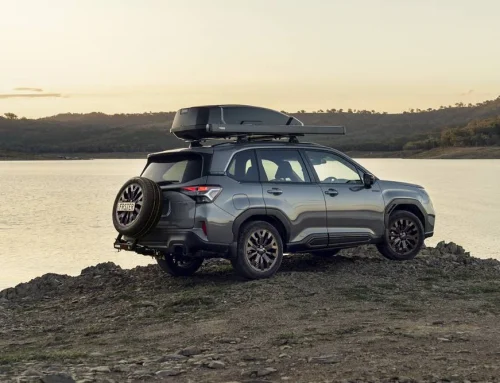
The latest Forester Sport Hybrid still feels as solid as a brick dunny and just as familiar. It’s that favourite pair of shoes you’d never admit are falling apart, yet you wear them everywhere. Instead of pretending we were flannelled bogans blustering about in the High Country, we used it like real people: groceries, errands, the steady stream of small-but-serious adulting. The longer we lived with it, the muddier the picture became.
Why? We’ve tested loads of SUVs and sedans with all manner of drivetrains in this price range. Many offer more power, better value, longer warranties, and more gear. Our heads were spinning like old molls at a bake-off.
Best bit? Rear legroom — luscious, luxurious legroom, acres of it. Perfect for lanky gays, tall tradies, sulky teens, or Nico’s never-ending designer hauls.
Worst bit? Fuel economy — the “hybrid hopefulness” doesn’t quite match the “hybrid reality.”
Nico, who spends half his modelling life loitering in chaotic airports and battling hotel lighting that could age Timothée Chalamet a decade, put it perfectly: Subaru has that grounded, homely comfort — like slipping into your favourite trackies after a runway show. Solid, soothing, quietly dependable; the classic Subaru whispering, “I’ll get you home, babe, even if the weather goes full Old Testament.”
GET YA SPECS HERE BOYS AND GIRLS:2026 Subaru Forester
Most updates feel evolutionary rather than bold. Remember when Subaru took risks? Two-door WRX, the slinky SVX, the wonderfully weird Vortex coupés… now it all feels like sensible shoes and school-librarian chic. Subaru calls the styling “bold,” but it lands more mildly miffed than menacing. Without an STi halo sprinkling magic, the WRX aesthetic is already ageing in real time.
Which begs the question: are the sins of the WRX about to be revisited on the Forester? For something showroom-new, the Forester already looks like it’s been loitering in the lot, quietly waiting for someone to notice. Subaru once threw design punches — now it feels like they’re prodding us politely with a pamphlet.
Above: This Week’s VIDEO Review – 2025 Kia Sorento PHEV SLAYS Official Economy Figure
#KiaSorento, #KiaSorentoPHEV, #SorentoGTLine, #PHEVReview, #KiaAustralia, #HybridSUV, #ElectricDriving, #CarReviewAustralia, #GayCarBoys, #FuelEconomy
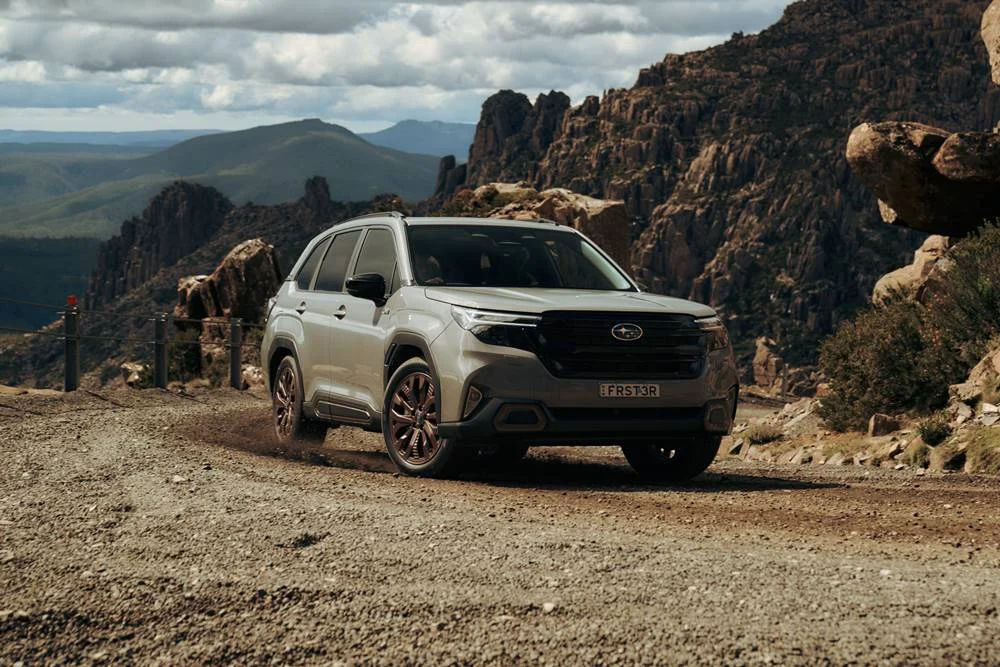

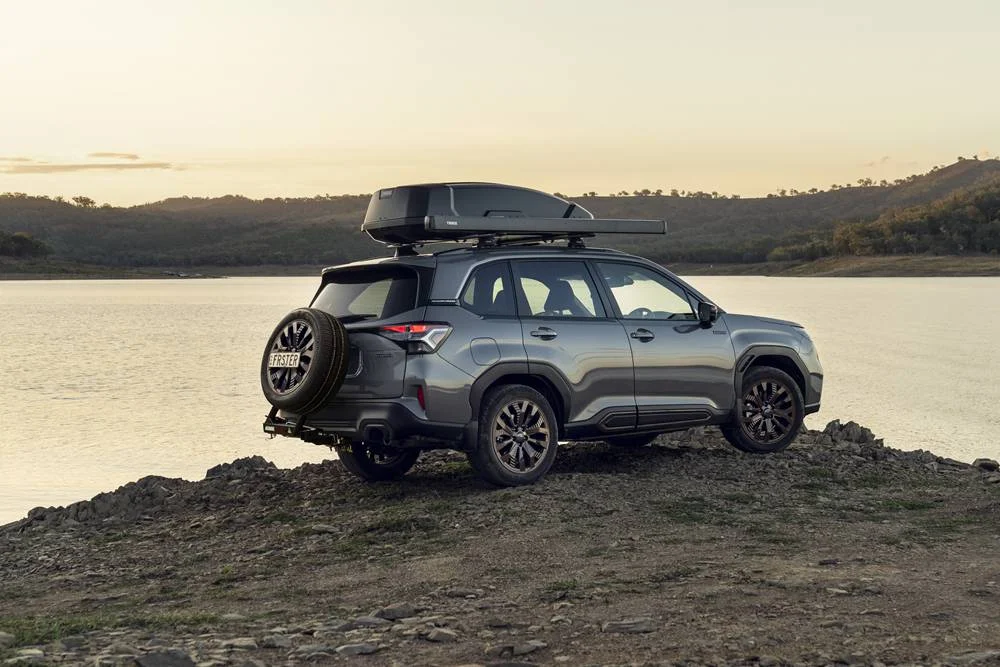
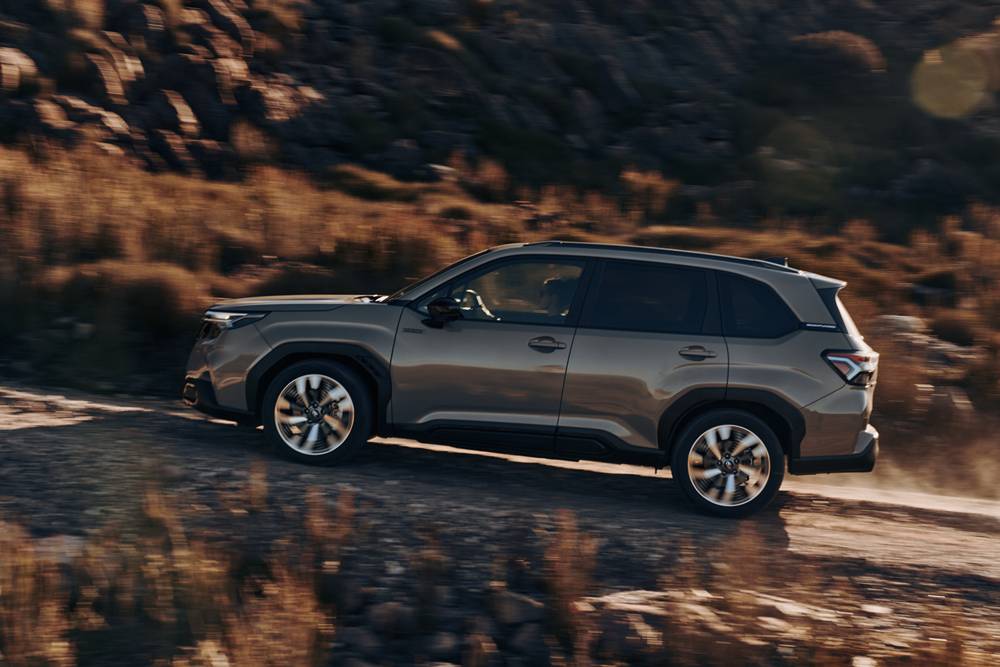

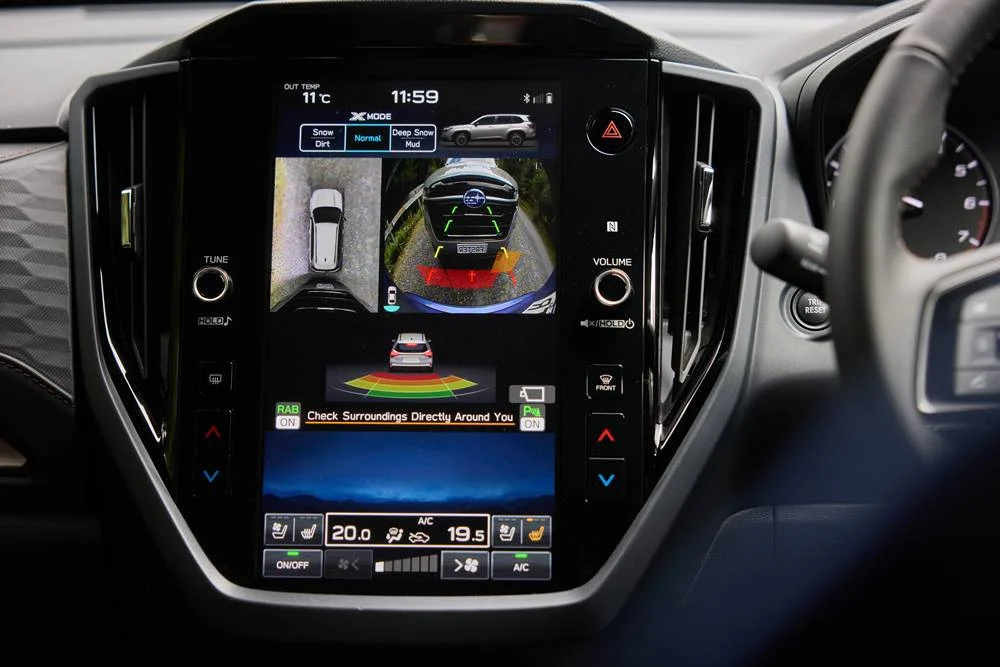
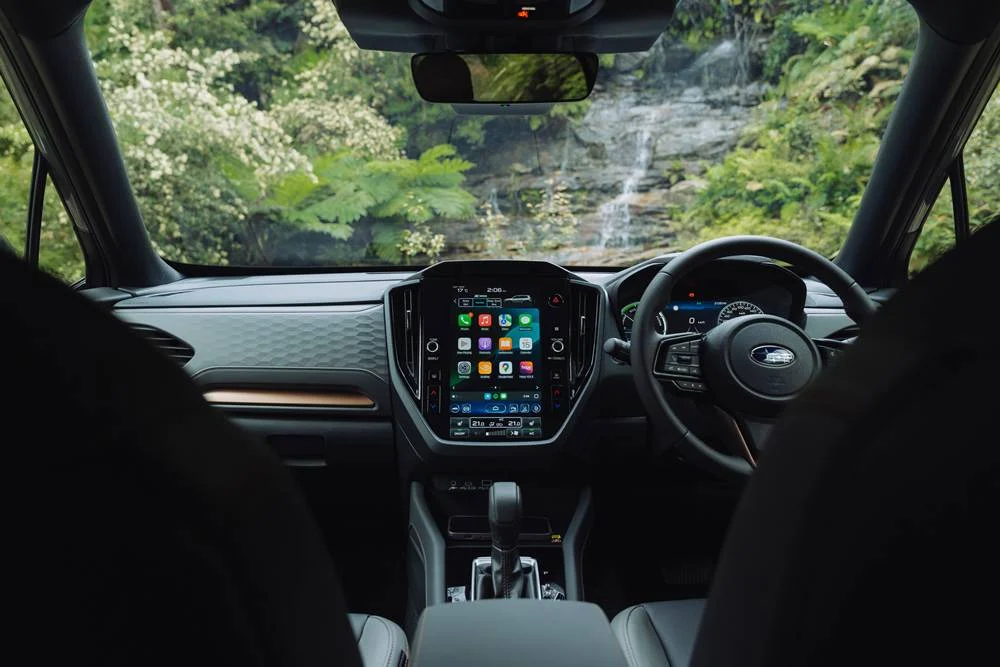
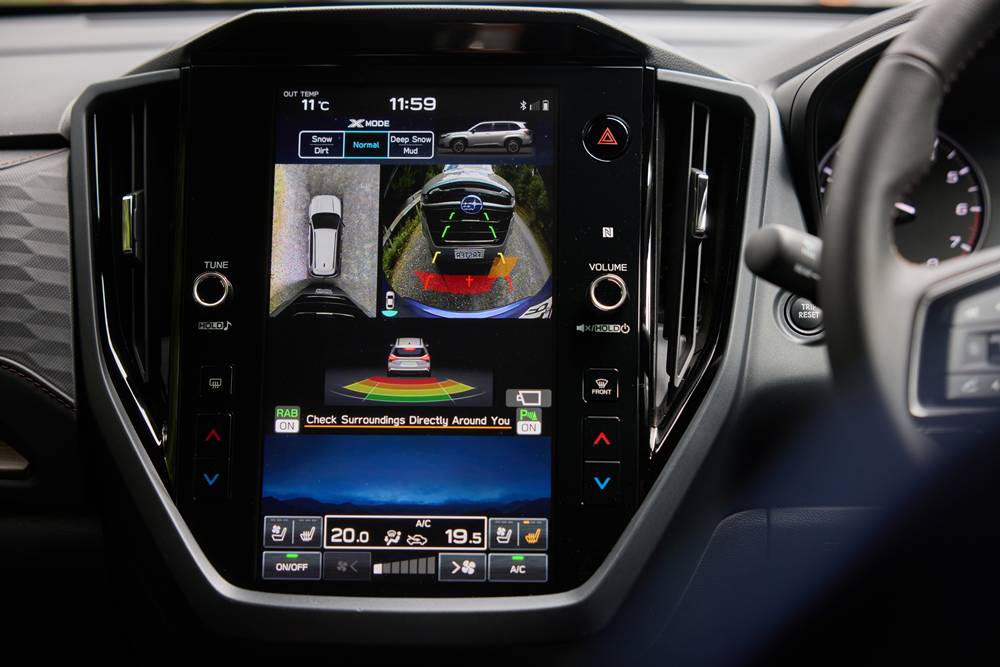
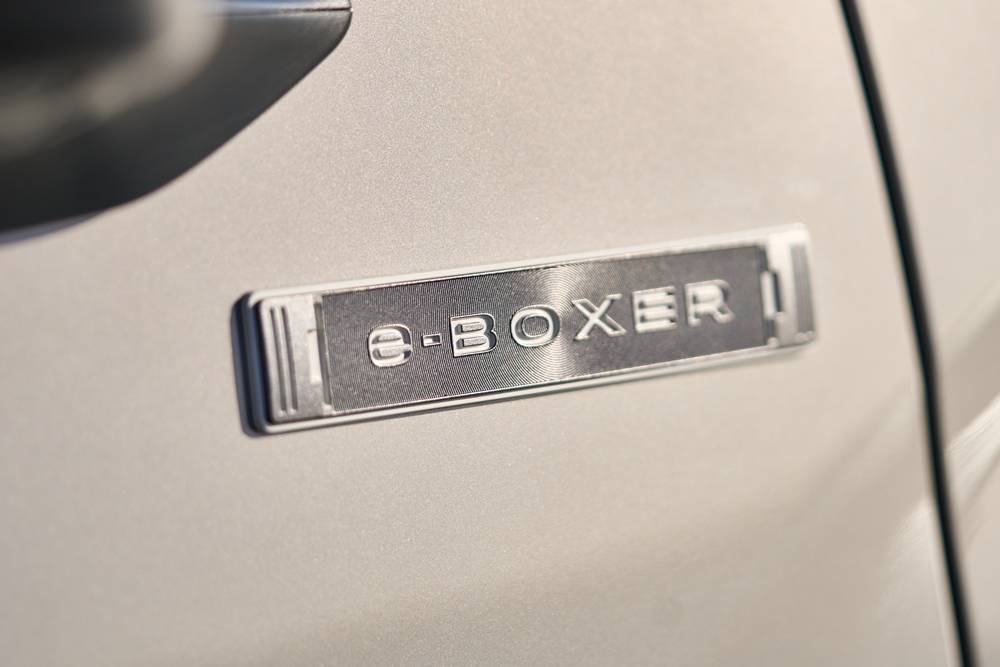

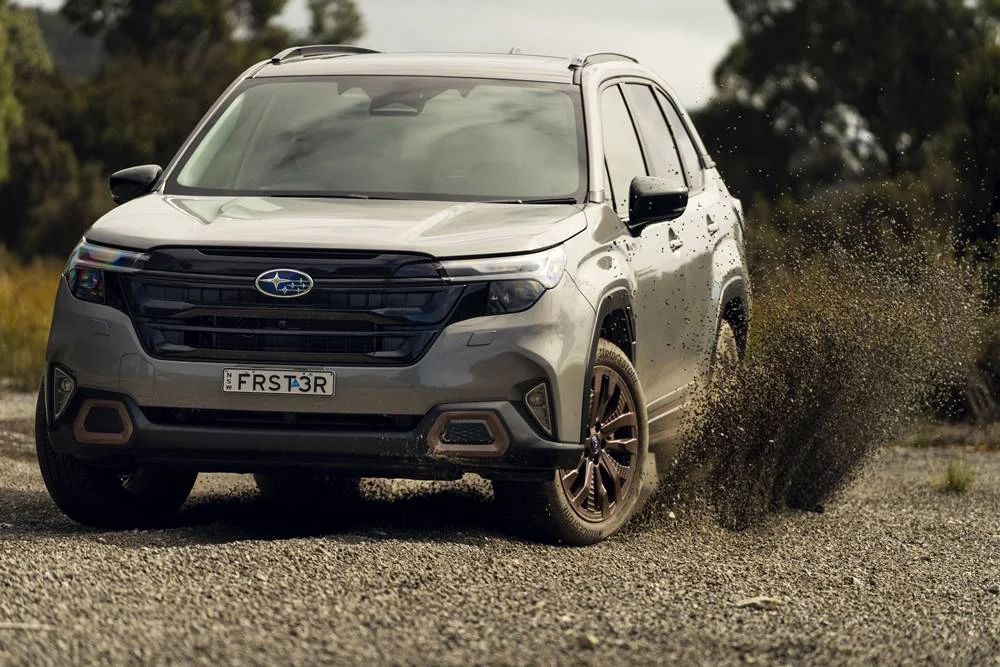
ABOVE: 2026 Subaru Forester Sport Hybrid – e-Boxer
Under the skin, things follow a familiar formula. The CVT, even with its electronic cleverness, remains a perennial pet peeve. The boxer engine belts out its boisterous battle cry as you cross an intersection. The hybrid system smooths things out and feels nippy, but sporty? Not even after a triple-shot turbocharged latte.
Subaru claims significantly better fuel economy: 6.2L/100km for the hybrid, 7.9L/100km for petrol. Real world? We saw 6.9–7.8L/100km — still better than the petrol’s thirsty ~9.9L/100km. But with a $6,500 hybrid premium, the maths becomes muddled and murky. Especially when the class-leading RAV4 Hybrid does about 4.8L/100km, and plug-in hybrids sip as little as 0.1L/100km — often for less loot and more luxury. And then there’s the expanding EV explosion at this price point.
Affordable EVs (Australia, 2025)
| Model | Price (approx.) | Range (claimed WLTP) | Key Specs |
|---|---|---|---|
| Kia EV3 | Mid-$40k to low-$50k | ~400 km | Compact SUV; 58–81 kWh battery; modern cabin; strong equipment. |
| BYD Dolphin | Under $50k | ~340–420 km | 45–60 kWh battery; efficient; one of Australia’s cheapest EVs. |
| GWM Ora | Under $50k | ~310–420 km | 48–63 kWh battery; quirky styling; strong value. |
| MG 4 | Under $50k | ~350–450 km | 51–64 kWh battery; rear‑drive; sharp dynamics for the price. |
| Hyundai Inster | Under $50k | ~300–350 km | Compact; efficient; urban‑focused; modern tech suite. |
| BYD Atto 3 | $48k–$55k | ~410–480 km | 49–60 kWh battery; popular; strong equipment and range. |
| MG S5 EV | Under $50k | ~400 km | Electric sedan; value‑focused; competitive spec sheet. |
| Geely EX5 | Under $50k | ~330–400 km | New Chinese entrant; practical; strong pricing. |
| Chery E5 | Under $50k | ~400 km | Electric sedan; competitive equipment; part of Chery’s EV push. |
| BYD Seal (base) | $50k–$55k | ~460 km | Sporty sedan; strong performance; 61 kWh battery. |
Nico’s mid-week reality check adds some spice: he drove the GWM H6 GT Ultra PHEV, which glides silently on EV power for up to 180km, looks modern, feels premium, and packs serious performance. Jumping back into the Forester? Charming, familiar, competent… but a little “ye olde worlde.” The comparison highlights the new reality: Japanese dominance is being nudged by capable, value-packed Chinese contenders.
Toyota is clearly doing something right, but the Chinese challengers are charging in, slowly shedding their poor resale reputation. And make no mistake — that’s changing, fast.
The bigger picture? The established brands have been slow to adopt and adapt. Most SUVs never leave the blacktop. PHEVs are the fastest-growing, flashy segment. Buyers are becoming more price- and planet-conscious, and those who lag risk being left behind, watching the scrappy upstarts steal the spotlight.
Toyota’s e-AWD uses a dedicated rear motor. Subaru’s setup — motor inside the transmission — feels more like a mildly motivated mild hybrid, even though technically it’s the full-fat version.
RAV4 Hybrid vs Forester Hybrid — Full Specs (Metric)
| Category | Toyota RAV4 Hybrid | Subaru Forester Hybrid (e-Boxer) |
|---|---|---|
| Engine | 2.5-litre 4-cylinder | 2.0-litre flat-4 |
| Hybrid System | Toyota Hybrid System | Subaru e-Boxer mild hybrid |
| Total Output | Approx. 160–163 kW | Approx. 110 kW |
| Transmission | e-CVT | Lineartronic CVT |
| Drivetrain | FWD or AWD | AWD |
| Fuel Economy (combined) | Approx. 4.7–5.0 L/100 km | Approx. 6.7–7.4 L/100 km |
| Battery | NiMH or Lithium (trim-dependent) | Lithium-ion |
| Towing (braked) | 1500 kg | 1200 kg |
| Ground Clearance | Approx. 195 mm | 220 mm |
| Cargo Space | Approx. 580 L | 498 L |
| Length | Approx. 4600 mm | 4640 mm |
| Width | Approx. 1855 mm | 1815 mm |
| Height | Approx. 1685 mm | 1730 mm |
| Kerb Weight | Approx. 1700–1750 kg | Approx. 1600–1650 kg |
| Fuel Tank | 55 L | 48 L |
RAV4 Hybrid vs Forester Hybrid — Australian Pricing (2025)
| Model | Price (AUD) | Notes |
|---|---|---|
| Toyota RAV4 Hybrid GX 2WD | $42,260 RRP | Excludes on-road costs |
| Toyota RAV4 Hybrid (range) | Up to $66,430 RRP | Top-spec GR Sport AWD PHEV |
| Subaru Forester Hybrid Sport | $54,990 + on-roads | $60,712 drive-away (NSW) |
Affordable PHEVs (Australia, 2025)
| Make/Model | Starting Price (approx.) | EV Range (claimed NEDC) | Key Highlights / Reviews |
|---|---|---|---|
| Chery Tiggo 7 Super Hybrid | $39,990 drive-away | ~93 km | Australia's most affordable PHEV with strong value and solid EV range. |
| BYD Sealion 6 (PHEV) | $42,990 before on-road costs | ~92 km | Competitive option with balanced EV range and petrol backup. |
| Leapmotor C10 REEV | $43,888 before on-road costs | ~145 km | Impressive electric-only range for the price. |
| Jaecoo J7 SHS | $47,990 drive-away | ~90 km | Premium sister brand to Chery with five-star ANCAP safety. |
| Mitsubishi Eclipse Cross PHEV ES | $47,790 before on-road costs | ~54 km | Smooth, quiet, standard AWD; shorter EV range than newer rivals. |
Note: Prices may vary by location and offers. “Drive-away” includes on-road costs; “before on-road costs” requires adding registration, stamp duty, and other fees.
Price-wise, Nico’s insight is telling: the H6 GT Ultra PHEV ~$53,990 drive-away, Forester Hybrid Sport $54,990 + on-roads, Forester Sport petrol $48,490 + on-roads. Add on-road costs, and suddenly the H6 GT looks like it has a violin case full of hidden value.
The truth? Forester remains charming, competent, and wholesome — the dependable aunt who always brings the good potato salad. It still has comfort, capability, and space, and the extra ground clearance is handy. But for the first time, she’s not the only girl at the picnic worth looking at. The competition has evolved, the market is shifting, and buyers are paying attention.
#SubaruForester, #2026Forester, #ForesterHybrid, #SUVReview, #CarComparison, #GWMH6GT, #HybridSUV, #NicoDrives, #GayCarBoys
Other Subaru Stories
- Is 2021 Subaru Outback a Big Leap Forward?
- How to use Apple CarPlay in 2021 Subaru Outback
- Subaru Launches All New 2021 Outback SUV
- 2022 All-New Subaru BRZ Orders NOW OPEN: ORDER HERE
- Subaru WRX STI R Spec Part 2 – The Review
- Subaru WRX STI Last Hoorah Review PT1
- Our Last Drive of the Current Subaru BRZ
- Top 10 Things about LGBT Favourite: 2021 Subaru XV
- Subaru Forester Sport: Worth the Extra over the Premium Model?
- How to Activate AppLe CarPlay, and Use By Voice Control
- Is Subaru’s XV Hybrid Worth the Money?









Leave a Reply