Stellantis promised us a sporty saviour, but the 2026 Alfa Romeo Junior Ibrida is just a Peugeot in a cheap Italian suit. While the 1.2L turbo hybrid manages to look the part with that cheeky mesh grille, the performance is paper thin. Shelling out a $57,000 drive away price for a car that takes a glacial 8.9 seconds to hit 100km/h is utterly inadequate. That is not entry level speed, that is a dynamic embarrassment for a brand with racing DNA. You are paying a premium for a badge glued to hardware that is decidedly ground floor flat. It is a cynical exercise in platform sharing that leaves the driver feeling like the butt of a very expensive joke.
While reading this review, I want you to remember that Stellantis is in so much trouble that the ex-boss Carlos Tavares, the 67-year-old wonder worker who created Stellantis, was all but frogmarched out of his contract in disgrace. He convinced the ailing Peugeot Citroen to come on board, but the whole shebang has been such a disaster that the merger is likely to take all brands down with it, or, which is more likely, be broken up and sold off for spares.
We reviewed the Ibrida HERE with full specifications and comparisons with others in the class
Shallow Style, Stellantis Substance
Like Jaguar’s X-Type that was a Mondeo in a fancy frock, the Alfa Junior shares its platform with a list of beige dross so long it feels like a grocery store receipt. The unrelenting dullness of the Peugeot 2008, Opel Mokka, Jeep Avenger, and even the new Lancia Ypsilon is wearing on the nerves, but even more of a chore for the pocket.
Stellantis’ promises have led to a club that is hardly exclusive. They told us Alfa would remain a standalone, sporty pillar, yet here we are with a car that feels like it was designed by a telecommuting committee focused on cost cutting rather than driving soul. The hidden rear door handles are a bit last week, and while the Alfa mesh grille harkens back to a halcyon era of racing dominance, it is a cheeky nod to performance that the Junior simply does not have. And the plastic is cheap, really cheap.
Inside, the cabin is nicely laid out but drowns in nasty trim. At first glance, one gleans a hint of bygone class, but the longer you spend touching and feeling, the more the fantasy evaporates. Its sport dark theme quickly feels more claustrophobic than cozy, despite the glass sunroof endowing the cabin with delicious shards of light. The infotainment system is moody, freezing often and hiding basic radio presets behind virtual buttons that require a degree in software engineering to navigate while driving. This is a common fault with almost all modern motoring, and it drives us all to drink. The frustrating mess ignores the basic ergonomic needs of a human being.
We have the EU and Euro-NCAP to thank for much of it, and while the Chinese opposition have the same features, these can be changed for better operation in China. For example, the voice systems integrate phones and use fully paired AI for inbuilt control. Not only that, annoying warning bells can be turned off permanently. But that’s a whine for another time.
Above: This Week’s VIDEO Review –Alfa Romeo’s $57k Misstep – The Junior Ibrida is a Peugeot in Disguise
#AlfaRomeo, #JuniorIbrida, #2026AlfaRomeoJunior, #CarReview, #Stellantis, #CarlosTavares, #SUVReview, #HybridFail, #AlfaRomeoAustralia, #LuxurySUV


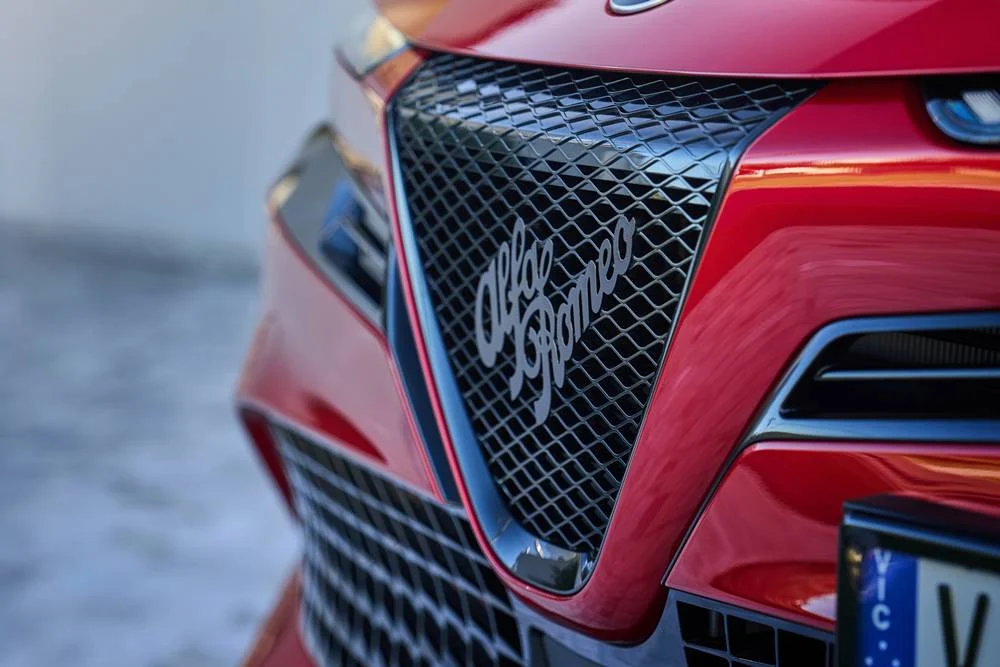
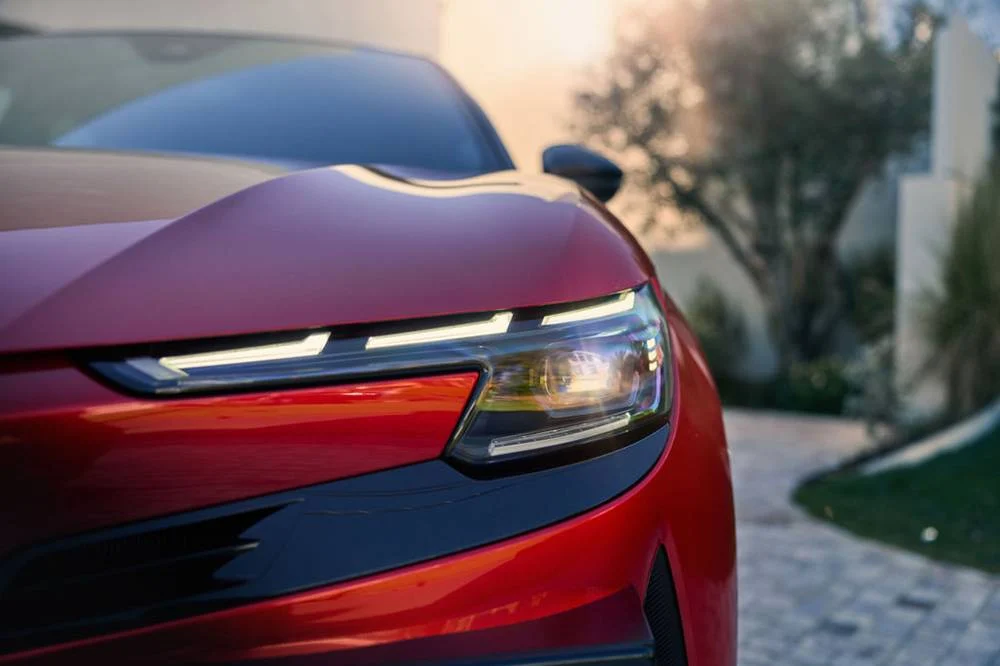
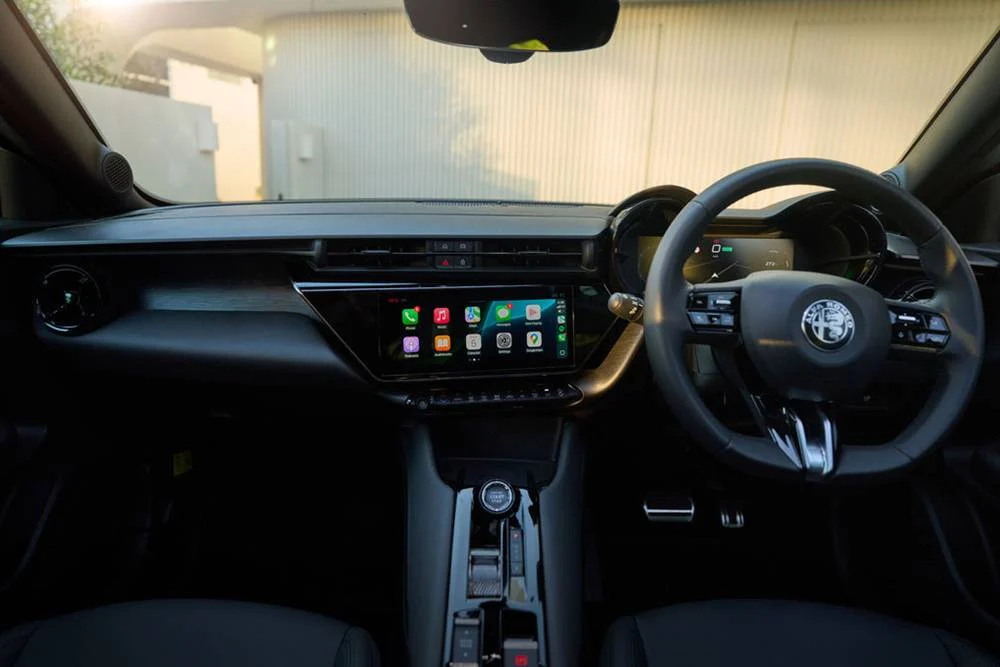

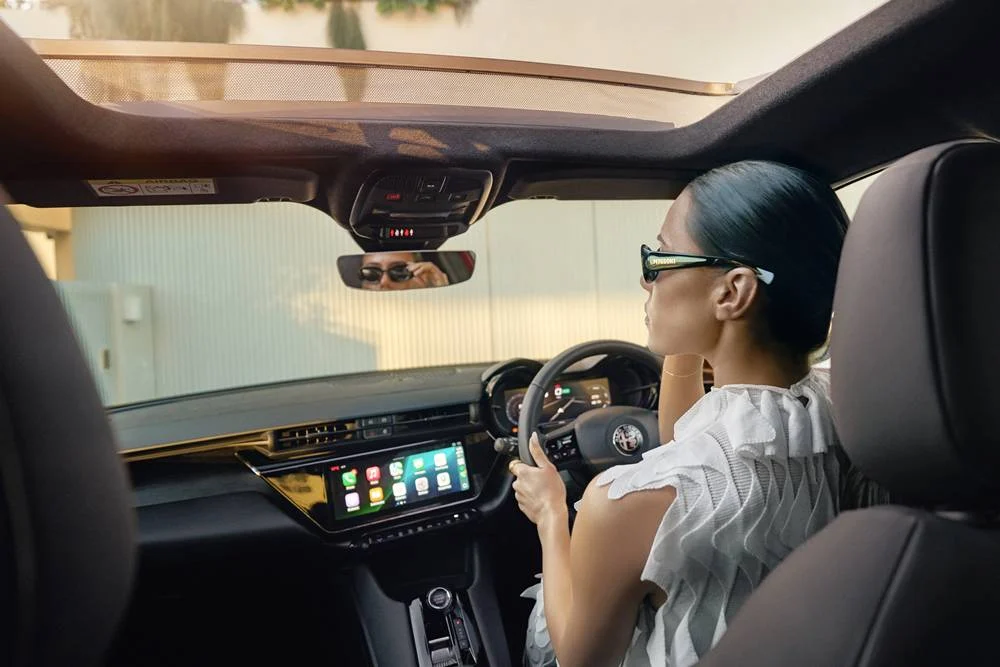


ABOVE: Alfa Romeo Junior Ibrida, Cute but Unimpressive
Alfa Romeo, #Junior, #Ibrida, #Lexus, #LBX, #Audi, #Q2, #Stellantis, #SUV, #Australia
The Myth of Efficiency
That brings us to the drive. You have to stand on the brake and hold the button for a few seconds to spark the plucky little powerplant into life. While it prevents false starts, it makes the process far slower than it needs to be. The brakes apply whenever park is selected, a twitchy safety feature born from past tragedies that now just serves to annoy. 1.2 litres of turboed frenzy is how Alfa might market it, but in reality, it is a struggling unit that runs out of puff the moment you push your loafer anywhere near the rather nasty carpet.
I actually loved the drive when the roads got tight. The steering is crisp and sharp, and those brakes have ferocious bite. The little SUV has excellent manners on tight bends, but the twitchy torsion bar rear end gets mighty nervous in bumpy turns. It is a chassis crying out for a multi-link setup to actually handle the stiff preponderance of the platform. However, the moment you leave the tantalisingly twisty backroads and merge onto a freeway, the fantasy dies. It is a chore. The car struggles as it runs out of puff, changing gears for another punt that never quite arrives. You wait for another couple of cogs to kick in, but alas, the pencil-pushers put red lines through the requests for decent transmissions. Automatic transmissions have cursed Alfa Romeo for years, but at least the e-DCT is streets ahead of the truly terrible Selespeed or the five-speed Dualogic automated manual transmission used in parent brand Fiat. Nonetheless, the DCT is not smooth, especially at low speed. The dry-clutch units are prone to failure in brands like Ford and VW, and wise buyers will stay clear. A proper automatic is used elsewhere in the brand, so why is the Junior using this jerky, uncomfortable dry-clutch DCT?
Worse still, the fuel economy is a flat out lie of monumental proportions. Alfa claims a miserly 4.1L/100km, yet my test car never bettered a thirsty 6.8L/100km. This is unacceptably high for a mild hybrid that is supposedly optimized for the city. It is inefficient, underpowered, and frankly, a bit of a scam. You are paying for a hybrid system that fails to deliver the one thing a hybrid is supposed to do, save you money at the pump.
A Price Tag Out of Touch
At $57,000 drive away, the Junior Ibrida is entering a room where it simply does not belong. It is trying to play with the Lexus LBX and the Audi Q2, but it lacks the chutzpah to even hold a candle to them. The Audi offers a more refined 1.5L turbo and a 7-speed S tronic that actually knows what it is doing, sort of, although it is also jerky at low speed. The Lexus provides the reliability and interior quality that Alfa can only dream of. Why anyone would choose this underpowered Italian pretender over a proven premium competitor is beyond me. Not only that, the LBX is a full hybrid and has an e-CVT which uses planetary gears instead of the rubber band and cotton reel of regular CVTs.
The Alfa Junior’s 6-speed e-DCT is particularly dreadful. Like most DCTs at low speeds, the clutches grasp and release repeatedly, turning every driver into a nervous learner. It makes smooth city crawling impossible. Minute creeps at parking speed are virtually impossible. These automatic transmissions are brilliant at snappy changes under the pressure of full acceleration, but the 1.2 litre engine is unlikely to strain the DCT beyond a slight grumble. Progress is measured on a calendar rather than a stopwatch.
The Death of the Brand
Perhaps that’s why Stellantis is failing. The company is sensitive to critique, especially in light of its ever diminishing reputation for reliability. Instead of addressing owner concerns or building a car that truly lives up to the Alfa Romeo badge, they have delivered another poorly executed PR exercise. They have taken a generic platform, slapped some pretty lights on it, and hoped the enthusiasts wouldn’t notice the complete lack of a soul.
We noticed. The Junior Ibrida is a car for people who want to look like they care about driving without actually having to do any. It is a fashion accessory, not a sports SUV. If you want a real Alfa, you’d have to spend even more on the Veloce, but it is unavailable in Australia.
Australia’s Abandoned Alpha
The ultimate insult for local enthusiasts is that the only Junior worth driving, the 240kW Veloce, is currently a ghost in Australia. While Europe gets the fire-breather, we are stuck with the lukewarm Ibrida. It is a cynical move that leaves us paying premium prices for the poverty-pack powertrain. Until Alfa Romeo decides Australia deserves the real deal, this badge-engineered hybrid remains a hard pass for anyone with a pulse.
In Closing
At this price point, the Ibrida is a hard pass. Long one of our favourite brands, this new offering is a disappointing, overpriced, underpowered, unimpressive entry into a segment that deserves much better.
The interior plastics alone are enough to make you weep. For nearly sixty grand, you expect soft touch materials and a sense of occasion. Instead, you get the same scratchy surfaces you find in a 1980s rental Peugeot. The massage seats and power controls are a nice distraction, but they cannot hide the fact that the bones of this car are built to a very small budget, not a very high standard. Opening the roof at speed brings gorgeous wafts of summer, but the noise is deafening, proving that even the luxury features weren’t properly tested for actual use.
In the end, the Alfa Romeo Junior Ibrida is a victim of corporate greed and frantic attempts to cut costs. It is what happens when you let accountants build cars instead of engineers. It is a car that looks great in a brochure but falls apart the moment you put your foot down. It is a jogger trying to run a sprint, a pretender in a field of athletes. Save your money, save your soul, and buy something that actually lives up to its price tag.
Alfa Romeo Stories
- Alfa Romeo Tonale Hybrid – a GayCarBoys Hit or Miss?
- A day Touring in the Alfa Romeo Tonale Veloce Hybrid
- What’s in the Alfa Romeo Tributo Italiano Special Editions
- Meet the All New Alfa Romeo Tonale Hybrid and Diesel
- 2022 Alfa Romeo Stelvio Quadrifoglio REVIEW-Best Alfa Yet
- Is 2021 Alfa Romeo Giulia Quadrifoglio the Best Alfa Ever?

Alan Zurvas is the founder and editor of Gay Car Boys, Australia's leading LGBTQI+ automotive publication. Before launching GCB in 2008, Alan's automotive writing was published in SameSame.com.au and the Star Observer. With over 16 years of hands-on car reviewing experience, Alan brings an honest, irreverent voice to every review — championing value and innovation over brand loyalty.
Leave a Reply