The petrol engine coughed to life for the first time today. I’ve developed a problem with my charging—or rather, the charging of my trusty sidekick, the Volt. Let’s get one thing straight: that 1.4L petrol engine never drives the wheels. The Volt is an electric vehicle with a small generator that hums only when the 16.5kWh battery hits empty. It pushes 111kW and 370Nm of torque to the road, keeping things punchy and quiet.
The last two nights, this Holden limped to a 50km limit. I thought I was failing the IQ test. You crank the charge rate to maximum, plug her in, and walk away. Simple. Yet, I’ve been running on half empty. I ran it stone cold to ensure the battery was drained. That engine is undetectable unless you’re burying the foot. It’s a diesel-electric loco for the suburbs.
I returned to the car park to find a 68km limit and a missing green dash light. Some genius had flicked the switch at the communal power point. This is the reality of unit blocks: the body corp pays the bill, but malicious neighbours hold the power. It highlights the logistics of extension cords and garage politics. How annoying is it that someone can ruin your day by being petty?
UPDATE:
When this car arrived in 2012, it cost a heavy $59,990. Early adopters paid a premium for the future. Today, you can snag one for roughly $10,000. It is a cut-price entry into EV life, provided your battery holds up. A refurbished pack might set you back $7,000. If you head to a dealer, they might quote a staggering $15,000 for a replacement. That is a significant sum for a car worth ten grand.


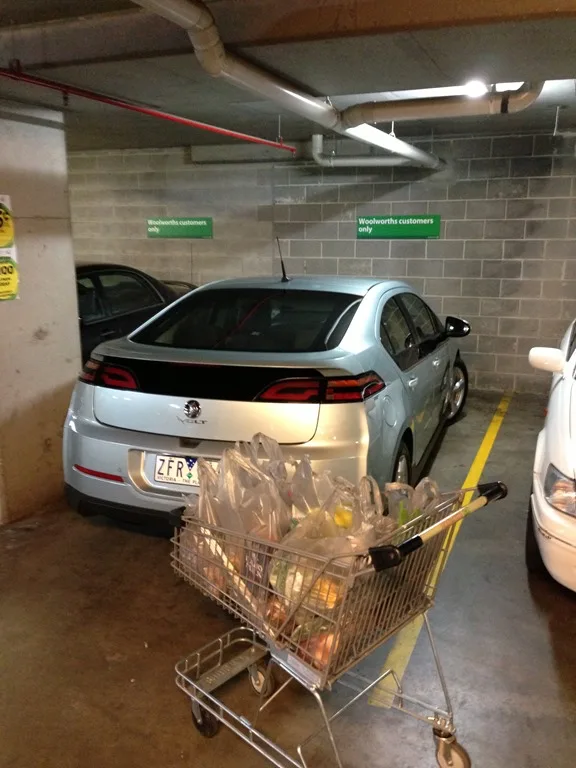
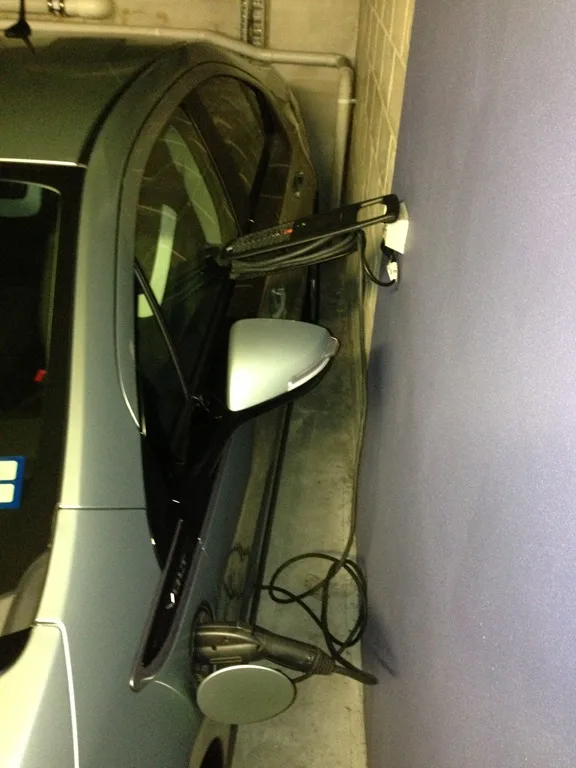
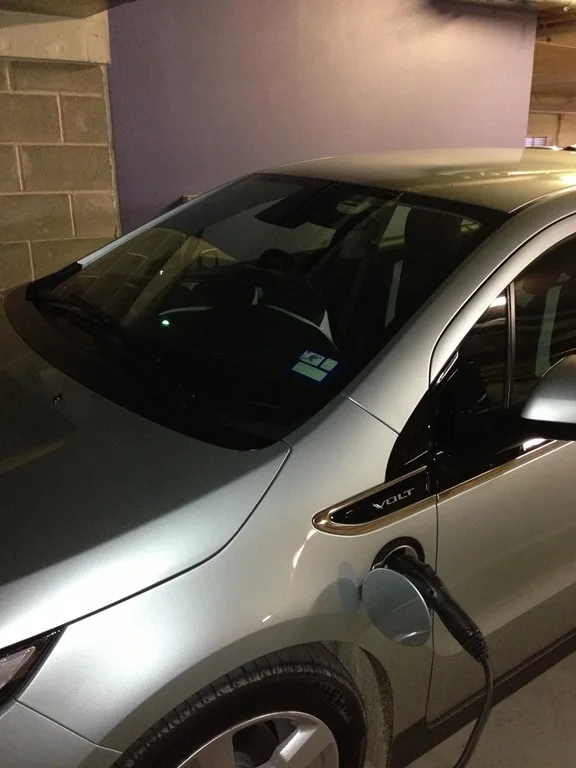
Living with a Volt in WA or any other state requires a thick skin. You have to navigate the animosity of other owners. They see the plug and assume you are stealing the communal lifeblood. There is no choice in unit blocks with secure communal garages. No power point is wired to a specific unit. This results in the kind of suburban warfare that makes you want to pull your hair out.
The interior is all haptic buttons and digital screens, a 2012 vision of the future. It still feels solid on the road. The transition from battery to generator is seamless. You only hear the 1.4L four-cylinder when the load gets high. It is a brilliant piece of engineering held hostage by an off-switch. Charging at 10A takes about six hours, which is plenty of time for a “concerned” neighbour to strike. It is a high-tech gamble plagued by suburban spite and extension cords.
Update: 2026 Resale and Technical Specs
Looking back at this Sydney garage drama from 2012, the Volt was a $59,990 investment in a future that felt very far away. Today, that high-tech gamble has settled into a much more accessible bracket.
2026 Second-Hand Pricing
- Used Price Range: $8,800 – $14,000
- Original 2012 MSRP: $59,990 (plus on-road costs)
|
Feature |
Detail |
|
Powertrain |
111kW / 370Nm Electric Motor + 1.4L Generator |
|
Battery |
16.5kWh Lithium-ion |
|
Electric Range |
Approx. 60km – 87km (Real world 50km – 70km) |
|
Top Speed |
160km/h |
|
Fuel Tank |
35.2L (Premium Unleaded) |
Charging Details Home charging is where the social friction truly happens. While official AC figures might suggest shorter durations, a standard home 10-amp charger provides about 1.1kW. This makes a full charge an overnight job rather than a quick pit stop.
[#Holden, #Volt, #EV, #Charging, #Resale

Alan Zurvas is the founder and editor of Gay Car Boys, Australia's leading LGBTQI+ automotive publication. Before launching GCB in 2008, Alan's automotive writing was published in SameSame.com.au and the Star Observer. With over 16 years of hands-on car reviewing experience, Alan brings an honest, irreverent voice to every review — championing value and innovation over brand loyalty.
Leave a Reply