Hyundai Motor Group is doubling down on its bet that the future isn’t just electric—it’s autonomous, robotic, and powered by hydrogen. The Group just inked a massive deal with the South Korean government and Jeonbuk State to drop KRW 9 trillion into the Saemangeum area of Gunsan City. This isn’t a small-scale pilot; it’s a blueprint for a high-tech industrial ecosystem starting in 2026.
This project is the crown jewel of Hyundai’s larger KRW 125.2 trillion investment plan through 2030. By turning Saemangeum into a dedicated innovation hub, Hyundai is aiming to own the entire stack of “Physical AI”—the point where digital brains meet mechanical muscle.
The Brain: AI Data Center Infrastructure
You can’t run a fleet of autonomous cars or a factory full of robots on standard cloud computing. Physical AI requires local, high-octane processing power. Hyundai is tipping KRW 5.8 trillion into a specialized AI data center.
This facility is designed to scale up to 50,000 GPU units, creating the sheer horsepower needed for Software-Defined Vehicle (SDV) development and smart factory operations. It’s the central nervous system for everything Hyundai plans to build over the next decade. Construction is set to kick off in 2027, with the lights turning on in 2029.
The Muscle: Robotics Manufacturing Cluster
Hyundai isn’t just buying robots; they are becoming the foundry for them. With a KRW 400 billion investment, the Group is building a cluster capable of churning out 30,000 units a year.
This isn’t just about their own assembly lines. The cluster will offer foundry services and a component supply zone to help traditional automotive suppliers pivot into the robotics game. Before any robot hits the real world, it will go through the “Robot Application Centre” to have its AI software validated. It’s a closed-loop system designed to make sure the hardware and software play nice before they ever reach a customer.
The Fuel: PEM Electrolyzer Plant
Hydrogen is the other half of the equation. Hyundai is putting KRW 1 trillion into a 200 MW-class Polymer Electrolyte Membrane (PEM) electrolyzer plant. This facility will produce clean hydrogen at scale, using the region’s renewable resources.
The Group has already hit 90 per cent localization on this technology, meaning they aren’t relying on overseas tech to power Korea’s hydrogen economy. The plan is to eventually scale this to 1 GW across the country, feeding everything from city buses and trams to heavy-duty logistics.
The Power: Solar Infrastructure
Data centers and hydrogen plants are energy hogs. To keep things sustainable and hit RE100 targets, Hyundai is spending KRW 1.3 trillion on solar power infrastructure.
They are aiming for gigawatt-scale capacity by 2035. This provides a predictable, green baseload of power for the entire Saemangeum hub. It’s a pragmatic move—securing their own energy supply ensures the innovation hub doesn’t fall victim to fluctuating energy markets or grid instability.

Help Support Gay Car Boys Subscribe to our Youtube Channel
Above: This Week’s VIDEO Review –Omoda 9 | 11,000km on one tank? My real-world test results
#Omoda9, #PHEV, #LuxurySUV, #GayCarBoys, #CarReview, #chery


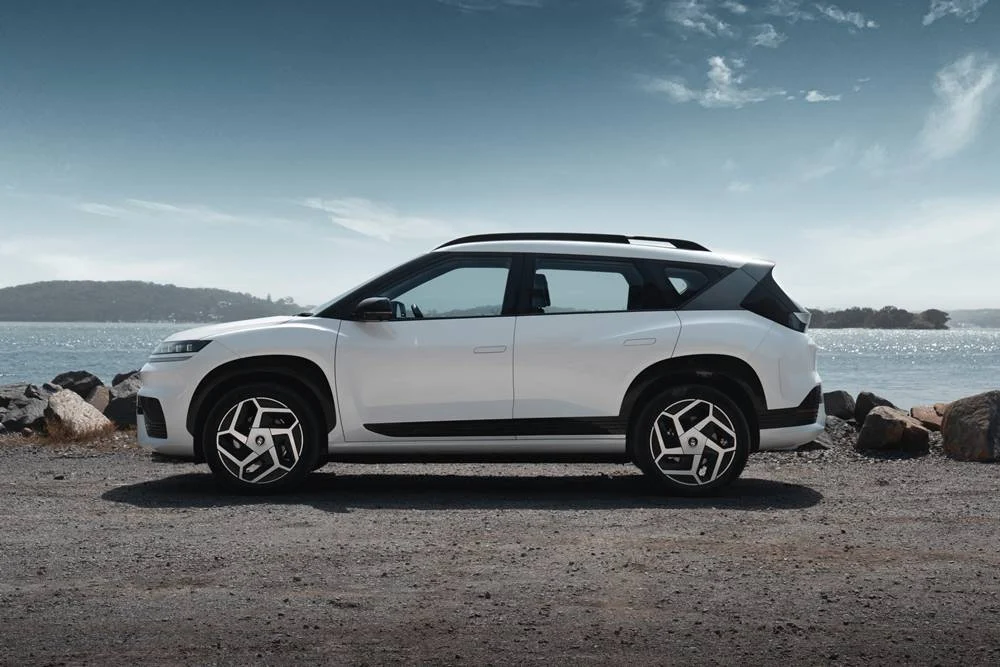
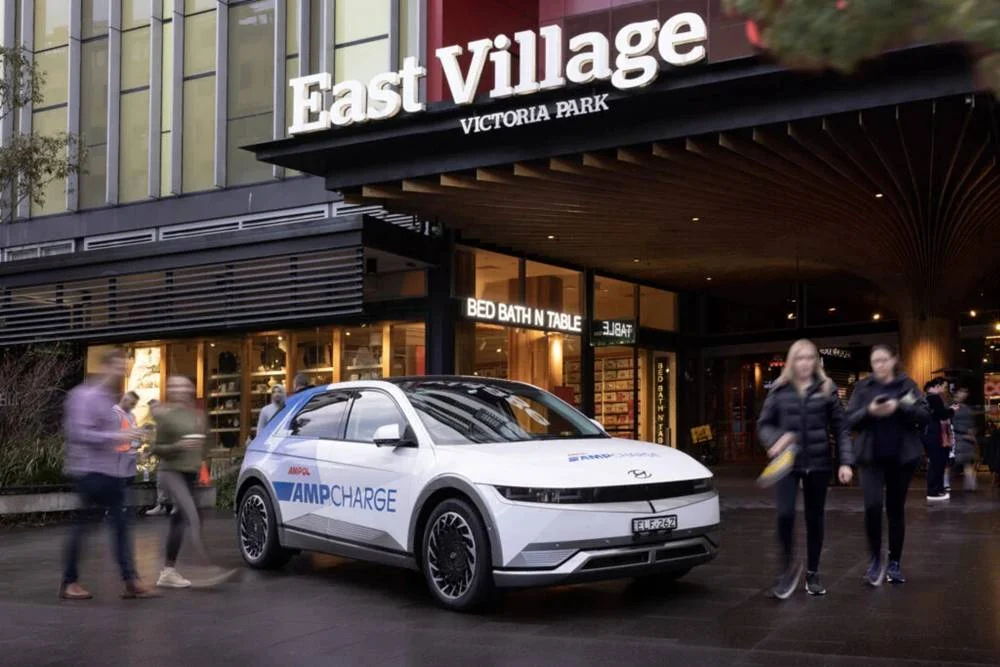


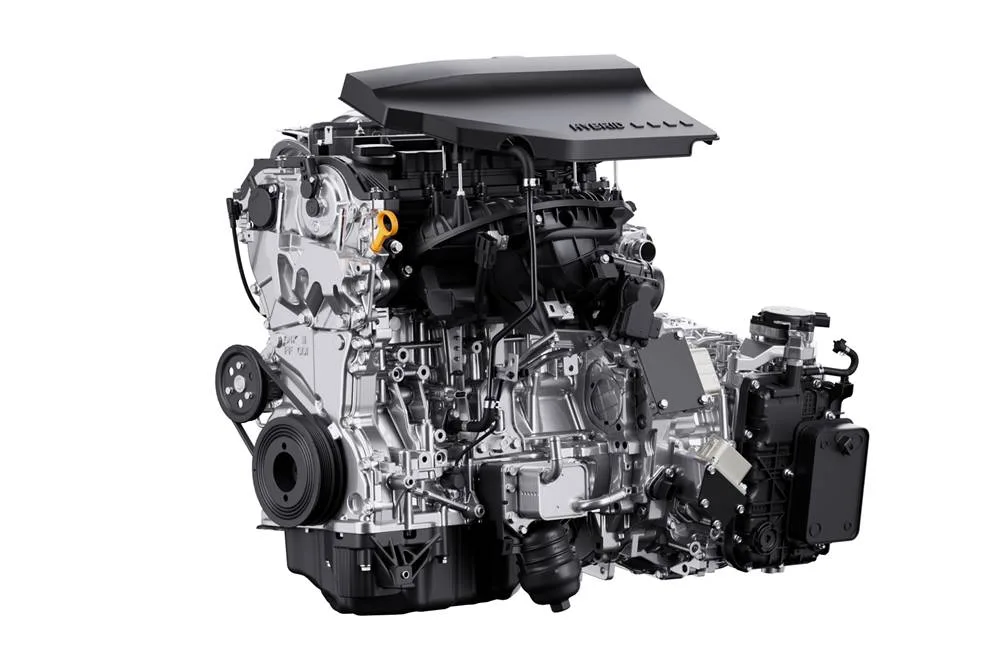
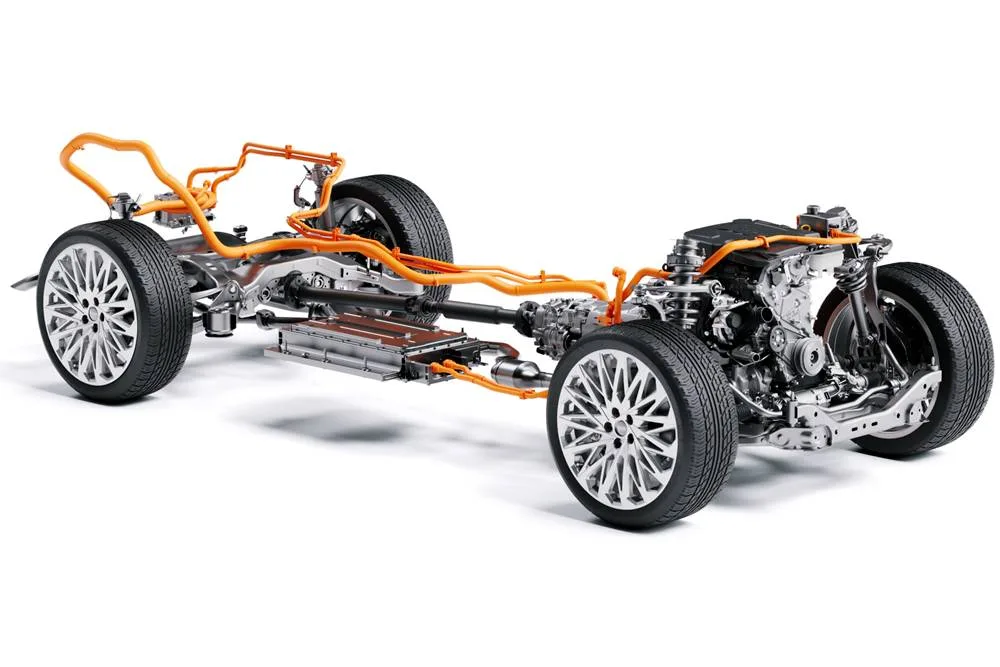
ABOVE: Hyundai Motor Group
The Ecosystem: AI Hydrogen Smart City
The final piece of the puzzle is the AI Hydrogen Smart City. With a KRW 400 billion price tag, this is where all the disparate technologies—the AI, the robots, and the hydrogen—converge into a living urban environment.
Using a framework called D.E.S.I.G.N. (Demand, Experience, Supply Chain, Infrastructure, Government, and Network), Hyundai wants to prove that an integrated ecosystem actually works. This city will be energy independent, powered by on-site hydrogen, and managed by physical AI to handle transport and logistics. If it works in Saemangeum, expect Hyundai to export this “Smart City in a Box” model globally.
Why Saemangeum?
The choice of Gunsan City isn’t accidental. Saemangeum offers a unique combination of abundant renewable energy and a “trifecta” of transport links: port, rail, and airport. It’s a blank slate where the Group can build a futuristic industrial base without the constraints of aging urban infrastructure.
The Economic Payoff
The government isn’t just supporting this for the tech cred. The economic projections are staggering. The investment is expected to trigger KRW 16 trillion in total economic impact and create roughly 71,000 jobs.
This is a strategic play for Korea’s industrial future. By shifting the focus from traditional manufacturing to high-margin robotics and energy solutions, Hyundai is attempting to insulate the domestic economy from global shifts in the automotive sector.
A New Strategic Direction
At CES 2026, Hyundai made their “Physical AI” strategy clear. They aren’t trying to do it entirely alone; they are cozying up to tech giants like NVIDIA and Google DeepMind to sharpen their software edge. But the Saemangeum project proves they still believe in the power of physical infrastructure.
Jaehoon Chang, Vice Chair of Hyundai Motor Group, summed it up perfectly during the signing ceremony. He noted that the project is about translating the “Progress for Humanity” slogan into a tangible, high-tech reality. It’s a bold, expensive, and complex plan that positions Hyundai as much as a tech and energy company as a car manufacturer.
The timeline is tight—construction starts in 2027 and most facilities aim for completion by 2029. If Hyundai pulls this off, Saemangeum won’t just be a Korean innovation hub; it will be the global benchmark for how the next industrial revolution actually looks on the ground.
-
-
-
More GayCarBoys Hyundai Stories:
- DON’T Drive YOUR CAR until you’ve Checked if your AIRBAG will KILL YOU
- Hyundai NEXo Hydrogen Car Record Distance Traveled
- Hyundai IONIQ 5 Full Review
- Hyundai Hydrogen: Incheon International Airport Signs Deal
- Hyundai reveals Prophecy EV Concept
- Hyundai to Launch IONIQ 6 in February
- Hyundai IONIQ 5 Winter Tests on Swedish Ice Lake Video
Hyundai IONIQ 6 Electrified Streamliner Gets 5 Star Safety Rating
-
-
Help Support Gay Car Boys Subscribe to our Youtube Channel

Alan Zurvas is the founder and editor of Gay Car Boys, Australia's leading LGBTQI+ automotive publication. Before launching GCB in 2008, Alan's automotive writing was published in SameSame.com.au and the Star Observer. With over 16 years of hands-on car reviewing experience, Alan brings an honest, irreverent voice to every review — championing value and innovation over brand loyalty.
Leave a Reply