
Australia’s car market is in a full-blown electrified identity crisis. HEVs dominated around 15% of new-car sales for the year, PHEVs are skyrocketing (up 2,000% in five years), and BEVs are quietly rising. Of the 99,588 sales in October ’25, hybrids accounted for 17.8%, PHEVs 4.7%, and battery electric vehicles (BEVs) 7.3%. This represents a 25% growth for hybrids and 95% growth for PHEVs compared to October last year, while BEVs remained stable. Year-to-date, hybrids are up 12% and PHEVs a staggering 137.4%.
PHEVs can run 40–180 km on electricity and may carry batteries the size of small EVs. Many owners don’t plug them in, though, turning them into heavy petrol cars with commitment issues. Meanwhile, China is reshaping the market with over 160,000 imports last year, often priced $30k–$45k, undercutting legacy brands. Hybrids remain practical for commuters and regional drivers, but the bridge to full EVs is shrinking. Electric is the destination, and China just put its foot to the floor.
And mild hybrids? They’re basically window dressing — a tiny battery that barely helps and a brake-regeneration trick that won’t save you money, fuel, or dignity.
Hybrid (HEV) Sales: Big, Booming, and Bloody Convenient
Hybrids are huge because they’re dead simple. You drive them just like a petrol car, only with fewer visits to Servo Sushi.
FCAI data puts hybrid penetration at around 14–15% of all new cars sold, with growth over the past five years hitting nearly 300%.
But they still burn fuel. Cleaner? Sure. Future-proof? Not even slightly. Toyota and Honda kicked off the hybrid boom decades ago. Honda chickened out, but Toyota stuck with it, and the modern version is the result. Its fancy electronic CVT isn’t really a CVT, and the e-AWD system tucks a tiny electric motor on the rear axle. Clever, right? But ultimately, it’s marketing — a way to justify a return on investment. Toyota led the charge, buyers got a choice and flocked to it in droves. It became trendy and completely replaced LPG conversions for taxis; remember those? Once other brands joined the party, BOOM — it exploded like a cracker on coke.
Hybrids are the “nice guy you date before meeting your husband.”
Essential, educational, but not endgame material.
Above: This Week’s VIDEO Review – Redtiger F77 Dashcam Review: 4K Twin Cam Glory Captures Hit & Run rear-ender
#RedtigerF77, #DashcamReview, #4KDashcam, #CarTech, #AutoGear, #GayCarBoys


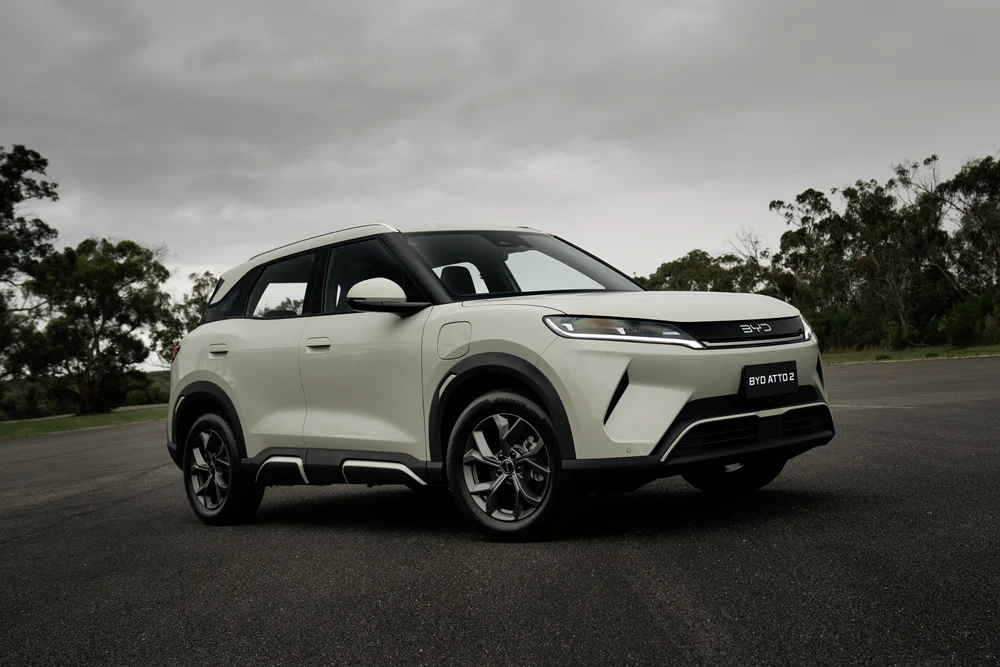
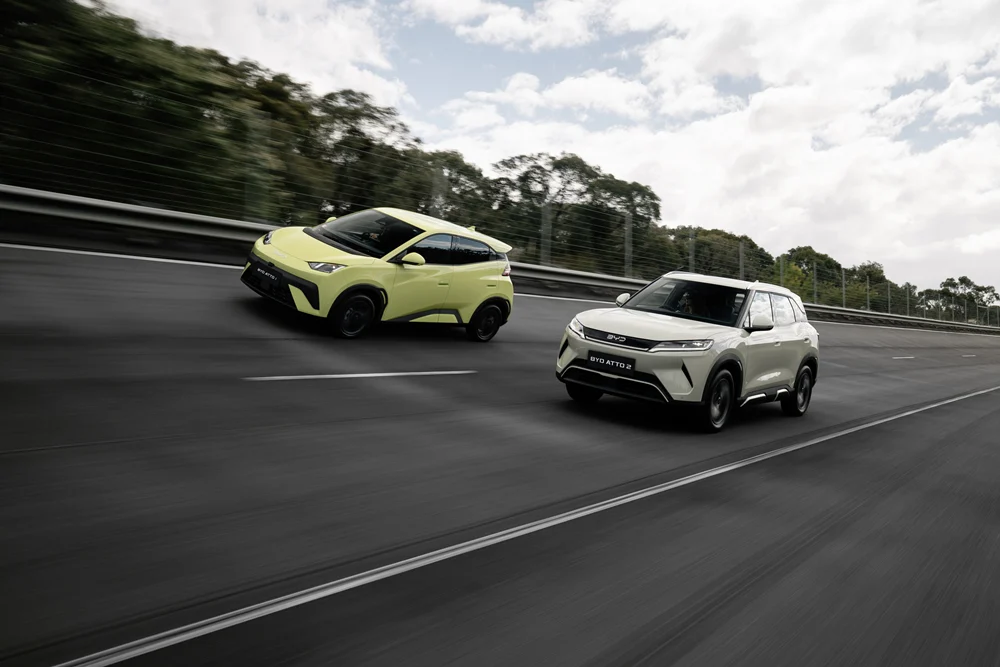
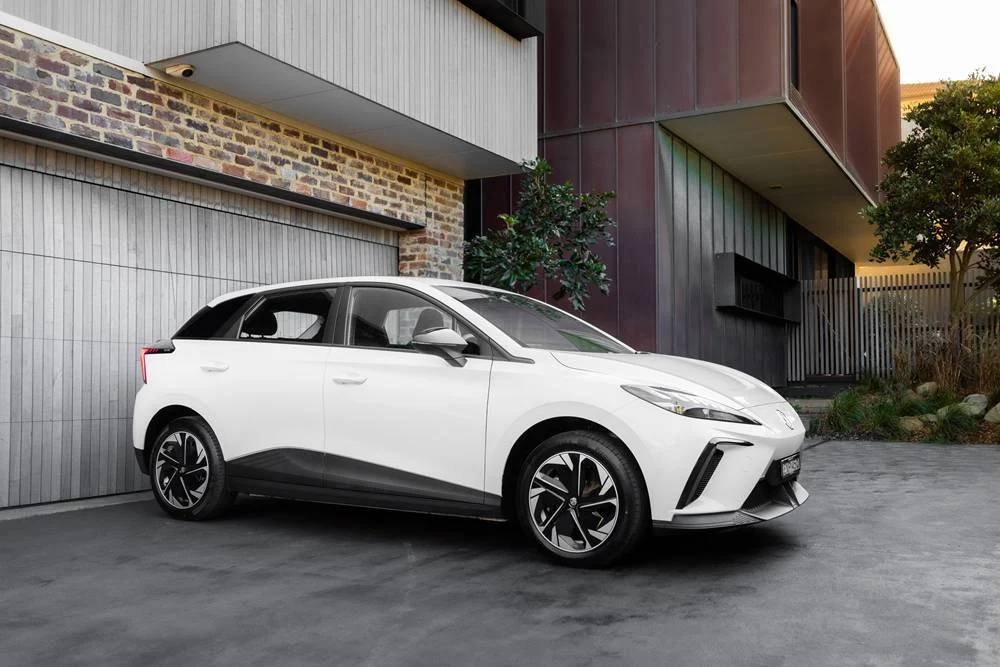

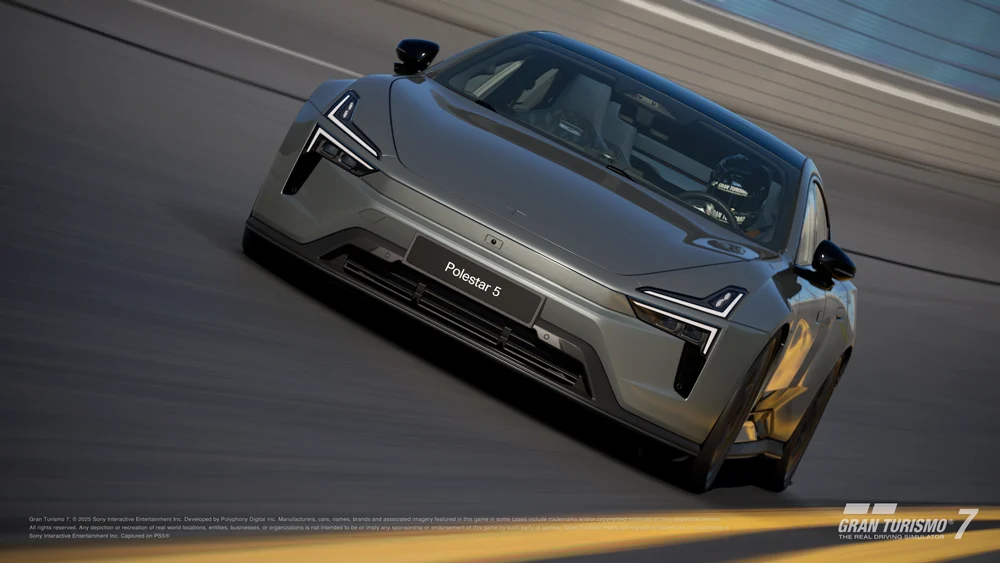


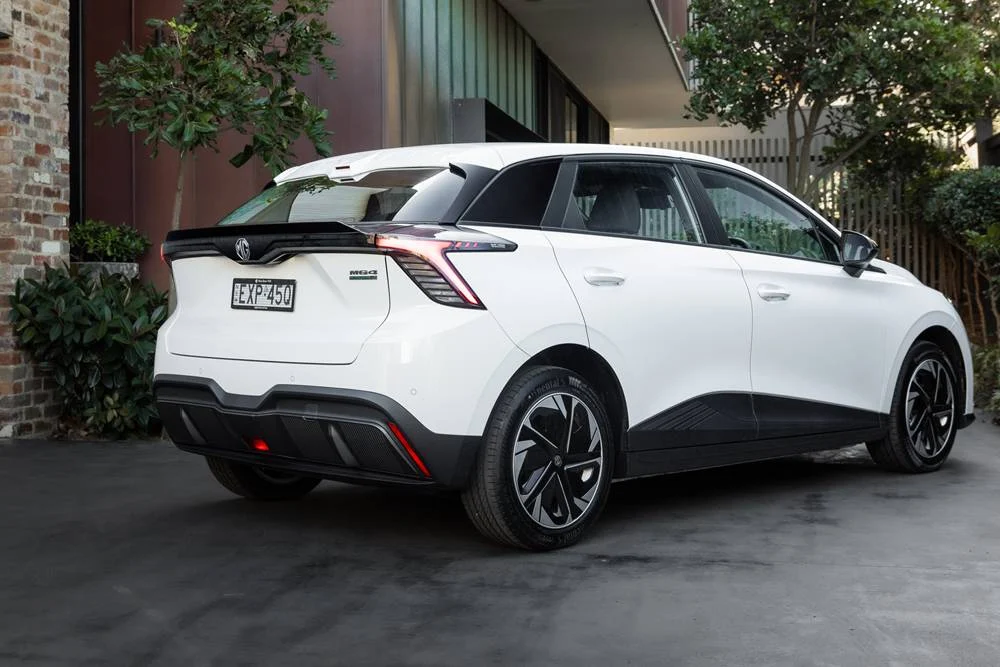
ABOVE: a Mixed bag of cars
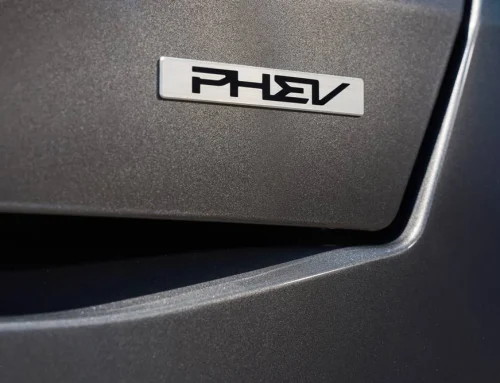
PHEVs: Brilliant When Plugged In, Useless When They’re Not
PHEVs are the bisexuals of the car world — capable, flexible, misunderstood, and often not used properly.
When treated right, they’re fantastic.
A modern PHEV can run 40–180 km on electricity alone, depending on the model. That’s enough for most Aussie commutes several times over. Plug them in to your wall mount or garage power point and the petrol engine will see little use. But, the ICE still needs as much attention as any other ICE.
And here’s the kicker:
Some PHEVs now carry battery packs the same size as (or sometimes bigger than) small pure EVs. Others are smaller, but either way, the tech is catching up fast and some even have DC fast charging.
But — and this is the national problem — many owners don’t plug them in.
Then a PHEV becomes nothing more than a heavy petrol car with commitment issues.
Still, when properly charged every day, a PHEV can slash fuel bills and emissions dramatically. For regional drivers or apartment dwellers without reliable charging, they remain the most impractical electrified option until the network improves.
Useless Mild Hybrids: The Decoration Cars
Mild hybrids are like a puff of perfume on a naked petrol engine. They’ll flash a battery icon on the dash, maybe nudge your fuel economy by a percent or two, and call it “technology.”
In reality, they don’t drive on electricity, they can’t do commutes without the engine, and if you’re hoping they’ll save you money, well… good luck with that.
One example is the Peugeot 408 PHEV, a brilliant car that couldn’t possibly compete on price and was at least 15k too much and only 81 units were sold. Peugeot dumped it for a less expensive, far less powerful, and vastly inferior mild hybrid, but sales have been a Shakespearean tragedy with 79 units sold to October 2025.
They’re marketing fluff for people who like the idea of a hybrid but can’t actually commit.
BEVs: The Destination, Not the Detour
A classic Mercedes-Benz is among every brand past and present being converted to an EV as a way of future-proofing.
Look, we all know where this ends. Taxes and incentives will encourage, while tolls, fees, and penalties will kill off and chance of ICE vehicles being any part of the future. Let’s be clear; the planet won’t allow humanity to do as it has been doing and one way or the other we will change or die.
BEVs are simpler, quieter, cheaper to run, and cleaner at the tailpipe (because they don’t have one, darling). There is a fraction of the moving parts of those in an ICE vehicle
Government data has EVs at 8–10% market share, up from nothing only a few years ago.
Batteries are getting cheaper and developments such as solid-state-batteries promise lifetime use with charging taking mere minutes. We’re not there yet but it is just around the corner.
The only real barrier?
Currently (get it? Current? Oh never mind) charging quality still drops off quicker than small-talk after midnight.
But that barrier is shrinking.
And China is smashing it with a sledgehammer.
Hydrogen Fuel Cell
Great idea but for applications such as emergency or remote power, not automotive.
The fuel could be cheap, manufactured entirely by renewable energy, and is a solution for powered camp sites, remote cattle stations, back-to-base transport, and perhaps rail.
China’s Price Tsunami: The Game Changer
More than 160,000 Chinese-built vehicles entered Australia in the past year alone — a double-digit increase year-on-year. EV and hybrid deliveries from China are up over 100%, according to industry data.
That kind of volume gives China a price advantage the Japanese and Europeans can’t match:
- EVs in the $30k–$45k bracket
- New electrified models arriving under $30k
- Hybrid SUVs priced like petrol hatchbacks
- Features lists that make legacy brands look Victorian
China isn’t “competing” — it’s dragging the global market into electrification like a drunk queen pulling a twink onto the dance floor.
Verdict: Hybrids Matter — Until They Don’t
Right now, HEVs and PHEVs are vital. They help Aussies save fuel, cut emissions, and ease into electrification without crying in a servo carpark.
But long-term?
Electric is the finish line, and China is sprinting while everyone else is speed-walking.
Hybrids are still useful.
Still important.
Still the practical choice for many Aussies.
But they’re a bridge, sweetheart.
And with China’s 23 new brands driving a stake through the cold dead hearts of legacy brands, that bridge is starting to look very, very short.
#PHEV #HEV #EV #Australia #ChineseEVs #ElectricCars #HybridCars #EVTransition #CarNews #GayCarBoys
More Peugeot
- 2026 Peugeot 5008 GT Premium Hybrid 5-min Read: Price vs Perf
- 2024 PEUGEOT 3008 Hybrid is French Efficiency at a Price
- PEUGEOT 408 GT Premium Fastback Hybrid to Replace PHEV Model
- 2024 Peugeot 408 GT PHEV’s Luxury & Technology is Sexy Perfection
- 2024 Peugeot 2008 GT is So Cool Despite Itself, Here’s Why
- The Sexy Peugeot 408 – Our Delicious First Drive
- Ailing Peugeot Citroen Appoints David Owen as Australian GM
- Peugeot e-3008 Here Soon – Register Your Interest HERE
- Can Peugeot 408 PHEV Help Ailing Sales as Order Books Open
- Peugeot Brings Us the Electric e-208 in 2024
Discover more from Gay Car Boys
Subscribe to get the latest posts sent to your email.








Leave a Reply