Rolls-Royce has unveiled Cullinan Yachting, a collection of four Private Commissions celebrating the aesthetics, materials, and general spirit of having more money than a small nation’s GDP. Each motor car — because Rolls-Royce doesn’t make cars, darling, it makes motor cars — is defined by one of the cardinal points of the compass: North, South, East, and West. The conceptual rigour is impressive.
How Much Does Bespoke Cost? The Answer is “Considerably”
These are Private Commissions. One of one each. Pricing is available from your nearest Rolls-Royce dealer, which is to say: if you are asking, you are not buying. The standard Cullinan retails somewhere north of half a million Australian dollars before anyone at Goodwood has personalised a single veneer panel. These four are considerably further north than that. Quite considerably.
The project began, as most things do in West Sussex, with a design problem. How does one properly honour the deep connection between Rolls-Royce and the yachting world? The answer turns out to be two months of experimentation. That is two months of Rolls-Royce artisans refining paint hue combinations, application techniques, and lacquering processes to achieve a hand-painted wave on the dashboard fascia.
The wave depicts the trailing wake of a tender bound for a yacht at anchor. The direction of the wake corresponds to the compass point of each commission, because of course it does.
Above: ICE, Hybrid, PHEV, EV — Which Drivetrain Is Right for You? Review
#EUFTA #LuxuryCarTax #FCAI #FreeTradeAgreement #AustraliaTrade

Help Support Gay Car Boys Subscribe to our Youtube Channel by SMASHING THE BUTTON ABOVE


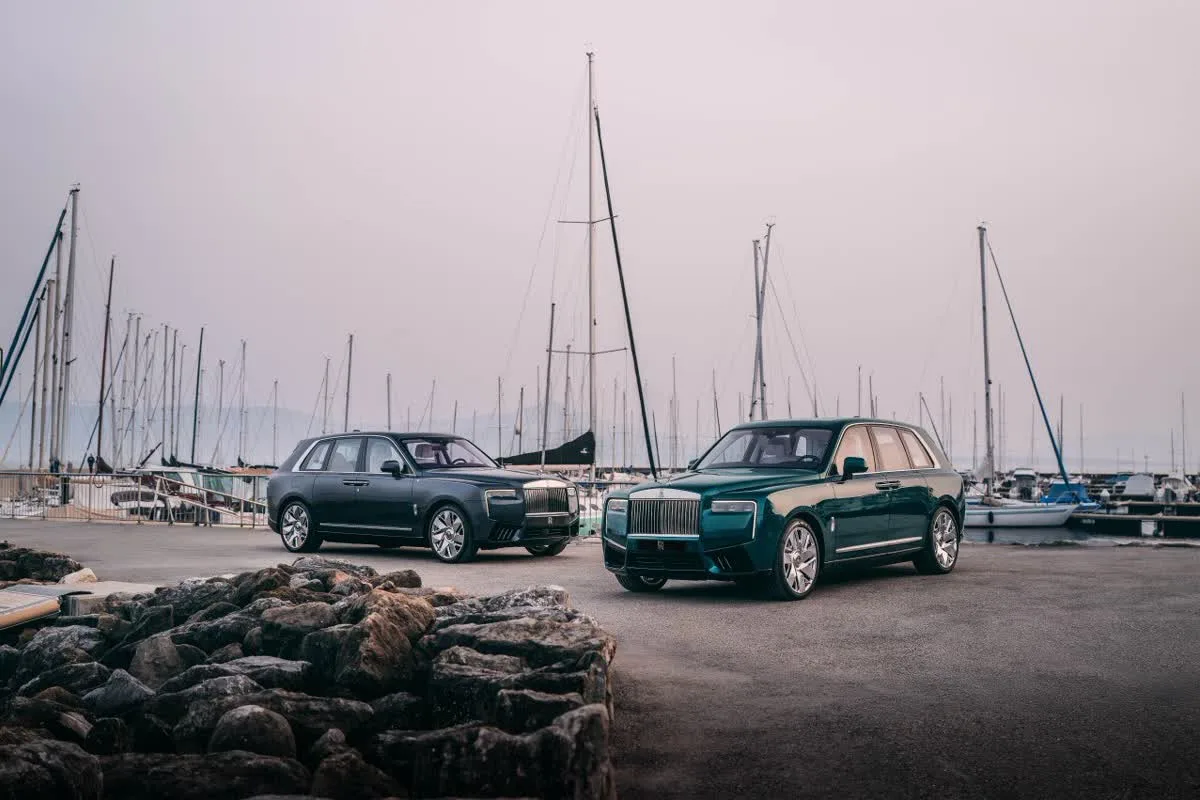
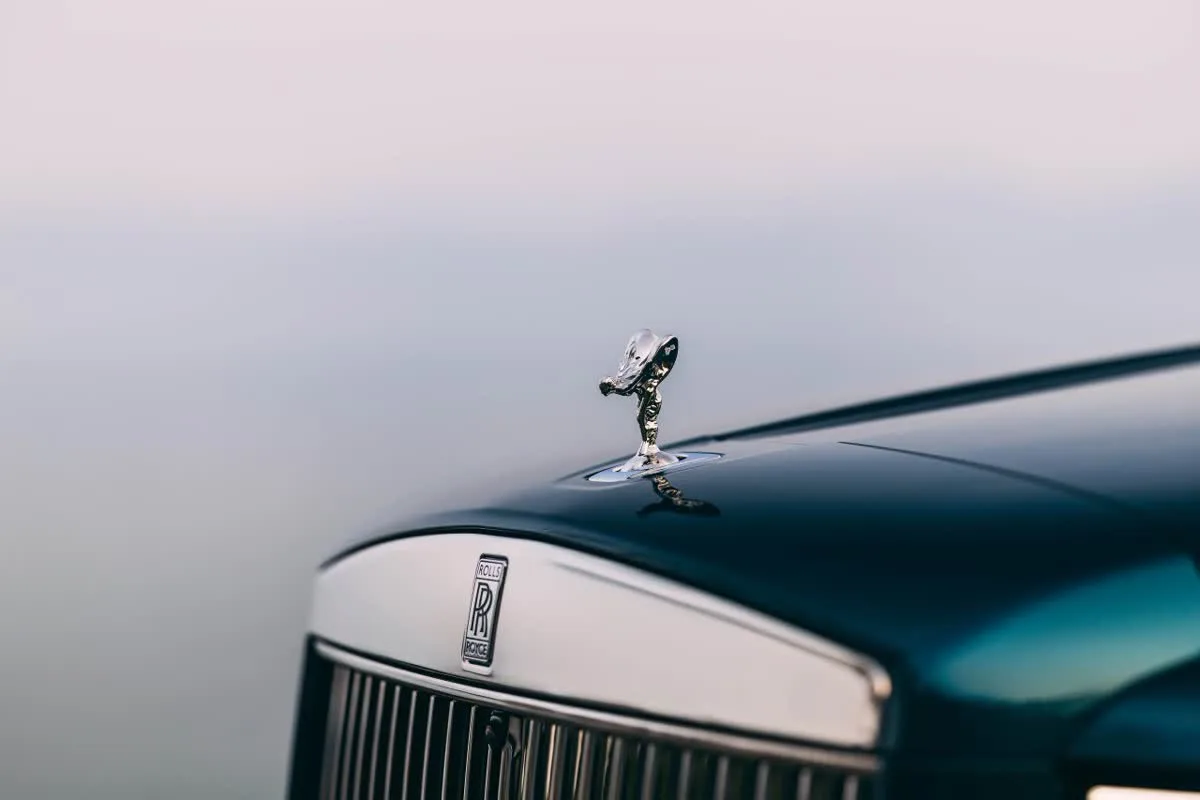

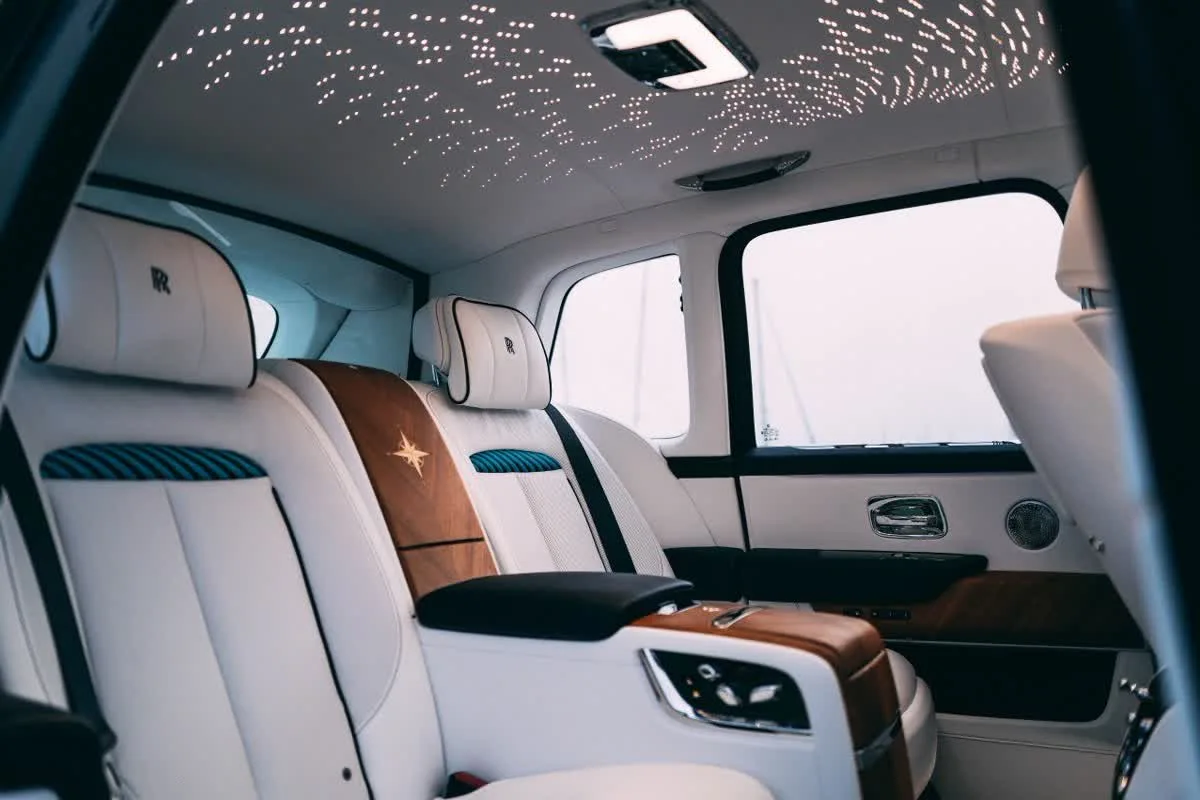

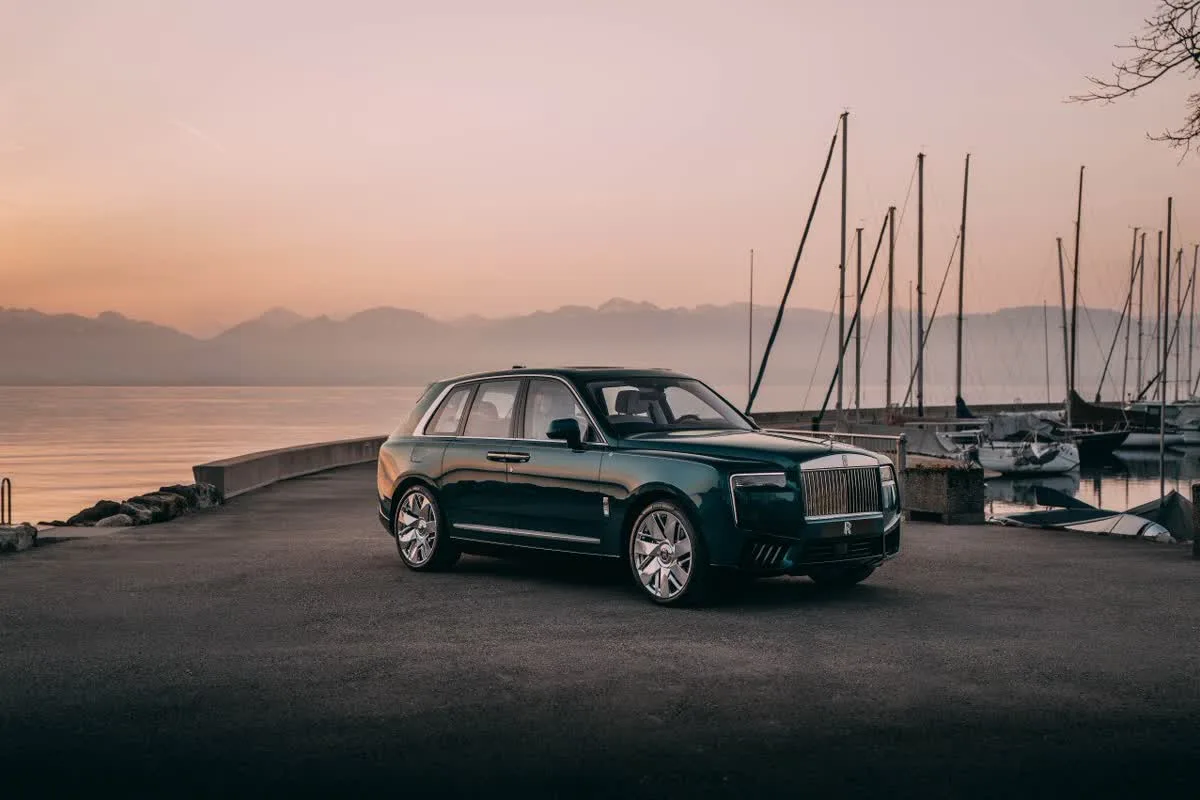
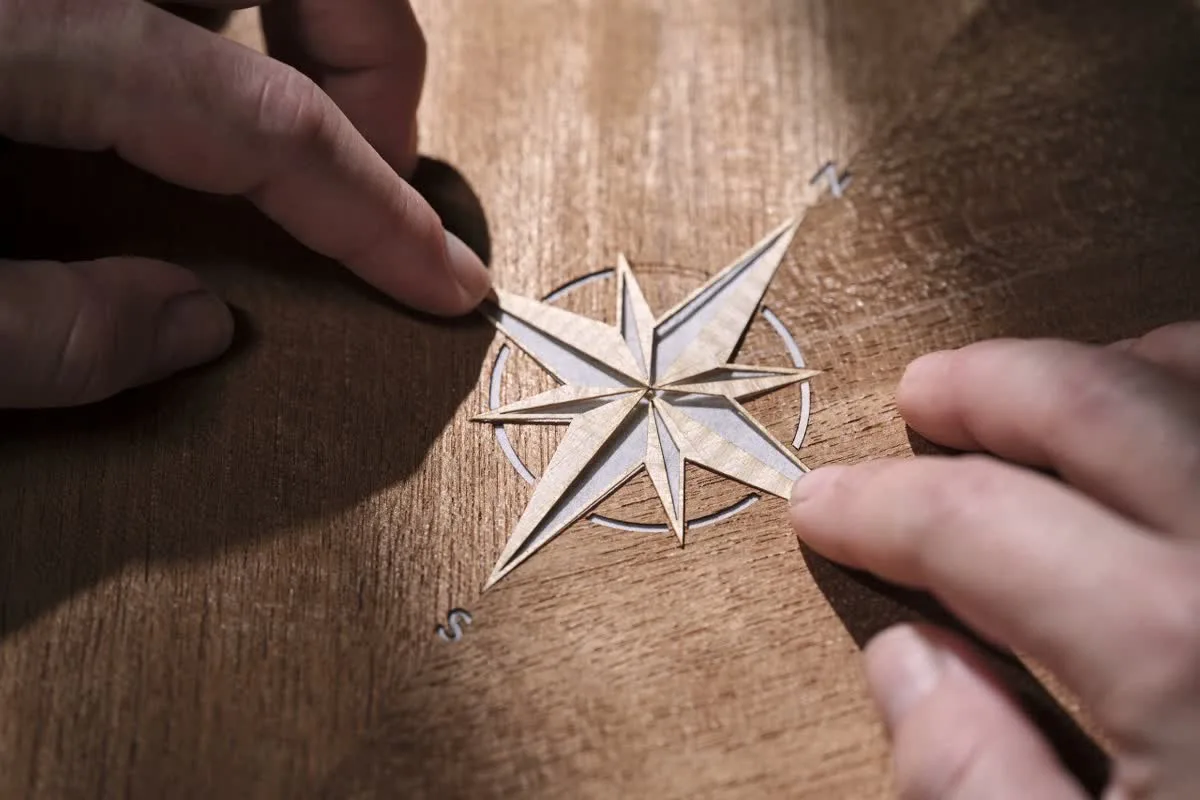

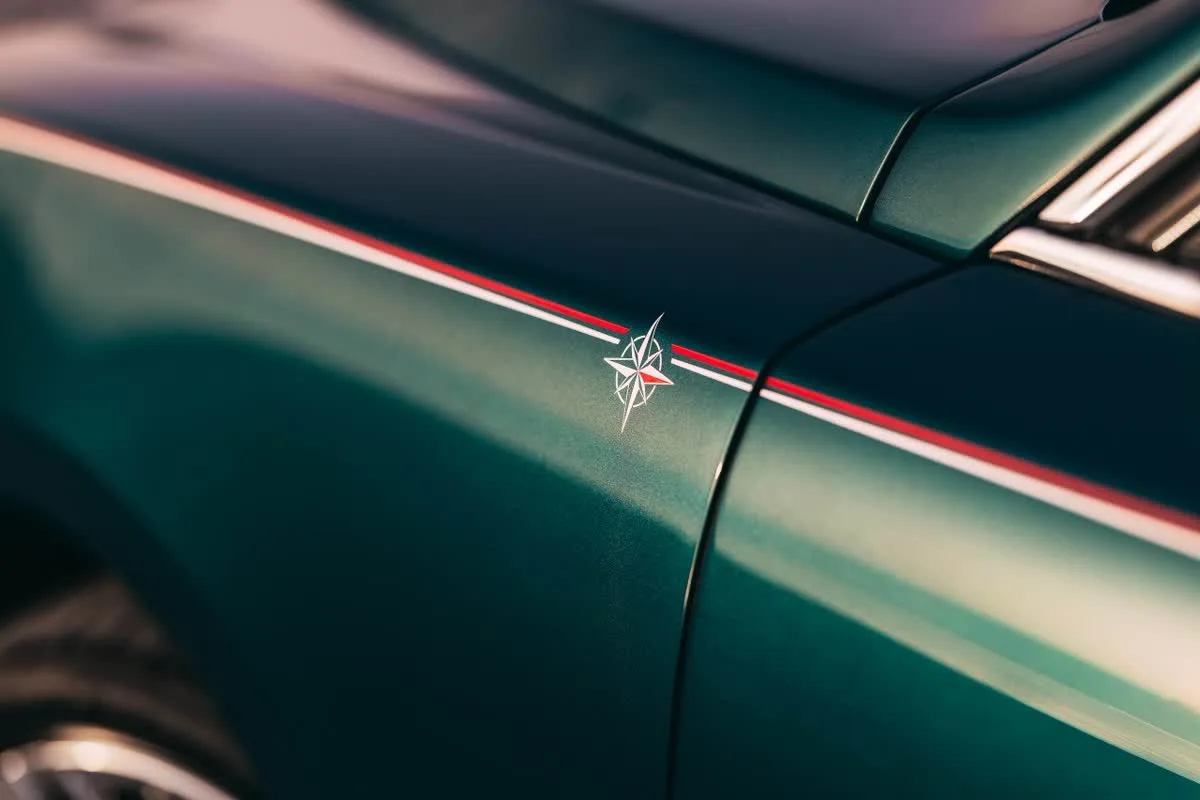
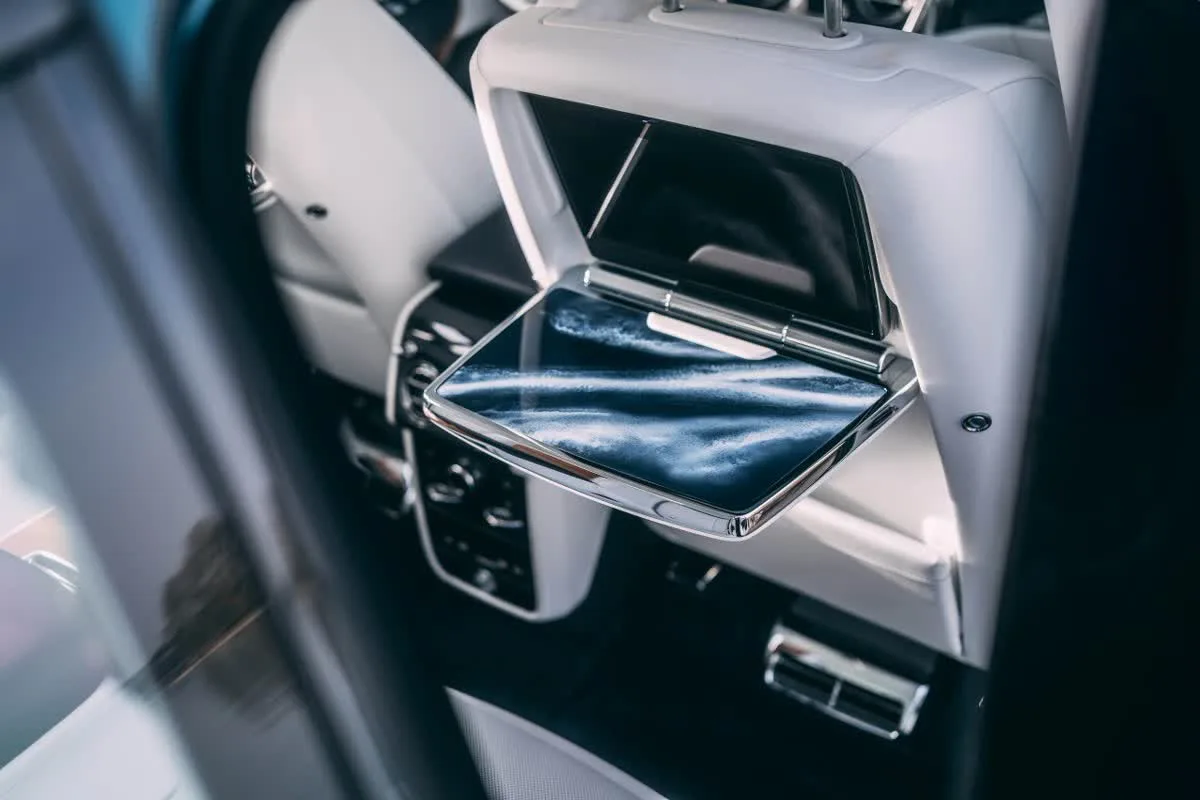
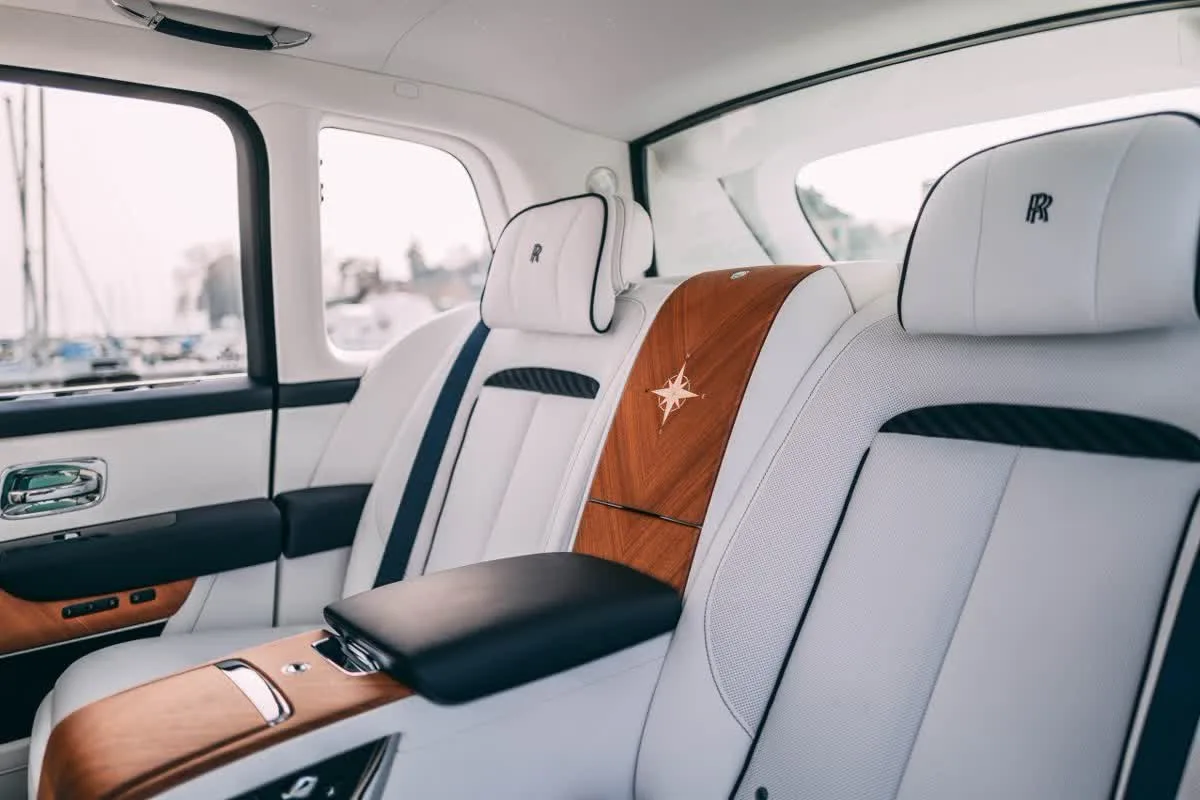
ABOVE: Two Cullinans at marina | Spirit of Ecstasy | Hand-painted wave fascia | Starlight Headliner | Front view sunset | East commission at marina | Compass marquetry | Full interior | Compass coachline | Rear vanity | Rear teak console | Front seats
What Is the Rolls-Royce Cullinan Yachting Like Inside?
The fascia — finished in a Bespoke paint named Piano Milori Sparkle, evoking the deep crystalline tones of the Côte d’Azur — spans the full width of the motor car. To achieve the lifelike effect, pigment is airbrushed onto wet lacquer before being shaped by hand with a fine brush. The artist directs air across the surface and manually guides the paint. There are, presumably, people somewhere doing something more pressing with their hands.
Open Pore Teak runs throughout: rear Waterfall, centre console lid, door panels. Commonly found on yacht decks. Warmly authentic. On the rear Waterfall, a marquetry compass motif has been hand-assembled from more than 40 individual pieces of veneer — Sycamore, Teak, Ash, and Black Bolivar — precisely cut and fitted by hand. One would not attempt this after a glass or two of Sancerre.
The Starlight Headliner, apparently insufficient in its standard form, has here been upgraded to chart the prevailing winds of the Mediterranean Sea. Shifting air currents are rendered in subtle motion across the roof of the interior suite, combining static and animated hand-placed fibre-optic stars. It is, by any reasonable measure, a ceiling.
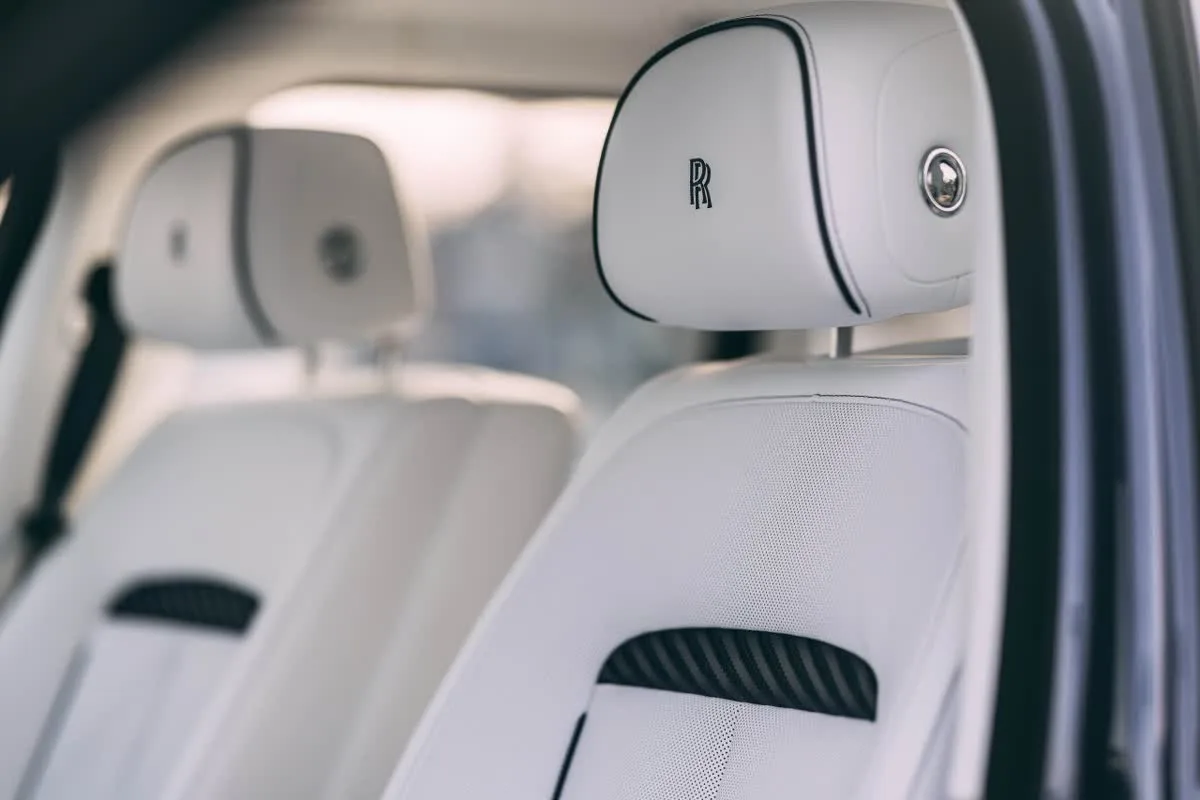
Seat inserts feature a Bespoke rigging pattern, hand-stitched in diagonal bands to echo nautical ropework. The artisan responsible has a personal connection to the Royal Navy and formal training in yarn, weave, and embroidery construction. This experience translates the craft of twisting rope into the rear bench of a large SUV. A rope motif also appears on the illuminated treadplates, visible when the coach doors are opened.
Interior upholstery is Arctic White and Navy Blue leather throughout, with contrast stitching, piping, and headrest monograms in Navy.
Four Compass Points, Four Exterior Identities
The exterior of each commission reflects its cardinal point. North wears Crystal over Light Blue, evoking the colder waters of higher latitudes. South is Crystal over Arabian Blue IV for warmer climes. East is Dark Silk Teal, suggesting the calm and mystery of deep water. West is Sapphire Gunmetal, echoing a storm-lit ocean sky.
Each motor car carries a hand-painted compass motif on the front wings, the relevant directional point highlighted in Phoenix Red, alongside a hand-applied Twin Coachline in Phoenix Red and Arctic White. The wheels are 22-inch fully polished alloys, subtly recalling the mirror-polished brightwork of contemporary yachts. The subtlety extends roughly as far as the Côte d’Azur from the nearest food bank.
Rolls-Royce’s relationship with maritime design is genuine and longstanding. Charles Rolls’ family owned a yacht named Santa Maria. The ‘waft line’ running along the lower body borrows directly from yacht design, reflecting the road as a hull reflects the water. The coachbuilt Boat Tail commissions drew from racing yacht proportions. The J-class vessels of the 1930s — those magnificent America’s Cup competitors combining beauty with breathtaking speed — are cited as a reference point.
The connection is real. The enthusiasm for the concept entirely sincere. And the result is a motor car that will park, four of them, somewhere very beautiful indeed, while artisans who spent two months perfecting the angle of a painted wave move quietly on to the next commission.
More Rolls-Royce Stories
Help Support Gay Car Boys Subscribe to our Youtube Channel

Alan Zurvas is the founder and editor of Gay Car Boys, Australia's leading LGBTQI+ automotive publication. Before launching GCB in 2008, Alan's automotive writing was published in SameSame.com.au and the Star Observer. With over 16 years of hands-on car reviewing experience, Alan brings an honest, irreverent voice to every review — championing value and innovation over brand loyalty.
Leave a Reply