The grand illusion of Stellantis operating as a viable multi-brand powerhouse in Australia is unravelling in real time, and anyone surprised has not been paying attention to showroom realities.
The official suspension of Fiat 500e and Abarth 500e imports is not an isolated administrative hiccup. It represents the completely predictable terminus of a corporate strategy built entirely on nostalgic badge engineering, complacent and negligent leadership, and delusional pricing structures that completely misread the room
When the electric Italian hatchback reached local showrooms with a price tag starting well north of fifty grand, it walked blindly into a brutal market environment already saturated with hyper-competitive electric offerings from ferocious Chinese ambition. The writing was scrawled large across showroom floors nationwide. Modern car buyers comparing technical specifications on their mobile devices do not care about sepia-toned marketing photographs from the 1960s when they can secure a larger, far more practical electric vehicle equipped with superior range and faster charging infrastructure for significantly less coin.
Sales trickled to a pathetic, grinding halt, culminating in a dismal thirteen registrations during June. Remaining cars are currently being cleared out at big discounts, leaving the local Fiat passenger stable quiescent while the parent company quietly reassesses whether the badge has any fiscal pulse left in this hemisphere.
Above: 2027 Volvo EX30 Cross Country is AWESOME – PART 2
#VolvoEX30CrossCountry, #VolvoEX30, #EX30, #EX30CrossCountry, #Volvo, #ElectricVehicle, #EV, #EVReview, #CarReview, #ElectricSUV, #ZeekrX, #Zeekr7X, #VolvoReview, #SUV, #SydneyMotoring #GayCarBoys #CarReview #LGBTQI #CarReviewAustralia

Help Support Gay Car Boys Subscribe to our Youtube Channel by SMASHING THE BUTTON ABOVE


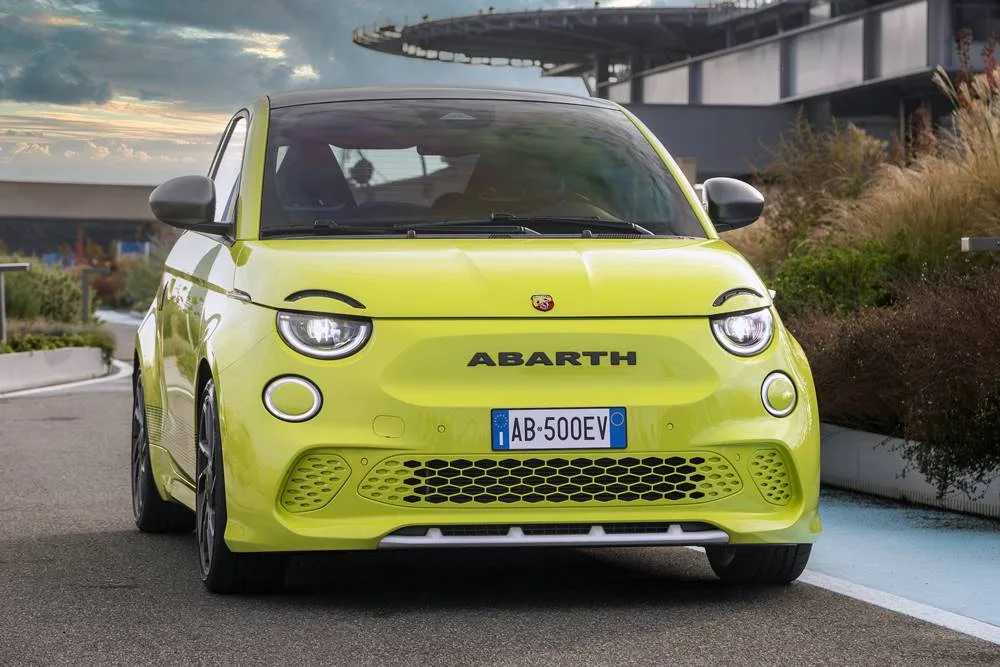

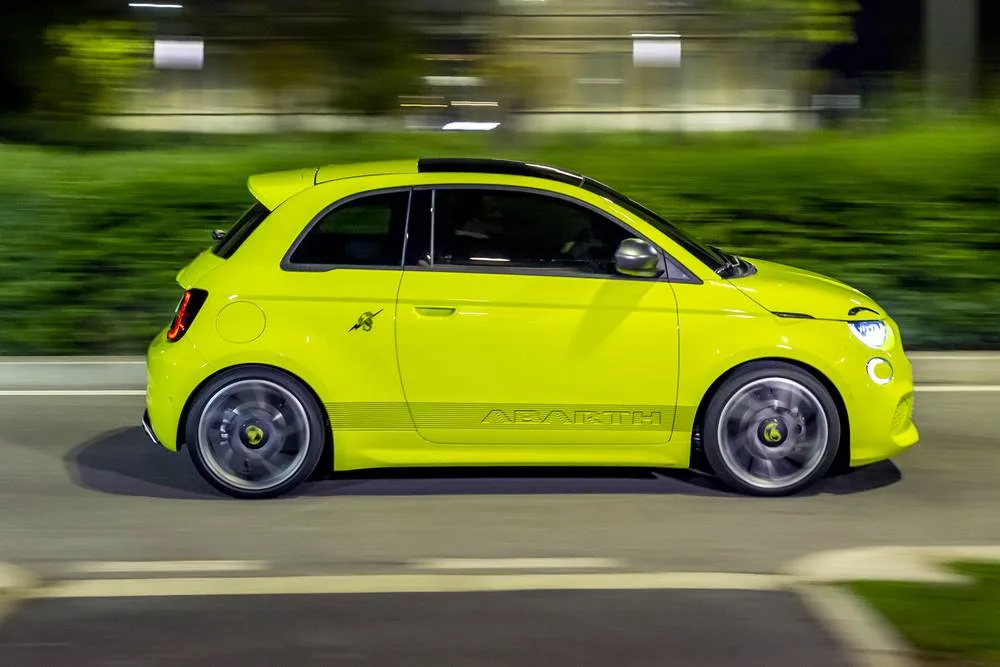
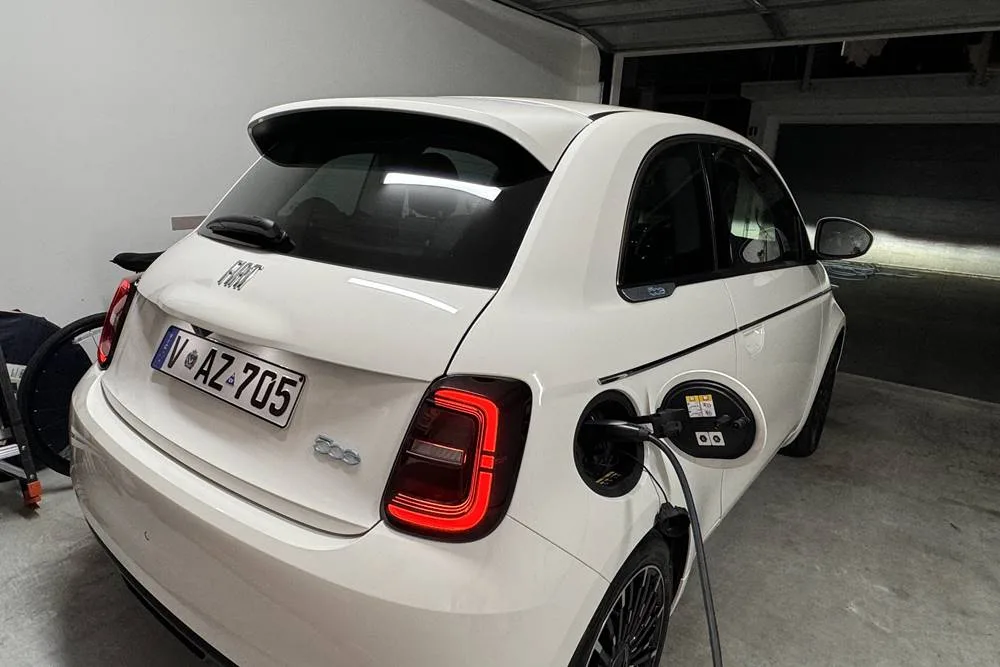

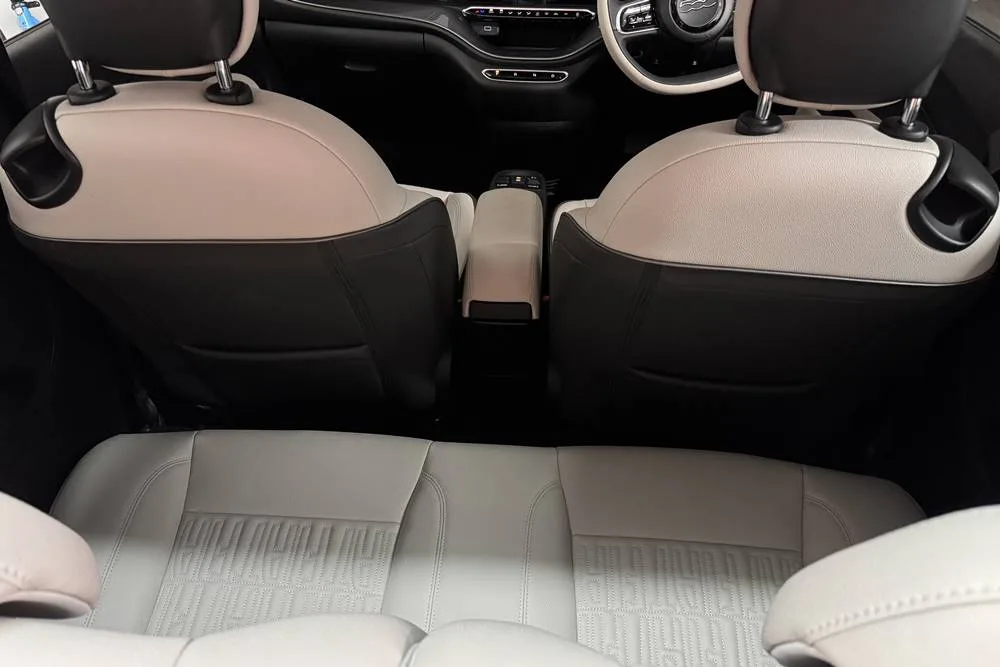
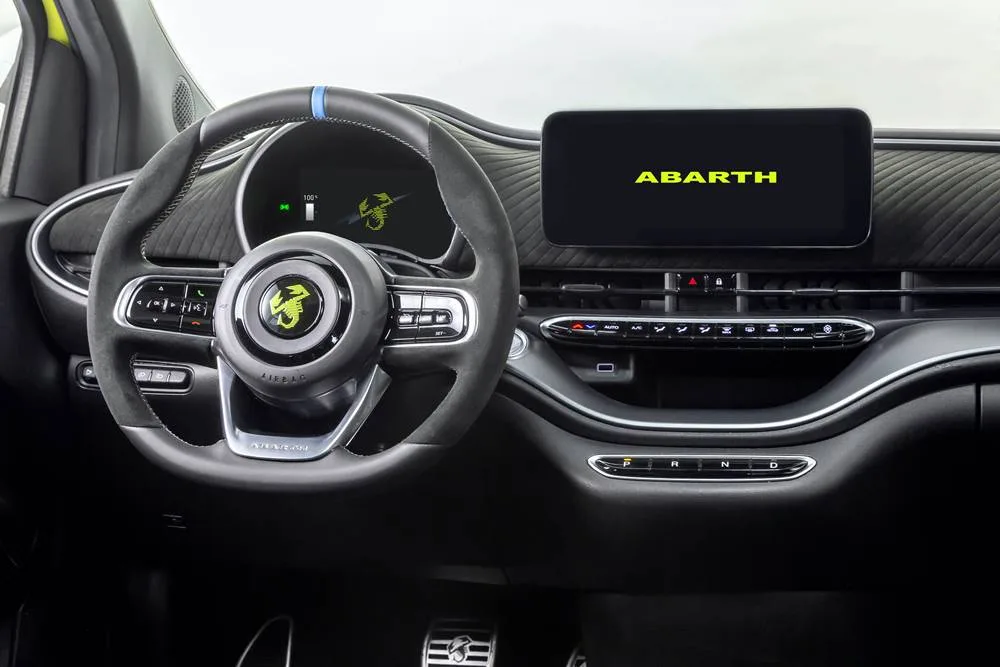
ABOVE: The 500e and Abarth e
This tragic downward spiral follows an intensely familiar script across the sprawling, bloated Stellantis portfolio. Citroen pulled the plug entirely on its Australian passenger car operations, capping a century of local history with an unheard whimper rather than a big blousy bang. Buyers had long since stopped caring, rendering the French brand an invisible ghost in its own dealership network. Chrysler vanished into the commercial ether years prior, leaving behind a trail of forgotten sedan dreams. Peugeot continues to ping-pong around local distribution arrangements like a grenade with the pin taken out. Inchcape watched Peugeot sales slump to microscopic, embarrassing levels that barely register on monthly sales charts. Alfa Romeo and Jeep struggle to maintain any momentum against dominant German and Asian rivals. They survive purely on the stubborn loyalty of diehard enthusiasts who endure endless reliability quirks simply for the sake of stylistic flair. Meanwhile, Dodge and Lancia remain distant historical memories or completely irrelevant footnotes in local automotive lore.
The ridiculous strategy of propping up a dozen distinct, low-volume European brands under one vast corporate umbrella fails when buyer expectations shift and competitive pressure mounts exponentially. Importers relying solely on heritage and spivs with superficial charm, are discovering harsh economic truths. Nostalgia does not pay the local dealer network rent, nor does it cover skyrocketing compliance, warranty, and parts warehousing overheads. Showrooms designed to display beautifully diverse European metal are increasingly left with only with echoes. Incandescent dealership principals are cutting ties or reallocating prime floor space to challenger brands that actually deliver reliable supply chains, decent volume targets, and healthy retail margins. We all remember Holden signs being moved from the big doors at the front to a side door near the toilets.
Executive suites in Europe and Detroit love nothing more than to lean heavily on legacy, assuming that gormless buyers will happily pay an unwarranted premium for exotic lineage while completely ignoring archaic infotainment systems, cramped cabin layouts, and inflated servicing costs. That particular slight of hand stopped working a very long time ago. When new challenger brands emerge offering double the technology and half the finance payment, traditional badge appeal is trampled under a stampede of buyers, laughing hysterically as they dash. Fed up with being treated like ATMs for Euro snobs, buyers are no longer willing to subsidise bloated corporate mismanagement huddling under the brolly of European styling.
The global market has evolved far past the point where heritage alone can rescue an overpriced, under-specced product. Consumers demand value, reliable support networks, and competitive technology packages that function without constant software tanties. Stellantis management has consistently underestimated the speed at which local buyer loyalties shift toward brands that deliver substance instead of historical excuses.
Unless the parent company radically restructures its product pipeline, slashes unrealistic prices, and cleans house across its regional operations, the local automotive knackery will claim far more than just a charming Italian city car. The house of cards is shaking violently on its boggy foundations, and no amount of corporate spin or marketing obfuscation can patch the structural cracks currently tearing the sprawling portfolio apart from the inside out.
More Fiat Stories
- 2024 Fiat 500e is a Much Under Rated EV – Here’s Why
- 2023 Fiat 500e – Better than the Average EV, by Far
- The Impossibly Cute Fiat 500e EV is FABULOUS – Here’s Why
Help Support Gay Car Boys Subscribe to our Youtube Channel by SMASHING THE BUTTON ABOVE

Alan Zurvas is the founder and editor of Gay Car Boys, Australia's leading LGBTQI+ automotive publication. Before launching GCB in 2008, Alan's automotive writing was published in SameSame.com.au and the Star Observer. With over 16 years of hands-on car reviewing experience, Alan brings an honest, irreverent voice to every review — championing value and innovation over brand loyalty.
Leave a Reply