American auto dealers are collectively losing their $hit on an apocalyptic scale. The catalyst for this sudden $hitstorm is a decision by Canada to open its borders to Chinese electric vehicles. We need to clarify that to the USA, “American” and “USA” are synonymous. They aren’t. The Americas hold over a billion people across two continents, not just the United States and its trigger-happy patriots.
China has been circumspect about its ventures outside its own borders. A few select markets were trialled, and now the EU, Asian, and Australian markets are awash with Chinese models offering longer warranties, superior performance, better value, and longer standard equipment lists.
After the conservative Abbott government torched auto manufacturing in Australia, all cars became imports. Since then, the country of origin mix shifted, subtly at first, then a flood. Early brands like Great Wall Motors were a disaster, but within a decade, two dozen Chinese brands stormed the market. Four of those pushed legacy players like Honda, VW, and Subaru off the Top Ten list.
Chinese Auto Invasion: The Roster
|
Brand |
Category |
Key Focus & Models |
|
MG Motor |
Major & Established |
Dominant volume player; SUVs and hatchbacks. |
|
BYD |
Major & Established |
Top-10 status; EVs/PHEVs (Atto 3, Seal, Shark 6). |
|
GWM |
Major & Established |
Wide range; Haval SUVs and GWM utes. |
|
LDV |
Major & Established |
Commercials; electric vans and dual-cab utes. |
|
Chery |
Major & Established |
Affordable SUVs (Omoda, Tiggo). |
|
Zeekr |
Newer (2024–26) |
Premium EVs (Geely subsidiary). |
|
XPeng |
Newer (2024–26) |
Tech-heavy smart EVs. |
|
Leapmotor |
Newer (2024–26) |
Budget-friendly electrics. |
|
Deepal |
Newer (2024–26) |
Electrified vehicles (Changan-owned). |
|
Smart |
Newer (2024–26) |
Geely/Mercedes-Benz JV. |
|
Nio |
Newer (2024–26) |
High-end electric vehicles. |
|
Geely |
Newer (2024–26) |
Re-entering with own-brand passenger cars. |
|
GAC (Aion) |
Newer (2024–26) |
Hybrids and EV models. |
|
JAC Motors |
Newer (2024–26) |
SUVs and pickup trucks. |
|
Jaecoo |
Newer (2024–26) |
Chery sibling brand; rugged SUVs. |
|
Omoda |
Newer (2024–26) |
Stylish, sporty sub-brand. |
|
Skywell |
Newer (2024–26) |
Electric SUVs. |
|
IM Motors |
Newer (2024–26) |
Premium EV brand. |
|
Lepas |
Newer (2024–26) |
Upcoming Chery sub-brand. |
|
Foton |
Newer (2024–26) |
Trucks and SUVs. |
Above: This Week’s VIDEO Review –2025 Chery Tiggo 4 Hybrid
CheryTiggo4, #HybridSUV, #GayCarBoys, #CarReview, #ToyotaKiller, #AffordableCars, #HybridReview


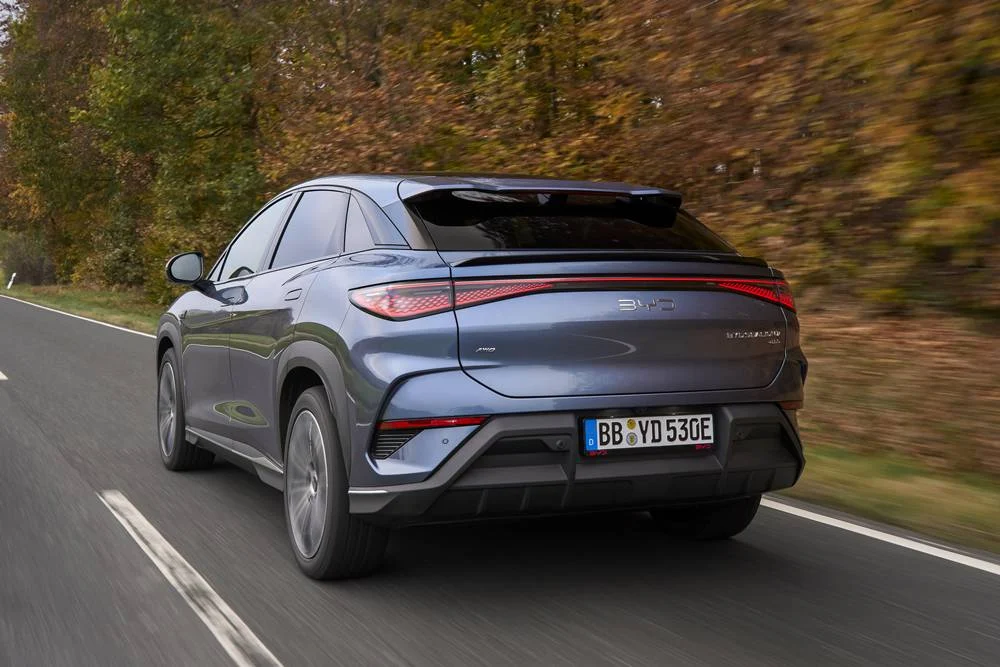
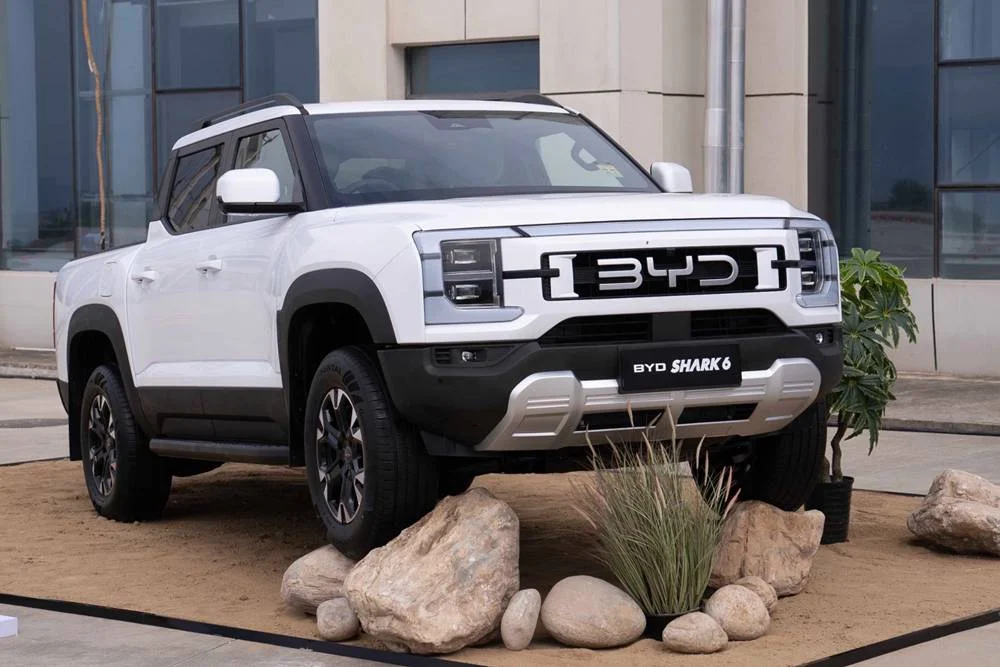
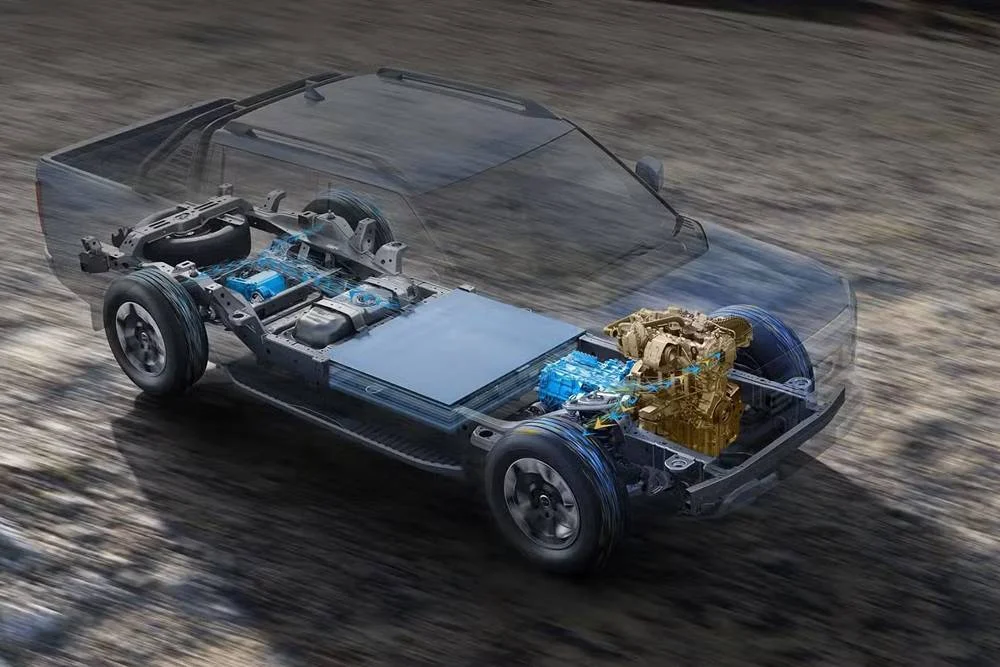
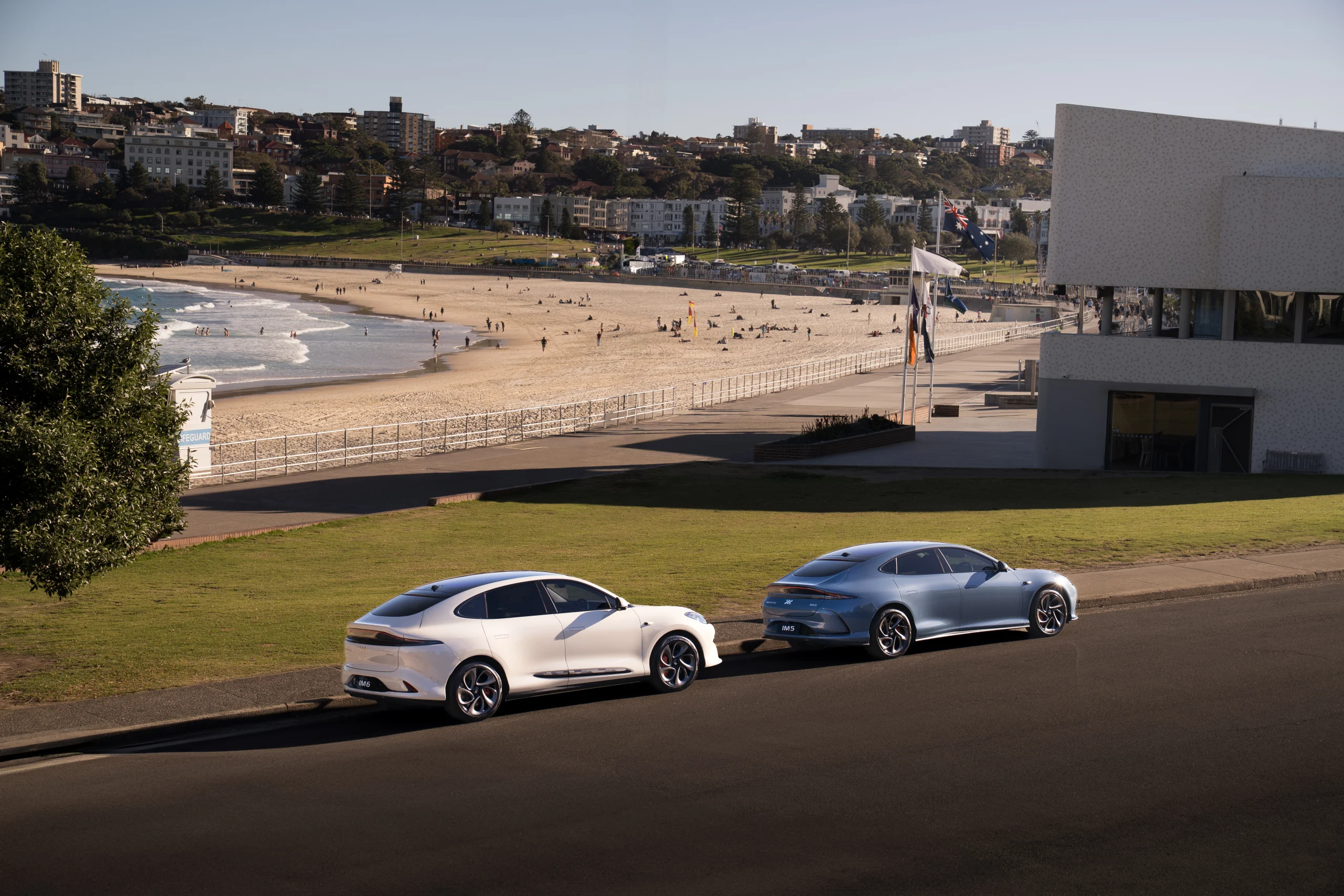
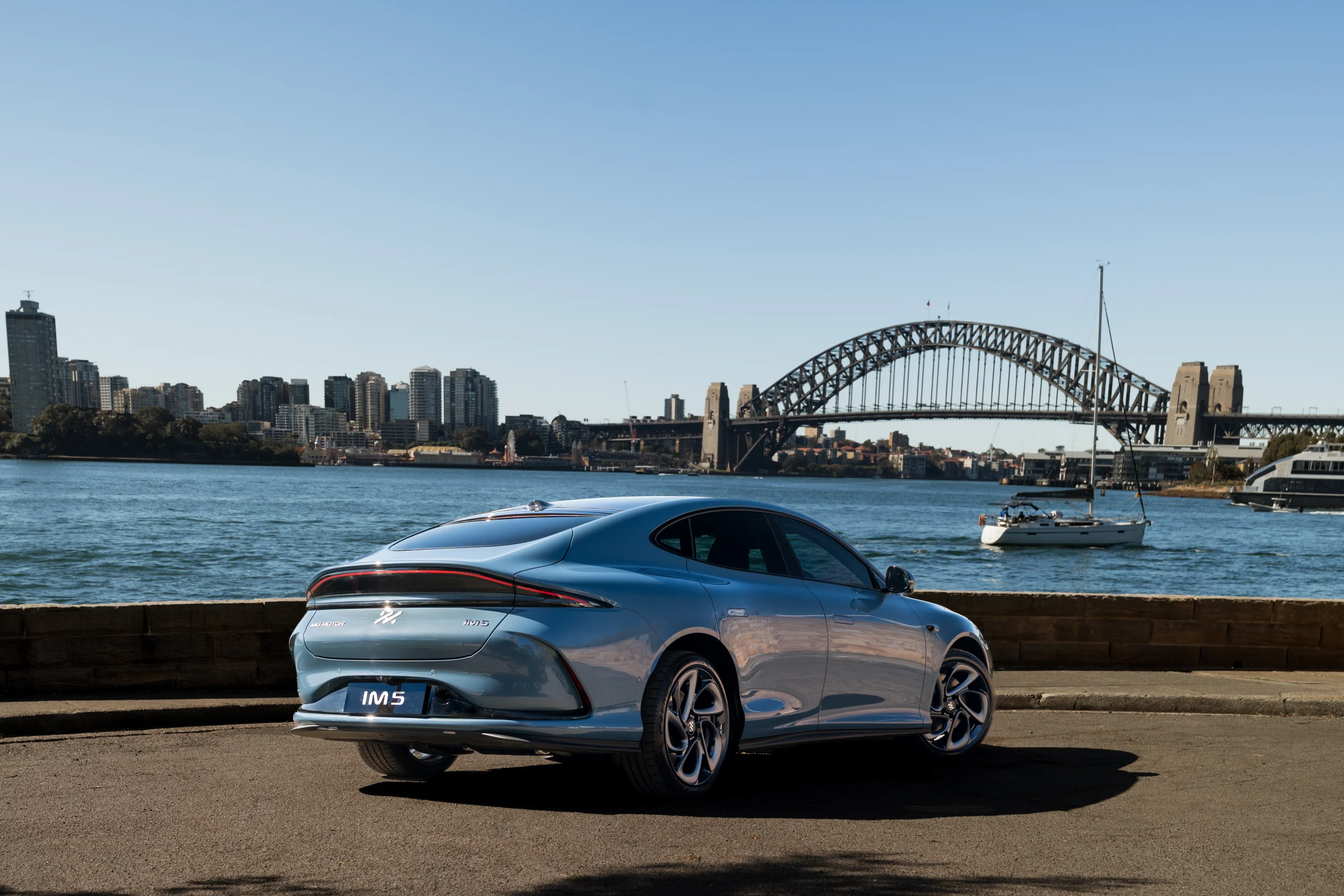
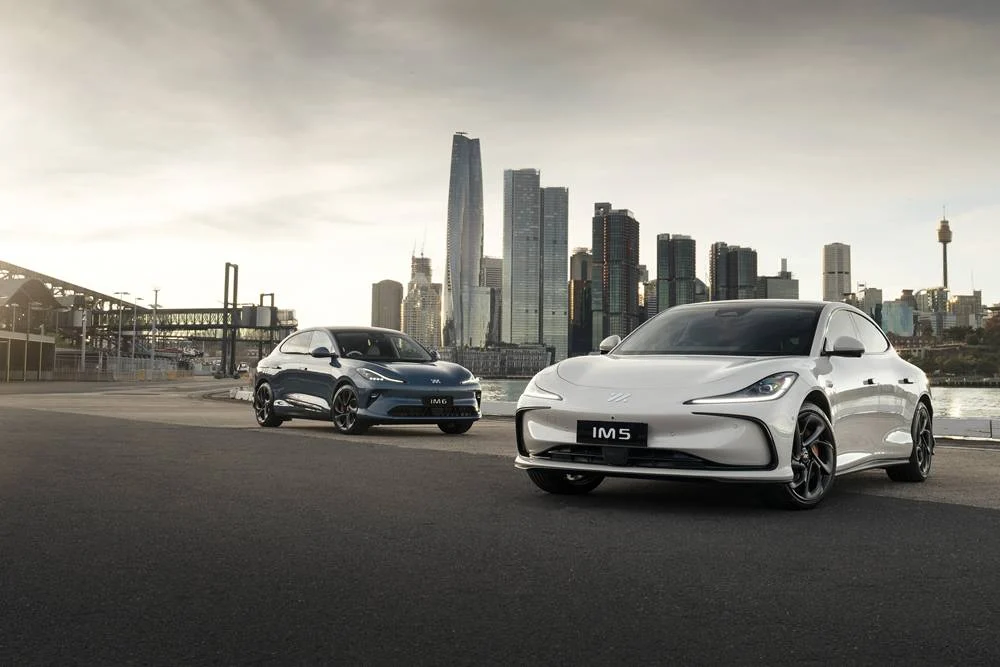
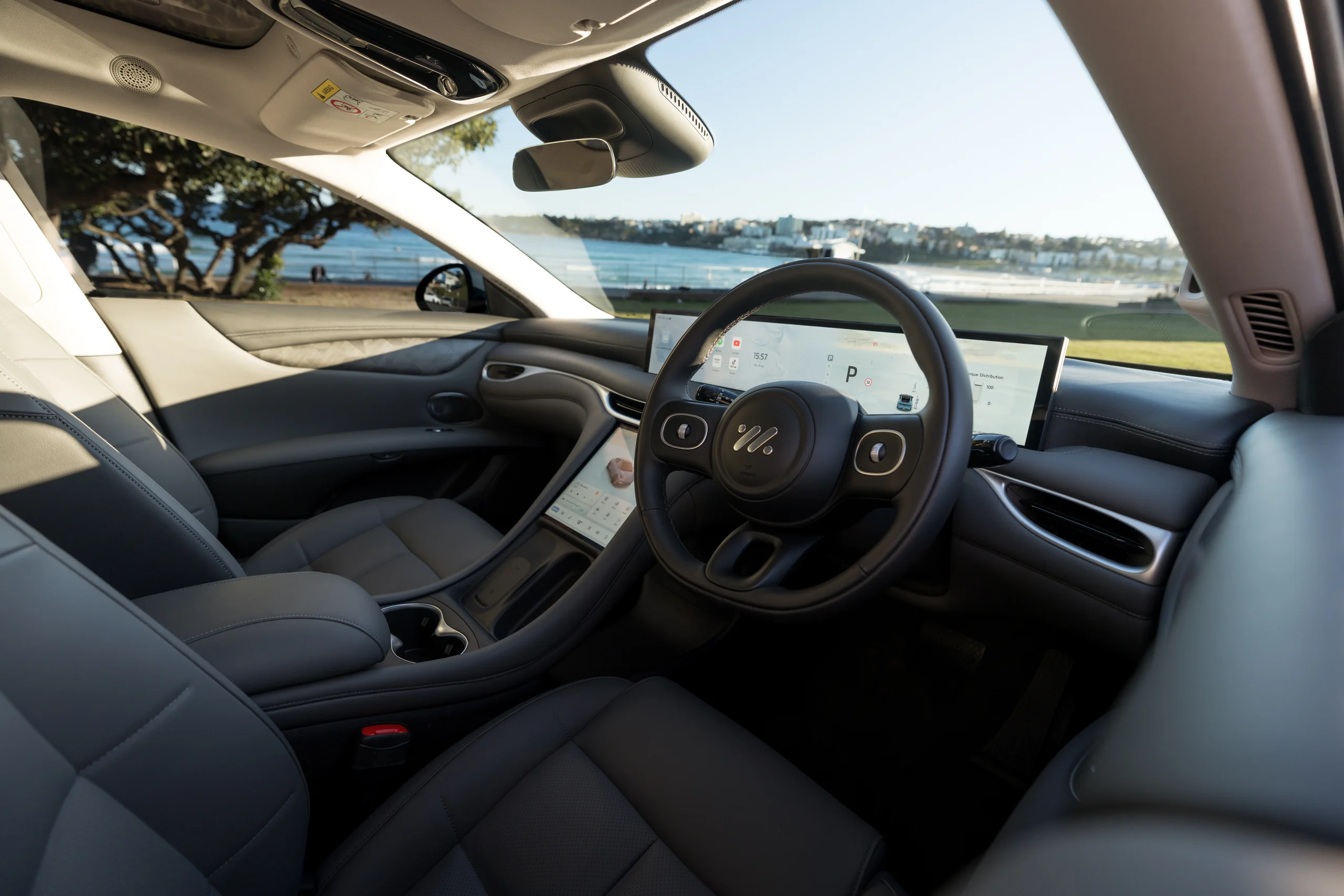
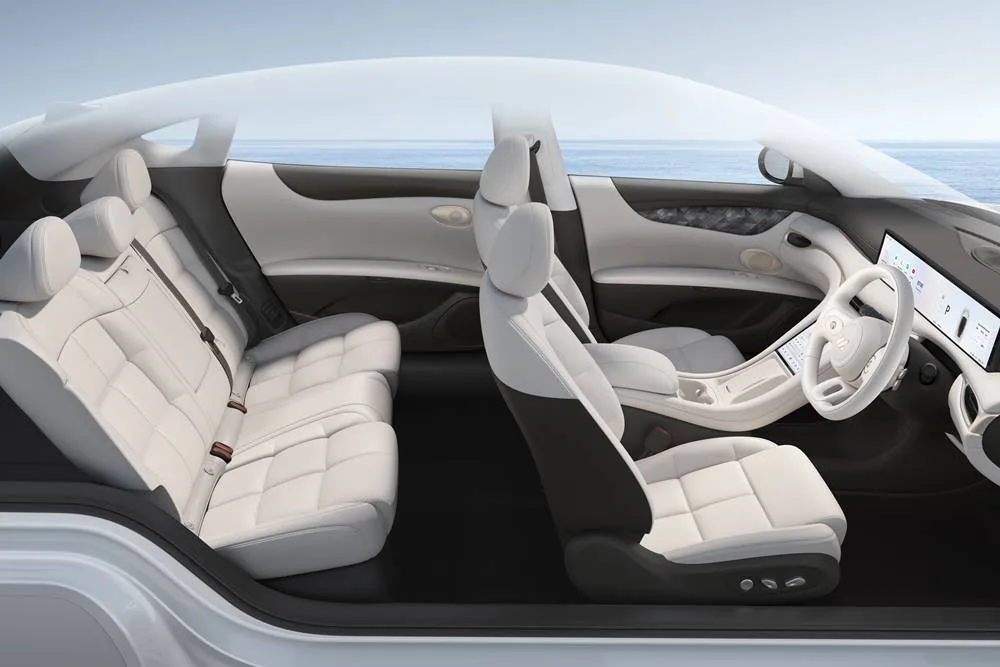
ABOVE: US auto dealers are panicking as Canada moves to allow Chinese EVs into the market
Back to the ailing USA. The National Automobile Dealers Association views this policy shift as a direct threat to their existence, and they are right. Just as Uber kicked the taxi industry in the cobblers, these value-driven cars will inevitably find a way south once they land in Canada. This fear has sparked a firestorm of dreary rhetoric from industry leaders desperate to protect their turf. It is a delicious irony that a socially progressive neighbour can simply ignore the chaotic administration next door.
Mike Stanton, CEO of NADA, is leading a rather amusing charge against these imports. He claims allowing Chinese cars is bad for the industry, bad for the country, and even bad for consumers. That last point is a hard sell given current prices in the US. Stanton claims support from lawmakers like Ohio Senator Bernie Moreno, who texted that Chinese vehicles would only enter the US “over his dead body”, a condition many might find more of an incentive than a deterrent.
The real issue is the product. Chinese manufacturers like BYD and Geely are building cars people actually want. They offer EVs with competitive range and impressive features for a fraction of the cost of domestic models. US brands have been protected in a bubble of artificial isolation. Analysts at AutoPacific note that 51% of Americans are now open to buying a Chinese car. That number is rising fast and could drive the final nail into models that should never have been built.
Legacy automakers are fighting back with their usual sluggishness. Ford CEO Jim Farley admitted Chinese firms could put them out of business. Ford is scrambling to retool assembly lines for a cheaper electric truck by 2027, and GM is telling suppliers to cut Chinese ties. It is likely too little, too late. The average new car price in the US hovers near fifty thousand dollars, unsustainable for the average family.
NADA is focusing its defence on franchise laws, hoping to force everyone to sell through traditional dealerships. But Chinese giants might just play by those rules, setting up their own networks to beat domestic dealers at their own game. If they do, the high markups and slow inventory turnover sustaining current dealers will evaporate.
Canada’s relationship with its downstairs neighbour has deteriorated further as it signals readiness to embrace competition. The US is trying to build a wall of tariffs and regulations, but it is like trying to bail out the Titanic with a used condom. The auto market is integrated across the continent, and trade policy differences between neighbours create ripples that turn into tsunamis. The floodgates are straining against the rising tide.

Alan Zurvas is the founder and editor of Gay Car Boys, Australia's leading LGBTQI+ automotive publication. Before launching GCB in 2008, Alan's automotive writing was published in SameSame.com.au and the Star Observer. With over 16 years of hands-on car reviewing experience, Alan brings an honest, irreverent voice to every review — championing value and innovation over brand loyalty.
Leave a Reply