

If the 2025 Ranger XLT PHEV were a bloke, he’d be the kind of tradie who turns up shirtless under a hi-vis vest, forearms like sandstone, and a grin that says “I reverse trailers and expectations.” He’s got torque, tools, and just enough tech to keep things interesting—but don’t expect him to offer heated seats or text back quickly.
Get Specifications HERE ; fordvf0998-2025my-ranger-phev-brochure-master-13-mar
Under the bonnet, Ford’s 2.3L EcoBoost four-pot teams up with a 75kW electric motor to deliver a juicy 207kW and a whopping 697Nm. That’s more twist than the Raptor, and it shows—especially when towing. The Ranger XLT PHEV hauls 3.5 tonnes braked and still carries 553kg of payload. BYD Shark 6? That drops to 540kg towing just 2.5 tonnes. Ranger also throws in an electronic brake controller and a trailer light check system, so you’re not begging your mate to walk around with a thumbs-up.
But the EV range? 49km. That’s barely enough to get from your driveway to the servo. The GWM Cannon Alpha ULTRA PHEV offers 120km and fast DC charging. The Shark 6 also outclasses the Ranger on range, charging speed, and cabin polish. Ford’s claimed 2.9L/100km fuel use is fantasy unless you plug in religiously. Charging takes 6.5 hours on a 10A socket, or 4 hours on a 15A. You can also charge via petrol, but that’s like setting fire to your wallet while whispering “eco-conscious.”
Ford’s party trick is its “Pro Power Onboard” system: two 15A outlets in the tub (3.45kW each) and a 10A socket inside (2.3kW), totalling 6.9kW. That’s enough to run a campsite, a worksite, or a small rebellion. But BYD’s Shark 6 throws in more sockets across cabin and cargo, making it the better choice for anyone planning to power a drag brunch in the bush.
Inside, the XLT trim feels entry-level. Cloth seats that whisper “1990s Focus,” no wireless charger, and rear legroom that’s more punishment than privilege. The 8” driver display is stingy, especially when rivals are throwing 12” screens around like confetti. SYNC4 infotainment and wireless CarPlay are excellent, and the audio system punches above its weight—but that’s where the praise tapers off.
Driver-assist tech is a mixed bag. Lane departure only, no lane centering, and smart cruise control without queue assist. When traffic slows, the system bails with a cheery “bing” and a red message that feels more passive-aggressive than helpful. Want proper cruise control? You’ll need to cough up for the Sport, Wildtrak, or Stormtrak.
Above: This Week’s VIDEO Review – 2025 Navman Rider DC Dashcam Helmetcam Could Save Your Wallet
#NavmanMiVueRiderDC #NavmanDashcam #MotorcycleDashcam #HelmetCam #RiderSafety #MotorcycleTech #DashcamReview #QuadHD #MotorcycleGear #RoadSafety #GayCarBoys

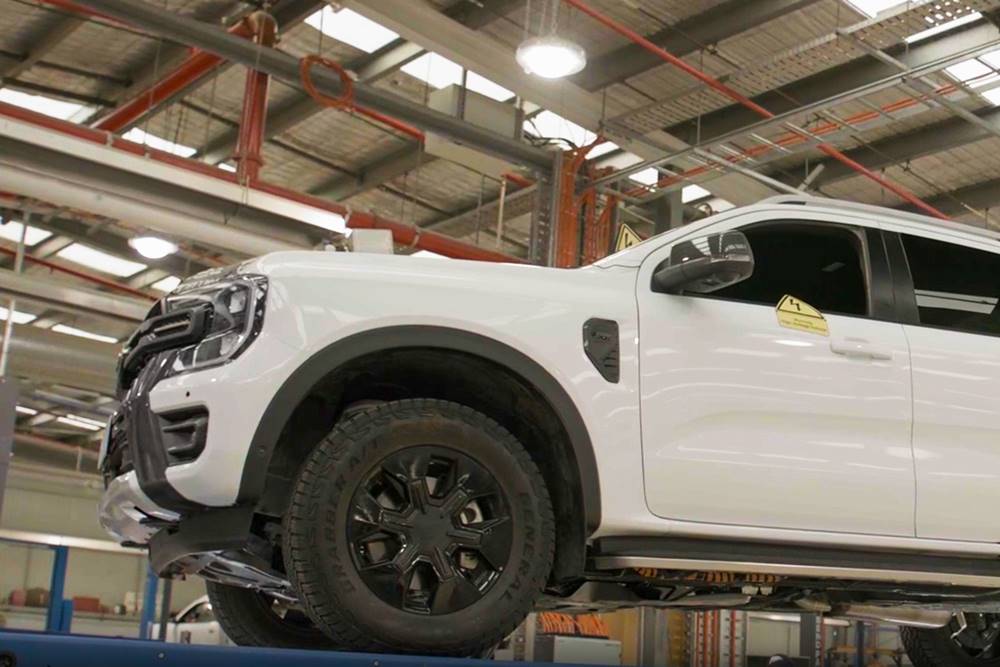


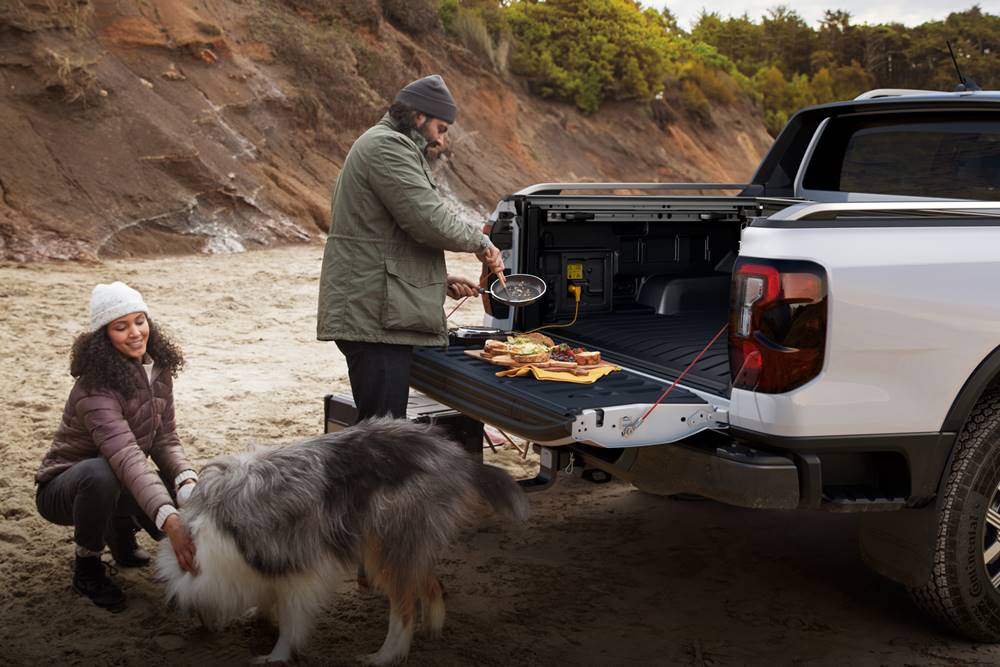

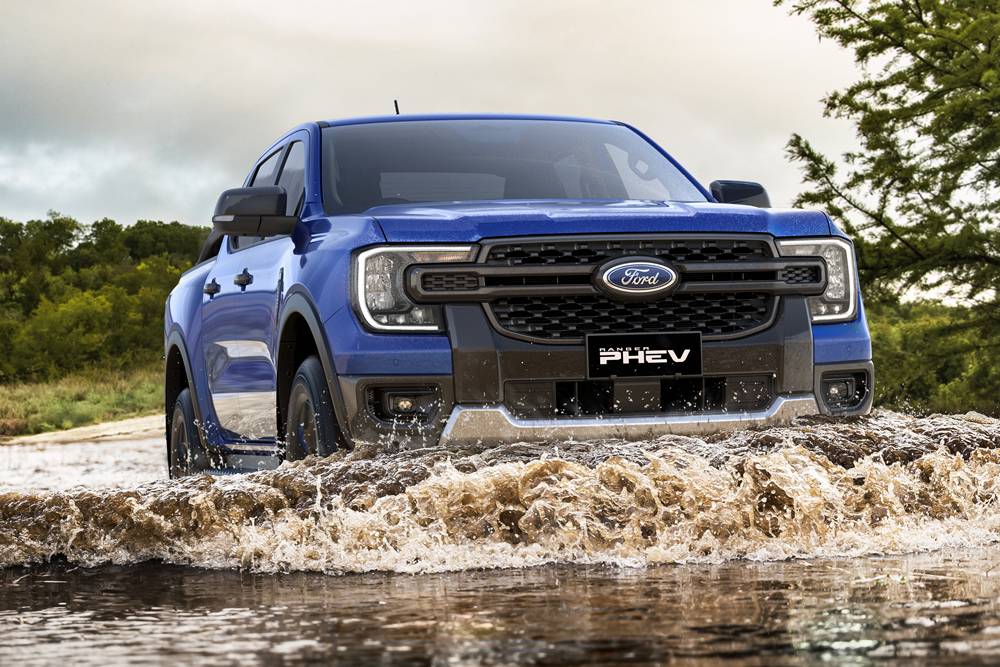
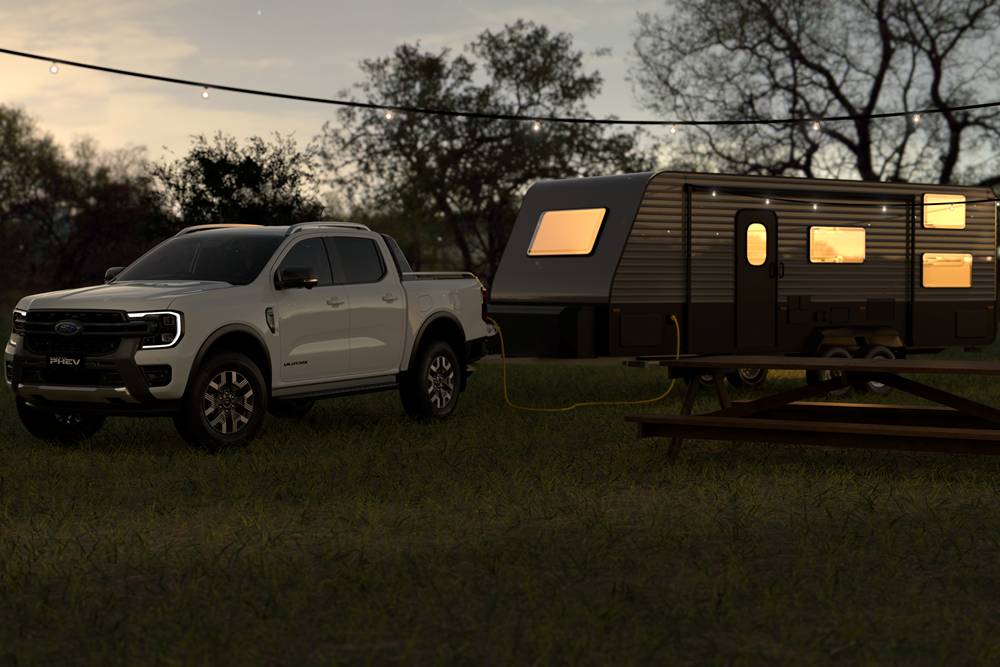
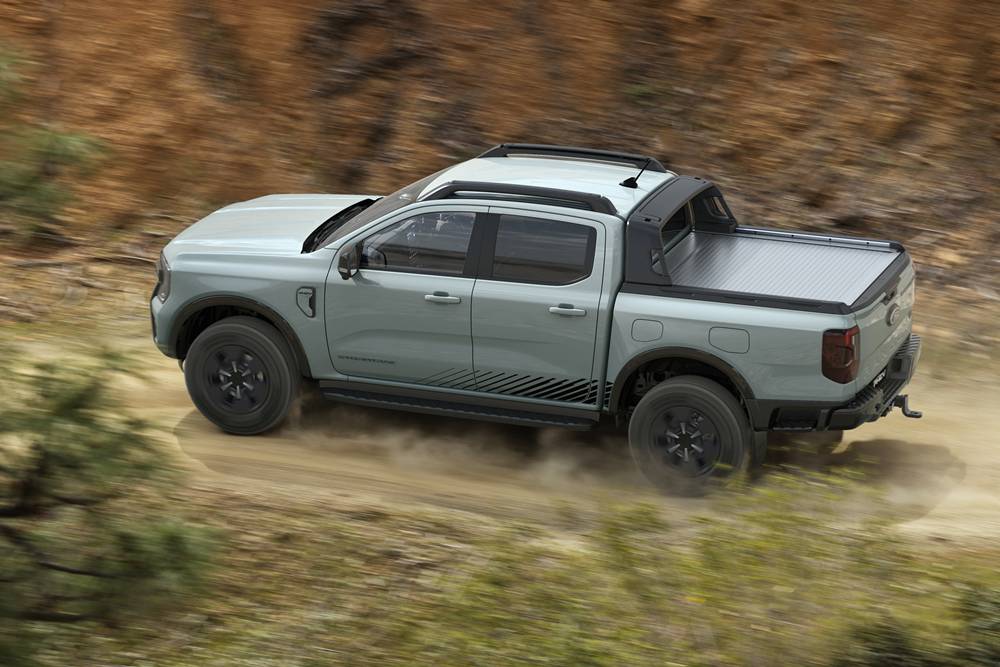
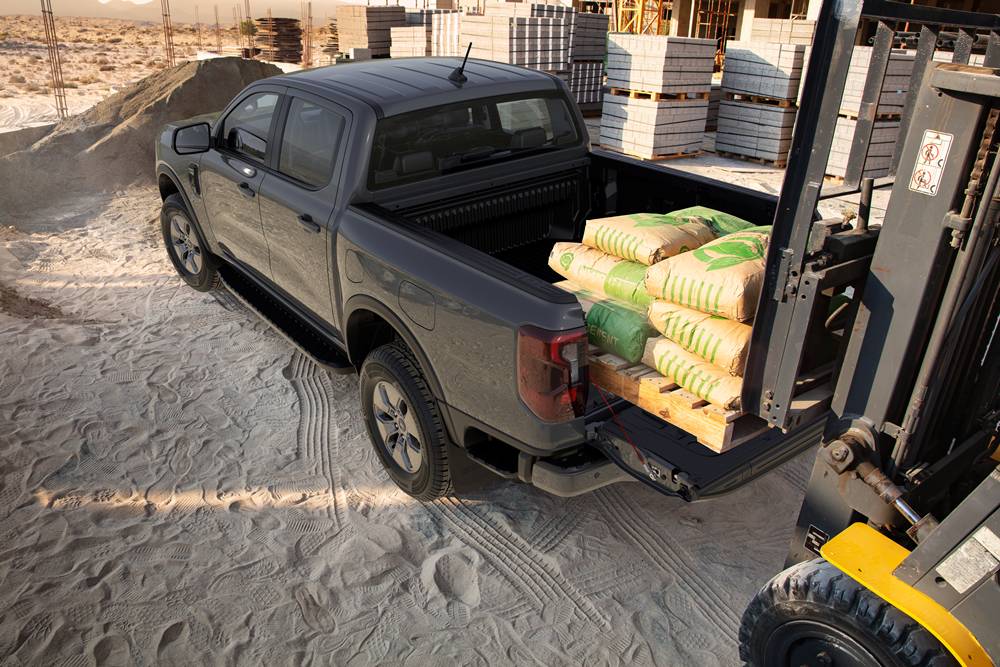
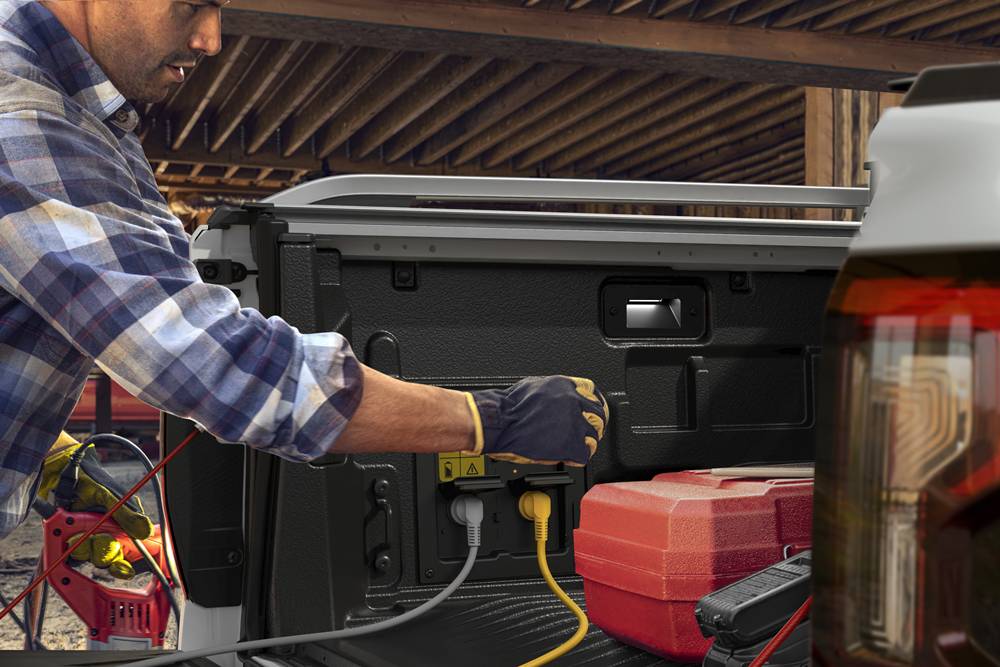
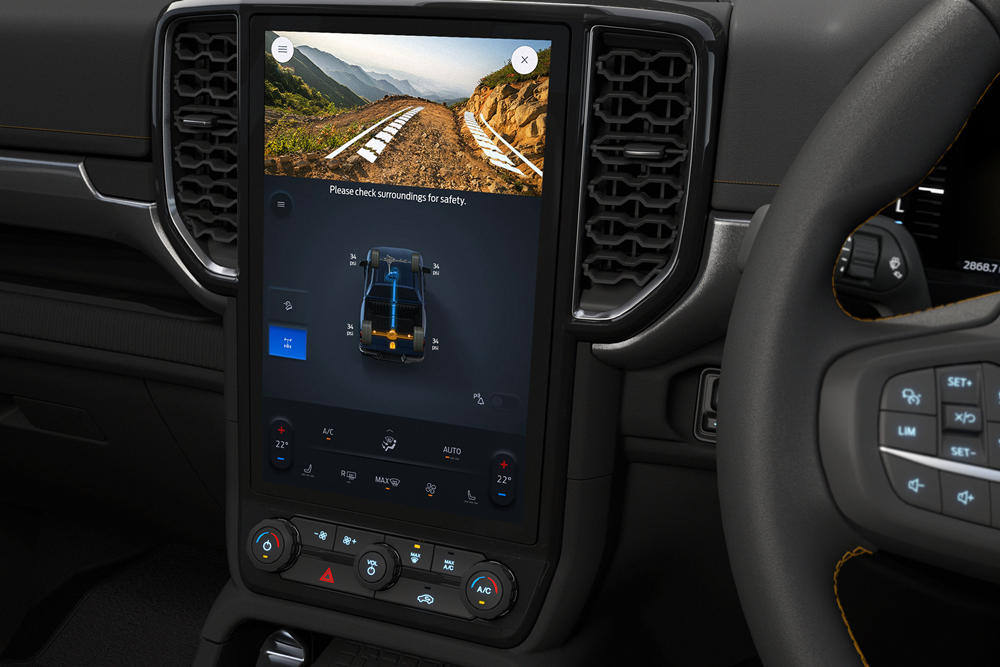
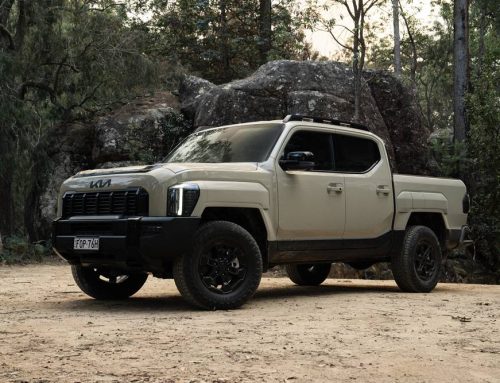
ABOVE: Ford Ranger PHEV models
📊 Hybrid System Showdown: Ford vs BYD
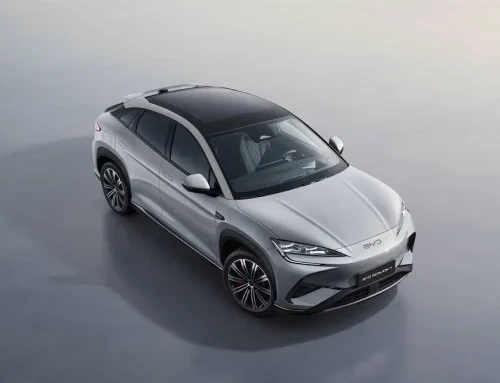
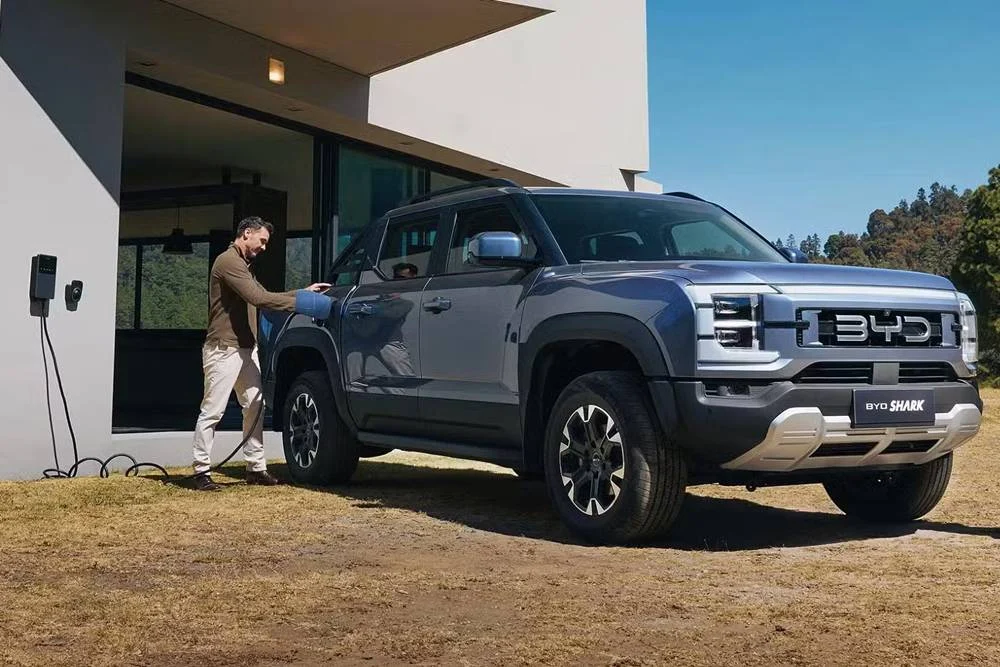
Ford’s setup is a parallel hybrid—engine and motor working together, with the petrol side doing most of the heavy lifting. It’s got a traditional 10-speed auto and a dual-range transfer case. BYD’s Shark 6? It’s a series-parallel hybrid with dual motors (170kW front, 150kW rear) and a 1.5L turbo petrol engine that mostly acts as a generator. Below 70–80km/h, the engine doesn’t even drive the wheels directly. There’s no gearbox. It’s all electric until you really push it. Total output? A wild 321kW and 650Nm.
So while Ford gives you torque and towing, BYD gives you power and polish. The Shark 6 is heavier (2710kg vs Ranger’s 2527kg), but it’s also smarter, smoother, and more electric in its DNA. The Ranger feels like a petrol ute with a battery bolted on. The Shark feels like an EV with a petrol backup plan.
📏 Size Matters
The Shark 6 is longer by 54mm, wider by 47mm, and taller by 42mm than the Ranger. That extra size isn’t just for show—it translates to more cabin space, more road presence, and a tray that feels less like a compromise and more like a command centre.
🪨 Off-Road: Leaf Springs vs Lifestyle
Here’s where the chassis drama kicks in. The Ranger PHEV sticks with the classic ute formula: live rear axle, leaf springs, and a locking rear diff. It’s built to bash through bush tracks and tow caravans like it’s auditioning for Mad Max. The Shark 6? It’s got independent suspension and coils front and rear—great for on-road manners, but less wheel travel when the terrain gets gnarly.
Ground clearance? Shark wins at 230mm vs Ranger XLT’s 215mm. Approach angle? Shark again, with 31 degrees vs Ranger’s 28.9–30.2. But the Ranger claws back with a 24.7-degree departure angle, leaving the Shark trailing at 19.3. So yes, the Shark is smoother and smarter, but the Ranger’s still the one you want when the road ends and the mud begins.
💸 Verdict
The Ranger XLT PHEV is torquey, clever, and capable—but it’s also thirsty, pricey, and feels downmarket compared to its rivals. It’s more than the sum of its parts, but not by much. If you want grunt and off-grid power, it delivers. If you want polish and savings, look elsewhere. The hot tradie might look good in the driveway—but BYD’s Shark 6 is the one you’d take home to meet the family.
Let me know when you want the hashtags, excerpt, and YouTube description wrapped around this beauty. Or if you want Laya de Campe to do a dramatic reading of the payload specs. I’m ready.
#FordRangerPHEV, #RangerXLT, #PlugInHybridUte, #2025Ranger, #BYDShark6, #GWMAlphaULTRA, #UteReview, #HybridUte, #EVRange, #TowingCapacity, #VehicleToLoad, #CarReview, #GayCarBoys, #SYNC4, #ProPowerOnboard, #PHEVComparison, #NewCarReview, #CarSafety, #UteLife
GayCarBoys Ford Stories
SHORT Video Review: Lexus LC500 Convertible Roof operation. Mesmerising. Sorry about the rubbish background
@lexus, #lexuslc500convertible, #alanzurvas, #gaycarboys
#automobile #shorts #audietrongtrs #gaycarboys #alanzurvas ##shorts
Discover more from Gay Car Boys
Subscribe to get the latest posts sent to your email.










Leave a Reply