Ahead of our full review, the week is done. The NX 450h+ was a peach—a mix of the good and the disappointing.
To make the good all the more piquant, let’s start with the disappointing. The small PHEV battery only has AC charging; a 6.6kW max rate is sub-par. An adaptor for home and public charging makes life easier, and it is something we hope owners actually use.
All NX450h+’s have EP2 standard but it is a “lite” version. The full glass roof is swapped for a small moonroof, and the superb Mark Levinson 17-speaker sound is downgraded to the still-decent “Lexus Premium Sound,” all to save weight. The GVM only allows for 510kg of passengers and their detritus.
Electric door locks buttons include a manual release in the armrest lever, but the exterior handle is strictly electric. It doesn’t pop out, thankfully, but the inner surface has a release pad bound to go wrong. Remember, this is the flagship.
Now the good stuff.
The exterior is four years old and ageing well. Leave that as it is, please.
The cabin is trimmed in black and white. While the effect is like a speakeasy full of Al Capones, it’s nice to see something other than a tan menagerie where the hides of ten cows threw themselves into oblivion.
Heated and cooled front seats have memory for the driver, including the steering wheel and mirror placement. The digital rearview is a nice find, and the large centre screen has fixed switches for selected functions. Spelunking through menus is infuriating, dangerous, and unnecessary. While I love an electric tailgate, it’s just something else to break.
The Drive
227kW is sufficient for a 6.3-second sprint to 100km/h. Steering is very light regardless of drive mode, and the brakes are pin-sharp. Cornering differs from the petrol and HEV versions of the same SUV, with the 18kWh battery making itself felt. While it may feel like the NX is being pulled unceremoniously outwards, the sticky tyres keep things tidy.
Adaptive damping and multilink rears have a sporty feel, and while this is an F Sport, it is still a LEXUS—a regal palace from which to survey the land. You are not meant to hoon about the place tooting airhorns and doing doughnuts in carparks.
Above: This Week’s VIDEO Review –Omoda 9 | 11,000km on one tank? My real-world test results
#Omoda9, #PHEV, #LuxurySUV, #GayCarBoys, #CarReview, #chery


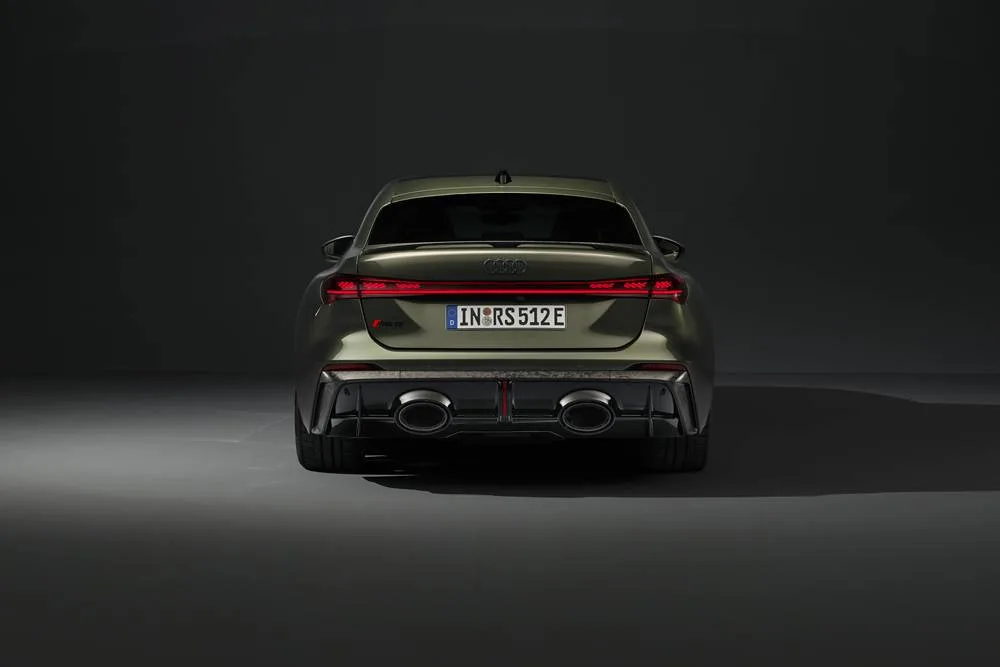

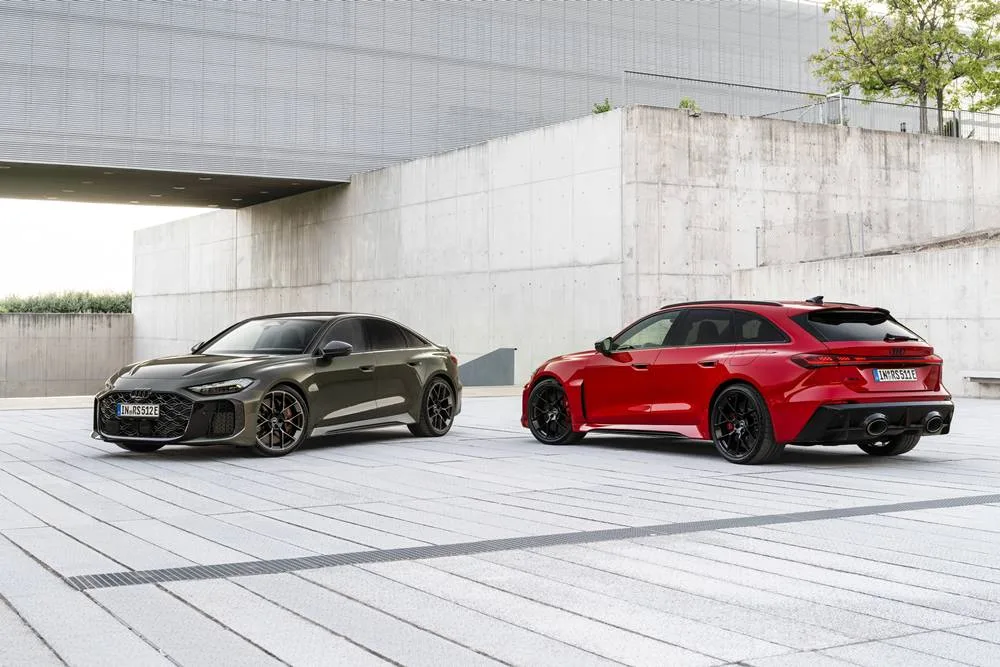
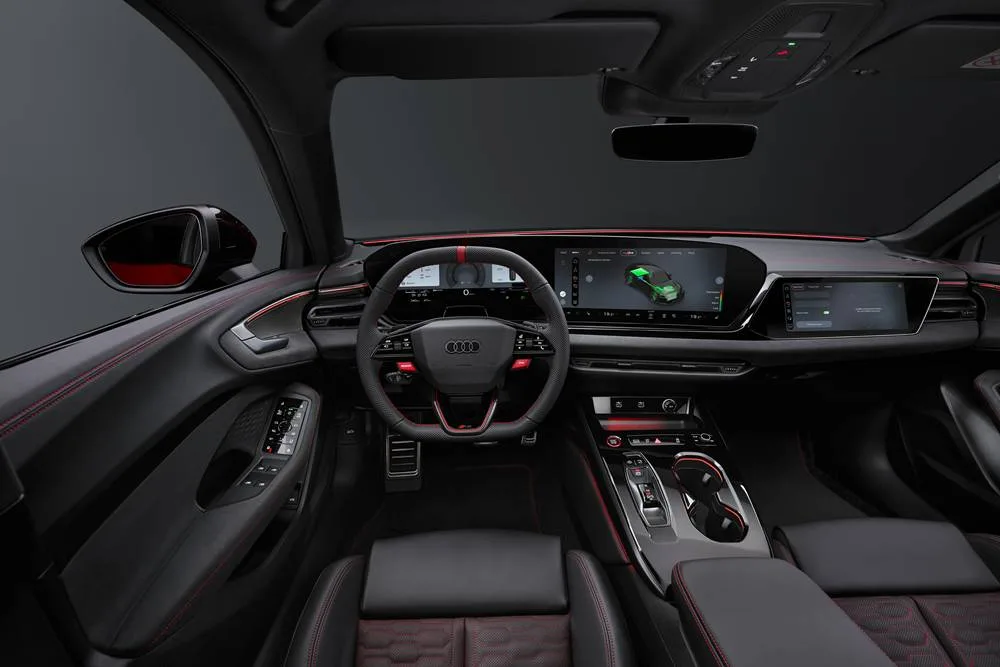
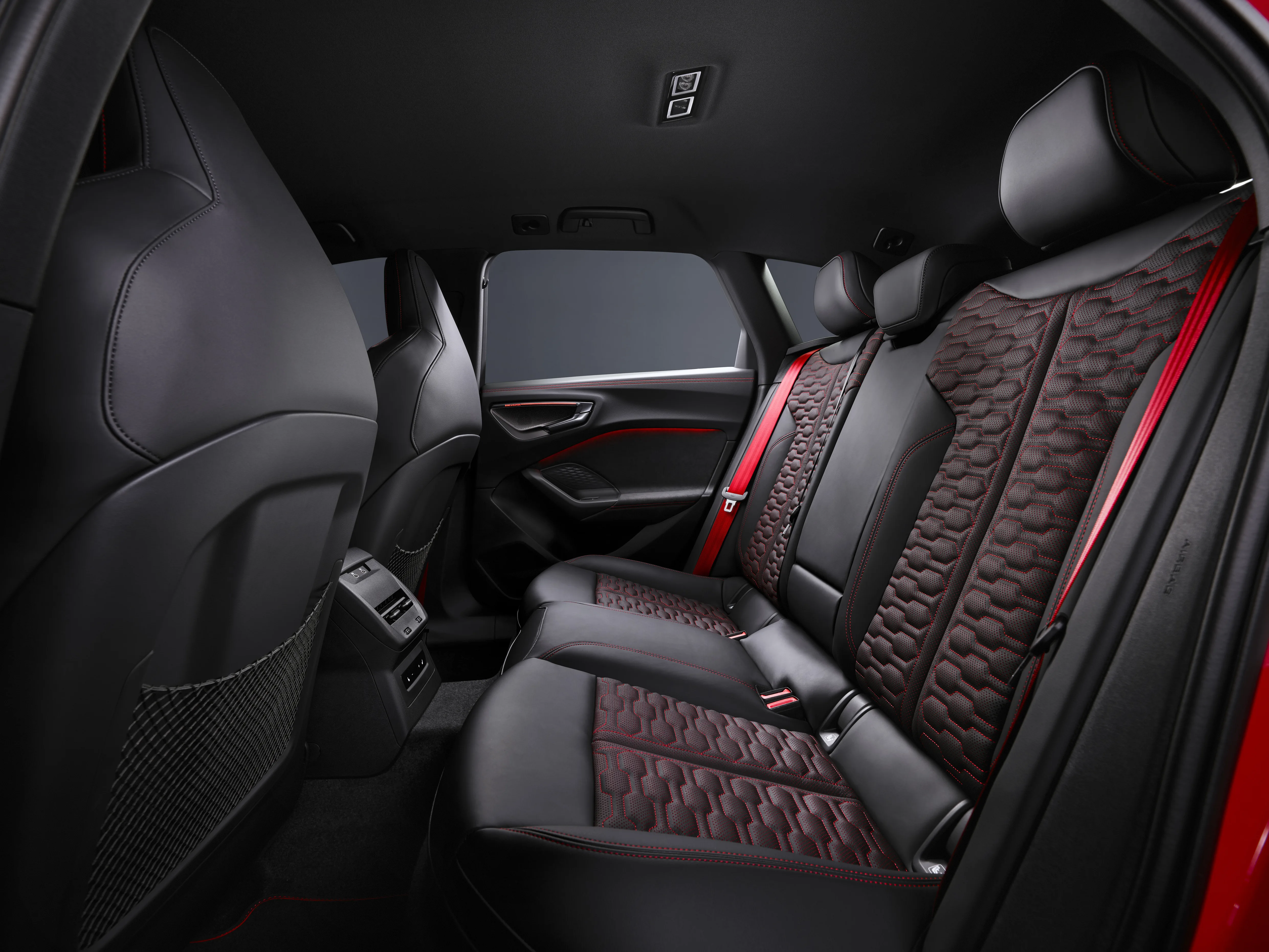


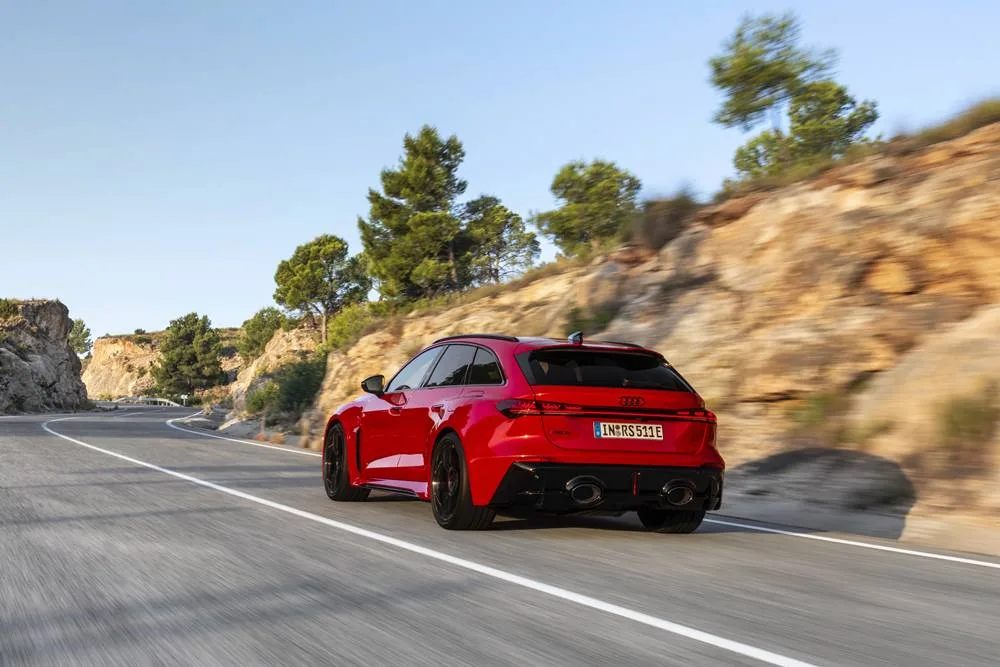

ABOVE: 2026 Audi RS 5 sedan and avant
World-First Quattro: Dynamic Torque Control
The most significant technical leap is the introduction of quattro with Dynamic Torque Control in the rear transaxle. This is the first electromechanical torque vectoring system found in a production vehicle. Unlike traditional mechanical limited-slip differentials that rely on friction or reactive clutches, this system uses an 8 kW permanent-magnet electric motor acting as a high-voltage actuator.
Coupled with overdrive gears, this actuator can distribute up to 2,000 Nm of torque difference between the rear wheels in just 15 milliseconds—roughly ten times faster than the blink of an eye. Because the system is electromechanical, it functions independently of engine load, meaning it can vector torque while accelerating, coasting, or even under heavy braking.
The centre differential has also been redesigned with a mechanical preload. This keeps the front and rear axles partially coupled even when no torque is being applied. When the driver lifts off the accelerator to turn into a corner, the preload minimises internal understeer and supports turn-in, making the vehicle feel more agile and connected. The torque split remains variable, capable of sending up to 70% of power to the front or 85% to the rear.
Battery Technology and Thermal Management
The RS 5 is equipped with a 25.9 kWh battery (22 kWh net) located beneath the boot floor. It offers an all-electric range of up to 84 km (EAER), or 87 km in strictly urban environments. The battery chemistry has been improved to ensure high power output even at low states of charge or in extreme ambient temperatures.
Charging is handled via an 11 kW AC system, allowing a 0–100% charge in 2.5 hours. Crucially for performance enthusiasts, the vehicle’s management software prioritises power over range in specific drive modes. In “RS Sport” and “RS Torque Rear” modes, the system maintains a 90% state of charge to ensure the electric motor and torque vectoring actuator always have maximum current available.
To prevent derating during track use, the battery features an active liquid-cooling system. When the high-performance modes are engaged, the system works to maintain an optimal cell temperature of 20°C. This allows for repeated maximum-load accelerations and heavy regenerative braking without a drop in performance.
Chassis Engineering and Braking
The unibody of the RS 5 is 10% stiffer than the standard A5, providing a more stable platform for the five-link front and rear suspension. The rear axle was designed from a clean sheet to accommodate the new hybrid transaxle and torque vectoring hardware.
The RS sport suspension features twin-valve shock absorbers. This technology allows the compression and rebound stages to be controlled independently, enabling a wider spread between daily ride comfort and track-level stiffness. The steering ratio is a direct 13:1, specifically tuned to provide high levels of feedback while the integrated brake regulation system (iBRS) manages the transition between electric recuperation and friction braking.
Braking performance is handled by standard 420 mm front steel discs. However, the optional 21-inch ceramic brake package reduces unsprung weight by 30 kg and, in a segment first, includes ceramic discs at the rear (440 mm front / 410 mm rear). This allows the RS 5 to stop from 100 km/h in just 30.6 metres.
Exterior Design and Aerodynamics
The RS 5 sits nine centimetres wider than the base A5, with flared wheel arches that accommodate staggered 21-inch forged wheels (10.5 J rear / 10 J front). The wider rear wheels provide a larger contact patch to handle the 825 Nm of torque and the lateral forces generated by the torque vectoring system.
The front end is dominated by a 3D Singleframe honeycomb grille and darkened Matrix LED headlights. These lights feature a digital daytime-running-light signature with a checkered-flag design. Aerodynamics are further managed by front “air curtains” and a rear diffuser that houses the signature matte oval RS exhaust pipes.
Driving Modes and Telemetry
The Audi drive select system has been expanded to include modes that specifically exploit the hybrid hardware.
- RS Torque Rear: This mode directs maximum torque to the outside rear wheel, facilitating controlled drifts on closed circuits.
- RS Sport: Tuned for maximum lateral acceleration and neutral handling, ideal for lap times.
- Boost Function: Triggered via a steering wheel button, this provides 10 seconds of maximum system output for overtaking, regardless of the current mode.
The 14.5-inch MMI touch display now includes the “Audi driving experience” function. This provides detailed telemetry, allowing drivers to store sector times, G-force data, and even drift angles when in the Torque Rear setting.
Efficiency and Operating Strategy
While performance is the priority, the RS 5 uses predictive operating strategies to manage energy. Using navigation data, the car plans its energy usage to ensure that city sections of a journey are completed on electric power. In “Hybrid” mode, the driver can use a digital slider to reserve a specific state of charge for later use. During coasting, the driver can adjust the recuperation level in three stages using the steering wheel paddles, similar to Audi’s fully electric e-tron models.
The RS 5 represents a total technical overhaul. It combines the mechanical grip of a traditional quattro system with the millisecond precision of electromechanical torque vectoring and the immediate punch of a 130 kW motor. It is a calculated, high-tech approach to the modern performance car.

Alan Zurvas is the founder and editor of Gay Car Boys, Australia's leading LGBTQI+ automotive publication. Before launching GCB in 2008, Alan's automotive writing was published in SameSame.com.au and the Star Observer. With over 16 years of hands-on car reviewing experience, Alan brings an honest, irreverent voice to every review — championing value and innovation over brand loyalty.
Leave a Reply