Chinese Brands Charge Up The Leaderboard As Toyota Sales Soften
Toyota stays on top while Australian car market shifts to hybrid. What does that mean for Toyota and the rest of the Australian car market?
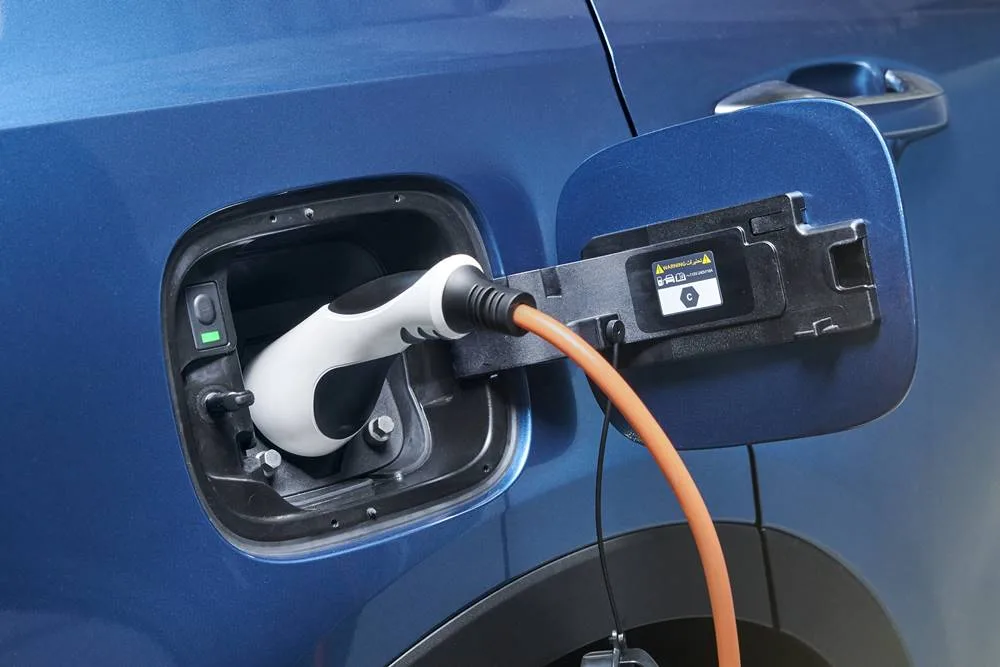
Toyota is currently clutching the crown with 14,310 deliveries, which is a cute way of saying they sold fewer cars than last January but still managed to beat the other guys. It is really more pearl clutching than crown clutching really. While the company celebrates its 15th year of dominance, the rest of the country is apparently having a midlife crisis and trading in their petrol guzzlers for anything with a battery. Petrol sales dropped 14 per cent because, apparently, paying for fuel is so last year. Meanwhile, plug in hybrids saw a 170.5 per cent jump, proving that Australians love a fence sitter that can use both sparks and juice. PHEVs still only make sense if you can plug them in daily, and those with DC charging are ahead of the others.
The Ford Ranger is still the individual hero of the month with 3,403 sales, leaving the HiLux to settle for the silver medal. Our prediction is BYD Shark will take this crown over the coming years. BYD is already making a mockery of the old guard, moving 5,001 vehicles this January compared to a measly 675 this time last year. That is a massive 640 per cent explosion in volume, catapulting them to sixth place on the leaderboard while established brands like Toyota and Mitsubishi watch their numbers slide.
It is a tough blow for a brand that treats the number one spot like a birthright. Even the RAV4 took a dive in sales volume, likely because every suburban parent is holding their breath for the next generation model that finally includes a plug. China is now the second biggest source of cars in the country, growing by nearly 69 per cent. Local buyers are clearly getting over their brand snobbery in exchange for tech that actually works. While Victoria and New South Wales recorded slight growth, the Northern Territory saw sales fall by 18.1 per cent. Perhaps the locals there realised a plug in hybrid is not much use when the nearest power point is three days away. Toyota still expects to move 200,000 units this year, mostly because they know we are creatures of habit who will wait six months for a car just because it has a familiar badge on the grille.
The Chinese brands like Xpeng, GWM, MG and Geely are taking over.
Above: This Week’s VIDEO Review –2026 Chery Tiggo 7 PHEV Ultimate -Why ASX is dead PART 2
#CheryTiggo7PHEV #MitsubishiASX #Remitzy #PHEVReview #GayCarBoys







ABOVE: BMW- X1 and X2 along with BEV versions iX1 and iX2
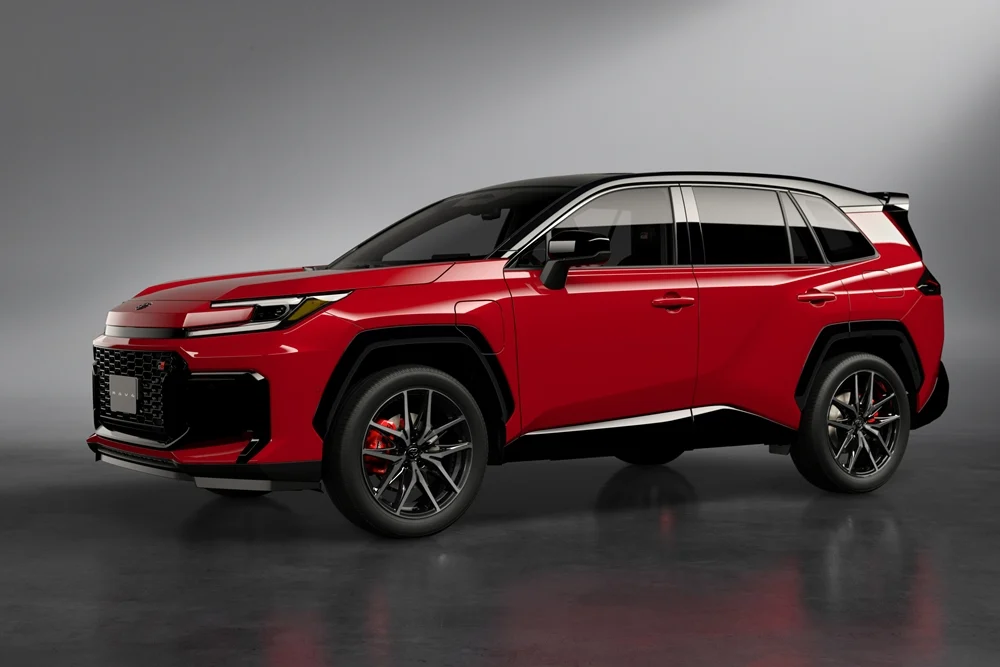
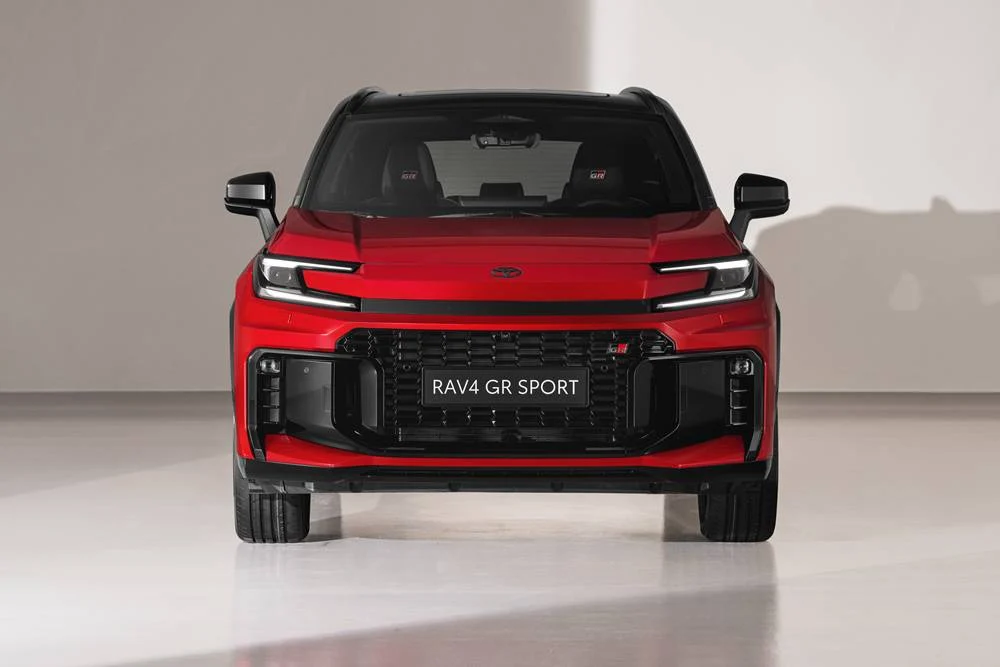
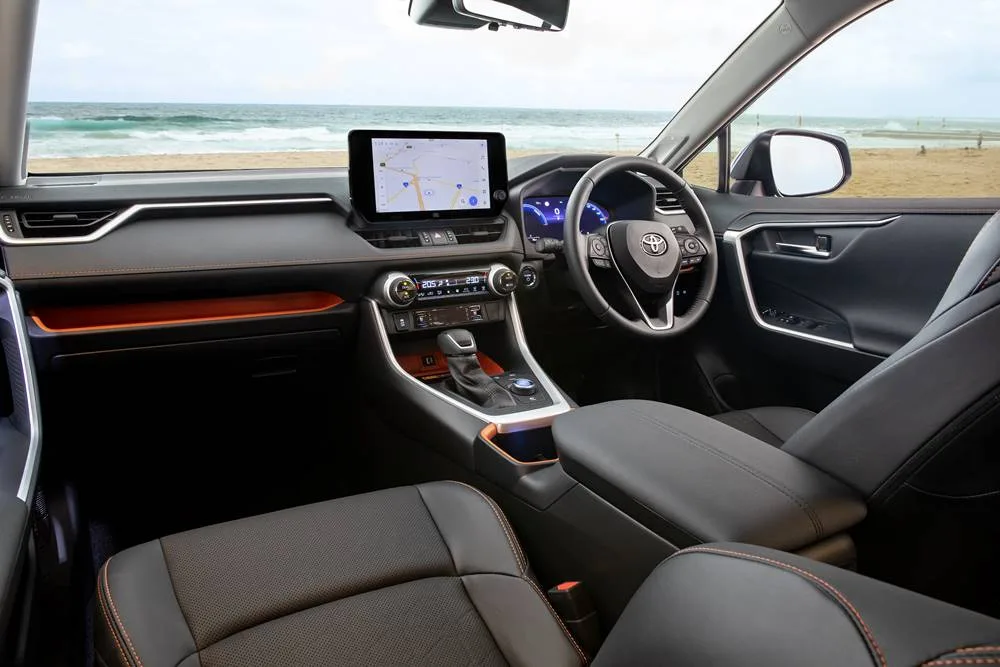
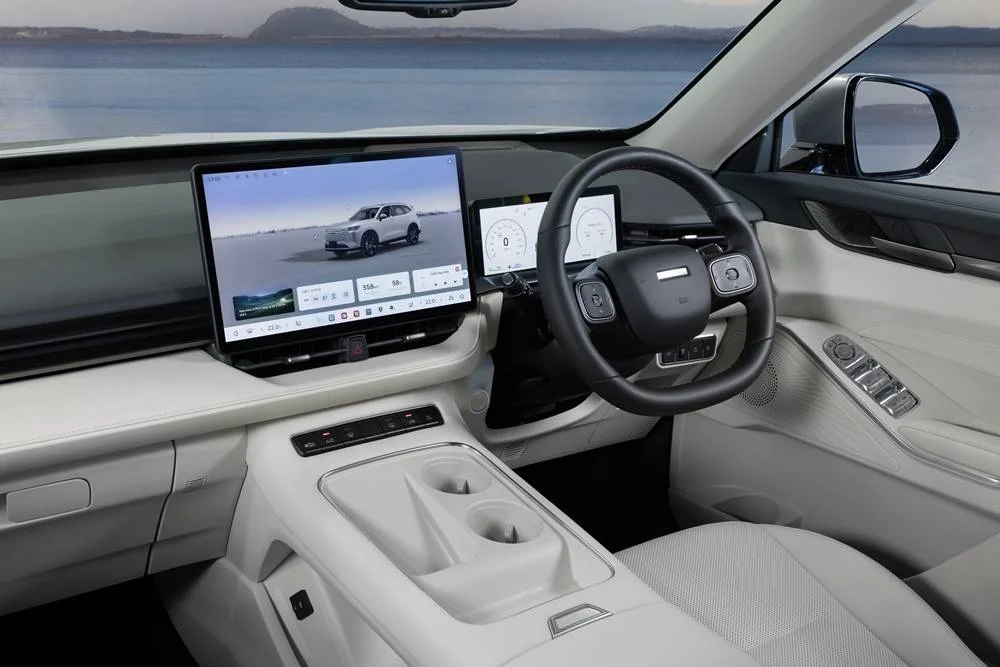
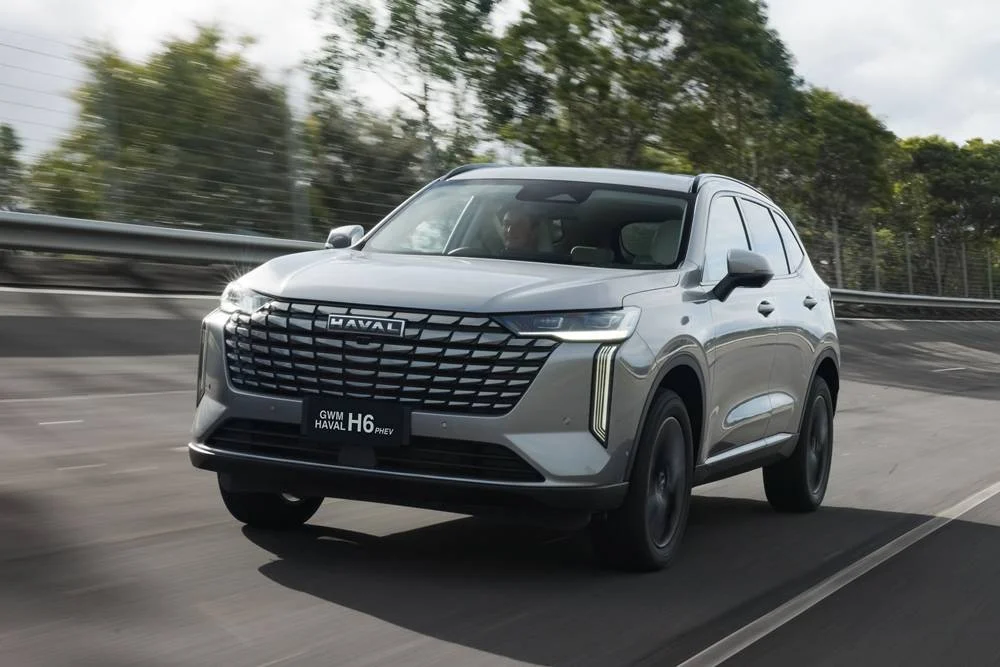
The 2026 outlook is basically a race to see who can bolt a battery to a chassis the fastest. With the new HiLux gaining traction and the plug in RAV4 set to drop, Toyota is playing the long game. The incoming RAV4 PHEV AWD will pump out 227kW of power and targets up to 100km of electric only range. They are betting that Australians will keep buying their cars out of sheer habit, provided there is a hybrid badge somewhere on the tailgate. It is a bold strategy, but when you have been on top since the mid 2000s, you can afford to be a little arrogant about it, especially when the H6 Ultra PHEV has another 100kw of power, more range, and almost 30k cheaper.
Let’s compare the fine print
Toyota is arriving late to the plug in party with a flagship that prioritises power over affordability. While the RAV4 PHEV AWD offers a combined 227kW of power, it is matched or beaten by Chinese rivals like the GWM Haval H6 Ultra, which pumps out 321kW and a massive 762Nm of torque.
The RAV4 targets a 100km electric range, keeping it competitive with the MG HS Super Hybrid’s 120km to 135km range and the GWM Haval H6’s 100km to 180km range depending on the test cycle.
However, the price gap is where the status quo is truly challenged. The RAV4 PHEV starts at $58,840 plus on road costs for a two wheel drive version, whereas the BYD Sealion 6 Essential offers a drive away price of just $42,990. By the time you reach the flagship RAV4 GR Sport at $66,340 plus on roads, you could have purchased a GWM Haval H6 Ultra AWD drive away for $44,490 and still have enough left over to buy a used hatchback.
Chery is the other one to watch, with the Tiggo 4 Pro surging into the top five models for January. It moved 2,234 units, a 119.4 per cent jump from last year, proving that a low entry price beats a legacy badge every single time. It trounced Rav4 and will probably stay that way.
|
Model |
Type |
Power |
EV Range |
DC Charge |
RRP |
Drive Away |
|
GWM Haval H6 Ultra |
PHEV |
321kW |
180km |
48kW |
$47,990 |
$44,490 |
|
Hyundai Kona Premium N Line |
HEV |
104kW |
N/A |
No |
$46,500 |
$49,290 |
|
MG HS Super Hybrid Essence |
PHEV |
220kW |
135km |
No |
$51,990 |
$50,990 |
|
KGM Actyon K60 Hybrid |
HEV |
150kW |
N/A |
No |
$48,000 |
$53,000 |
|
BYD Sealion 6 Premium |
PHEV |
238kW |
81km |
18kW |
$54,318 |
$58,126 |
|
GWM Tank 300 Ultra Hi4-T |
PHEV |
300kW |
115km |
50kW |
$61,990 |
$59,990 |
|
Honda CR-V RS e:HEV |
HEV |
135kW |
N/A |
No |
$59,900 |
$59,900 |
|
Hyundai Tucson Premium N Line |
HEV |
172kW |
N/A |
No |
$56,100 |
$60,990 |
|
Subaru Forester Hybrid Touring |
HEV |
145kW |
N/A |
No |
$47,240 |
$61,990 |
|
BYD Shark 6 Premium |
PHEV |
321kW |
80km |
40kW |
$57,900 |
$63,300 |
|
Nissan X-Trail Ti-L e-Power |
HEV |
157kW |
N/A |
No |
$58,215 |
~$64,700 |
|
Kia Sportage GT-Line AWD |
HEV |
173kW |
N/A |
No |
$60,370 |
~$65,500 |
|
Toyota RAV4 GR Sport |
PHEV |
227kW |
100km |
50kW |
$66,340 |
~$72,500 |
|
Cupra Leon VZe |
PHEV |
200kW |
121km |
No |
$69,990 |
~$76,990 |
|
Mitsubishi Outlander Exceed Tourer |
PHEV |
185kW |
84km |
38kW |
$71,790 |
~$77,200 |
|
Mazda Azami P50e AWD |
PHEV |
241kW |
76km |
No |
$81,490 |
~$88,500 |
|
Toyota Kluger Grande |
HEV |
184kW |
N/A |
No |
$85,135 |
~$92,800 |
|
Kia Sorento GT-Line |
PHEV |
195kW |
68km |
No |
$86,790 |
~$94,100 |
|
BMW X1 xDrive25e |
PHEV |
180kW |
86km |
No |
$79,500 |
~$101,400 |
|
Lexus NX450h+ F Sport |
PHEV |
227kW |
87km |
No |
$96,000 |
~$104,200 |
Other GayCarBoys Toyota Stories:
- Sexy Men Drive 2021 Toyota Yaris Cross
- Toyota Landcruiser VX: King of the Load
- LandCruiser Sahara: Your limo to the wild awaits.
- 2019 Toyota Hilux Rugged X Review, Road Test, and video.
- 2020 Toyota Corolla Hybrid Sedan – Body in the Boot
- 2020 Toyota Corolla and its Gadgets are great
- 2019 Toyota Corolla Video Launch Review Gaycarboys
- 2019 Toyota Corolla hatch Driven at Launch Review
- 2019 Toyota Corolla Hatch Specifications
- 2018 Toyota Corolla ZR Review
- 2019 Toyota Corolla hatch Driven at Launch Review

Alan Zurvas is the founder and editor of Gay Car Boys, Australia's leading LGBTQI+ automotive publication. Before launching GCB in 2008, Alan's automotive writing was published in SameSame.com.au and the Star Observer. With over 16 years of hands-on car reviewing experience, Alan brings an honest, irreverent voice to every review — championing value and innovation over brand loyalty.
Leave a Reply