The Kia EV6 is the electric vehicle that looks a little bit SUV, and a little bit hatch, and with the new front end, a little bit better.
On paper, the changes for this product enhancement seem minor, but the overall effect is not. The original car was a corker. However, at around 100 grand, the EV6 GT now faces stiff competition from cheaper Chinese cars that have more gear and range, faster charging, more space, and are cheaper, by far.
Does the EV6 GT still stack up?
It remains an utterly breath-taking car. On first release, the awkward front end did not look like it belonged. The facelift brings a totally new look, more in keeping with Kia’s other EVs. Now that the unloved Niro EV is gone, Kia’s EV range has a nicer, cleaner, more coherent look.
Above: 2026 EV6 GT Superfast 3.5 second to 100 GT EV Review
#KiaEV6GT #EV6GT #KiaAustralia #ElectricCars #EVReview

Help Support Gay Car Boys Subscribe to our Youtube Channel by SMASHING THE BUTTON ABOVE


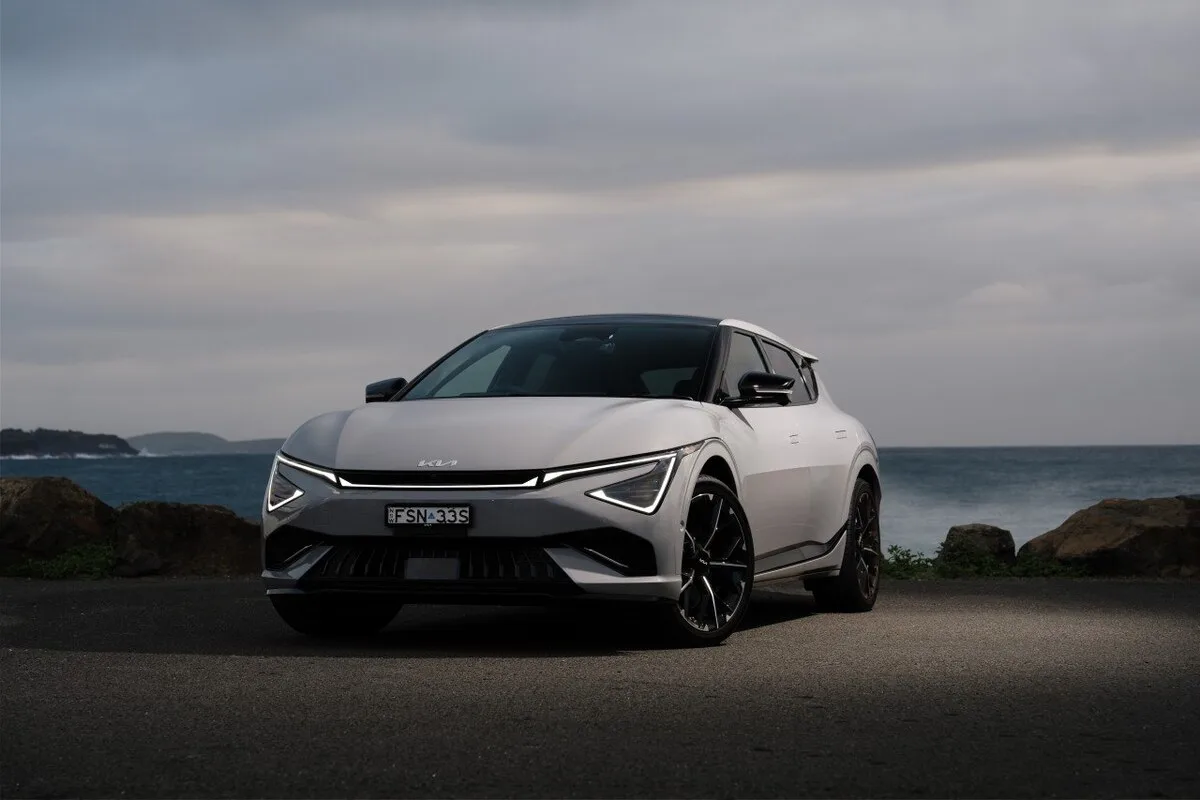


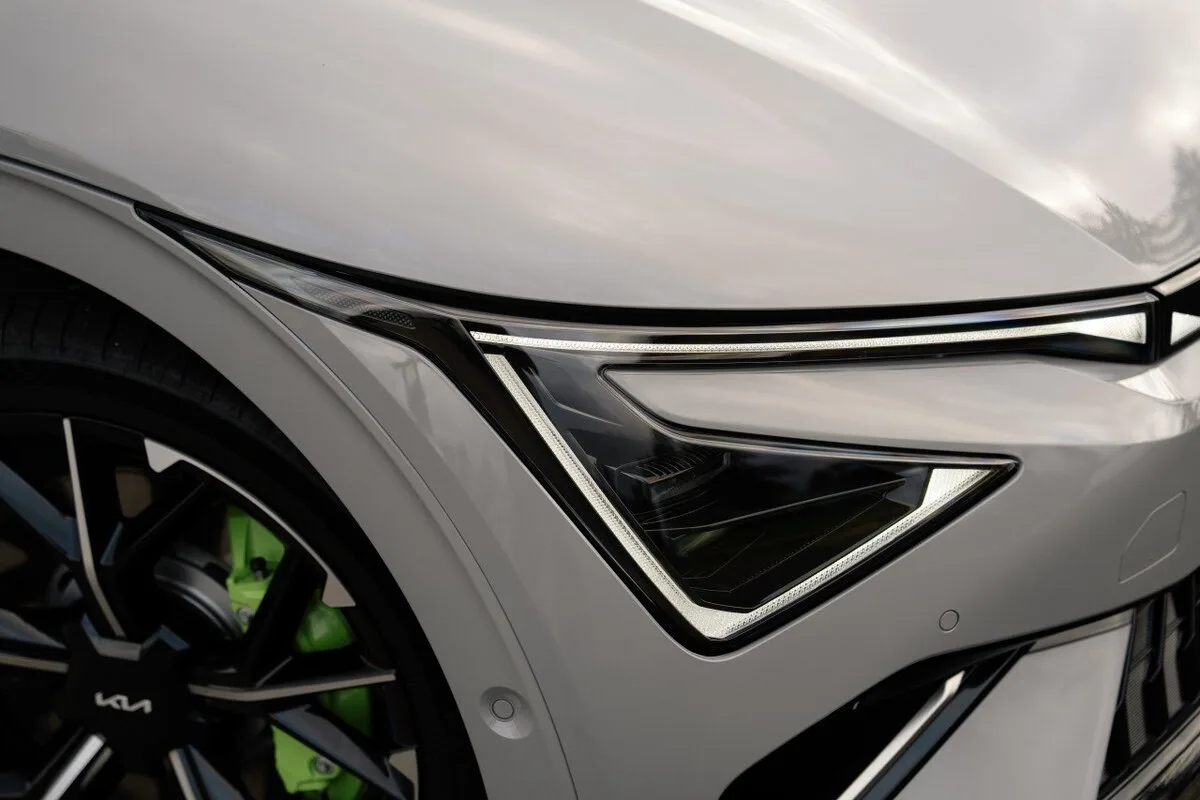


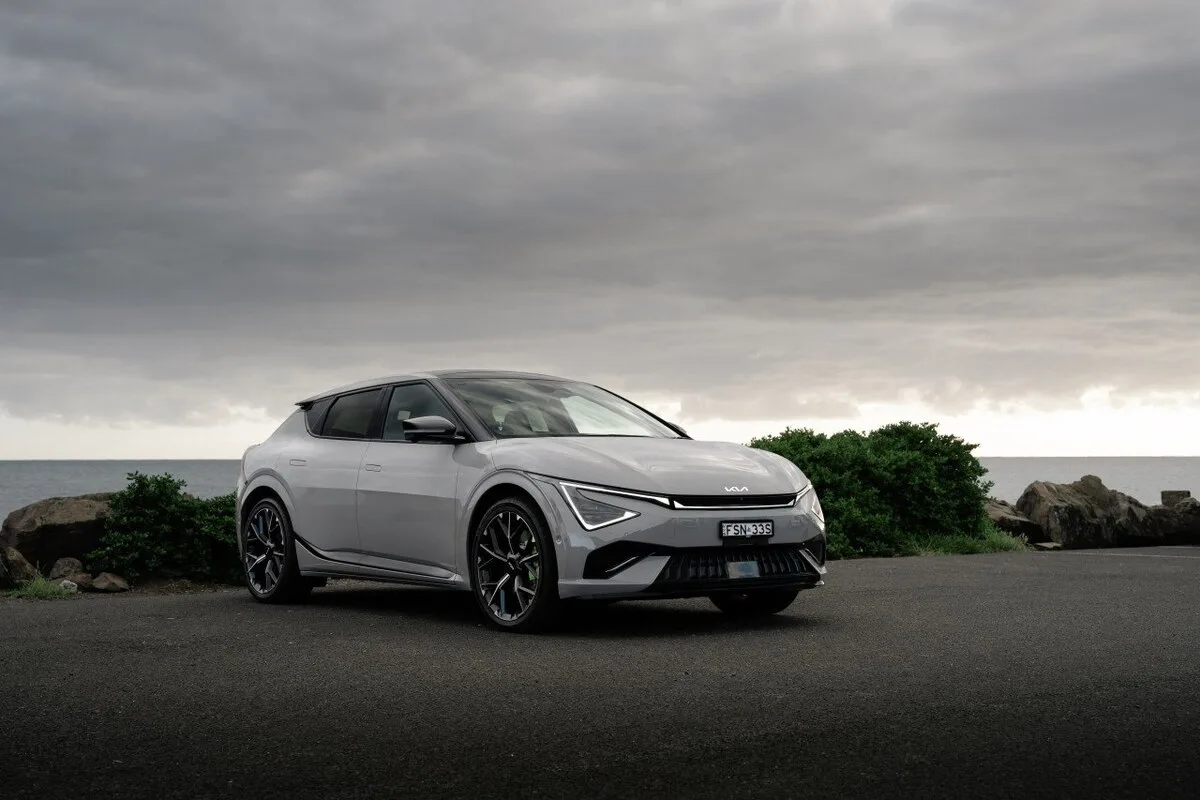
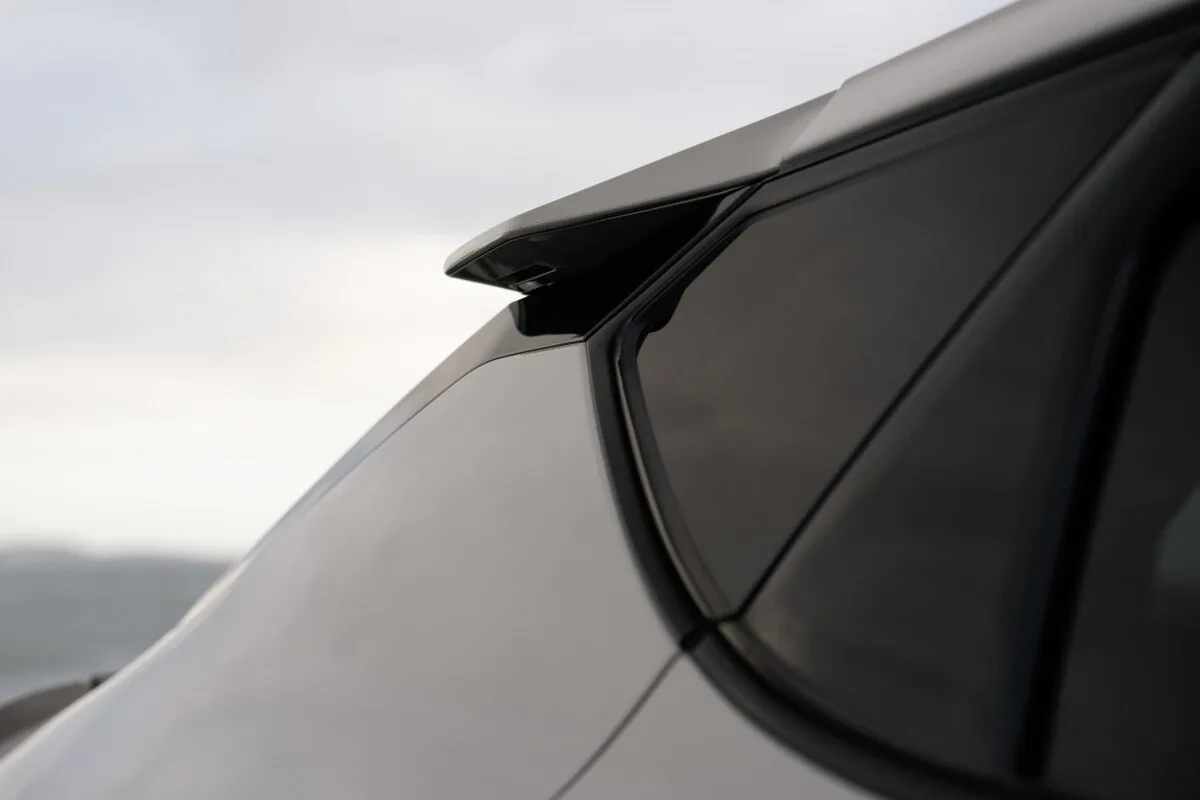
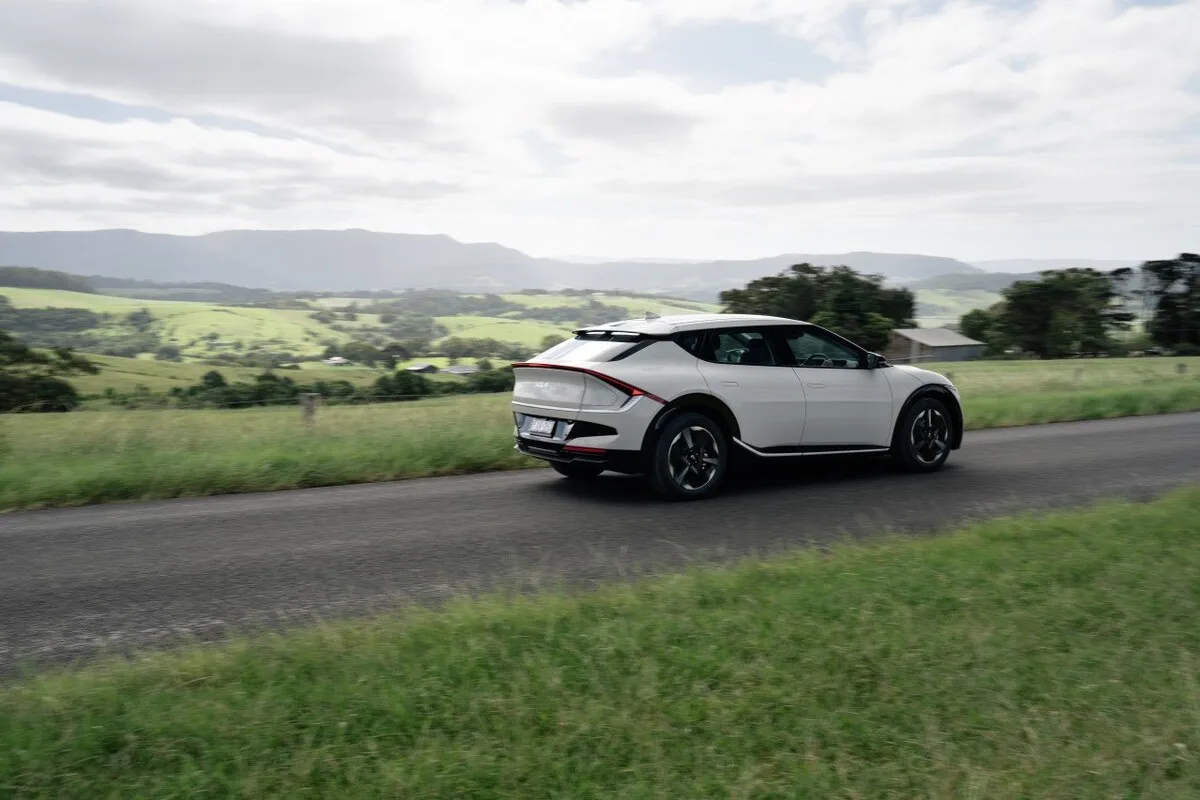


ABOVE: 2026 Kia EV6 GT.
What the 2026 Kia EV6 GT Got
- 478kW and 770Nm total output in GT Mode
- 84kWh lithium-ion battery pack
- Re-tuned three-stage adaptive dampers
- Belt-drive electronic power steering column
- Virtual Gear Shift mode replicating a dual-clutch transmission
- Star Map signature LED headlights and daytime running lights
- Redesigned front bumper and grille treatment
- New alloy wheel designs
- Thickened B-pillars for enhanced structural rigidity
- Second-row side airbags
- Additional soundproofing materials around the rear-view mirror and body
- ccNC infotainment system architecture
- Wireless Apple CarPlay and Android Auto
- Expanded over-the-air (OTA) software update capabilities
- Redesigned steering wheel with power tilt and telescopic adjustment
- Redesigned centre console
- Fingerprint authentication sensor
- Repositioned wireless charging pad
- Remote Smart Park Assist 2
- Updated 12.0-inch head-up display graphics
The Drive
When comparing to other EVs, as buyers surely will, the EV6 GT feels remarkably connected. It delivers a level of high-speed composure and genuine analogue chassis feedback that many of the newer, cheaper challengers flooding the market completely lack. However, they are still cheaper, which is what might sway buyers.
Fettling dedicated, multi-step launch control settings out on a public road is a thoroughly bad idea. You don’t need them anyway. Instead, all it takes is a single press of that delicious neon green GT button on the steering wheel to prime the dual motors for maximum slamage. Hit the accelerator pedal to merge onto a busy, fast-flowing freeway, and the powertrain dumps 478kW and 770Nm quicker than you can say, “I think some wee came out.”
The resulting surge is a silent, seamless smack, giving the passengers an inner-tingling sensation rather like being hit in the head with a mallet. It makes the official zero to 100km/h sprint time of 3.5 seconds feel entirely irrelevant. To go any quicker on a public road, say, dipping into the mid-two-second bracket, a buyer would need to part with another half a million smackeroos for a super-posh European hyper-EV.
Crucially, the global chassis development, led by ride-and-handling expert Graeme Gambold and product supremo, Roland Rivero, testing in and around the Nürburgring translates poetically to broken Australian regional tarmac. While Nürburgring development often ruins a road car by making it as stiff and unlivable, the local tuning team used those lessons to perfect the vehicle’s geometry.
Revised softer front springs paired with a stiffer 21-millimetre rear anti-roll bar upgrade, allow the EV to throw itself about in mid-corner without falling apart at the first hint of a bump. The steering, driven by that updated belt-drive electronic power steering column, feels psychic, building effort naturally bringing back those memories of pre-computerised masterpieces that were good engineering in motion. New cars feel more like navigating a game on a laptop yet Graham has injected a bit of old fashioned pin-point perfection.
The inclusion of the Virtual Gear Shift mode, however, feels entirely gratuitous. It tries to replicate the stepped gear shifts of a petrol-engined performance car using a dual-clutch transmission illusion. An electric vehicle should leverage its supreme smoothness and immediate, urgent power, rather than trying to imitate an inferior, clunky internal combustion inferiority. If a driver wants a manual, they should buy a proper manual box; if they want an EV, they should enjoy the uninterrupted reduction gear sorcery.
Regenerative braking remains a highly customisable tool quickly fiddled via the steering wheel paddles. Holding both paddles engages an automated regeneration setting, while pulling the left paddle allows the driver to drop down the ‘I-Pedal’ mode a handy spot of one-pedal driving. It takes some practice to master without jerking you guests into vomitus spams. Once figured out, it eliminates the need for all that nonsense of mechanical friction brakes that waste energy and grind toxic waste into the atmostphere with gay abandon.
The Cabin and the AOSP Trap
The cabin’s structural enhancements make a noticeable difference to refinement. The combination of thickened B-pillars and targeted soundproofing around the rear-view mirror reinforces that Zen ambience even at at highway speeds. Many try, but few ever succeed.
The layout remains, as always, practical. The redesigned centre console thankfully ditches the easily scratched gloss-black plastic of the old car. The floating console has masses of storage underneath, alongside the new wireless charging pad position and the new fingerprint authentication sensor. The scanner is used for driver profile selection rather than a more useful PIN entry system to drive. That missed opportunity for total keyless security could be fixed by an OTA.
Other thoughtful touches incudes the automated cabin isolation system: when the windscreen washers are activated, the HVAC instantly cuts off outside air circulation. This prevents the typical chemical fluid smell from infiltrating the cabin, a clever point that many luxury European brands consistently overlook.
However, the biggest niggle lurks within the new ccNC infotainment software. While the dual 12.3-inch curved screens look sharp as a tack, the system is built on the sketchy Android Open Source Project (AOSP) foundation. Because this is the OEM’s custom UI layered onto a bare-bones open-source framework, it suffers from frequent wireless Apple CarPlay connections fail or drop randomly mid-drive. This is a recurring flaw across multiple vehicle brands using AOSP with or without full Google integration. Kia claims they are working on updates to expand the available Wi-Fi channels, but for now, it introduces digital friction into an otherwise premium space.
Furthermore, compliance with European safety regulations means the mandatory over-speed warning system activates upon every startup. The system inaccurate and unreliable, frequently registering incorrect speed limits from adjacent service roads or outdated data, resulting in constant chiming. Deactivating it requires a long press of the Mute button. Driver monitoring deactivation takes a tedious manual menu navigation process, spelunking through the touch screen every single time you turn the car on.
Good ofrBad?
The product enhancement updates give the 2026 Kia EV6 GT the well-deserved visual maturity and mechanical refinement. The new front end fixes the awkward aesthetic of the original, while the suspension brings genuine grand touring compliance to match its explosive pace.
The market has shifted rapidly, and cheaper rivals from China offer strong numbers on a brochure, but they can’t match the localised chassis dynamics engineered here. Despite the software glitches and the annoying speed warnings, the sheer depth of engineering ensures this vehicle stays relevant as a world-class performance wagon.
More Kia Stories
Help Support Gay Car Boys Subscribe to our Youtube Channel by SMASHING THE BUTTON ABOVE

Alan Zurvas is the founder and editor of Gay Car Boys, Australia's leading LGBTQI+ automotive publication. Before launching GCB in 2008, Alan's automotive writing was published in SameSame.com.au and the Star Observer. With over 16 years of hands-on car reviewing experience, Alan brings an honest, irreverent voice to every review — championing value and innovation over brand loyalty.
Leave a Reply