BMW M Concept Neue Klasse Brings Electric Power To Le Mans
BMW has chosen the 24 Hours of Le Mans to unveil the M Concept Neue Klasse, a car that gives a long-distance view of where the performance arm of the company is headed.
The concept previews the look, technology and engineering philosophy expected in future electric BMW M models. While production cars rarely emerge unadulterated from the concept model, BMW says this machine signals a new chapter for M, one built around battery power without abandoning the performance credentials that made the badge famous. We’ll see.
Above: 2026 EV6 GT Superfast 3.5 second to 100 GT EV Review
#KiaEV6GT #EV6GT #KiaAustralia #ElectricCars #EVReview

Help Support Gay Car Boys Subscribe to our Youtube Channel by SMASHING THE BUTTON ABOVE


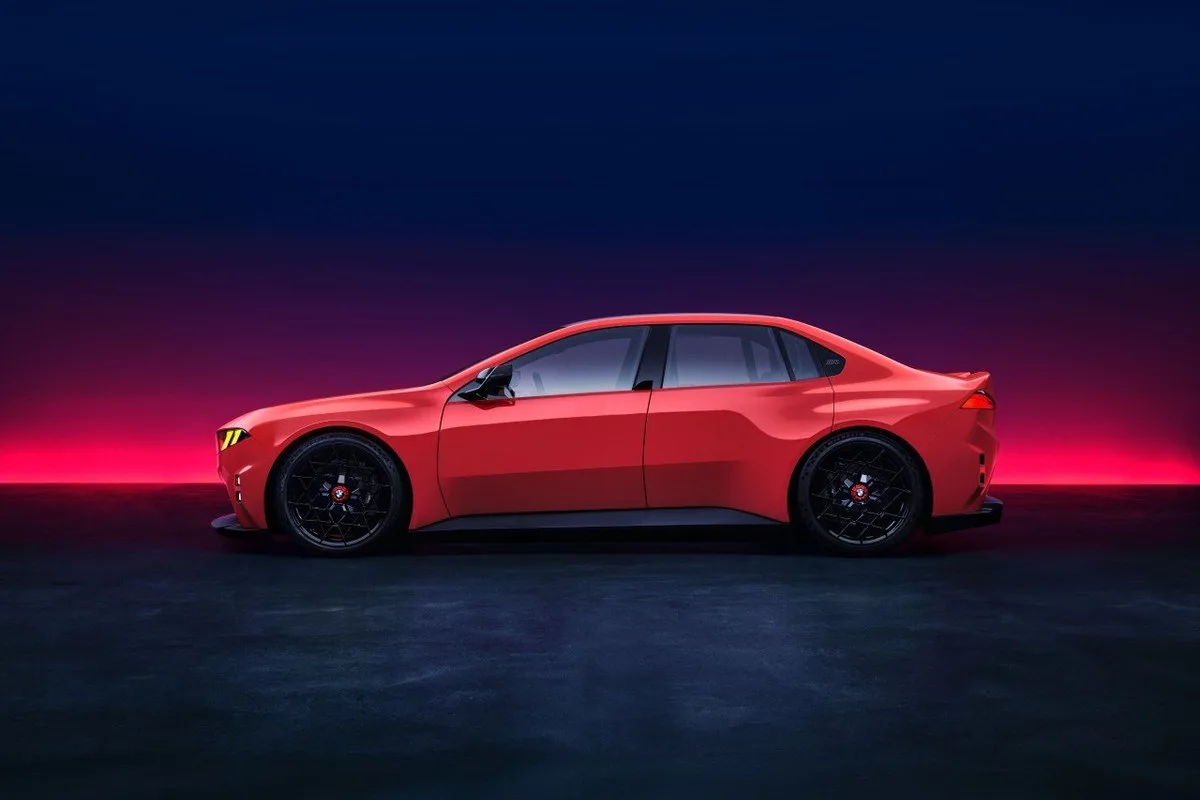
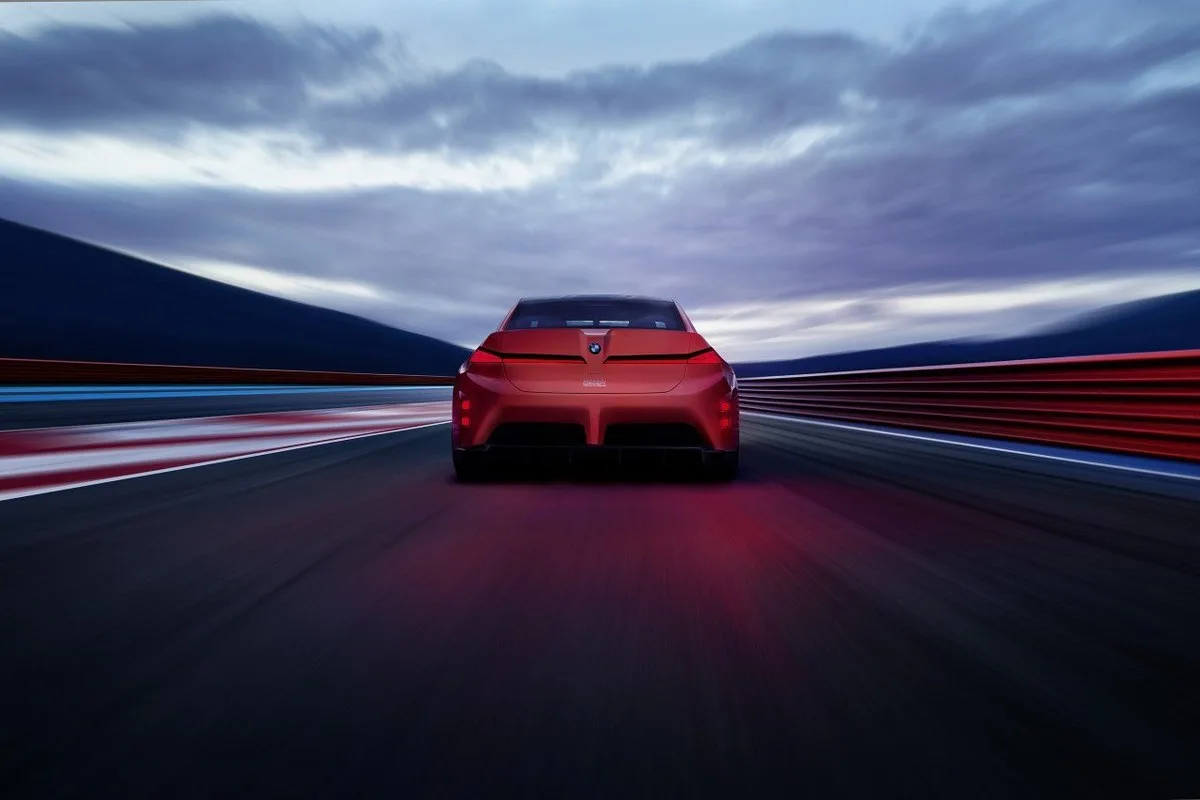

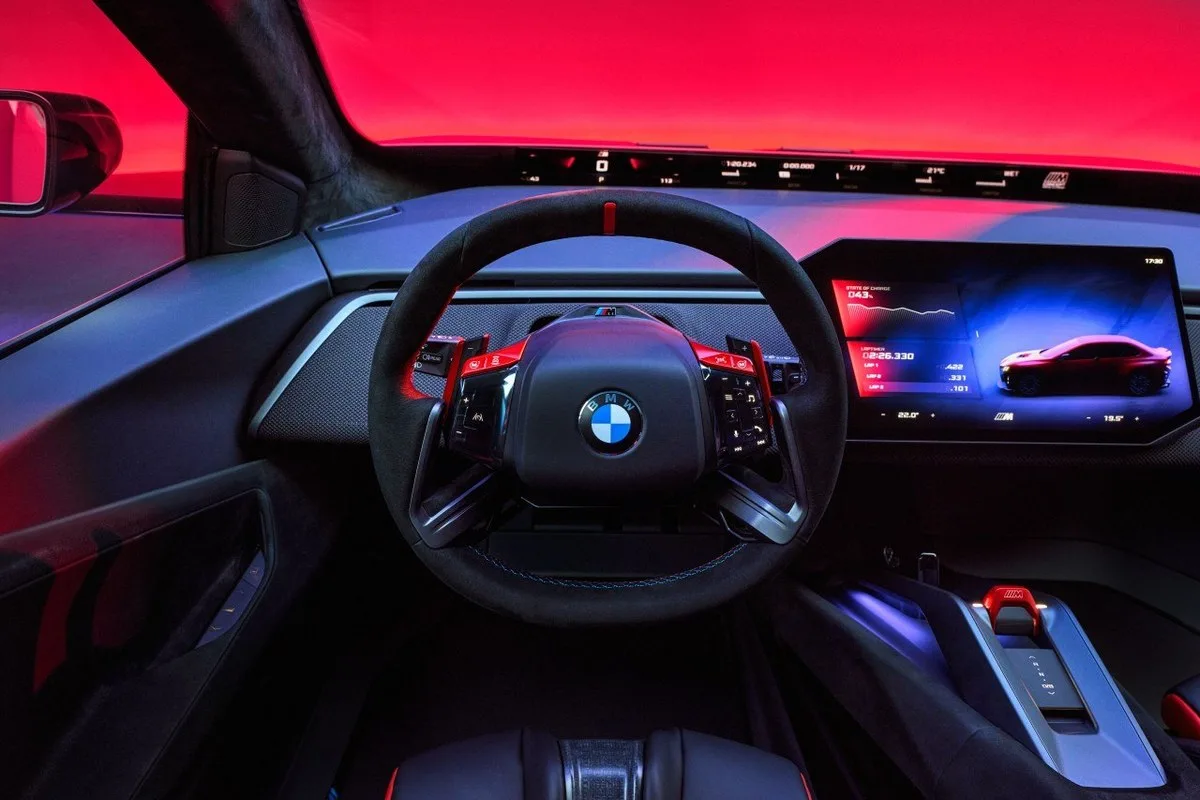
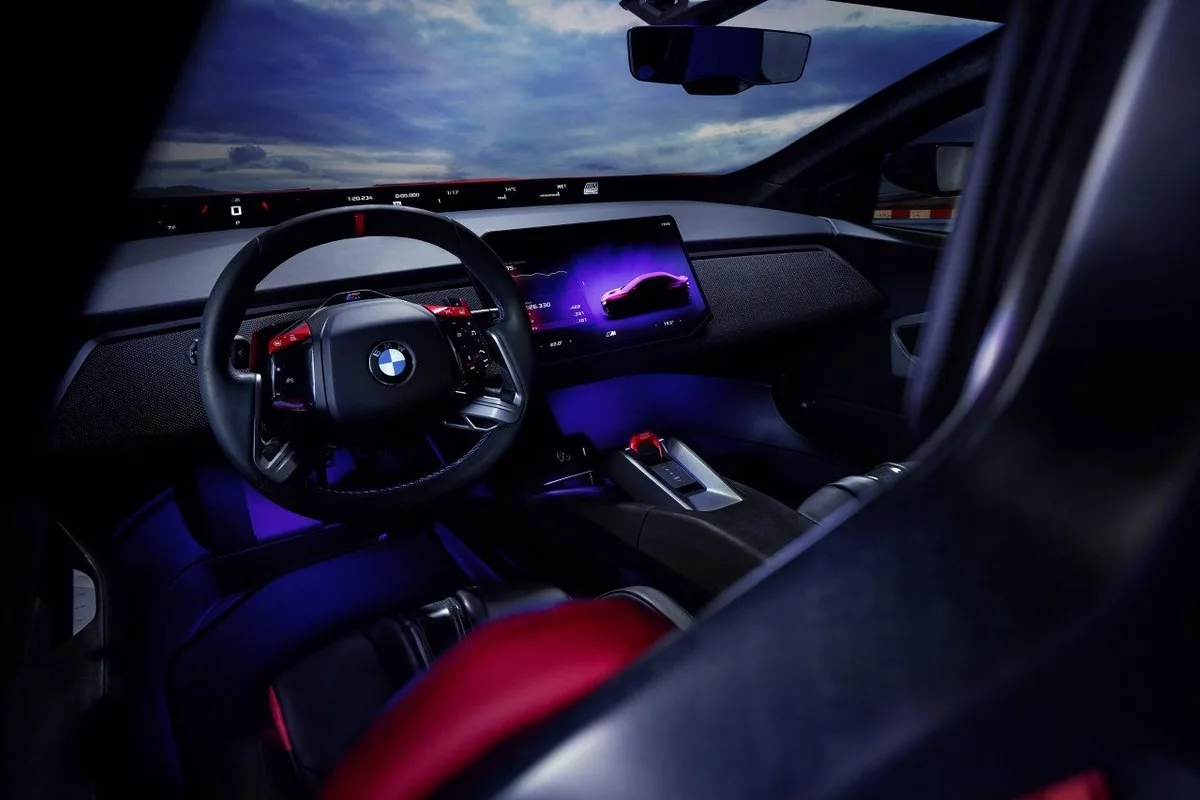

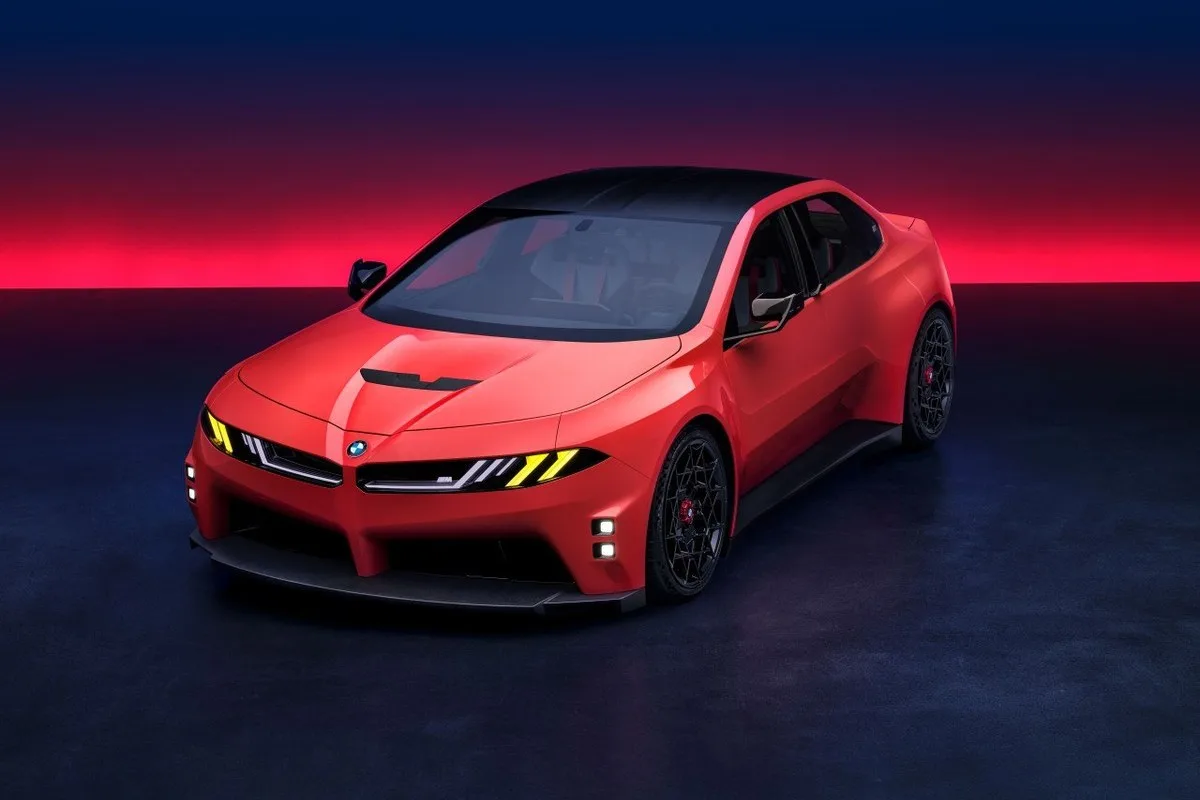
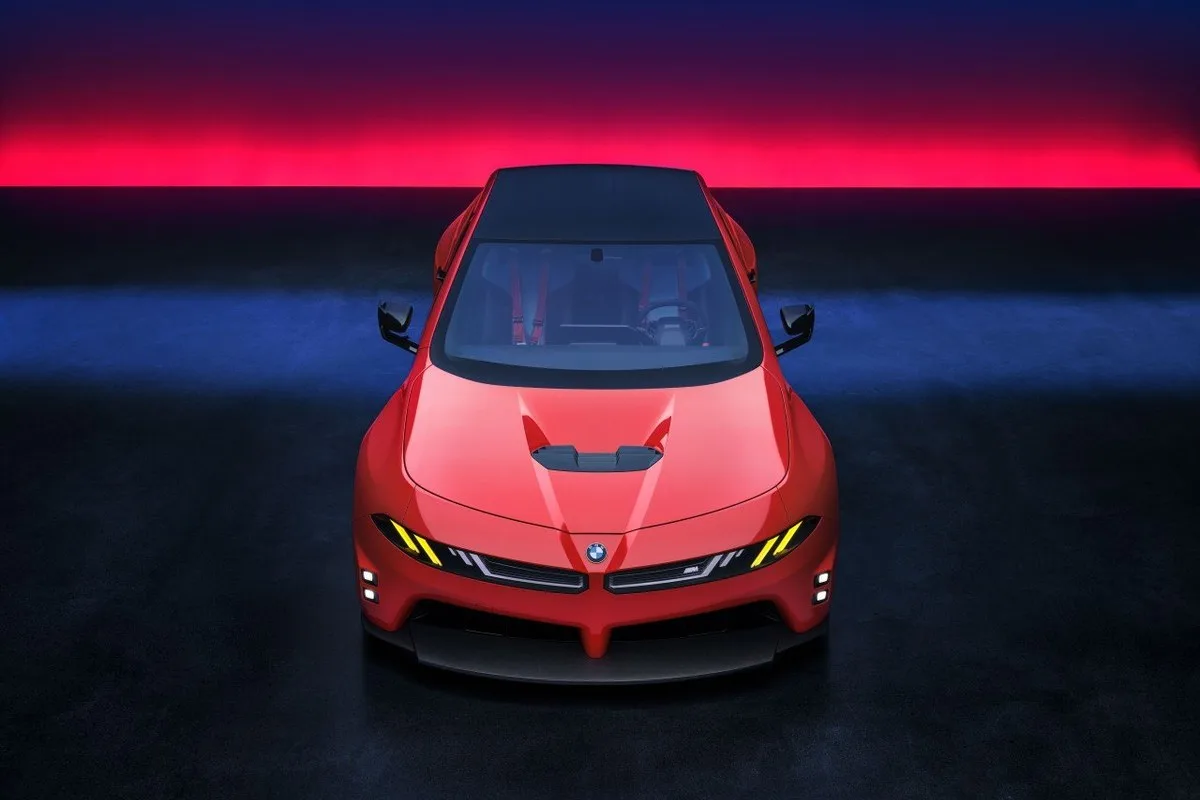
ABOVE: MW M Concept Neue Klasse
At first glance, the M Concept Neue Klasse is yet another modern BMW M car. The proportions are familiar, with a long wheelbase, broad, pumped guards, wrapped around big fat wheels. Unlike some recent concepts that appear determined to shock for the sake of it, and miss, this one looks road-ready.
It kept the classic shark-nose front end while showing off a reworked grille and lighting as a single visual element. The result is clean, aggressive and instantly recognisable. Thankfully, a far cry from the awkward grille from the M3 and M4 which were ridiculed widely.
One detail likely to divide opinion is the new yellow lighting signature. Inspired by GT race cars and the BMW M Hybrid V8 endurance racer, the yellow lights are intended to become a defining feature of future M models. Whether buyers embrace them remains to be seen, but there is no denying they give the concept a distinctive face after dark.
The front bumper is somewhat oddly named “trimaran design”. I’m not sure why designers insist on obscure references, but we’re told this is borrowed from the world of high-speed sailing. The three-part arrangement adds depth to the front end while supporting the aerodynamic splitter below. It is one of several examples where form follows form and function rather than existing simply to be a vignette for your socials.
Aerodynamics influence every curve, bend, and crease. The mirrors have been redesigned, large air outlets help cool the electric powertrain, and airflow management has been considered from the front bumper right through to the diffuser.
The rear is particularly snapshot worthy.
A large ducktail spoiler sits above a floating diffuser framed by stunning three-dimensional lighting elements. The treatment gives the rear end that desirable technical visage without cluttering the design with marketing flotsam.
BMW has also used natural fibres throughout the design. They appear in places you might not expect, such as the front splitter, diffuser and bonnet outlet. While carbon fibre has become the go-to performance material, BMW believes these new materials can deliver both strength and reduced environmental impact.
The Monza Red metallic paintwork looks the business. Combined with red-and-blue accented centre-lock style wheels, the colour scheme reinforces the thin thread between BMW’s road cars and its motorsport programmes.
The cabin focuses squarely on the driver.
That might sound obvious for an M car, yet it is refreshing to see a manufacturer resist the temptation to plaster every available surface with garish screens and gimmicks that scream at you.
Four heavily bolstered bucket seats create a suitably “fast even when standing still” interior. They come in Bathurst Blue and Berry Red leather for a welcome burst of colour and character. Structural elements made from natural fibre materials are integrated into the seats themselves, reducing weight while maintaining strength.
The steering wheel, door trims and roll structure are in black nubuck leather, a material making its first appearance in a BMW M car. The finish gives the cabin a posh feel while maintaining a sporting look.
A floating dashboard stretches across the cabin and incorporates illuminated hexagonal detailing. Red accents on controls and displays remind occupants that performance remains the primary focus.
There is little doubt the interior looks dramatic, but enthusiasts will be far more interested in what lurks beneath the bodywork.
The M Concept Neue Klasse uses a bespoke BMW M eDrive system with four electric motors. Each wheel receives power independently, allowing engineers to control torque with surgical precision.
The system uses BMW M Dynamic Performance Control software, all managed through a central computing platform quaintly known as Heart of Joy.
The name might sound more suited to a kaftan-gurur’d wellness retreat than a high-performance car, but the technology behind it is absolutely pucker.
By controlling power and braking at each wheel, BMW can continuously adjust vehicle behaviour according to road conditions, grip levels and driver inputs. The goal is to deliver the fabulous agility, balance and responsiveness an M badge commands.
Traditional performance cars have relied on mechanical differentials, sophisticated suspension tuning and carefully calibrated chassis settings. Electric vehicle architecture opens many new doors because power delivery can be altered almost instantaneously.
BMW believes this approach will allow future M models to offer sharper turn-in, improved traction and greater stability without sacrificing driver involvement. Other brands have promised this but few can hide the bulk of the battery on the apex of a corner. Again, we will see.
Regenerative braking.
Most electric vehicles rely heavily on regeneration to recover energy, sometimes creating braking responses that feel unnatural to some drivers. BMW has integrated control systems allowing recuperation and conventional braking to work together rather than fight each other.
Energy comes from an 800-volt electrical system paired with a 100kWh battery pack.
The company developed an M-specific version of its sixth-generation cylindrical battery cells, designed to deliver higher output when feeding the motors and faster charging when connected to suitable infrastructure.
Battery placement is equally important.
The battery housing forms part of the vehicle structure and is integrated with both axles. This contributes to chassis rigidity while helping lower the centre of gravity, two factors that play a significant role in handling performance.
For decades, BMW M has built its reputation on producing cars that feel alive from behind the wheel. That reputation has survived changing emissions standards, turbocharging and ever-increasing levels of technology.
Electrification represents the next hurdle.
Some enthusiasts remain unconvinced that electric performance cars can replicate the character of their petrol-powered predecessors. Others argue outright speed matters more than the source of propulsion.
BMW as a brand appears determined to satisfy both camps.
The M Concept Neue Klasse doesn’t attempt to hide its electric cred, nor does it abandon the visual and engineering cues that come with the M badge. Instead, it intertwines traditional performance values with technology developed for a very different automotive landscape. It might just have saved BMW from vanishing into irrelevance.
Whether every element survives the accountant’s pencil remains to be seen.
What is clearer is that BMW’s future M cars will look rather different to today’s models yet keeping that inspirational motorsport spirit as a guide.
Le Mans has always been a fitting place to show off new performance technology. BMW has used one of the world’s greatest endurance races to present its shining new vision of the next generation of M cars.
If the production lives up to the promise, the M Concept Neue Klasse electric era could prove far more interesting than many performance car fans expected.
More BMW Stories
- EVs and utes score in latest ANCAP safety results
- 2026 BMW iX3 40 Gives Australia Cheaper Neue Klasse Entry
- Vision BMW ALPINA Is The BMW I’d Buy If I Had The Money
Help Support Gay Car Boys Subscribe to our Youtube Channel by SMASHING THE BUTTON ABOVE

Alan Zurvas is the founder and editor of Gay Car Boys, Australia's leading LGBTQI+ automotive publication. Before launching GCB in 2008, Alan's automotive writing was published in SameSame.com.au and the Star Observer. With over 16 years of hands-on car reviewing experience, Alan brings an honest, irreverent voice to every review — championing value and innovation over brand loyalty.
Leave a Reply