McLaren has appointed Kemal Curic as Chief Design Officer, and this is one of those executive moves that sounds tidy on paper but tells you quite a bit about where a company thinks the next fight will be won.
The Woking firm says Curic joins from Ford Motor Company, where he served as Global Design Director for Performance Vehicles. That means McLaren hasn’t gone shopping for an anonymous turtle neck with a PowerPoint addiction and a handbag full of focus-group gobbledegook. It has taken a man whose recent work sat in the performance end of the business, the bit where proportion, theatre, speed, and brand identity really matter. The racing team might be the halo, but the road cars are where the dollars meet the bank.
If you are McLaren Automotive, that matters. A great many brands talk about design as though it were little more than a trim package with back lighting. McLaren can’t afford that sort of complacent nonsense. At this level, design is not a flourish sprinkled on at the end by someone in expensive trainers. It is the thing buyers see first. They remember something that separates a future icon classic from a very fast object nobody longs for after the finance papers are signed.
Above: Geely Starray and Which Driveline Is Best for You
#Geely #Starray #SUV #Hybrid #CarNews

Help Support Gay Car Boys Subscribe to our Youtube Channel by SMASHING THE BUTTON ABOVE


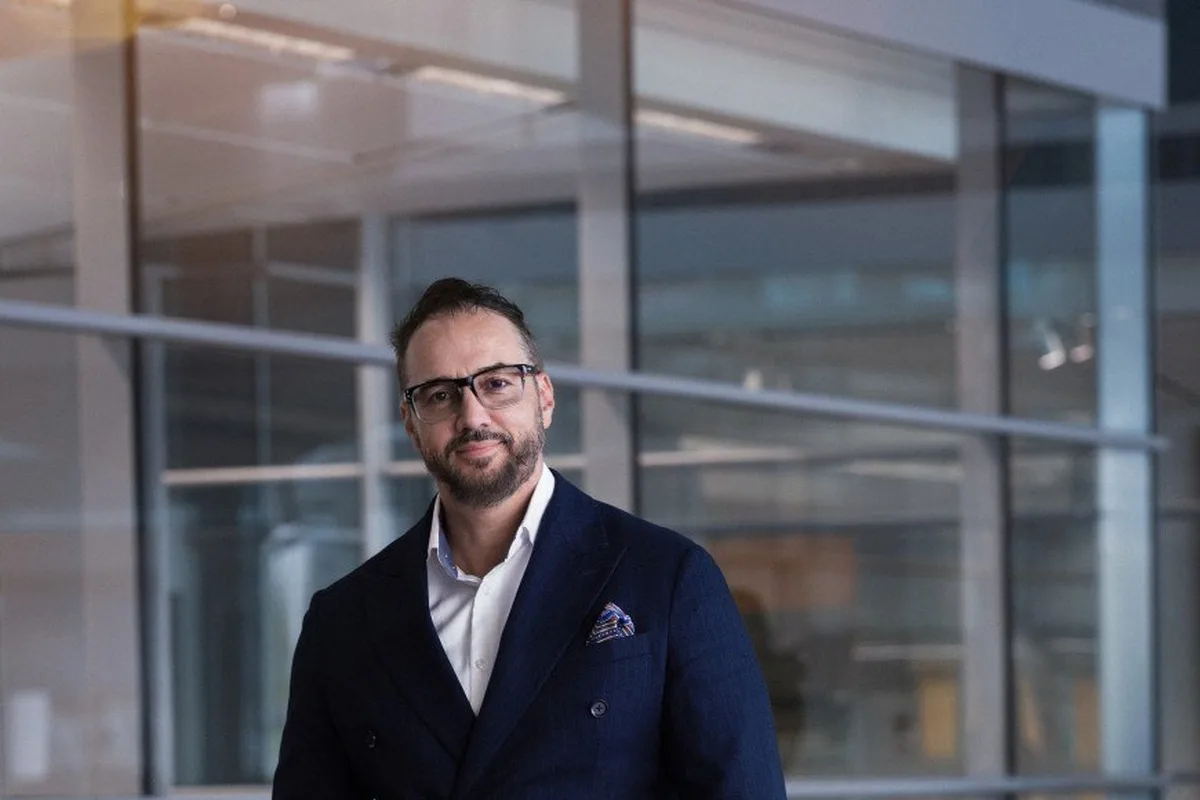


ABOVE: Kemal Curic with McLaren supercars, plus two executive portraits from the announcement.
This is a bigger job than drawing pretty cars
McLaren says Curic will oversee all design functions including interiors, exteriors, CMF, and digital design. That is a broad brief, and a revealing one. The old days of worshipping only the outer skin are over. Buyers now expect the cabin, the interface, the materials, the graphics, and the digital theatre to feel as resolved as the bodywork itself.
That is where luxury and performance brands can come badly unstuck. It is all very well having a body that looks like it was carved by angels in a wind tunnel, but if the digital layer feels like an afterthought from an airport kiosk, the spell is broken. Hypercar money should not buy budget-software energy.
McLaren knows this. Giving one person the whole visual and sensory kingdom suggests it wants a more coherent house style, not a collection of departments all turning up with spitball guns and a whiteboard.
Ford may be an odd place to poach from, until you think about it for a second
On the surface, Ford and McLaren seem to inhabit different planes. One sells Rangers and family SUVs by the boatload, the other traffics in carbon fibre smack for people whose garages are nicer than most flats. But the performance arm of Ford has understood since Carroll Shelby took an idea and made it a legend. Halo products do more than shift units, they set the mood and tell the world a brand still has a pulse. In other words, the association gets punters onto the website and into the showroom. Bums on seats sell cars.
Curic arrives with more than twenty years of global design experience, and McLaren is betting heavily that he can take his performance design discipline and apply it to a smaller, far more rarefied portfolio. That looks like a very shrewd move because the Chinese brands are always shopping for experts. Designing the next great McLaren is not merely about making it look fast while stationary. Plenty of people can manage that. The trick is making it look unmistakably McLaren without becoming trapped in repetition, pastiche, or the sort of self-regard that turns a supercar into a parody of itself.
That balancing act is harder than the shiny press release makes it sound. Heritage is useful right up until it the time it becomes more of a boat anchor around the brand’s development budget than updrafts upon which to soar.
What this means for McLaren next
This appointment also lands at a moment when design has become one of the few things legacy performance brands can still use to create proper separation. Power is easy to boast about, and screens are cheap. Acceleration claims are now worth nothing. EVs can, and do, out slingshot supercars and the wild numbers are flung around like confetti. Distinctive design, coherent brand language, and an interior that feels special rather than merely technical, that is where the grown-ups earn their crust. Some super cars look great on the outside and the planes of Oklahoma on the inside. Pov interiors work in race cars but not in nepo toys.
So yes, McLaren appointing a Chief Design Officer sounds corporate. Ghastly phrase, yet the substance underneath it is rather more interesting. The company is saying design is executive level, not somewhere lower down the org chart between trim approvals and the loo. That tends to happen when a brand believes the next chapter must look different, feel different, and be recognisable at twenty paces.
Curic now has the pleasant little task of shaping that future.
No pressure then.
More Stories
- Ford Waves the Flag and Says American Assembly Still Matters
- Audi Museum Mobile Design Legends Exhibition Opens with Concepts that Never Reached Production
- Lamborghini Esperienza Giro Toscana Castles Chianti a Dash of Camp
Help Support Gay Car Boys Subscribe to our Youtube Channel

Alan Zurvas is the founder and editor of Gay Car Boys, Australia's leading LGBTQI+ automotive publication. Before launching GCB in 2008, Alan's automotive writing was published in SameSame.com.au and the Star Observer. With over 16 years of hands-on car reviewing experience, Alan brings an honest, irreverent voice to every review — championing value and innovation over brand loyalty.
Leave a Reply