Audi has unlocked the vault. The museum mobile in Ingolstadt is hosting a special exhibition called “Design Legends” running from 28 March to 12 July, featuring concept cars and design studies that shaped the brand’s visual language over five decades. Some of these machines were one step from production. Others were pure fantasy, rendered in aluminium and ambition. All of them represent roads not taken, and rather beautiful roads at that.
There is something gloriously indulgent about a museum exhibition dedicated to cars that never existed. Not in the sense of customer deliveries, anyway. These are the beautiful orphans of the design studio, the show-stopping concepts that toured motor shows, appeared in magazines, and then quietly disappeared into climate-controlled storage while the accountants built something cheaper. Every car company has them. Audi has particularly stunning ones.
Above: Geely Starray and Which Driveline Is Best for You
#KiaPV5 #Electric #Van #CVShow #CarNews

Help Support Gay Car Boys Subscribe to our Youtube Channel by SMASHING THE BUTTON ABOVE





The Avus quattro Still Looks Like the Future
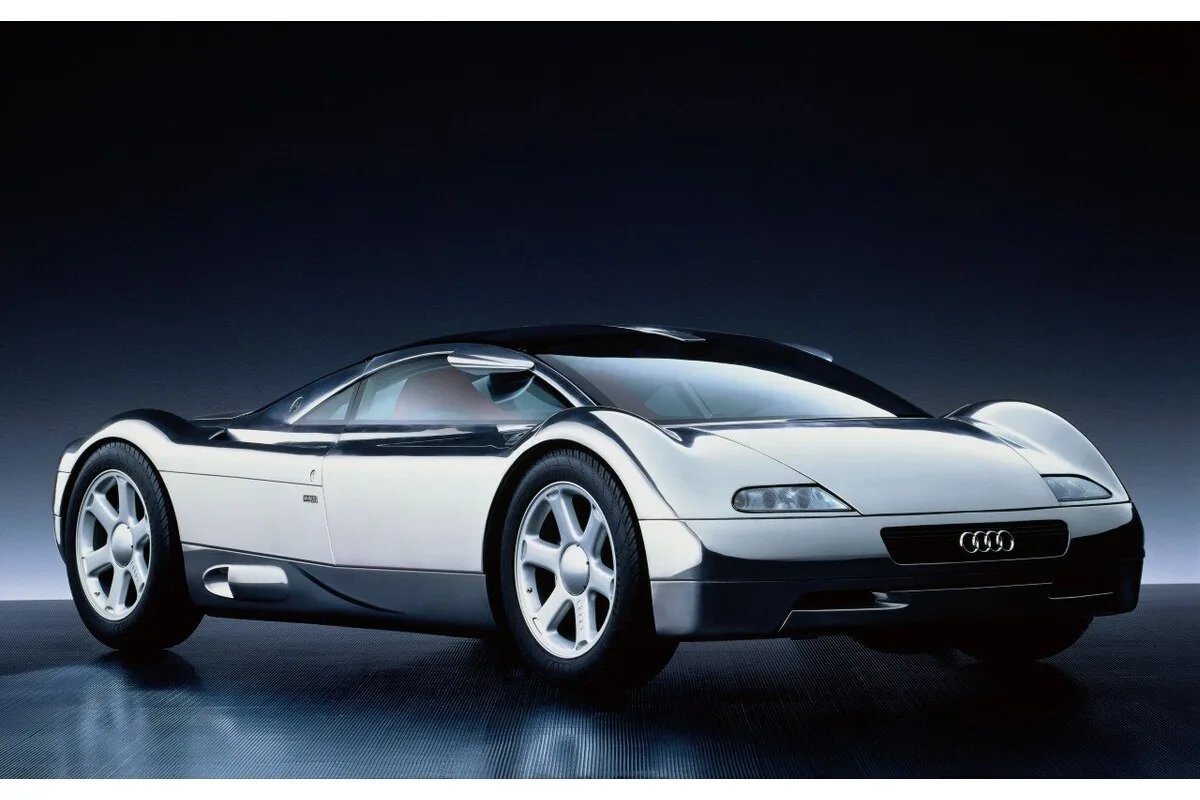
The 1991 Audi Avus quattro remains one of the most arresting concept cars ever built. A polished aluminium supercar with a W12 engine that looked like it had been designed by aliens who understood aerodynamics but had never seen a German autobahn speed limit sign. The thing appeared to slice through time itself.
It was never meant for production. The aluminium body alone would have bankrupted the accountants. But the Avus proved what Audi could do when the bean counters were locked in a cupboard and the designers were given free reign. The visual DNA from the Avus runs through every R8 that followed, even if the later cars had to compromise with things like “budgets” and “production feasibility.”
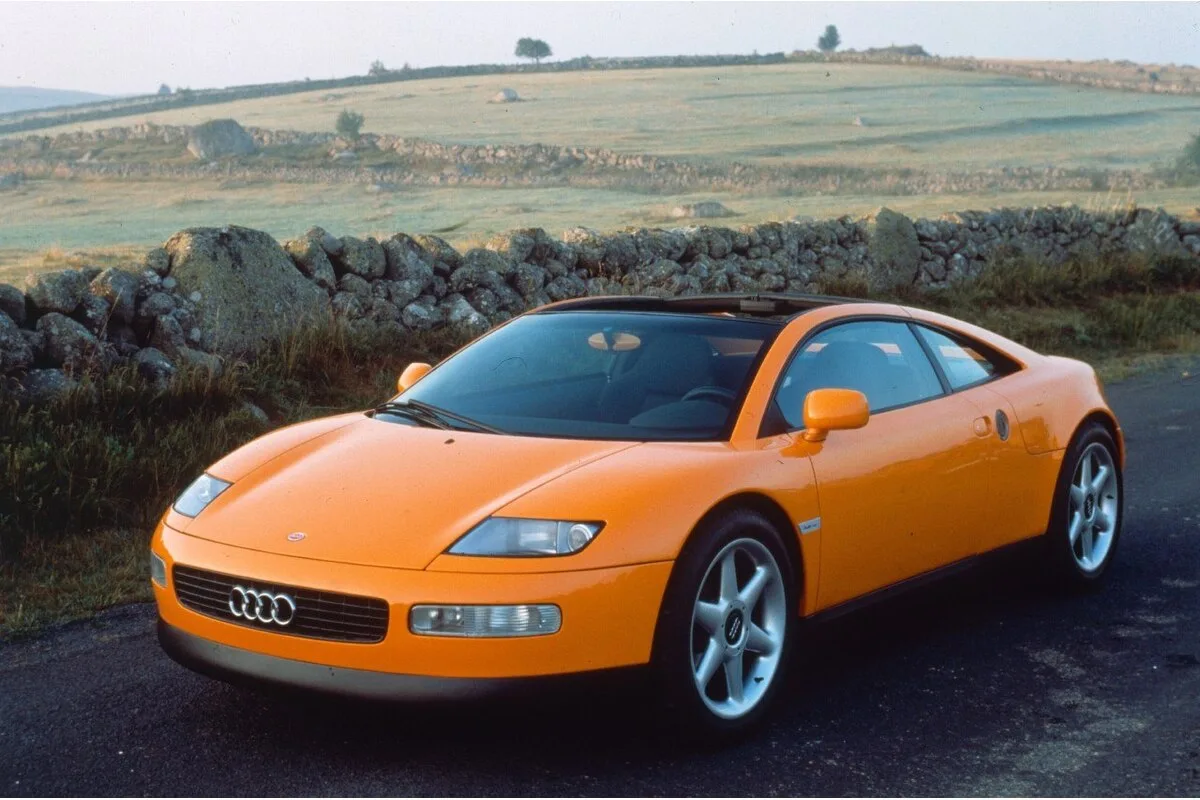
The quattro Spyder Was Peak 1990s Optimism
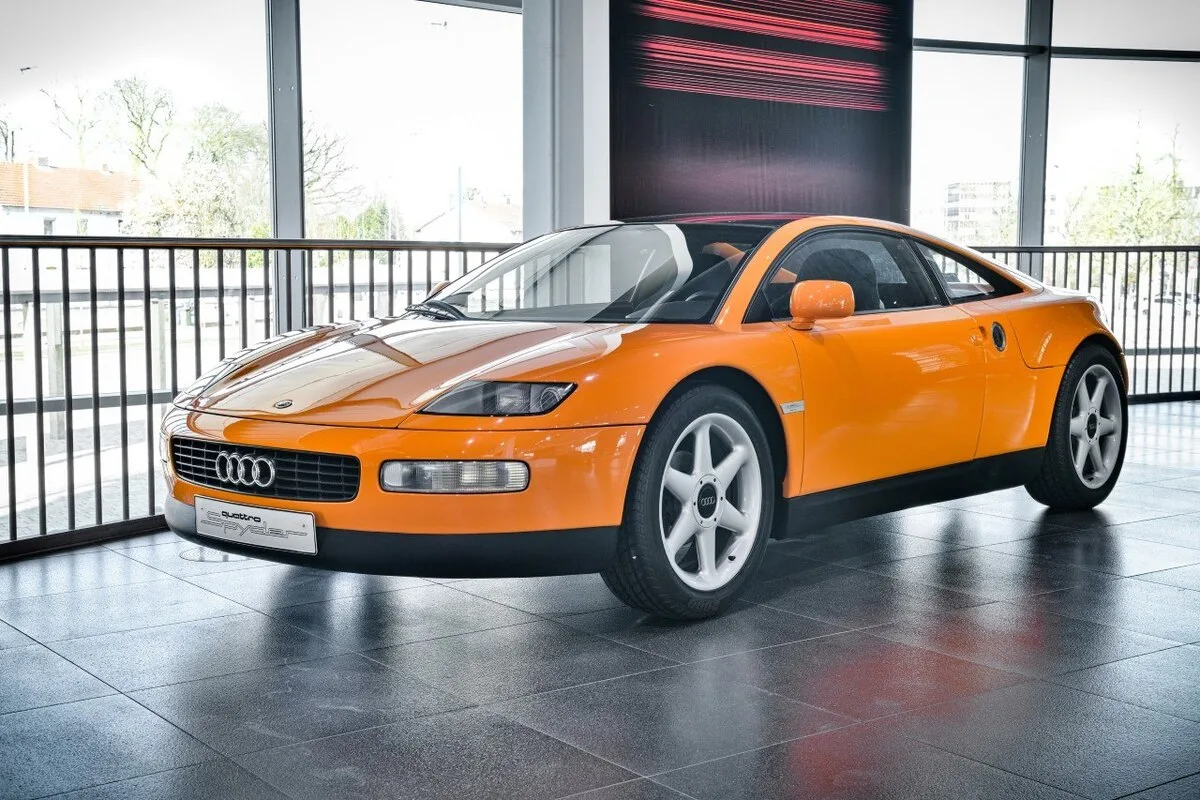
In 1991, Audi also revealed the quattro Spyder, a tangerine roadster that looked like someone had designed the perfect two-seat sports car and then wrapped it in optimism about the decade ahead. It wore the quattro badge before quattro became just another marketing term slapped on every Audi with four wheels and a drivetrain.
The proportions were sublime. Short overhangs, a cockpit pushed forward, that distinctive Audi grille before the grille became quite so dominant. It weighed 1,100 kilograms and used a 2.8-litre V6 producing 128kW. These days, a base Corolla has similar power, but the quattro Spyder had something no Corolla will ever possess. Soul. And a silhouette that made grown men weep.
The TT Coupé Showcar Started a Design Revolution
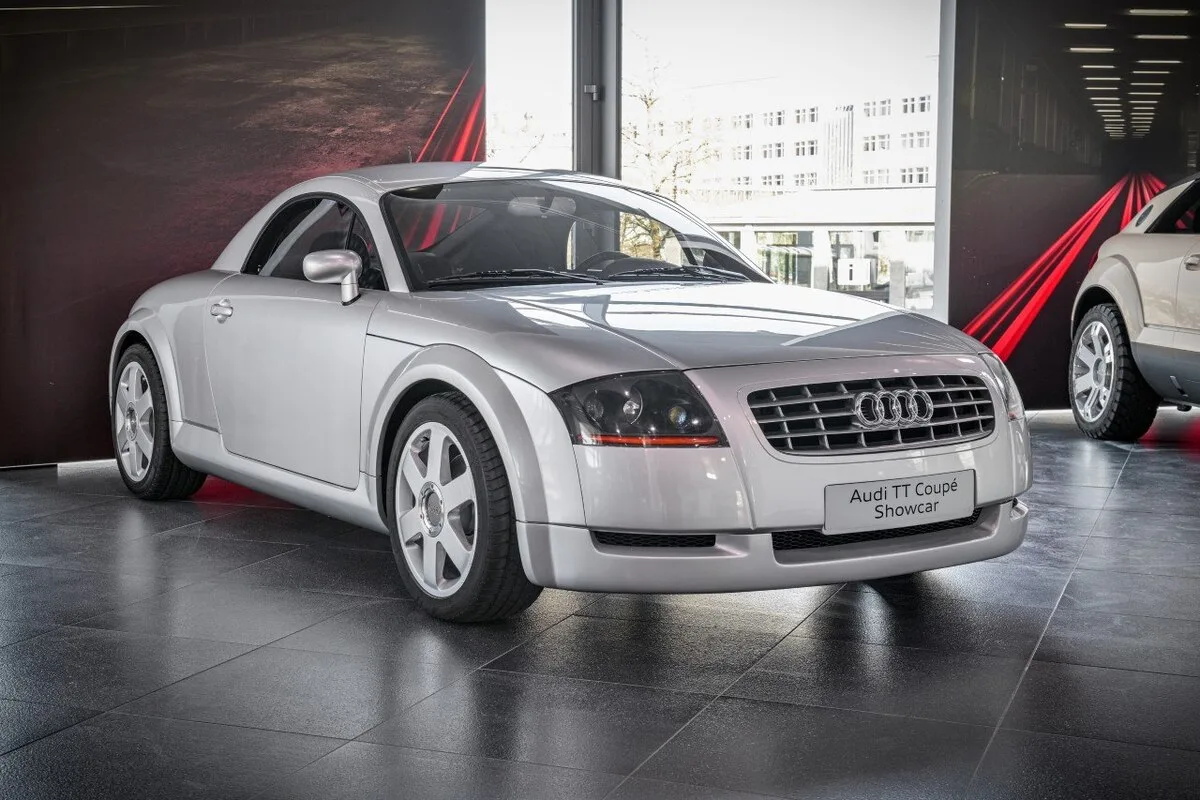
The 1995 Audi TT showcar is perhaps the most consequential exhibit in the collection. Here was a concept that looked so resolved, so production-ready, that people assumed it was already on sale. The TT arrived in showrooms three years later looking almost identical to the concept. This never happens. Concepts always get ruined by crash regulations, pedestrian impact standards, and the grim realities of mass production.
Not the TT. The showcar had those perfect round taillights, the domed roof, the fuel filler cap that sat like a jewel on the rear flank. The production car kept them all. Audi proved that sometimes, just sometimes, a company can build exactly what the designers intended.
The Steppenwolf Predicted the Crossover Apocalypse
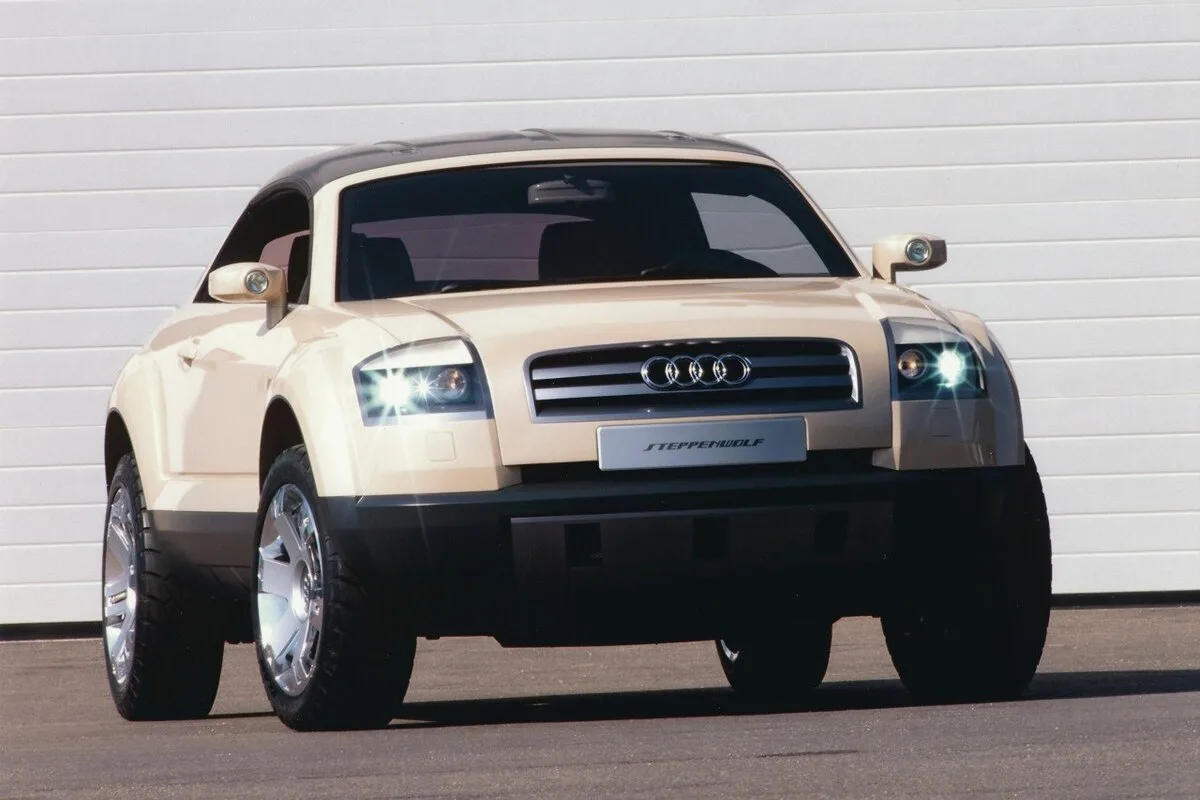
In 2000, Audi revealed the Steppenwolf, a study that now looks prophetic rather than adventurous. It was a compact SUV-coupe-crossover-thing before anyone had figured out what to call such vehicles. The design language was aggressive, almost military, like someone had crossed an A3 with survival instincts.
The Steppenwolf predicted the crossover boom that would consume the industry over the following two decades. Every lifted hatchback, every chunky urban SUV, every “active lifestyle vehicle” sold to people whose most extreme activity is parallel parking owes something to the ideas explored in this concept. Whether that is a compliment or an indictment depends on your tolerance for wheel arch cladding.
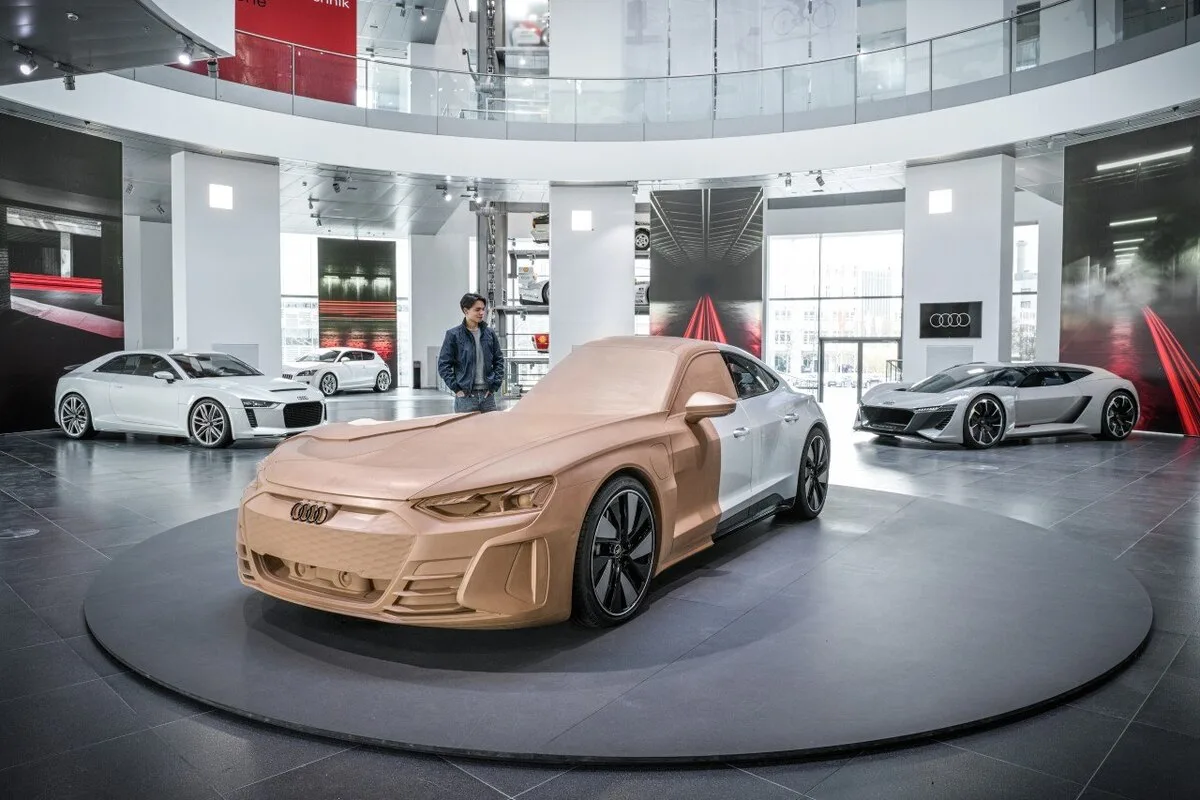
The Q Design Clay Model Shows the Process
Beyond the polished concepts, the exhibition includes pieces from Audi’s model workshop. Clay models, sketches, and renderings that reveal how designers think. This is where the magic lives. Before a concept becomes a concept, it exists as lines on paper and lumps of modelling clay being scraped and shaped by people who can see three dimensions in two.
The Q design clay model on display offers a glimpse into this process. It is not a finished thought. It is a thought being had, captured in physical form. For anyone who has ever wondered how a car goes from imagination to production, this is the archaeology of creativity.
The Nuvolari quattro Honoured a Legend
The 2003 Audi Nuvolari quattro was named after Tazio Nuvolari, the pre-war racing legend who drove Auto Union Silver Arrows when Audi’s predecessor was making some of the fastest and most dangerous cars on earth. The concept featured a 5.0-litre V10 producing over 440kW and design cues that would later appear on the A5 and A7.
It was a grand tourer in the truest sense. Long, elegant, designed to devour continents at speed while keeping occupants cocooned in leather and technology. The Nuvolari quattro proved that Audi could do emotional design when it wanted to, even if the production models that followed were often more reserved.
Why These Concepts Matter
Concept cars serve multiple purposes. They test public reaction. They showcase technology. They attract talent. But mostly, they remind us that car companies are capable of dreaming bigger than the spreadsheets allow.
The Design Legends exhibition runs until 12 July at the Audi museum mobile in Ingolstadt. Entry is free with the Audi Tradition app, which offers additional content including 360-degree interior views and audio guides. The app also provides engine sounds for some exhibits, which is rather glorious for anyone who wants to hear a W12 howl without owning one.
For those who cannot make the pilgrimage, the concept cars will eventually return to storage, waiting for the next exhibition that celebrates the beautiful machines that never quite became real. They remain legends precisely because they stayed perfect. No recalls. No depreciation. No disappointment. Just pure design ambition, frozen in time.
More Stories
Help Support Gay Car Boys Subscribe to our Youtube Channel

Alan Zurvas is the founder and editor of Gay Car Boys, Australia's leading LGBTQI+ automotive publication. Before launching GCB in 2008, Alan's automotive writing was published in SameSame.com.au and the Star Observer. With over 16 years of hands-on car reviewing experience, Alan brings an honest, irreverent voice to every review — championing value and innovation over brand loyalty.
Leave a Reply