The car market has become a sea of utterly ubiquitous SUV blancmanges. Every second driveway seems to have a high-riding family wagon sitting soporifically in it, usually painted in a dull shade of grey and promising to take its unimaginative owners to places afar. They won’t, because most of them can’t. Those that can are way too precious to risk falling off a cliff.
Against that backdrop, the MG7 feels almost rebellious little minx.
It is a low-slung fastback with frameless windows, a long bonnet, a sweeping roofline and an unassuming attitude that is so refreshing when Germany has had its way for so long. At $44,990 plus on-road costs, it also feels like a throwback to a halcyon time when manufacturers still built affordable grand tourers for people who liked a spot of driving.
Think Audi A5 Sportback, Audi A7, or BMW’s Gran Coupé models, and you’ll understand what MG is aiming for. The surprise is not that the Chinese brand has attempted it, but that it has succeeded rather nicely.
Download Brochure and specs HERE
Above: 2026 MG7 Essence Full Review – a Sweet Little GT Sports car
MG7Review #GrandTourer #Sedan #CarReview

Help Support Gay Car Boys Subscribe to our Youtube Channel by SMASHING THE BUTTON ABOVE


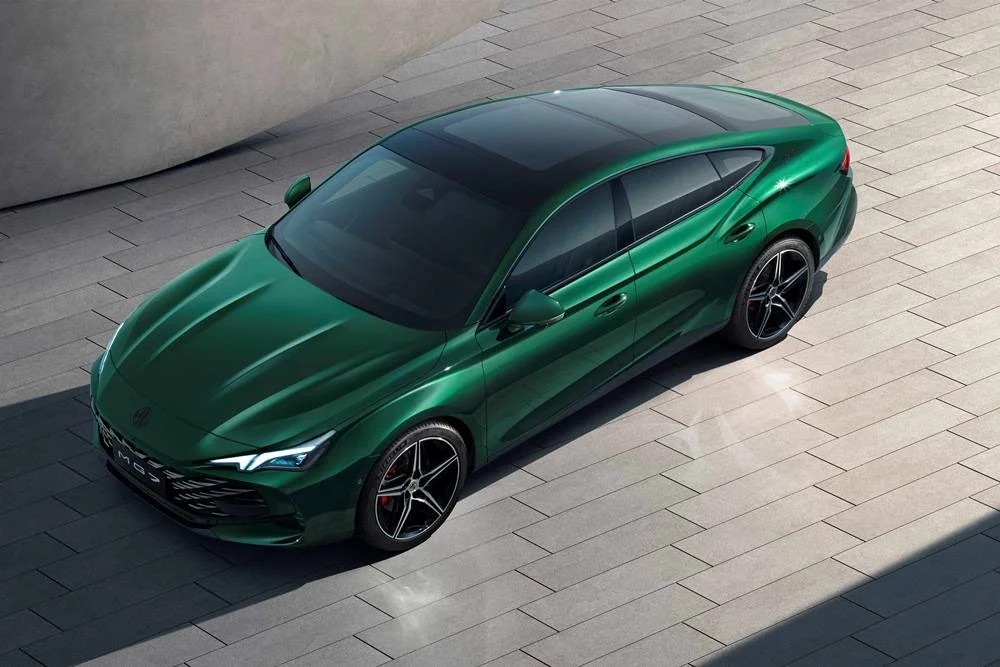
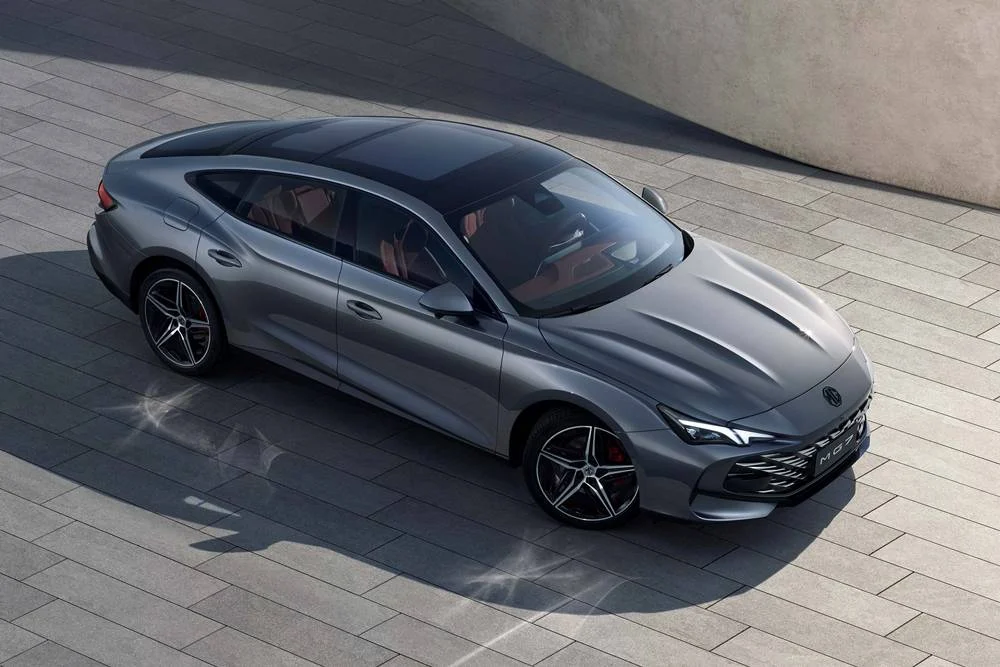
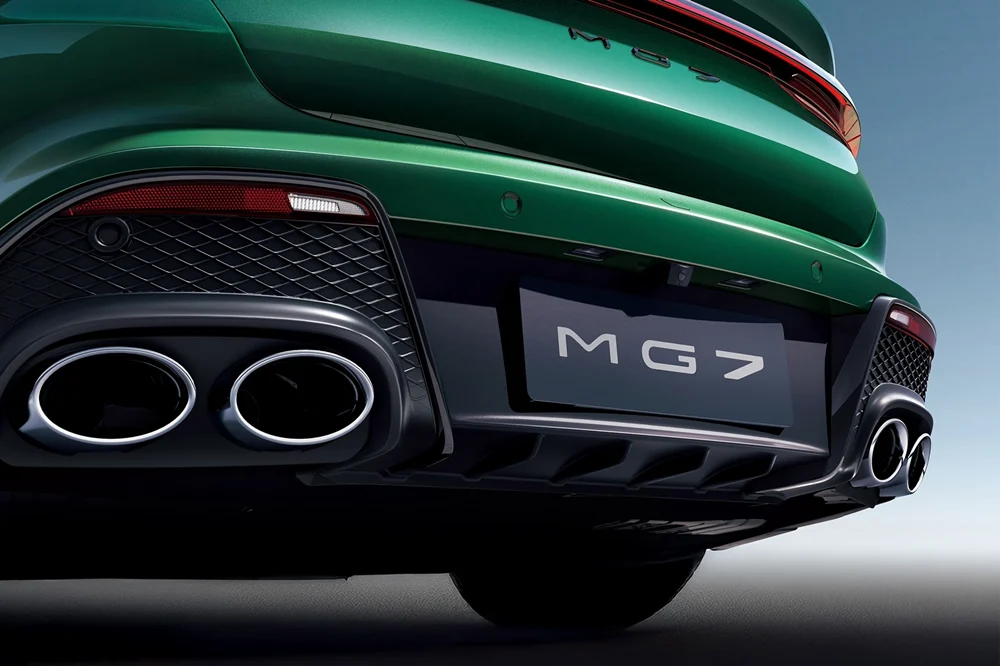
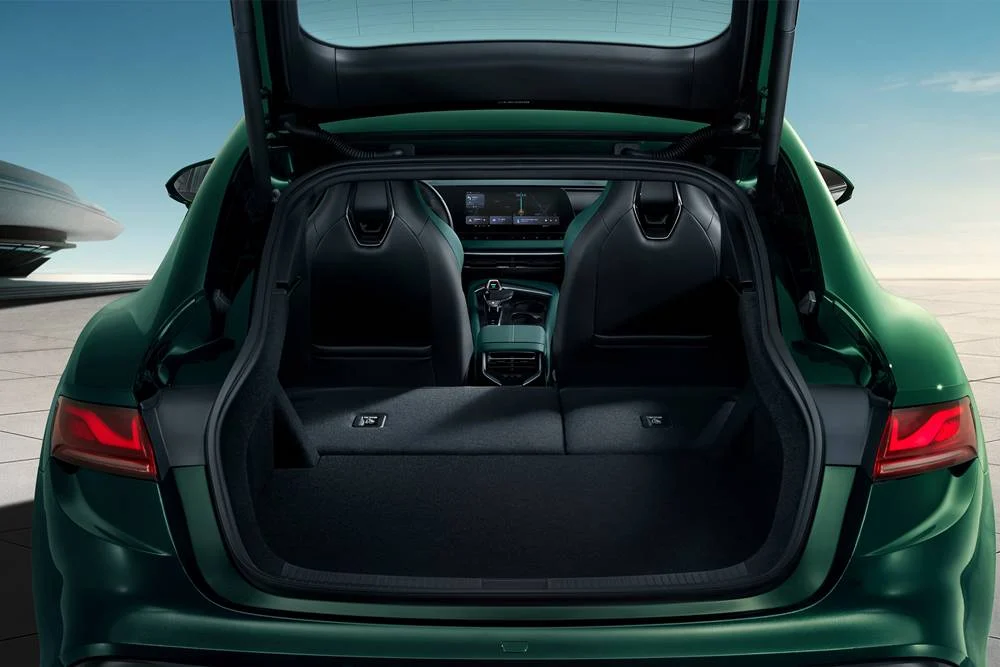
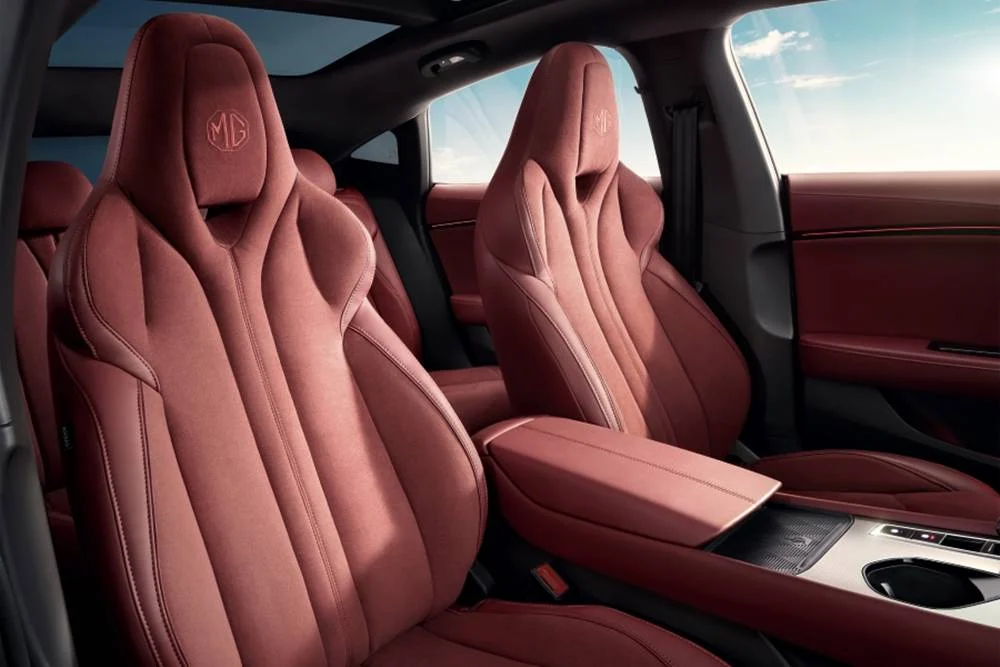
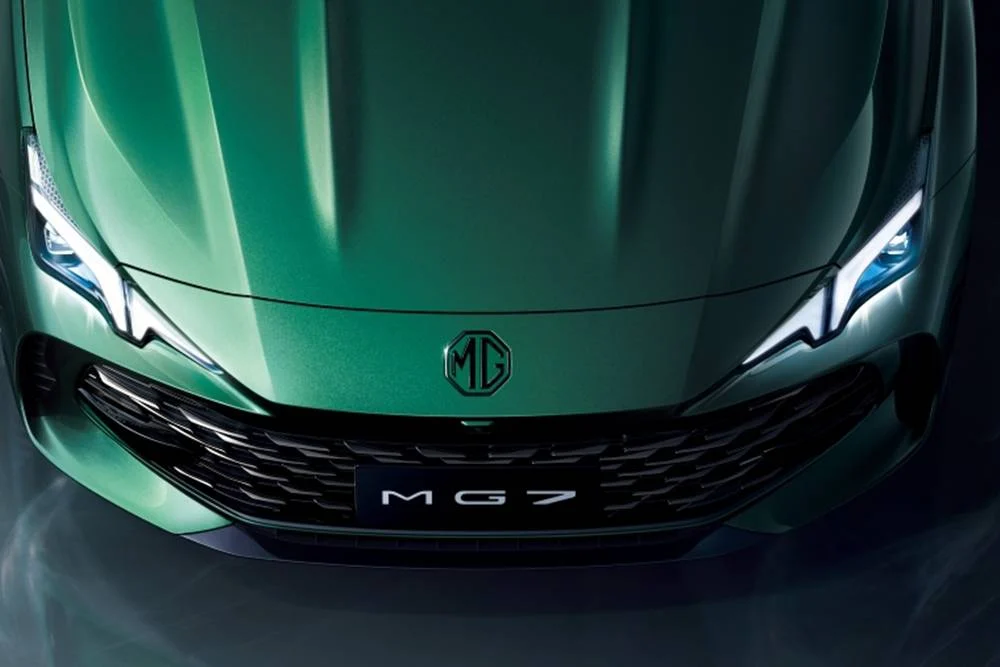
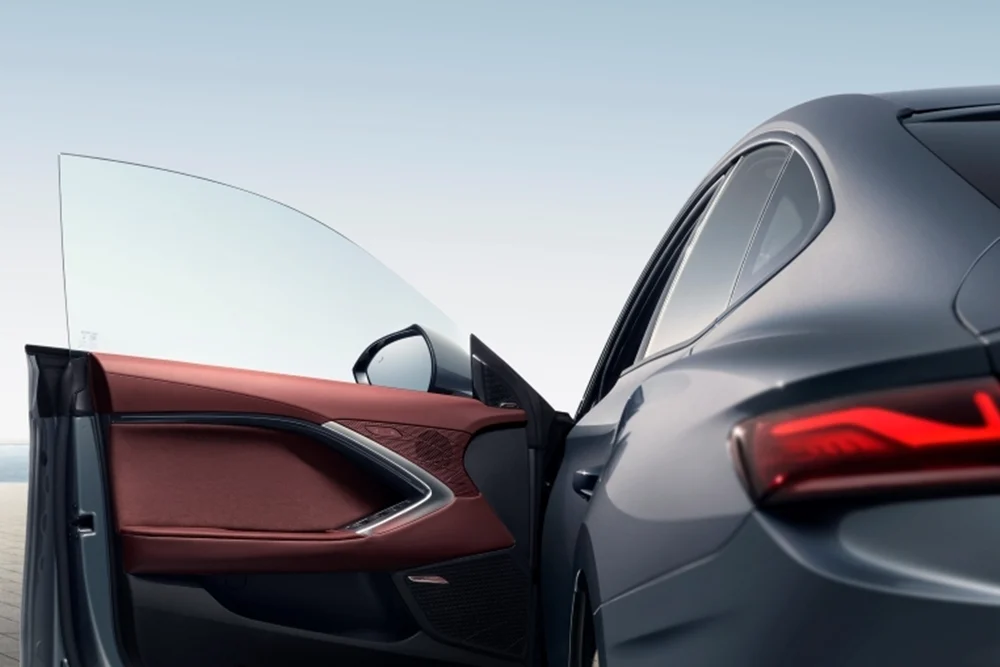
ABOVE: 2026 MG7 Fastback
Before we get to the good bits, there are a few annoyances.
The first is the rear spoiler. As I said in my 5-minute review, I stopped being impressed by pop-up wings when I was a teenager. The MG7’s elaborate butterfly arrangement rises, splits and transforms itself into a full-width wing that is far more complicated than it needs to be. The motor sounds cheap, and every moving part is another thing waiting for an expensive conversation with a service department. Out of warranty you just wouldn’t bother.
Then there are the warning systems, though this is a theme in all new models regardless of brand. Like almost every new car sold in Australia and Europe, the MG7 suffers from the modern epidemic of electronic gongageddon from which there is no respite. Unreliable speed sign recognition regularly misreads signs, overspeed alerts demand constant babying, and the adaptive cruise system insists on announcing itself every time a function activates or deactivates. After a few hours behind the wheel, the constant berating turns the calmest of drivers into a jabbering mess. It’s why we all turn it off every time we get in the car.
Brussels has changed the way the world drives by dictating Euro-NCAP to ride shotgun in every car on every journey. The underlying technology is good, but the execution needs sorting. Thankfully, the rest of the car is quite blissful.
The MG7 is a handsome thing. Photos don’t quite do it justice, and at almost 4.9 metres long with a 2778mm wheelbase, it has grand, grand-tourer proportions. It looks expensive, sophisticated and rather elegant.
There is little to suggest this is a car priced under $50,000. Open the frameless double-glazed doors and the impression continues. The cabin feels surprisingly premium, with comfortable posh seats, a wide digital display, a head-up display, panoramic glass roof and soft-touch surfaces instead of tacky scratchy plastic.
MG has hurled the kitchen sink at the MG7.
Wireless Apple CarPlay and Android Auto are standard, as is a Bose 14-speaker audio system, heated electric front seats, ambient lighting, a 360-degree camera and the complete suite of safety technology goodies. Buyers who enjoy ticking option boxes will find there are none, MG has already ticked them for you.
The infotainment uses MG’s iSMART software. There are one or two gremlins common in all infotainment systems built over Android Open Source Project software. It also helps explain the familiar feel of some menus and functions.
While it generally works well, software support and long-term update performance remain areas worth watching as connected vehicles become more dependent on digital ecosystems. The car can be remotely bricked in some cases, and features can be turned on and off by subscription. That should sound warning bells, big loud ones. So far, MG has not fallen for the pay-as-you-go nonsense like some of the European brands. BMW rents you your heated seats, and Mercedes turns off your 4-wheel-steer if you miss a monthly payment.
Even if you don’t opt for extras, the SIM will eventually need a cell plan to keep software current.
ADAS features occasionally misbehave. The steering wanders now and then, there is phantom braking as the system seems to randomly take fright, and the screens sometimes go blank. Also, the wireless CarPlay occasionally drops out, and the system slows to a crawl, and the only fix is to restart the infotainment by holding the home button, so we’re told.
It’s become harder to find the simplest of instructions as the dominoes fall on the humble paper user guide. Most models give drivers a QR code for an online guide, or have a built-in version as back up. None of this is much help if your screen is blank.
Once out on the tarmac, MG7 settles into its role as a grand tourer with reassuring comfort.
Power comes from a 170kW/380Nm 2.0-litre turbo 4-cylinder through the front wheels via a 9-speed automatic. The electronic limited-slip differential and adaptive dampers give MG7 predictable handling. Performance is brisk rather than desperately quick, but it is more than capable of overtaking traffic and covering ground at a cracking pace. The automatic deserves special praise. It is smooth, unobtrusive, and flexible, perfectly matching the car’s relaxed personality.
Too many manufacturers confuse sportiness with aggression. MG avoids that trap. Comfort mode suits the MG7 beautifully. Steering weight feels natural, ride quality improves dramatically and the car settles into the softest mode’s effortless rhythm. Sport mode adds unnecessary heaviness to the steering and firms the suspension beyond my limit. The adaptive dampers may be boy-racer capable, but the MG7 is at its best when allowed to be a grand tourer rather than a wannabe hot hatch.
Rear accommodation is more than adequate. The swooping roofline might make things tight for some but is perfect for most of us.
Before we wind up, boot space is generous enough for daily duties and weekend escapes.
Perhaps the biggest challenge facing the MG7 is timing. Not only has the market shifted almost entirely to SUV styles, it is rapidly moving towards hybrids, plug-in hybrids and battery-electric vehicle drivetrains. After a few months in them, returning to a petrol-only car highlights the differences between it and electric propulsion. Some find gliding silently to be calming and Zen, others like a bit of zing and vibration through the seat bottom.
Whether Australian buyers still want a traditional four-door fastback remains an open question. The messenger-car market may be shrinking, but the MG7 proves there is still life in the humble fastback.
More MG Stories
- MG7 Quick 5 Minute Review
- MG7 Fastback Launches in Australia With Style, Speed and Swagger
- ANCAP Safety Boost: MG 7, Haval H7 & MG ZS Score Five Stars
Help Support Gay Car Boys Subscribe to our Youtube Channel by SMASHING THE BUTTON ABOVE

Alan Zurvas is the founder and editor of Gay Car Boys, Australia's leading LGBTQI+ automotive publication. Before launching GCB in 2008, Alan's automotive writing was published in SameSame.com.au and the Star Observer. With over 16 years of hands-on car reviewing experience, Alan brings an honest, irreverent voice to every review — championing value and innovation over brand loyalty.
Leave a Reply