
Fiat: It Did Glamour Well, but is Abarth 595 Worthy of the Fiat’s Old Glamour Tag
What glamour reputation, do I hear you ask? Before you fall about laughing, let me explain. We were in a Fiat 500, in an Abarth 595 frock, last week. You might expect our first modern Abarth experience to reflect racing sportiness, or the butch-laden testosterone of modder-dom.
No, not a bit of it.
Instead, I was minded of 50’s glamour. The tag, earned over many gorgeous Italian epics, rekindled a warm and comforting glow deep within my inner sanctum. The aura of film stars in Fiats such as the 500, 130 Sport, and 124 Sport in the 70’s, meant quality exposure, the kind of promotion that money can’t buy.
The 130 Sport remains one of my favourite cars today, despite being underpowered. It looked gorgeous whether parked on the drive, or touring on the open road. It was one of the rare cars that looked sexy as it took corners, and had a sound providing the background to many ill-advised sexual advances.
It spawned concepts such as the 130 Sport Shooting Brake, and the delicious 130 Sport Opera, but Fiat struggled. The Lingotto factory, in Turin, had a racetrack on the roof, and all Fiats produced there got a run, so you’d have thought the rally and racing heritage would have given all models a dusting of butch authority.
It didn’t.
This Week: 2021 Abarth 595 Competizione review
Help Support Gay Car Boys Subscribe to our Youtube Channel
- Top GayCarBoys Stories:
- Sexy Men Drive 2021 Toyota Yaris Cross
- 10 Sexiest MotoGP Motorcycle Riders
- DON’T Drive YOUR CAR until you’ve Checked if your AIRBAG will KILL YOU
- 10 Hottest Racing Drivers
- Top 12 Best Gay Lesbian LGBTI Luxury Cars
- Top 10 Gay Lesbian LGBT Cars
- Top 10 Gay Lesbian LGBT Sports Cars
- Top 15 gay and lesbian LGBT SUVs
- Talented Twinks – Callum Ilott Virtually Races Arthur Leclerc

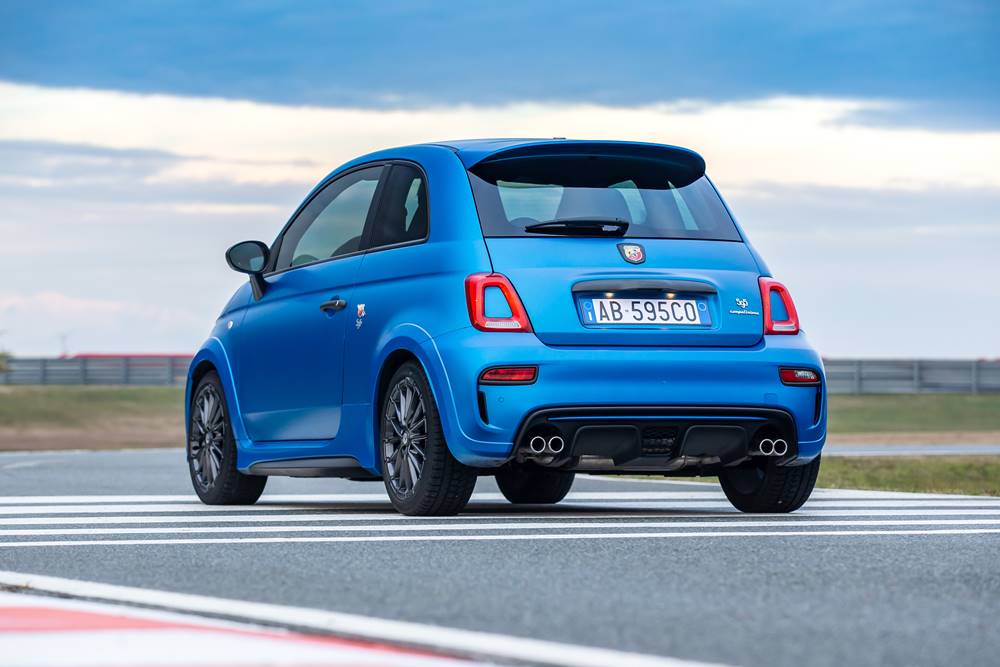
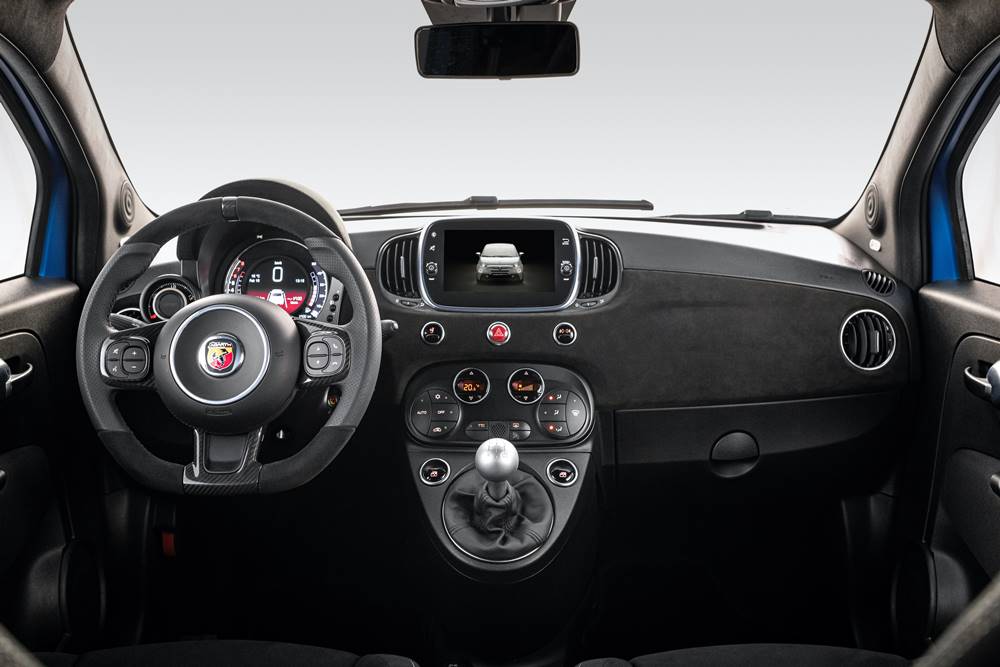

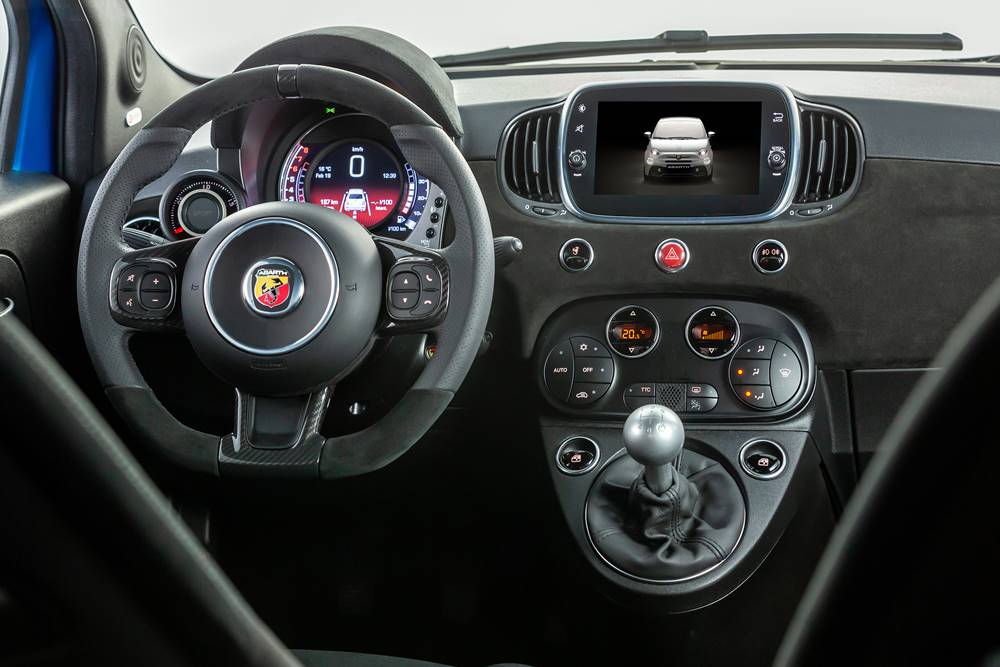
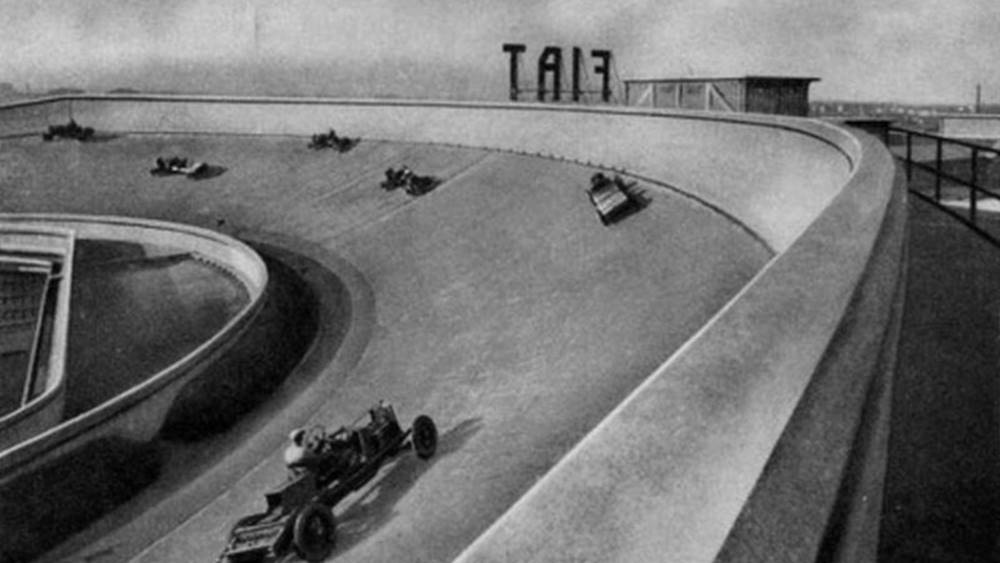


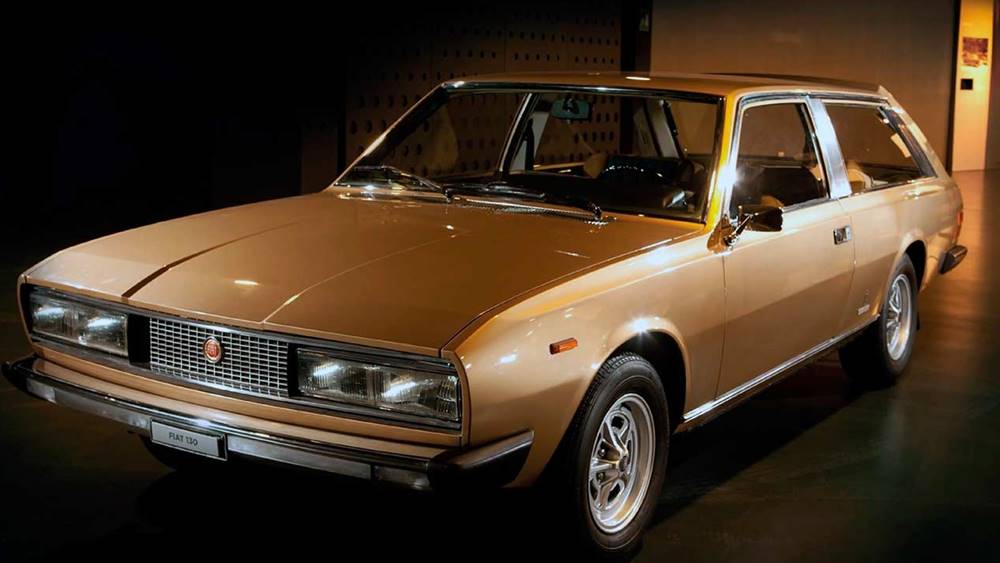

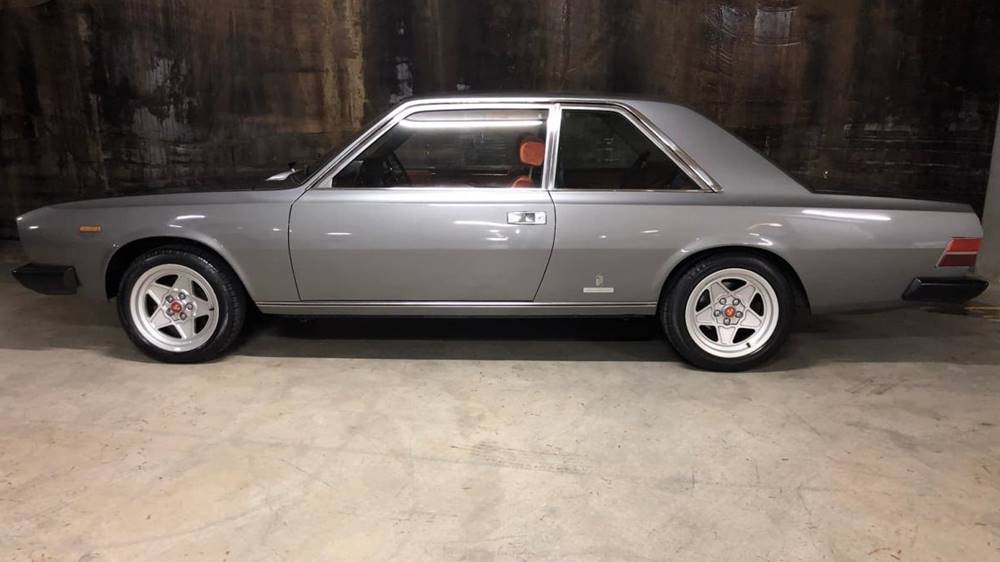

ABOVE: 2021 Abarth 595, Fiat 130 Sport, Fiat 130 Opera, Fiat 130 Shooting Brake, Fiat Turin Rooftop Race Track
What changed?
Fiat Italy’s biggest car maker started operations in 1899. As sales outside Europe were less than stellar, Fiat remained a retailer focused on Europe. The company went through many growing pains, and bosses with the financial finesse of a door hinge. Fiat endured many financial disasters before joining Chrysler, to become Fiat Chrysler, in 2014. On the way, the Fiat group collected Alfa Romeo and Lancia. Those too, had been successful brands but like Fiat, suffered from appalling design decisions that further limited their markets outside Europe.
Lancia suffered most, as its designers only seemed to lift a pen after very boozy lunches.
It limped on, with Chrysler being in a similarly precarious financial position. The halcyon days had long passed, with the gregarious Italian designs replaced by something that was unlovable. By the end of the second decade of the 2000’s, a move was made to merge with PSA (Peugeot Citroen) to form Stellantis. That made Stellantis the world’s 5th largest car maker with 16 brands: Abarth, Alfa Romeo, Chrysler, Citroën, Dodge, DS, Fiat, Fiat Professional, Jeep, Lancia, Maserati, Mopar, Opel, Peugeot, Ram and Vauxhall.
The Abarth
That neatly leads us back to the Abarth 595, a hot version of Fiat’s 500. The Fiat 500 was a rebirthed version of the 50’s 500 Bambino, which itself had the Abarth 595 makeover.
Today’s Abarth is a fairly inexpensive hot hatch, but in the days of 200kw 4-pots, 132kw seems a trifle mild. It has a 5-speed manual, or the appalling 5-speed robotised manual automatic gearbox. The latter is an abomination and should immediately lemming-dive off the nearest cliff.
What we noticed was that the 32grand city car was as cute as a button, and looked far faster than it actually was. It was full of joy and exuberance. It exuded fun, but is bare bones. There are no driver aids, not even the much-loved cruise control. That was a drag on the open road, but the lack of a reversing camera was a saving too far.
Nonetheless, Abarth 595 is a sports car in every sense of the word.
We have a full review to come, but rest assured, the Abarth 595 was a thing to behold.
It had the right sound track, the look of a gym-fit twink, and all the quirky Italian heritage we love. It was a mixed bag, so look out for the Video review this week.
More GCB Sports Car Stories
- 2021 Alfa Romeo Giulia is Near Perfect – FULL REVIEW
- Sexy Men Drive 2021 Toyota Yaris Cross
- How Fast is 2020 Toyota Supra? GayCarBoys review
- 2020 Toyota 86 Review and Last Drive Before New Model Released
- Can Toyota Supra Handle Macquarie Pass’ hairpin Bends Roadtest Review
- i30: N 2018 Hyundai i30 N Review and Video
- 2018 Hyundai i30N Review
- We Drive Mazda MX-5 (Miata, MX5) 30th Anniversary Edition. It is any good?
- 2019 Mazda MX5 Launch Review
- 2018 Mazda MX5 RF road trip review and video
Discover more from Gay Car Boys
Subscribe to get the latest posts sent to your email.










Leave a Reply