
Vehicle safety is stepping onto a bigger stage, heels on, spotlight blazing. After 30 years of nudging manufacturers toward stronger shells and smarter tech, ANCAP has decided the next era needs something bolder. Last year alone, 1,592 Aussies and Kiwis lost their lives in vehicle crashes—a grim, sobering reminder that the job is nowhere near done.
From 2026, ANCAP is rolling out its most comprehensive overhaul yet. The new framework—Stages of Safety—divides assessment into four juicy categories: Safe Driving, Crash Avoidance, Crash Protection, and Post-Crash. Inspired by the Haddon Matrix (which, honestly, still sounds like an Oxford Street drag revue), it breaks down what happens before, during and after a crash.
ANCAP Chief Executive Carla Hoorweg says the update is a direct response to feedback from everyday drivers and fleets: “You’ve spoken, and we have listened.” The changes reflect our increasingly complex cars and the very human way we interact with them. Developed with Euro NCAP, the new tests also mean Aussie and Kiwi cars will continue meeting world-leading safety benchmarks—very on-brand for a region that loves going big on safety.
Above: This Week’s VIDEO Review – 2025 Nissan Qashqai Review: Specs, Features & Hybrid Performance
#Nissan,#Qashqai,#Hybrid,#CarReview,#SUV,#ePower,#Tech,#Australia, #GayCarBoys
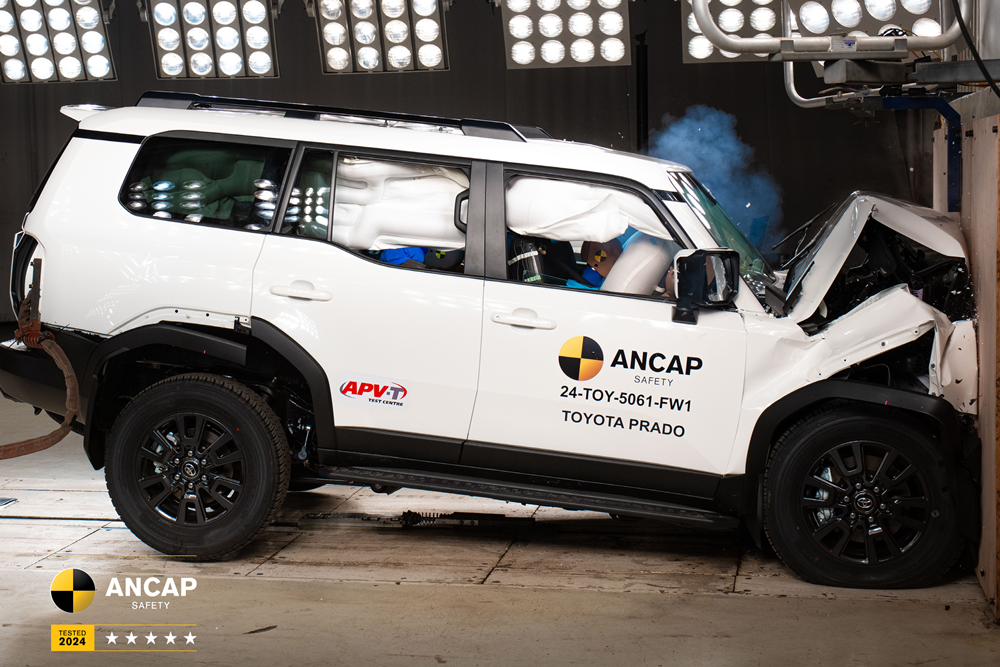
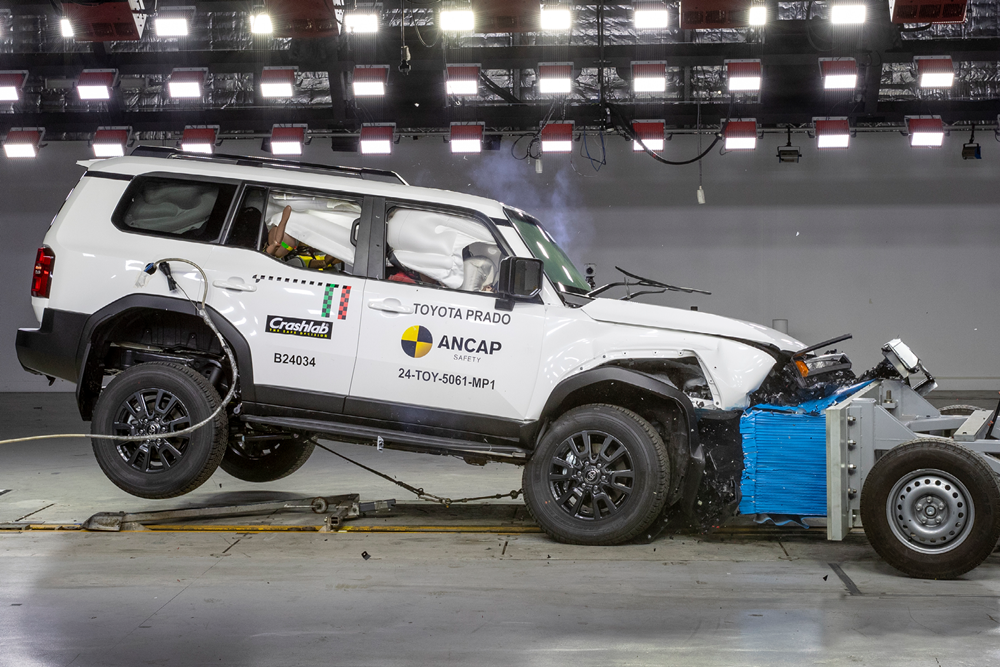
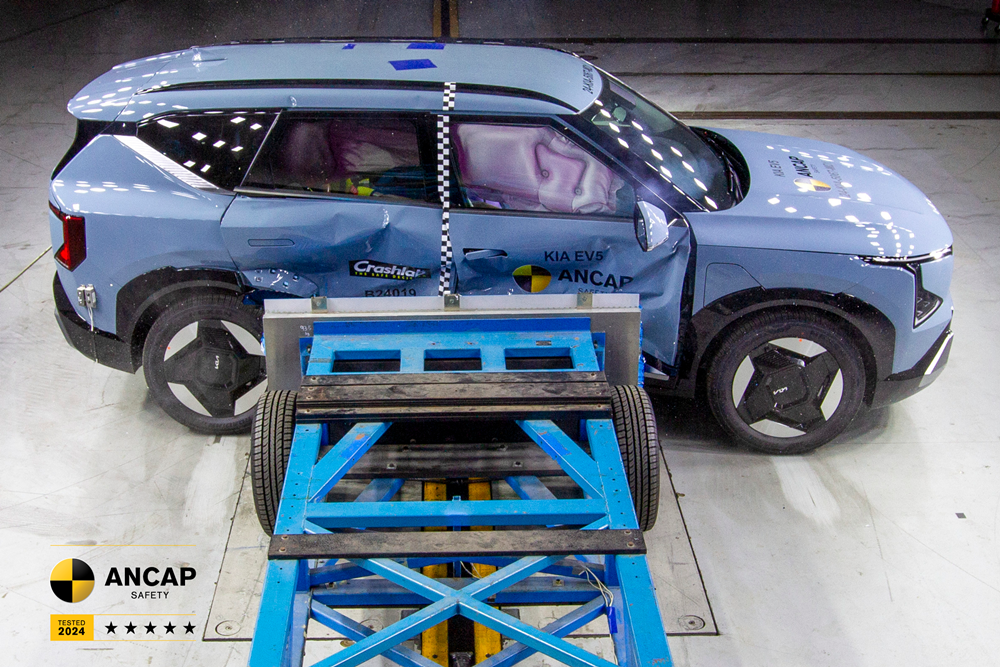
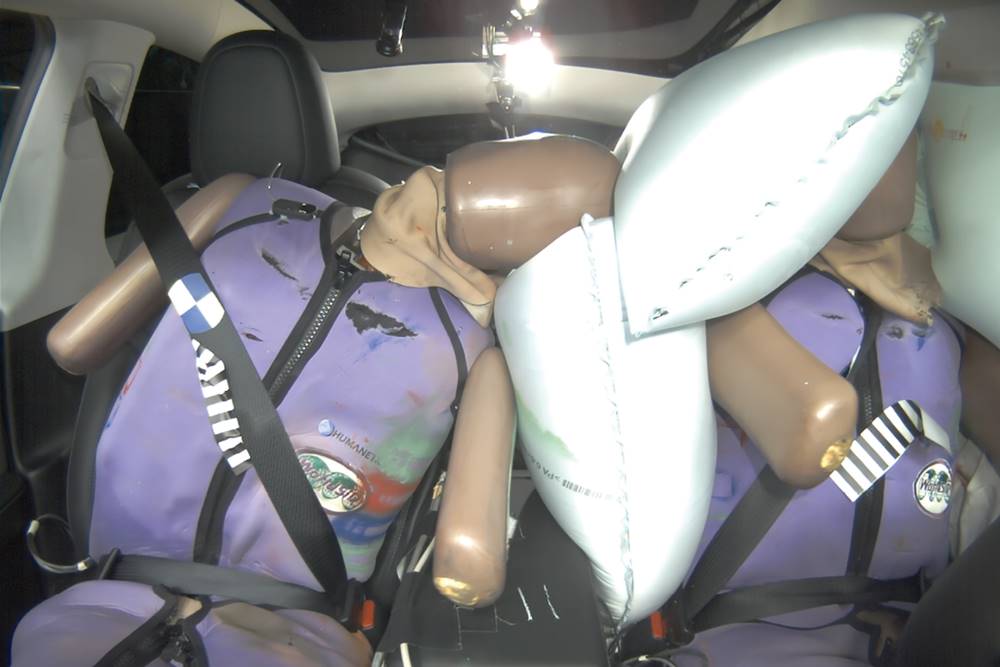
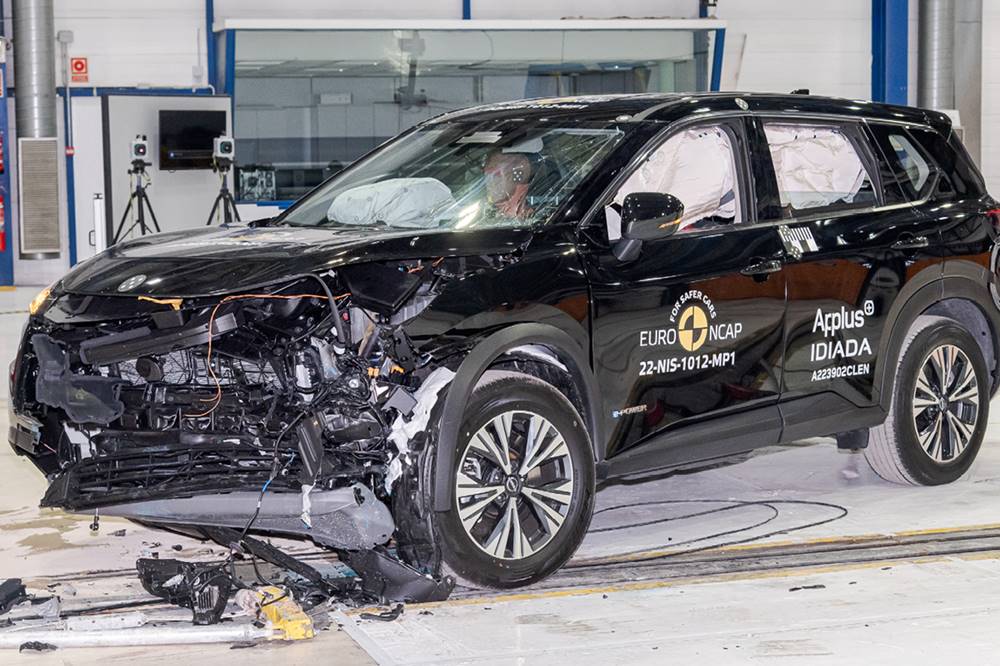

ABOVE: New ANCAP levels for 2026
Among the updates:
• Driver-assist tech must behave like a gentleman, not a needy ex. Systems will now be scored not just on effectiveness, but on smoothness and intuitiveness—no more jolty interventions that send your latte flying.
• Flush electric door handles must still work after a bingle, because nobody should be trapped in a car that looks like a smartphone.
• Electric vehicles must isolate high-voltage batteries after serious impacts, reducing risks to occupants and first responders.
• Cars must communicate better post-crash, especially with emergency services.
• More real-world on-road testing means ANCAP will see how these features behave on actual streets, not just the sterile test track—because life doesn’t happen at 40 km/h on a sunny closed course.
Each stage will score out of 100 points, with minimum thresholds still determining the overall star rating. And the “golden hour” gets real focus: eCall emergency systems will now be pushed hard. Over 40% of new Aussie cars have eCall capability, but New Zealand sits at under 10%—a gap ANCAP wants to close faster than a twink at a sample sale.
The 2026–2028 protocols aim to reward brands delivering real safety across all stages, not just those with shiny marketing. For consumers, fleets and families, that means clearer, more meaningful safety information. For manufacturers, it means stepping up—or stepping aside while someone else gets the 5-star glory.
Ultimately, ANCAP wants the same thing we all do: safer roads, fewer tragedies, and cars that protect us like a well-built boyfriend—before, during and after things go wrong.
#ANCAP #VehicleSafety #RoadSafety #CrashTesting #SafeDriving #CrashAvoidance #EVSafety #Australia #NewZealand
More ANCAP stories here
- MGU9 gets ANCAP 5-Star Safety Rating, MG Targets SUV-Level Comfort
- Omoda 9, LDV Terron 9, Audi Q5 earn ANCAP five-star safety
- Kia K4 Splits ANCAP Ratings: Five Stars for Most, Four for Base
- Tesla Model 3, Kia EV3, MG S5 EV Score Five-Star ANCAP Ratings
- BYD Sealion 7 & Geely EX5 5-Star ANCAP – But It’s Not All Roses
- Mazda CX-80 Earns Five-Star ANCAP Safety Rating
- 5 Star ANCAP for Toyota Prado, Kia EV5, 1 Star for Suzuki Swift
- ANCAP Rates Electric and Hybrid SUVs but Some Fall Short
Discover more from Gay Car Boys
Subscribe to get the latest posts sent to your email.







Leave a Reply