Audi can be quite unhinged when allowed. Subtlety is overrated, and its delicious new 1,001 PS hybrid hypercar looks like it was born in a wind-tunnel-sized autoclave. We noted the shortage of curves at Audi HQ, and they’ve finally stopped making grilles look like they’re trying to eat the car in front of them.
The Nuvolari is the spiritual successor to the R8, but calling it that feels a smidge misleading. The R8 was Audi’s halo car of the era, the one that said “yes, we can do supercars too” and had that same air of awe as the original Quattro. The Nuvolari arrives in a different universe entirely. It keeps the sainted halo, but the price of entry now includes insane complexity, exclusivity, and the shouty superiority of a Cyberman.
Underneath the skin, the Nuvolari shares its structural bones and that screaming, 10,000-rpm hybrid V8 with the new Lamborghini Temerario. But in a delightful breach of corporate etiquette, Audi has actually out-tuned its flagship Italian sibling. Volkswagen Group politics usually dictates that Audi must stay politely detuned to avoid hurting the feelings of the Raging Bull, but here, they’ve thrown the hierarchy into a woodchipper. While the Lambo is capped at 677 kW, Audi massaged their version to deliver a full 736 kW using Lamborghini’s own engineering to build the fastest, most powerful road car in German history. It is a masterpiece of platform sharing where the sibling better uses the assets. The little battery is tucked into the mid-tunnel where the Lambo’s drive shaft would be. Genius.
Only 499 will be built, which is a total headspin considering the VW group has made an “exclusive” 1,200 Bugattis. It’s not a volume product, not even by supercar standards. It is a haughty collector’s piece, whose insouciance is shaped in carbon fibre and delivered with the same sanguine detachment that Lexus had with its 500-unit LFA run.
Above: MG QS AWD Essence Value for Money glitchy screen Review
MGQS #MGSUV #FamilySUV #CarReview #SUVReview #MGMotor #SevenSeatSUV #AWD #AustralianCars #CarReviewsAustralia

Help Support Gay Car Boys Subscribe to our Youtube Channel by SMASHING THE BUTTON ABOVE


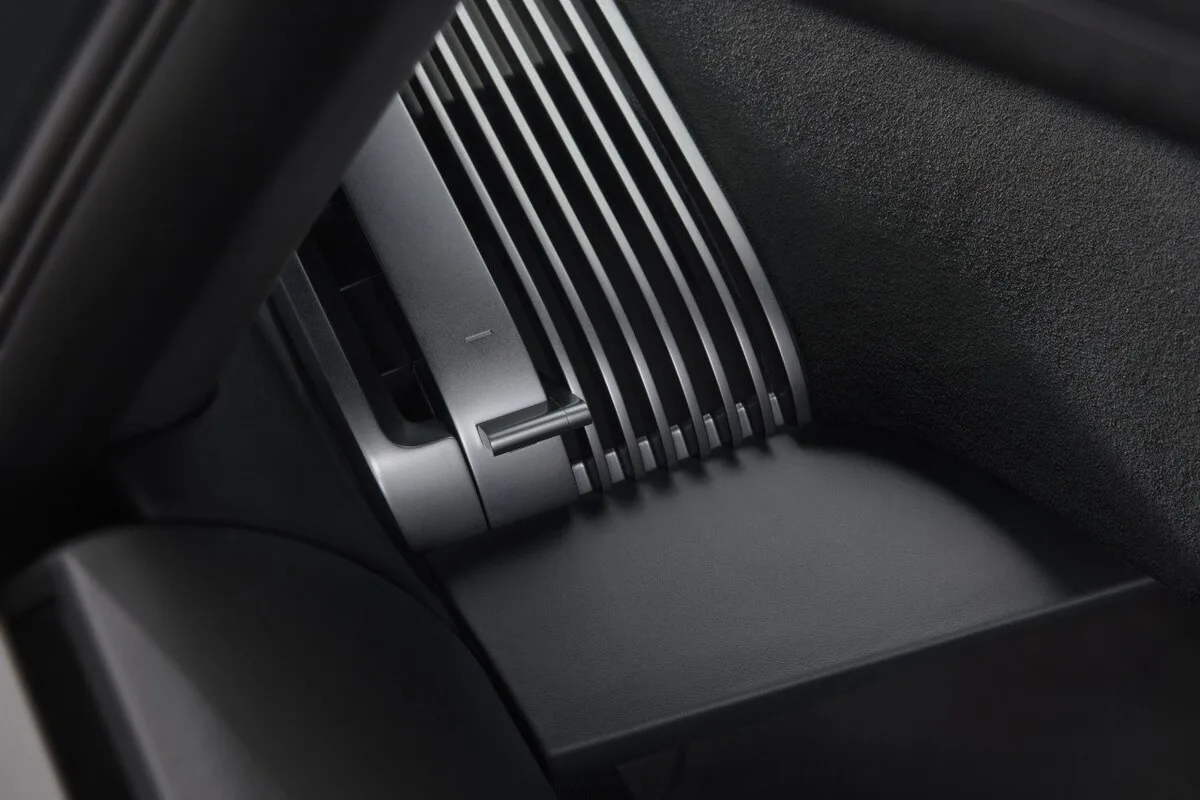


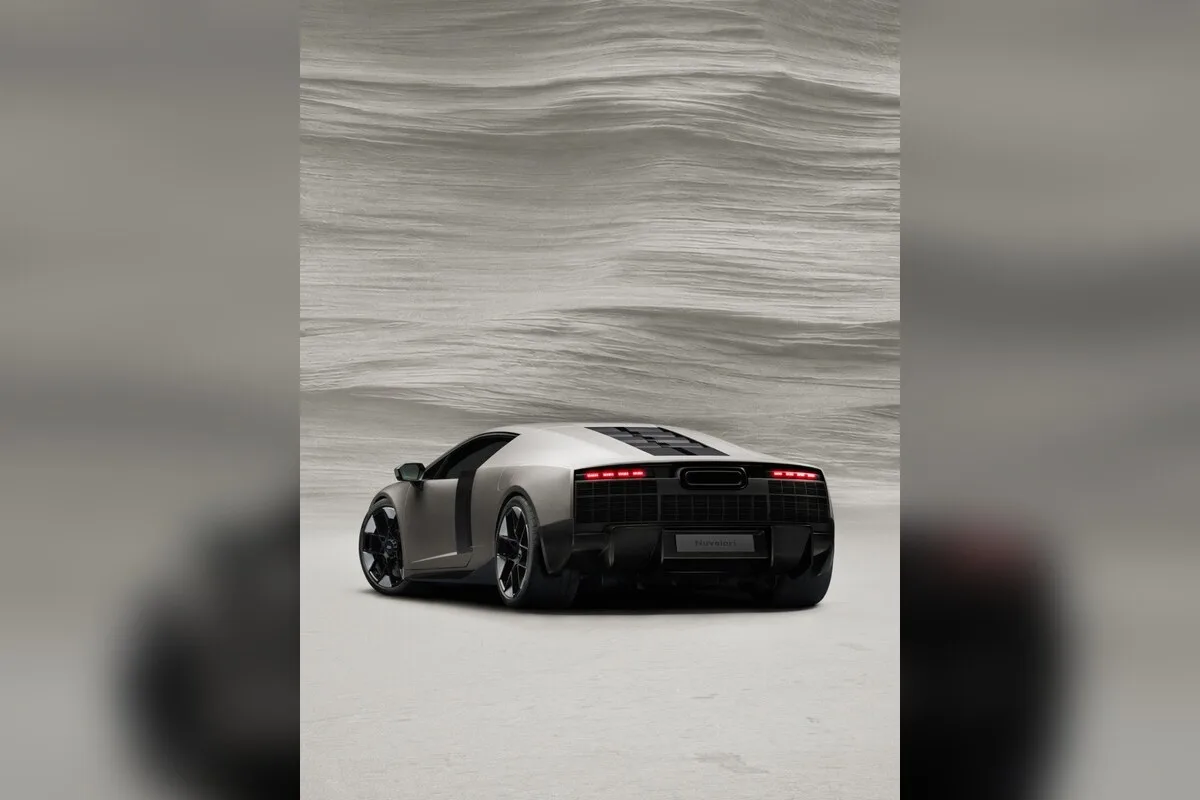

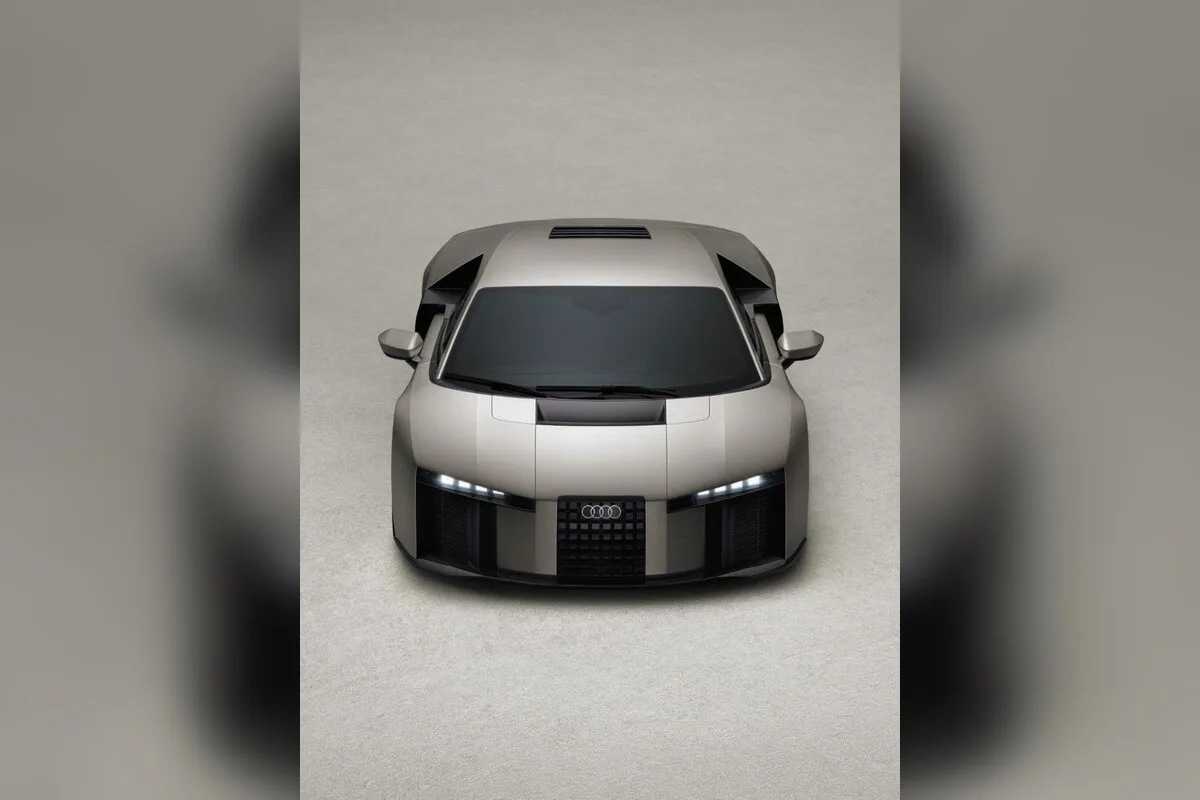
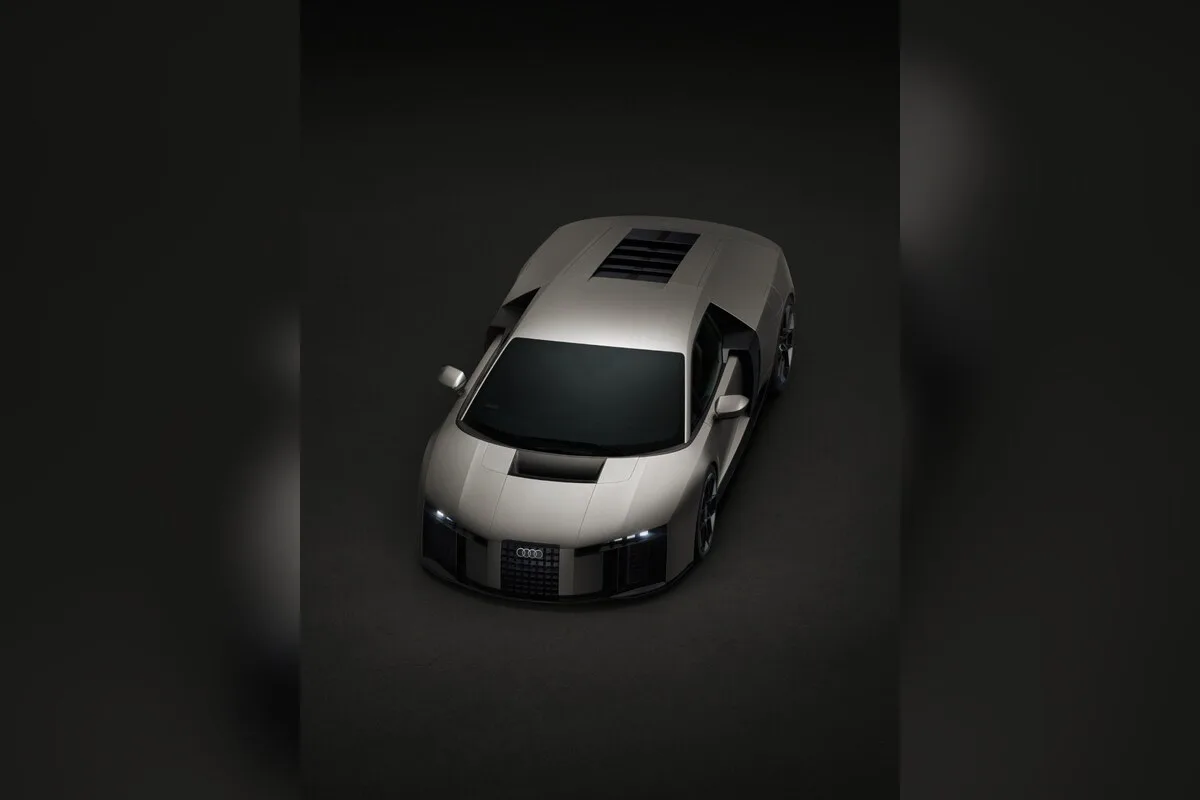
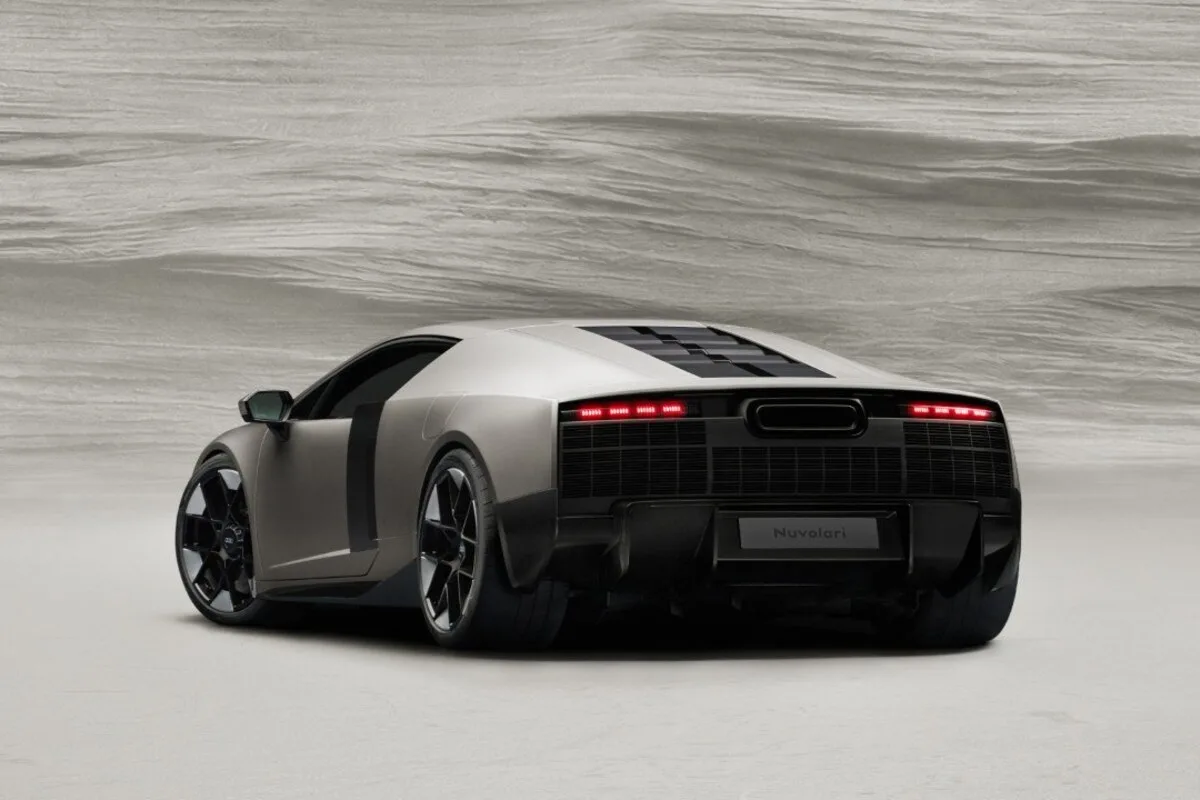
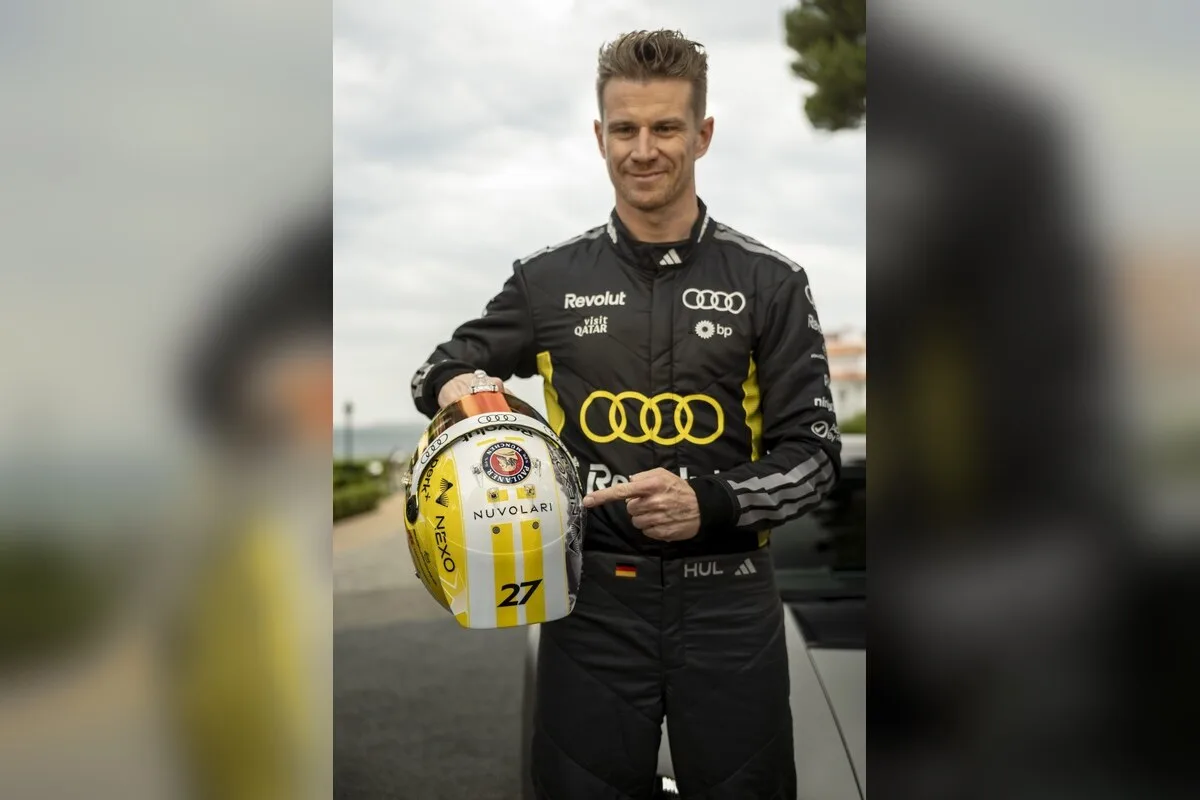
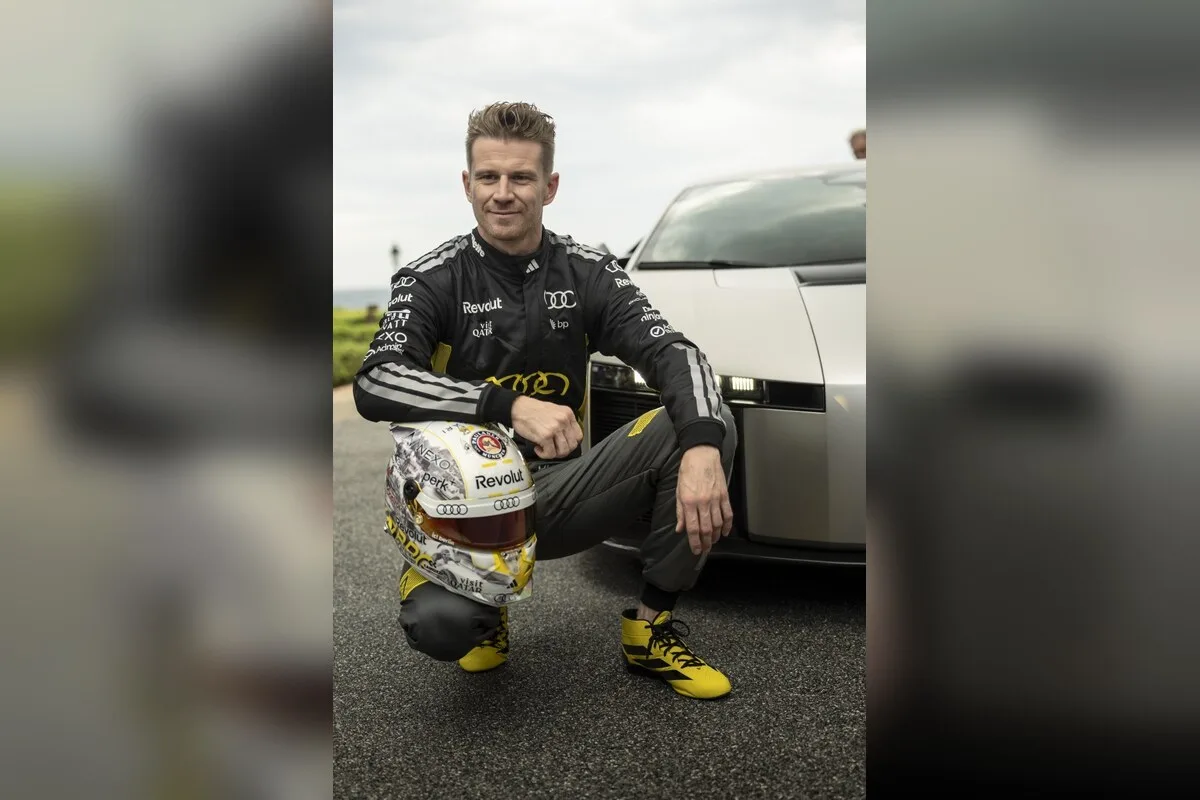
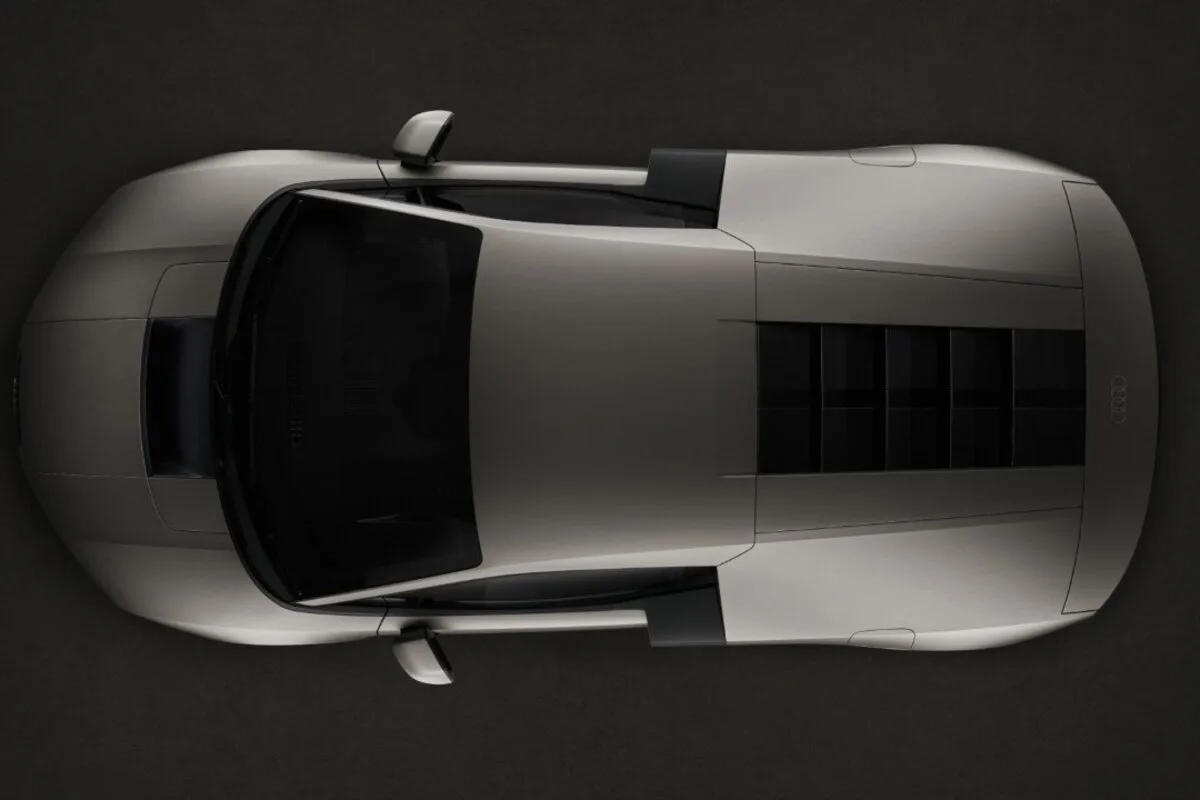


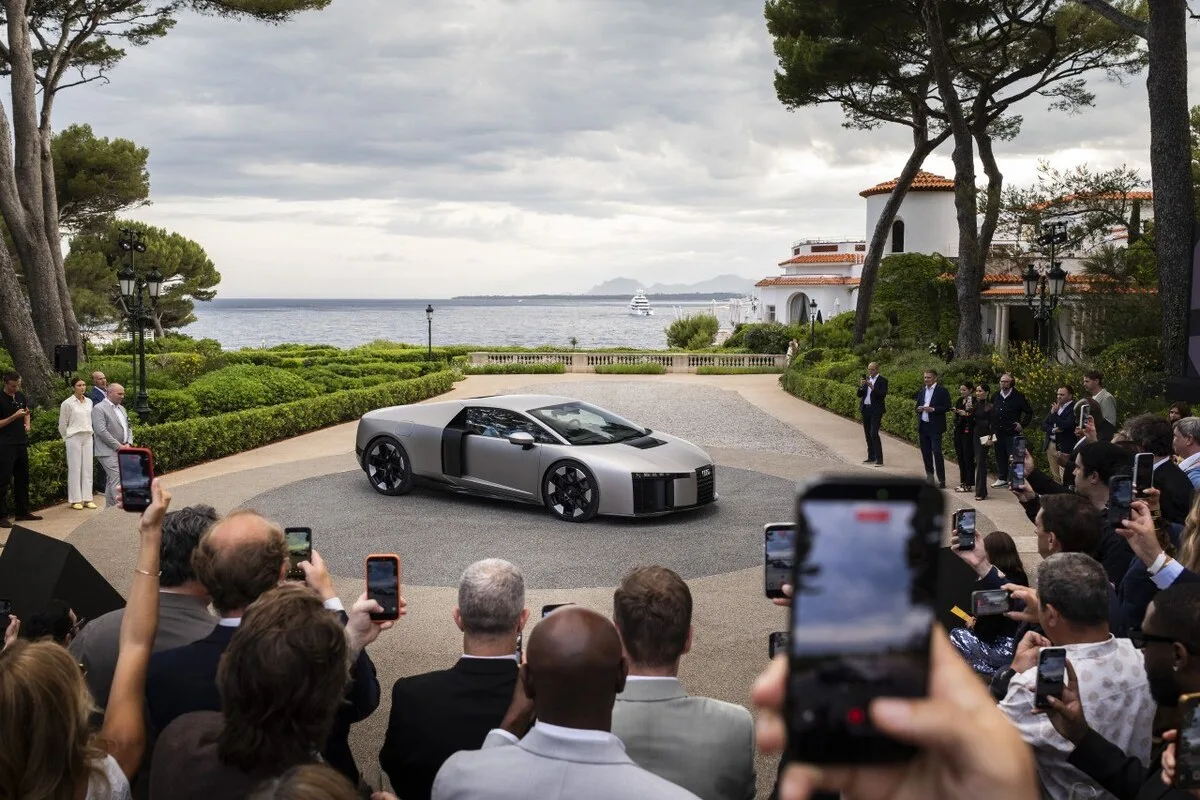

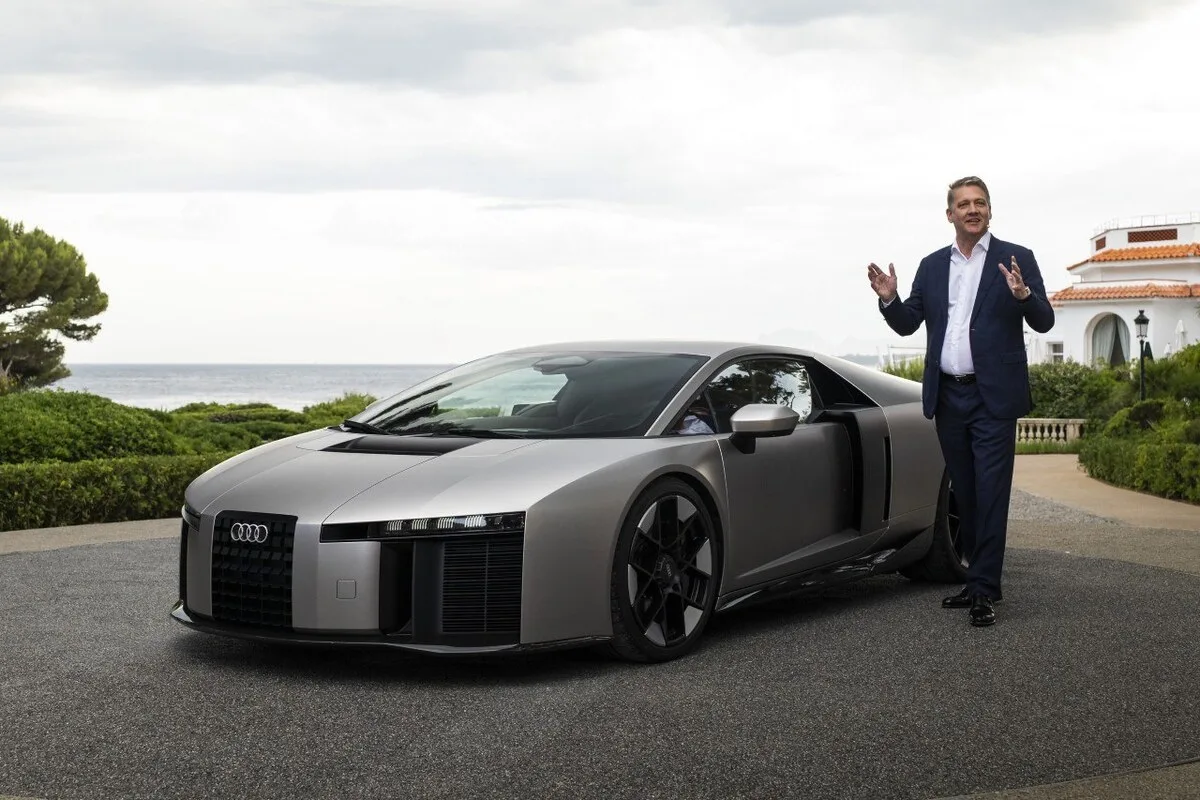
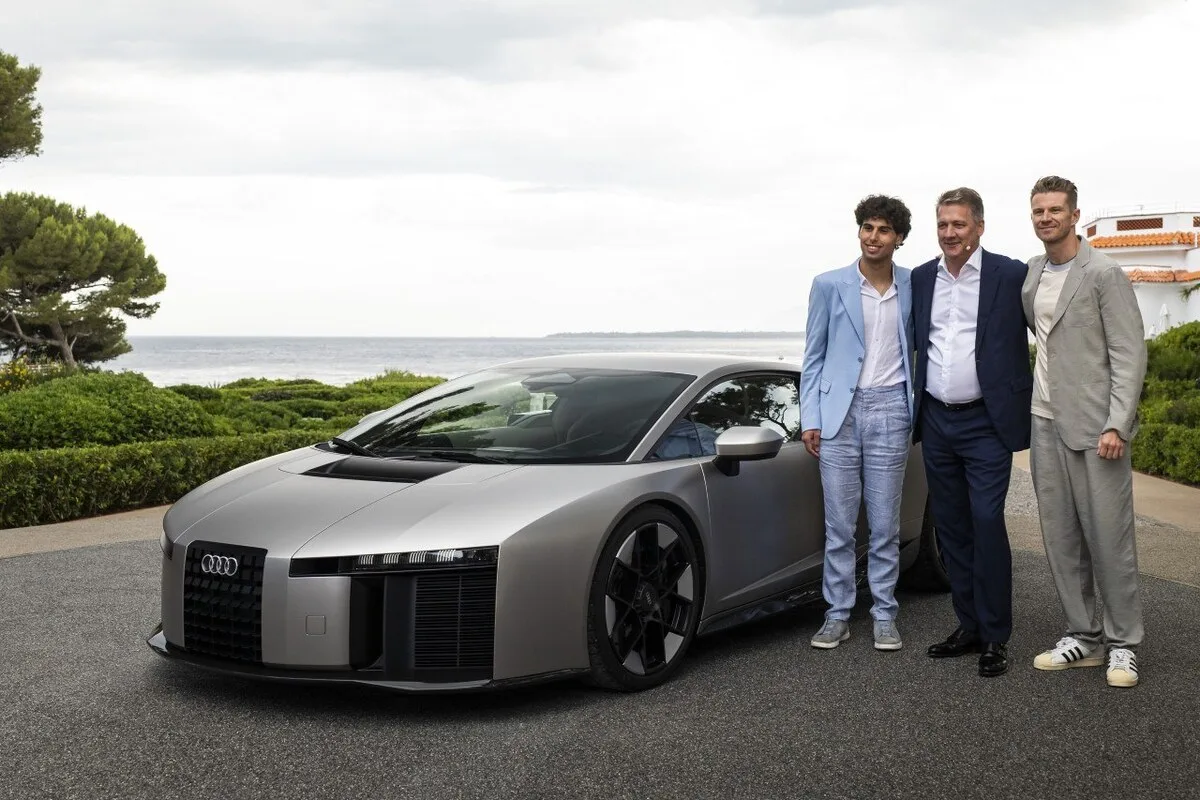
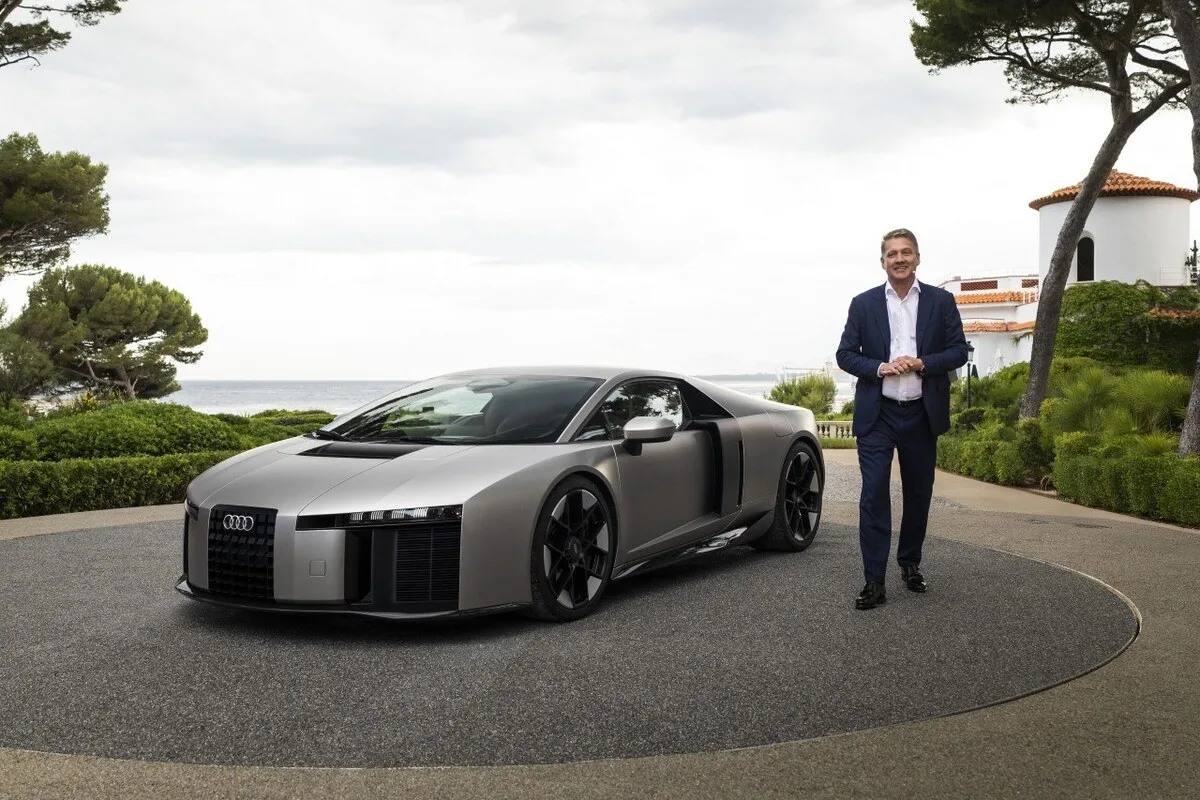
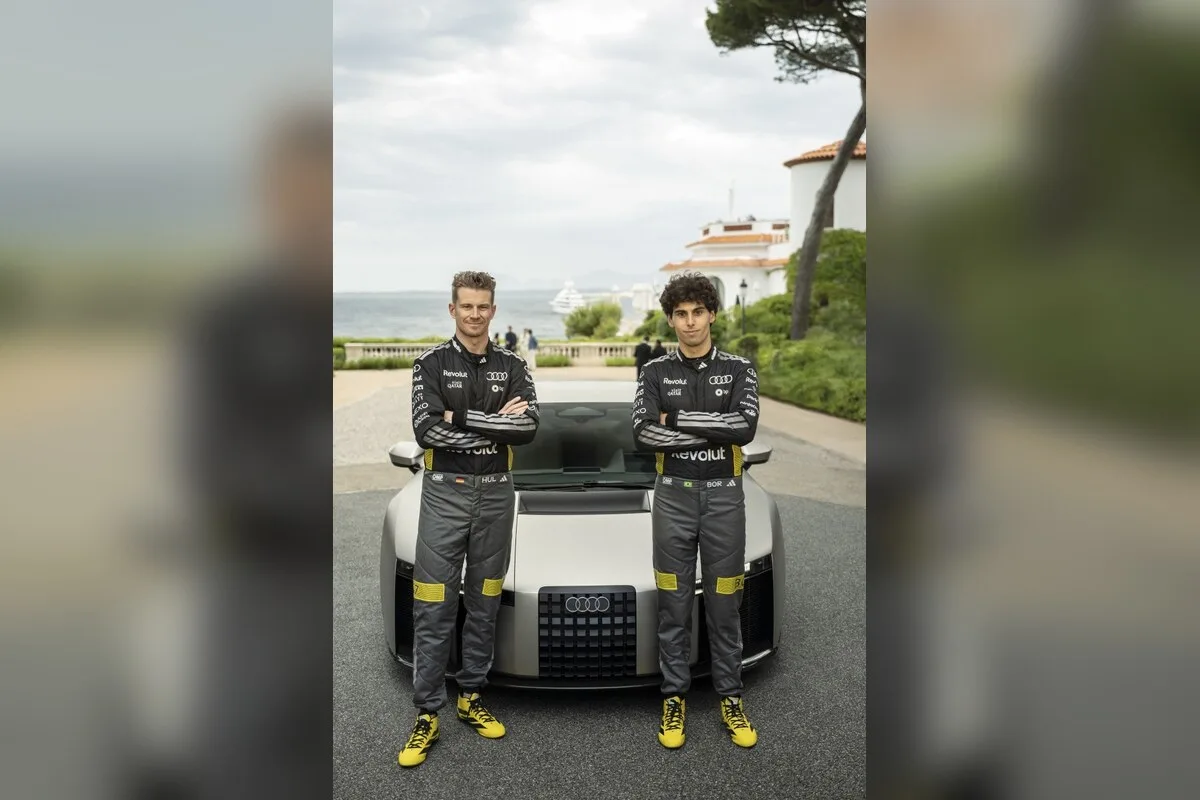
ABOVE: Audi Nuvolari hypercar, interior, launch event, Nico Hulkenberg, and Gabriel Bortoleto.
At the centre of the masterpiece sits a snarling 588 kW 4.0-litre twin-turbo V8. Then Audi adds three electric motors for a total 736 kW combined powertrain that produces 1,001 PS, just like the W16 Veyron of 2005. The result is not just about pure speed; it is tech representing a culmination on wheels.
0 to 100 km/h arrives in 2.6 seconds. 0 to 200 km/h in 6.8 seconds. Top speed winds beyond 350 km/h. These are not numbers designed for conversation; they’re designed to induce the dribbling supercar stupor of days of old. Somewhere along the way we lost our mojo. Exotics felt the need to wear their obscene expense and power like diamond-studded cocktail frocks. Nuvolari is the little black dress with a matching helmet.
What makes it more intense is how it delivers that performance. The Nuvolari does not simply unleash power. It negotiates it, distributes it, and recalculates it in real time through a system Audi calls predictive ride logic. That means grip, steering angle, yaw, and acceleration are constantly being analysed, with torque and braking adjusted before most drivers have dropped their first pearl of sweat.
It sounds helpful yet slightly unsettling. Like the car has already finished the lap you are still thinking about getting out of bed to shower.
Audi’s quattro system has evolved into something far more complex than mere mechanical reassurance. The Nuvolari is endowed with an active predictive system that shifts torque not just between axles, but across driving conditions that are being forecast rather than reacted to. It is part traction control, part physics model, and part sorcery.
There are multiple driving modes layered over it. E-Hybrid allows short electric-only movements for urban use. Balanced is the default state where everything behaves like a choir. Dynamic tightens responses and sharpens reactions. Dynamic Plus removes most of the safety nets. Track mode takes that, then adds adjustable grip settings that range from Wet to full Race conditions with traction control off entirely.
That last one will feature on Supercar Fails reels on Insta as chaos erupts somewhere inappropriate.
The root of genius is a hybrid architecture designed less for efficiency and more for controlled mayhem. The battery is a 7.3 kWh unit, small by EV standards but perfectly sized for repeated bursts of acceleration without adding fat. The front axle carries two axial-flux electric motors producing up to 2,150 Nm of torque availability through the system. A third motor sits between the engine and gearbox, smoothing delivery and adding another layer of instant self-gratification.
The V8 itself is not just there for sound value. It revs to 10,000 rpm, an astounding figure. Here it is paired with electric motors that fill in every gap in its power curve, creating a delivery that is constant rather than inconveniently peaky.
Audi has not just built a powertrain. It has built a layered augment to the laws of physics.
That philosophy extends into the aerodynamics. The Nuvolari uses an Audi Space Frame with carbon exterior panels, combining structural rigidity with obsessive weight control. Almost every surface has been shaped for airflow management, cooling, or downforce generation.
At the front, an S-duct system manages pressure and reduces lift. Cooling channels are carved into the bodywork instead of being glued in like Temu trim. At the rear, an adaptive wing shifts between closed, low-drag, and high-downforce positions depending on speed and driving mode.
At full attack, it generates more than 400 kg of downforce. At cruising speeds, it gracefully descends into the bodywork, ready to pounce as needed. Under braking, it re-deploys, offering visible genius normally associated with a recently landed Concorde. There is even a manual DRS function controlled from the steering wheel, evidence that Audi has accepted simulation culture as reality.
Braking is handled by a system that blends hydraulic and electric deceleration through brake-by-wire technology. The front axle uses ten-piston calipers with large carbon-ceramic discs. The rear runs four-piston units. The system is capable of absorbing up to 2.8 megawatts of braking energy, which is the same sorcery found in the 0 to 100 abilities.
Electric deceleration alone can manage up to 0.3 g, meaning everyday slowing is a single-pedal affair. When both systems combine, stopping feels less like a mechanical process and more like renegotiated inertia.
As is the case with many hypercars, Audi has stripped everything back to focus on driving. The cabin is divided into two tonal zones. The front is dark, concentrated, and deliberately minimal. The rear is lighter, more relaxed, almost like a visual reset after the intensity of the driver environment.
Controls are reduced to essentials. Displays and physical inputs follow a strict logic that prioritises driving information above all else. There is no decorative flummery masquerading as luxury. Everything exists because it needs to.
Materials lean heavily into carbon fibre, anodised aluminium, and precision finishing that feels closer to aerospace engineering. The seats are carbon-framed for support under high lateral loads, but still shaped for long-distance comfort.
This is also the first full expression of Audi’s new design philosophy, which it calls Radical Next. The idea is that every surface must justify itself. Every line must have a function so nothing exists purely for visual effect. It is not function over form; it is form that found perfect function.
There is a clear reference back to Audi’s heritage embedded in the concept, but it is not as a nostalgic pastiche. It is more like a curated memory of a history that involved speed and innovation rather than obscene comfort and desperate compromise.
Only 499 units will ever exist. Deliveries begin in 2027, with pre-orders opening late 2026. For most people, it will remain a digital object, a spec sheet, or something seen briefly in Monaco before disappearing into a tunnel at warp 9.9.
What matters most is not just the performance, although that would certainly suffice. It is the shift in intent. If the R8 was about accessibility and presence, the Nuvolari is about extremity and control systems that only come with next year’s technology.
Audi is no longer just building fast cars. It is building fast systems that happen to include a driver.
Whether that is progress or provocation depends entirely on how much control you think you still want.
Audi Nuvolari Key Specifications
| Powertrain | High-performance hybrid (V8 + 3 electric motors) |
| Engine | 4.0L twin-turbo V8 |
| ICE | Output 588 kW / 800 hp |
| Electric | Motors 3 x axial flux motors (110 kW each) |
| Combined | Output 736 kW / 1,001 PS |
| Torque | (ICE) 730 Nm |
| Front | Axle Torque Capability Up to 2,150 Nm (system contribution) |
| Transmission | Layout Hybrid AWD (quattro predictive ride) |
| Battery | 7.3 kWh lithium-ion |
| 0 to 100 | km/h 2.6 seconds |
| 0 to 200 | km/h 6.8 seconds |
| Top | Speed >350 km/h |
| Drive | Modes E Hybrid, Balanced, Dynamic, Dynamic+, Track (Wet to Race to TC Off) |
| Drivetrain | Tech Predictive torque distribution, front axle torque vectoring |
| Chassis | Audi Space Frame with carbon fibre exterior (CFRP) |
| Aerodynamics | Active aero with adaptive rear wing (Closed / LD / HD) |
| Downforce | >400 kg (high-downforce mode) |
| Front | Aero S-duct system with integrated cooling channels |
| Drag | Reduction Steering-wheel activated DRS function |
| Braking | System Brake-by-wire (hydraulic + electric regeneration) |
| Front | Brakes 10-piston calipers, 420 x 40 mm discs |
| Rear | Brakes 4-piston calipers, 410 x 32 mm discs |
| Energy | Recovery Up to 0.3 g electric deceleration |
| Max | Braking Load Up to 2.8 MW energy absorption |
| Production | Limited to 499 units |
| Launch | Timing Deliveries from 2027 (H1) |
| Pre-orders | Late 2026 (Europe) |
More Audi Stories
- Audi Concept C Scoops Four Major Design Awards
- Audi RS e-tron GT Performance Review
- Audi R8 V10 Legacy
Help Support Gay Car Boys Subscribe to our Youtube Channel

Alan Zurvas is the founder and editor of Gay Car Boys, Australia's leading LGBTQI+ automotive publication. Before launching GCB in 2008, Alan's automotive writing was published in SameSame.com.au and the Star Observer. With over 16 years of hands-on car reviewing experience, Alan brings an honest, irreverent voice to every review — championing value and innovation over brand loyalty.
Leave a Reply