Public charging remains the weak link in the electric revolution and our recent stint in the BYD Shark 6 at Zetland proved exactly why. Despite its clever tech, the handshake between ute and charger was a total disaster.
We rolled into Zetland with the kind of optimism only a fresh battery and a shiny new ute can provide. The BYD Shark 6 had already impressed us on the road, making diesel traditionalists look like they were clinging to steam engines. It is a sharp piece of kit, sitting broad and confident in the urban sprawl of Sydney’s inner south. But as any seasoned EV driver knows, the honeymoon ends the moment you need to plug into someone else’s grid.
The target was East Village Shopping Centre. It is a polished, upmarket hub where the coffee is expensive and the car park is a labyrinth of concrete and ambitious SUVs. We were headed for the 160kw AMP Charge station in the Green P1 car park. On paper, it is a great setup. Two hours of free parking gives you more than enough time to grab a sourdough loaf and a flat white while the Shark gulps down some electrons.
Above: BYD Shark Charing Woes – DC or AC worked? One didn’t!
#BYDShark6, #PHEVCharging, #EVInfrastructure, #ZetlandCharging, #GayCarBoys

Help Support Gay Car Boys Subscribe to our Youtube Channel by SMASHING THE BUTTON ABOVE


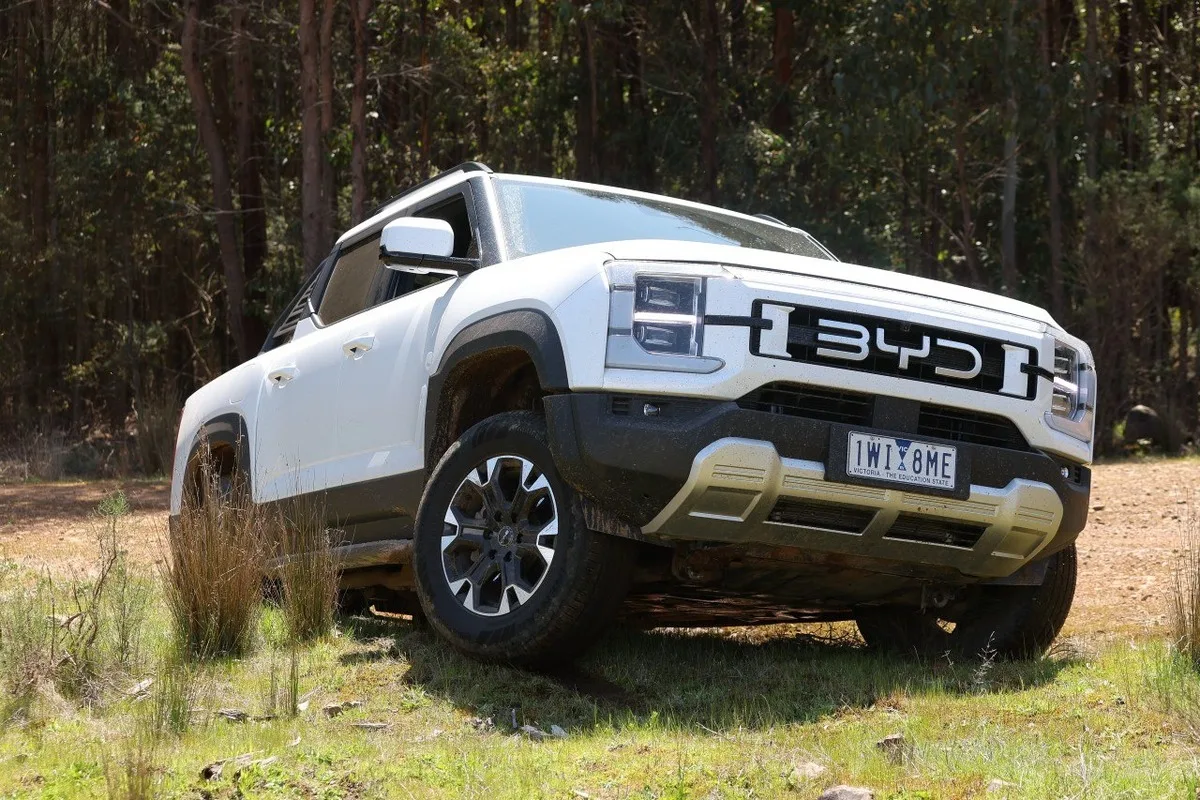
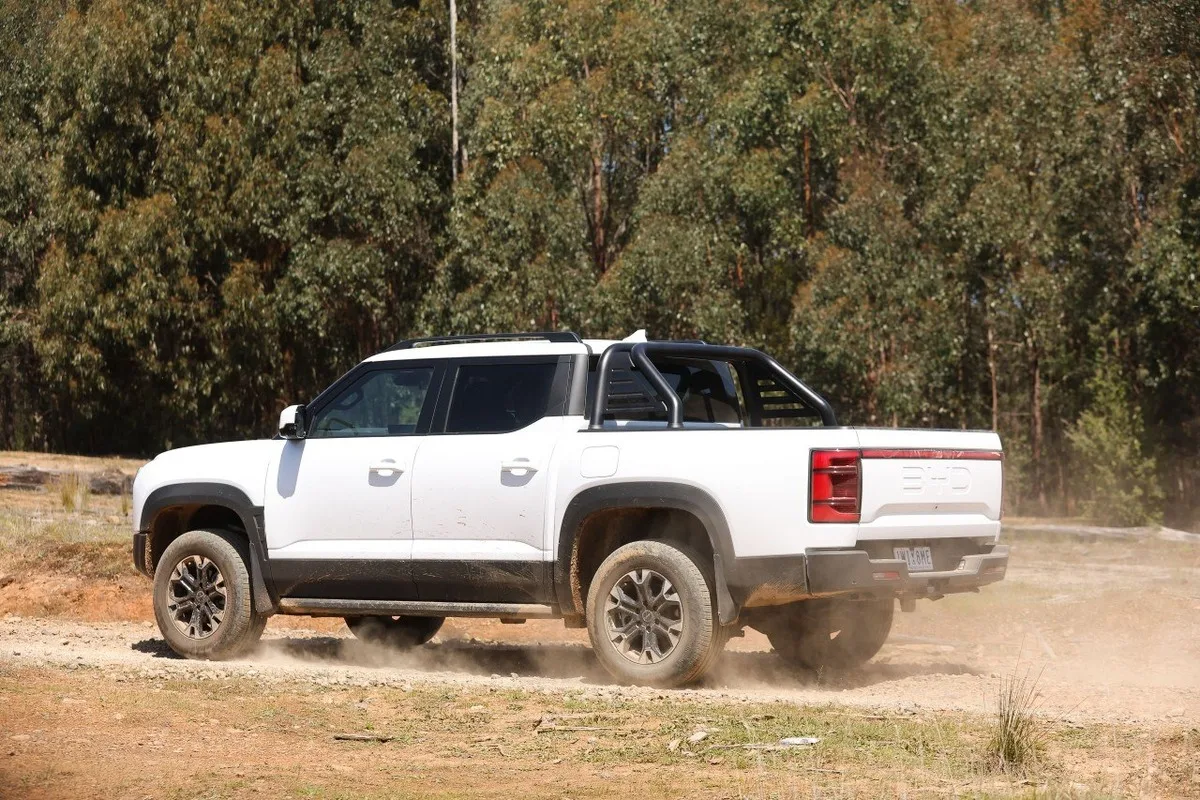
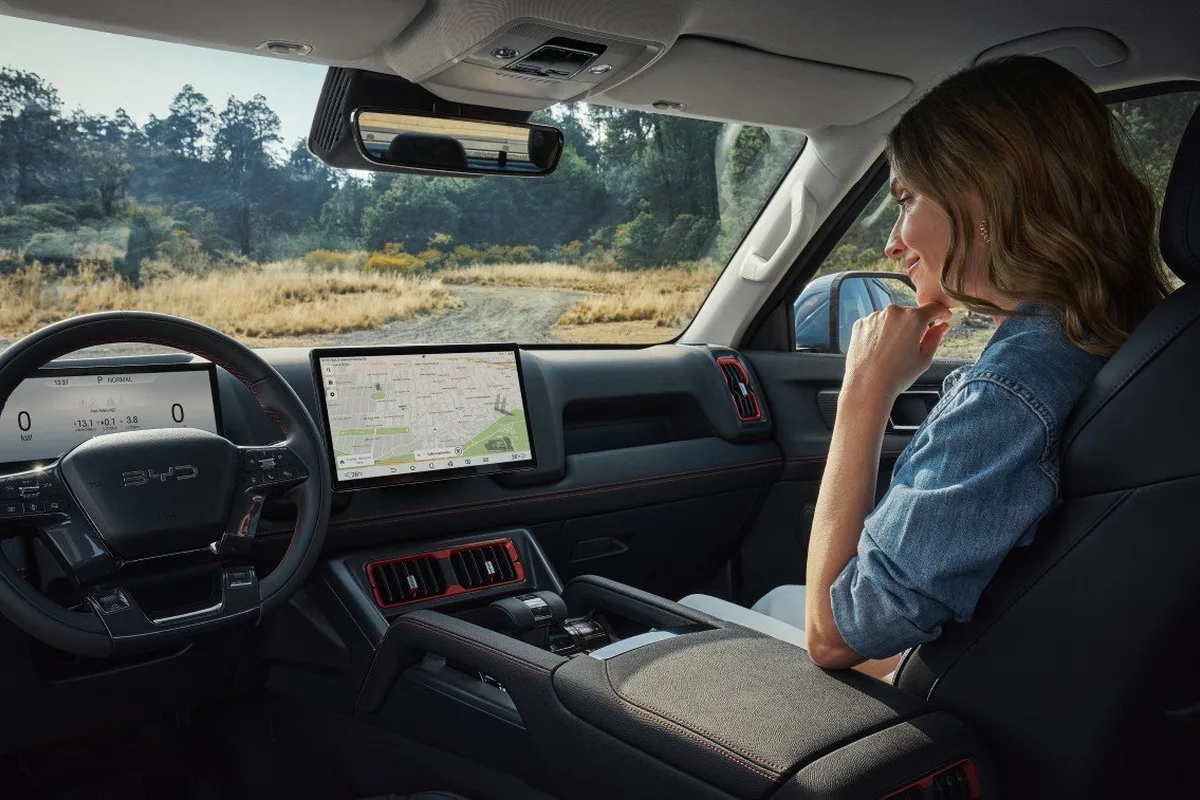
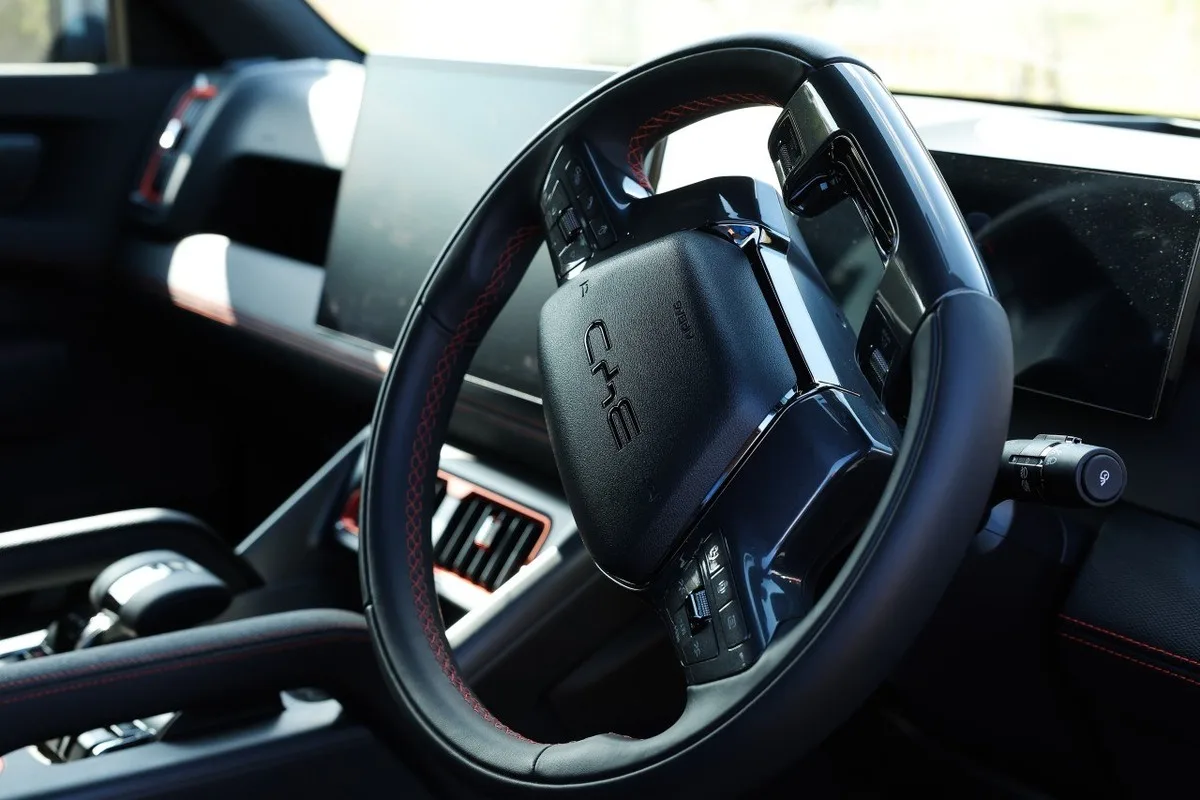
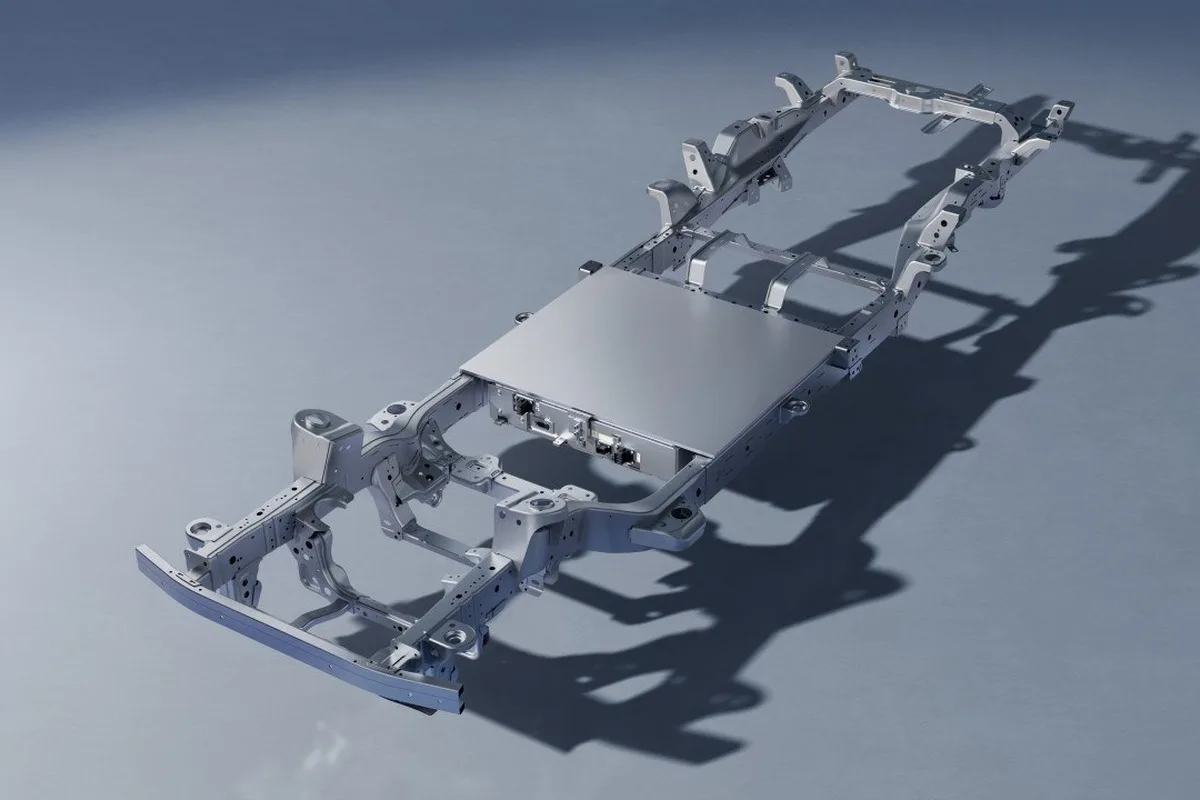

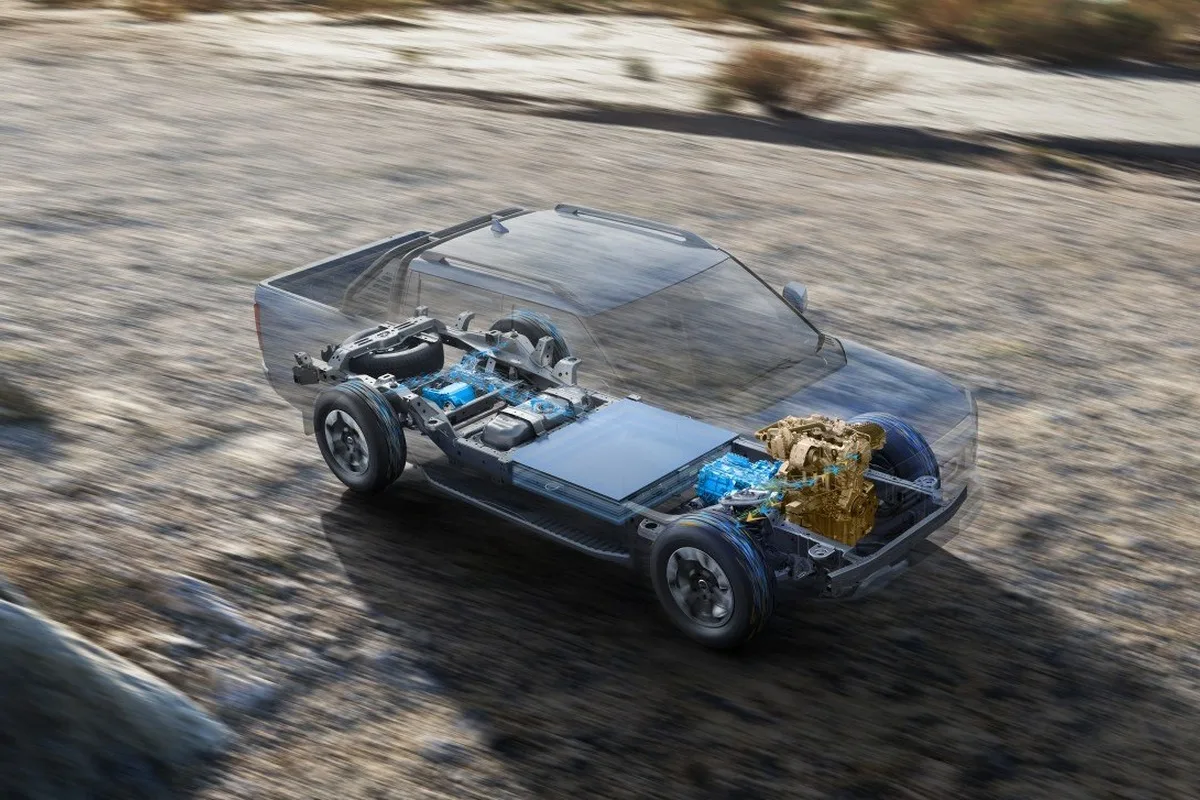
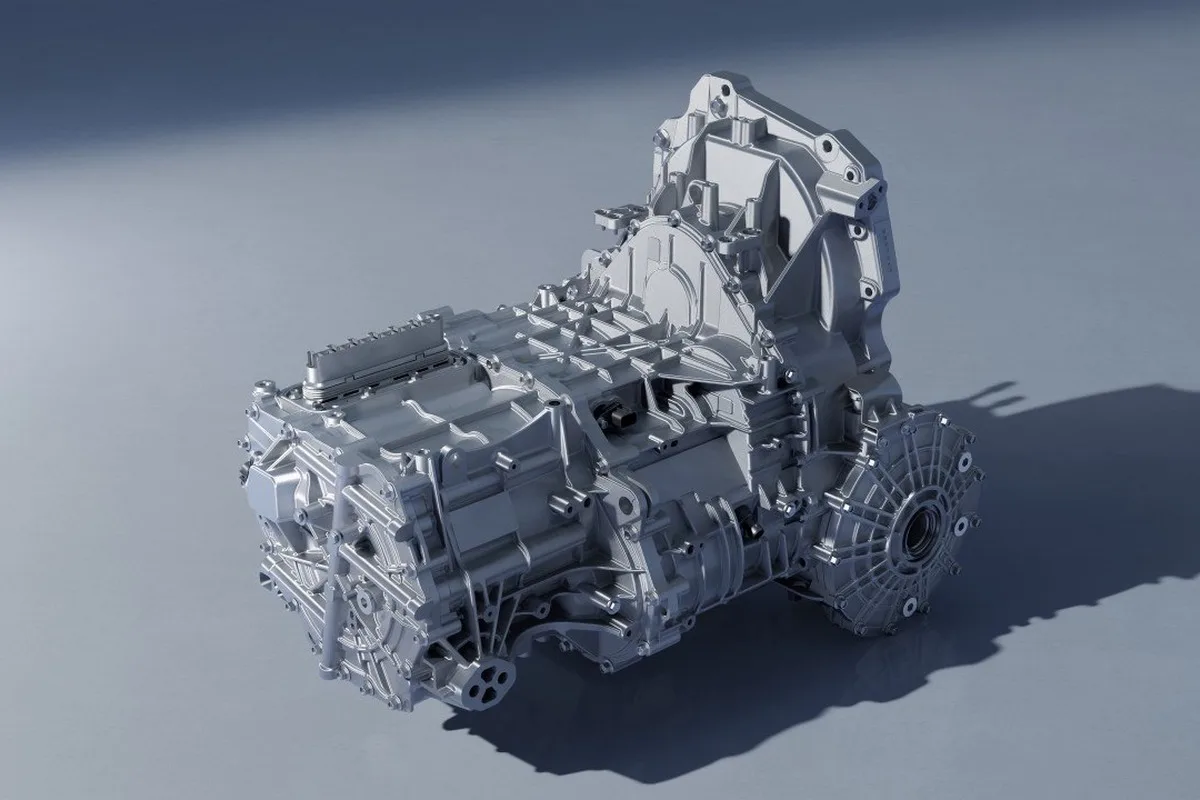

ABOVE: BYD Shark 6 chargie port, interior, drivetrain and off-road details.
The Shark 6 comes with a CCS2 port capable of 50kW DC fast charging. For a plug-in hybrid with a 30kWh battery, that is a decent clip. It should, in theory, go from nearly empty to a healthy state of charge in about half an hour. We backed the beast into the bay, hauled the heavy DC cable over, and initiated the session.
Then, nothing.
The charger screen flickered, mumbled some digital excuses, and told us the handshake had failed. We unplugged, waited the requisite ten seconds for the system to reset, and tried again. Failure. We tried holding the plug up to ensure the pins aligned perfectly. Failure. We tried starting the session through the app first, then the car. Failure.
The Boys took turns playing the role of the frustrated technician. One of us stood by the port, pushing the heavy connector in with the hope that physical force might overcome software incompetence. Another monitored the dashboard, waiting for that green light of success that never came. We went through this dance twenty times. Twenty attempts to get two machines to agree on a simple transfer of energy. Each time, the Shark 6 blinked its lights in confusion while the AMP Charge unit remained stubbornly indifferent.
A quick dive into the digital archives revealed we were not alone in our misery. East Village has a reputation for being a temperamental host. Reports from other drivers on PlugShare describe a litany of “intermittent issues” across the AMP Charge network at this specific site. One charger, labelled AMP-0067, has been a frequent offender, often listed as out of order or simply refusing to communicate. There are stories of broken connector pins and software glitches that seem to target specific vehicle architectures.
The site had previously been fitted with the unreliable Tritium 350kw Ultra Rapid units which were removed after Tritium went broke.
BYD vehicles, in particular, seem to have a fraught relationship with certain public chargers in Australia. While the Blade battery is a marvel of safety and longevity, the communication protocols between the car’s onboard charger and some older or poorly maintained public units can be flaky. It is a digital standoff where neither side is willing to blink first.
Again, we have charged Polestar, GWM, and many other EV and PHEV brands with no issue here. While the story is beginning to sound like a problem only with these chargers but as we’ve used the site for other brands with no issue, can it be a coincidence? This week we focused only on local charging since the area is high-density inner city living that is typical of Sydney. It PHEVs and EVs are to work, the chargers have to work too.
Admitting defeat on the DC front, we moved the Shark to one of the AC destination chargers. This is where the reality of the PHEV life starts to bite. The Shark 6 is limited to a 7kW AC charging rate. While it is perfectly adequate for an overnight top-up at home, it is a different story in a shopping centre car park.
The AC connection worked on the first try. The handshake was immediate, the lights turned green, and the electrons began their slow crawl into the battery. But in a car park with a two-hour free parking limit, 7kW is almost pointless. In those 120 minutes, you might claw back about 14kWh of energy, assuming the system runs at peak efficiency. That is less than half a tank for the Shark. We managed even less, a mere 5 or 6 kms whist we had a half hour coffee..
If you are using the Shark as a pure EV for your daily commute, relying on public AC charging at the shops is a recipe for frustration. You spend more time finding a spot and wrestling with cables than you gain in meaningful range. The 50kW DC capability is the Shark’s saving grace, but only if the infrastructure plays ball. When it doesn’t, you are left with a 2.7-tonne ute and a very slow drip-feed.
The irony of Zetland is not lost on us. This is a suburb designed for the future, full of high-density living and people who likely don’t have a garage with a dedicated wallbox. For these residents, the public chargers at East Village are their primary fuel source. If those chargers are out of action or refusing to talk to the latest vehicles on the market, the whole “electric transition” starts to look a bit shaky. Not only that, the wretched carpark closes at midnight, something I found out the hard way after falling asleep in a Mini EV while watching it charge. I unplugged to find an empty carpark that was locked. WHy did no one come for me?
East Village management were contacted for comment but is their usual style, failed to replay.
It is a hurdle for brands like BYD who tout the latest clout. They can build the most advanced, tech-heavy utes in the world, but they are still at the mercy of a charging network that often feels like it is being held together by spit and baling wire. The Shark 6 deserves better than a twenty-shot failure at a premium shopping centre.
During our two-hour stay, we watched other EV owners approach the DC stalls with a look of weary apprehension. Some got lucky; others mirrored our frustration, circling the car park in search of a unit that actually worked. It is a lottery no one asked to play.
The BYD Shark 6 remains a compelling package. Its performance on the road is undeniable, and its interior is a significant step up from the utilitarian cabins we have come to expect in this segment. It is quiet, refined, and punchy. But this experience served as a blunt reminder that the vehicle is only half the story.
Until the “handshake” becomes a guaranteed certainty rather than a digital prayer, the ute that makes diesel look ridiculous will still find itself occasionally humbled by a stubborn piece of plastic and wire in a suburban basement. We left East Village with a half-empty battery and a full-blown sense of annoyance. The Shark is ready for the future, but it seems the infrastructure is still stuck in the dial-up era.
More Stories
- BYD Shark 6 Mid-Week Check-In: EV Refinement, Luxe Cabin, Strength
- BYD Shark 6 Mini Review: The Ute That is the New Black
- BYD Plugs In: Four New Electrified Models
- BYD’s DENZA Taps Mark Harland as COO, B5 & B8 SUVs Incoming
- Mark Harland Named COO of BYD’s Premium Brand DENZA
- BYD Breaks Sales Records, has a Tech Hub Tour, and Goes Factory-Backed
- Stephen Collins Joins BYD Australia as COO & Sealion 8 PHEV and Atto 2 EV on the Way
- BYD Shocks Auto Shanghai 2025: EVs, Wagons, Supercars and Drones!”
- BYD Sealion 7 & Geely EX5 5-Star ANCAP – But It’s Not All Roses
- BYD gets 1st of 8 Ships Dedicated to EV Deliveries
- BYD Shark 6 public charging news and reviews
Help Support Gay Car Boys Subscribe to our Youtube Channel

Alan Zurvas is the founder and editor of Gay Car Boys, Australia's leading LGBTQI+ automotive publication. Before launching GCB in 2008, Alan's automotive writing was published in SameSame.com.au and the Star Observer. With over 16 years of hands-on car reviewing experience, Alan brings an honest, irreverent voice to every review — championing value and innovation over brand loyalty.
Leave a Reply