Nine minutes. That is how long BYD says it takes to charge the new Song Ultra EV from 10 to 97 per cent. Which means you can go from “oh bugger, I forgot to charge” to “fully operational death star” in less time than it takes to argue with your partner about whose turn it was to plug it in.
The Chinese maker has unveiled the Song Ultra EV, a mid-size electric SUV packing the company’s second-generation lithium iron phosphate Blade battery and what they are calling “flash charging” technology. Tesla owners, who have spent years bragging about their Supercharger network, may want to sit down for this one.
Of course, there is a catch. There is always a catch. That nine-minute miracle requires BYD’s own high-powered charging infrastructure, which is about as common in Australia as snow in Brisbane. But let us not allow reality to ruin a perfectly good press release.
The Song Ultra comes in four trim levels with two powertrain options. Entry models get a single rear-mounted motor producing 240kW and 305Nm, fed by a 68.4kWh battery good for a claimed 620km of range. Higher grades bump that to 270kW with an 82.7kWh pack and 710km of range. Those figures are CLTC-rated, which is Chinese testing — about as optimistic as a real estate listing that describes a cupboard as “cosy studio apartment.”
Above: Geely Starray and Which Driveline Is Best for You
#BYD #SongUltra #EV #FlashCharging #CarNews

Help Support Gay Car Boys Subscribe to our Youtube Channel by SMASHING THE BUTTON ABOVE


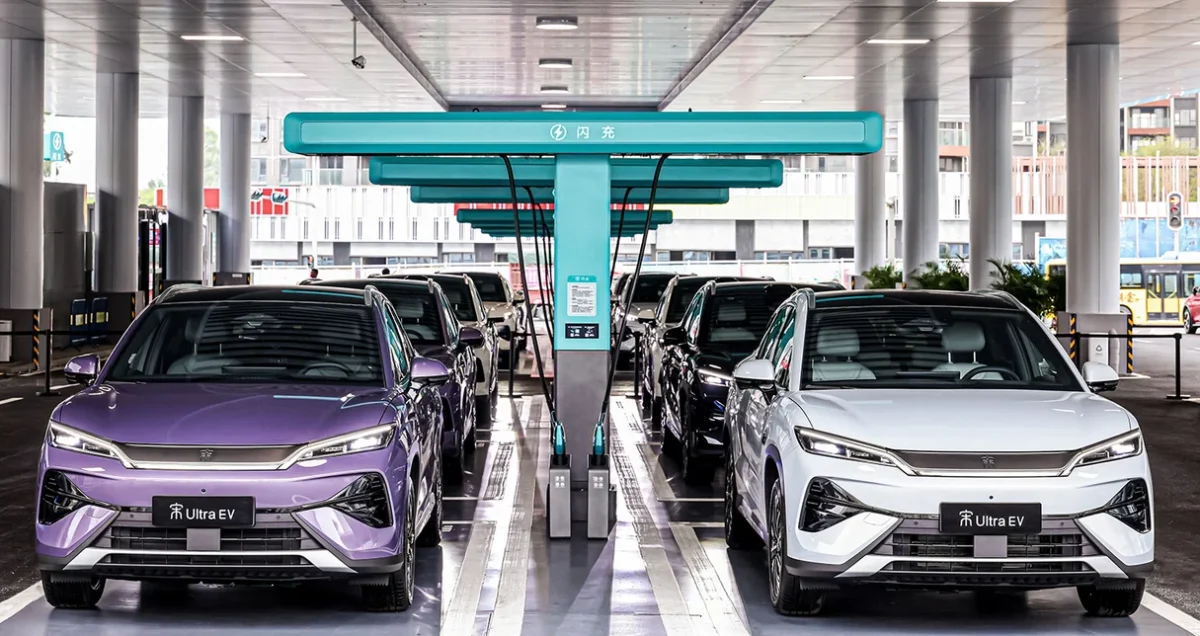
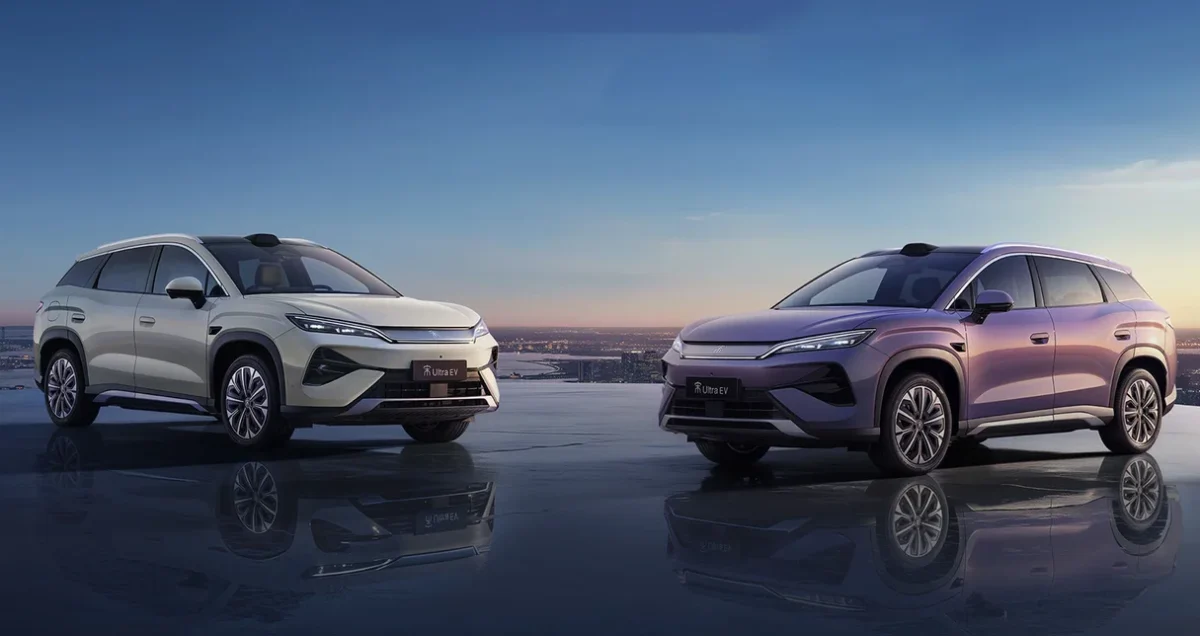
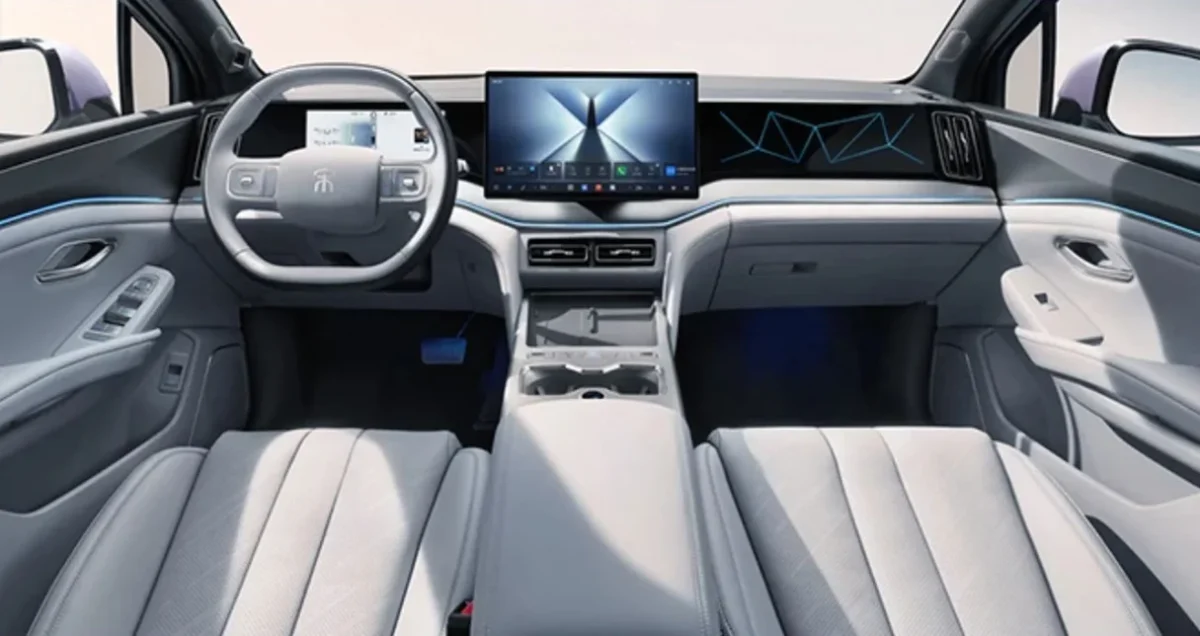
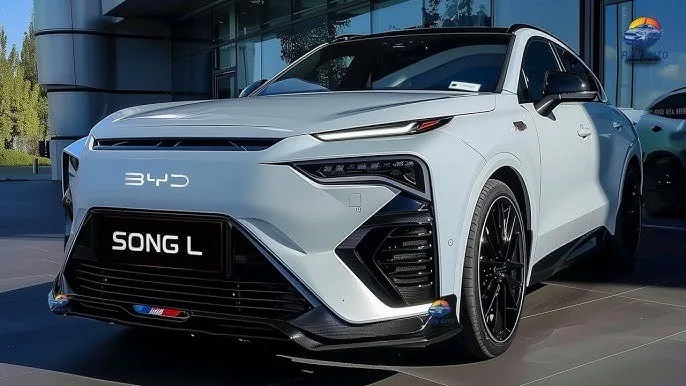
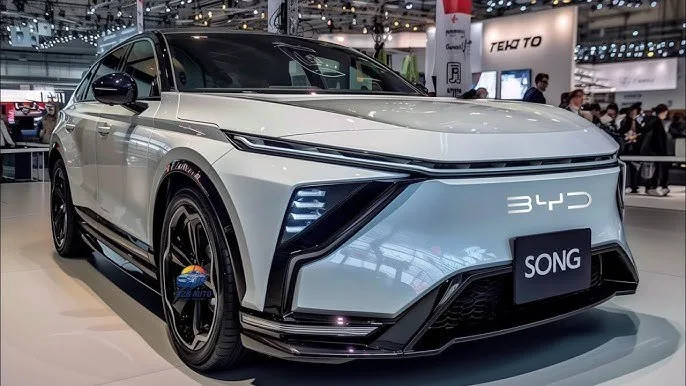
ABOVE: 2026 BYD Song Ultra EV gallery — exterior and interior shots
The Tech Assault Continues
Standard equipment includes adaptive dampers across the range, because even entry-level Chinese EVs now come with gear that would have been flagship-only five years ago. There is a 10.25-inch digital instrument cluster, a 15.6-inch central touchscreen, head-up display, ambient lighting, a fridge/hotbox for your snacks, and heated and ventilated front seats. All standard.
The design follows BYD’s Ocean Aesthetics language, which means minimal front fascia, full-width light bars front and rear, flush door handles, and a silhouette that could pass for half a dozen other Chinese EVs in a dark car park. Not that it matters — nobody is buying these for the styling. They are buying them because the spec sheet makes European competitors look like they are running a protection racket.
The Safety Package with a Side of LiDAR
Seven airbags come standard, which is table stakes in 2026. More interesting is the optional semi-autonomous driving package that adds LiDAR and 27 sensors for city and highway scenarios. Yes, this is the same company whose God’s Eye system has been making headlines for all the wrong reasons in the Yangwang U8. Whether the Song Ultra’s autonomous features will inherit that habit of accelerating unexpectedly into traffic remains to be seen.
Will Australia Get It?
BYD has not confirmed Australian availability for the Song Ultra. The company’s local SUV lineup currently includes the Atto 2, Atto 3, and Sealion 7. If the Song Ultra does arrive, it will wade into a crowded mid-size electric SUV pool already occupied by the Kia EV5, Tesla Model Y, XPeng G6, and Zeekr 7X.
What we do know is that BYD’s Australian sales are booming — up 161 per cent year-on-year in the first two months of 2026, with 10,324 vehicles sold. The Sealion 7 and Shark 6 are leading the charge. Adding a nine-minute-charging mid-sizer to that lineup would give Toyota another reason to reach for the smelling salts.
More Stories
- BYD and DENZA Bring the Battery Barrage to Goodwood
- BYD Shocks Auto Shanghai 2025: EVs, Wagons, Supercars and Drones
Help Support Gay Car Boys Subscribe to our Youtube Channel

Alan Zurvas is the founder and editor of Gay Car Boys, Australia's leading LGBTQI+ automotive publication. Before launching GCB in 2008, Alan's automotive writing was published in SameSame.com.au and the Star Observer. With over 16 years of hands-on car reviewing experience, Alan brings an honest, irreverent voice to every review — championing value and innovation over brand loyalty.
Leave a Reply