The Chinese automotive insurgency has never been shy about ambition, but Chery Group has just lobbed what might be the most audacious grenade yet into the global battery arms race. At the 2026 Chery Auto Battery Night in Wuhu, the parent company behind Chery and Omoda Jaecoo laid out a vision for electrification that would make even the most jaded EV sceptic sit up and pay attention.
The centrepiece is the new “Rhino” battery. The headline figure is rather extraordinary: 500 kilometres of driving range delivered in just eight minutes of charging. Let that sink in for a bit.
What Is the Chery Rhino Battery?
The Rhino isn’t a single product but a family of battery technologies spanning hybrid (H Series), battery electric (E Series), and future solid-state (S Series) variants. It is Chery’s multi-pathway answer to the three barriers that have kept cautious buyers on the fence: charging time, long-term durability, and safety.
On durability, the Rhino battery is engineered to support up to 5,000 charge cycles. In practical terms, that means it should outlast several owners. For fleet operators, that is enormously compelling. For private buyers, it is the sort of number that makes the EV decision considerably easier.
Safety has been addressed through what Chery calls a “three lines of defence” system, combining advanced materials, structural protection, and cloud-based battery monitoring. The system has been tested across six extreme scenarios: high and low temperatures, salt exposure, collisions, underbody impacts, and water immersion. Given Australia’s particular genius for dramatic weather, the salt and temperature testing will be of more than passing interest to buyers here.
The manufacturing process targets defect control at one-in-a-billion, which frankly makes most legacy automotive quality programmes look like a slightly enthusiastic guess. Chery calls this its “zero compromise” philosophy, which is precisely the kind of language legacy manufacturers used to scoff at before the Chinese brands started taking their market share.
Above: Lexus GX550 Review
#EUFTA #LuxuryCarTax #FCAI #FreeTradeAgreement #AustraliaTrade

Help Support Gay Car Boys Subscribe to our Youtube Channel by SMASHING THE BUTTON ABOVE


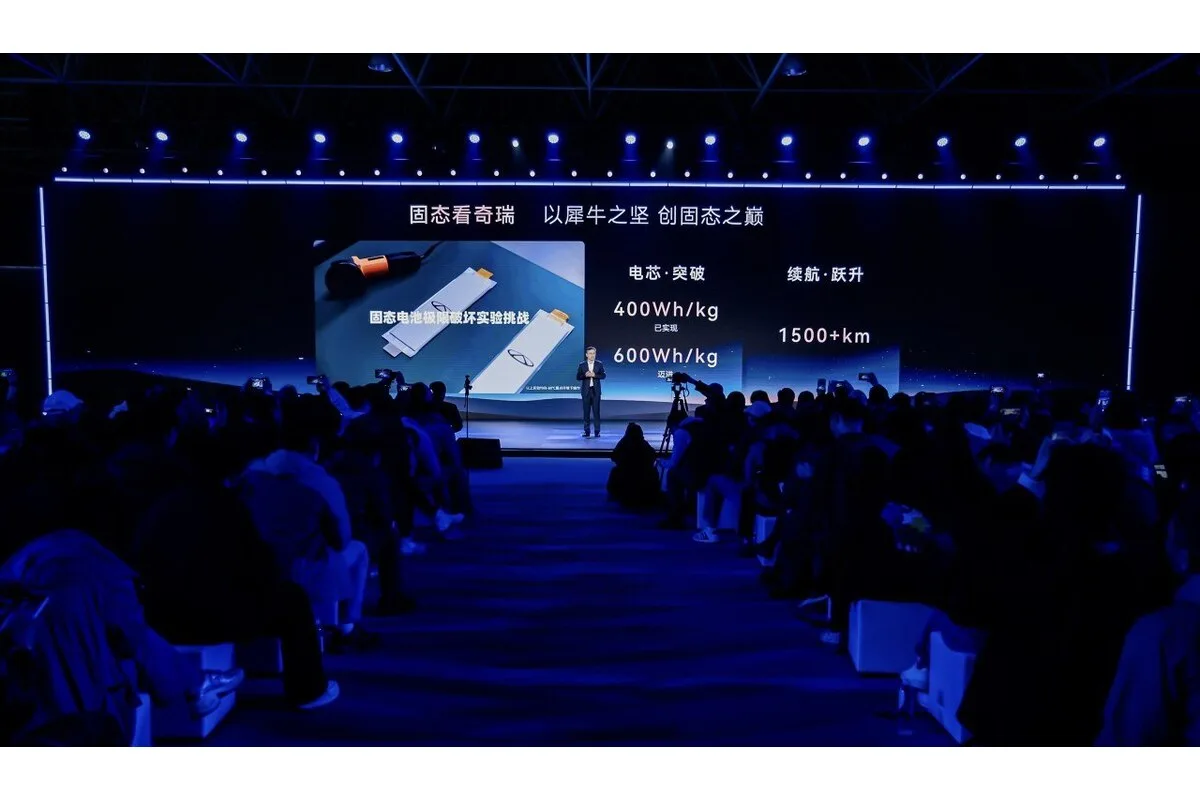
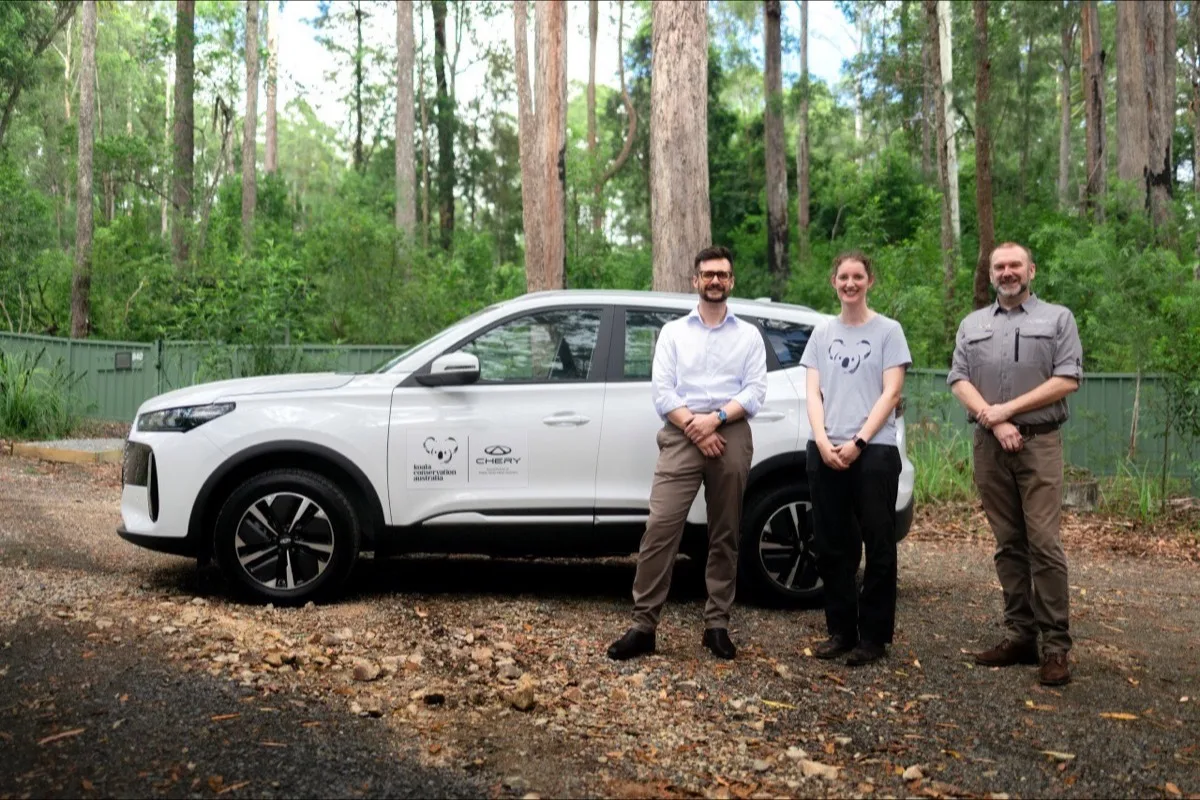


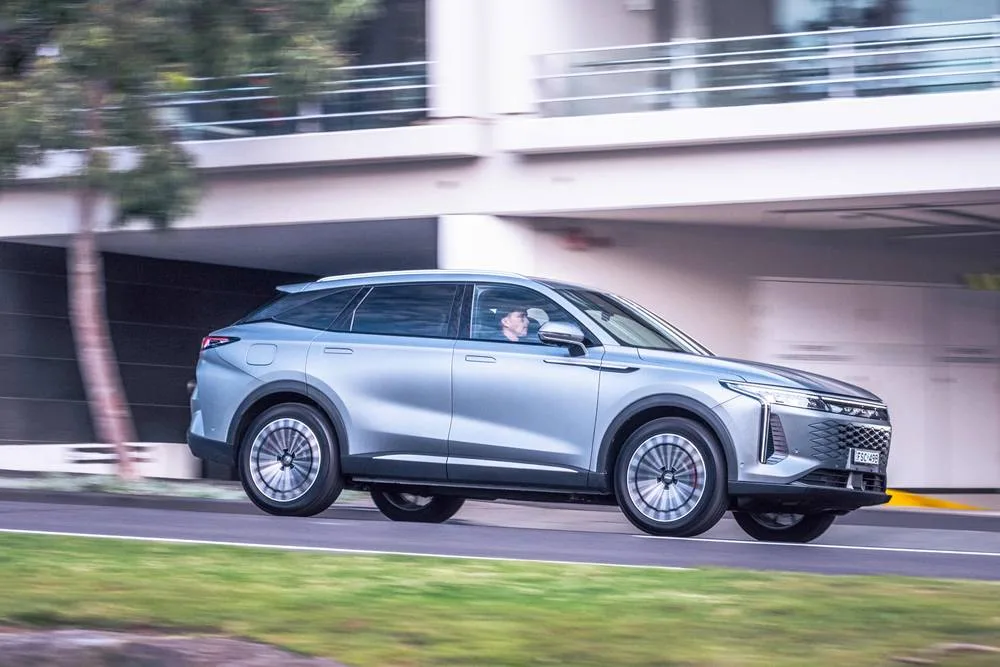
ABOVE: Chery’s Rhino battery tech promises to redraw the EV rulebook — 500km in eight minutes, anyone?
How Far Away Is the 1,500km Range?
The more intriguing long-term play is solid-state battery technology. Chery has assembled a dedicated R&D team expected to exceed 1,200 specialists, backed by more than RMB 10 billion in investment. Current prototypes are already achieving energy densities of 400 Wh/kg, with the roadmap targeting 600 Wh/kg, which is where that 1,500km range figure comes from.
To put that in context, the average petrol car in Australia is refuelled somewhere between 500 and 700 kilometres. A 1,500km electric range would not merely match internal combustion; it would make the traditional fuel stop feel rather quaint.
Chery is also applying AI-driven development to battery optimisation, with over one million simulation iterations run across more than 100 key parameters. The computing horsepower going into this work is, frankly, staggering.
What Does This Mean for Chery Buyers in Australia?
The announcement arrives at a rather propitious moment for Chery and Omoda Jaecoo locally. The Jaecoo J5 EV has already surpassed 2,000 orders in its first three months on sale in Australia, a result that suggests appetite for the brand’s EV offerings is decidedly more than theoretical.
Chery and Omoda Jaecoo’s Australian line-up currently spans hybrid, plug-in hybrid (marketed as CSH/SHS “Super Hybrid”), and full electric models. With the Rhino battery platform maturing across all three chemistry types, Australian buyers can expect each successive generation to be quicker to charge, longer in range, and more durable than the last.
Longer term, the sustainability targets are worth noting: a 60 per cent reduction in per-vehicle emissions by 2030 (versus 2023 baseline), operational carbon neutrality by 2037, and full value chain neutrality by 2047. These are ambitious figures, but then Chery has a rather useful recent history of delivering on ambitious figures.
The Japanese and European incumbents, watching their market share quietly evaporate while the Chinese brands continue to invest at this scale, must be wondering quite how they allowed things to get here. The answer, of course, is that they didn’t take the threat seriously until the stool had already been kicked out from under them. Again.
More Chery Jaecoo Omoda Stories
- Polestar Sales Soar as Jaecoo Rides with Supercross Star Dylan Wills
- Jaecoo Teams Up with Thule for an Adventure Travel Fun
- Jaecoo J7 PHEV to Hit the Roads in Early 2025
- Chinese Brand Jaecoo Makes Australian Debut with J7 and J5 SUVs
- Chery Slashes Prices on Omoda E5 Electric SUV
- Chery Omoda E5 EV to Start at $42,990. Details here
- Omoda 9, LDV Terron 9, Audi Q5 earn ANCAP five-star safety
- Chery Omoda E5 EV to Arrive Stunningly Equipped
Sources include: Federal Chamber of Automotive Industries (FCAI), VFACTS Service, February 2026
Help Support Gay Car Boys Subscribe to our Youtube Channel

Alan Zurvas is the founder and editor of Gay Car Boys, Australia's leading LGBTQI+ automotive publication. Before launching GCB in 2008, Alan's automotive writing was published in SameSame.com.au and the Star Observer. With over 16 years of hands-on car reviewing experience, Alan brings an honest, irreverent voice to every review — championing value and innovation over brand loyalty.
Leave a Reply