Archaeologists have unearthed evidence of Roman-era recycling at the Rolls-Royce Goodwood extension site, proving that sustainability isn’t a modern invention — just a marketing one.
When Rolls-Royce broke ground on the extension to its Home at Goodwood, they expected to find chalk and clay. What they didn’t expect was a 2,000-year-old recycling centre.
Experts from Oxford Archaeology, one of Europe’s largest independent archaeology practices, spent six months digging through the site before stumbling upon the remains of a Roman well. The structure would have stood seven tiers high, constructed from 28 timbers. Eight of those timbers bore the unmistakable marks of previous lives — mortices, tenons, and chamfered edges that suggest they’d already served time as sill beams and posts in Roman buildings before being repurposed to line the well.
In other words: the Romans were doing circular economy before we invented the phrase.
Above: Lexus GX550 Review
#EUFTA #LuxuryCarTax #FCAI #FreeTradeAgreement #AustraliaTrade

Help Support Gay Car Boys Subscribe to our Youtube Channel by SMASHING THE BUTTON ABOVE


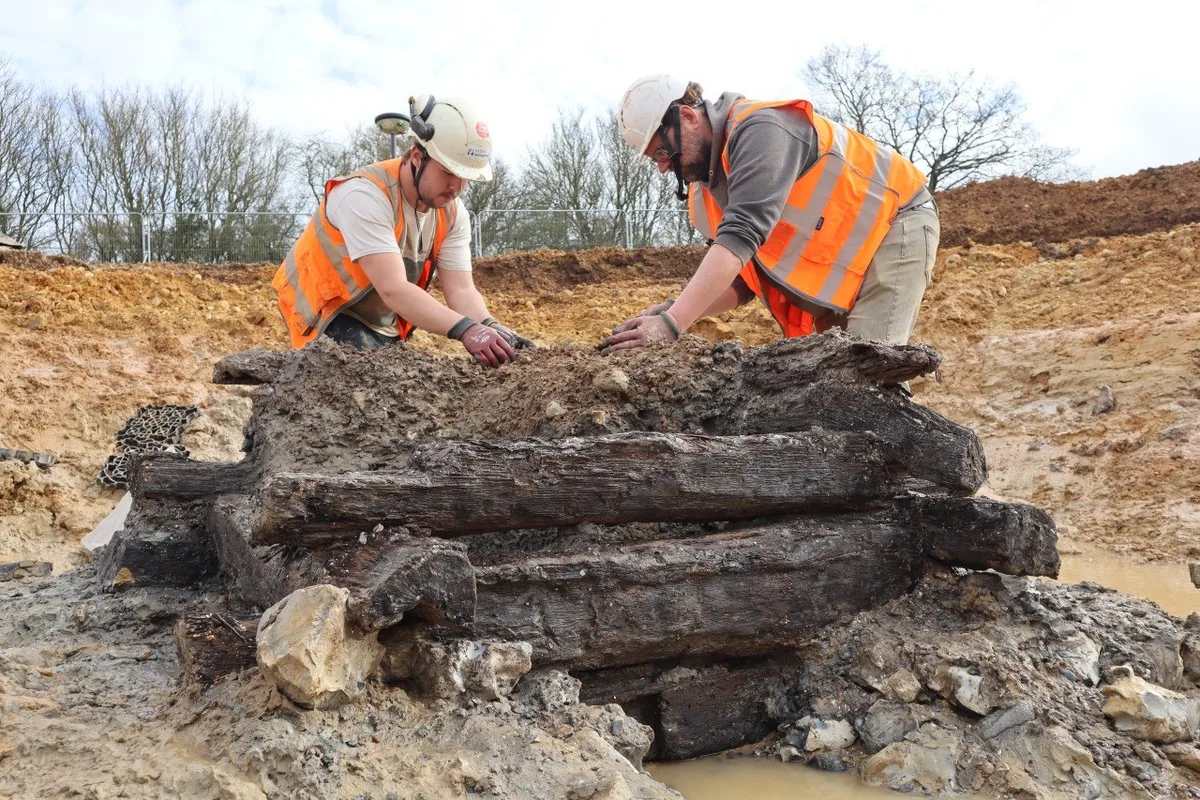
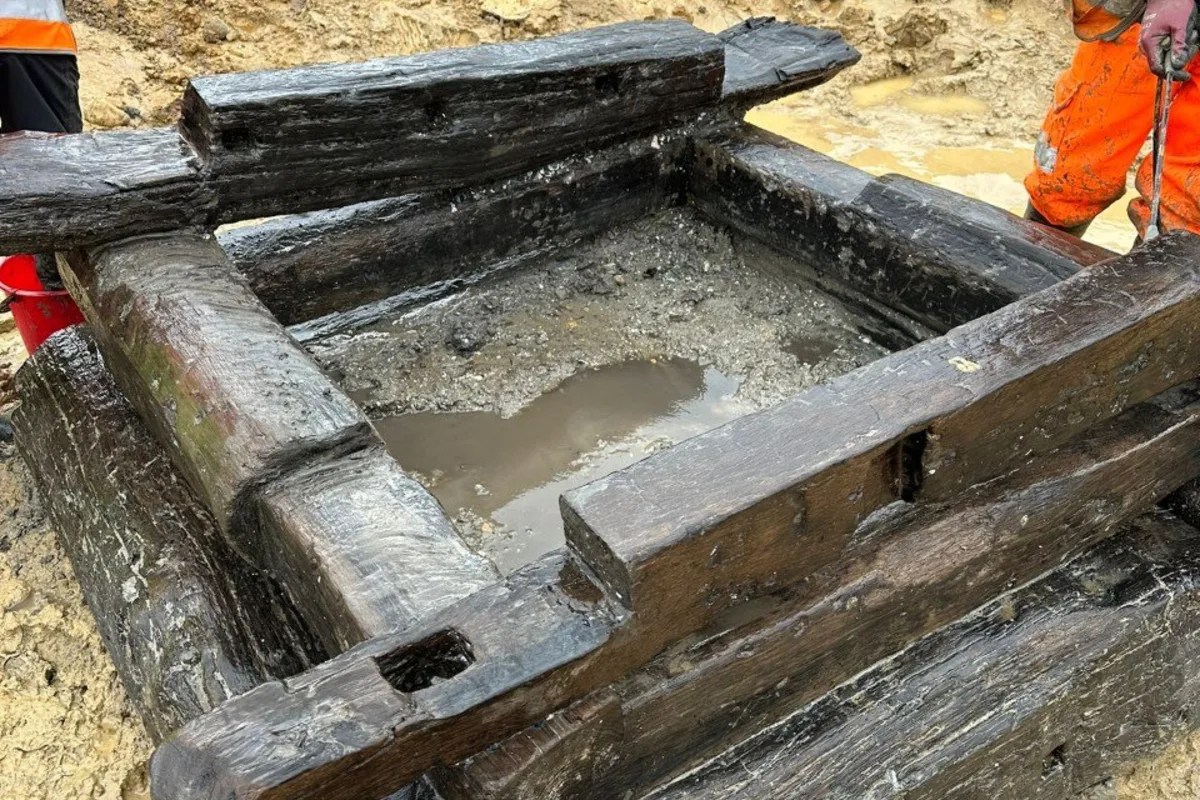
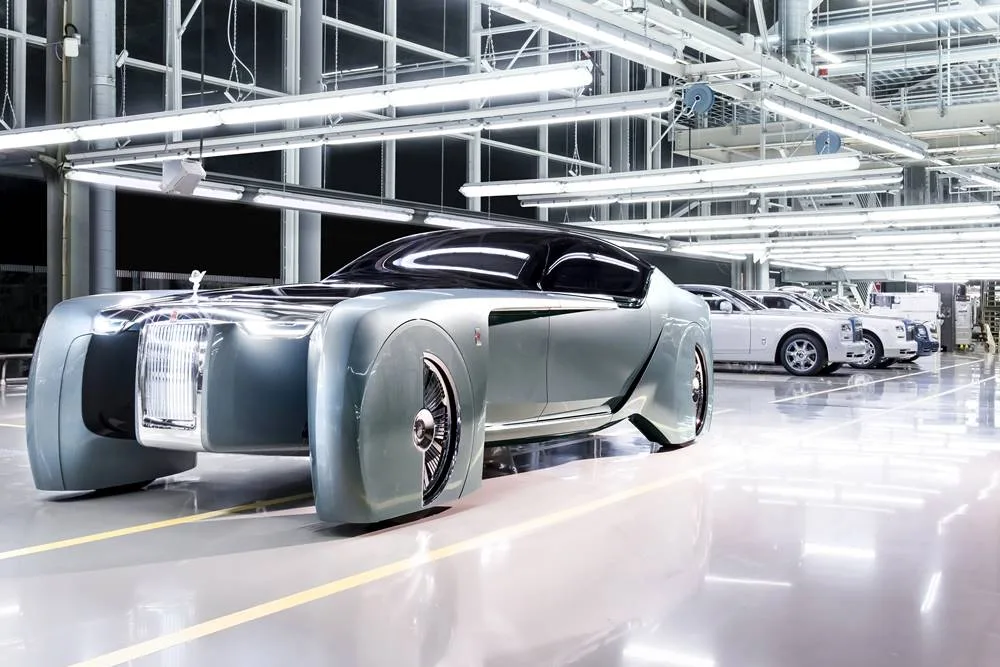
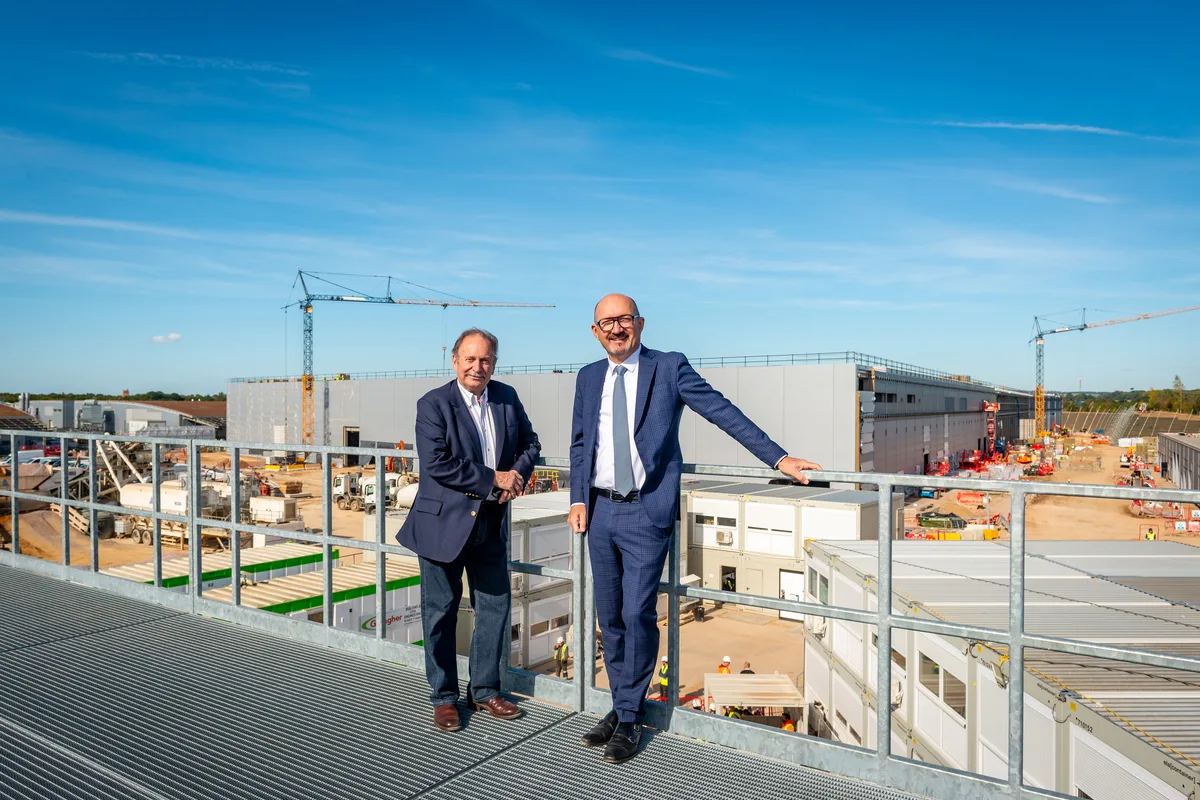
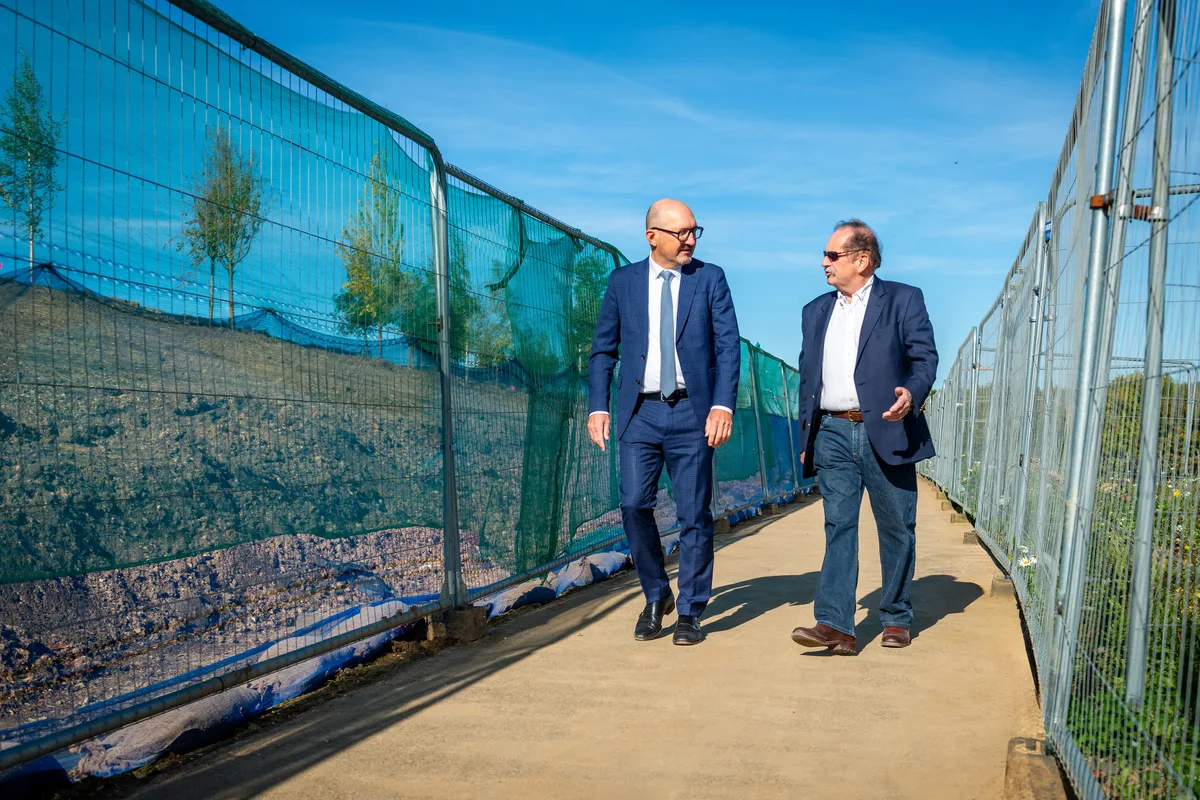
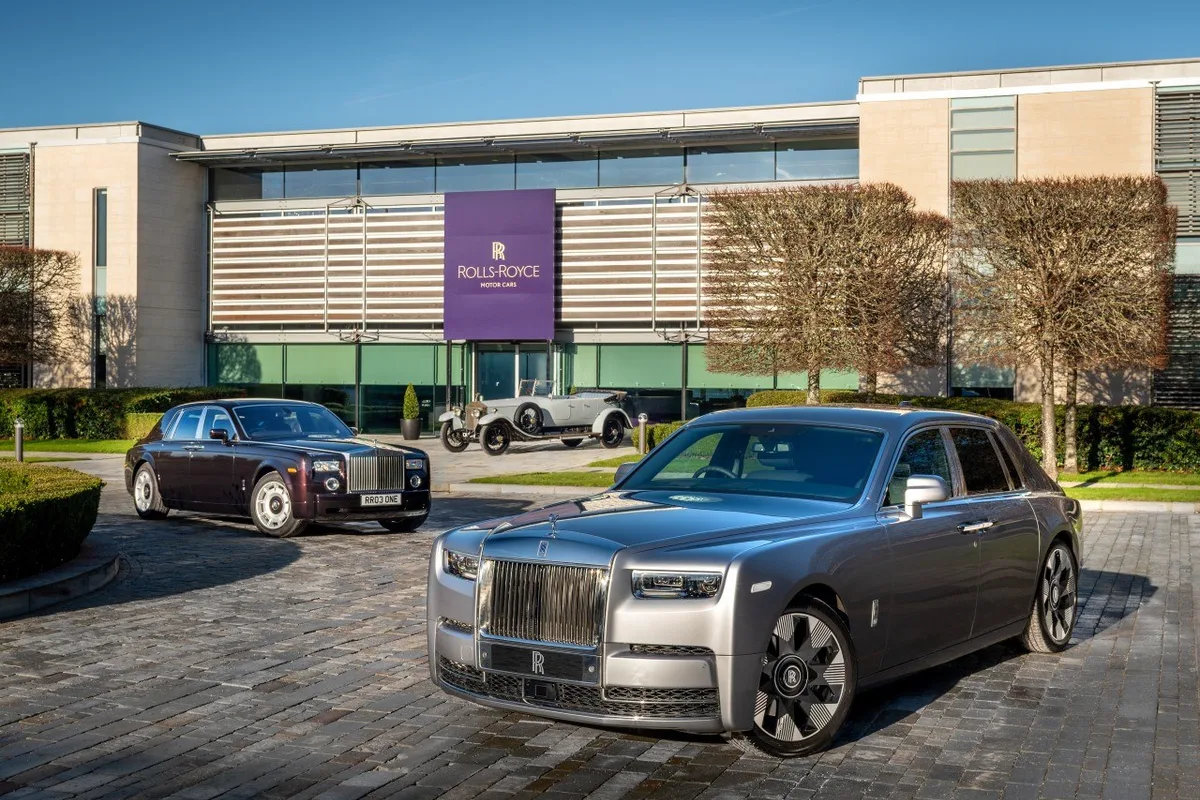

ABOVE: Roman Recycling at Rolls-Royce Goodwood
The Goodwood Connection
The Home of Rolls-Royce Motor Cars sits on the outskirts of Chichester, which the Romans knew as Noviomagus Reginorum from the mid-1st century until their departure in the early 5th century. “Noviomagus” is widely thought to mean “new market” in Latin, while “Reginorum” refers to the Regni, the local Celtic tribe who allied themselves with Rome.
The well timbers originated from the base of the structure and would have been permanently waterlogged — which is precisely why they survived for nearly two millennia. They’re now being sampled for dendrochronological dating, which involves counting tree rings to determine when the original trees were felled. Further analysis may reveal the tools used to work the timbers and even reconstruct the forms of the trees themselves, providing insight into how woodlands were managed in Roman Britain.
More Than Just a Well
The dig has revealed evidence of human activity dating back to the Neolithic period (4000-2200 BCE), including tools and pottery. One early hypothesis suggests the site was once used for metal-working activities. If confirmed, it would mean Rolls-Royce is continuing a manufacturing tradition that stretches back six thousand years — though admittedly with somewhat different materials.
“Working with the experts from Oxford Archaeology to uncover the history of our Goodwood-based site has been both fascinating and illuminating,” said Andrew Ball, Head of Corporate Relations at Rolls-Royce. “Finds like this remind us that recycling is not a modern invention — it is a legacy of the ancient past, and one we are proud to continue here at Rolls-Royce Motor Cars.”
What Happens Next
The artefacts were displayed at a Neighbours Information Evening and will eventually be donated to Chichester’s Novium Museum, located less than three miles from the Home of Rolls-Royce. The museum will give the local community new insights into the area’s history — from Neolithic toolmakers to Roman recyclers to whatever it is Rolls-Royce does with leftover Spirit of Ecstasy hood ornaments.
Comparable examples of recycled Roman timbers have been recorded at other major settlements including York, Carlisle, and London. But there’s something rather fitting about finding evidence of ancient sustainability practices beneath a facility that builds cars weighing north of 2,500 kilograms and powered by twin-turbo V12 engines.
The Romans, at least, had the excuse of not having invented the internal combustion engine yet.
More Rolls Royce Stories at GayCarBoys
- Stunning Rolls Royce Dawn Bespoke Cowling – a Racing Edge
- Rolls Royce on Andalusian coast
- Rolls Royce looking good in Yoshifumi Ogawa’s Photo Sojourn
- Rolls Royce Phantom in Gwendoline Christie Film
- Rolls Royce Cullinan Australian Launch review
- 2018 Rolls Royce Phantom Launch
- Rolls Royce Spirit Of Ecstasy Egg
Sources include: Federal Chamber of Automotive Industries (FCAI), VFACTS Service, February 2026
Help Support Gay Car Boys Subscribe to our Youtube Channel

Alan Zurvas is the founder and editor of Gay Car Boys, Australia's leading LGBTQI+ automotive publication. Before launching GCB in 2008, Alan's automotive writing was published in SameSame.com.au and the Star Observer. With over 16 years of hands-on car reviewing experience, Alan brings an honest, irreverent voice to every review — championing value and innovation over brand loyalty.
Leave a Reply