March EV Surge Shows Old Guard Facing Brutal Reality Bloodbath
The Australian automotive landscape is undergoing a violent rebirth, and the first two months were just the beginning. It is not the sound of revving engines or the smell of high-octane fuel driving the change. It is the silent hum of battery-driven electric motors and the clicking of clickety-clunk charging cables.
The March 2026 VFACTS data arrived with a clear message. The market is cooling and buyers are pivoting. Total sales for the month hit 105,058 units. That’s a 3.3% slide compared to the previous year. While volume is down, the market slices carved by buyer movements might surprise you.
The Electric Explosion
Electric vehicles are going up “with a bullet”. March 2025 figures showed battery electric vehicles (BEVs) were a niche interest at best, with a humble 7.5% of sales. Fast forward twelve months, and a Middle East war by an insane president later, that share blasted into double digits. Over 15,800 punters purchased a BEV in March. This not-so-gentle shove cracked the electric market like a rodeo whip.
A 14.6% share is no longer a greenie trend for early adopters or the tech-obsessed. It is now a mainstream choice driven by necessity, shifting policy, and a final resignation by knuckle draggers.
The Real View: Tesla and Polestar Rebels
But to get the real view, you have to look outside the official FCAI gentlemen’s club. Tesla and Polestar stopped reporting to the lobbyists because they don’t need the spin. In March 2026, Tesla led the charge with 3,485 deliveries, with the Model Y moving 2,818 units alone.
Polestar added 160 sales to the pile. Combined, these two sold 3,645 vehicles, a 21.1% year-on-year rise. These numbers prove the insurgency is broader than the “official” figures suggest.
Lobbyist Spin vs. Buyer Reality
Tony Weber of the FCAI is maintaining a cautious stance. Why? The FCAI is a lobby group. Membership is expensive and services depend on fees paid. Their biggest clients want ICE power and hybrids, but the mix is changing. Predictably, the spokesman points to external factors, but statistics can be made to say anything.
While the illegal and immoral war by the US in the Middle East has created fuel uncertainty, the fact remains that buyers are speaking with their wallets. Weber can’t know what is in a buyer’s mind. When the price at the pump becomes a dice-throw, the appeal of charging while you sleep takes root. Australians are pragmatic. The upcoming review of fringe benefits tax concessions for EVs is also playing a role. People are rushing to take advantage of incentives before the rules change. It is almost as if the government wants to keep oil going as long as possible. Political donors eh!
Above: Geely Starray and Which Driveline Is Best for You
#EVSales #ElectricCars #Tesla #Polestar #CarNews

Help Support Gay Car Boys Subscribe to our Youtube Channel by SMASHING THE BUTTON ABOVE


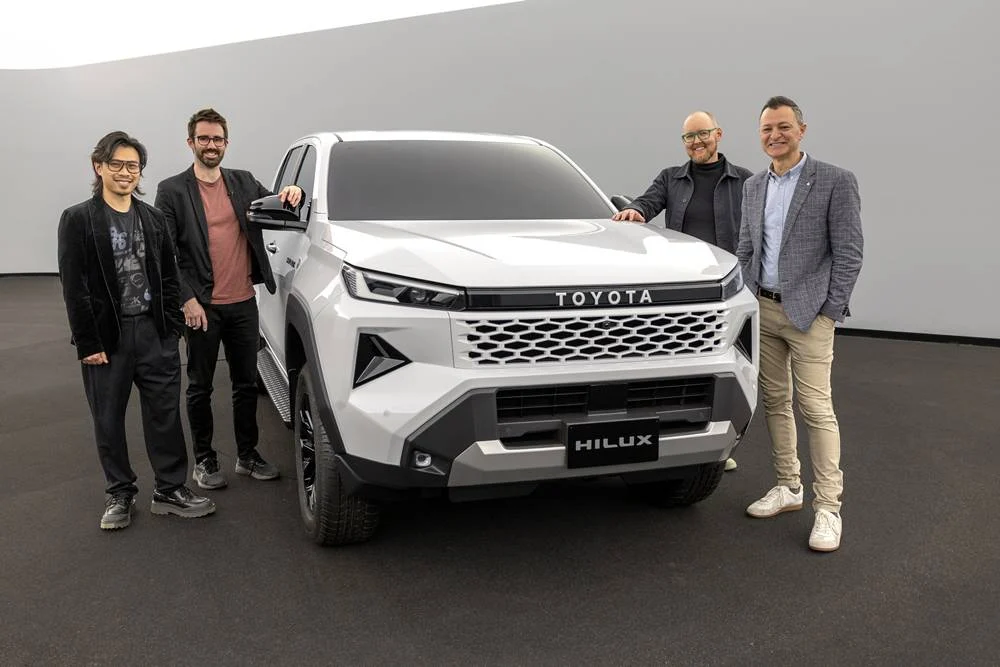
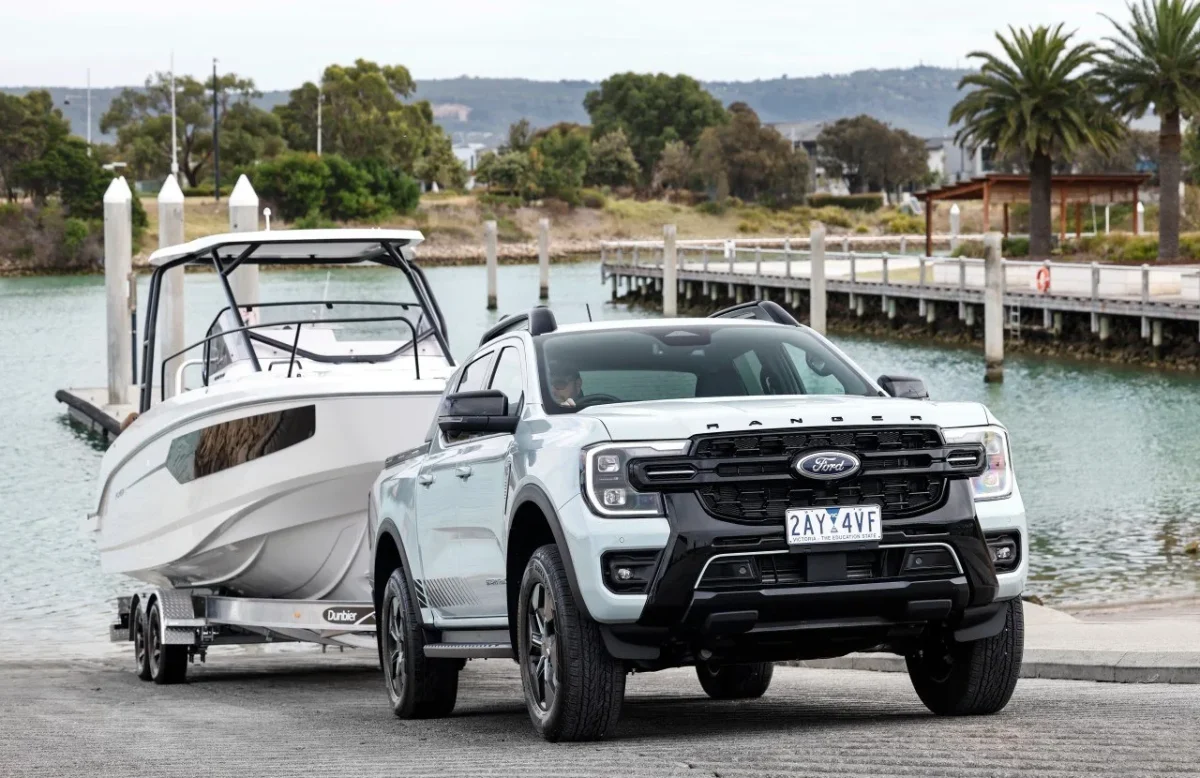
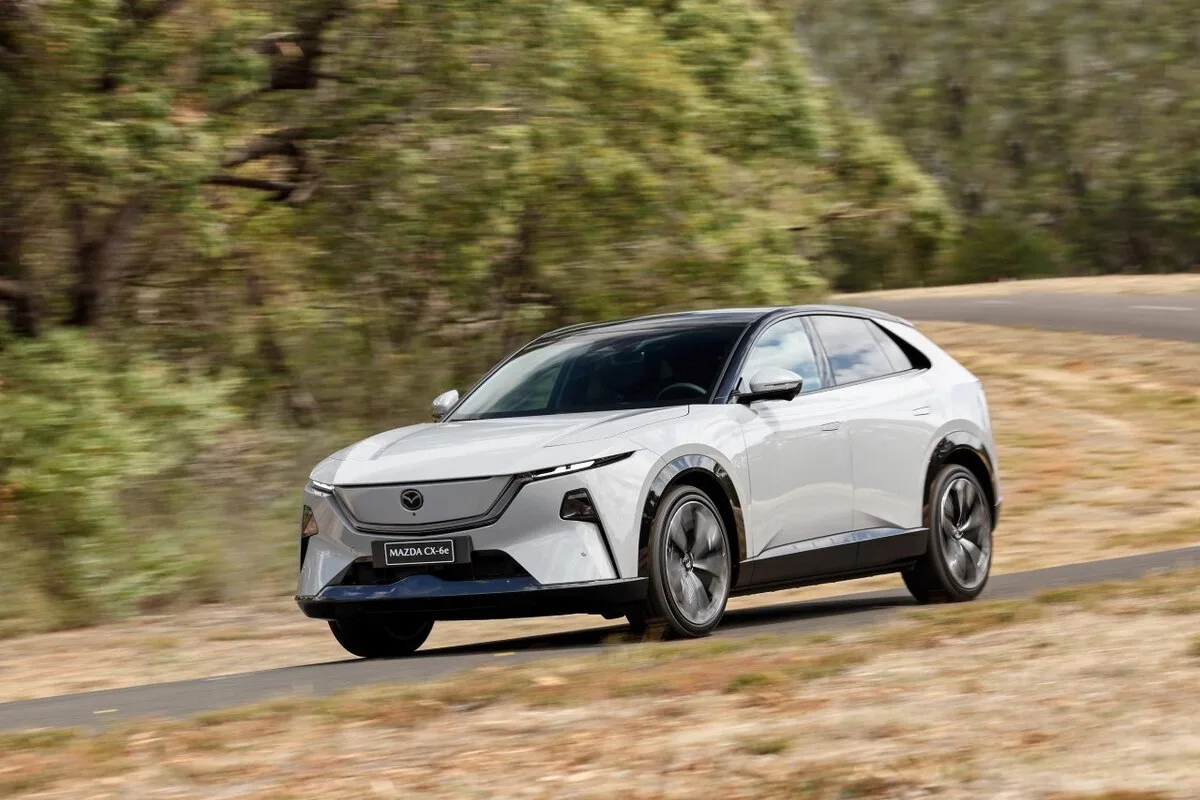

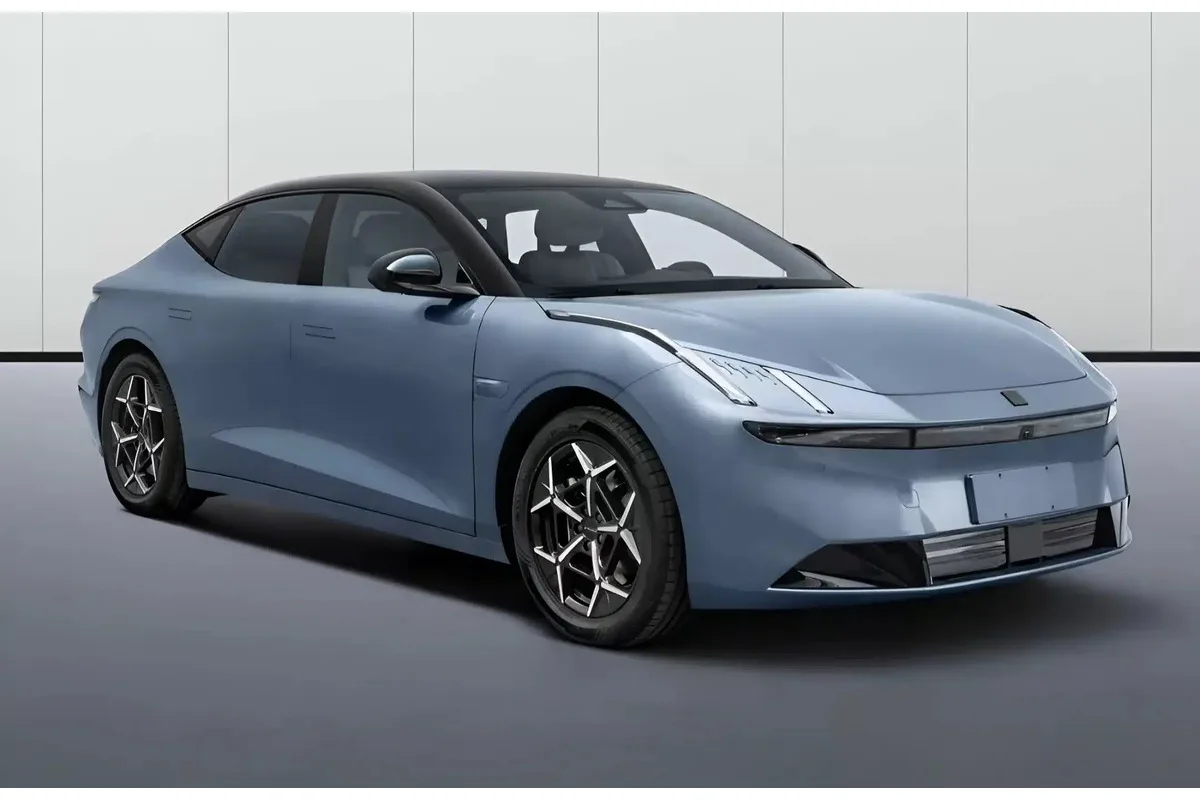
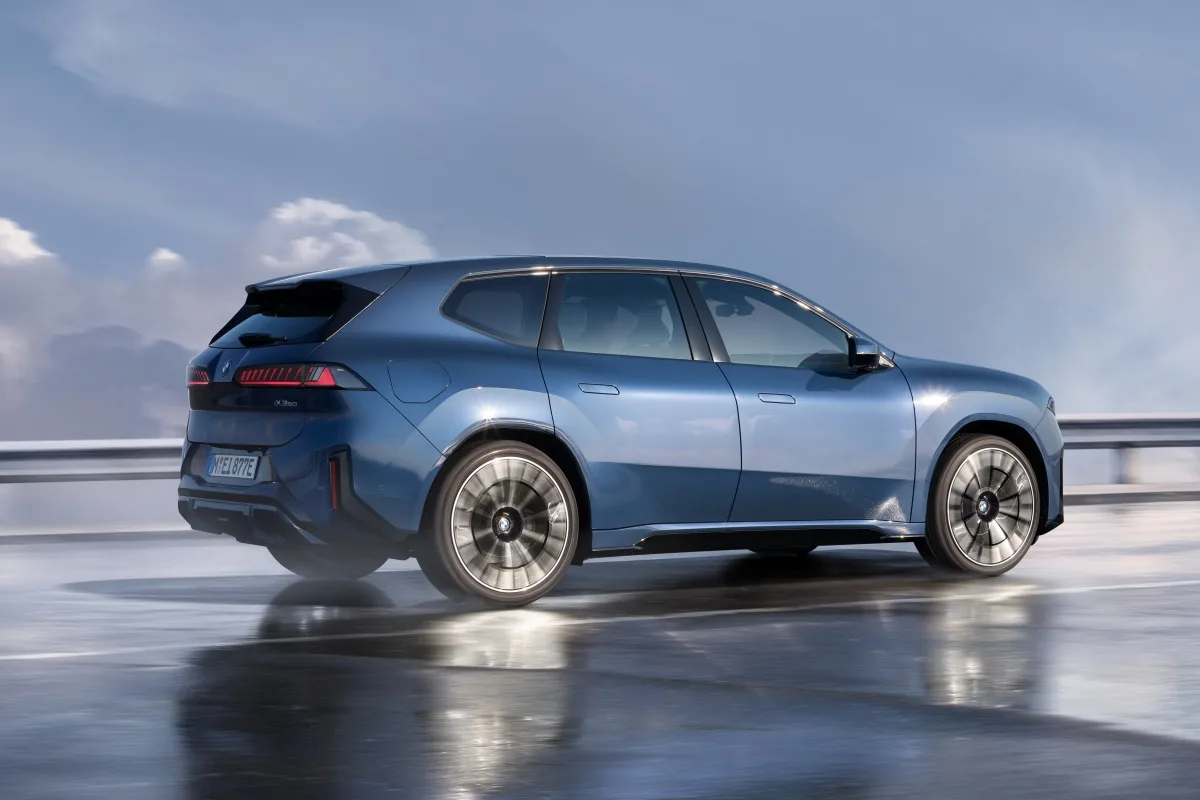

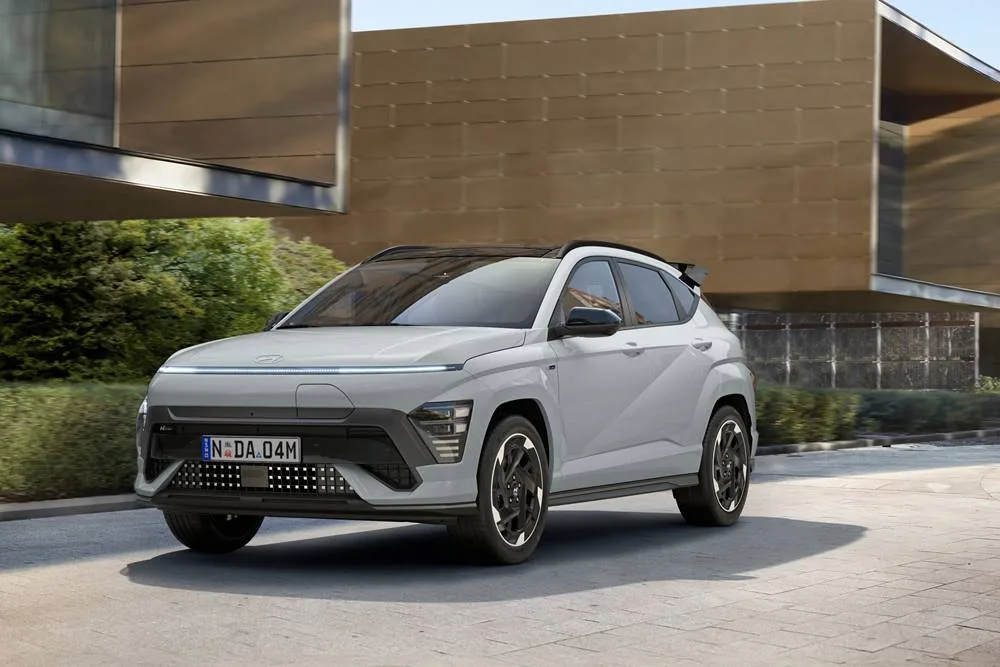
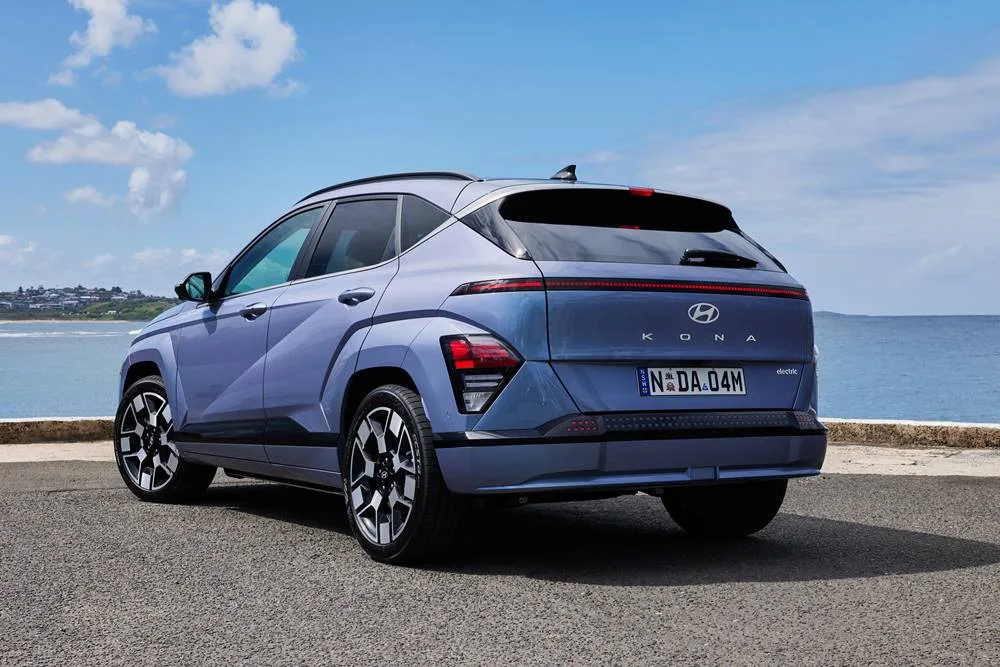
ABOVE: FCAI finally admits EVs aren’t a fad – Japanese Utes now under fire from Chinese newbies
#fcai
The Ute Kings are Bleeding
The fumes of the traditional powerhouses are finally starting to dissipate. The Ford Ranger and the Toyota HiLux continue their battle for the top spot, for now. The Ranger held the lead in March with 4,452 sales. The HiLux followed with 4,167 units. Both saw a dip in dominance.
The Ranger’s sales dropped nearly 10% compared to last year. It suggests even loyal ute buyers are looking at the broader economic picture. High interest rates and rising costs are curbing the appetite for expensive workhorses. Note BYD sales increases here.
Middle Market Volatility
The middle of the market is where the double vodkas are being poured in CEO offices. The Nissan X-Trail saw a 25% jump in sales, moving over 2,400 units. Meanwhile, the Mitsubishi Outlander went the other way, dropping 22%. This volatility shows a buyer base motivated by price and availability. If you have stock and the right deal, you win. If you do not, the consumer moves on to the next badge without so much as a kiss-my-foot.
The Chinese Invasion
To some, the most startling entry in the top rankings is the Chery Tiggo 4 Pro. It moved 2,258 units in March. This is an 80% increase from the previous year. It signals a shift in the Australian psyche we predicted. The old brand loyalties died with the Australian car industry.
Buyers are comfortable with newer entrants. By newer entrants, we mean Chinese models offering higher-tech interiors and longer warranties at a lower entry price. MG also continues its steady climb, moving over 10,000 units and cementing its place as a top-five player. China is kicking Japan’s complacent cobblers.
Geographic Fractures
The geographic results show our fickle nation moving at different speeds. Queensland is the standout performer, recording growth of 3.9% while other states struggled. The Northern Territory saw a 17% collapse in sales. New South Wales and Victoria both saw declines. It reflects a fragmented economy where some regions are weathering the financial storm better than others. Perhaps extortive rents are biting at last?
Infrastructure: The Great Roadblock
The industry is at an infrastructure tipping point. Manufacturers have done their part, for profit of course. There are now more than 100 electric models available in Australia. They have invested billions to meet the New Vehicle Efficiency Standards, some of which is by simply paying fines.
However, cars are only half the equation. For this EV ember to fan itself into a raging fire, the public charging network needs a defibrillator. Tony Weber has called for governments to focus on regional infrastructure. Obviously new FCAI clients make EVs and the body always follows the dosh.
The SUV Default
The rise of the once-maligned SUV continues unabated. They now dominate the sales charts, leaving traditional passenger cars with fewer paying punters. The Hyundai Kona and the Hyundai Tucson are staples of the suburban school run, holding steady while others fluctuate. The appeal of the high driving position and perceived safety remains the default choice for the Australian family. Even in the EV space, it is electric SUVs that are pulling in buyers.
A New World Order
Looking ahead, the market remains a treacherous mire for those unwilling to take a different route. The transition to electric is happening faster than many predicted. Over 15,000 people chose electricity in March, and they are unlikely to go back to the pump. The Australian garage is changing, and the old guard needs to adapt or get left in the rearview mirror.
The data for March 2026 is a reminder that the automotive industry is always subject to buyer whim, and buyers are not mugs. We are seeing a move away from high-consumption models toward something more efficient and modern. That’s code for “V8’s are dying”. The era of the petrol-powered ute is not over, but it is no longer the only story in town. The battery has arrived. Remember those Liberal Party ads trying to panic voters? They said the weekend was dead, yet buyers say it isn’t.
The Brutal Road Ahead
The competitive landscape is a veritable doctor’s waiting room. New brands from China are not just competing on price anymore; they are competing on technology and design. Established brands are having to fight harder for every sale. This competition is good for buyers, but it makes for a brutal environment for dealers used to the old ways. Remember Holden? There are almost none of them left on the road.
The next few months will be a litmus test. We will see if the EV surge is a blip or a dagger. We will see if the Ford Ranger can maintain its lead or if a new challenger will emerge. BYD Shark 6 and GWM Cannon Alpha are PHEVs giving Ford and Toyota a pain in the posterior. March 2026 has shown that buyers are willing to kick old badges to the kerb. The automotive industry’s violent rebirth is drowning the old world order in its own stagnation.
We told you to be careful, and you weren’t. You know who you are.
More GayCarBoys Stories
Help Support Gay Car Boys Subscribe to our Youtube Channel

Alan Zurvas is the founder and editor of Gay Car Boys, Australia's leading LGBTQI+ automotive publication. Before launching GCB in 2008, Alan's automotive writing was published in SameSame.com.au and the Star Observer. With over 16 years of hands-on car reviewing experience, Alan brings an honest, irreverent voice to every review — championing value and innovation over brand loyalty.
Leave a Reply