Ferrari has wheeled out its latest ultra-exclusive plaything at the Circuit of the Americas, and it is a bittersweet goodbye to pure internal combustion. Christened the HC25, this sharp roadster is the latest creation from the Maranello Special Projects division. Built for a single stinking rich buyer, the car drops a clear hint about where Italian styling is heading while locking a celebrated powertrain in a time capsule. Eventually they’ll move on, electric cars are faster for much less money, right?
Under the fresh body panels sits the chassis and mechanical hardware of the F8 Spider. That choice is deliberate. It ensures the vehicle serves as the final chapter for the twin-turbo V8 in a mid-engined, open-top application without electrical assistance. While regular showroom models now rely on hybrid setups, this creation keeps things old-school under the rear deck, offering a direct link to a legendary era of performance before emissions rules forced batteries into the engine bay.
The exterior look leaves the donor car behind. Design boss Flavio Manzoni and his team rejected the soft lines of the F8, choosing instead a sharp, geometric aesthetic. The visual link to the new F80 hypercar is obvious, acting as a bridge between design eras. Tall, vertical flanks are bordered by crisp crests, replacing the gentle surface transitions of older models with a more aggressive stance.
The styling uses a clear two-volume layout. The front and rear ends look like distinct elements, pinned together by a prominent wraparound central section. This glossy black band handles the cooling needs of the turbo V8, packaging the radiator intakes and heat extraction vents away from the main panels to avoid messy cutouts in the grey paintwork.
Above: BYD Shark Charing Woes – DC or AC worked? One didn’t!
#BYDShark6, #PHEVCharging, #EVInfrastructure, #ZetlandCharging, #GayCarBoys

Help Support Gay Car Boys Subscribe to our Youtube Channel by SMASHING THE BUTTON ABOVE


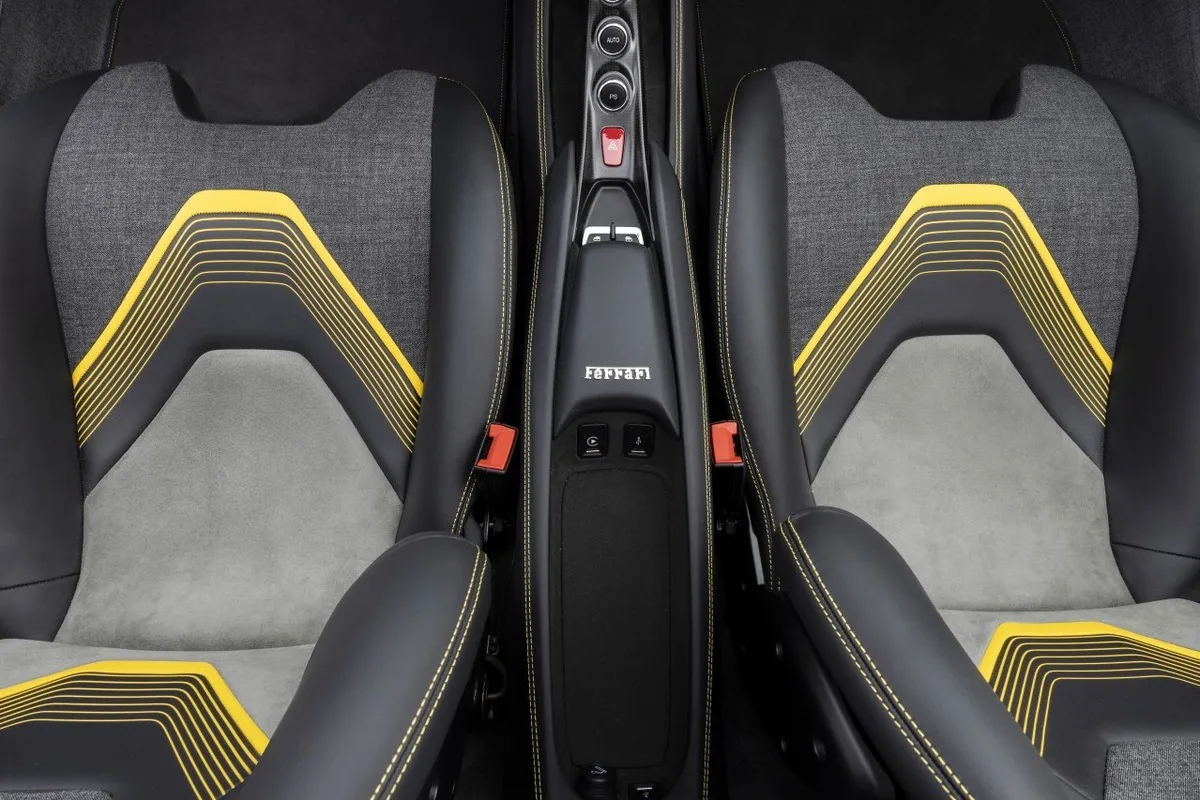

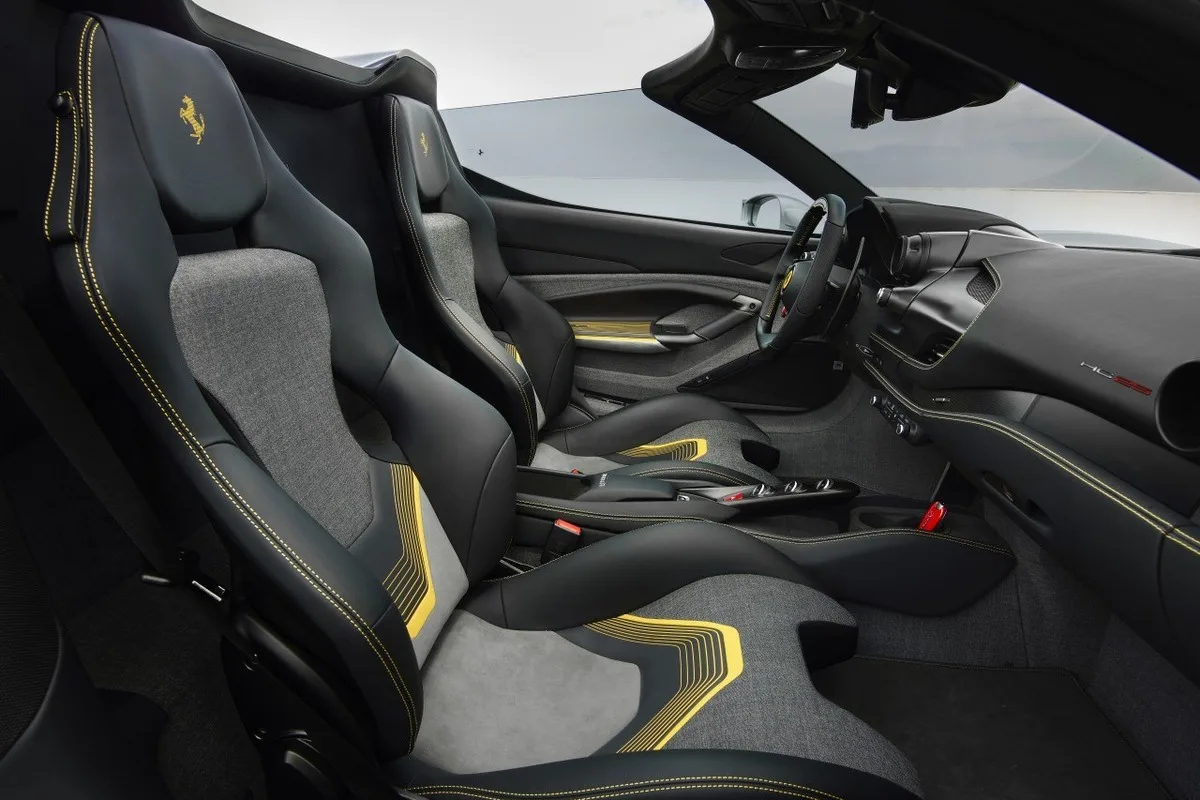
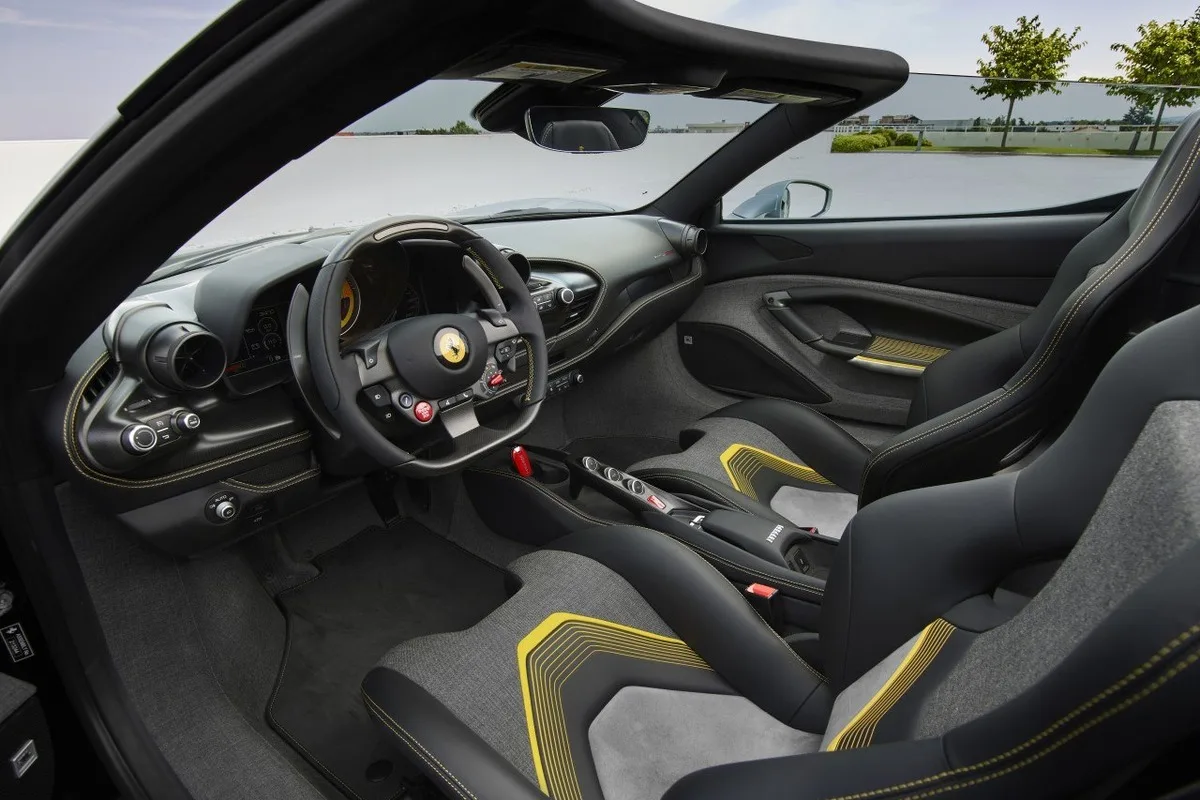
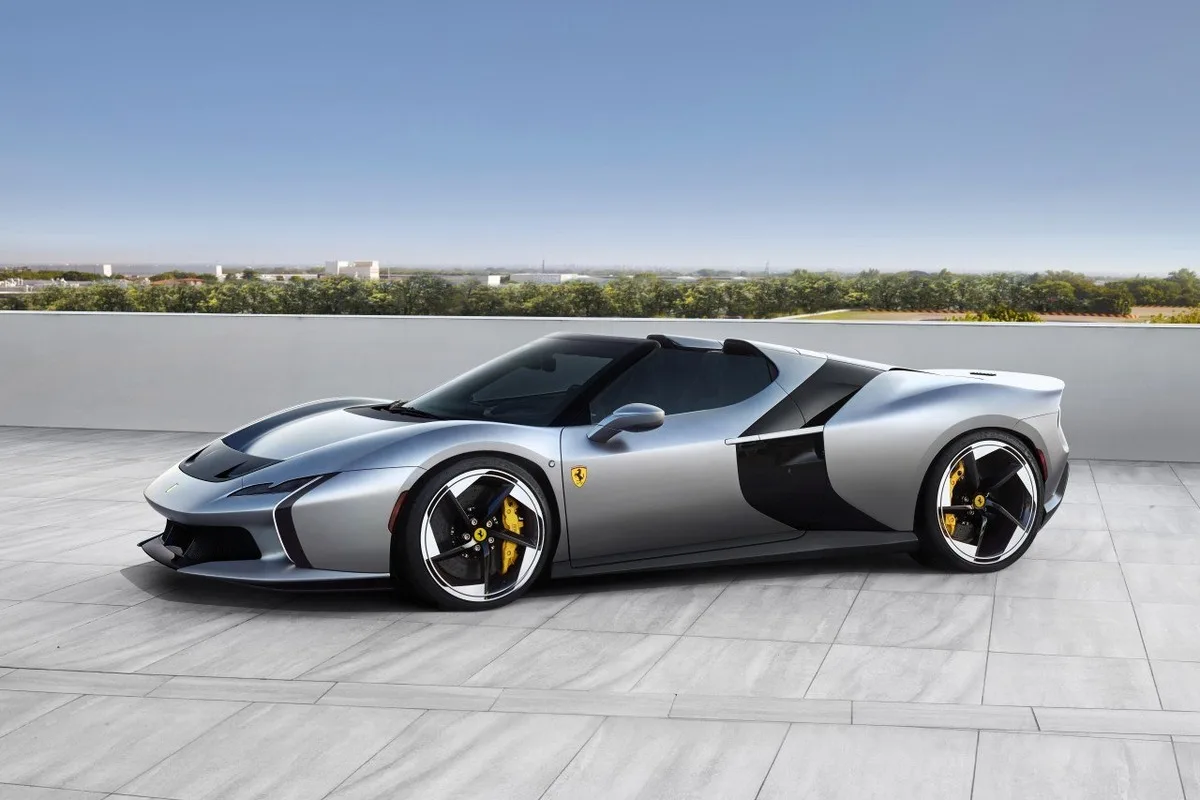
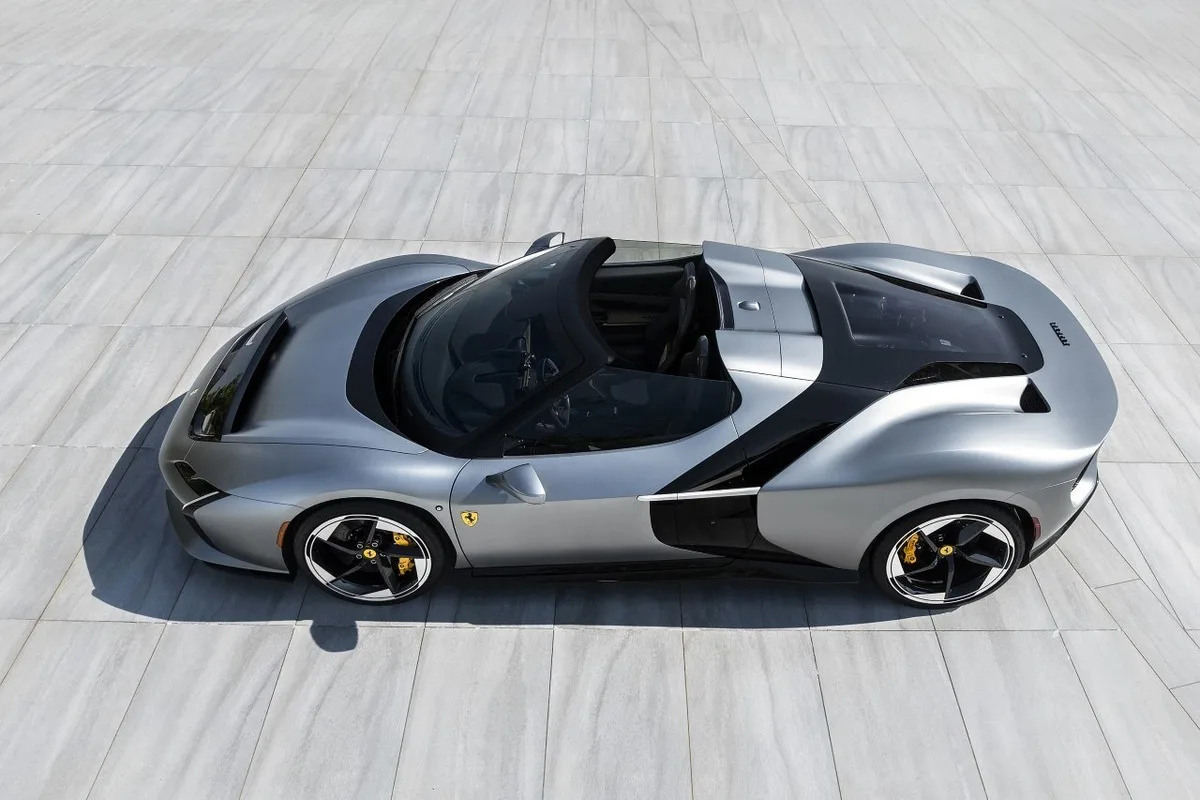
ABOVE: Ferrari HC25 One-Off
From the side, the car gets its forward momentum from an arrow-shaped gesture. This graphic runs from the rear wheels toward the cabin, curving over the doors to meet the door handles before sweeping back to meet the rear screen. The door handles disappear from view, integrated into a long blade machined from solid aluminium that spans the gap between the grey panels and the black central band. This trick shifts the visual weight forward, making the cabin look low and mean.
Proportions have been revised to shrink the glasshouse and lower the shoulder line. The lighting setup is also completely bespoke. Up front, the slim headlights use unique modules never seen on a road-going model, featuring a central indentation that mirrors the split design of the rear light clusters. The daytime running lights introduce a vertical arrangement, using the leading edge of the front guards to create a distinct boomerang shape.
The color scheme relies on heavy contrast. The main panels are finished in matte Moonlight Grey to give the shapes a solid, metallic look. This flat finish contrasts with the high-gloss black elements slicing through the middle. Bright yellow accents on the Scuderia badges and brake calipers provide the only splashes of colour on the outside.
That theme continues inside the driver-focused cockpit. The interior layout is familiar to anyone who has driven modern machinery from the brand, but the materials are unique. Technical fabric in a matching shade of grey covers the bucket seats, broken up by sharp yellow graphics that repeat the boomerang shapes seen on the exterior guards.
The wheels feature a five-spoke design with a diamond-finished outer rim. A double recessed groove on the outer channel alters the visual proportions, making the wheels look larger and pushing the rubber right to the edges of the arches. The spokes are finished in dark tones to keep the focus on the diameter and the large brake discs.
Mechanically, the vehicle carries over the exact specifications of the F8 platform. The 3.9-litre twin-turbocharged 90-degree V8 utilises a dry-sump lubrication system to handle high cornering forces. It develops 720 cv at 7000 rpm, along with 770Nm of torque from 3250 rpm. Power is sent to the rear wheels via a seven-speed dual-clutch transmission.
Performance figures match the donor car, meaning it remains rapid. The sprint from zero to 100 km/h takes 2.9 seconds, while hitting 200 km/h from a standstill requires 8.2 seconds. Given enough room on a circuit like COTA, top speed is rated at 340 km/h. Electronic chassis controls include the electronic differential, F1-Trac traction control, and side slip control, ensuring the unique bodywork stays on the blacktop.
The Special Projects programme remains the peak of vehicle personalization for the brand. The process takes an average of two years from the initial brief to final delivery. During that time, the buyer is involved in every step, from early design sketches and scale models to final engineering sign-off. The result is a road-legal machine built to production standards, but with total exclusivity.
Unveiling the vehicle in Texas at a customer racing event highlights how important the North American market remains for unique commissions. While the car won’t spawn a production run, the design choices seen on this client car provide a look at where mainstream models are heading next.
More Stories
- Broad Arrow Villa d’Este Ferrari Auction Is Worth The Risk
- Ferrari Hypersail Brings Maranello to Milan Design Week
- 2020 Ferrari Monza SP2 Auction Villa d’Este: The Car That Comes With Berluti Helmets
Help Support Gay Car Boys Subscribe to our Youtube Channel

Alan Zurvas is the founder and editor of Gay Car Boys, Australia's leading LGBTQI+ automotive publication. Before launching GCB in 2008, Alan's automotive writing was published in SameSame.com.au and the Star Observer. With over 16 years of hands-on car reviewing experience, Alan brings an honest, irreverent voice to every review — championing value and innovation over brand loyalty.
Leave a Reply