A battered GM EV1 sold for over $100,000 at a Georgia auction. Now GM is helping YouTubers restore it for the car’s 30th anniversary, and the story is as much about corporate redemption as it is about old-school wrenching.
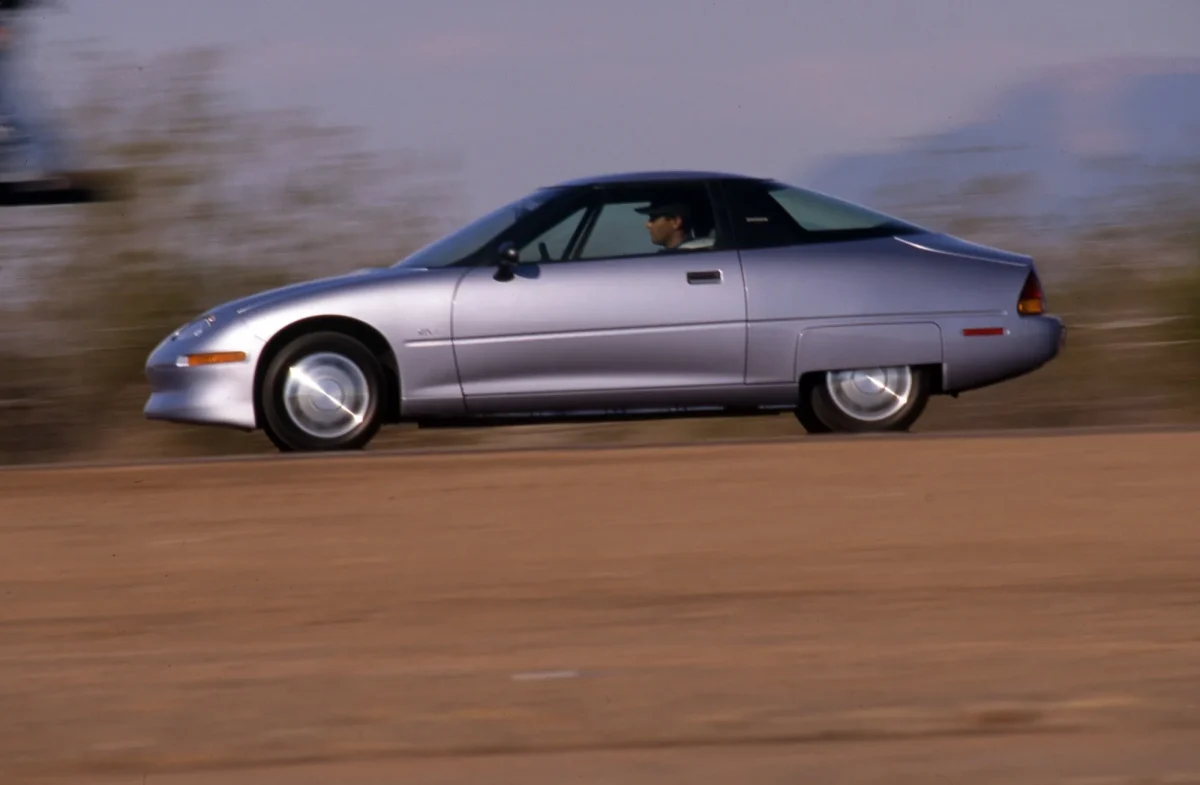
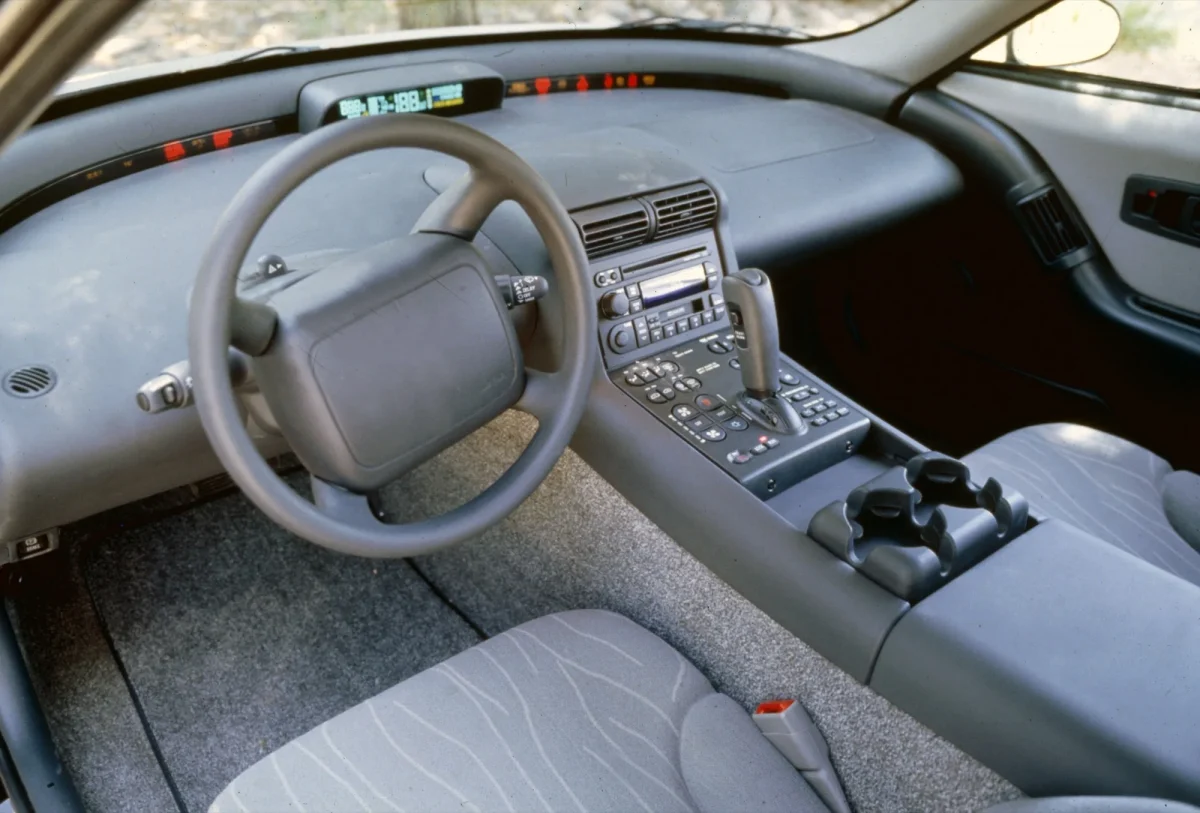
The EV1 was the first modern mass-produced electric vehicle from a major automaker. GM leased around 1,000 units between 1997 and 1999, then recalled and crushed nearly all of them. The controversial decision spawned a documentary, sparked conspiracy theories, and left GM with an awkward footnote in its electric vehicle history. This particular car, VIN 212, somehow slipped through the cracks.
The Unlikely Auction
The green EV1 turned up at a Georgia impound lot last year, sun-bleached and looking thoroughly worse for wear. When word got out that it would be auctioned publicly, enthusiasts scrambled. This would be the first public sale of an EV1 ever. The bidding war pushed the final price well past $100,000.
Billy Caruso, a private collector, won the auction. He teamed up with his father Big Mike, enthusiasts Daren and Freddie Murrer, and Jared Pink, founder of Questionable Garage. The YouTube channel is known for deep, engineering-focused restorations that don’t shy away from complexity. They’d already bonded over restoring a Chevrolet S-10 Electric, which shares drivetrain technology with the EV1.
Together they launched “Project V212” with an ambitious goal: return the car to driving condition by November 2026, exactly 30 years after the EV1 first reached customers.
GM Steps In
When Questionable Garage started publishing restoration videos, someone important was watching. GM President Mark Reuss saw the project and decided to help.
GM invited the team to its Global Technical Center in Warren, Michigan. There, GM’s design fabrication team carefully disassembled a donor EV1 to provide parts for the restoration. The visit turned into a full immersion in EV1 history.
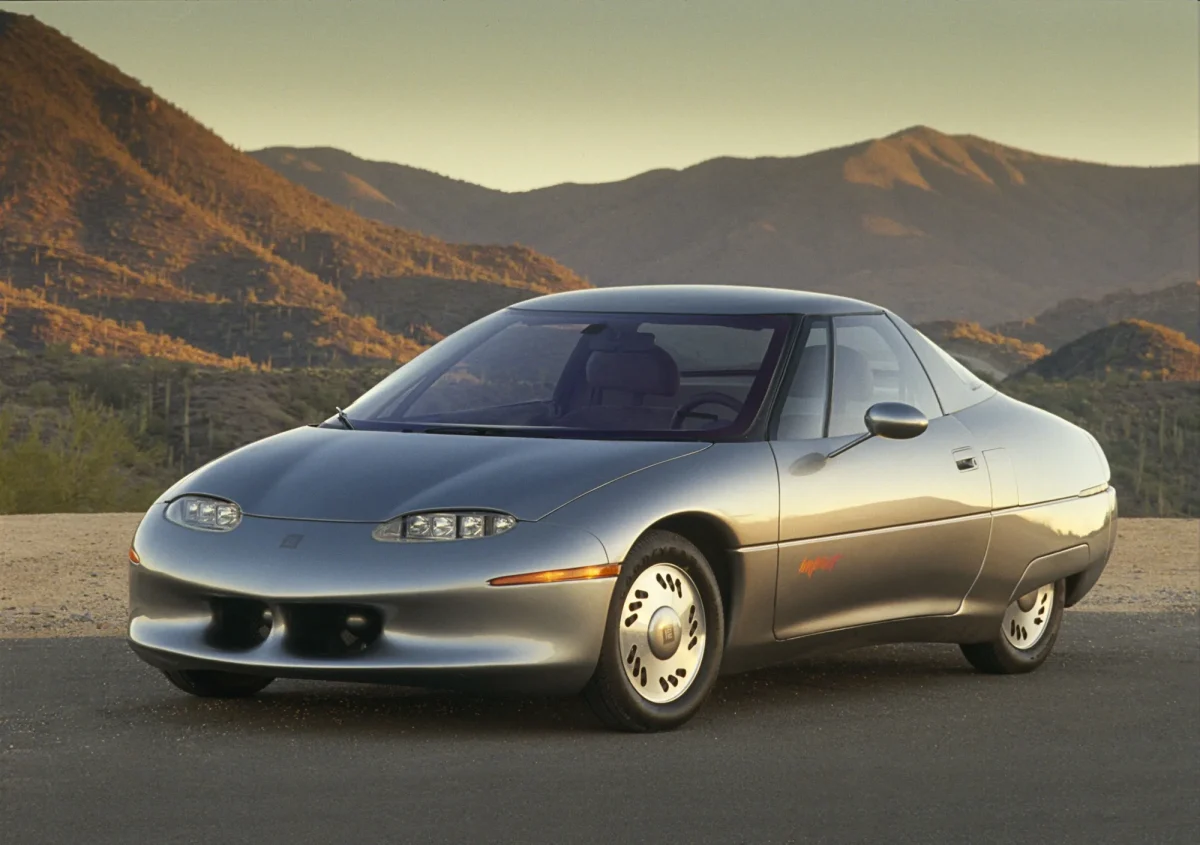
The Questionable Garage crew met with GM Heritage Center experts Adam King and Kevin Kirbitz, who walked them through the vehicles that led to the EV1: the Electrovair II from the 1960s, the Sunraycer solar race car, and the 1990 Impact concept that directly previewed the production EV1.
They also got a battery evolution walkthrough with Kurt Kelty and Andy Oury, two engineers helping to define GM’s current EV strategy. Reuss himself made a cameo, helping the crew across campus to collect their parts.
Meanwhile, GM technicians showed off their own project: a recommissioning of EV1 #1, the very first production example.
Above: Lexus GX550 Review
#LexusGX550, #V6TwinTurbo, #LuxurySUV, #VFACTS, #CarReview

Help Support Gay Car Boys Subscribe to our Youtube Channel by SMASHING THE BUTTON ABOVE



ABOVE: GM EV1 Restoration
Before the EV1
The EV1 wasn’t GM’s first electric vehicle. In the early 20th century, when EVs were surprisingly common on American roads, GM sold electric trucks. The company experimented with various EV projects through the 1960s, and by the 1990s it was clear that electrification would play a major role in transportation’s future.
In 1990, GM debuted the Impact concept at the Los Angeles Auto Show. The sleek, aerodynamic two-seater generated genuine excitement. Over the following years, GM developed the Impact into the production EV1, which first reached lessors in 1997.
GM built around 1,000 EV1s at a dedicated facility in Lansing, Michigan. The car was never sold outright. It was only available through lease programmes in select markets, primarily California and Arizona.
Technology That Still Matters
The EV1 pioneered features now standard across GM’s electric lineup:
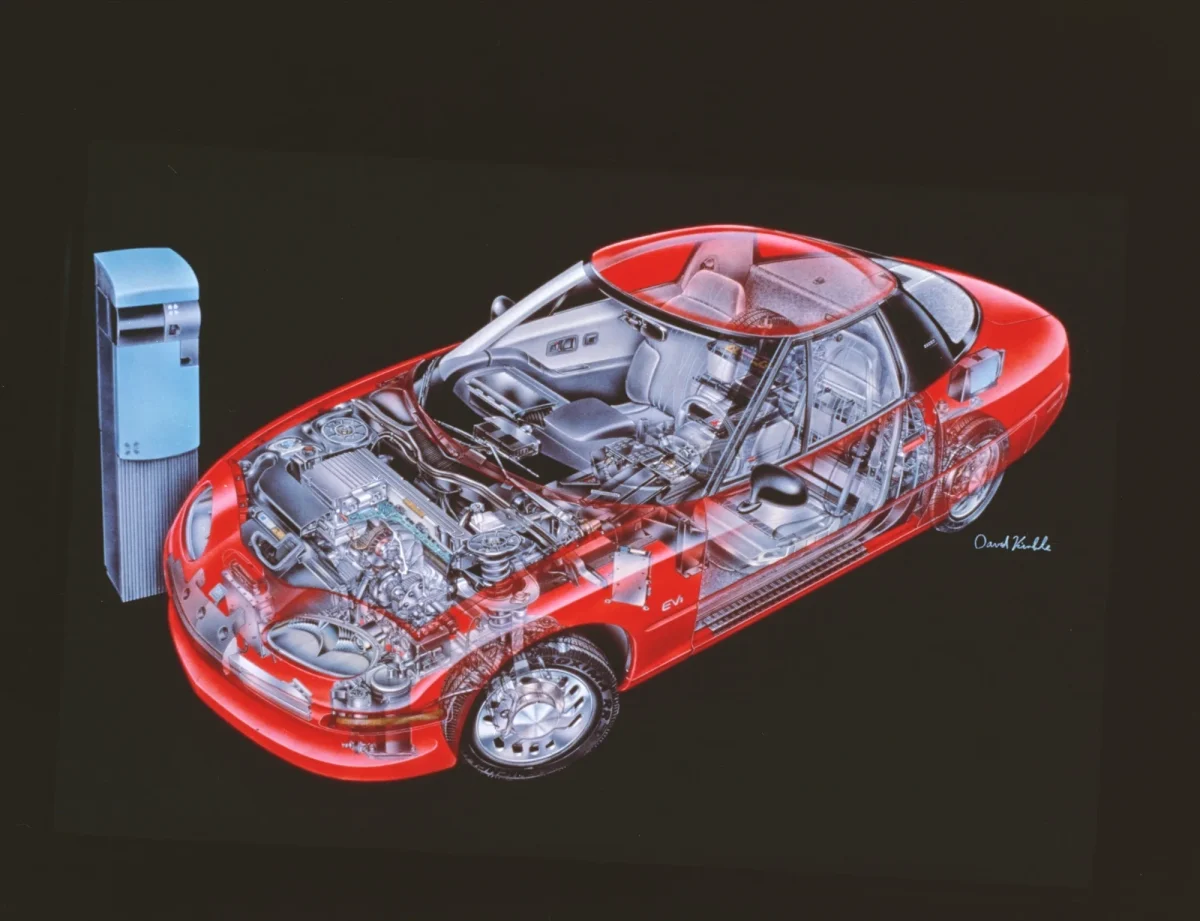
Heat pump climate control — the EV1 was the first vehicle to use a heat pump for cabin heating and cooling. The technology significantly boosted energy efficiency. Today, every GM EV features a heat pump for both climate control and battery temperature management.
Blended regenerative braking — EV1 engineers developed a system that translated brake-pedal input into an electronic signal, blending regenerative braking from the motor with conventional friction brakes. It’s the direct ancestor of today’s One-Pedal Driving and paddle-actuated Regen-on-Demand systems.
Drive-by-wire controls — for decades, every control in a car was mechanically actuated. The EV1 changed that. Accelerator pedal, brake pedal, parking brake, and gear selector were all fully electronic. The power steering was electro-hydraulic, a predecessor to today’s fully electric systems.
Low-rolling-resistance tyres — EV1 engineers worked with suppliers to develop new, more efficient tyres specifically designed to maximise range from the battery pack.
Aluminium space frame chassis — rather than conventional steel construction, the EV1 used a unique aluminium space frame to save weight and extend range. Today’s Chevrolet Corvette uses a similar design philosophy.
Embedded antenna — the EV1’s extreme dedication to aerodynamics even extended to hiding the antenna under the roof panel, eliminating drag from a conventional mast.
The Controversial End
The EV1 programme ended in 2002. GM recalled the leased vehicles and, in a decision that remains contentious, crushed nearly all of them. A handful were donated to museums and universities with their drivetrains disabled.
The 2006 documentary “Who Killed the Electric Car?” brought widespread attention to the programme’s demise, portraying it as a conspiracy between automakers, oil companies, and government regulators. GM has always maintained that the programme was economically unviable at the time.
Whatever the truth, the crushing left GM with a complicated legacy. The company that pioneered the modern EV also destroyed almost every example it built.
The Bigger Picture
GM is clearly framing this restoration partnership as more than nostalgia. The EV1 programme generated engineering knowledge that compounded over three decades. Today’s Ultium platform, LMR battery chemistry, coast-to-coast charging network partnerships, and Vehicle-to-Home technology all trace lineage back to that little two-seater.
“EV1 set in motion everything we’re doing in electric right now,” says GM’s team.
It’s a convenient narrative for a company now investing billions in electrification. But it’s also not wrong. The EV1 proved that a major automaker could build a purpose-designed electric vehicle, not just convert an existing petrol car. The engineering lessons from that bet have indeed compounded.
Today, GM offers EVs across Chevrolet, GMC, and Cadillac. The company is developing next-generation lithium manganese rich battery technology, building out charging infrastructure through partnerships with EVgo, Pilot, ChargePoint, and IONNA, and advancing bidirectional charging that turns EVs into backup power sources for homes and the grid.
Watch the Restoration
The Questionable Garage team is documenting every step of Project V212 on their YouTube channel. The latest episode, featuring the visit to GM’s Technical Center, is available now. More visits with GM are planned as the restoration continues.
The goal remains November 2026: have VIN 212 driving again for the EV1’s 30th anniversary. Given the complexity of the car and the scarcity of parts, it’s an ambitious target. But with GM’s support, they’ve got a better shot than anyone else who’s tried.
More GMSV at Gaycarboys
- Ryan and Alan Drive the 2025 Corvette Stingray Convertible REVIEW
- 2024 Corvette Stingray Top Ten Best Things
- 2024 Chevrolet Corvette E-Ray – Huge Power, Titanic Price
- 2025 Corvette ZR1 – The Most Powerful Production Corvette Ever
- GMC Yukon and Corvette E-Ray New to GMSV Australian Lineup
- 2025 GMC Yukon Denali Review: V8 Power, Air-Sprung Comfort, and American Swagger in RHD
- 2025 GMC Yukon Denali – The Only Yank You Need – 5 min review
- 2025 GMC Yukon Denali: The Beast with Brains and Brawn
- The Big Bold 2025 GMC Yukon Seen on Australian Roads in RHD
- 2025 Cadillac LYRIQ: The EV SUV That’s More Lounge Than Launchpad
- Cadillac Gets Connected Services, Google Built-In, and OTA Updates
- Cadillac LYRIQ Exceeds Expectations – Here’s Why
- The HUGE 2024 Chevrolet Silverado Reviewed
- Silverado 2500 HD When Size and Grunt are Everything
- 2024 Chevrolet Silverado HD Here Loaded with Extra Gear
Help Support Gay Car Boys Subscribe to our Youtube Channel

Alan Zurvas is the founder and editor of Gay Car Boys, Australia's leading LGBTQI+ automotive publication. Before launching GCB in 2008, Alan's automotive writing was published in SameSame.com.au and the Star Observer. With over 16 years of hands-on car reviewing experience, Alan brings an honest, irreverent voice to every review — championing value and innovation over brand loyalty.
Leave a Reply