Honda has built a delivery vehicle so peculiar it makes those sketchy electric scooters littering Brisbane footpaths look like paragons of normality.
The Fastport eQuad is a four-wheeled, fully enclosed electric micromobility vehicle designed specifically for last-mile delivery. Think pizza delivery, but instead of a teenager on a moped, you get a grown adult pedalling inside what appears to be a very ambitious wheelie bin with windows. Honda calls it “transforming last-mile delivery logistics.” I call it the weirdest thing to emerge from a Japanese boardroom since someone decided Cup Noodles needed a fork.
The eQuad debuts at the New York International Auto Show this week, where it will be demonstrated at the EV Hybrid Test Track. Media can book demo rides by emailing Honda directly, though one suspects the queue will be somewhat shorter than for the Civic Type R.
Above: Geely Starray and Which Driveline Is Best for You
#Honda #Fastport #eQuad #Electric #EVNews

Help Support Gay Car Boys Subscribe to our Youtube Channel by SMASHING THE BUTTON ABOVE


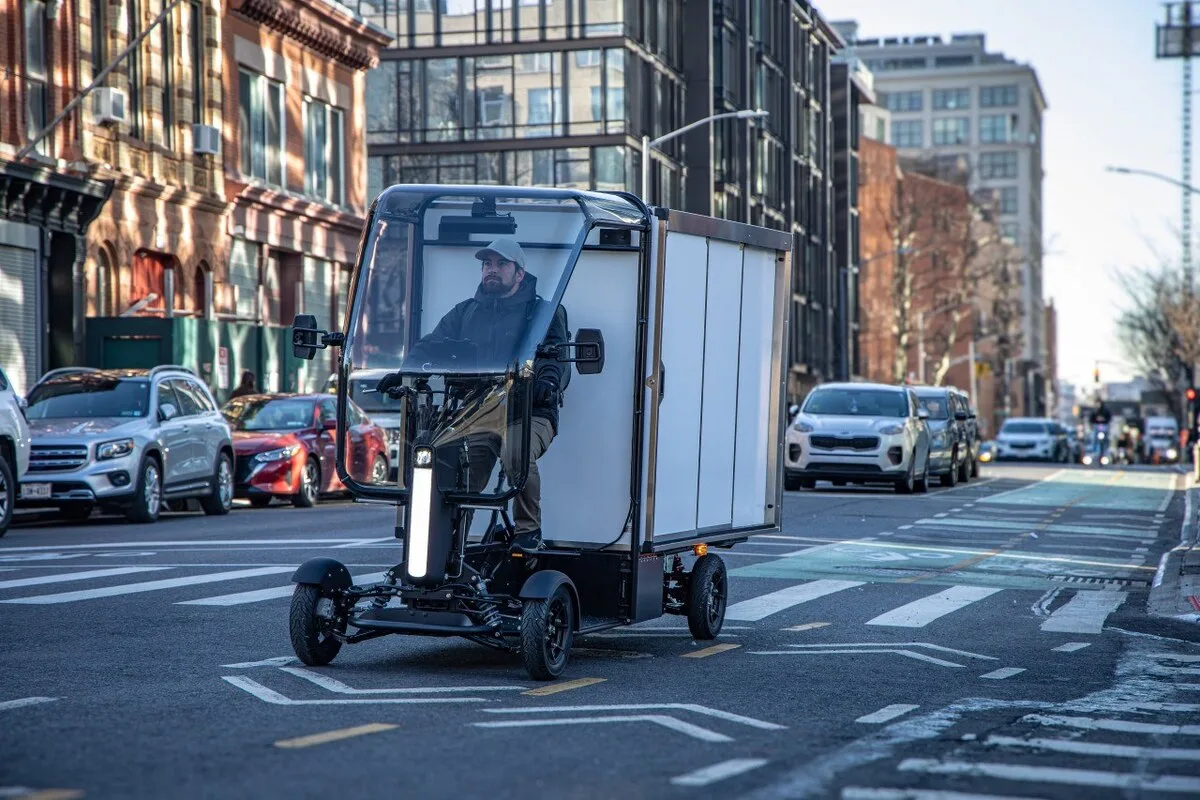
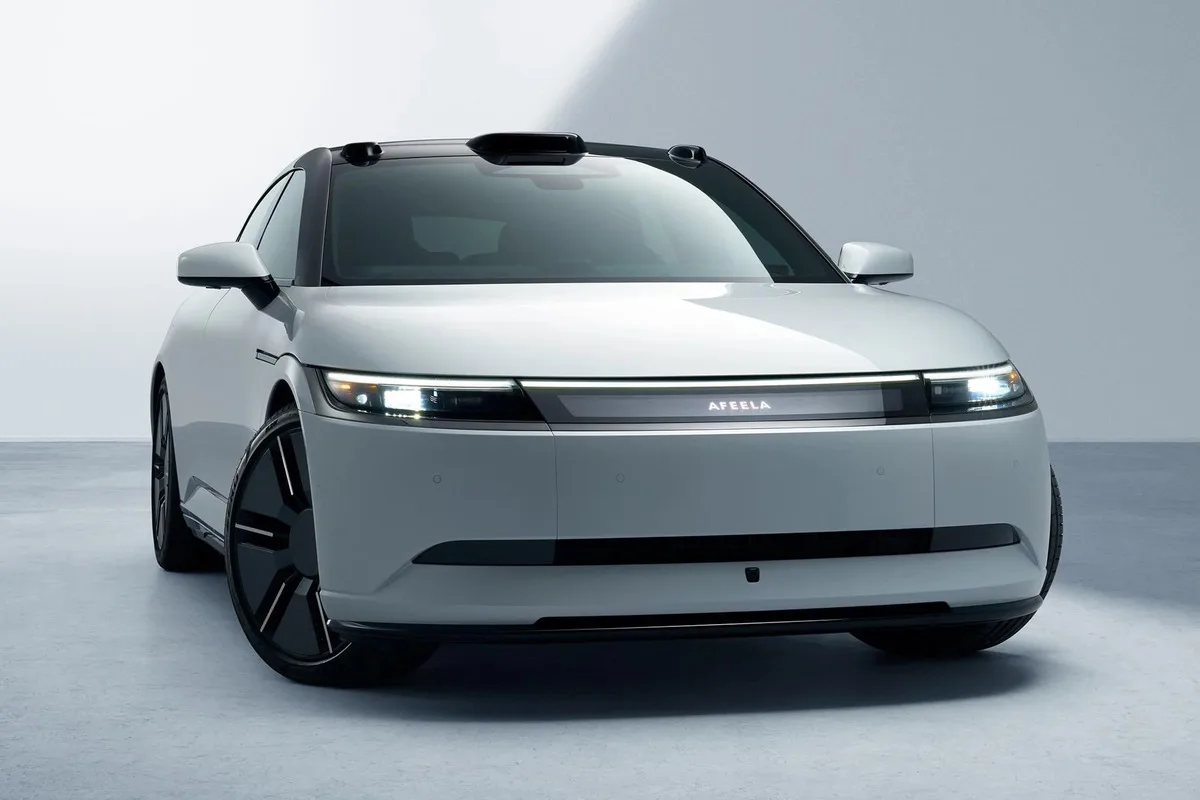
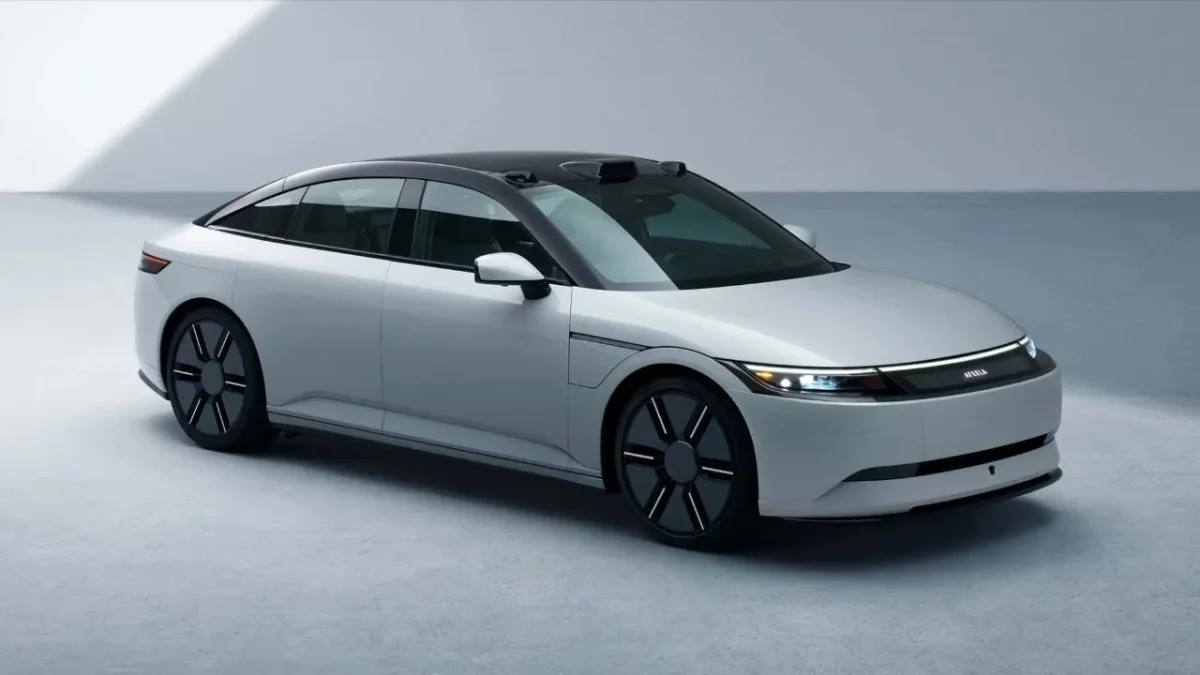
ABOVE: Honda Fastport eQuad delivery vehicle, Sony Honda Afeela 1 exterior for context on Honda’s broader EV strategy
What Exactly Is This Thing?
Fastport is Honda’s B2B business unit dedicated to micromobility solutions. They established it in 2023, presumably after someone at headquarters watched too many YouTube videos of Amazon drivers sprinting between apartment buildings and thought: we can fix this.
The eQuad is designed to replace traditional delivery vans in dense urban environments. It is engineered specifically for bike-lane use, which is either brilliant forward-thinking or a magnificent way to get yelled at by cyclists. Local regulations may vary. Honda is very clear about this footnote, which suggests their legal team has already envisioned the inevitable confrontations.
At its core, the eQuad runs on a pedal-by-wire assist system. The driver pedals, the electric motor assists, and somehow the whole contraption moves forward carrying parcels and whatever dignity the operator has managed to retain. Power comes from swappable Honda Mobile Power Pack batteries, the same system Honda has been developing for everything from portable generators to electric motorcycles.
The Technology Inside
Honda describes the eQuad as a “software-defined vehicle,” which is corporate speak for “we can update it remotely and you cannot complain.” Regenerative braking captures energy when slowing down. Modular cargo configurations allow operators to customise the storage space for different delivery needs. The enclosed rider cabin protects the operator from weather, which is genuinely thoughtful given how miserable it must be to deliver packages in a New York winter.
The zero-emission powertrain means the eQuad produces no tailpipe emissions. Whether this makes any meaningful difference to urban air quality when most delivery vans are already switching to electric remains to be seen. But Honda gets to say “zero-emission” in press releases, and marketing departments do love their buzzwords.
Why This Matters
Here is the interesting bit buried beneath the corporate enthusiasm: Honda is admitting the traditional delivery van model is broken. Dense urban areas are choking on traffic. Parking is impossible. Fuel costs are climbing. And customers want their packages delivered faster, which means more vehicles making more trips through the same clogged streets.
The eQuad theoretically solves this by being small enough to use bike lanes, nimble enough to navigate congested areas, and electric enough to satisfy city councils increasingly hostile to combustion engines. Whether delivery companies will actually adopt it depends entirely on the economics, which Honda has not yet revealed.
What we do know is that Fastport is positioning itself as a Fleet-as-a-Service provider. Companies would not buy eQuads outright but rather subscribe to the entire delivery ecosystem, including vehicles, maintenance, software, and presumably the therapy sessions required when your drivers report being laughed at by pedestrians.
The Competition Problem
Amazon is building its own electric delivery network. FedEx and UPS have massive EV commitments. Rivian has delivered thousands of electric delivery vans specifically designed for Amazon. Against this field of serious commercial EVs, Honda arrives with something that looks like it escaped from a children’s museum exhibit about the future of cities.
That said, the eQuad occupies a different space entirely. It is not competing with delivery vans but with cargo bikes, electric trikes, and the desperate hope that someone will invent a teleportation device before the next holiday shopping season. For extremely dense urban cores where vans simply cannot operate efficiently, the eQuad might actually work.
Australia Relevance
Before anyone gets too excited: the eQuad is launching in America first, with no word on international expansion. Australian cities are not nearly as dense as Manhattan, and our bike lane infrastructure remains a patchwork of ambition and neglect. Whether an enclosed delivery quad makes sense for Sydney or Melbourne depends on future regulation, infrastructure investment, and whether Australians are ready to accept their packages from someone pedalling what appears to be a mobility scooter’s cooler cousin.
Honda has been quietly building its electric mobility ecosystem in Australia with the Motocompacto folding scooter and various powersports products. The eQuad would fit into this portfolio, assuming anyone at Honda Australia decides the local market is ready for it.
For now, the Fastport eQuad remains an American curiosity. A glimpse into one possible future of urban delivery. A vehicle so strange it circles back around to being almost endearing.
More Stories
- Sony Honda Afeela Cancelled: $16 Billion EV Disaster
- Soaring Fuel Prices Drive EV Interest Across Australia
Help Support Gay Car Boys Subscribe to our Youtube Channel

Alan Zurvas is the founder and editor of Gay Car Boys, Australia's leading LGBTQI+ automotive publication. Before launching GCB in 2008, Alan's automotive writing was published in SameSame.com.au and the Star Observer. With over 16 years of hands-on car reviewing experience, Alan brings an honest, irreverent voice to every review — championing value and innovation over brand loyalty.
Leave a Reply