The Strait of Hormuz blockade has sent petrol prices into orbit, and suddenly every farmer, grandmother, and Gen Z who can drive are giving electric vehicles thorough once over.
It is remarkable what a war will do to consumer sentiment. While the rest of us were busy complaining about the price of eggs, crude oil has sailed past the $US100 per barrel mark. Some say it could hit $US150, so hasn’t Trump’s disastrous and banal tantrum been fun. At the pump, $3.00 a litre makes you consider never leaving the house again.
Enter the EV, stage left, looking rather smug. I charged last night while I slept. My Polestar 2 was tucked up next to an outlet sucking down sunshine and rainbows.
Farmers Look to the Sun
One farmer is eyeing solar panels and an EV because, “Spending around $100 a year on running the car,” he said.
The logic is difficult to argue with. If you have the land for solar and a vehicle that can charge from it, your running costs drop from painful to pitance. It is the sort of arithmetic that should make even the most committed petrolhead pause, but it won’t. They’ll just bitch louder while we out-giggle them
Chinese Brands Cash In
BYD and GWM, the two Chinese heavyweights dominating the Australian market, are both reporting a significant spike in interest. Paul Ellis from BYD put it simply: electric vehicles always made sense, but rising fuel costs have made the financial benefits impossible to ignore.
The numbers back him up. Electric vehicles accounted for 11.8 per cent of total sales in February, a record monthly market share. The Tesla Model Y and plug-in hybrids both saw growth of more than 20 per cent month-on-month.
Above: Lexus GX550 Review
#LeapmotorC10, #Leapmotor, #ElectricSUV, #AWD, #PerformanceEV

Help Support Gay Car Boys Subscribe to our Youtube Channel by SMASHING THE BUTTON ABOVE


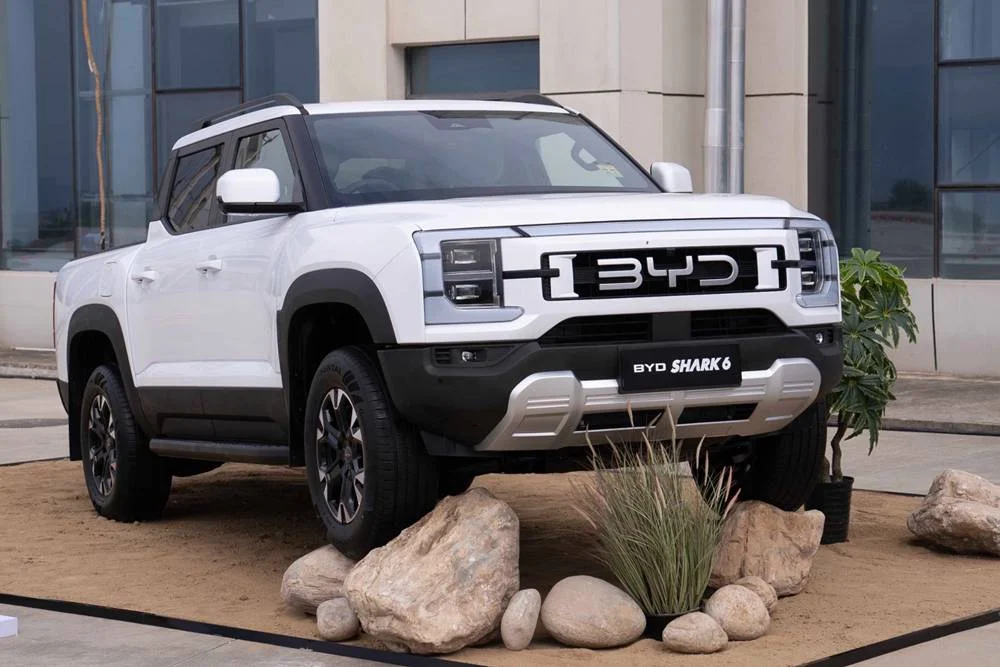


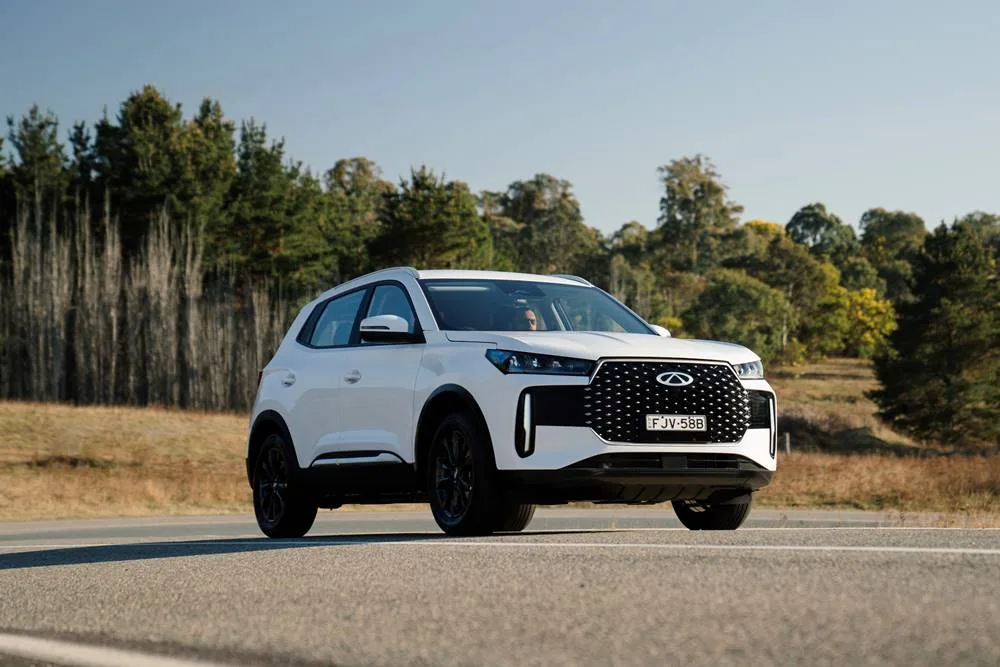
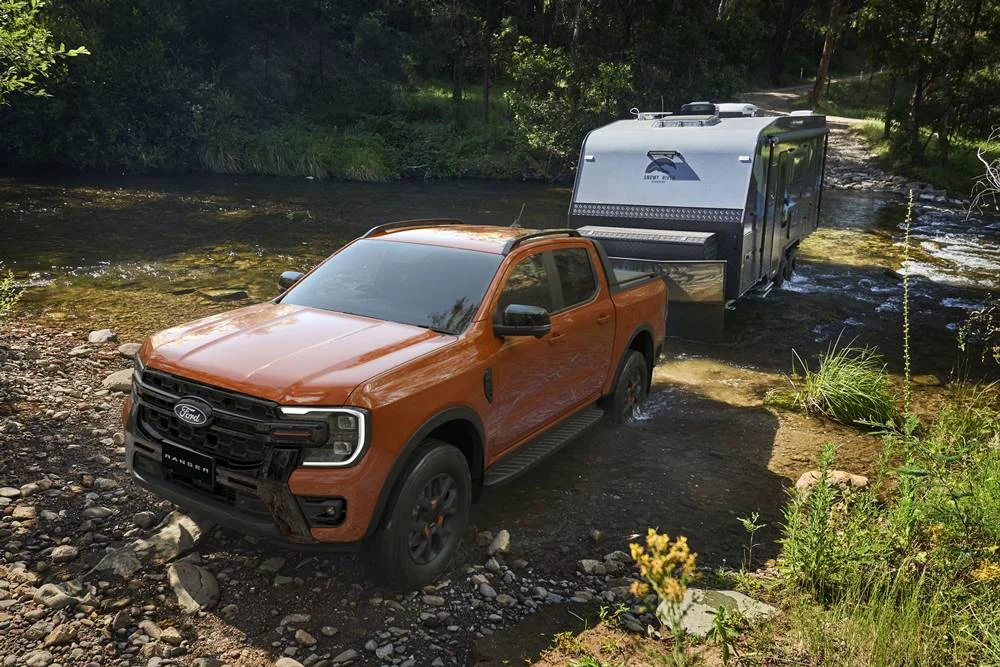

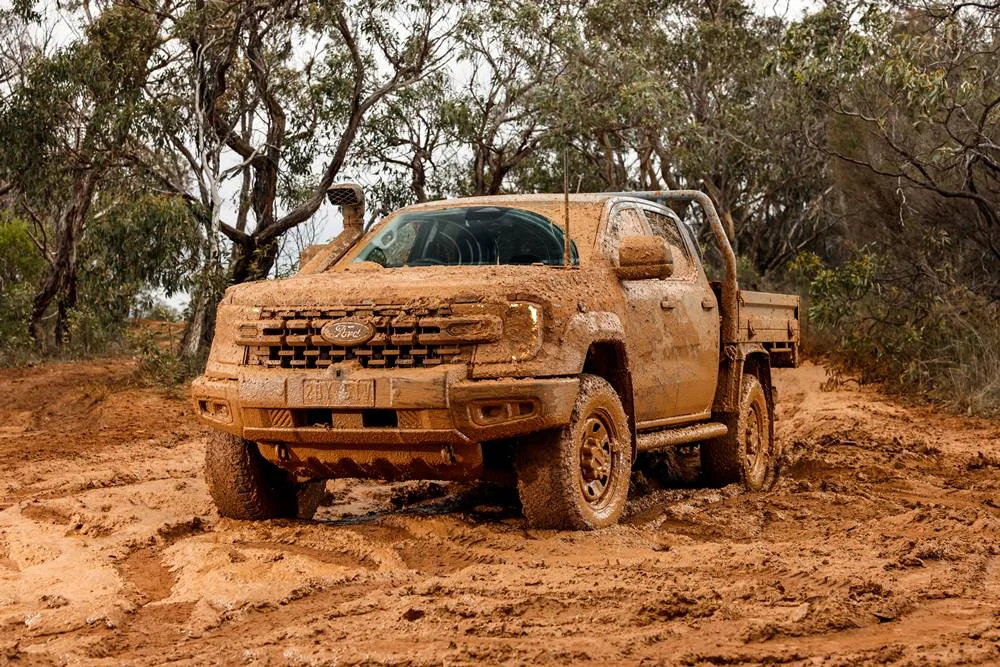
ABOVE: Some of the top 10 vehicles.
Last month, China overtook Japan for the first time as Australia’s largest source of new cars. Six new Chinese brands have launched here in the past two years alone. BYD, GWM, Chery, and MG now all sit in the top ten sellers. Remember, each has displaced a legacy brand too glacial to get out of its own way
The Trust Shift
One buyer said “Considering BYD has been making batteries for years and years, I trusted them”. Other companies don’t have a long history of what they’re creating and whether it’s going to last long, but BYD even has its own ships for delivery of “new energy” vehicles to warmer climbs.
While it might have had a few false starts, the quiet revolution means Chinese brands are no longer the budget option. Once, you settled for them when you cluldn’t afford better. Now, they are the smart choice, backed by battery technology the legacy brands still cannot match. BYD’s new second-generation blade battery can charge from 10 to 70 per cent in five minutes. Five minutes. Let that sink in for a bit. It needs charging not yet in Australia but when it comes those owners will be ready.
A Warning from the Top
Not everyone is rolling out the red carpet. Prime Minister Anthony Albanese has warned new entrants against cutting corners, calling out “unfair practices” by some manufacturers. Oh boo-hoo. That’s MP-speak for “lobbyists want us to protect the old businesses.”
“Companies new to the Australian market also have to meet standards around service, not rely on volume alone,” he said. Well PM, most of those new brands have 8-10 year warranties, and it is the legacy brands struggling to make a service appointment.
It’s true that selling cars is one thing and supporting them is another, but the buyers are voting with their wallets. The Chinese brands that thrive here will be the ones that understand Australians expect their dealer network to be as reliable as their vehicles. Ironic considering the contempt that legacy brands have treated their customers with for decades. Just as people movers like uber disrupted the rotting taxi industry, value Chinese brands and their tech-heavy EVs are beating the oldies at their own game.
Wasn’t it VW that once said the Chinese “make great second hand cars?” Meaning the super-cheap models were not much chop. Yet, who is now on the top 10, and who slipped off it? Yes, you VW. Others who have slipped down the leader’s ladder into the gluggy pit of oblivion are Honda and Subaru. Ford is now outsold by Kia, and BYD is knocking at Hyundai’s back door. Like VW, Mitsubishi and Nissan are in deep financial do-do. So 2026, already a bloodbath, is now dominated by a war that could kamikaze any brand not EV’ing themselves into a frenzy.
But the direction of travel is clear. Fuel prices are punishing, EVs are improving, and the Chinese are eating everyone’s lunch. The petrol pump’s days as a weekly pilgrimage may be numbered.
source – VFACTS and the Electric Vehicle Council
Top 20 Brands — February 2026
| Rank | Brand | Feb 2026 | Feb 2025 | Change | YTD 2026 | YTD 2025 | YTD Change |
| 1 | Toyota | 13,606 | 18,832 | -27.8% | 27,916 | 37,256 | -25.1% |
| 2 | Mazda | 7,042 | 8,797 | -19.9% | 14,734 | 17,119 | -13.9% |
| 3 | Ford | 6,907 | 6,337 | +9.0% | 13,023 | 13,167 | -1.1% |
| 4 | Kia | 6,710 | 6,707 | 0.0% | 13,310 | 12,427 | +7.1% |
| 5 | Hyundai | 6,266 | 5,995 | +4.5% | 12,122 | 11,473 | +5.7% |
| 6 | BYD | 5,323 | 3,281 | +62.2% | 10,324 | 3,956 | +161.0% |
| 7 | Mitsubishi | 4,755 | 6,119 | -22.3% | 9,102 | 11,800 | -22.9% |
| 8 | GWM | 4,689 | 3,753 | +24.9% | 9,198 | 7,186 | +28.0% |
| 9 | Chery | 3,938 | 2,038 | +93.2% | 7,718 | 3,875 | +99.2% |
| 10 | Isuzu Ute | 3,384 | 2,735 | +23.7% | 6,313 | 5,607 | +12.6% |
| 11 | MG | 3,254 | 3,739 | -13.0% | 6,377 | 7,479 | -14.7% |
| 12 | Tesla* | 3,274 | 2,305 | +42.0% | 3,775 | 2,305 | +63.8% |
| 13 | Subaru | 2,656 | 3,511 | -24.4% | 4,992 | 6,435 | -22.4% |
| 14 | Volkswagen | 2,139 | 2,184 | -2.1% | 4,025 | 4,498 | -10.5% |
| 15 | Mercedes-Benz | 1,835 | 1,678 | +9.4% | 3,629 | 3,100 | +17.1% |
| 16 | Nissan | 1,775 | 3,559 | -50.1% | 3,646 | 6,594 | -44.7% |
| 17 | BMW | 1,602 | 1,771 | -9.5% | 3,756 | 3,172 | +18.4% |
| 18 | Honda | 1,445 | 1,218 | +18.6% | 2,667 | 2,478 | +7.6% |
| 19 | LDV | 1,165 | 1,153 | +1.0% | 2,125 | 2,346 | -9.4% |
| 20 | Suzuki | 954 | 1,328 | -28.2% | 1,862 | 2,759 | -32.5% |
Tesla does not report to FCAI. Figures from Electric Vehicle Council.
Top 20 Models — February 2026
| Rank | Model | Feb 2026 | YTD 2026 |
| 1 | Ford Ranger | 4,325 | 7,728 |
| 2 | Toyota HiLux | 3,625 | 6,425 |
| 3 | Tesla Model Y* | 2,791 | 3,079 |
| 4 | Chery Tiggo 4 Pro | 2,315 | 4,549 |
| 5 | Isuzu D-Max | 2,092 | 3,890 |
| 6 | Mazda CX-5 | 2,099 | 4,388 |
| 7 | Mitsubishi Outlander | 2,070 | 4,045 |
| 8 | Hyundai Kona | 2,023 | 3,862 |
| 9 | Mitsubishi Triton | 2,017 | 3,682 |
| 10 | GWM Haval Jolion | 1,804 | 3,593 |
| 11 | Ford Everest | 1,778 | 3,691 |
| 12 | Hyundai Tucson | 1,705 | 3,434 |
| 13 | Kia Sportage | 1,405 | 2,670 |
| 14 | Toyota Corolla | 1,396 | 3,131 |
| 15 | MG ZS | 1,337 | 2,604 |
| 16 | BYD Sealion 7 | 1,327 | 2,498 |
| 17 | Isuzu MU-X | 1,292 | 2,423 |
| 18 | Toyota Prado | 1,273 | 2,665 |
| 19 | Toyota Camry | 1,153 | 2,028 |
| 20 | Mazda CX-3 | 1,110 | 2,328 |
Tesla Model Y figure from Electric Vehicle Council. Tesla Model 3 sold 483 (Feb) / 696 (YTD).
Biggest Winners
Chery (+93.2% Feb, +99.2% YTD) nearly doubled its sales, from 2,038 to 3,938. The Tiggo 4 Pro cracked the top 5 models nationally (top 4 excluding Tesla), outselling the Mazda CX-5 and the Isuzu D-Max. Chery is now the 9th best-selling brand.
BYD (+62.2% Feb, +161.0% YTD) climbed from 3,281 to 5,323 units and is now the 6th best-selling brand, ahead of GWM and closing on Hyundai. Year to date growth of 161% is extraordinary.
Tesla (+42.0% Feb, +63.8% YTD) sold 3,274 vehicles in February (Model Y: 2,791, Model 3: 483). Now the 12th best-selling brand, ahead of Subaru. The Model Y is the 3rd best-selling vehicle in Australia — behind only the Ford Ranger and Toyota HiLux.
Zeekr (+560.6% Feb, +999% YTD) went from 99 to 654 units. Small numbers, but the growth is vertical.
GWM (+24.9% Feb, +28.0% YTD) rose from 3,753 to 4,689. The Ute and Tank range continue to build.
Isuzu Ute (+23.7% Feb, +12.6% YTD) climbed from 2,735 to 3,384. The D-Max remains a tradie favourite.
Biggest Losers
Nissan (-50.1% Feb, -44.7% YTD) halved, from 3,559 to 1,775. The Navara and X-Trail are bleeding to Chinese rivals and Ford. This is a crisis.
Toyota (-27.8% Feb, -25.1% YTD) is still market leader but dropped 5,226 units. From 18,832 to 13,606. Year to date down over 9,000 units. The giant is losing share to Chinese brands.
Suzuki (-28.2% Feb, -32.5% YTD) fell from 1,328 to 954. The Swift and Vitara are being squeezed.
Subaru (-24.4% Feb, -22.4% YTD) dropped from 3,511 to 2,656. The Outback and Forester are losing ground.
Mitsubishi (-22.3% Feb, -22.9% YTD) went from 6,119 to 4,755. The Triton and Outlander are feeling heat from Ford, Isuzu, and Chinese utes.
Jaguar (-91.3% Feb, -91.9% YTD) sold 4 cars in February. Four. YTD total is 7.
The Big Picture
China overtook Japan as Australia’s largest source of new vehicles for the first time. After 28 years of Japanese dominance, February 2026 marks a turning point: 22,362 vehicles from China versus 21,671 from Japan.
Ten new brands have entered since 2020. Six in the past two years. Nine of ten are Chinese.
EVs hit a record 11.8% monthly market share.
The Tesla Model Y is now the 3rd best-selling vehicle in Australia — the best-selling EV and the best-selling passenger car.
Other GayCarBoys ELECTRIC EV Stories:
- The Trouble with Electric Car Charging-Polestar 2
- 2022 Polestar 2 Dual Motor Review
- Polestar 2’s Android Google Operating System Top 10 Tips
- Polestar 2 VS Tesla Model 3
- Polestar 2 Where Its Google OS is Star-Trek-Meets-Car-Trek
- How Much and How Long to Charge My Polestar 2?
- We drive 2019 Jaguar I-Pace SE EV400 Electric car
- 2023 IONIQ5 Epiq VS 2023 Genesis GV70 Electrified IS ONE BETTER?
- 2021 Hyundai IONIQ 5 EV Review
- KIA’s EV6 is Finally Here: What a Cracker! FULL REVIEW
- 2021 KIA Niro EV, PHEV and Hybrid First Drive
- Hyundai NEXO Hydrogen Fuel Cell SUV REVIEW
- Is Hyundai’s Kona EV the Best Electric Car on the Market?t
- Audi E- Tron 50 Review PT 1: EV Myths BUSTED!
- 2021 Audi E-Tron 50 Sportback Review: PT 2 The Drive
- 2019 Jaguar I-Pace SE EV400 Driven and rated in GALSTON GORGE Australia Video Review
- Nissan LEAF 2019: All New EV Powers Your Home VIDEO REVIEW
- Hyundai’s 2019 Electric Ioniq: The cheapest EV In Australia?
- New Nissan Leaf Could Power Your Home for a Week
- Tesla Model 3 Colors and Price
- Charging My tesla Model 3
- Tesla Model 3 Full Review Inside, outside, and Roadtest
- Mini Cooper SE electric
- Karma Starts E-Flex Prototype Testing
- Is Karma Automotive’s New E-Flex Platform a Game Changer
Help Support Gay Car Boys Subscribe to our Youtube Channel

Alan Zurvas is the founder and editor of Gay Car Boys, Australia's leading LGBTQI+ automotive publication. Before launching GCB in 2008, Alan's automotive writing was published in SameSame.com.au and the Star Observer. With over 16 years of hands-on car reviewing experience, Alan brings an honest, irreverent voice to every review — championing value and innovation over brand loyalty.
Leave a Reply