If you want proof that Australia’s car market has changed, look no further than Hyundai’s latest move.
The Korean brand has slashed $8,000 from the price of both the Kona Electric and Ioniq 5 ranges, dramatically repositioning two of its most important electric vehicles. The entry-level Kona Electric now starts at $46,000 before on-road costs, while the larger Ioniq 5 opens at $68,200.
That’s not a minor adjustment; it’s a substantial correction. And it says a lot about where Australia’s new car market is heading.
For years, established manufacturers dictated pricing, comforted by bans on parallel imports and stiff tariffs. After the Coalition government killed the last of the Australian car manufacturing, things changed. But buyers accepted what was on offer because there still weren’t many alternatives. If you wanted an electric vehicle with decent range and modern technology, your choices were limited and often expensive.
Those days are over.
Above: MG QS AWD Essence Value for Money glitchy screen Review
MGQS #MGSUV #FamilySUV #CarReview #SUVReview #MGMotor #SevenSeatSUV #AWD #AustralianCars #CarReviewsAustraliawith

Help Support Gay Car Boys Subscribe to our Youtube Channel by SMASHING THE BUTTON ABOVE


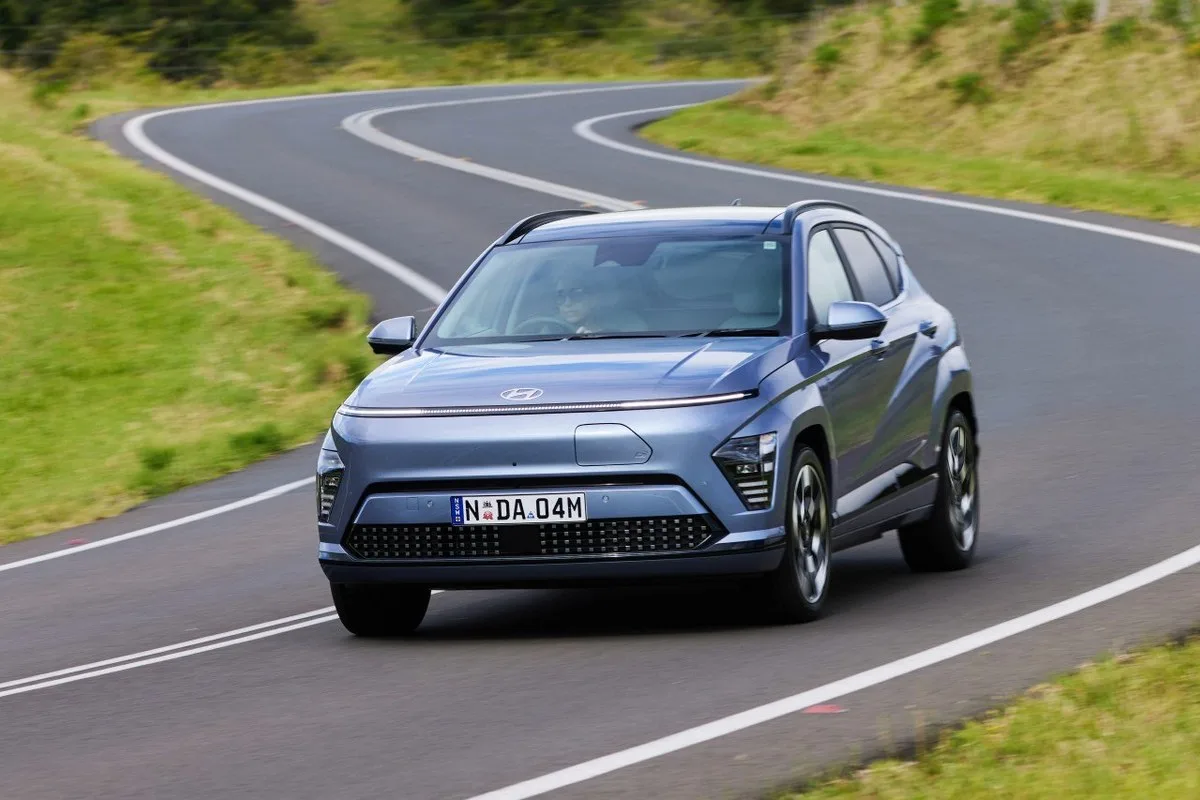

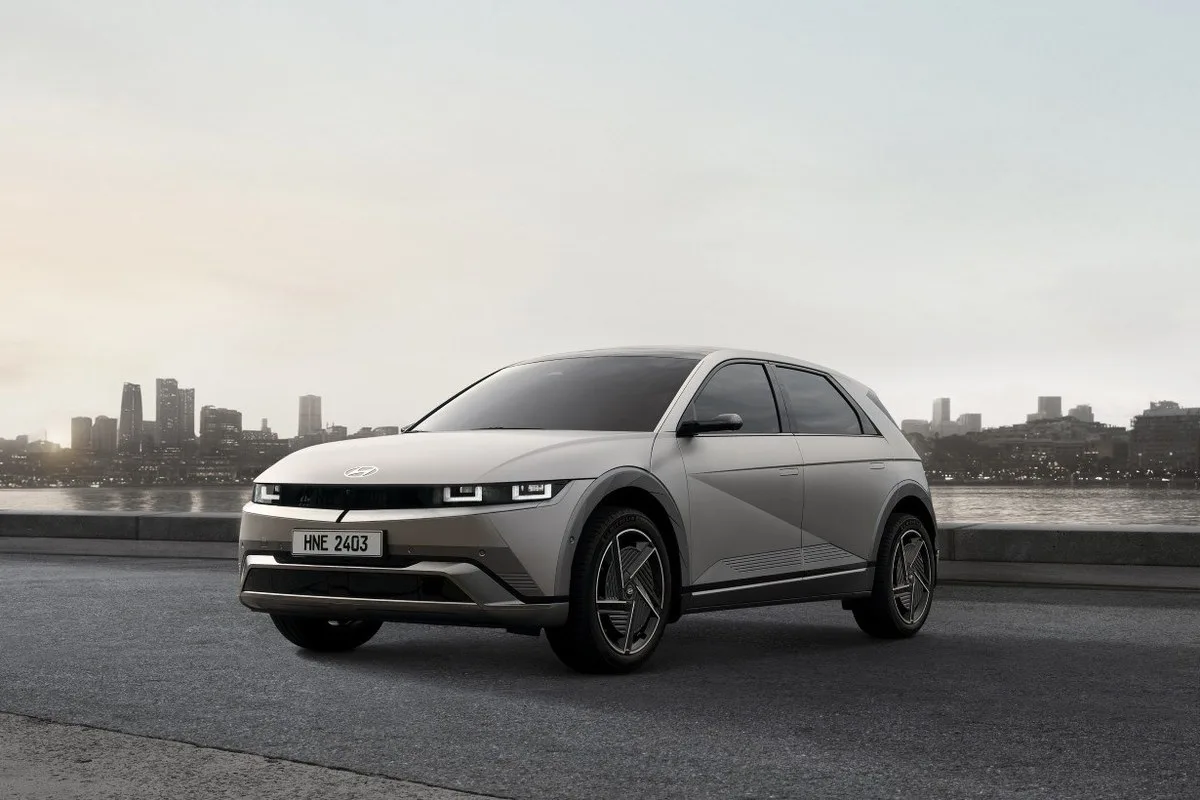

ABOVE: Hyundai Kona Electric and Hyundai Ioniq 5.
The tsunami of Chinese brands is washing over the shores and they’ve completely changed the conversation.
MG started the process by proving Australians would embrace Chinese-built vehicles if the value proposition stacked up. Then came BYD, GWM, Chery, Omoda, Jaecoo, Leapmotor, Deepal and an ever-growing conga line of manufacturers determined to win market share rather than protect margins.
The result has been market ructions unlike anything we’ve seen.
Consumers now have more choice than ever before. A buyer walking into a dealership today can compare products from Korea, Japan, Europe and China, often finding that the Chinese alternative offers more equipment, more technology and a lower price. That pressure is impossible for legacy brands to ignore.
The Hyundai announcement feels less like a routine pricing update and more like an acknowledgement of the new reality. When a Kona Electric suddenly becomes $8,000 cheaper, it isn’t because batteries magically got cheaper overnight. It isn’t because Hyundai woke up one morning feeling generous; it’s because the competitive landscape has changed.
Take a look around the EV market.
BYD has become one of Australia’s fastest-growing brands. The Atto 3 and Seal have found thousands of homes. MG continues to push aggressively with the MG4 and MGS5 EV. GWM is making inroads with hybrids and electric vehicles aplenty. New entrants keep arriving with increasingly sophisticated and well-priced products.
But many of these vehicles aren’t merely competing on price anymore; they’re genuinely good cars. Chinese brands are no longer considered dross you go to because your purse is strained. A decade ago, established manufacturers could often dismiss new challengers as cheap alternatives. One legacy brand now no longer in the Top Ten once told GayCarBoys that “China makes great second-hand cars.” Dear, oh dear. That person is gone, and that brand is shrinking world-wide.
That brings us neatly to today.
Some Chinese vehicles are matching or exceeding rivals for technology, cabin quality and equipment levels while still undercutting them on price. That’s created enormous pressure on the traditional players.Hyundai isn’t alone in responding.
Over the past 18 months we’ve seen multiple brands lower prices, increase equipment levels or introduce sweet finance offers as competition intensifies. Some have quietly added extra features while others repositioned entire model ranges.
The objective is to remain relevant, and by relevant we mean viable.
Consumers haven’t suddenly become exceptionally value-conscious; they always were, but choice was limited. Cost-of-living pressures haven’t disappeared and buyers are scrutinising every shekel they spend. A vehicle that looked reasonably priced two years ago suddenly appears expensive when a rival offers similar or better performance and technology for thousands less.
The EV sector is feeling this pressure more than most. Previously, EV choice was limited to one or two models such as Tesla and Nissan. If you go back to the mid-2010s, Australia’s mainstream EV market was Tesla with the Model S and later the Model 3, and the completely inadequate Nissan Leaf. There were a few fringe players and low-volume imports, but if someone asked “what EV should I buy?” the answer was often “a Leaf or a Tesla.”
Fast forward to 2019.
Things hadn’t changed that much. You could add the Hyundai Kona Electric and later the Hyundai Ioniq Electric, but choice was still very limited. Many models had waiting lists stretching months or even years.
Here in 2026 the situation is almost unrecognisable.
Buyers can choose from everything from an MG4 in the $30,000s to a BYD Seal, Geely EX5, Deepal S07, Zeekr X, Kia EV5 and dozens more.
Hyundai now needs to worry about dozens of Chinese brands offering EVs with huge screens, long warranties and low pricing. Even if some claim the Chinese brands are heavily subsidised, the market has gone from “Can I buy an EV?”, to “Which of these 120 EVs should I buy?”
Now that big shift in a very short period of time is forcing almost every legacy manufacturer to lower prices; they’re also rethinking equipment levels and rejigging entire product strategies. Hyundai’s $8,000 cut looks a lot less surprising when viewed through that lens. Legacy brands have noticed that pricing matters and is frequently the way a buyer will start their search.
What’s surprising is that electric vehicles remain a developing market in Australia. Manufacturers are still fighting for buyers, still building brand awareness and still trying to convince motorists to make the switch.
An $8,000 reduction is the difference between considering an EV, walking away altogether, or worse still, nipping over to another brand.
Hyundai’s rejig
The revised Kona Electric range now mirrors the petrol and hybrid line-up more closely with the addition of a new Elite grade. Buyers can choose from three trim levels, creating a more familiar showroom experience while broadening the model’s appeal.
Meanwhile, the Ioniq 5 becomes a little more attainable.
Despite being one of the most highly regarded electric vehicles on sale, the Ioniq 5 has often been perceived as expensive, because it is. Bringing the starting price below $70,000 won’t suddenly make it cheap, but it does place it within reach of more buyers.
Hyundai giveth with one hand and taketh away with the other.
Hyundai has trimmed off the equipment list as part of the lowered pricing. Features such as the portable emergency charging cable have disappeared across several models. The heat pump and vehicle-to-load connection have been removed from some Kona Electric grades. That is a daring move given the Chinese brands that caused this market shift will include those cables and heat pumps as standard.
That reflects an industry trend. Manufacturers are increasingly prioritising the features buyers use often, while removing items that add cost but deliver limited perceived value. If that allows them to reduce pricing and remain competitive, many consumers will accept the trade-off. Others may still take a microscope to the spec sheet, or get AI to do it for them.
Ultimately, this story isn’t really about Hyundai.
It’s about what Hyundai’s decision represents. Australia’s car market is undergoing one of the most remarkable transformations in its history. Chinese brands aren’t fringe dwellers any longer, and this shift isn’t limited to Australia.
Some brands will adapt while others may struggle or slide into complete ignominy.
History shows what happens when manufacturers fail to meet the market. Holden spent years relying on brand loyalty while market conditions evolved around it. Buyers wanted something different, and when the market moved, Holden tried to PR-spin their way out of it by saying, “we will never chase price.” By the time GMH noted the writing on the wall, it joined brands like Kodak and Blockbuster in the book of “how not to do business.”
No one is suggesting that Hyundai faces anything remotely similar. In fact, this price reduction demonstrates quite the opposite. Hyundai recognised the shift and responded just as Kia did with its Tasman.
That’s exactly what successful companies do.
The winners over the next decade won’t necessarily be the brands with the longest history or the strongest reputation. They’ll be the manufacturers that deliver what buyers want, at a price buyers will accept. Chinese brands are forcing fence-sitters to choose a position, quickly. For consumers, that’s excellent news. More competition means better value, better equipment and more choice. Hyundai’s latest move confirms that legacy brands are accepting that standing still is no longer an option.
More Stories
Help Support Gay Car Boys Subscribe to our Youtube Channel

Alan Zurvas is the founder and editor of Gay Car Boys, Australia's leading LGBTQI+ automotive publication. Before launching GCB in 2008, Alan's automotive writing was published in SameSame.com.au and the Star Observer. With over 16 years of hands-on car reviewing experience, Alan brings an honest, irreverent voice to every review — championing value and innovation over brand loyalty.
Leave a Reply