Electric cars have spent the last decade proving they can, and will, replace petrol despite the constant knuckle-dragging attacks. The next decade is about proving they can do much more than simply move people from A to B.
Hyundai has just taken a not-unexpected step in that direction, becoming the first OEM in Australia to complete a Vehicle-to-Grid (V2G) discharge using the latest international communication standard, ISO 15118-20. The aim was always to allow the V2G connection opening a new world of possibility for grid stabilisation as well as a nice little earner for owners. This particular milestone was reached using Hyundai’s new IONIQ 9 large electric SUV using a StarCharge Halo 7.4kW bidirectional DC charger.
That might sound like useless gobbledegook, but EVs spend most of their lives parked. Using it as part of mass storage kills off the very last of the limp objections from the BooHoo brigade.
Above: 2026 EV6 GT Superfast 3.5 second to 100 GT EV Review
#KiaEV6GT #EV6GT #KiaAustralia #ElectricCars #EVReview

Help Support Gay Car Boys Subscribe to our Youtube Channel by SMASHING THE BUTTON ABOVE


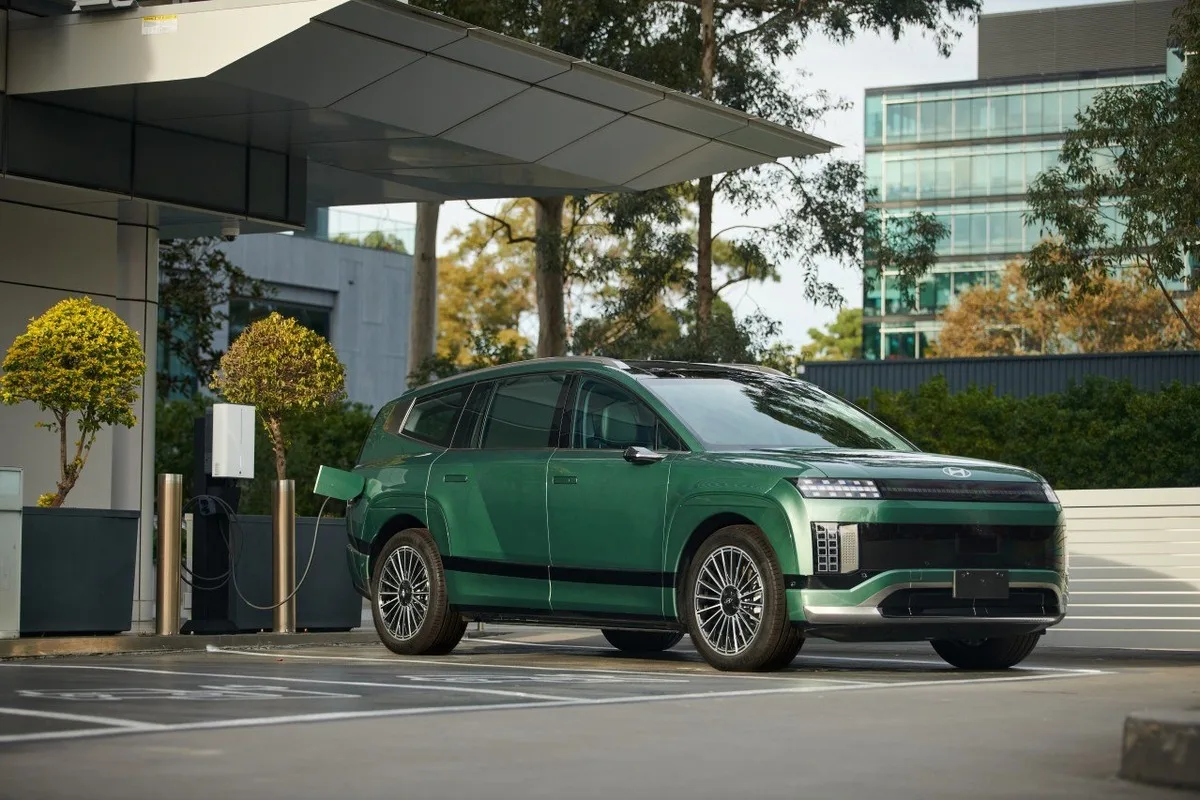
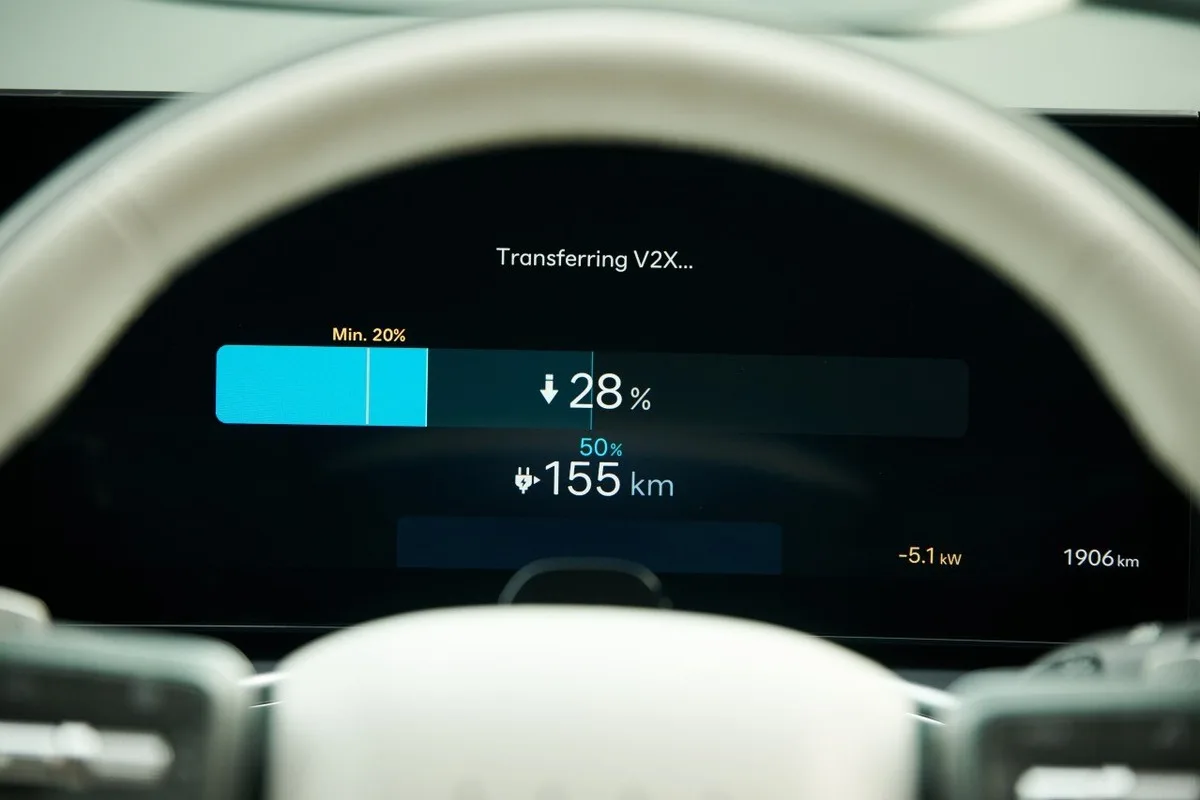
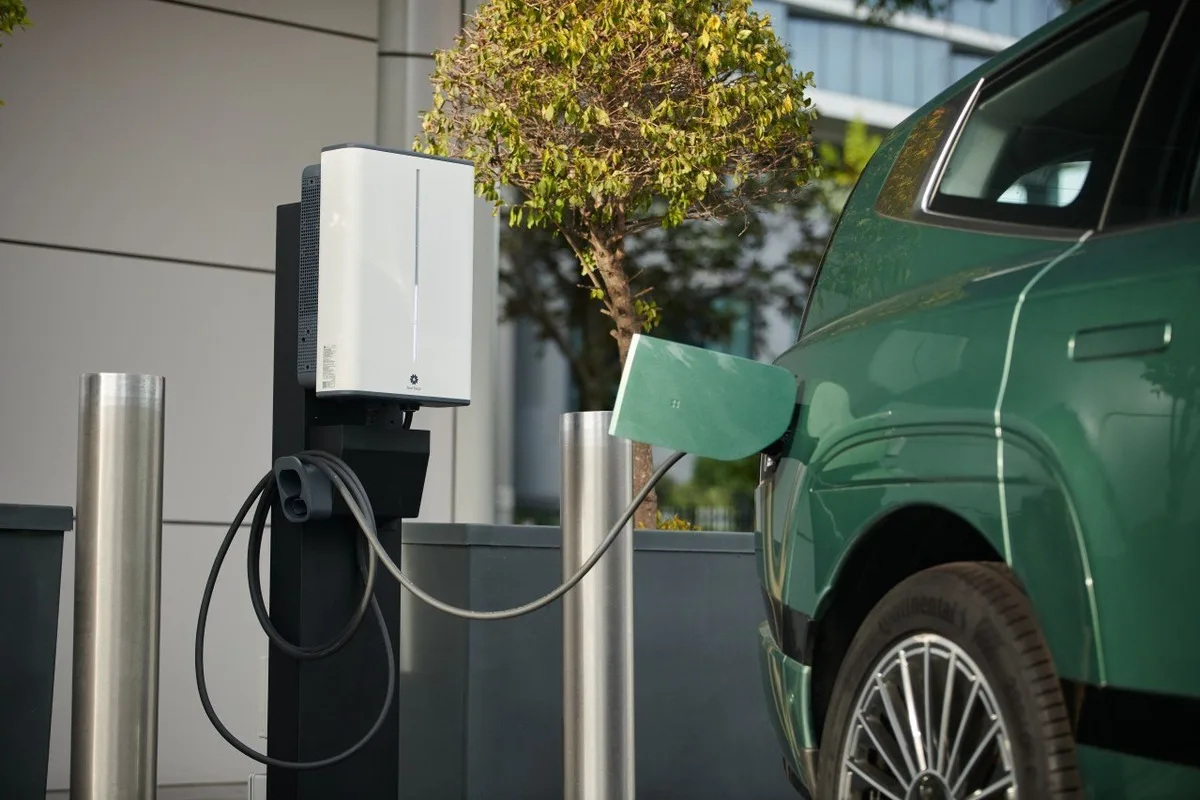
ABOVE: Hyundai IONIQ 9, V2X transfer display, and StarCharge Halo bidirectional charger.
What is V2G exactly? For years, V2G has been talked about as the next step in energy transition from filth and coal dust to energy always on for all. Instead of an electric vehicle merely sucking down power from the grid, it can also send power back. Your car then becomes a big battery on wheels, capable of helping power your home during peak demand periods, supporting the electricity network, or even generating income if energy retailers create the right incentives. You give them a place to park their power in a local microgrid.
The genius idea has been around for years, but widespread adoption has been held back by a few tiny problems. Backward governments who are owned and operated by billionaire shareholders, and the need for everyone to speak the same language. The luddite government was tossed out allowing sensible progress to flourish, but if the USA has shown us nothing else, it is that progress can be quashed as quickly as it was won.
If everyone was of the same mind, adoption would have been done with the speed that climate change warrants.
But the will is no good without the ability, and that’s where ISO 15118-20 enters the fray. The international standard, established by the International Organization for Standardization (ISO) and the International Electrotechnical Commission (IEC), creates a common ideal allowing vehicles, chargers and energy systems to communicate securely and reliably. Without that commonality, every manufacturer risks building its own isolated ecosystem.
Weâve seen it happen time after time, Beta and VHS, Apple VS Android VS Windows, AC vs DC, and the world canât afford to get this wrong this time. It is way too important. Consumers would be left navigating thorny compatibility bombs, software boxing matches and shaky long-term support.
In other words, the world needs a common language, and ISO 15118-20 is it.
The successful discharge involving the Hyundai IONIQ 9 and StarCharge Halo charger proves the technology can work using proper globally recognised protocols rather than a cesspit of custom-built sludge. This lays the groundwork for exponential adoption rather than impotent thoughts and prayers, and we all know how much of a comfort that is.
The charger itself received Clean Energy Council approval earlier this year and complies with Australian electrical standards. More importantly, it supports the bidirectional flow of energy required for both Vehicle-to-Home and Vehicle-to-Grid applications. This really is a joyous moment.
For Hyundai, the choice of vehicle was a planned elevation of its halo model.
The IONIQ 9 is right at the top of Hyundai’s electric range and is built on the company’s Electric Global Modular Platform, better known as E-GMP. The architecture uses 800-volt electrical architecture, giving it some of the fastest charging capabilities currently available in a production EV.
That same architecture also makes bidirectional energy transfer far easier to implement.
While many motorists still focus only on range and charging speed, government and manufacturers increasingly see EV batteries as valuable energy assets. A modern electric vehicle can carry enough stored electricity to keep household systems running for extended periods during outages.
Think about that Utopia for a moment.
Many Australian home owners spend big bucks installing solar panels and stationary home battery systems. An electric vehicle sitting in the garage already contains a substantially larger battery. The ability to squirrel power away makes that resource a, and I hate to use the term, total game changer.
Australia formally adopted national standards covering Vehicle-to-Grid and Vehicle-to-Home technologies in 2024. Since then, energy providers, charging companies and vehicle manufacturers have been battling through the technical and regulatory mine fields needed to turn those standards into real-world solutions.
The result is a growing push towards a more flexible electricity and reliable network. Remember that ludicrous âbaseload powerâ trope trotted out every time renewable power was mentioned in the presences of a luddite? This takes this and kicks it to the kerb.
Rather than relying solely on centralised large-scale generation, future energy grids may draw from millions of distributed batteries spread across homes, businesses and parked vehicles. This could be anywhere, in any parked car as long as it is plugged in.
According to forecasts from the Australian Renewable Energy Agency, as many as 2.6 million Australian households could eventually adopt Vehicle-to-Grid technology by 2040. Imagine if this was rolled out to apartments and units as well.
That would be a profound shift in how electricity is generated, stored and consumed, and a finger in the eye of rancid nay-sayers.
Hyundai’s achievement may look modest on the surface, but it is one of the building blocks needed to make that future possible. The company has already identified several vehicles as candidates for future Australian V2G programmes, including the IONIQ 5, IONIQ 6 and IONIQ 9. Future members of the IONIQ family are also expected to support the technology.
Hyundai Motor Group has been conducting customer-focused V2G projects in Korea, commercial programmes in Europe and Vehicle-to-Home deployments in the United States. The Australian initiative draws on lessons learned from those markets while adapting the technology to local regulations and infrastructure. What makes this announcement stand out is that it focuses on practical implementation rather than theoretical capability.
Many electric vehicles already advertise bidirectional charging. Far fewer have demonstrated compliance with the standards needed for large-scale deployment within Australia’s evolving energy ecosystem.
That distinction will become increasingly important as consumers look for confidence that expensive charging equipment and vehicle technology will continue working together years into the future. For buyers considering an electric vehicle today, Vehicle-to-Grid may still feel like tomorrow’s technology. Yet developments like this suggest tomorrow is arriving faster than expected.
The conversation around EVs is gradually changing. Range anxiety is fading as reality sets in. Fast charging is becoming commonplace and attention is shifting towards how these vehicles can integrate into everyday life beyond mere transport.
The Hyundai IONIQ 9’s successful Vehicle-to-Grid discharge won’t make headlines in the same way as a sports car launch or a record-breaking lap time. Yet it may prove to be one of the more important developments of the year.
After all, a car that powers your home when the lights go out could end up being just as valuable as one that gets you there quickly.
Hyundai is just one brand making EVs and there are around 130 models on sale in Australia. The top selling car last month was an EV, the Tesla Model Y. In the short term Teslaâs recalcitrance to acquiesce to V2G doesnât mean an edict from China or the EU wonât whip it into shape. The world is now changing faster than ever and any brand failing to play nice in the sand box risks getting kicked out of it.
More Electric Car Stories
- Electric Cars, We Aren’t There Yet, What Bollocks
- Soaring Fuel Prices Drive EV Interest Across Australia
- Chinese Brands Charge Up The Leaderboard As Toyota Sales Soften
Help Support Gay Car Boys Subscribe to our Youtube Channel by SMASHING THE BUTTON ABOVE

Alan Zurvas is the founder and editor of Gay Car Boys, Australia's leading LGBTQI+ automotive publication. Before launching GCB in 2008, Alan's automotive writing was published in SameSame.com.au and the Star Observer. With over 16 years of hands-on car reviewing experience, Alan brings an honest, irreverent voice to every review — championing value and innovation over brand loyalty.
Leave a Reply