Mitsubishi Motors Australia isn’t sitting on its hands while the dual-cab segment gets increasingly crowded. The 2026 Triton model year update has arrived, and it isn’t just a handful of new stickers, a price hike, and a prayer. This is a targeted strike at ride quality and connectivity, addressing the two areas where modern ute buyers can be most demanding., and most disappointed. With the introduction of YAMAHA hardware and a full suspension recalibration, the Triton is moving away from its “workhorse-only” roots toward something significantly more sophisticated. They’re read the room, seeing the rise of the lifestyle and leisure buyer who has an eye on the PHEVs that can power their campsites. Triton can’t do that, but it can be made a little less agricultural.
But here is the catch: while Mitsubishi is busy fine-tuning shock valving, the goalposts have been been uprooted and replanted in a different stadium. For decades, the “Big Three”—HiLux, Ranger, and Triton—have held a comfortable monopoly on Australian dirt. Today, that hierarchy is under siege by a wave of Chinese entrants that aren’t just cheaper; they are, in many measurable ways, better to drive. Utes are the top sellers in the country, yet Hilux and Ranger still drive like tractors.
The Suspension Surgery vs. The New Standard
The headline change for 2026 is a comprehensive retuning of the suspension across the entire Triton lineup. Mitsubishi engineers have clearly been listening to feedback regarding the previous model’s stiffness. The front end now features a lower spring rate and redesigned rubber body mounts, paired with “Various Performance Setting” (VPS) valves in the shock absorbers. The rear is still “cattle dray”. Despite claims of upscale, upmarket upgrades, you still get leaf springs and drum brakes. Nothing screams 21st century like 19th century tech. But I digress.
Doing what they can with the front is a clever move. By softening the initial spring rate but increasing the diameter and valving response of the rear shocks, Mitsubishi has managed to dial out the skittishness often found in unladen utes. The GLX and GLX+ models keep their heavy-duty 4-leaf rear setup, while the GLS and GSR move toward a more SUV-like composure. Like all utes, beware of corners and roundabouts if you want to ensure the back of the car doesn’t try to overtake the front.
However, compare this to the new reality of the market. While the Triton is refining leaf springs that came from horse-drawn carriages, the BYD Shark 6 is already prowling the streets with a sophisticated independent rear suspension and a plug-in hybrid (PHEV) powertrain. Its silent glide makes traditional turbo-diesels feel like relics of the industrial revolution that started the whole climate change disaster in the first place. As if anyone needed reminding. The Shark 6 doesn’t just ride “better for a ute”; it rides like a luxury SUV, silently wafting through traffic while the Triton’s 2.4-litre bi-turbo clatters away like a half-full tin can of nails.
Above: Geely Starray and Which Driveline Is Best for You
#GeelyStarray #PHEVReview #GayCarBoys

Help Support Gay Car Boys Subscribe to our Youtube Channel by SMASHING THE BUTTON ABOVE


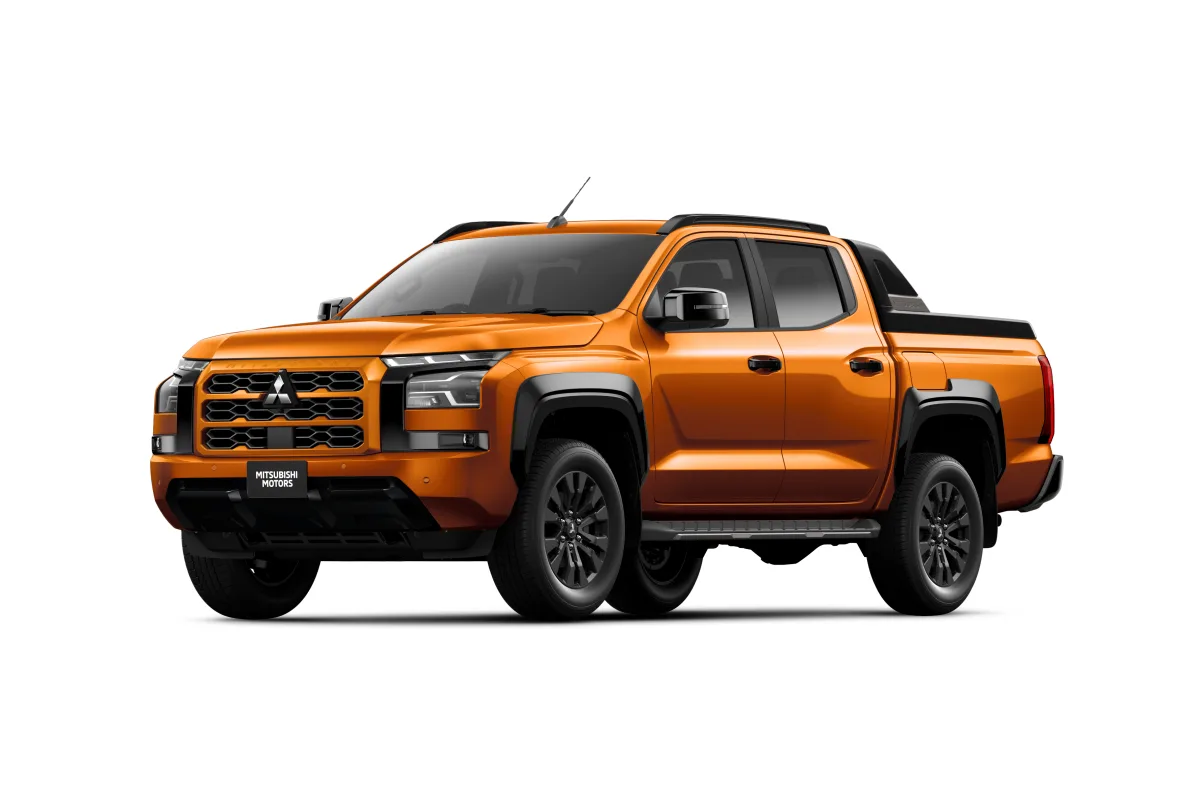
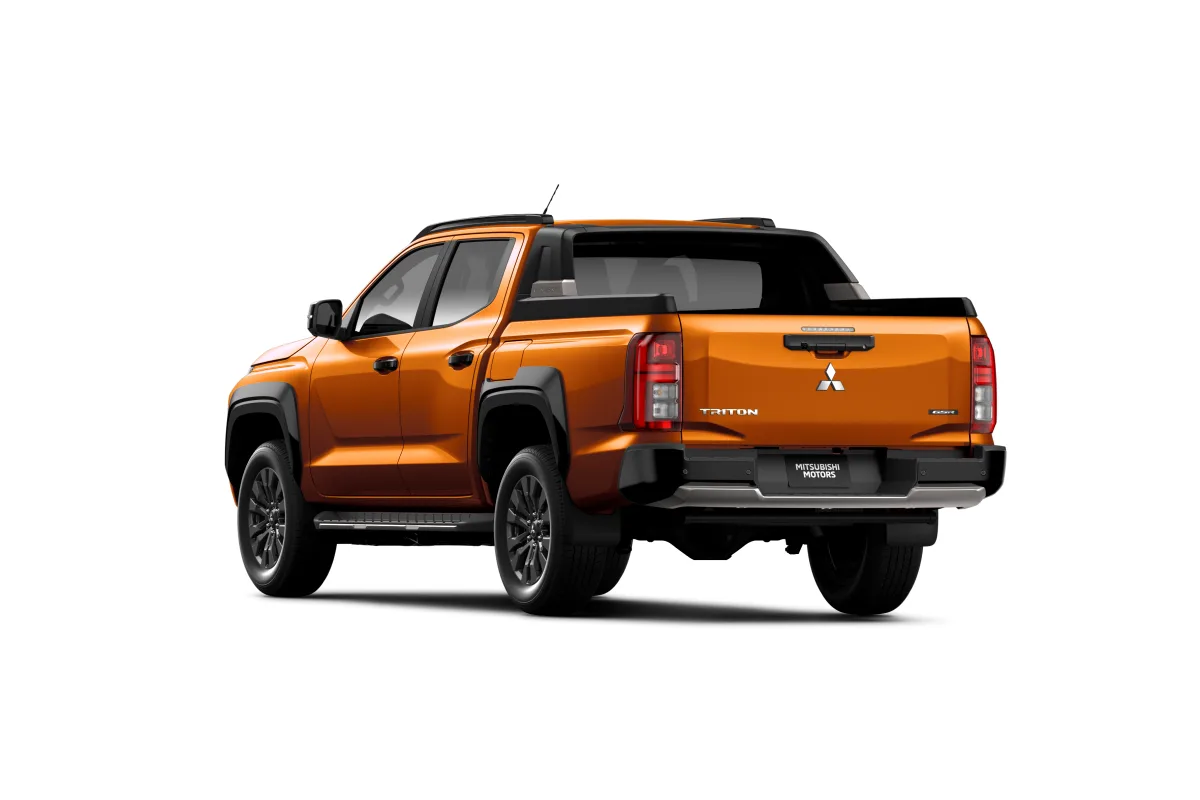
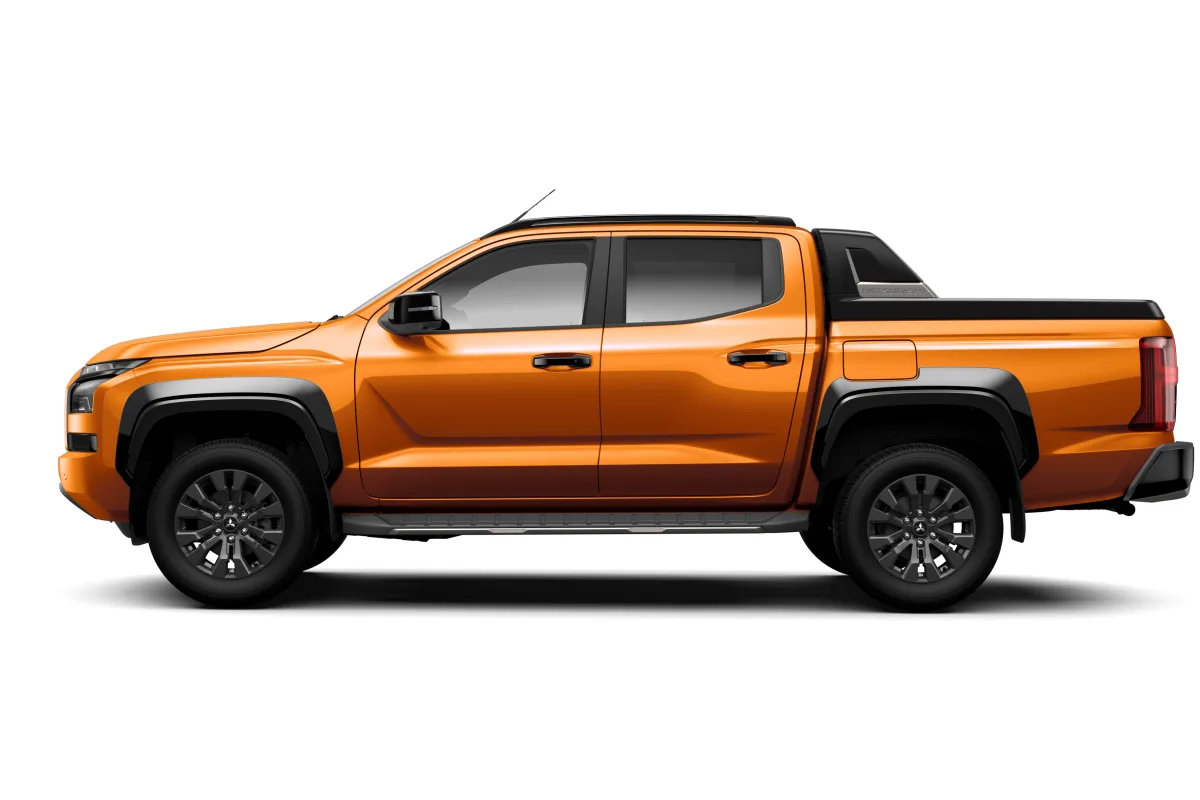
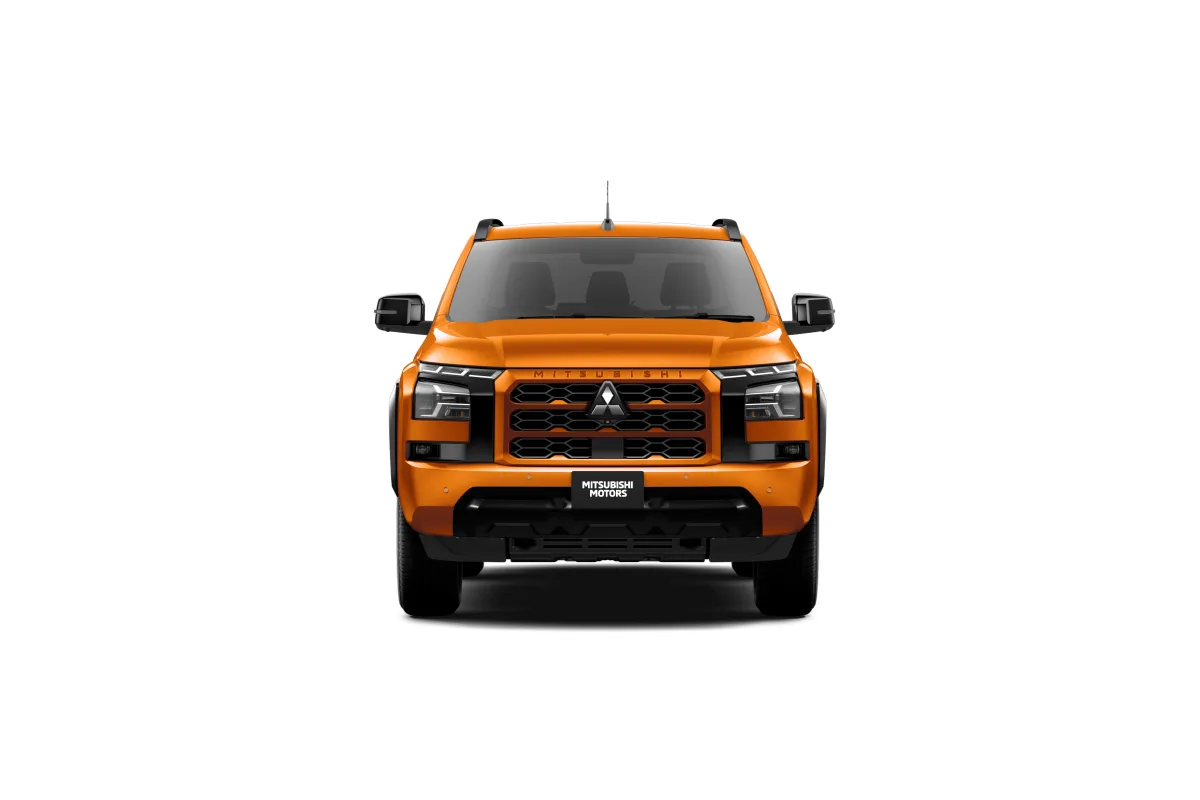
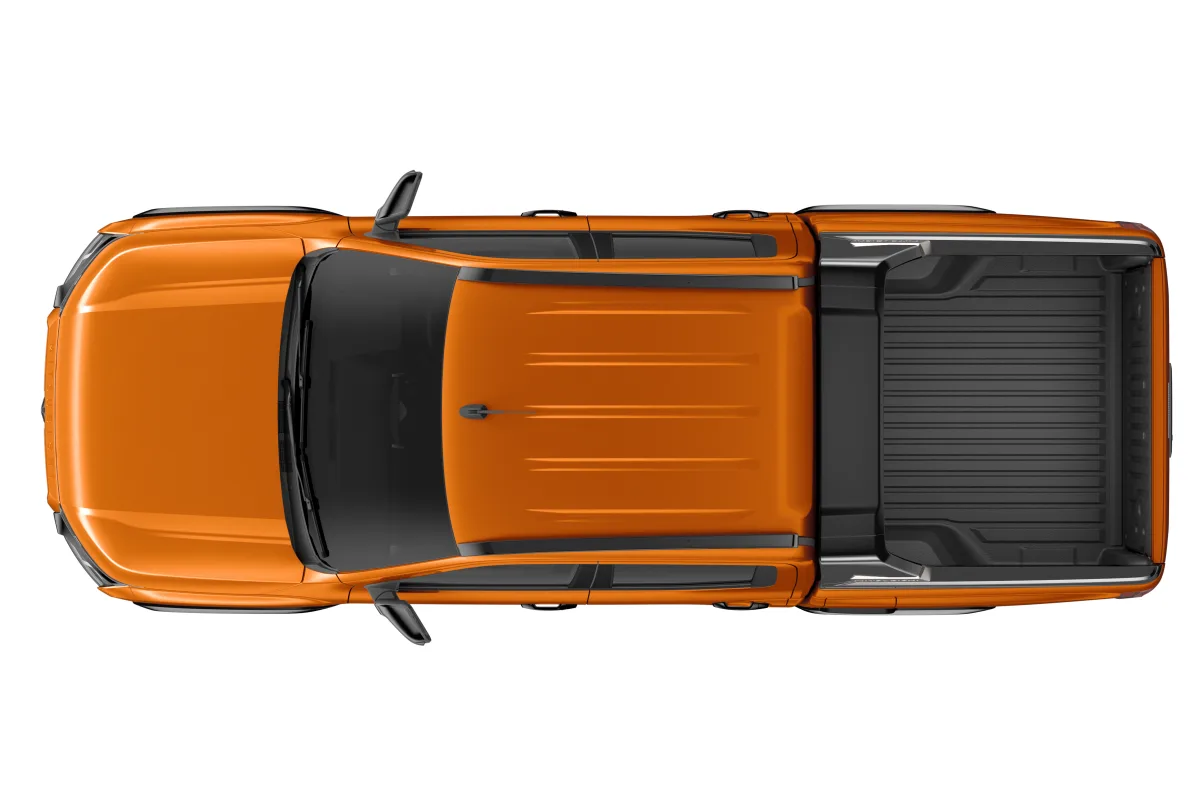
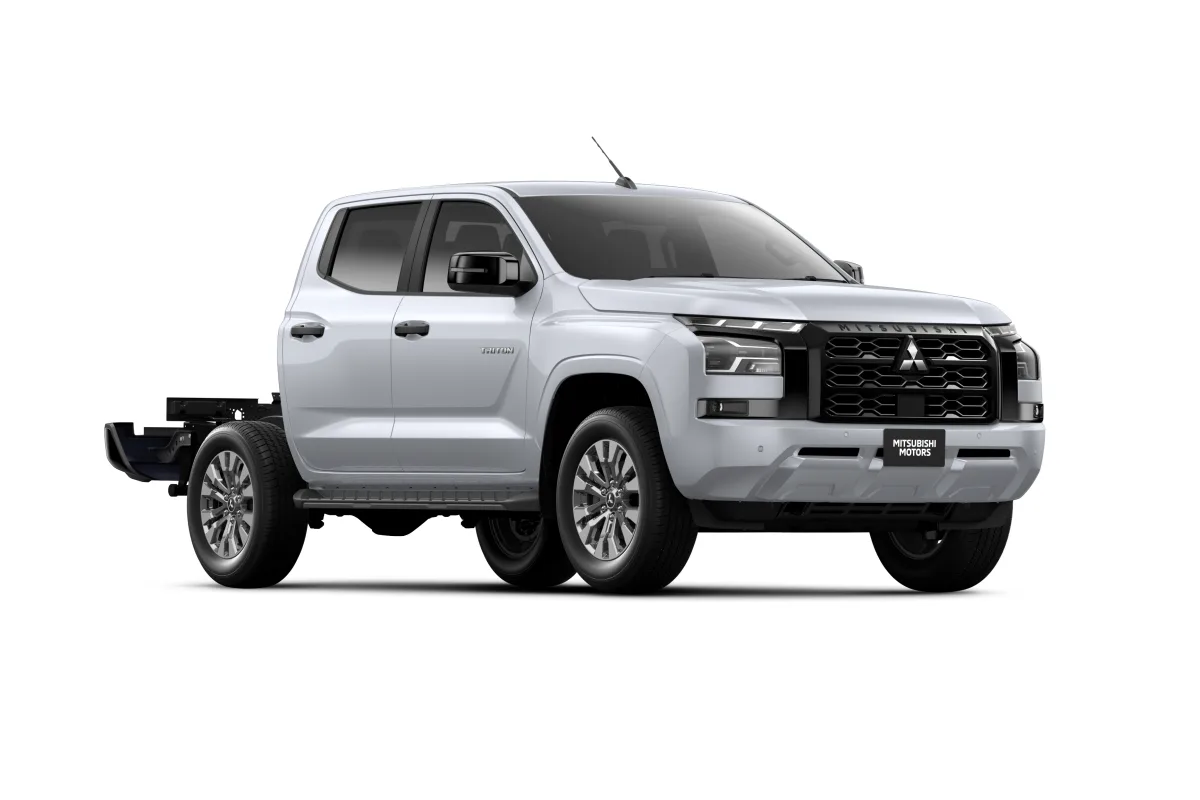
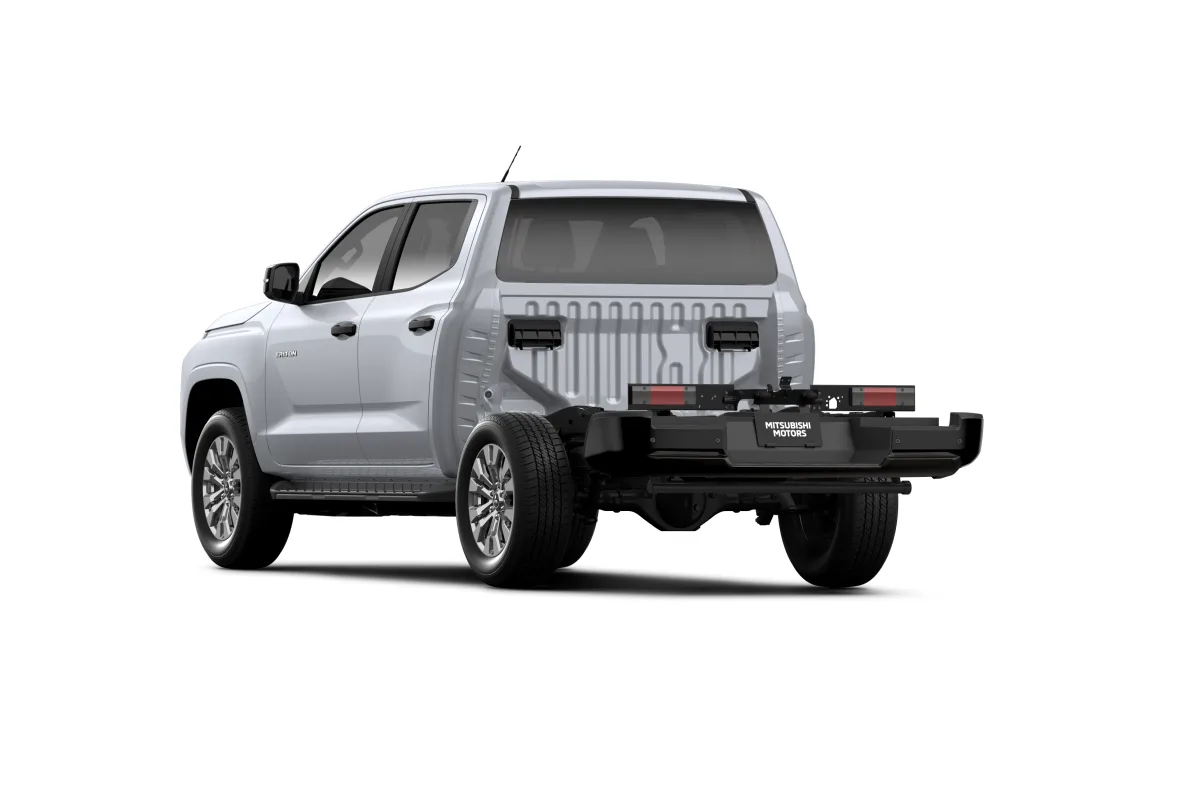
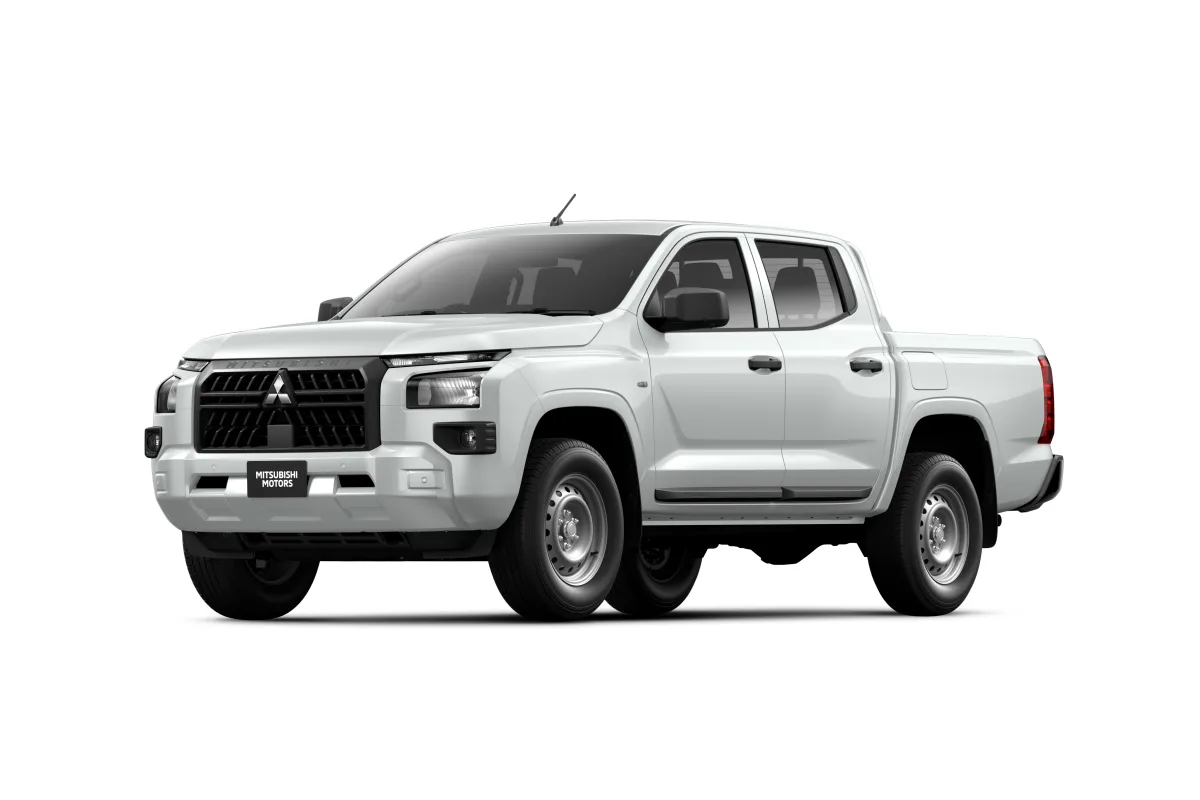
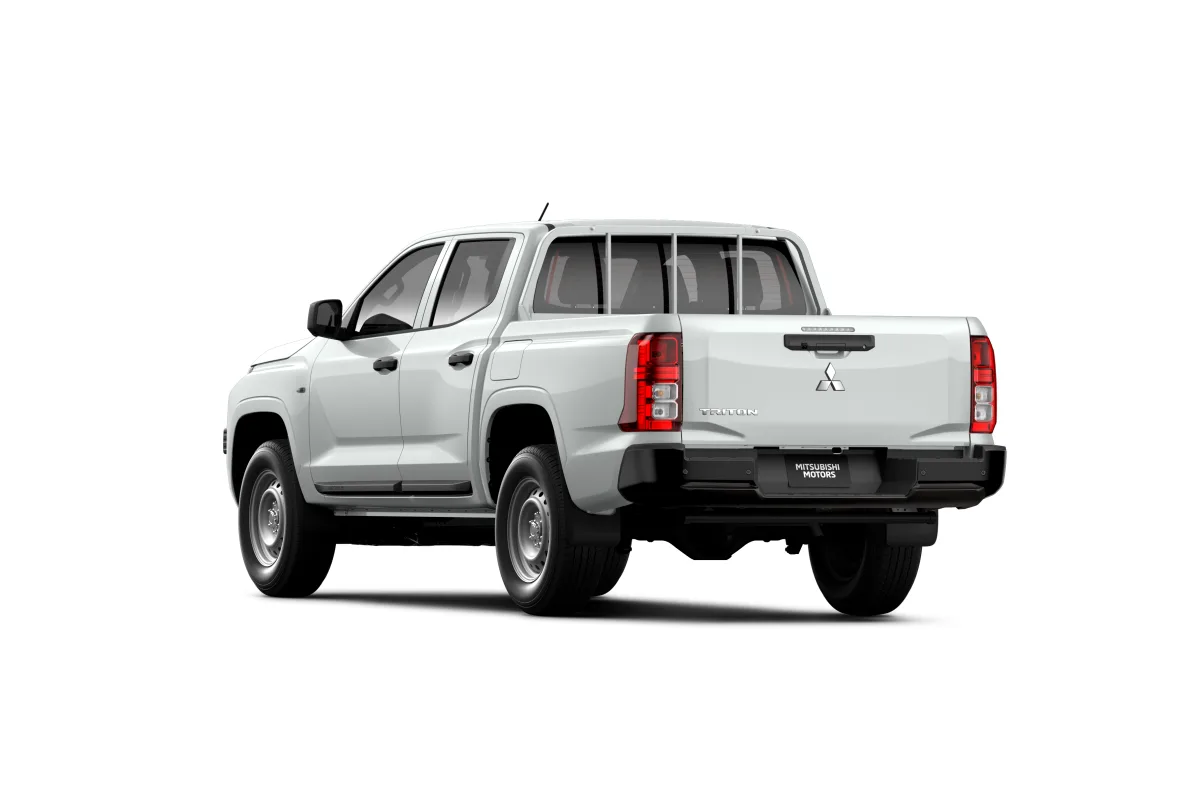
ABOVE: 2026 Triton updates are? #Mitsubishi, #Triton, #2026Triton, #Ute, #4×4
Yamaha Hardware and the Power Gap
The most surprising addition to the 2026 range is the inclusion of YAMAHA Performance Dampers on the top-spec GSR Pick-Up. Two dampers are mounted horizontally across the chassis to absorb micro-vibrations and body flex. It’s a premium touch aimed at reducing fatigue on long corrugated stretches of highway.
It’s a lovely bit of engineering, but is it enough to distract buyers from the raw numbers being put up by the competition? The GWM Cannon Alpha PHEV is currently landing in showrooms with a staggering 300kW and 700Nm. That’s nearly double the Triton’s 150kW. While Mitsubishi is adding dampers to help you feel the road better, GWM is offering a drivetrain that can sip just 1.7L/100km in the right conditions. For the average buyer watching their wallet, a smoother ride via Yamaha tuning is a tough sell against a fuel bill that is slashed.
The Tech and Connectivity Arms Race
MITSUBISHI CONNECT has finally landed on the Triton GSR, bringing 4G connectivity, SOS assistance, and remote app control to the party. It is a necessary update to bring the ute into the modern era, but it feels like catching up rather than leading.
Step inside a Geely or a Leapmotor—brands that are rapidly becoming the go-to choice for those not blinded by legacy badges—and you’re met with 15-inch hyperscreens, 800V charging architectures, and interiors that make the Triton’s “soft padding with orange stitching” look a bit dated. The Chinese manufacturers are treating the ute as a mobile technology hub, while the Japanese and American brands are still treating it as a tool with a screen bolted on as an afterthought. You see, utes are not only used by tradies and campers. Tick-tock!
Can the Old Guard Hang On?
The 2026 Triton range starts at $37,090 for the GLX 4×2, climbing to $65,590 for the fully-loaded GSR 4×4. It’s a solid, dependable package backed by a 10-year warranty, which remains its “ace in the hole.” Reliability and dealer networks are the last bastions for the HiLux and Triton. 10 years the warranty may be, but the 5+5 year contract depends on being hand-cuffed to a Mitsi dealer for the duration.
But the tide is turning. China has now overtaken Japan as Australia’s leading vehicle source. Buyers are realising that the “risk” of a new brand is outweighed by the reward of a cheaper, more powerful, and significantly more economical PHEV drivetrain.
Mitsubishi has made the Triton a much better vehicle for 2026. The suspension is more refined, the tech is more connected, and the Yamaha dampers are a stroke of genius for long-distance touring. But in a world where the BYD Shark and GWM Cannon Alpha are offering more for less, the Triton isn’t just fighting for market share anymore—it’s fighting for relevance. Whether traditional toughness can hold out against next-gen intelligence is the $65,000 question facing every Australian buyer this year.
In facts it is a world-wide phenonium showing all the signs of taking the auto industry in the same direction as every other industry, east.
More Mitsubishi at gaycarboys
- Toyota HiAce and Mitsubishi Outlander Get Five-Star Safe Again
- 2025 Mitsubishi Triton GLS – Brawn, Brains, and Bit Bougie Review
- 2024 Mitsubishi Pajero Sport: Goodbye, So Long, Not Missed – Why?
- New Renault Captur & Mitsubishi ASX. Axed – ASX, Eclipse Cross and PHEV, Pajero Sport
- 2025 Mitsubishi Outlander PHEV Gets Much Needed Updates
- Mitsubishi PHEV Owners Drive Mostly in EV Mode Study Finds
- Mitsubishi Eclipse Cross Black Edition – Highway, the Final Verdict
Help Support Gay Car Boys Subscribe to our Youtube Channel

Alan Zurvas is the founder and editor of Gay Car Boys, Australia's leading LGBTQI+ automotive publication. Before launching GCB in 2008, Alan's automotive writing was published in SameSame.com.au and the Star Observer. With over 16 years of hands-on car reviewing experience, Alan brings an honest, irreverent voice to every review — championing value and innovation over brand loyalty.
Leave a Reply