BMW is 104 years deep into this game and they just proved that history is a launchpad and not a cage. They are tearing the guts out of their legendary Munich headquarters to make room for the future. We are talking about a total pivot. By August 2026 the new BMW i3 which is the spearhead of the Neue Klasse starts rolling off the line. By 2027 this historic site stops burning fossil fuels. It is going full electric. This is not just a renovation and it is a corporate heart transplant.
The Rise of the iFACTORY
The suit in charge Milan Nedeljković calls it the BMW iFACTORY. It is a fancy way of saying they have turned the plant into a giant self thinking machine. They have poured 650 million euros into modernising a facility that is literally trapped in the middle of a city. They did not even stop production to do it. While they were building a new body shop and assembly lines they were still cranking out 1,000 cars a day. This is the industrial equivalent of performing open heart surgery on an athlete while they are running a marathon.
Engineering a Cheaper Electric Future
This isn’t just about sticking batteries into frames. They have gutted the old engine shop and replaced it with high tech assembly zones where 20,000 vehicle features talk to the production system in real time. They are using AI assisted cameras to hunt for paint defects and 800 robots to weld chassis with 98 per cent automation. The technology is staggering and the intent is even more aggressive. They are aiming for a total overhaul of how a premium German car is conceived and constructed.
The best part? They are actually making it cheaper. Peter Weber the plant boss says production costs will drop 10 per cent compared to the current generation. Efficiency is the new horsepower. They have even verticalised the logistics using a multi storey building to fly 2.5 million parts a day directly to workstations via robots. It is a vertical factory for a crowded world. BMW is betting the farm on the Neue Klasse. This isn’t a side project or a compliance car and it is a fundamental shift in the brand’s DNA.
Above: Geely Starray and Which Driveline Is Best for You
#GeelyStarray #PHEVReview #GayCarBoys

Help Support Gay Car Boys Subscribe to our Youtube Channel by SMASHING THE BUTTON ABOVE


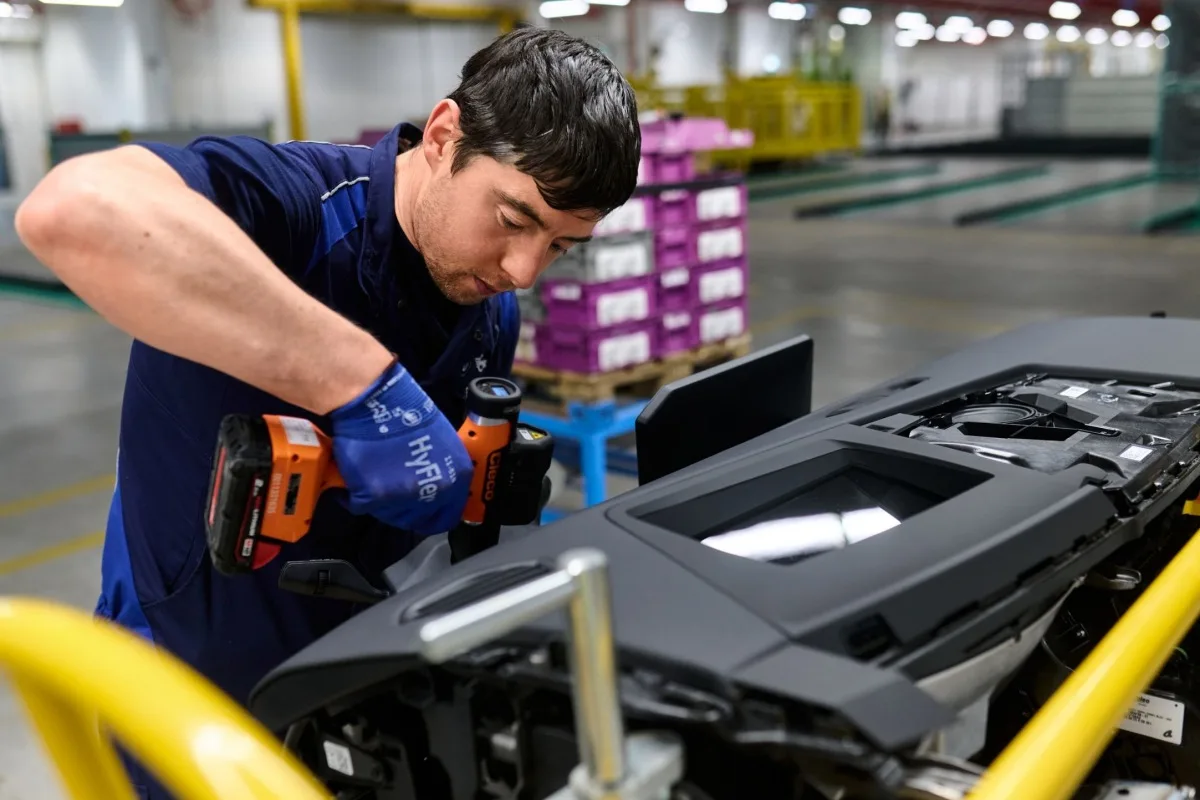
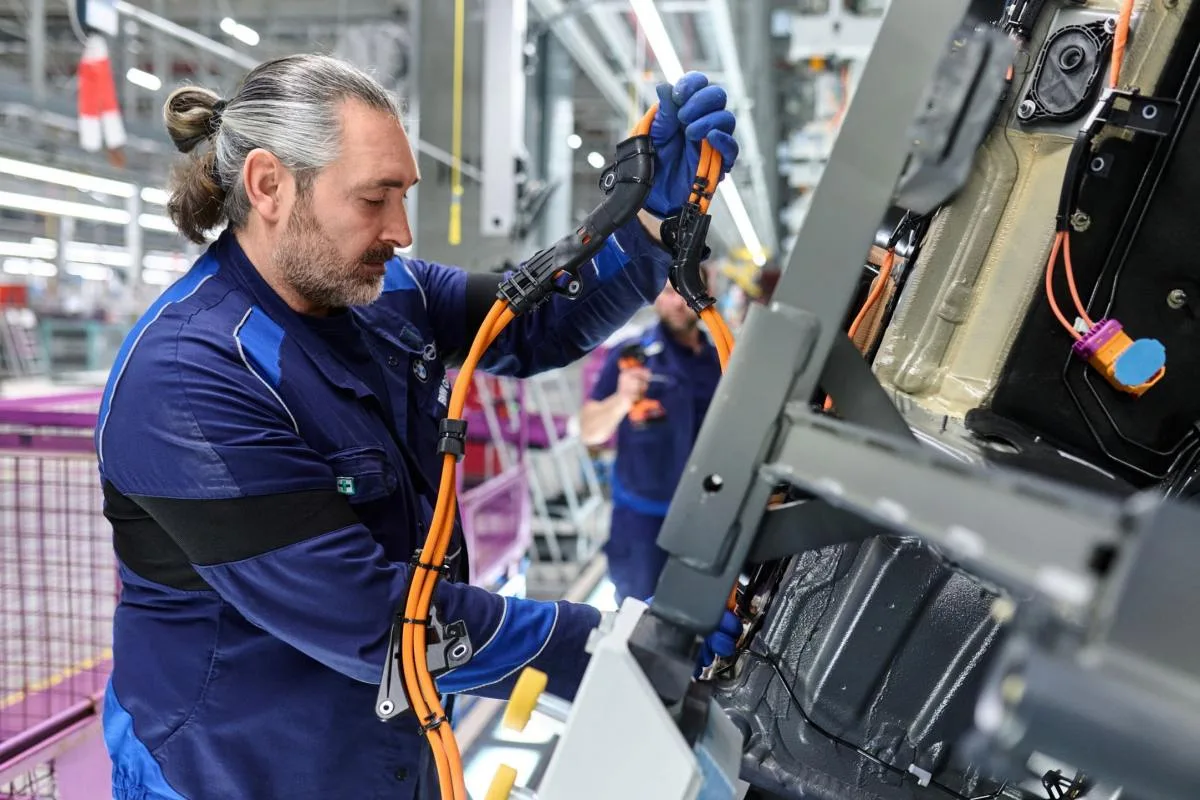
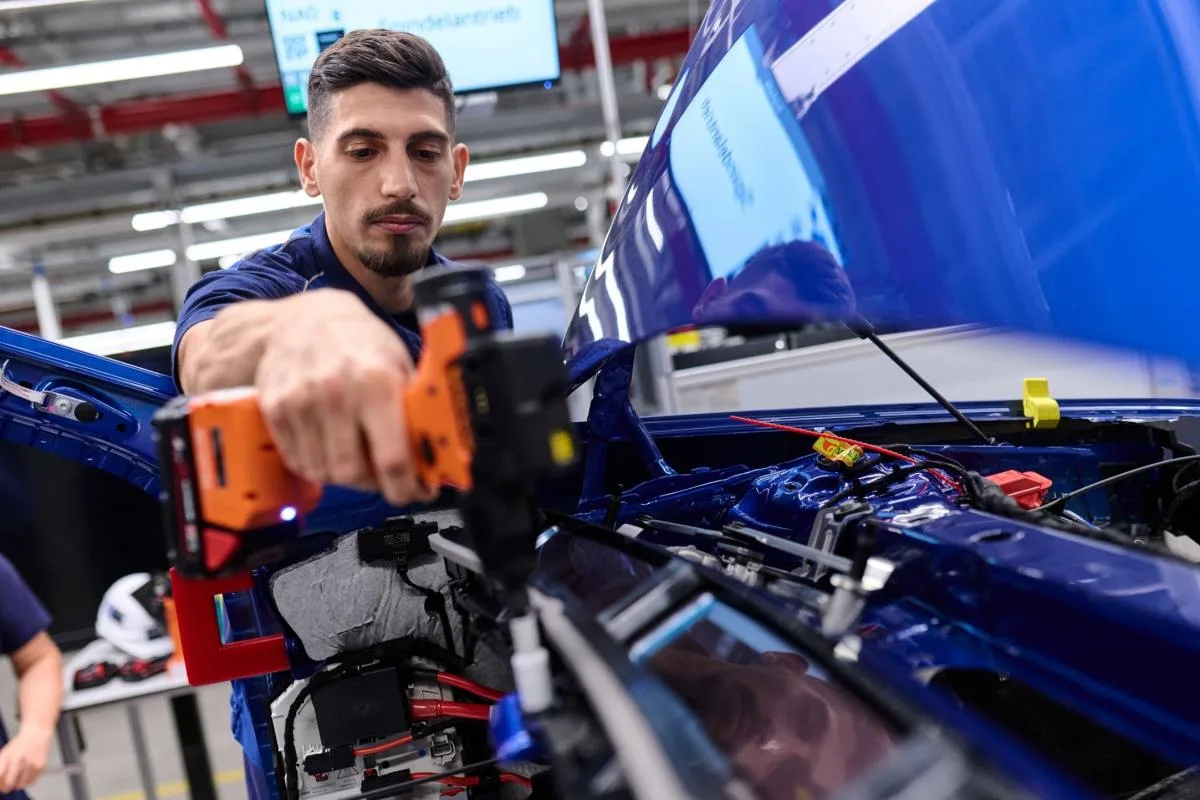

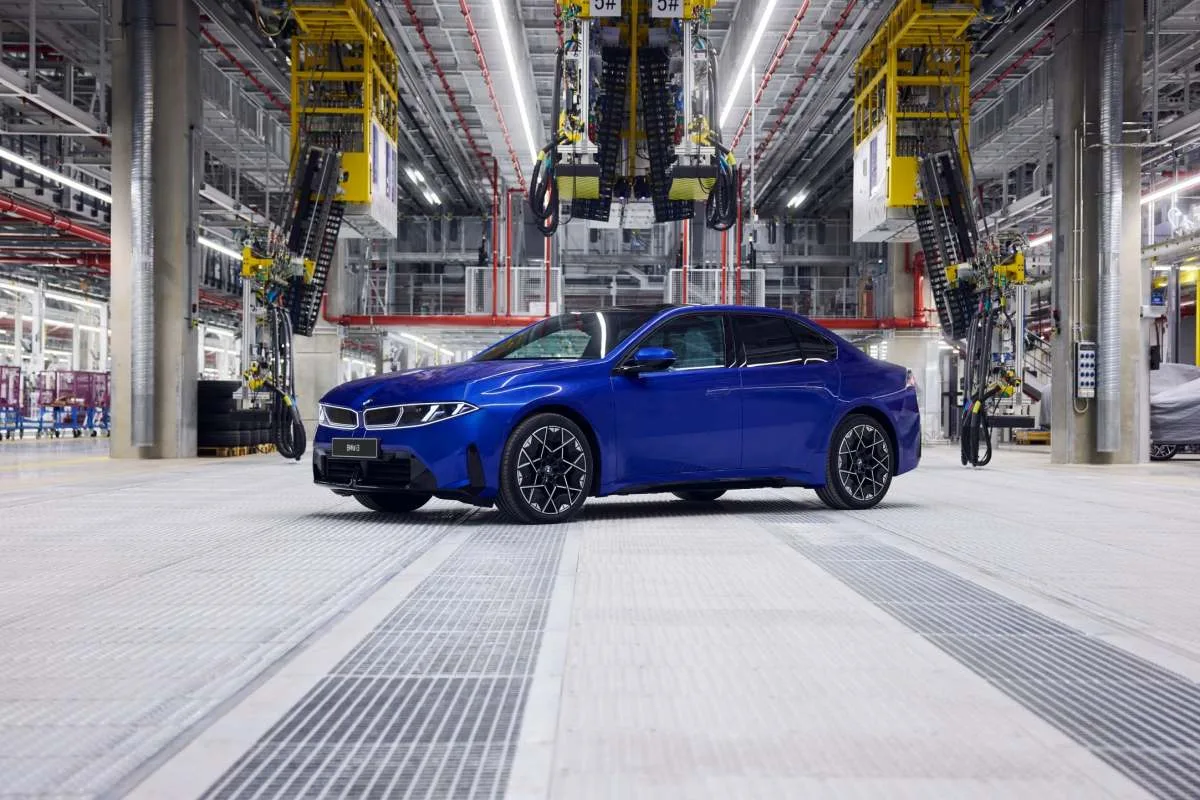
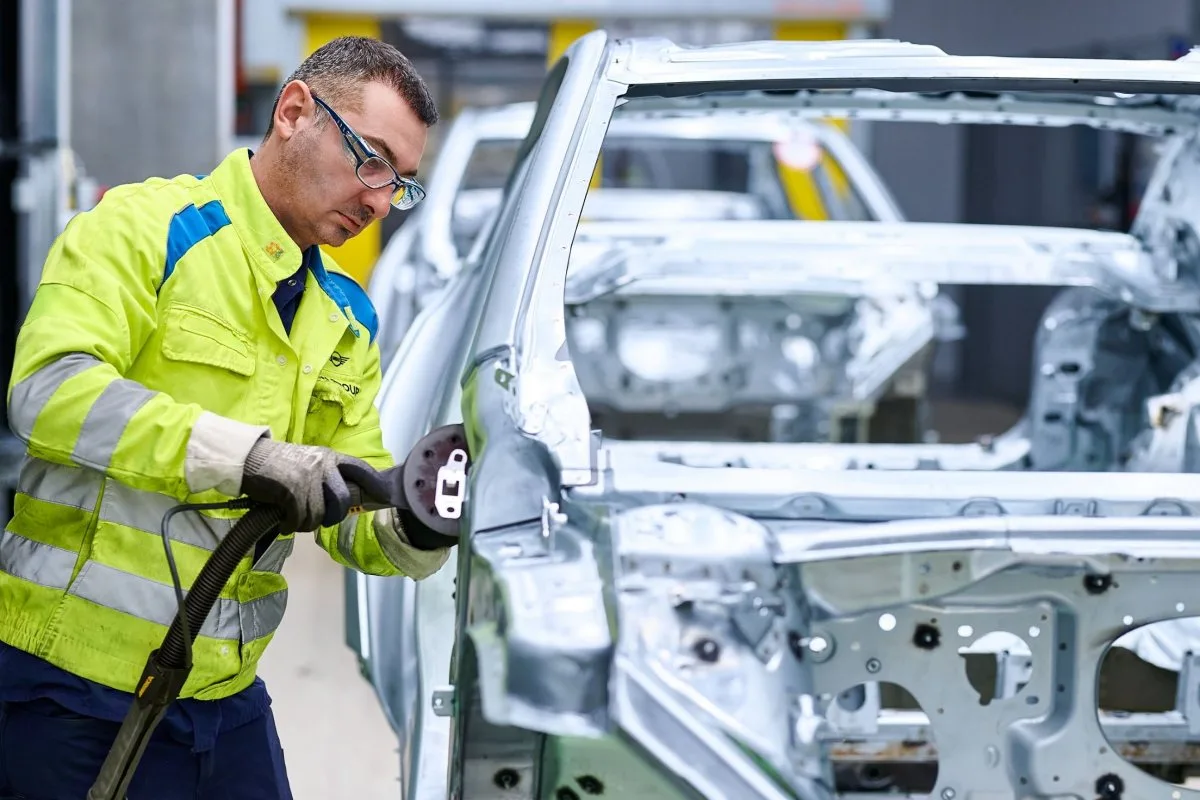
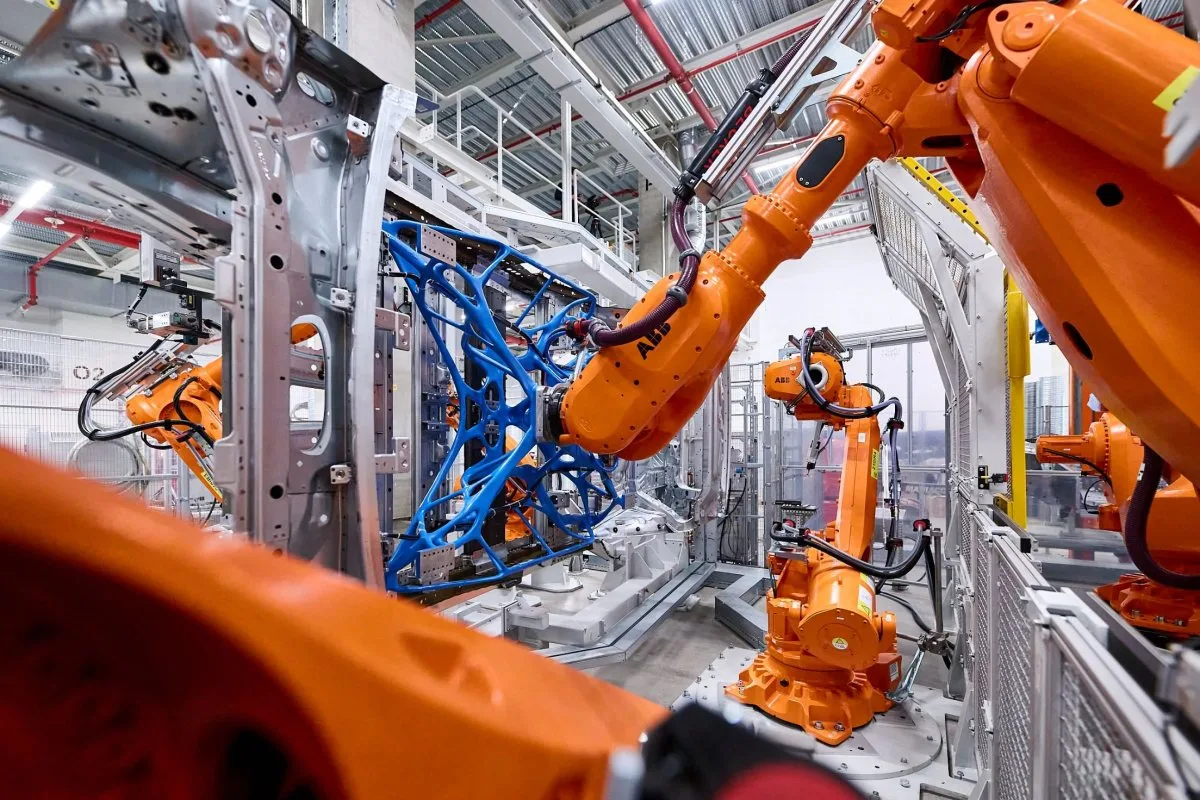
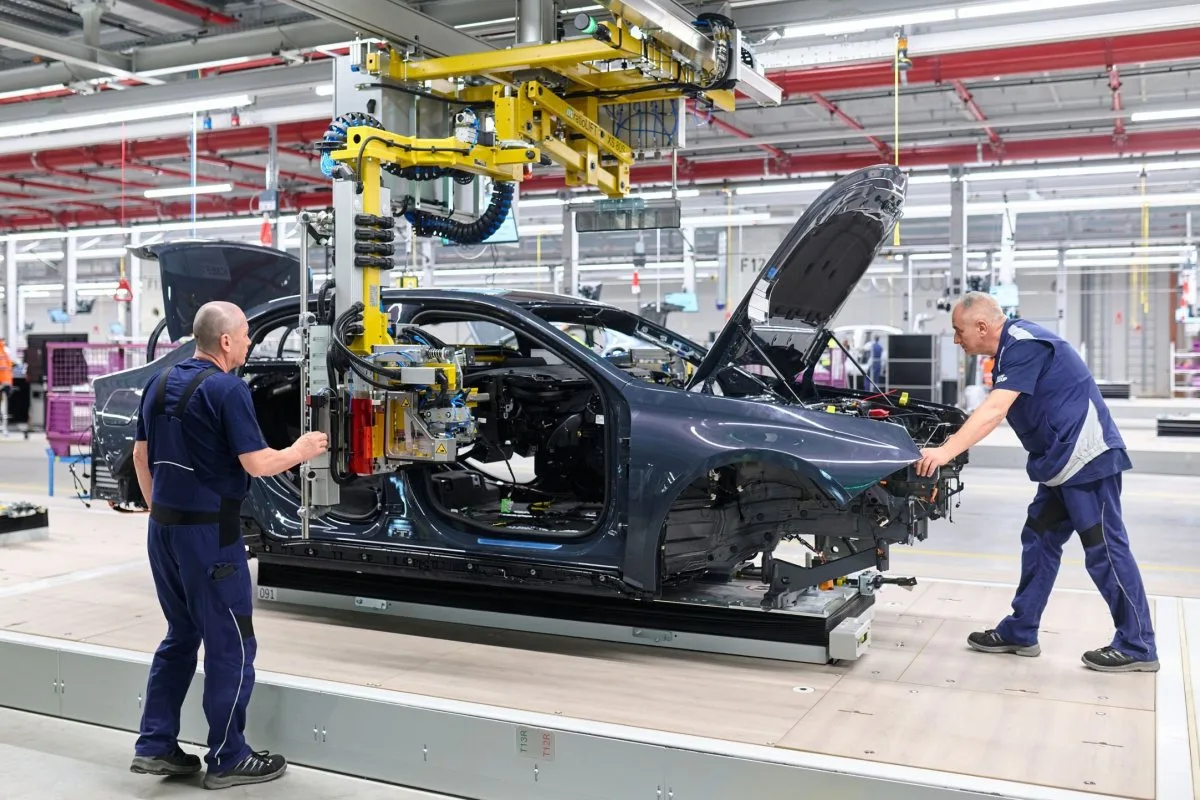
ABOVE: BMW Munich factory’s 650 Million Euro conversion to electric model manufacture
#BMW, #NeueKlasse, #ElectricVehicles, #Munich, #Innovation
A Century of Reinvention in Munich
The Munich plant has been reinventing itself for a century moving from the outskirts of the city to being swallowed by it. Now it is moving from internal combustion to electrons without skipping a beat. The transformation involves a new body shop and state of the art vehicle assembly areas covering a third of the plant’s footprint. They have standardised tools across their global network meaning a robot in Munich speaks the same language as one in China or America. This flexibility is their shield against a volatile global market.
Digital Precision in the Paint Shop
In the paint shop they use AI to detect microscopic deviations. If the computer sees a fleck of dust the system fixes it during the run. They are even using an electrically powered process to purify exhaust air cutting the carbon footprint of the very air the workers breathe. It is a clean room approach to heavy industry. Logistics are the unsung hero here. Moving 2.5 million parts daily in a city centre is a nightmare so they built up. Automated supply systems and smart transport robots handle 60 per cent of the supply tasks. A digital control station manages it all like an air traffic controller for car parts.
The Benchmarks of Interior Quality
Then there is the seat manufacturing. BMW still makes its own seats in house at Munich. It is a plant within a plant acting as a benchmark for quality across the entire group. They deliver seats just in sequence to the assembly line ensuring that every stitch meets the standard before it ever touches a customer’s back. This in house expertise serves as a competence centre for the entire global network. It allows them to test new materials and manufacturing concepts that impact every vehicle they build far beyond the borders of Bavaria.
Local Battery and Motor Integration
The high voltage batteries are coming from Irlbach-Straßkirchen just 90 minutes away. It is a local for local strategy that keeps the supply chain short and the quality high. These Gen6 batteries are the lungs of the new i3 and they are being built with a zero defect approach that uses digital twins to track every single cell. The e-motors are born in Steyr Austria. For 40 years that plant built the engines that made BMW famous. Now they are building rotors and stators and inverters. The housing comes from the Landshut foundry. It is a coordinated pan European effort to ensure that when the i3 launches it isn’t just a car but a statement of intent.
The End of the Fossil Fuel Era
This is the end of the line for the old guard. By 2027 the Munich plant will be a cathedral of electricity. No more petrol and no more diesel and just the hum of high voltage progress. BMW is 104 years young and they are just getting started. The Neue Klasse is coming and it is bringing a 650 million euro sledgehammer with it. Every car tells a story and Munich is writing a thriller. This August when the first i3 rolls off that line the world will see if a century of heritage can survive the shock of the new.
Moving the Goalposts for the Competition
Based on the tech and the scale of the investment the Germans aren’t just playing catch up and they are trying to move the goalposts. The competition is watching. The shift to 100 per cent electric production in 2027 is a bold deadline. Most manufacturers are hedging their bets and keeping old lines open just in case. Not BMW Munich. They are burning the ships. They are betting that by 2027 there will be no looking back. The efficiency gains are the real story for the bean counters. A 10 per cent reduction in production costs while moving to a more complex technology is a miracle of engineering.
Rebirth of a Legend
It proves that the iFACTORY isn’t just a marketing slogan and it is a weapon. They are using AI not to replace the workforce but to augment them giving them height adjustable systems and digital tools that lighten the physical load while increasing the precision. The Munich plant is a symbol. It is the heart of the company. Transforming it while keeping the lights on is the ultimate flex. It tells the world that BMW isn’t afraid of the future and they are building it one robot weld at a time. The Neue Klasse isn’t just a car and it is the rebirth of a legend.
Survival of the Fittest
This transition isn’t without its critics of course. Traditionalists will mourn the loss of the straight six engines that once defined this location. But BMW knows that sentimentality doesn’t pay the bills in a world dominated by battery chemistry and software stacks. The Munich facility is being optimised for a reality where the car is a mobile computer as much as a machine. By integrating every step of the value stream from the press shop’s recycled aluminium coils to the final quality checks on the seats they are tightening their grip on the entire process. This is about total control in an era of disruption.
The Front Line of Revolution
The scale of the 650 million euro investment reflects a company that isn’t just adapting but aggressive. They are leveraging 100 years of manufacturing muscle to crush the startups at their own game. If they can pull off a 10 per cent cost reduction while going green the rest of the industry should be very very nervous. Munich is no longer just a museum of automotive history and it is the front line of the electric revolution. The i3 is the first shot across the bow and it is going to hit hard. BMW is ready for the next century.
Other GayCarBoys BMW Stories
- 2020 BMW M4 Competition Convertible: Sydney Mardi Gras
- BMW X2 M35i xDrive uber hatch review
- BMW X4 30i XDrive 2019 Review and rating
- BMW i8 Roadster launch
- BMW Video Review – X3 30i. Please hit LIKE
- BMW X3 30i X-line VIEDO REVIEW
- 2018 BMW M140i performance manual Video Review
- All-New BMW M3 and M4 Early 2021
Help Support Gay Car Boys Subscribe to our Youtube Channel

Alan Zurvas is the founder and editor of Gay Car Boys, Australia's leading LGBTQI+ automotive publication. Before launching GCB in 2008, Alan's automotive writing was published in SameSame.com.au and the Star Observer. With over 16 years of hands-on car reviewing experience, Alan brings an honest, irreverent voice to every review — championing value and innovation over brand loyalty.
Leave a Reply