EVeresting Challenge Aced by Jaguar I-PACE
What is an EVeresting Challenge?
It is a sequence of events where a number of runs up a steep road simulates Mt Everest at 8,848m
Why is it significant?
It was run at Great Dun Fell, in Cumbria, with 16.2 runs, each “gaining” 547m in altitude. Scotland is known for freezing, wet, moody weather and the climb gained popularity during COVID. Cyclists needed a release, so they created ‘Britain’s Mont Ventoux’ as a nod to the Tour de France Alpine mountain stage.
Ev critics constantly berate EVs for their lack of range and inability to go distance without anxiety. Like ICE vehicles, they require infrastructure to go any great distance. To dispel that notion, EVs are now racing and outperforming their fossil-fuel cousins.
Above: Jaguar’s I-PACE EVeresting Challenge
Above: This Week 2021 Kia Seltos GT Line Video Review

Help Support Gay Car Boys Subscribe to our Youtube Channel
- Top GayCarBoys Stories:
- Sexy Men Drive 2021 Toyota Yaris Cross
- 10 Sexiest MotoGP Motorcycle Riders
- DON’T Drive YOUR CAR until you’ve Checked if your AIRBAG will KILL YOU
- 10 Hottest Racing Drivers
- Top 12 Best Gay Lesbian LGBTI Luxury Cars
- Top 10 Gay Lesbian LGBT Cars
- Top 10 Gay Lesbian LGBT Sports Cars
- Top 15 gay and lesbian LGBT SUVs
- Talented Twinks – Callum Ilott Virtually Races Arthur Leclerc


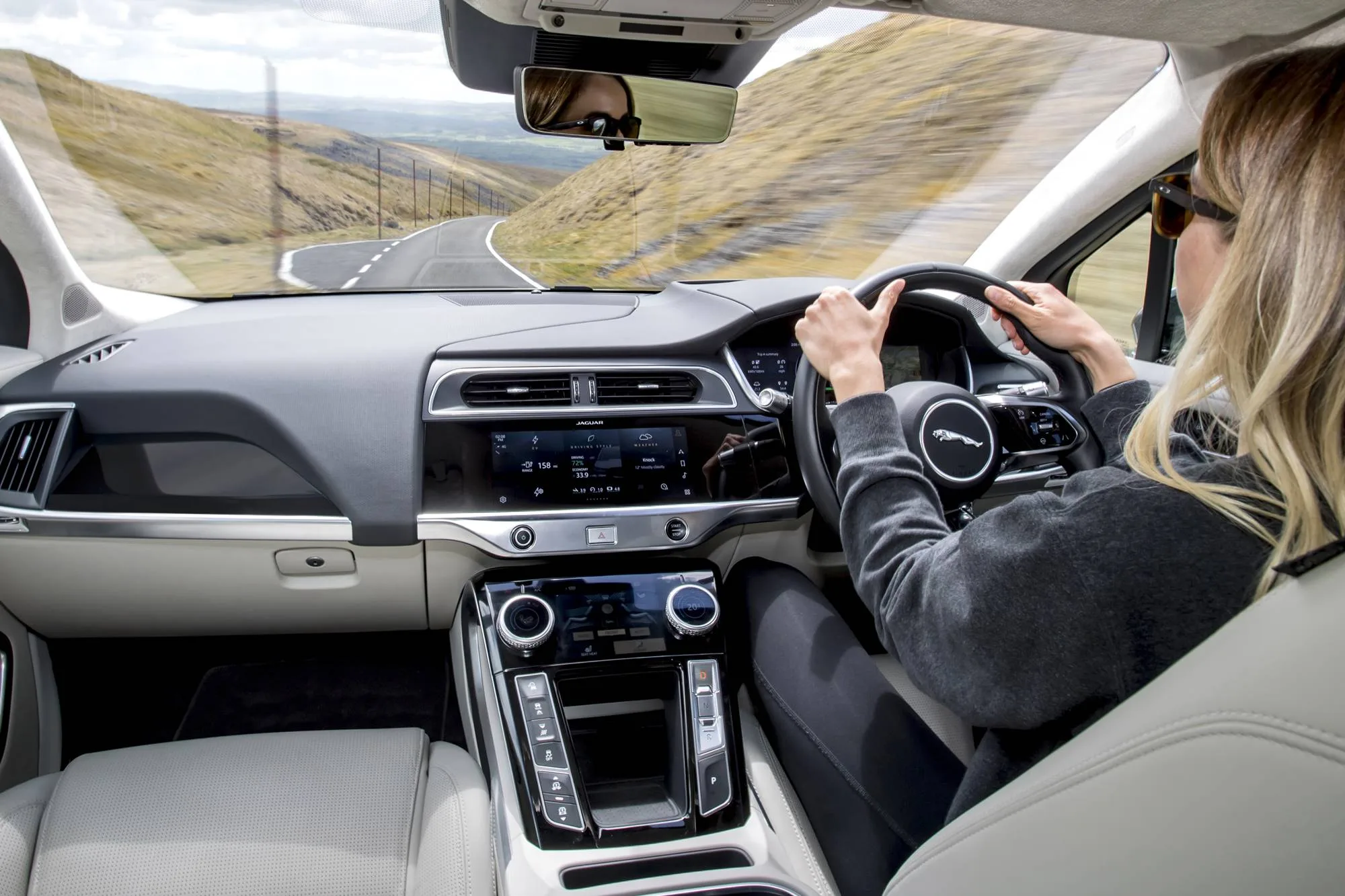
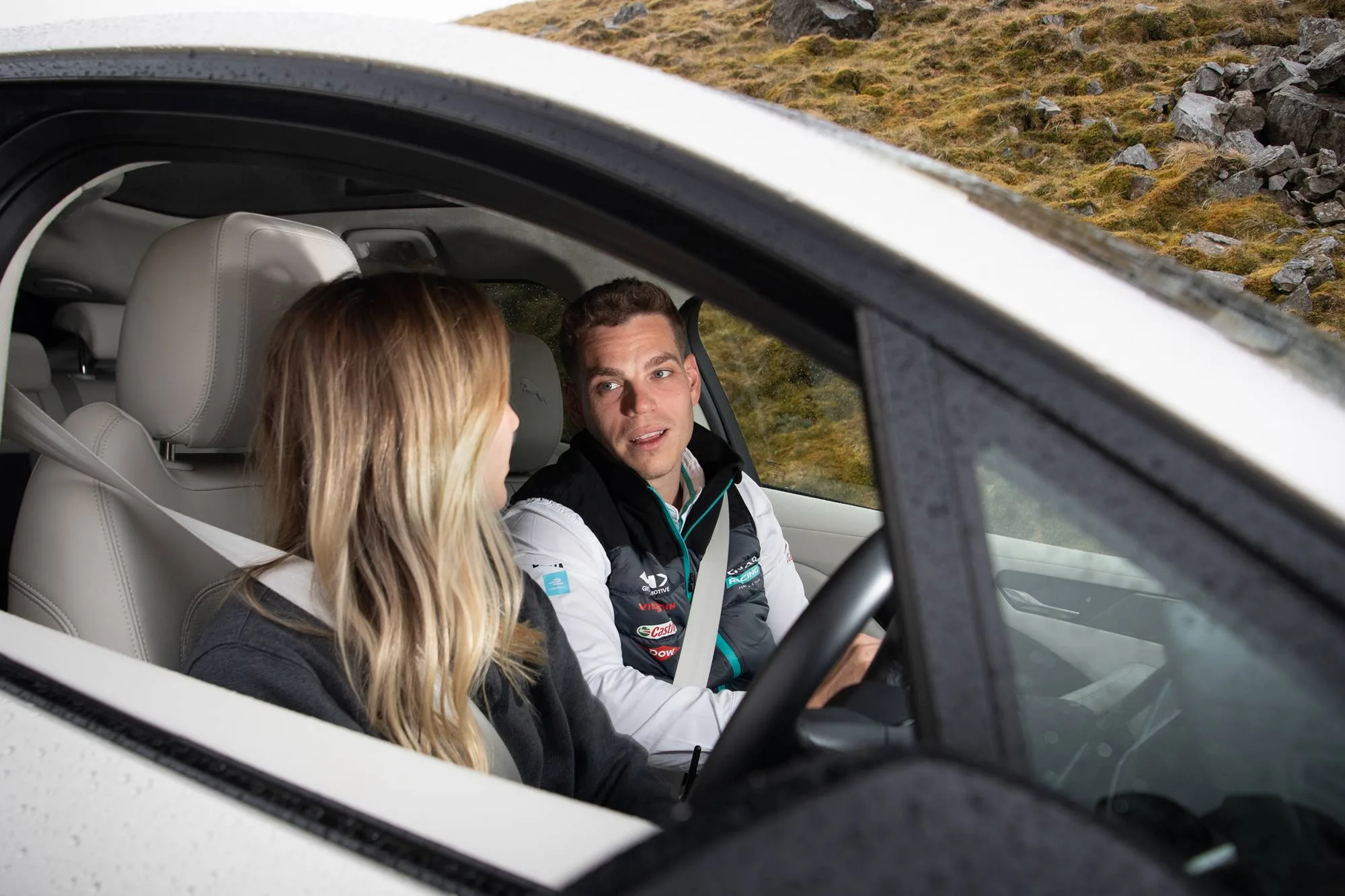

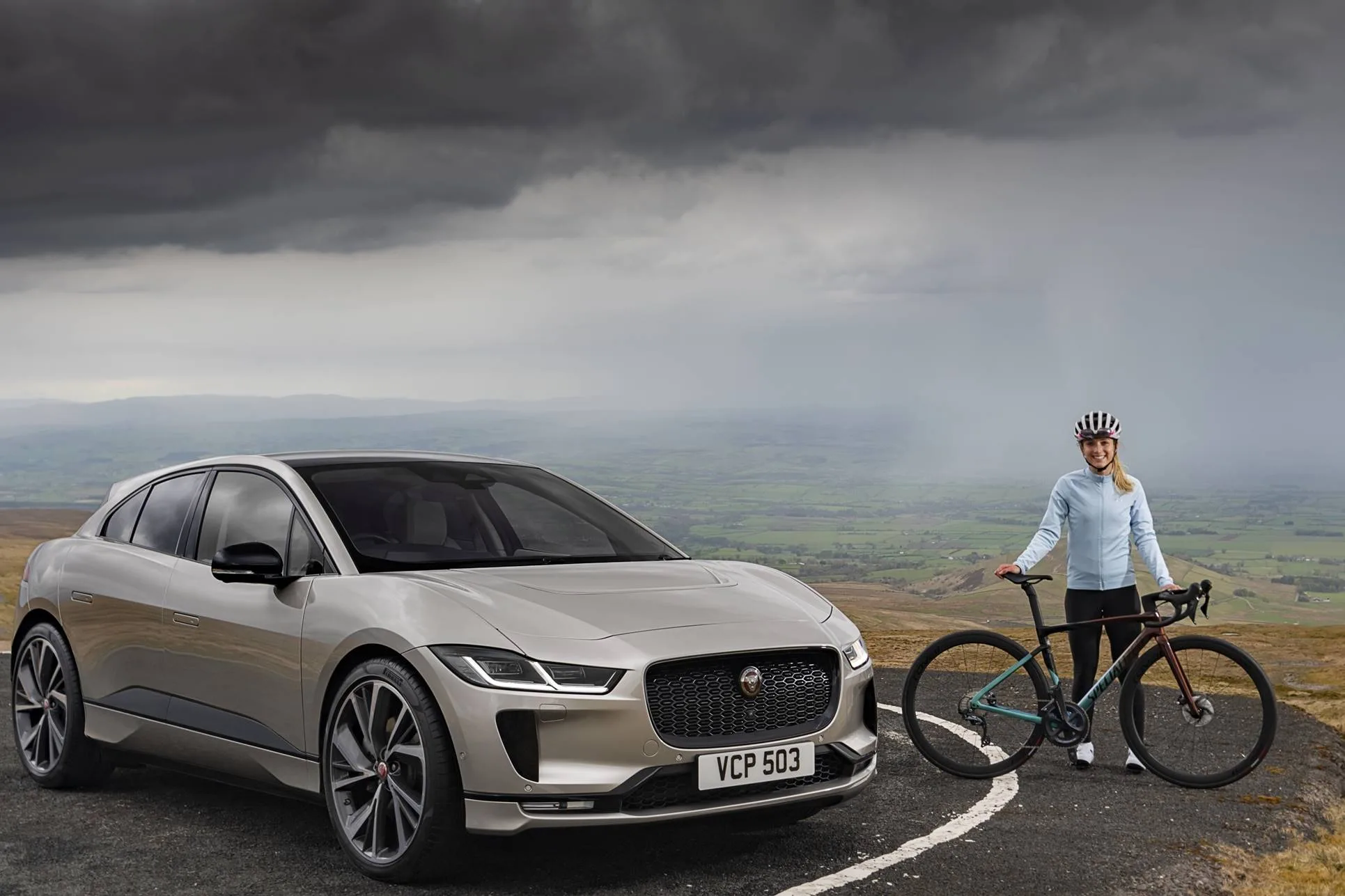
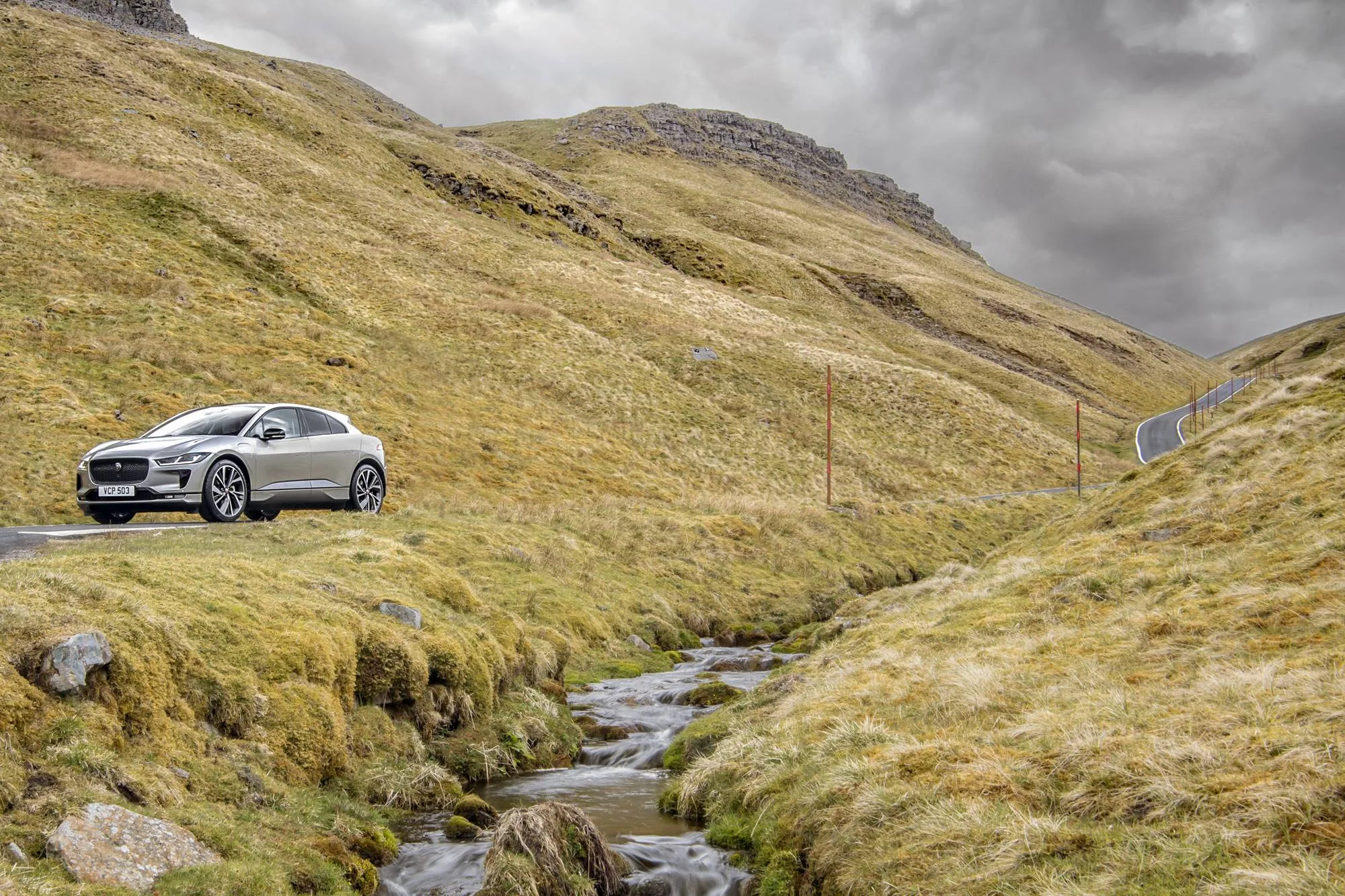
ABOVE: 2021 (my22) Jaugar I-PACE EVeresting Challenge
Why an I_PACE?
Much was made of EVs during the last election. The good was made bad, and the positive was made evil. In fact EVs are as competent as any other vehicle, and can operate in the same conditions as an ICE vehicle.
In this case, the Jaguar I-PACE did 199.6km which included all the runs, plus 8 mile drive to the start line. The climb includes sweeping bends and hills of 20%. The Jaguar I-PACE was driven by cyclist, Elinor Barker MBE.
The Jaguar I-PACE completed the course with 31% battery, enough for a further 128.7km. During the circuit, the Jaguar I-PACE used regenerative braking to recover around 60% of the energy that otherwise would have been wasted.
This braking was developed by Jaguar for its Formula E racing cars. During a race, the I-TYPE 5 gains 30% from regeneration and without it, would be unable to finish the race without a recharge.
Gay buyers tell us they are very interested in electric cars. While some have expressed concerns about distance and range, most embrace the concept.
Elinor Barker, MBE, said: “I watched with fascination as cyclists took up the Everesting challenge during lock down – even as a professional rider, it’s a daunting feat of endurance, so I was happy to do it behind the wheel of the all-electric Jaguar I-PACE. When I found out that Jaguar Racing drivers typically need to regenerate 30 per cent of their I-TYPE’s battery capacity in a Formula E race, as a competitor I naturally wanted to beat that figure! I’m delighted to have smashed that target – all while enjoying the comfort, silent power delivery and single-pedal driving of the I-PACE.”
Jaguar has dropped the “S” model, with only 2 models now available:
EV400 SE – $138,460 EV400 HSE – $152,060
Other GayCarBoys EV Stories:
- We drive 2019 Jaguar I-Pace SE EV400 Electric car
- 2019 Jaguar I-Pace SE EV400 Driven and rated in GALSTON GORGE Australia Video Review
- Nissan LEAF 2019: All New EV Powers Your Home VIDEO REVIEW
- Hyundai’s 2019 Electric Ioniq: The cheapest EV In Australia?
- New Nissan Leaf Could Power Your Home for a Week
- Tesla Model 3 Colors and Price
- Charging My tesla Model 3
- Tesla Model 3 Full Review Inside, outisde, and Roadtest
- Mini Cooper SE electric
- Karma Starts E-Flex Prototype Testing
- Is Karma Automotive’s New E-Flex Platform a Game Changer

Alan Zurvas is the founder and editor of Gay Car Boys, Australia's leading LGBTQI+ automotive publication. Before launching GCB in 2008, Alan's automotive writing was published in SameSame.com.au and the Star Observer. With over 16 years of hands-on car reviewing experience, Alan brings an honest, irreverent voice to every review — championing value and innovation over brand loyalty.
Leave a Reply