
IAA 2021, meet Audi’s grandsphere concept study.
At 5.35 m, grandsphere sedan exudes the luxury of private travel. Level 4 automated driving means the interior turns into a spacious sphere of experience without a steering wheel, pedals, or displays.
Front seats turn into a spacious first class lounge with gorgeous, expansive views, and access to all the functions of a holistic digital ecosystem that the Audi grandsphere is integrated into.
There are 3 “sphere” concept cars, with the second being an electric driven roadster. Audi skysphere concept debuted in August 2021, These two concept cars – as well as the Audi urbansphere, which will appear as the third part of the trio in 2022 – are linked by their overall concept, which is derived from their ability to drive automatically at level 4. Audi is working with CARIAD, the Volkswagen Group’s software think tank, toward introducing that technology in the second half of the decade.
What is Level 4?
This is Automated Driving converts the cabin into a spacious lounge as the steering wheel and pedals are reduced. At the same time, it opens up new levels of freedom for all the passengers. It allows travellers to work or relax, withough having to worry about the drive itself. The Audi grandsphere concept transforms from being strictly an automobile in an “experience device.”
You might design a trip to take in scenery, or one that tours eating spots. The trip starts with Audi grandsphere concept collecting its passengers, to provide them with information about their current destination and their trip, and will independently handles parking and charging.
Added to this, are exclusive events such as concerts, cultural events, or even sporting events that customers are invited to.
Above: This Week Goodbye 2021 LC200 LandCruiser Sahara, Hello LC300 FULL Review

Help Support Gay Car Boys Subscribe to our Youtube Channel
- Top GayCarBoys Stories:
- Sexy Men Drive 2021 Toyota Yaris Cross
- 10 Sexiest MotoGP Motorcycle Riders
- DON’T Drive YOUR CAR until you’ve Checked if your AIRBAG will KILL YOU
- 10 Hottest Racing Drivers
- Top 12 Best Gay Lesbian LGBTI Luxury Cars
- Top 10 Gay Lesbian LGBT Cars
- Top 10 Gay Lesbian LGBT Sports Cars
- Top 15 gay and lesbian LGBT SUVs
- Talented Twinks – Callum Ilott Virtually Races Arthur Leclerc

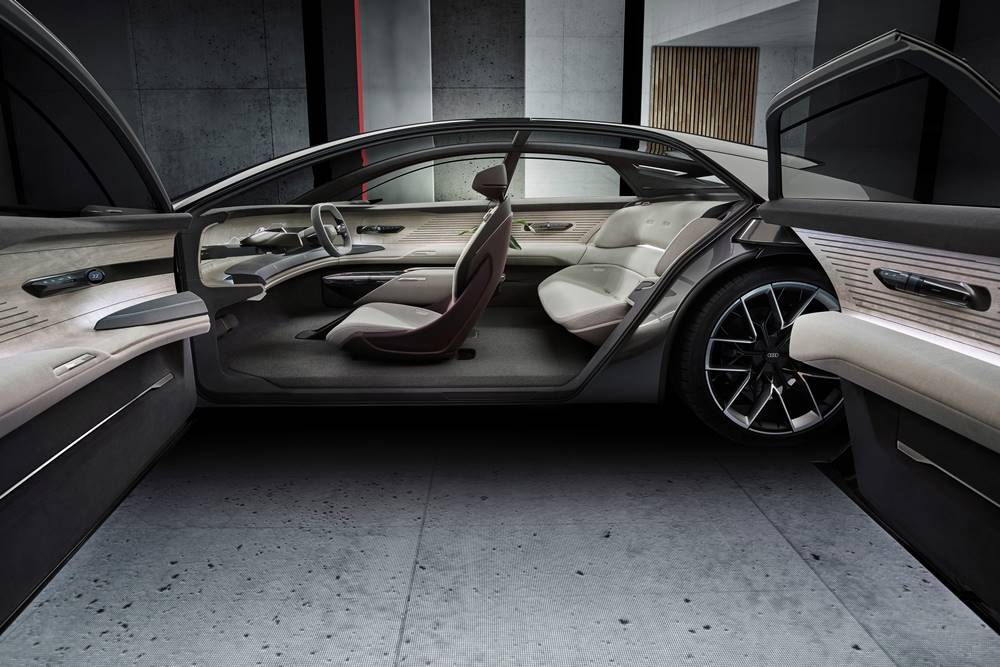

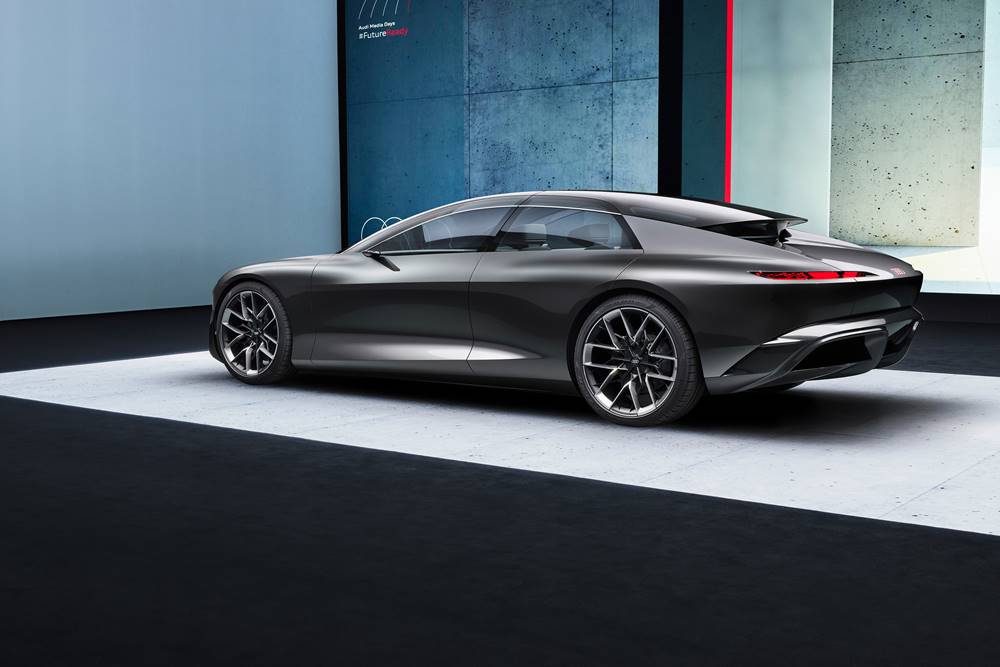
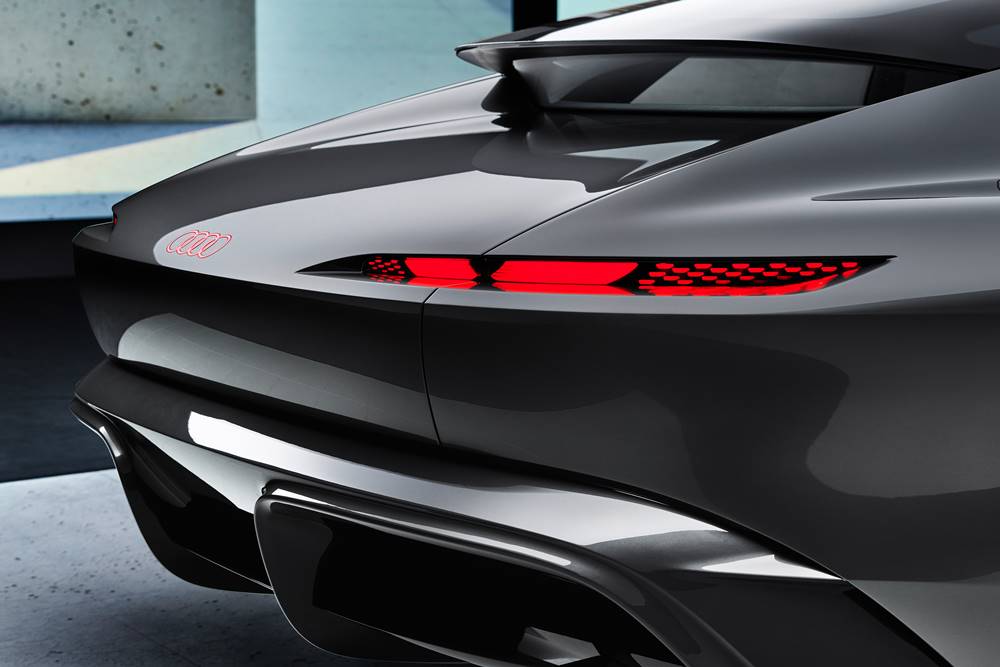
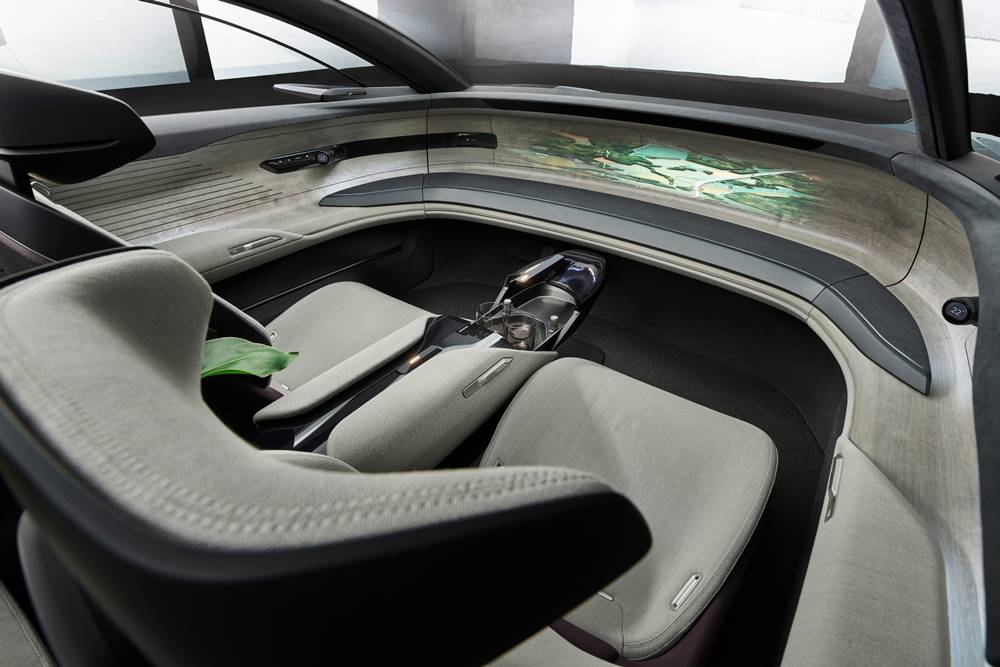

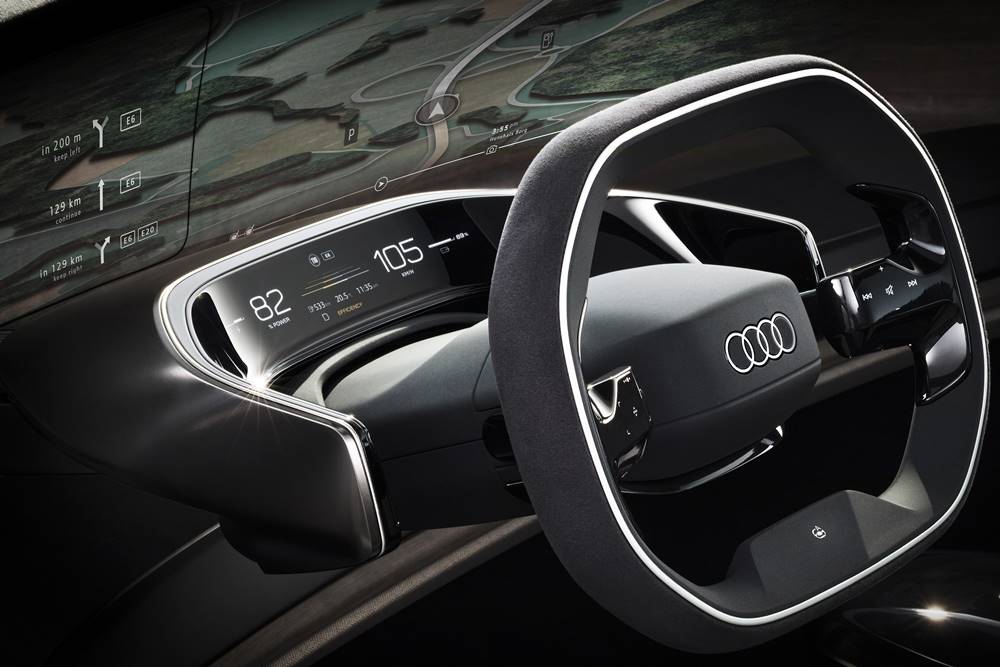
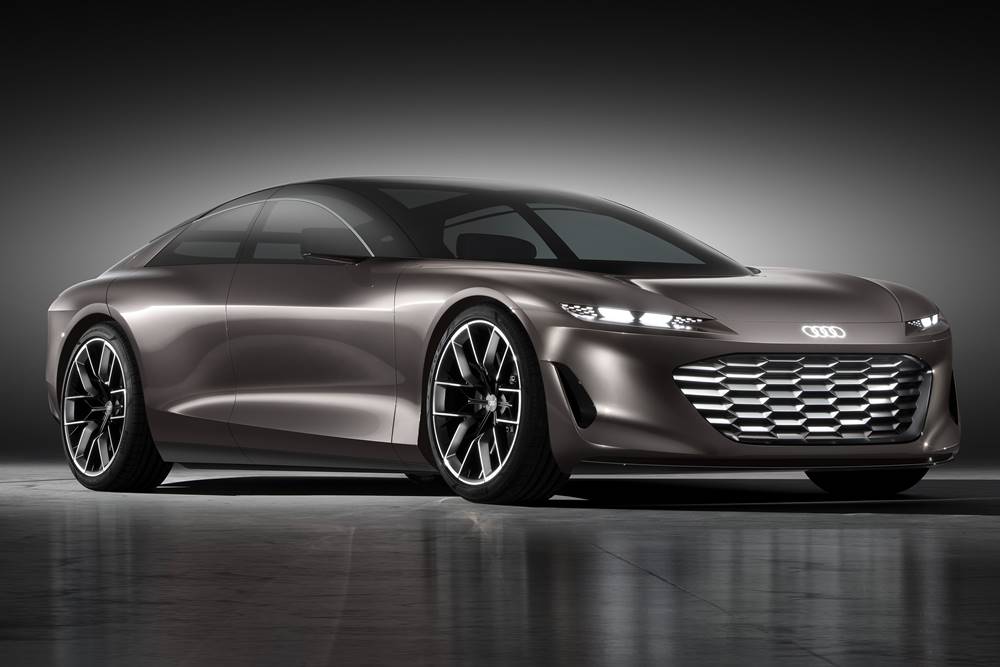
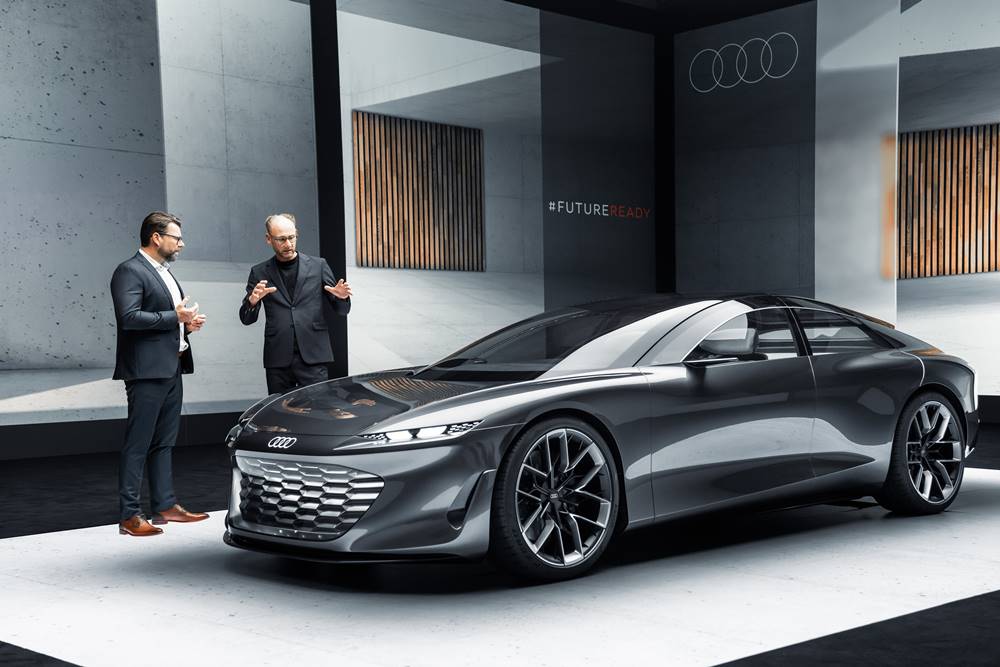
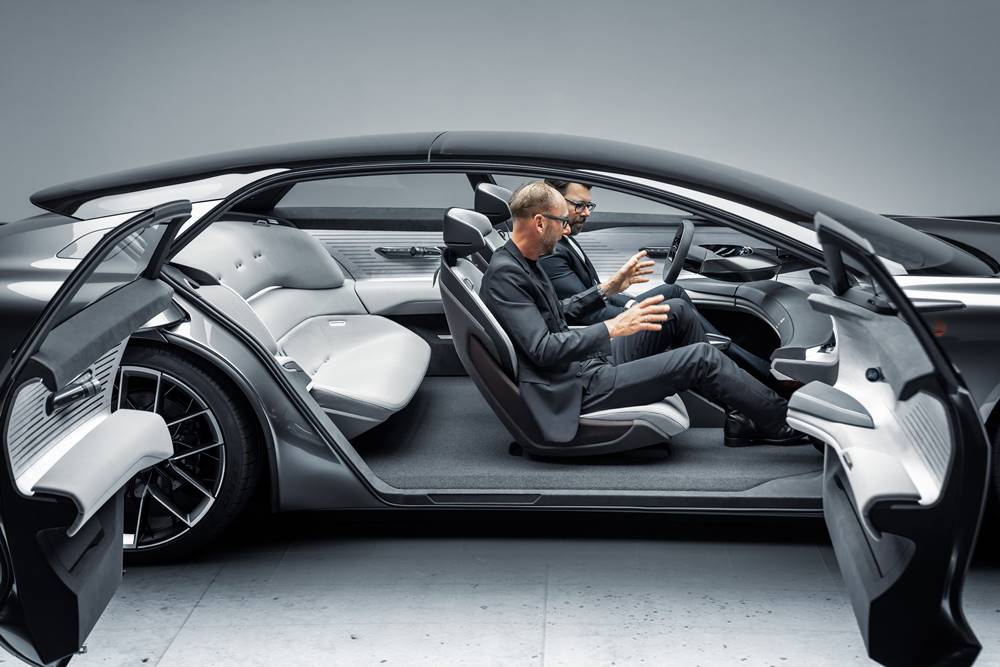
ABOVE: Audi’s grandsphere concept
The Cabin:
Doors open fully, with no B-pillar. The Audi opens the doors and welcomes passengers with individually staged displays and ambient light. The driver and passenger positions are automatically detected and an array of personal comfort features – such as the climate control settings and the seats – are adjusted for the individual seats. At the same time, the infotainment system accesses the passengers’ most recently used services and seamlessly resumes them inside the car. For instance, a video that a passenger was streaming on a tablet is automatically played back over the display surface in the Audi grandsphere.
On the driver’s side, on the other hand, the projection surface automatically picks up on displaying the news the occupant was reading before getting in.
In the interior, the lines on the decorative surfaces and functional elements are emphatically horizontal. The open, broad interior supports the impression of a unique space and the lack of a steering wheel, pedals, or conventional dashboard create a feeling of openness and breadth.
When level 4 driving is chosen, the steering wheel and pedals disappear.
The interior appears particularly wide when the two individual front seats are pushed all the way back. The Audi grandsphere is a 2+2-seater. An upholstered, two-person bench with an armrest that goes around the side is integrated as a seating option in the back, while both front seats are designed for first class comfort and space.
The seating surfaces and backs of the two seats with integrated belts are visually separate. The side bolsters of the seat backs are discreetly bent, thereby ensuring support while driving through curves. The possible seat positions are optimized for every use: in the upright position, the Audi grandsphere can be perfectly ergonomically controlled – as desired and outside level 4 zones. With the back tilted 40 degrees, passengers can relax and use the infotainment system. Finally, if the back is folded out to 60 degrees, it achieves a perfect resting position. The headrest can be bent 15 degrees forward. Outlets for air that is filtered and temperature controlled – even scented, as desired – as well as speakers that are inaudible to other passengers and allow for a private aural zone are all integrated into this area.
Between the front seats – normally concealed under metallic trim – there is a compact, onboard cooler with two glasses and a designed, elegant bottle for soft drinks. This is another sign of the Audi grandsphere concept’s first class claim.
No fittings, no screens: displays and operation
One surprise when looking around in the Audi grandsphere’s natural-colored, reduced-design interior: neither batteries of dial instruments nor black screens for virtual display concepts are visible before activating the driving functions – the oft-cited digital detox at its finest.
Instead, there are clearly articulated and sedate areas with materials of the highest quality. Wood and wool, synthetic textile fabrics and metal are visible and pleasant to touch as wall cladding, seat covering, and carpeting. Many of these materials, like the hornbeam veneers, come from sustainable cultivation or are made from recycled raw materials. There is no leather in the Audi grandsphere – even this is in keeping with a progressive understanding of luxury, which is always inseparable from sustainability.
Another surprise whenever the vehicle comes to life at the touch of a fingertip: there are displays – but they take the form of projections on the wooden surfaces under the windshield. Depending on the driving status – whether manual with a steering wheel or level 4 – they are either distributed across the entire width of the interior or segmented for the driver and front seat passenger. All the information that is necessary while traveling is there in high resolution and precisely readable.
Alternatively, the projection surfaces can also be used – in automated driving mode – as CinemaScope screens for infotainment content or even as screens for video conferences. In addition, a sensor bar is integrated under the projection surfaces for quick switching between content – for instance, for music or navigation. It shows all the functions and applications that are active in the car. Icons flash for the different menus.
One particular, extremely innovative control element is located near the door cut-out on the interior cladding: the MMI touchless response. If the driver is sitting in the active position behind the steering wheel, far toward the front in the interior, he or she can use that control to haptically select various function menus via a rotary ring and buttons and click through the different levels. A simple, intuitive operation.
If, on the other hand, the driver reclines the seat far to the back during level 4 driving, he or she does not have to do without these comfort items. That is because, at that point, a combination of eye tracking and gesture control are used. A sensor directed at the eye detects the line of sight when the control unit is to be engaged. And the passenger only needs to make analogous hand motions – without leaning over – that are similar to haptic operation and can use the system just as well that way – without touching a thing.
Whether it is eye tracking, gesture or voice control, handwritten input, or touch, the same thing applies to all operation modes: the Audi grandsphere concept adjusts to the individual user and learns his or her preferences and frequently used menus – and on that basis it can not only sensibly complete rudimentary commands, but also give personal proposals directly to the user.
Control panels are even integrated into the armrests on the doors. That way, the car always offers passengers invisible touch surfaces using an optic indicator to show its position. At the same time, there are VR glasses in the armrests on the left and right doors that can be used in conjunction with infotainment options – for instance for the holoride system.
the exterior design
At 5.35 m (17.6 ft.) long, 2 m (6.6 ft.) wide, and 1.39 m (4.6 ft.) high, the Audi grandsphere concept’s measurements reveal this sedan as an unambiguous example of the luxury class automobile. The 3.19 m (10.5 ft.) wheelbase indicates top value, which even overshadows the long version of the current Audi A8. But even more striking than what these figures suggest is the visual impression that it makes upon seeing it for the first time. That is because the Audi grandsphere looks nothing like a traditional sedan, but rather more like a tightly drawn four-door GT with a line the comes straight from the wind tunnel. And it does that while doing without any decor or superfluous flourishes.
In the process, the Audi grandsphere consistently implements the specific conditions of the electric drive system right in the front end – a short overhang, a flat hood, and the windshield that projects far forward as the foremost limit of the large interior. Nonetheless, unlike many electric cars, it does not look futuristic at all, but rather emphasizes traditional beauty ideals. The top edge of the hood is drawn far into the side of the chassis in a horizontal line, suggesting a long engine compartment – all characteristics of a GT. In the rear, that line continues at the same height across the rear wheel well, encompassing the whole cabin and emphasizing its size.
A second horizontal line emanates from the bottom edge of the hood and runs under the side windows and likewise around the entire cabin. This subdivides the door surfaces into horizontally oriented shoulders and the convex verticals below them above the rocker panel. The wheel wells have a soft, yet distinctive shape – typical Audi. The slender rear behind the massive C-pillar is a quote from traditional streamlining. And the dynamically sloping arc of the roofline reveals the grandsphere as part of the Audi Sportback tradition. All lines and all surfaces seem to organically correlate, combining to form one monolithic body.
At 23 inches, the wheels of the Audi grandsphere concept quote an icon from the 1990s – the Audi Avus. At the same time, the six double spokes signal light construction and stability, recalling functional motorsport wheels and the Bauhaus tradition in brand design.
Visible technology – light
In the front end, there is an innovative interpretation of the Singleframe that defines Audi’s look: it is shaped like a flat hexagon. The interior surfaces, behind a transparent covering, are indirectly lit from above while driving – a distinctive, extremely three-dimensionally structured visual effect.
The headlight units on the upper side of the Singleframe look narrow, like focused eyes. The lighting units reference the four rings brand logo: they enlarge and isolate the intersection of two rings into a pupil – a new, unmistakable digital light signature. This means that the size of the light areas can be adjusted according to their function as daytime running lights or as dynamically staged blinkers – depending on the traffic situation – and thereby issue an obvious signal in the interest of safety. The same graphic is also in the rear lighting units – another significant characteristic of the Audi light design.
Drive system and charging
The technology platform of the Audi grandsphere – what is known as the Premium Platform Electric, or PPE – was conceived exclusively for battery-powered electric drive systems and therefore it takes full advantage of that technology. The key element of PPE is a battery module between the axles that holds around 120 kWh of energy in the grandsphere concept. A flat battery layout is possible because Audi uses the entire vehicle base between the axes.
Together with the large wheels, this produces basic proportions that are perfect not only from a design perspective. The core benefits include a long interior and therefore legroom in both rows of seats. Additionally, the absence of a gearbox cover and a cardan tunnel increases spatial comfort in electric cars.
Nonetheless, the Audi grandsphere does not forego the quattro drive system, which is essential to the brand. That is because the concept car has separate electric motors mounted on the front and rear axles that use electronic coordination to deliver all-wheel drive on demand and execute a perfect balance between driving dynamics and energy efficiency. The Audi grandsphere concept’s two electric motors are capable of delivering a total output of 530 kW and a torque of 960 Newton meters.
Fast charging, high range
The heart of the drive system is the 800 volt charging technology. Like the Audi e-tron GT before it, this technology ensures that the battery can be charged with up to 270 kW in a very short time at fast-charging stations.
10 minutes adds kilometers (186 miles). In less than 25 minutes, you can charge the 120 kWh battery from 5 to 80 percent.
It has a range of more than 750 kilometers (466 miles) – and a 0-100 km/h (62 mph) of just over four seconds. Maximum speed is limited in the interest of increased range.
Air suspension
Active suspension is designed for maximum comfort.
The front wheels are connected via a five-link axle, specially optimized for electric vehicles. In the rear, there is a multi-link axle that, like the front, is made of aluminum. Despite the long wheelbase, the steerable rear wheels provide excellent maneuverability. The single chamber system has adaptive dampers. Quite well suited for dynamic driving when necessary it guarantees gentle comfort without noticeable vehicle body movements, under normal conditions.
The reason: the Audi grandsphere concept has active suspension. The high-tech system can separately pull up or push down on each wheel separately in milliseconds via electromechanical actuators. That makes it possible to actively control the state of the chassis in every driving situation and therefore significantly reduce pitching and plunging when accelerating or braking. Thanks to the front camera, which recognizes unevenness, the adjustments happen predictively. The navigation system’s topographical data are also used to integrate curve radii, gradients, and inclines into the system’s projection.
Discover more from Gay Car Boys
Subscribe to get the latest posts sent to your email.













Leave a Reply