Mitsubishi appears determined to bring the Pajero name back to Australia at any cost. The badge still carries goodwill among Australian buyers who remember them devouring deserts, carrying caravans, and doing family holidays from a halcyon era.
The trouble is that the market Pajero once dominated barely exists anymore.
Back when the original Pajero was a poster child, buyers cared about durability, towing, low-range gearing and whether the air conditioning could survive Birdsville in January. Luxury wasn’t a thing, screens were often merely a few characters surrounded by big buttons. Nobody expected ambient lighting or massaging seats because most drivers were too busy untangling AUX cables and yelling at paper maps.
Now? Entirely different story.
Large SUVs have drifted upmarket at alarming speed. Buyers spending sixty or seventy thousand dollars expect cabins that feel expensive, technology that works properly, and real refinement sans the agricultural soundscape of a 40’s farm.
That creates a problem for Mitsubishi.
The teased images of new Pajero looks like more of the same. The returning Pajero is expected to share much of its architecture with Triton. Mechanically, that is economical, but very lazy. Sure, Triton is competent, proven and already engineered for Australian punishment. Using that platform keeps development costs low while giving Mitsubishi the towing and off-road boasty-pants that dinosaurs demand. Why? Most never tow, camp, go off-roading, or get remotely dirty.
Buyers will instantly tell when something feels too closely related to a lowly commercial ute, and if that isn’t bringing the modern swag of a BYD Shark 6, Pajero might be wide of the mark.
Above: 2026 Leapmotor B10 – Possibly the best value EV ever, and at $42,000 is cheaper than ICE SUVs with the same space
#leapmotor #ElectricCars #ev #leapmotorB10

Help Support Gay Car Boys Subscribe to our Youtube Channel by SMASHING THE BUTTON ABOVE


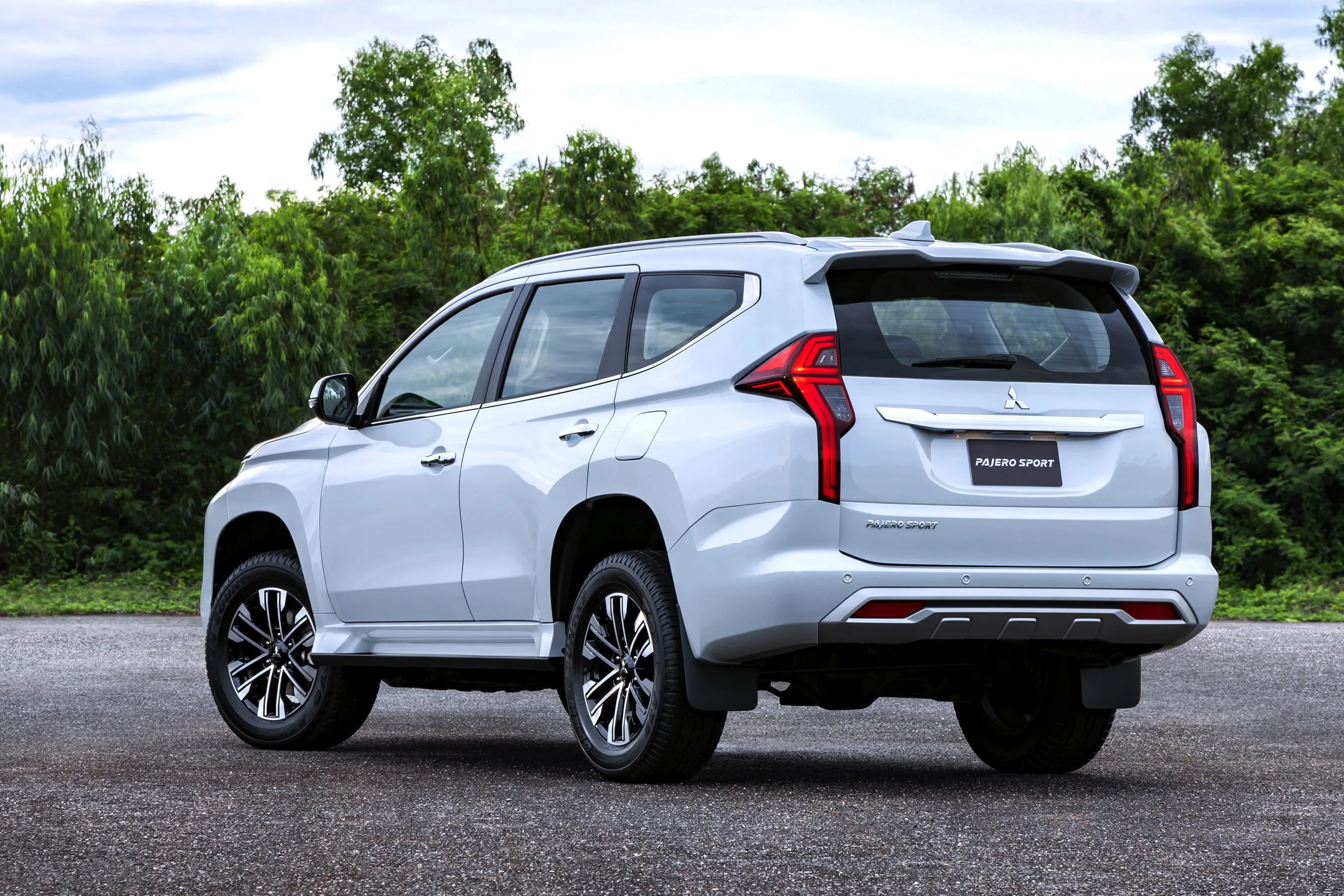
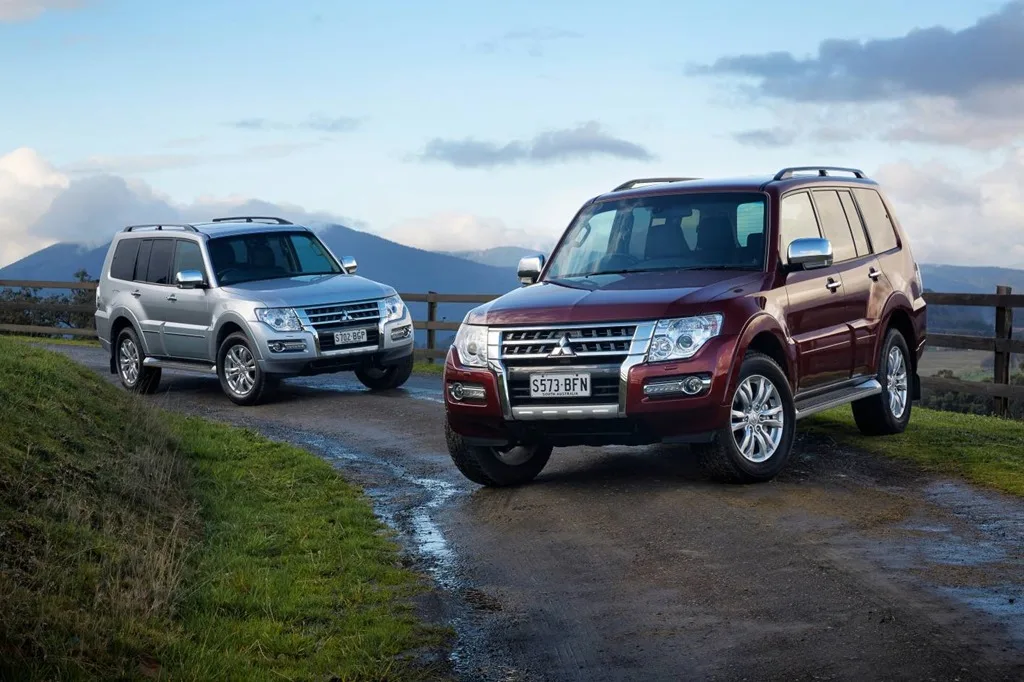

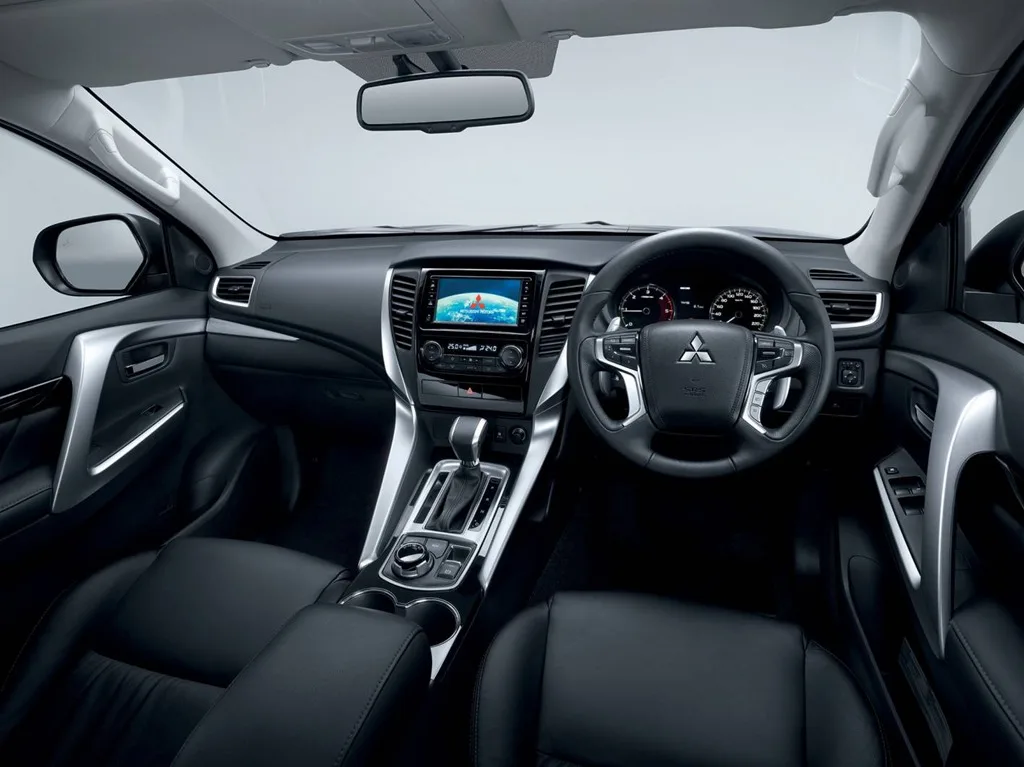
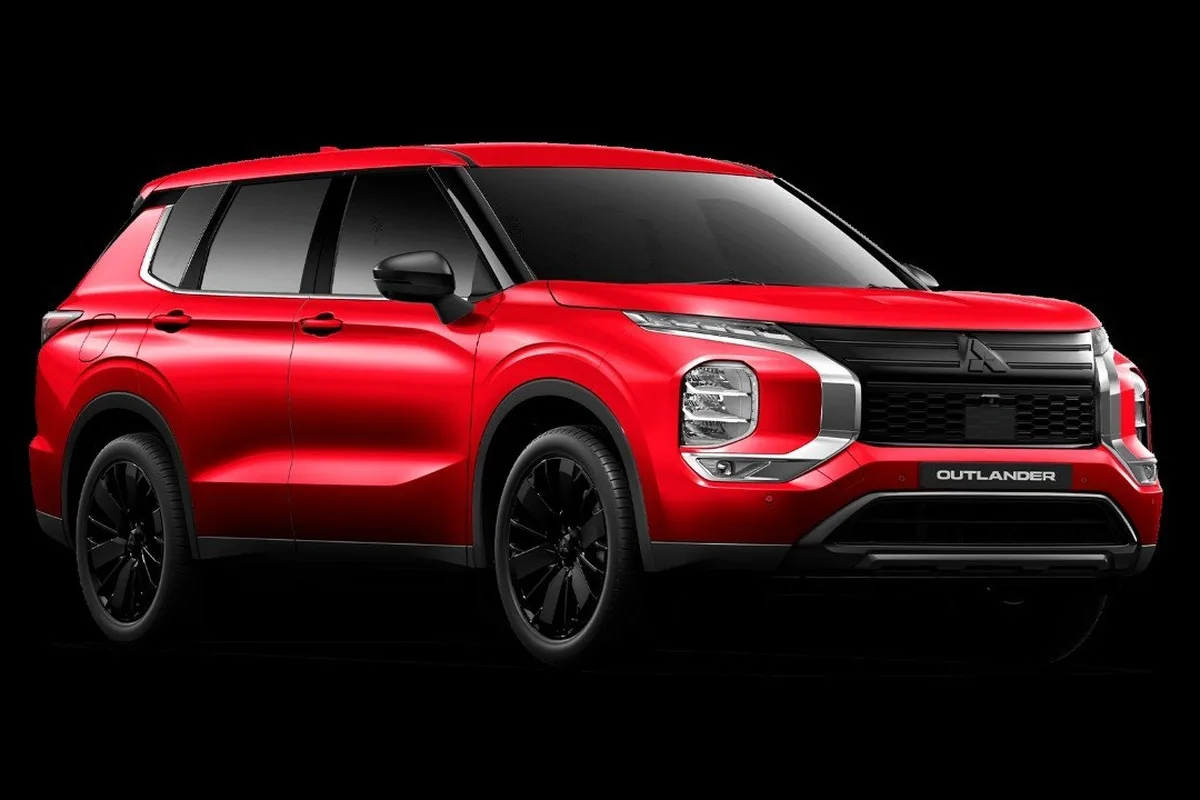
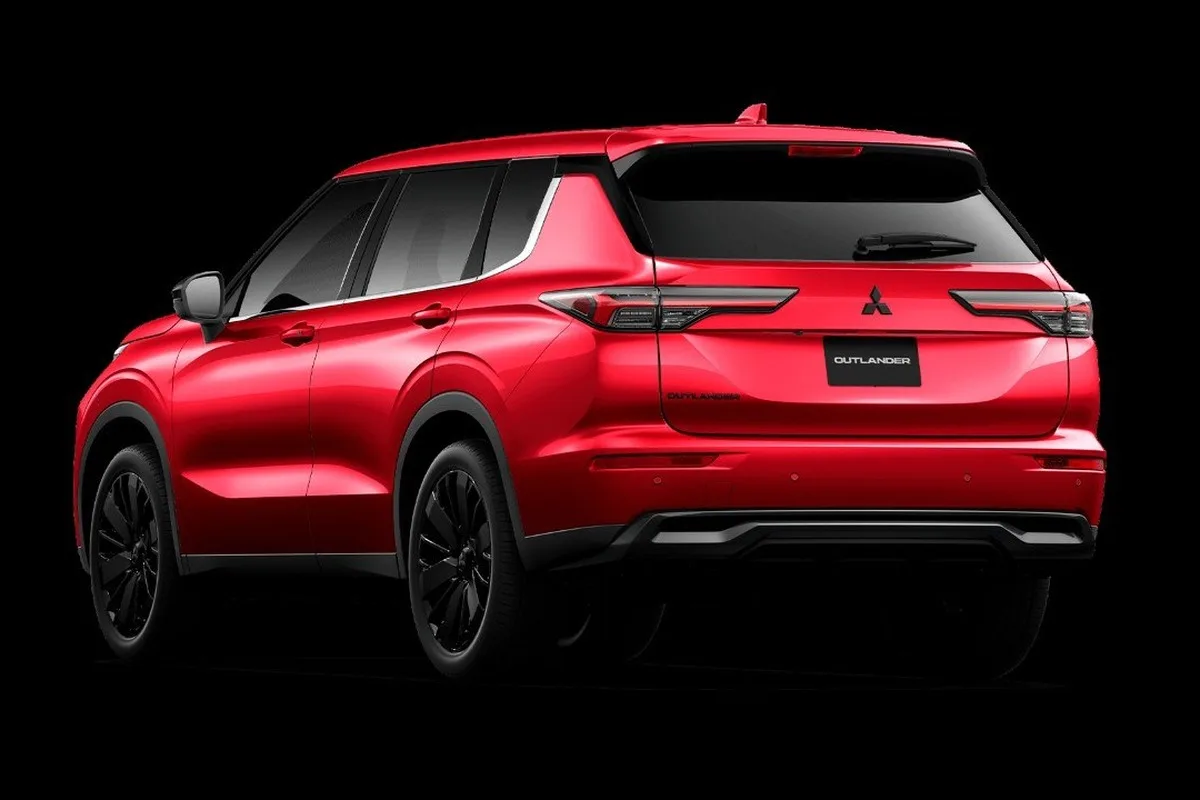
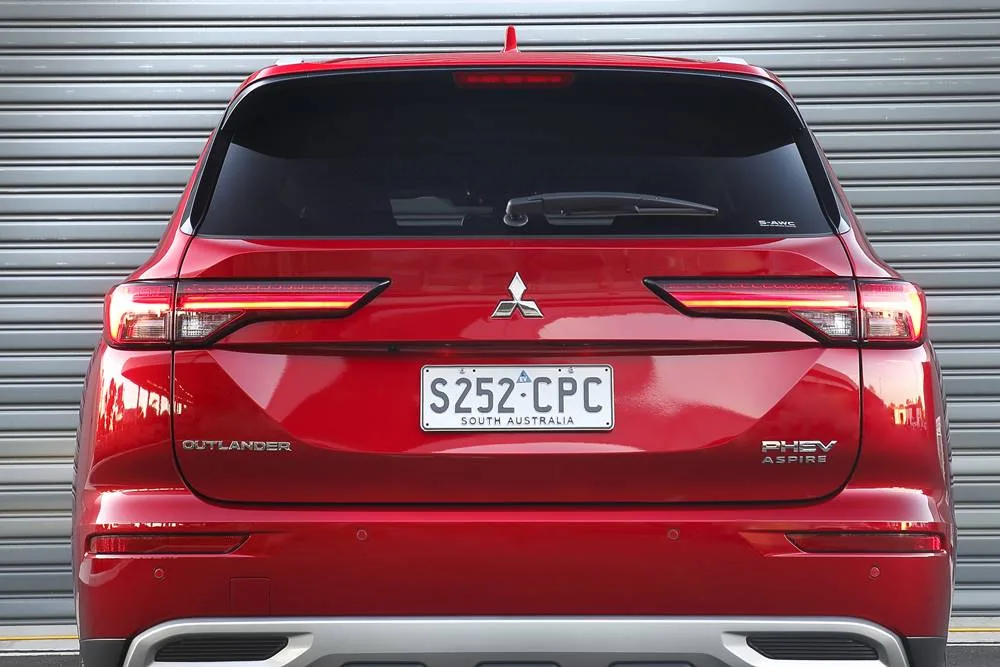
ABOVE: Mitsubishi has teased a new Pajero, with archive Pajero, Pajero Sport and current Outlander images showing the nameplate’s past and Mitsubishi’s present SUV direction.
That’s the danger.
Ford spent years polishing Everest into a more sophisticated Ranger with a roof over the tray. Toyota has done similar things with Prado, leaning heavily into comfort and premium appeal without sacrificing capability. But all of that happened before China started aggressively stalking Australian buyers with wads of cash in their back pockets. The Japanese SUVs felt old on day one, and after waiting well over a decade, the disappointment turned to frustration.
Chinese brands have gone even further since.
Vehicles like the GWM Tank 500 and Denza B5 look and feel unapologetically luxurious. They look modern and polished. Their cosy, manicured interiors have huge screens to dominate the dashboard, and are trimmed like cocktail lounges. Hybrid drivetrains produce enormous torque while remaining whisper quiet around town. In fact, not only is the power and torque double the humble Triton, there is a battery that will power campsite for days or give the SUV between 100 and 200 kms of EV range.
Whether traditional buyers want to admit it or not, these newcomers are changing expectations rapidly and almost all recent Japanese releases looked 15 years old from launch date. That is just plain tragic.
That leaves Mitsubishi walking that awkward line between rugged history and modern luxury.
There remains a sizeable audience for diesel-powered touring vehicles. Plenty of Australians still distrust hybrids once you venture beyond major cities, especially in remote areas where charging infrastructure is patchy and fuel range matters enormously.
For towing caravans across long distances, diesel still makes sense to many buyers, but a quick glance at official sales figures shows a shift to the PHEV Chinese Utes and SUVs. Buyers only bought Ranger, Hilux, Prado and Pajero because there were no other choices. Worse still, they paid handsomely for the privilege.
Mitsubishi is banking on the logic that although the market is shifting, enough of it still wants an old-fashioned offering. A proven four-wheel-drive system, strong towing capacity and a familiar Japanese badge will still appeal to regional families, touring enthusiasts and fleet operators who prioritise reliability over novelty.
The question is whether that audience alone can sustain a premium-priced Pajero against a better looking, better equipped, more comfortable Chinese SUV that is far cheaper with a better warranty and more power.
Pricing is where things become particularly uncomfortable.
A modern seven-seat off-roader packed with safety systems and new technology will not be cheap. Once the price climbs into Everest and Prado territory, buyers start expecting far more than durability.
They expect a full package that is also good value.
Compared to Denza, BYD, GWM, that’s exactly what Chinese manufacturers are currently delivering. I’ll say it one more time, they have more power, more technology, more equipment, and at surprisingly aggressive prices.
And unlike older Chinese cars, many of these new arrivals no longer feel cheap or unfinished. Some interiors genuinely embarrass established rivals, and the market has shifted four of those Chinese brands into the top ten sellers, ousting four legacy brands forever.
That changes the conversation entirely.
Mitsubishi cannot rely purely on nostalgia because younger buyers have no emotional connection to Pajero. They didn’t grow up worshipping Dakar rally wins or seeing one parked outside every second caravan park.
To many of them, the badge is simply another nameplate competing in a crowded SUV market.
What matters is not perceived value, it is actual value.
If the cabin feels dated, buyers will notice immediately. If the technology feels a bit how’s-your-father, reviewers will destroy it within hours of launch. If refinement falls short of rivals, social media will feast on it like Norse warriors on a burning carcass.
Consumers are brutally unforgiving now.
The irony is that Mitsubishi probably doesn’t need Pajero to become the most luxurious SUV in the segment. It simply needs to avoid feeling compromised. Buyers will forgive conservative styling and diesel power if the overall package feels cohesive, capable, properly engineered and priced right.
But if it feels like a lightly massaged Triton wagon with a famous badge glued on, they will feel the lashings of savage tongues.
Mitsubishi Wants Pajero Back. The Problem? The World Moved On
Mitsubishi appears determined to bring the Pajero name back to Australia at any cost. The badge still carries goodwill among Australian buyers who remember them devouring deserts, carrying caravans, and doing family holidays from a halcyon era.
The trouble is that the market Pajero once dominated barely exists anymore.
Back when the original Pajero was a poster child, buyers cared about durability, towing, low-range gearing and whether the air conditioning could survive Birdsville in January. Luxury wasn’t a thing, screens were often merely a few characters surrounded by big buttons. Nobody expected ambient lighting or massaging seats because most drivers were too busy untangling AUX cables and yelling at paper maps.
Now? Entirely different story.
Large SUVs have drifted upmarket at alarming speed. Buyers spending sixty or seventy thousand dollars expect cabins that feel expensive, technology that works properly, and real refinement sans the agricultural soundscape from the 40’s.
That creates a problem for Mitsubishi.
The returning Pajero is expected to share much of its architecture with Triton. Mechanically, that is economical, but very lazy. Sure, Triton is competent, proven and already engineered for Australian punishment. Using that platform keeps development costs low while giving Mitsubishi the towing and off-road boasty-pants that dinosaurs demand. Why? Most never tow, or camp, or go off-road, or get remotely dirty.
But buyers can instantly tell when something feels too closely related to a ute, and if that isn’t a BYD Shark 6, it might be wide of the mark.
That’s the danger.
Ford spent years polishing Everest into a more sophisticated Ranger with a roof over the tray. Toyota has done similar things with Prado, leaning heavily into comfort and premium appeal without sacrificing capability. But all of that happened before China started aggressively stalking Australian buyers with wads of cash in the back pockets.
Chinese brands have gone even further since.
Vehicles like the GWM Tank 500 and Denza B5 look and feel unapologetically luxurious. Huge screens dominate the dashboard, and the cabins are trimmed like cocktail lounges. Hybrid drivetrains produce enormous torque while remaining whisper quiet around town. In fact, not only is the power and torque double the humble Triton, there is a battery that will power campsite for days or give the SUV between 100 and 200 kms of EV range.
Whether traditional buyers want to admit it or not, these newcomers are changing expectations rapidly.
That leaves Mitsubishi walking that awkward line between rugged history and modern luxury.
There remains a sizeable audience for diesel-powered touring vehicles. Plenty of Australians still distrust hybrids once you venture beyond major cities, especially in remote areas where charging infrastructure is patchy and fuel range matters enormously.
For towing caravans across long distances, diesel still makes sense to many buyers, but a quick glance at official sales figures shows a shift to the PHEV Chinese Utes and SUVs. Buyers only bought Ranger, Hilux, Prado and Pajero because there were no other choices. Worse still, they paid handsomely for the privilege.
Mitsubishi is banking on the logic that although the market is shifting, enough of it still wants an old fashioned offering. A proven four-wheel-drive system, strong towing capacity and a familiar Japanese badge will still appeal to regional families, touring enthusiasts and fleet operators who prioritise reliability over novelty.
The question is whether that audience alone can sustain a premium-priced Pajero against a better looking, better equipped, more comfortable Chinese SUV that is far cheaper with a better warranty and more power.
Pricing is where things become particularly uncomfortable.
A modern seven-seat off-roader packed with safety systems and new technology will not be cheap. Once the price climbs into Everest and Prado territory, buyers start expecting far more than durability.
They expect a full package that is also good value.
Compared to Denza, BYD, GWMThat’s exactly what Chinese manufacturers are currently delivering. I’ll say it one more time, they have more power, more technology, more equipment, and at surprisingly aggressive prices.
And unlike older Chinese cars, many of these new arrivals no longer feel cheap or unfinished. Some interiors genuinely embarrass established rivals, and the market has shifted four of those Chinese brands into the top ten sellers, ousting four legacy brands forever.
The disastrous ASX launch increased the price by more than 14K and worldwide sales dropped 88%. Buyers are not fooled and won’t pay more than they have to.
Read about our ASX Stories HERE, HERE and HERE
That changes the conversation entirely.
Mitsubishi cannot rely purely on nostalgia because younger buyers have no emotional connection to Pajero. They didn’t grow up worshipping Dakar rally wins or seeing one parked outside every second caravan park.
To many of them, the badge is simply another nameplate competing in a crowded SUV market.
What matters instead is not perceived value, it is actual value.
If the cabin feels dated, buyers will notice immediately. If the technology feels a bit how’s-your-father, reviewers will destroy it within hours of launch. If refinement falls short of rivals, social media will feast on it like Norse warriors on a burning carcass.
Consumers are brutally unforgiving now.
The irony is that Mitsubishi probably doesn’t need Pajero to become the most luxurious SUV in the segment. It simply needs to avoid feeling compromised. Buyers will forgive conservative styling and diesel power if the overall package feels cohesive, capable, properly engineered and priced right.
But if it feels like a lightly massaged Triton wagon with a famous badge glued on, they will feel the lashings of savage tongues.
Especially once buyers start cross-shopping it against hybrid-powered alternatives producing vastly more power while consuming less (if any) fuel.
That’s the strange new reality facing traditional brands.
Capability alone no longer guarantees success. Buyers once bought cars to tow boats and caravans until they finally realised they were spending vast sums on a lifestyle they didn’t have.
That balancing act is becoming increasingly difficult, yet there’s reason Mitsubishi may succeed.
Australians still trust the brand in regional areas where dealer coverage remains strong. Servicing tends to be straightforward, as it slides down the sales charts worldwide and despite the rapid rise of Chinese competitors, many buyers remain cautious about long-term durability and resale values.
That hesitation buys Mitsubishi time, but not much.
Because the next Pajero enters a market changing faster than most legacy manufacturers seem prepared for. Hybrid technology is becoming mainstream, and buyers increasingly expect premium experiences regardless of badge prestige.
Mitsubishi cannot simply reincarnate the past and hope Australians burst into praise. The new Pajero has to feel contemporary from day one, otherwise one of Australia’s most respected off-road badges risks returning just in time to discover Elvis has left the building.
More Mitsubishi at gaycarboys
- Toyota HiAce and Mitsubishi Outlander Get Five-Star Safe Again
- 2025 Mitsubishi Triton GLS – Brawn, Brains, and Bit Bougie Review
- 2024 Mitsubishi Pajero Sport: Goodbye, So Long, Not Missed – Why?
- New Renault Captur & Mitsubishi ASX. Axed – ASX, Eclipse Cross and PHEV, Pajero Sport
- 2025 Mitsubishi Outlander PHEV Gets Much Needed Updates
- Mitsubishi PHEV Owners Drive Mostly in EV Mode Study Finds
- Mitsubishi Eclipse Cross Black Edition – Highway, the Final Verdict
Help Support Gay Car Boys Subscribe to our Youtube Channel

Alan Zurvas is the founder and editor of Gay Car Boys, Australia's leading LGBTQI+ automotive publication. Before launching GCB in 2008, Alan's automotive writing was published in SameSame.com.au and the Star Observer. With over 16 years of hands-on car reviewing experience, Alan brings an honest, irreverent voice to every review — championing value and innovation over brand loyalty.
Leave a Reply