The new Nissan LEAF e+ has arrived in Australia, acting as an exciting new flagship model in the LEAF electric vehicle range by delivering more power, faster acceleration and an increased driving range between charges.
The “e+” in its name refers to the increased energy density of the model’s battery pack and the higher output of its powertrain. The new powertrain adds to the car’s range by more than 40 per cent, while unlocking quicker acceleration and faster charging capability.
Other GayCarBoys EV Stories:
- We drive 2019 Jaguar I-Pace SE EV400 Electric car
- 2019 Jaguar I-Pace SE EV400 Driven and rated in GALSTON GORGE Australia Video Review
- Nissan LEAF 2019: All New EV Powers Your Home VIDEO REVIEW
- Hyundai’s 2019 Electric Ioniq: The cheapest EV In Australia?
- New Nissan Leaf Could Power Your Home for a Week
- Tesla Model 3 Colors and Price
- Charging My tesla Model 3
- Tesla Model 3 Full Review Inside, outisde, and Roadtest
- Mini Cooper SE electric
- Karma Starts E-Flex Prototype Testing
- Is Karma Automotive’s New E-Flex Platform a Game Changer
Now featuring a 62kWh battery, the LEAF e+ sits at the pinnacle of the LEAF range, featuring advanced Nissan Intelligent Mobility technology, and delivering a thrilling 160kW of performance and a WLTP driving range of up to 385km2.
Offered alongside the existing Nissan LEAF, the increased driving range provided by the new e+ is designed to further its appeal to customers who travel longer distances between charges, ensuring there is now a LEAF model to suit all needs.
“The Nissan LEAF is one the world’s most popular electric vehicle, the new Nissan LEAF e+ will only further that appeal by delivering more of what our customers love about their EV,” says Nissan Australia Managing Director, Stephen Lester.
“With more power, more range and more performance, as well as full bi-directional charging capability, the e+ is simply more LEAF, and helps ensure there really is an EV to suit every need in Australia.
“From zero-emissions commuting in the city to weekends away and everything in-between, the Nissan LEAF and LEAF e+ have you covered”.
Above: This Week 2021 Subaru Forester Sport Review – Is It Worth the Money?

Help Support Gay Car Boys Subscribe to our Youtube Channel
- Top GayCarBoys Stories:
- Sexy Men Drive 2021 Toyota Yaris Cross
- 10 Sexiest MotoGP Motorcycle Riders
- DON’T Drive YOUR CAR until you’ve Checked if your AIRBAG will KILL YOU
- 10 Hottest Racing Drivers
- Top 12 Best Gay Lesbian LGBTI Luxury Cars
- Top 10 Gay Lesbian LGBT Cars
- Top 10 Gay Lesbian LGBT Sports Cars
- Top 15 gay and lesbian LGBT SUVs
- Talented Twinks – Callum Ilott Virtually Races Arthur Leclerc


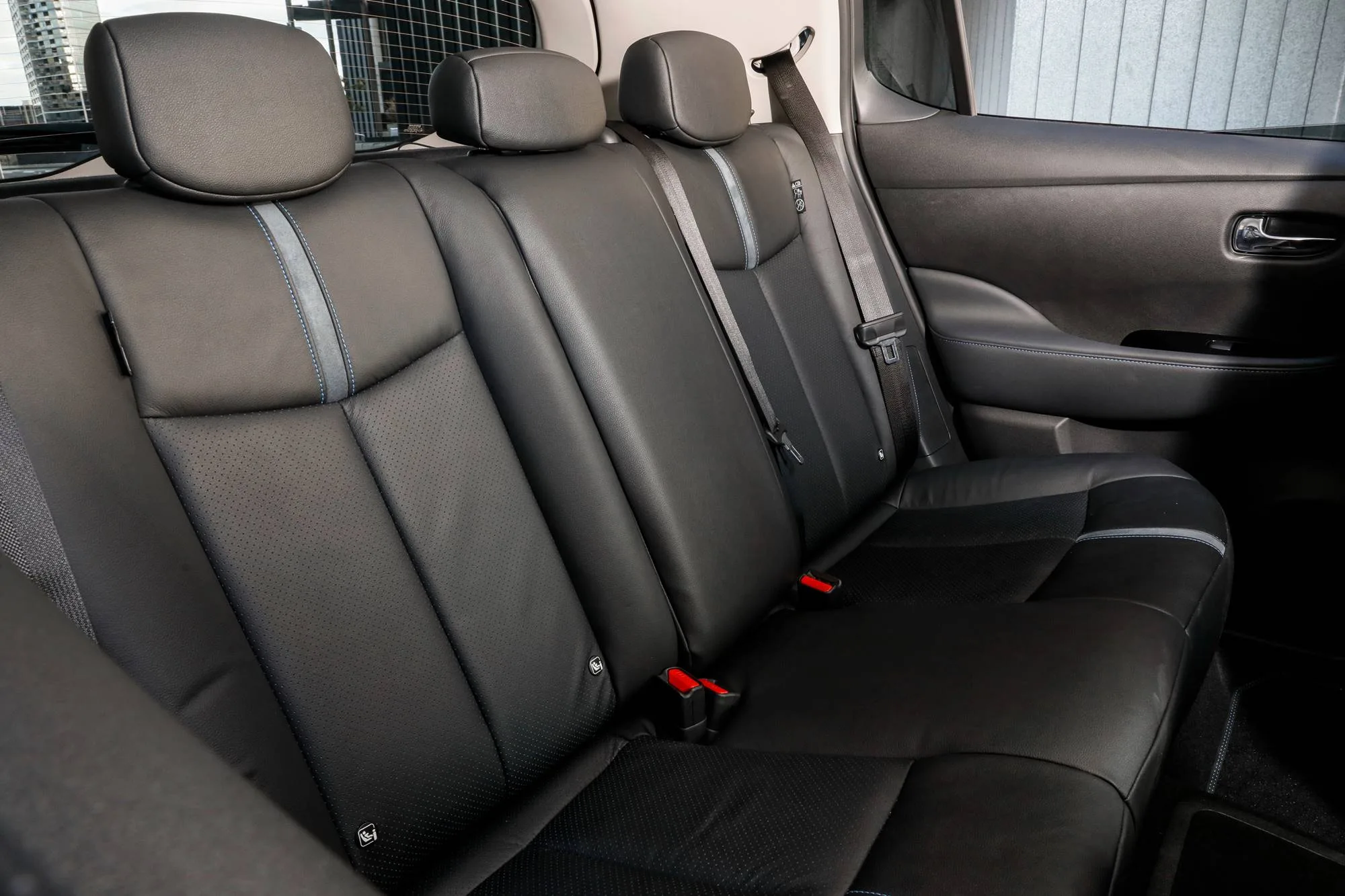
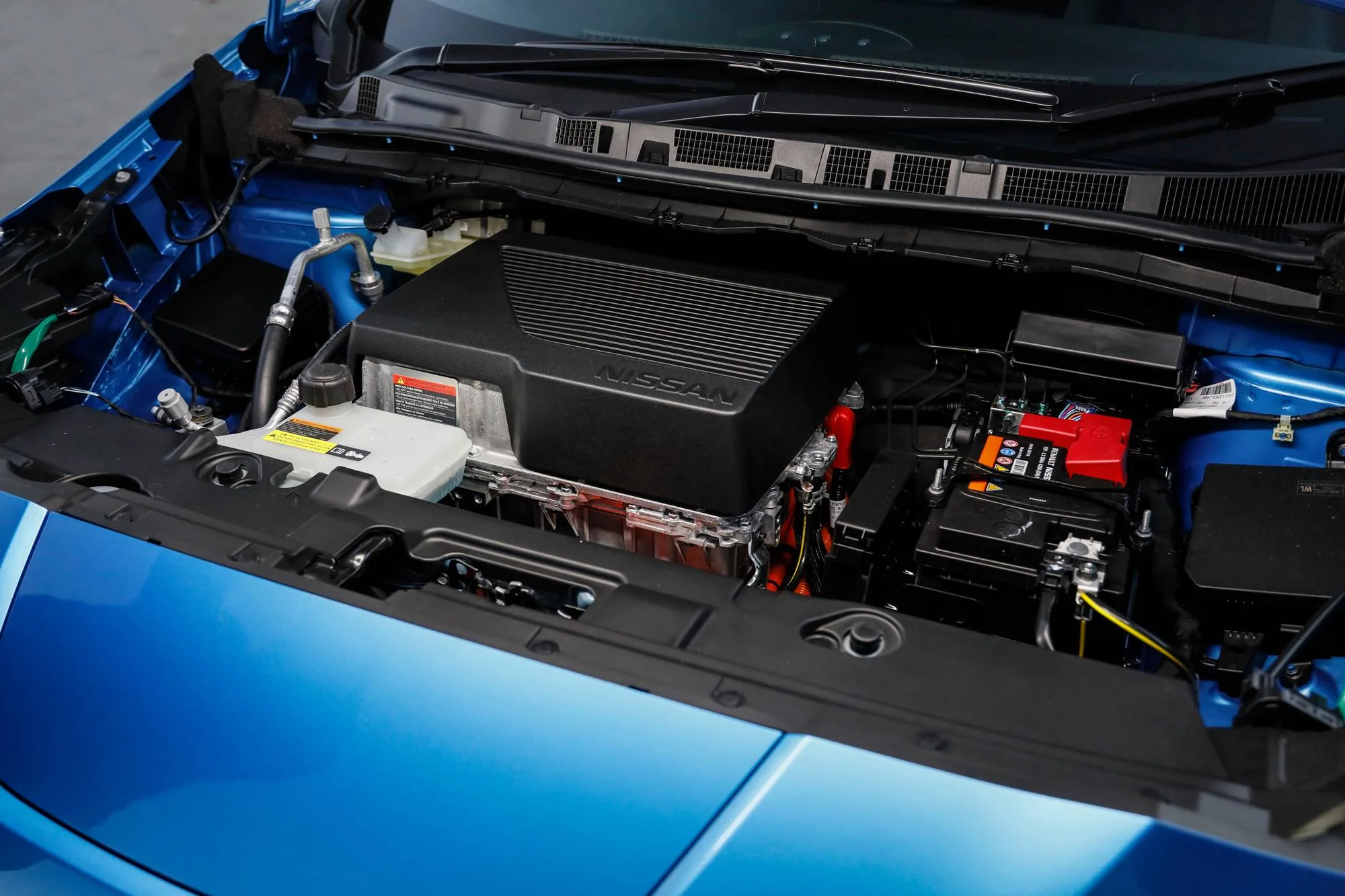
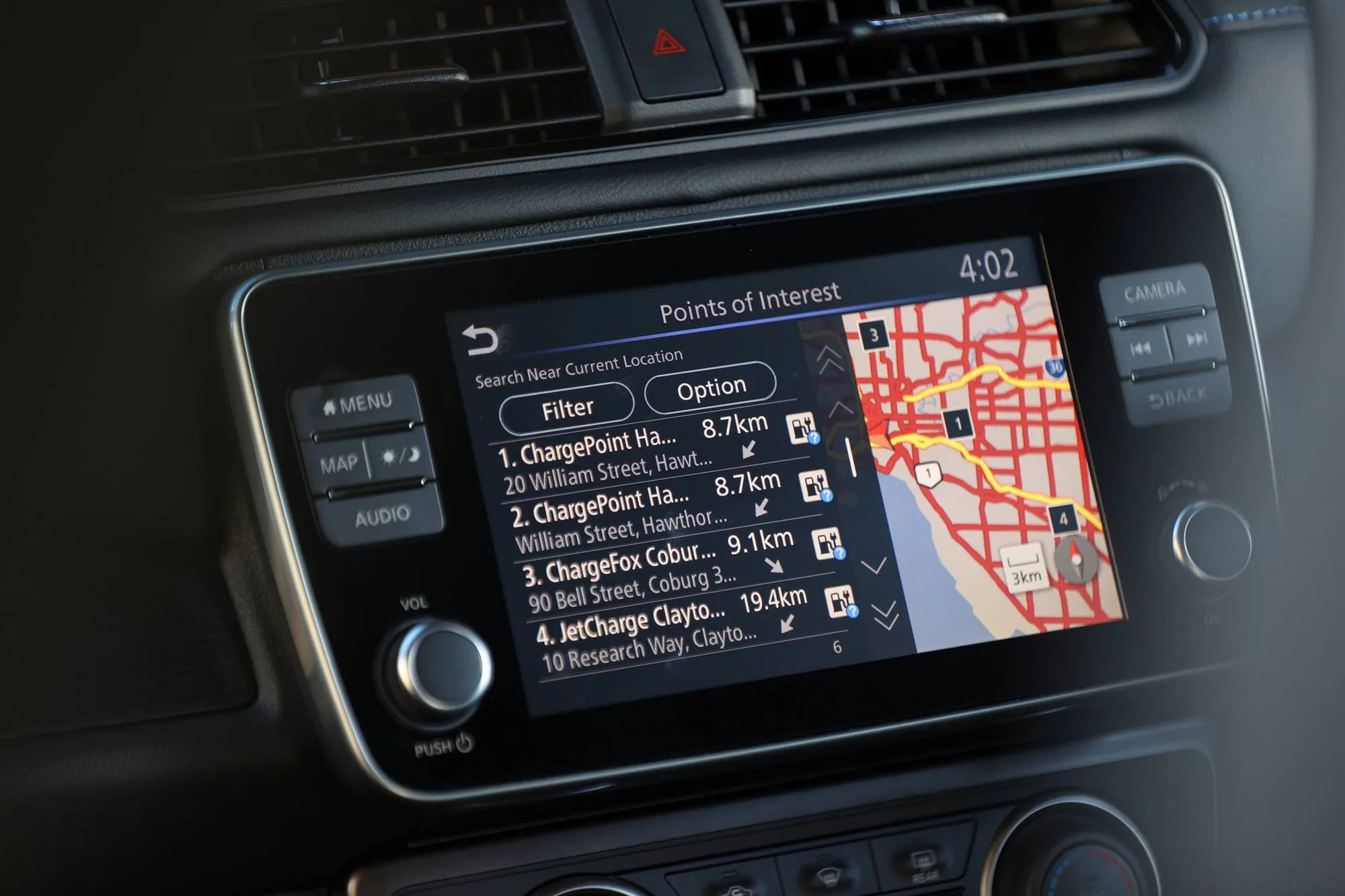


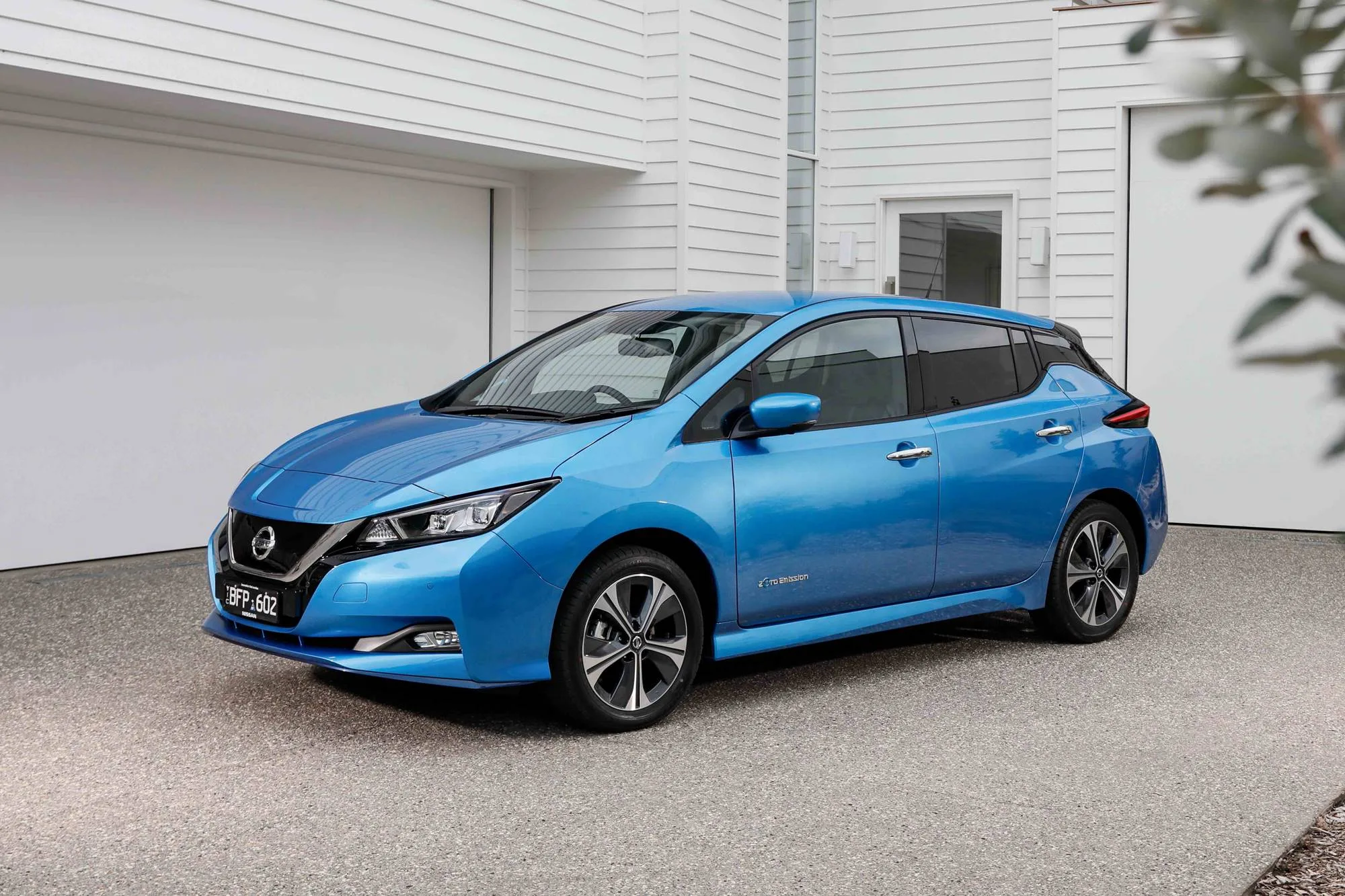


ABOVE: 2021 Nissan Leaf e+ with longer range and Bi-Directional Charging
Now featuring a 62kWh battery, the LEAF e+ sits at the pinnacle of the LEAF range, featuring advanced Nissan Intelligent Mobility technology, and delivering a thrilling 160kW of performance and a WLTP driving range of up to 385km2.
Offered alongside the existing Nissan LEAF, the increased driving range provided by the new e+ is designed to further its appeal to customers who travel longer distances between charges, ensuring there is now a LEAF model to suit all needs.
“The Nissan LEAF is one the world’s most popular electric vehicle, the new Nissan LEAF e+ will only further that appeal by delivering more of what our customers love about their EV,” says Nissan Australia Managing Director, Stephen Lester.
“With more power, more range and more performance, as well as full bi-directional charging capability, the e+ is simply more LEAF, and helps ensure there really is an EV to suit every need in Australia.
“From zero-emissions commuting in the city to weekends away and everything in-between, the Nissan LEAF and LEAF e+ have you covered”.
The e+ is more LEAF
With an additional 22kWh of energy storage when compared with the LEAF, the newly-developed 62kWh battery pack in the LEAF e+ offers 55 per cent more capacity and an approximate 25 per cent improvement in energy density while retaining a similar shape and size to the 40kWh LEAF battery pack; all without compromising the vehicle’s exterior design and interior space.
This new battery has given the LEAF e+ a significantly increased driving range of up to 385km2 (WLTP combined mode) on a single battery charge – an additional 115km over the LEAF capability.
The new Nissan LEAF e+ uses a new battery module design that allows for cell modules to vary in number. The new battery module uses an innovative laser welding technique on the cell joints to reduce the overall length of the module. At the same time, by changing the number of lamination layers of the cell, an optimal module height that matches the shape of the vehicle can be achieved.
The combination of these technologies has made it possible to achieve high energy density efficiently inside the battery pack.
The key components for achieving this higher density and reliability are the ternary cathode material and laminated-structure cells (battery cells). Ternary cathode material, which has a layered structure, increases battery storage capacity by allowing lithium ions to be tightly packed (higher density).
Efficiency and excitement
Maximum power and torque outputs have also been increased in the LEAF e+, now an exhilarating 160kW and 340Nm, delivering faster acceleration performance. In the more powerful e+, 0-100km/h is available in just 6.9 seconds.
Just as important, and even more useable in daily driving situations, acceleration from 80km/h to 120km/h is nearly 13 per cent quicker than in the LEAF, allowing the e+ to confidently pass slower-moving vehicles, exit corners faster and more seamlessly and merge easily with fast-moving traffic.
The top speed has also increased by approximately 10 per cent (now 158km/h).
Less time charging, more time driving
Thanks to the new 100kW peak Quick Charging system, the Nissan LEAF e+ can charge more efficiently than ever. Nissan LEAF e+ owners can charge from 20% to 80% in just 45 minutes5, despite a 55% larger battery storage capacity.
Vehicle-to-Grid ready
Both the Nissan LEAF and LEAF e+ are capable of bi-directional charging, meaning that energy can not only flow from charger to vehicle, but can also be returned back to a home or other premises as and when required. The Nissan LEAF is still the only 100% electric vehicle to offer bi-directional charging capabilities directly from the factory.
A feature that has the opportunity to revolutionise personal energy storage for consumers in a wide variety of scenarios, it also has significant potential to assist with imbalances in the electricity grid system as power demand ebbs and flows throughout the day.
Nissan is participating in trials that will be deployed in Australia to demonstrate the benefits of this technology to consumers, businesses and the national electricity market.
Technology that matters: Nissan Intelligent Mobility
As the icon of Nissan Intelligent Mobility, LEAF exemplifies the Nissan Intelligent Integration philosophy with an impressive array of connectivity services. The LEAF range comes standard with the NissanConnect infotainment system, with an 8.0-inch touchscreen, and Apple CarPlay® and AndroidAutoTM for seamless smartphone connectivity.
Further enhancing the Nissan LEAF driving experience is e-Pedal, which allows the driver to start, accelerate, decelerate and stop using only the accelerator pedal. To match the additional power and increased mass of the Nissan LEAF e+, Nissan has reprogrammed the e-Pedal software for smoother operation and enhanced pedal feedback, especially for operation in reverse, and for smoother and more rapid deceleration, making it easier to stop the car using e-Pedal, even when reversing.
Download the full press kit here.
LEAF and LEAF e+ technical specifications:
| Specifications | LEAF 40kWh | LEAF e+ 62kWh |
|---|---|---|
| Motor | AC synchronous (EM57) | AC synchronous (EM57) |
| Battery | Laminated lithium ion | Laminated lithium ion |
| Battery capacity (kWh) | 40 | 62 |
| Battery voltage (v) | 350 | 350 |
| Driven wheels | 2 | 2 |
| Fuel type | Electricity | Electricity |
| Transmission | Reduction drive | Reduction drive |
| Drive selector | Shift-by-wire | Shift-by-wire |
| Eco Mode | S | S |
| Performance | ||
| Acceleration, 0-100km (sec) | 7.9 | 6.9 |
| Top speed (km/h) | 145 | 158 |
| Electricity Consumption (Wh/km) | 171 | 180 |
| Maximum power (kW @ 3283-9795 rpm | 110 | 160 |
| Maximum torque (Nm @ 0-3283 rpm) | 320 | 340 |
| Driving range, indicative real-world WLTP standard (kms) | 2701 | 3852 |
| CO2 emissions while driving (g/km) | 0 | 0 |
| Specifications | LEAF 40kWh | LEAF e+ 62kWh |
|---|---|---|
| Charging | ||
| On-board AC charger | ||
| Capacity (kW) | 6.6 | 6.6 |
| Charging port | Type 2 (Mennekes) | Type 2 (Mennekes) |
| Charging time (empty warning to 100%): | ||
| 10A MODE-2 cable with 3-pin domestic socket3 | 21h00 | 32h00 |
| Charging time (empty warning to 100%): 32A MODE-3 cable with Type 2 socket4 | 7h30 | 11h30 |
| On-board DC quick charger | ||
| Peak Capacity (kW) | 50 | 100 |
| Charging port | CHAdeMO | CHAdeMO |
| Charging time (20% to 80%): 50kW CHAdeMO quick charger5 | 60min | 90min |
| Charging time (20% to 80%): 100kW CHAdeMO quick charger5 | 60min | 45min |
| Bi-directional charge capability | S | S |
To learn more about Nissan LEAF, visit https://www.nissan.com.au/vehicles/browse-range/leaf.html.

Alan Zurvas is the founder and editor of Gay Car Boys, Australia's leading LGBTQI+ automotive publication. Before launching GCB in 2008, Alan's automotive writing was published in SameSame.com.au and the Star Observer. With over 16 years of hands-on car reviewing experience, Alan brings an honest, irreverent voice to every review — championing value and innovation over brand loyalty.
Leave a Reply