Nissan has sent the 2026 Qashqai e-POWER around Tasmania on one tank, and yes, the number is tidy. The red SUV covered 1303km on 55 litres of petrol, with the trip computer showing 4.5L/100km across the island loop and the return to Geelong.
Story by Luke
Taken alone, that is a useful fuel figure. Put it beside Japan’s current EV panic, and it starts to feel like a very expensive holding pattern. Nissan is polishing hybrid range while Honda is cutting back electric plans that were meant to carry it into the next decade.
The Nissan Qashqai e-POWER uses a 1.5-litre turbo petrol engine as a generator, feeding an electric motor through a tiny battery. Nissan sells the idea as EV-style driving without charger anxiety. The problem is that every kilometre still begins with petrol and when the model was released, the Chinese EV onslaught had not begun. The landscape is very different now and the Nissan hybrid now looks old-skool, as my nephew always says.
Honda’s own March update was even starker. Honda said it would cancel the development and market launch of three EV models planned for North America, then flagged a forecast swing from a 550 billion yen operating profit to an operating loss between 570 billion and 270 billion yen. The Ontario EV and battery plan, widely reported as an $11 billion project, has also been put on ice.
Above: Denza B8 Could be the Best SUV on the Market
#denza #ElectricCars #phev #denzab8

Help Support Gay Car Boys Subscribe to our Youtube Channel by SMASHING THE BUTTON ABOVE


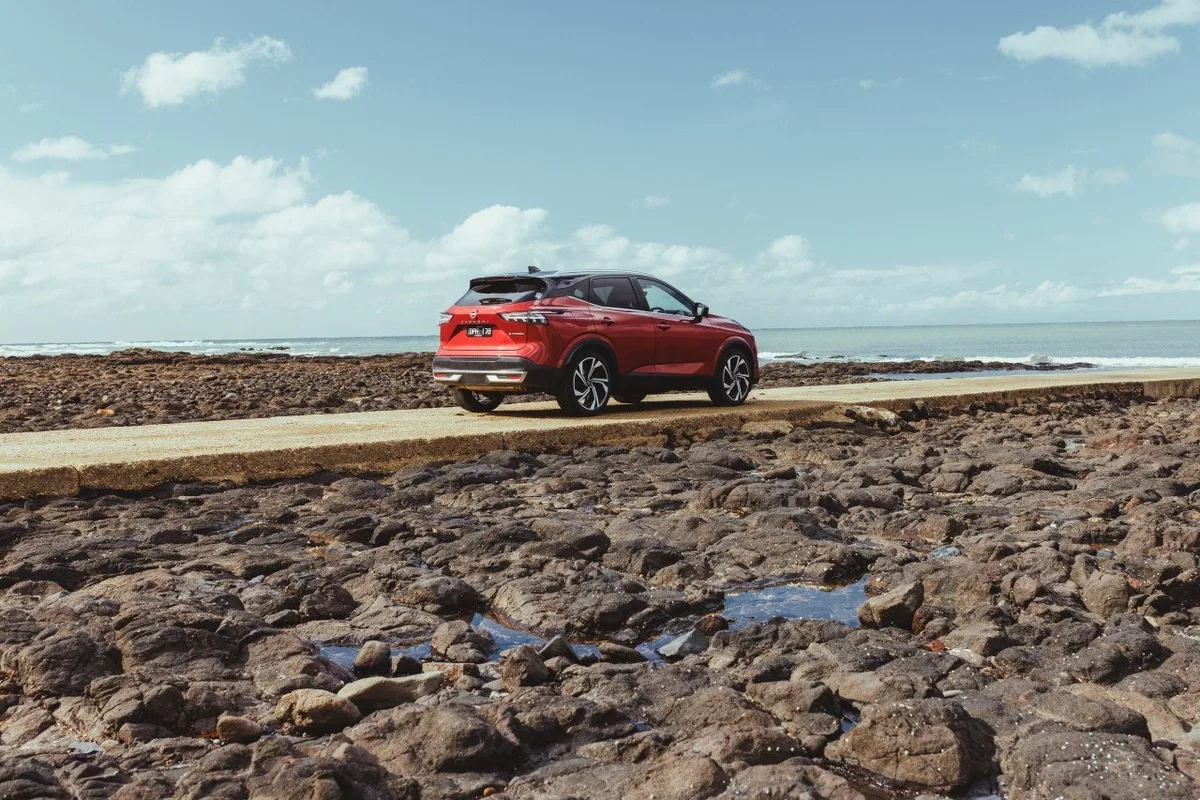
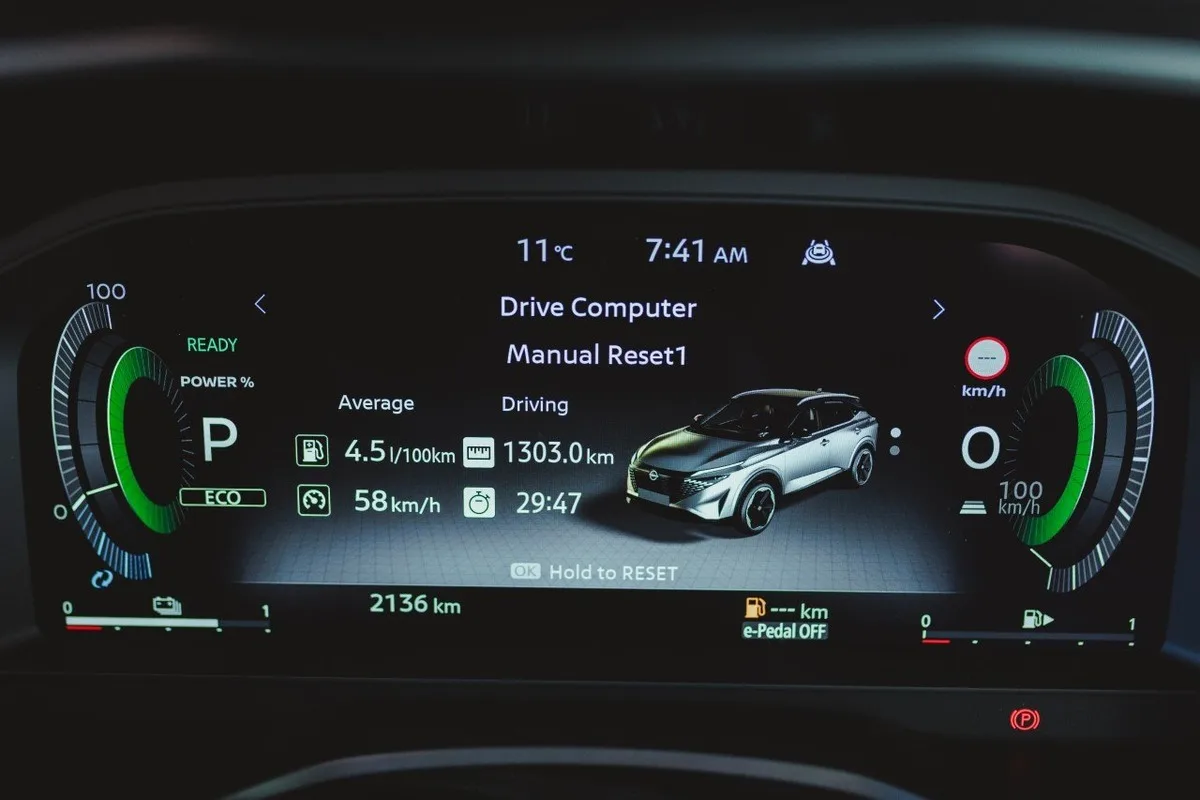
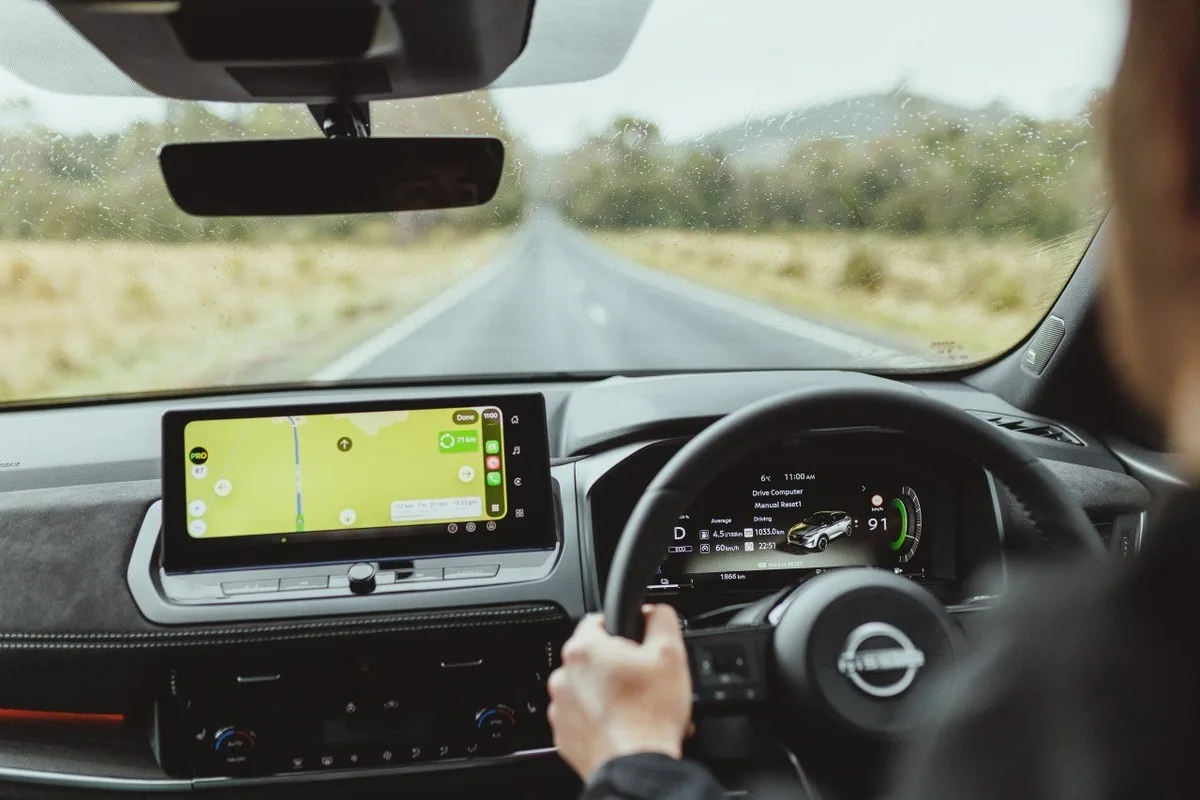

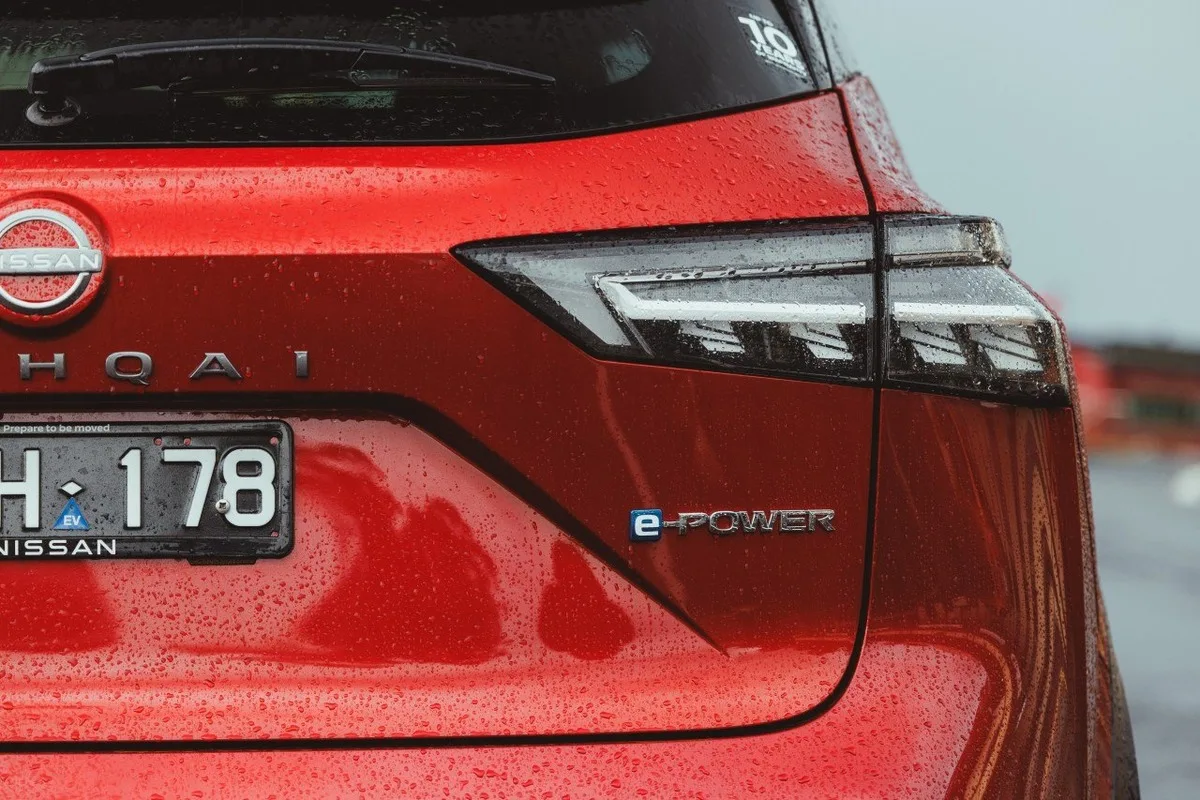






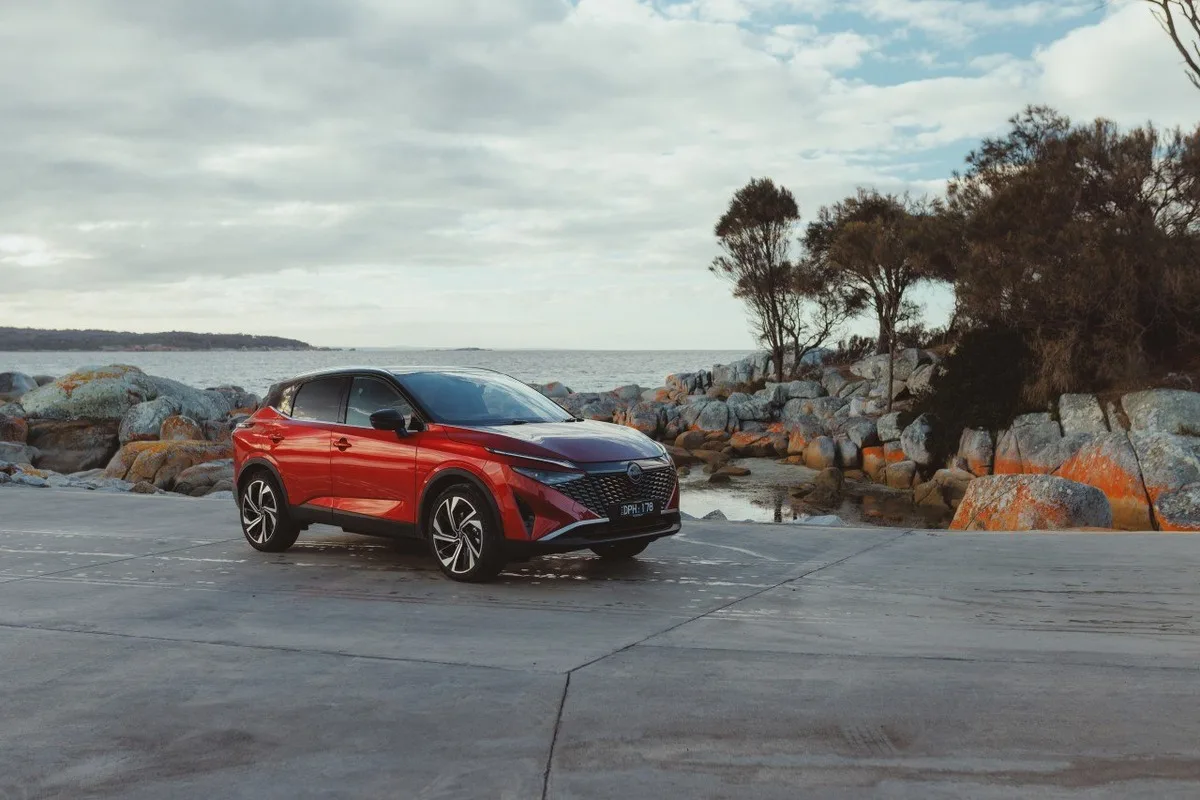


ABOVE: Nissan Qashqai e-POWER in Tasmania.
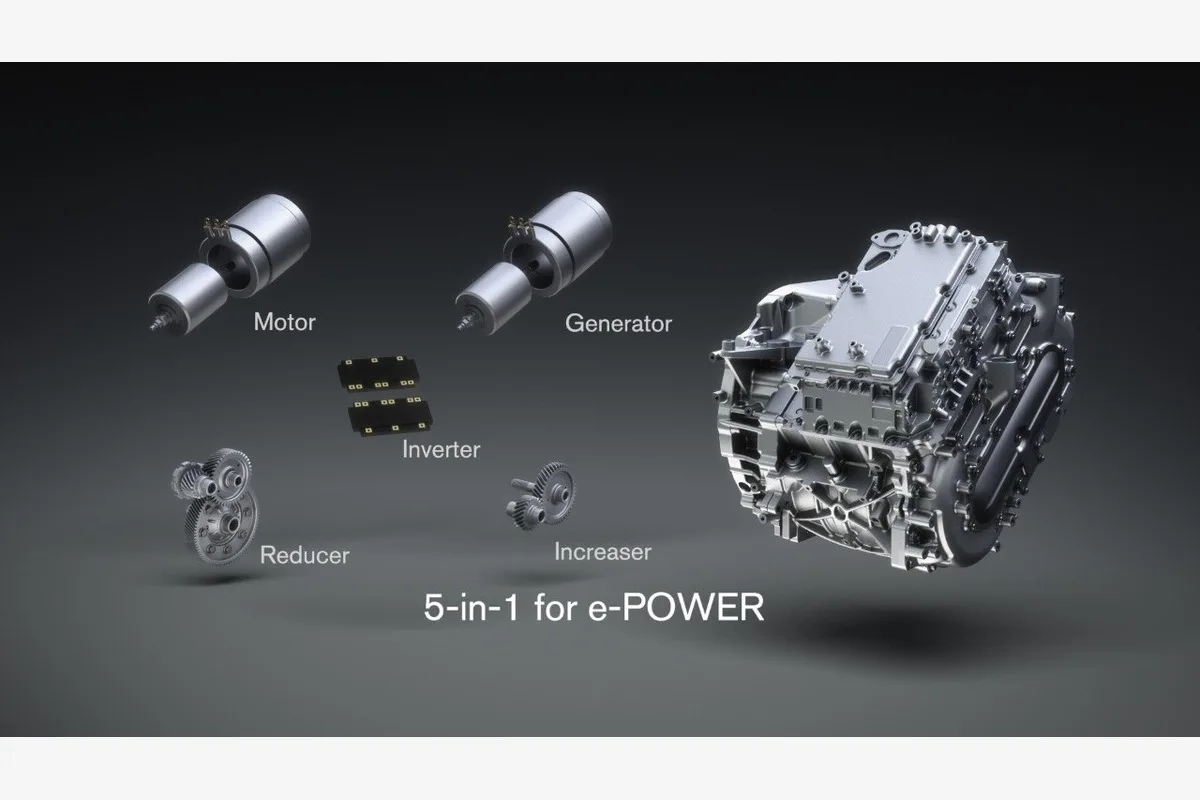
It’s not that Nissan is not wrong to chase efficiency, and the updated e-POWER system is clever. The 2026 car gets a new 5-in-1 powertrain unit that combines the electric motor, generator, inverter, increaser, and reducer in one package. The engine uses Nissan’s STARC combustion work and claims up to 42% thermal efficiency. That’s not the point. Japan is still resisting full EV models with every fibre of its being. Nissan has 2 EVs, so does Tesla, at least in Australia, need I say more?
Nissan’s combined-cycle figure is now 4.1L/100km, with CO2 at 92g/km. On the road, Tasmania returned 4.5L/100km, and nobody would call that bad. The sharper question is why a company under financial pressure is still spending so much effort making a petrol car feel like an EV, rather than building EVs that can fight on price and technology. Is it that they can’t fight China on China’s own backyard, because that is now the situation.
The Qashqai ST-L e-POWER starts at $45,640 before on-roads, the Ti is $49,640, the Ti-L is $53,640, and the N-Design is $54,140. That is serious money for a small SUV carrying a petrol engine, a generator, an electric motor, and a battery too small to drive your week on electricity. We just handed back a Leapmotor B10 that is bigger, more comfortable, feels far more modern, and has more gear. It has more room in the back and can run for 500km on EV mode, because that’s the only mode it has.
China has made that argument untenable. BYD’s SuperHybrid is not about making a petrol car impersonate an EV for a brochure photo op. The Sealion 6 gives buyers a proper electric driving window from a much larger battery, then keeps the petrol engine as backup. Around town, many owners can cover normal commuting without burning fuel at all.
That is where the Japanese hybrid story starts to fray at its over-PR’d edges. A 1.97kWh battery in a Qashqai can smooth the drive and recover energy, but it cannot give you meaningful electric-only life. An 18.3kWh plug-in hybrid battery changes how the car is used. One is a clever drivetrain, and the other changes the bill at the bowser.
The BYD Shark 6 makes the point from the other end of the showroom. Around $63,000 buys 350kW/700Nm and vehicle-to-load capability, wrapped in a ute-shaped warning to every old brand that thought hybrid badges would be enough. Nissan is talking about range anxiety, while BYD is selling power outlets, power/torque and a camping battery on wheels. Japan has nothing to answer the question and has no plans to provide one any time soon.
Honda’s retreat sharpens the point to razor-like edge. If Honda cannot justify some of its North American EVs, and Nissan is already in repair mode, why are both still asking buyers to treat hybrid complexity as a destination rather than a bridge? The bridge was useful, but it was never meant to have a bunch of people move onto it for good.
Japanese brands once owned the sensible shoe segment. Although Honda was first, Toyota made hybrids normal. Honda made engineering feel trustworthy, and Nissan gave the world the Leaf before many rivals had found the charging socket. That history deserves credit, but history does not reduce a monthly payment or update a slow strategy. Taht is why Japan is being left in the historic wake of an unprecedented sweep across the lake.
The Australian market is already moving at a cracking pace that is gathering momentum as the months pass. April VFACTS reporting put EVs at a record 14.6% share, with Chinese brands pushing harder into the places Japanese brands thought they had the lock on. Buyers are comparing cabins, screens, power, warranty, price, and running costs. Nostalgia is not a finance product and is looking more like an Albatross.
The Qashqai e-POWER lap is a neat demonstration, and for some buyers it will be enough. There are drivers who do not want a plug, do not trust public charging, and do not care that the industry has moved on. Nissan has given them a polished answer but the numbers speak for themselves and the market is not only not convinced, they aren’t even noticing.
The Hybrid now looks like a pastiche, a glimpse into a fast-vanishing history that buyers find quaint at best. A 1303km petrol run through Tasmania does not cancel Honda’s EV retreat, Nissan’s pressure, or the brutal price and technology push from China. It shows how hard Japan is working to make yesterday’s compromise feel fresh.
That is not a future strategy, it is an entire country’s car industry circling a plughole that they could pull out of if they had the will.
More Stories
- Electric Cars, We Aren’t There Yet, What Bollocks
- Leapmotor B10 Sneaks In At A Smidge Under $42k Making Legacy EVs Outclassed
- VFACTS April 2026 EVs hit one in six as Chinese brands reshape the market
Help Support Gay Car Boys Subscribe to our Youtube Channel

Alan Zurvas is the founder and editor of Gay Car Boys, Australia's leading LGBTQI+ automotive publication. Before launching GCB in 2008, Alan's automotive writing was published in SameSame.com.au and the Star Observer. With over 16 years of hands-on car reviewing experience, Alan brings an honest, irreverent voice to every review — championing value and innovation over brand loyalty.
Leave a Reply