Porsche’s next generation high-resolution HD LED Matrix headlights are twice as bright as previous Porsche systems
The matrix combines over 16,000 individually controllable micro-LEDs onto a thumbnail-sized surface. There are 2 per headlight, 4 per car. The area lit is four times larger than previous premium systems.
As well as the usual masking of head and tail lights ahead, other functions include lane illumination, construction and narrow-lane light and adaptive motorway high-beam lights. The high beam lights up to 600 metres ahead, large areas to the right and left of the anti-dazzling gap become significantly brighter.
Video Review: 2022 Haval: Jolion HEV VS H6 HEV – A Surprising Result
Help Support Gay Car Boys Subscribe to our Youtube Channel
- Top GayCarBoys Stories:
- Sexy Men Drive 2021 Toyota Yaris Cross
- 10 Sexiest MotoGP Motorcycle Riders
- DON’T Drive YOUR CAR until you’ve Checked if your AIRBAG will KILL YOU
- 10 Hottest Racing Drivers
- Top 12 Best Gay Lesbian LGBTI Luxury Cars
- Top 10 Gay Lesbian LGBT Cars
- Top 10 Gay Lesbian LGBT Sports Cars
- Top 15 gay and lesbian LGBT SUVs
- Talented Twinks – Callum Ilott Virtually Races Arthur Leclerc

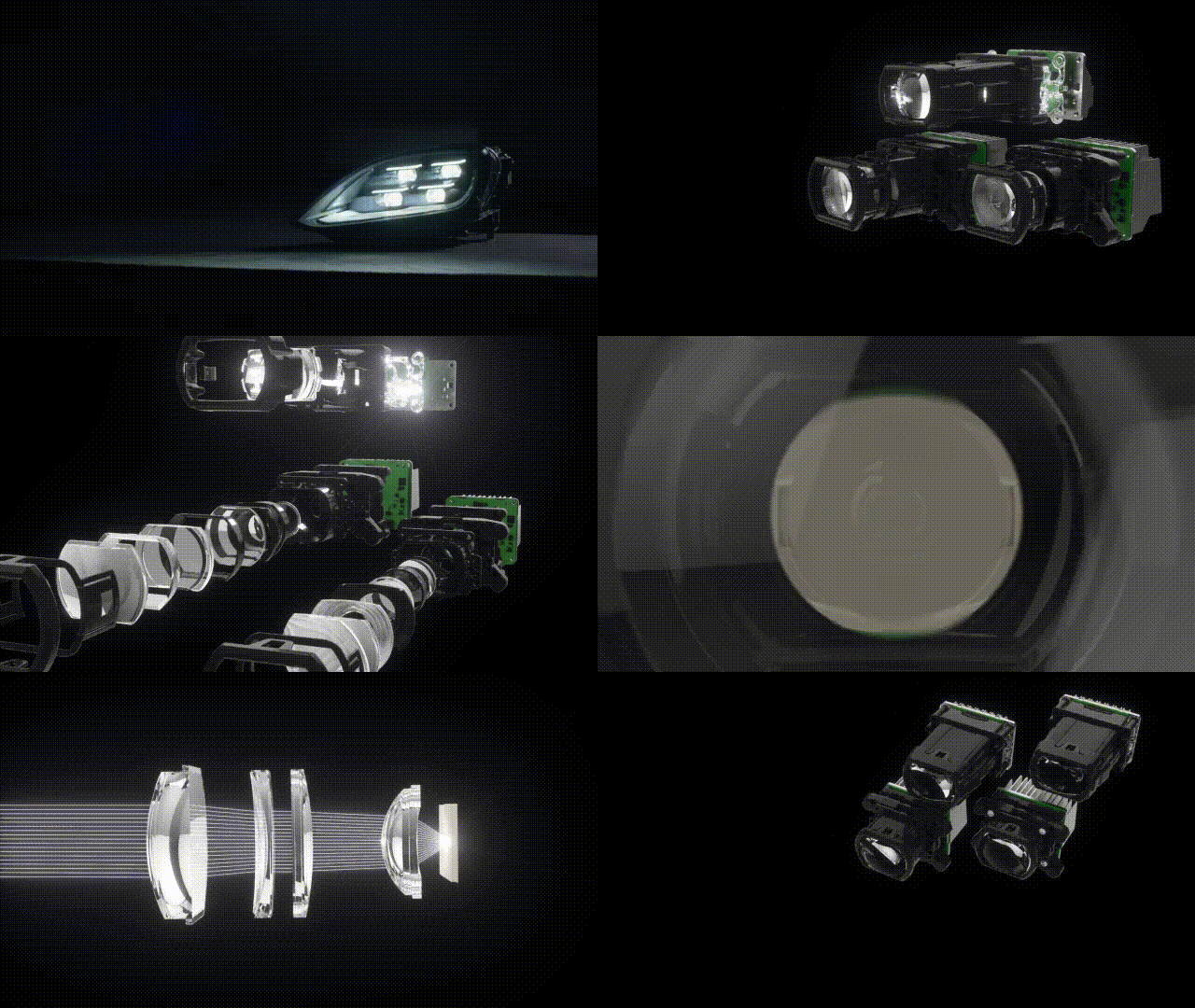


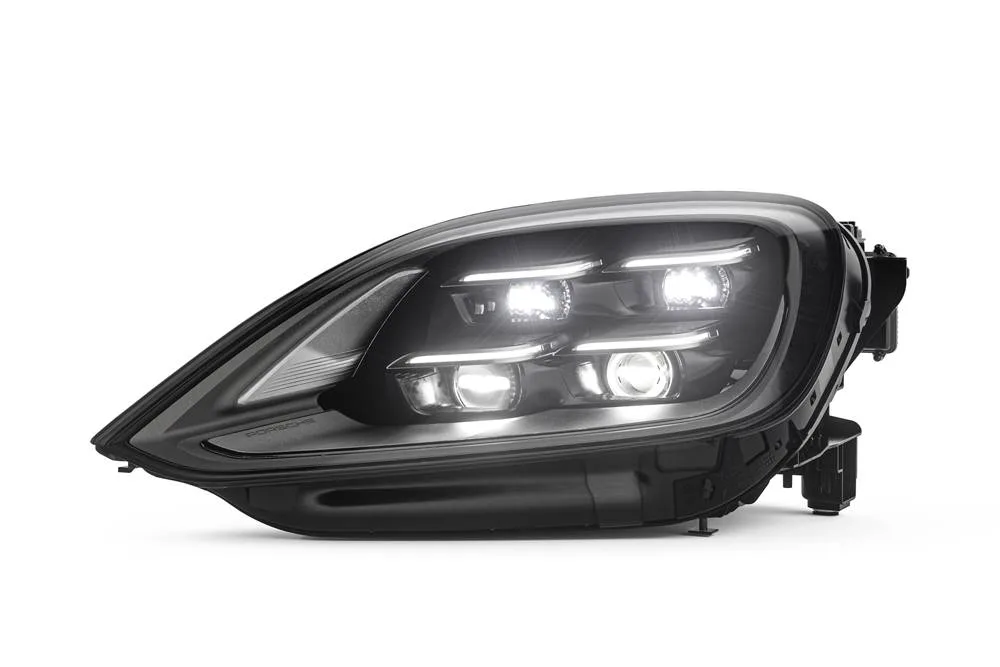

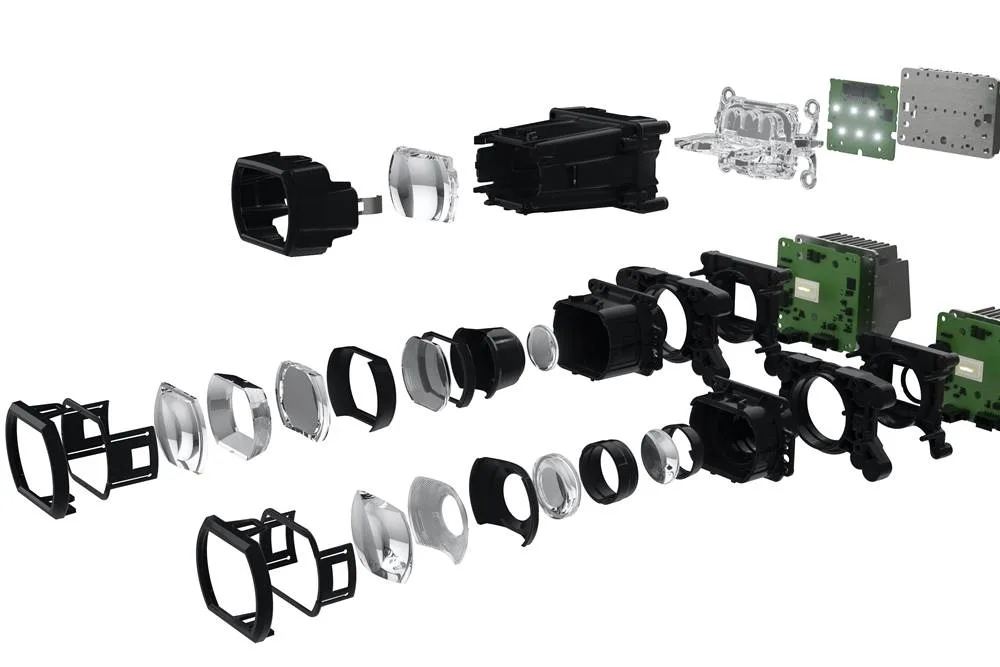
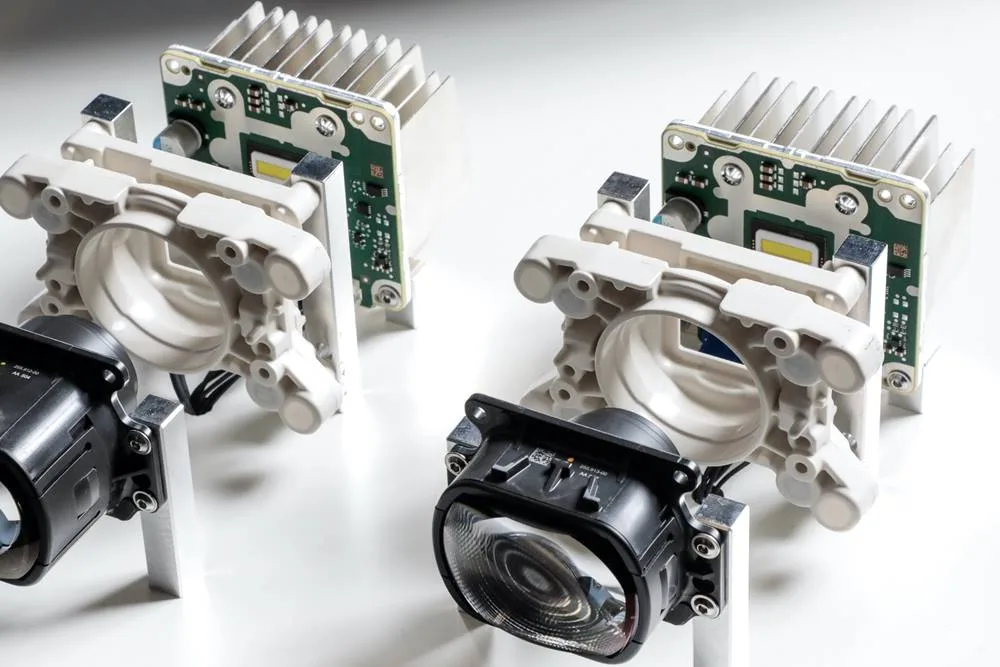
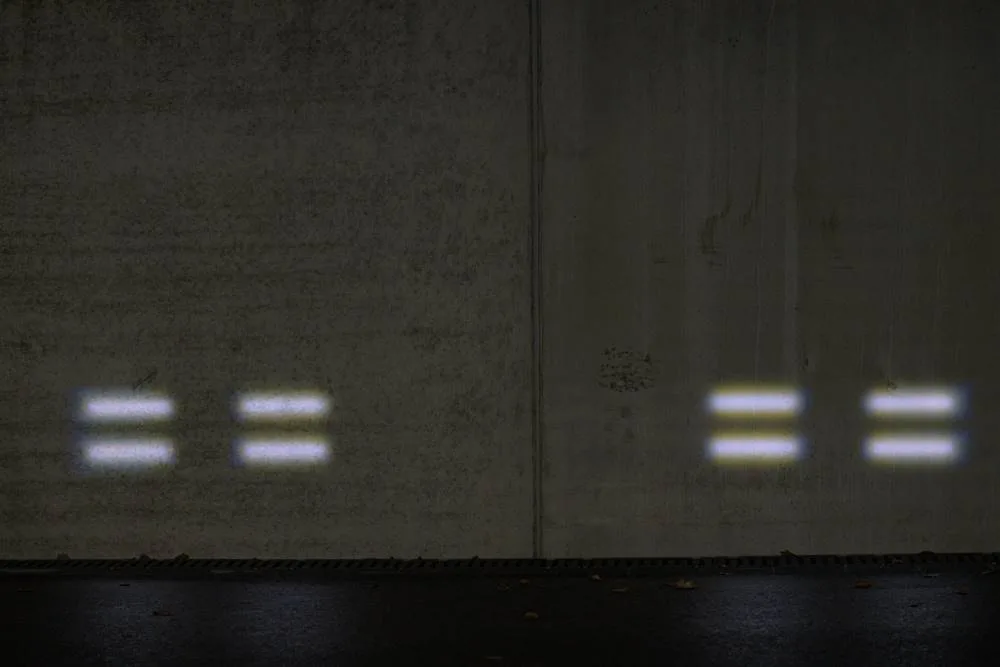
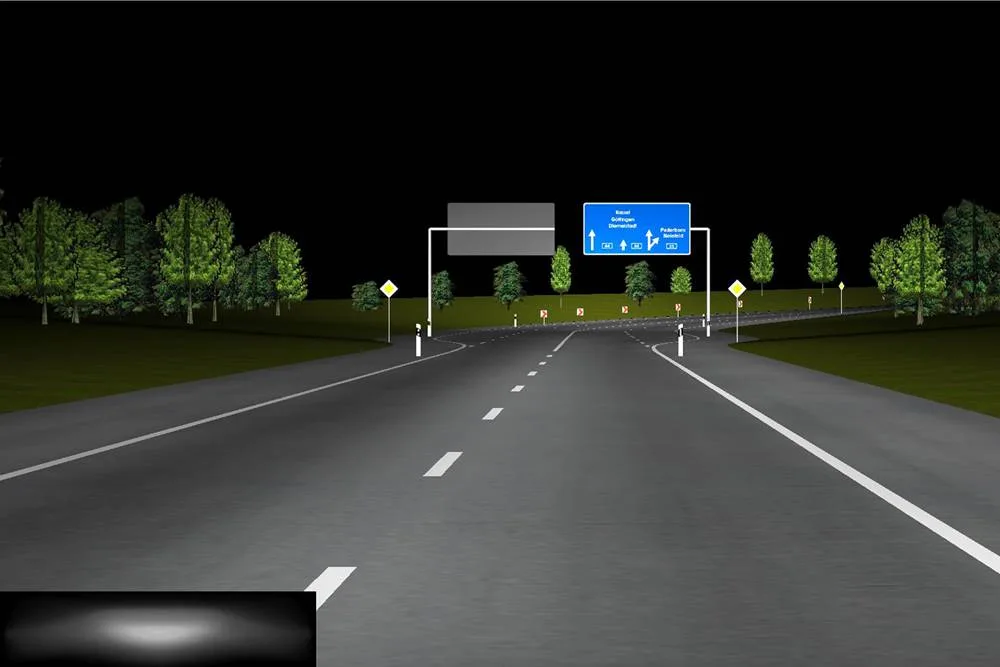
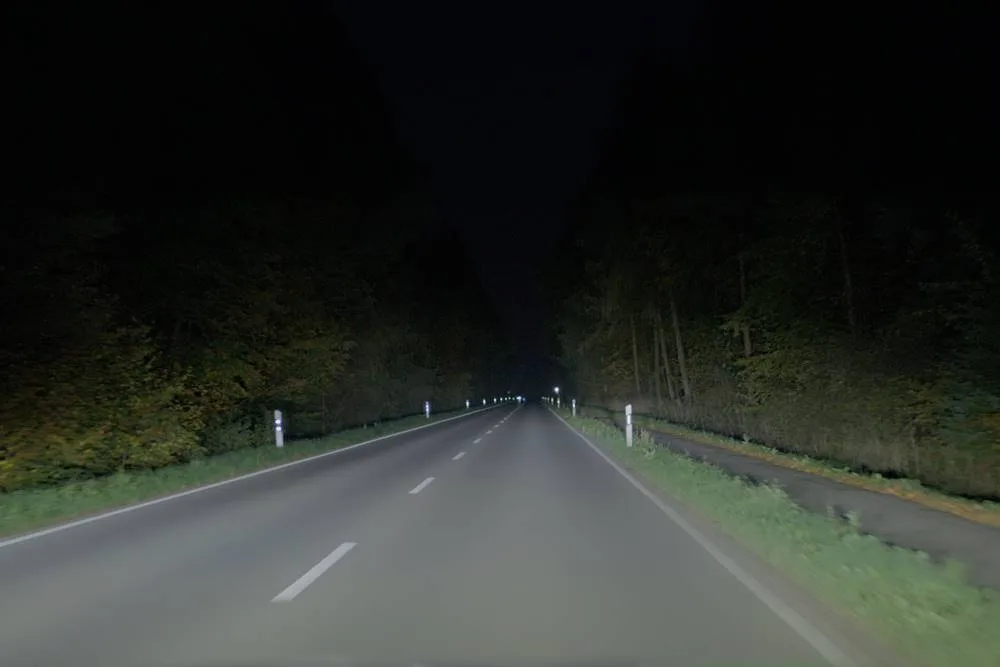
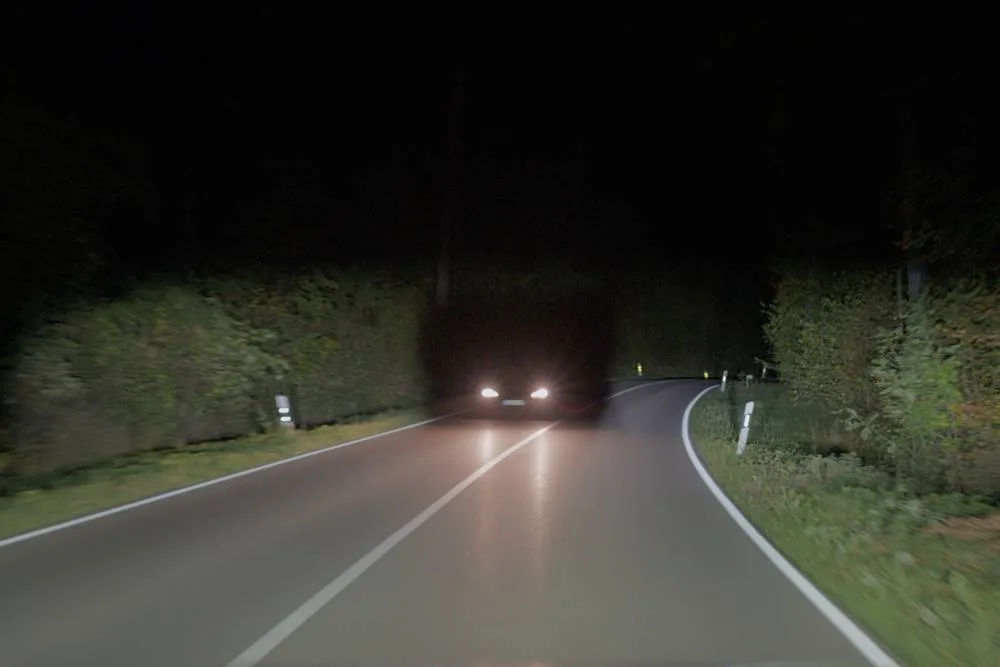
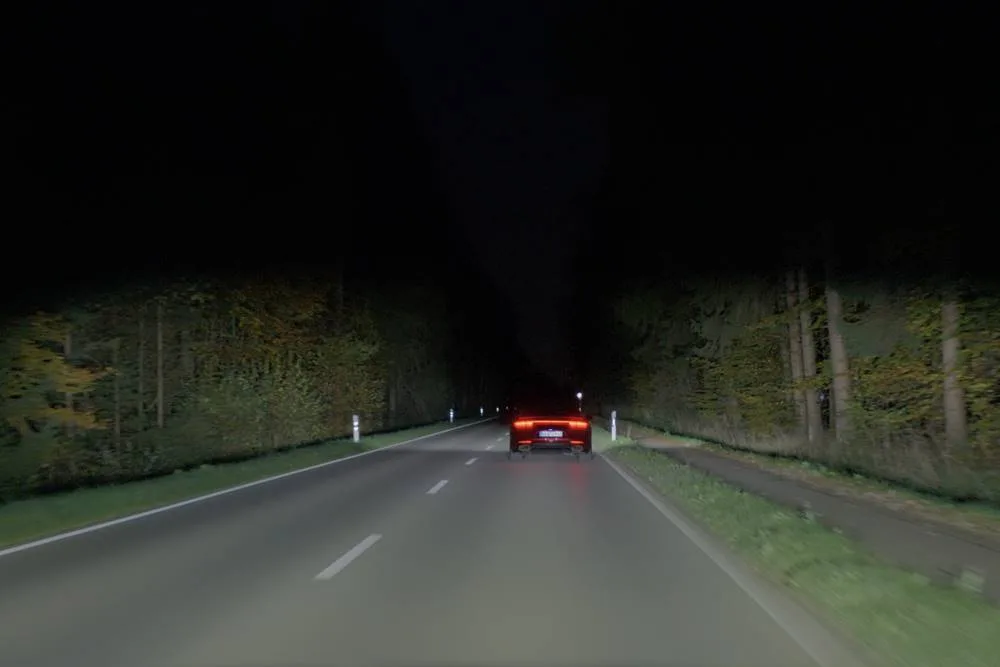
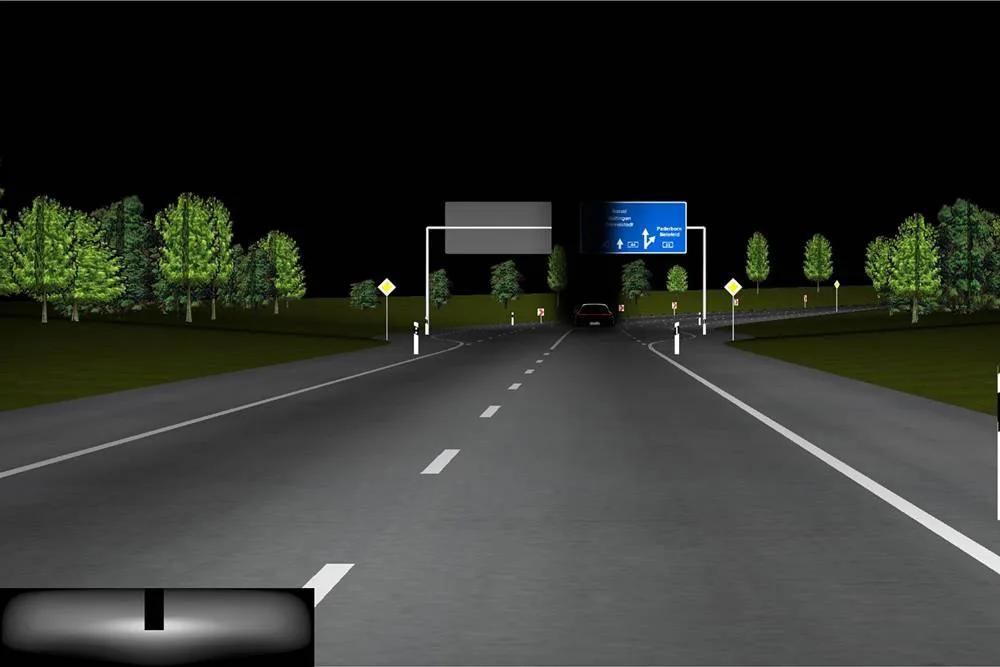
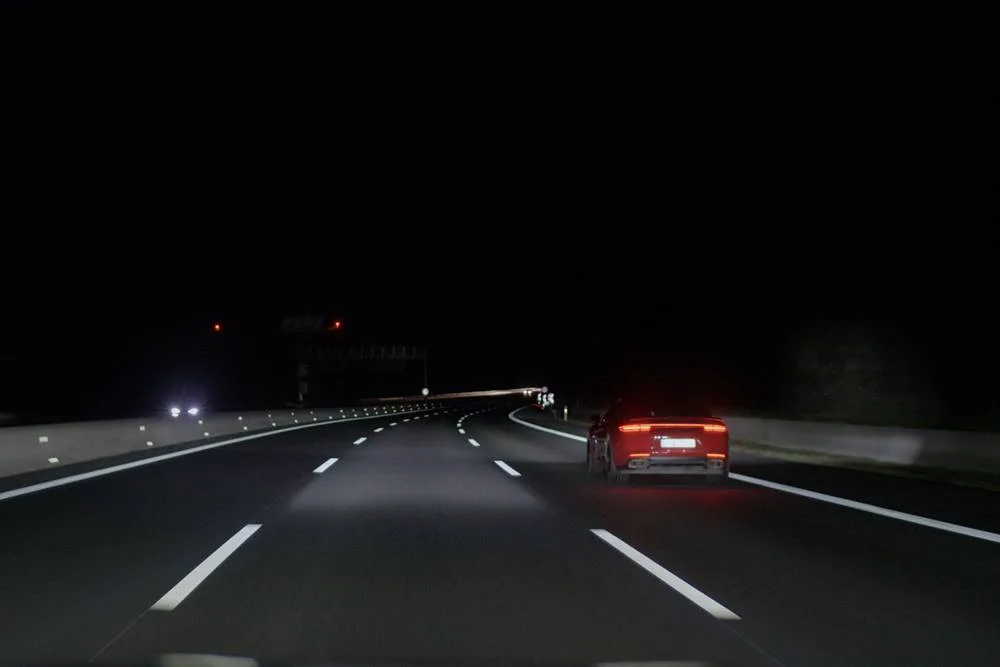
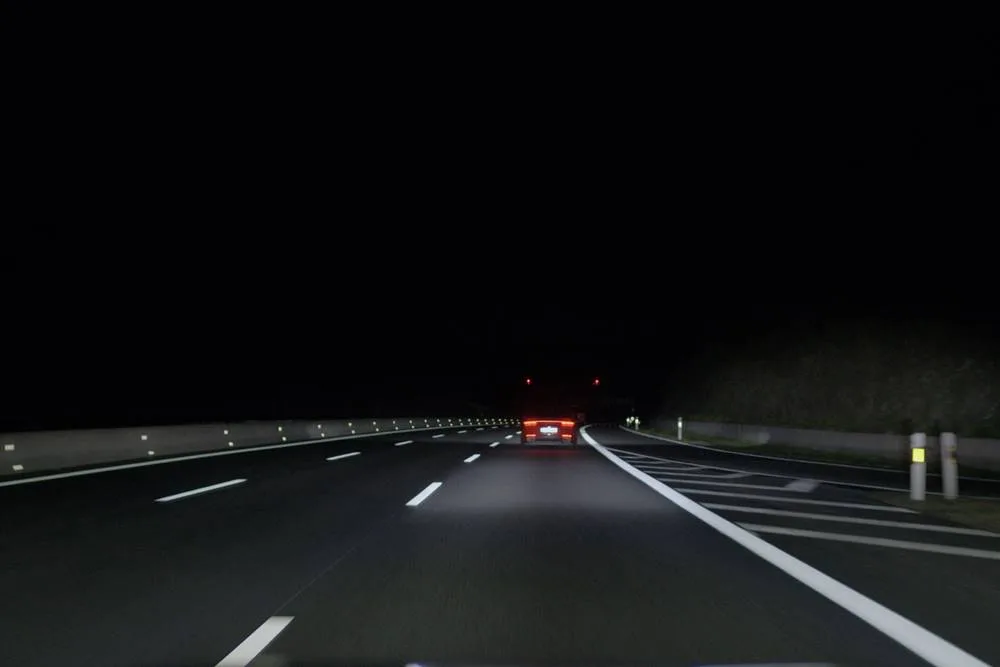
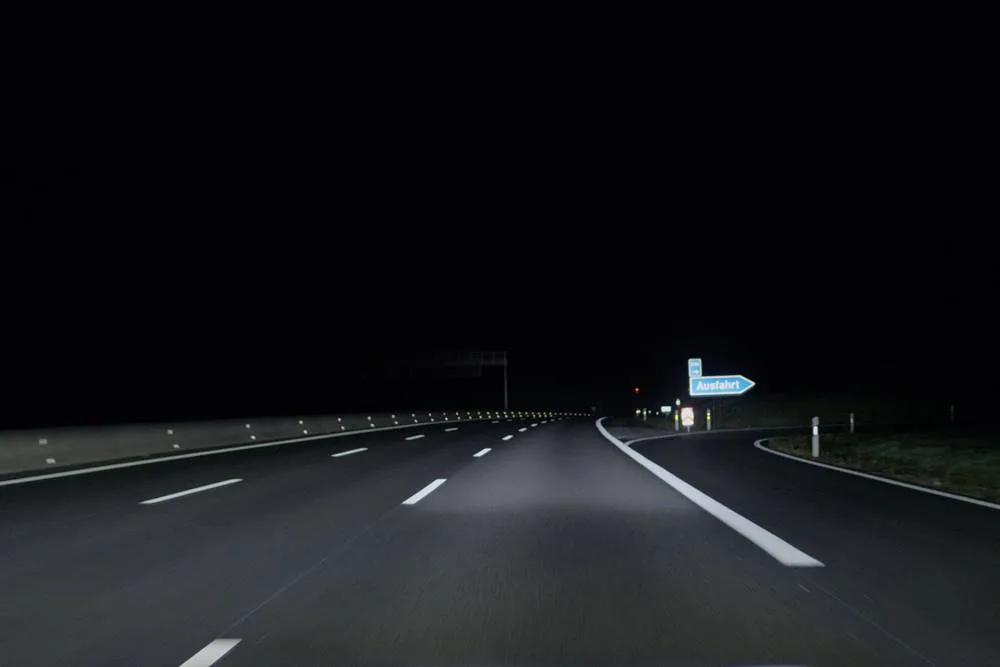
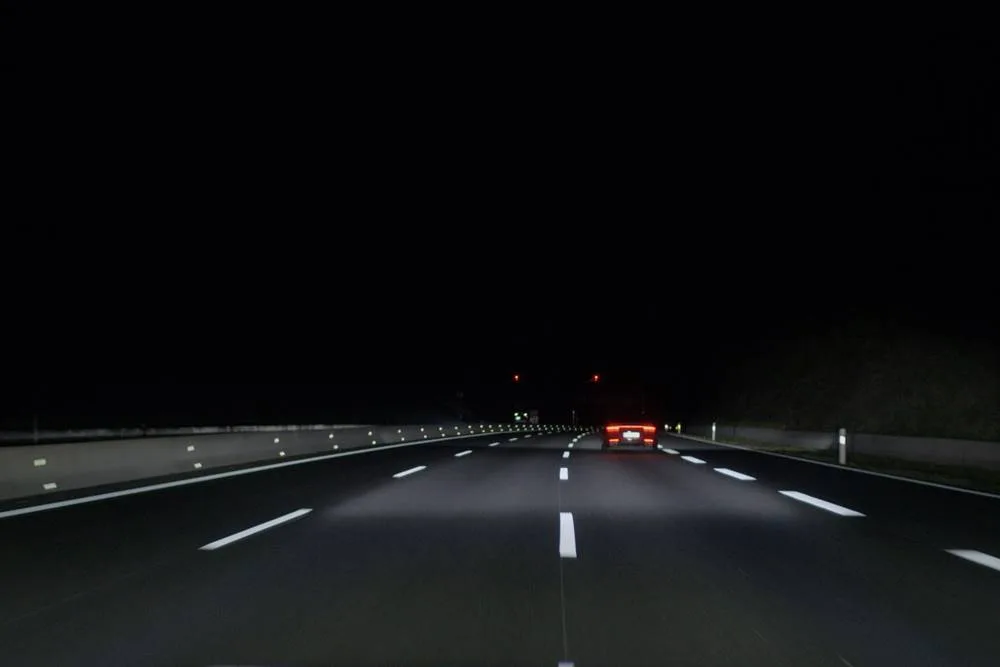
ABOVE: Porsche HD Matrix Headlight
The HD matrix only activate the pixels needed so use less energy than other high-resolution systems.
The Four-point headlight graphics displayed at night are in addition to the four-point daytime driving lights and static cornering lights. The four-point daytime running lights can also be seen at night with both low and high beams in the new system. The HD matrix headlights will appear in successive model lines with identical module technology but adapted designs. During the R & D process, Porsche submitted over 25 patents.
Previous Porsche Matrix headlights had 84 cells, whereas the HD matrix LED system uses 16,384 pixels per module. The design of the headlight is clearly structured. Four almost squarely arranged light modules, each complemented by a narrow daytime running light strip above the module, trace the brand’s characteristic four-point design – by day and by night. The two upper bi-functional modules are identical and provide the courtesy lighting and auxiliary high beam with three LEDs each.
The heart of the new HD matrix technology is the two lower light units. Each features an identical LED array with integrated LED driver (ASIC) that generates an unprecedented high-resolution luminous flux in an area of just 12.8 millimetres by 3.2 millimetres. The system controller – comparable to a powerful graphics card – not only activates but also controls the brightness of each of the 16,384 individual light-emitting diodes per LED array in 1,024 steps. Different lenses, each with specifically ground optical glass, complete the two HD modules.
More GCB Sports Car Stories
- 2021 Alfa Romeo Giulia is Near Perfect – FULL REVIEW
- Sexy Men Drive 2021 Toyota Yaris Cross
- How Fast is 2020 Toyota Supra? GayCarBoys review
- 2020 Toyota 86 Review and Last Drive Before New Model Released
- Can Toyota Supra Handle Macquarie Pass’ hairpin Bends Roadtest Review
- i30: N 2018 Hyundai i30 N Review and Video
- 2018 Hyundai i30N Review
- We Drive Mazda MX-5 (Miata, MX5) 30th Anniversary Edition. It is any good?
- 2019 Mazda MX5 Launch Review
- 2018 Mazda MX5 RF road trip review and video

Alan Zurvas is the founder and editor of Gay Car Boys, Australia's leading LGBTQI+ automotive publication. Before launching GCB in 2008, Alan's automotive writing was published in SameSame.com.au and the Star Observer. With over 16 years of hands-on car reviewing experience, Alan brings an honest, irreverent voice to every review — championing value and innovation over brand loyalty.
Leave a Reply