A Rolls-Royce Silver Ghost once drove from London to Edinburgh with its gearbox locked in top gear, then went to Brooklands and hit 164km/h.
Rolls-Royce is marking 120 years since the 40/50 H.P. first appeared at London’s Olympia Motor Show in November 1906. It had a smooth six-cylinder engine and a reputation for dependability. Both came from Henry Royce’s determination to get past the mechanical limits of early motoring.
The Silver Ghost name started with a single car. Claude Johnson, the company’s first Commercial Managing Director and known to everyone as CJ, liked to give individual cars names. Chassis 60551 was christened “The Silver Ghost” and finished in silver paint with silver-plated fittings to match. It became so celebrated that other owners started calling their 40/50s Silver Ghosts too, and the name ended up covering every car of the type.
Two of the owners had Australian connections. Dame Nellie Melba took delivery of her 1911 Rolls-Royce Silver Ghost, chassis 1500, at the Ritz Hotel in London, and used it in Britain and France as well as in Australia. Charles H. Angas called his Rolls-Royce Silver Ghost “The Dreamer” because his wife regularly fell asleep travelling in it.
Above: Polestar 5 Australian Launch Review is Picturesque Tasmania
#Polestar5Performance, #Polestar, #EVReview, #AudiRS, #GayCarBoys

Help Support Gay Car Boys Subscribe to our Youtube Channel by SMASHING THE BUTTON ABOVE


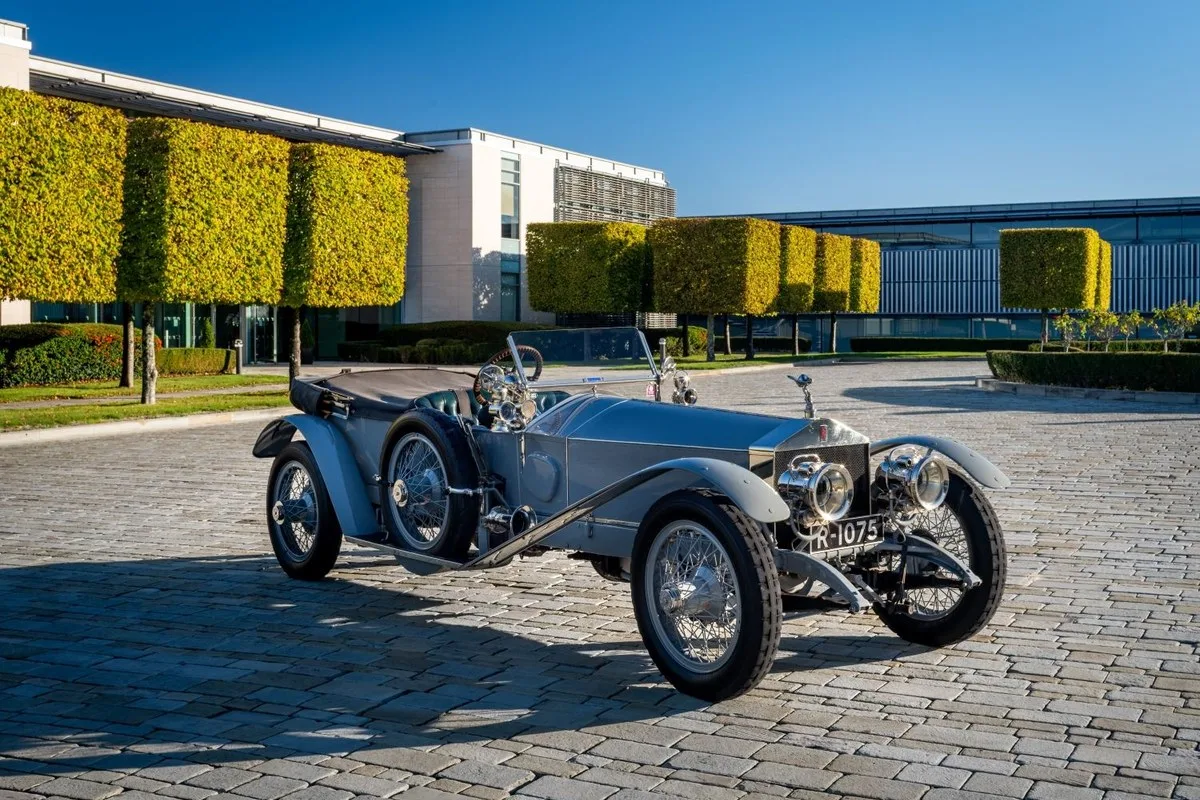
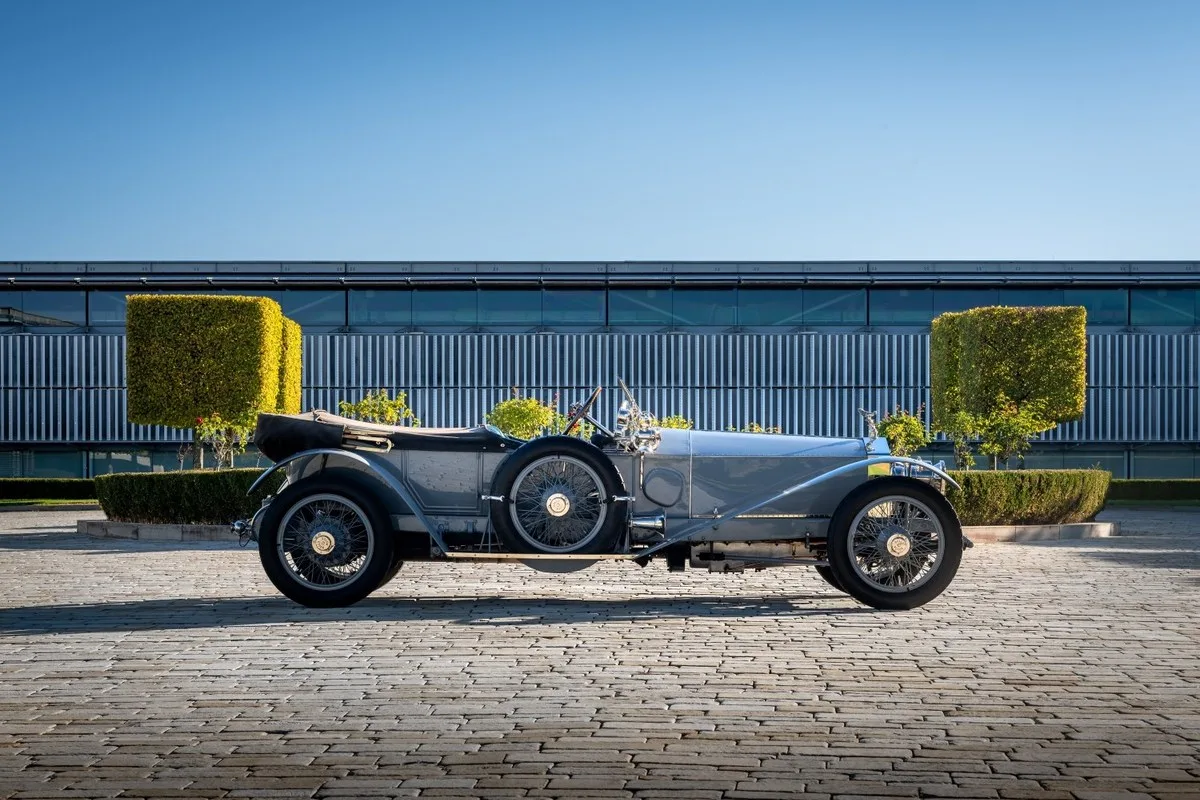
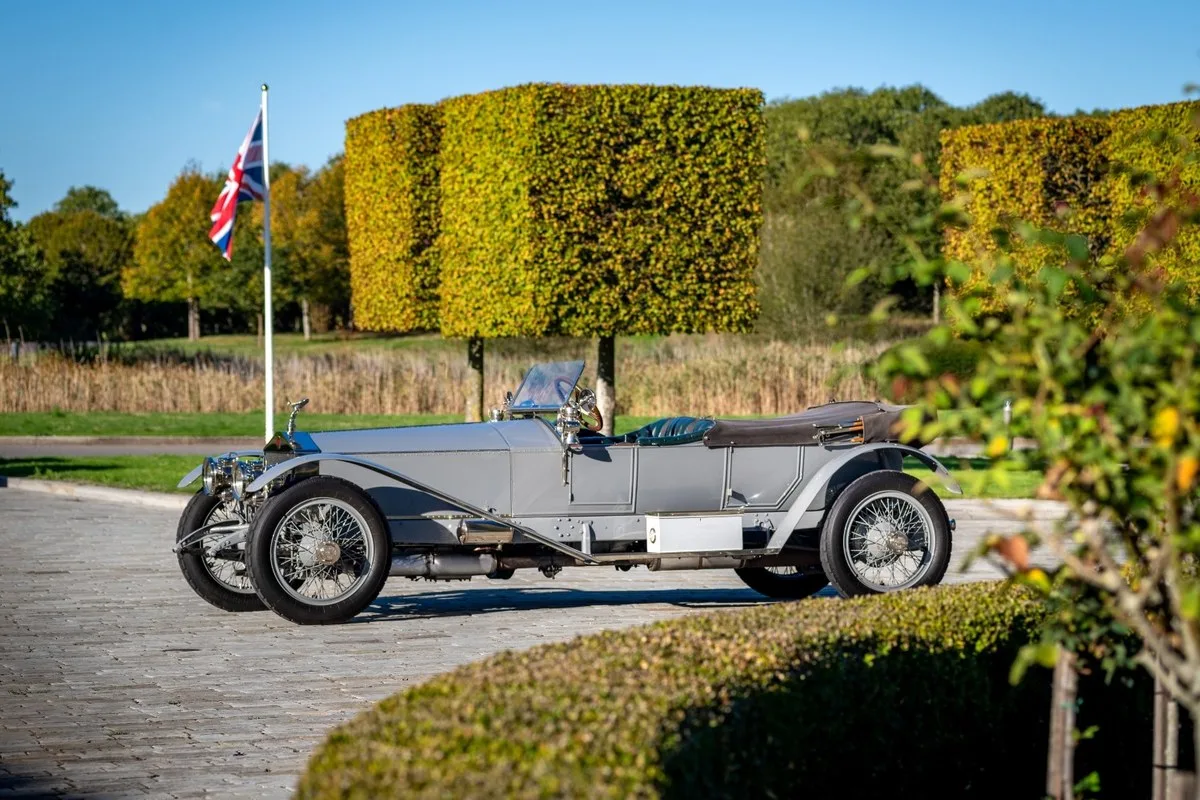
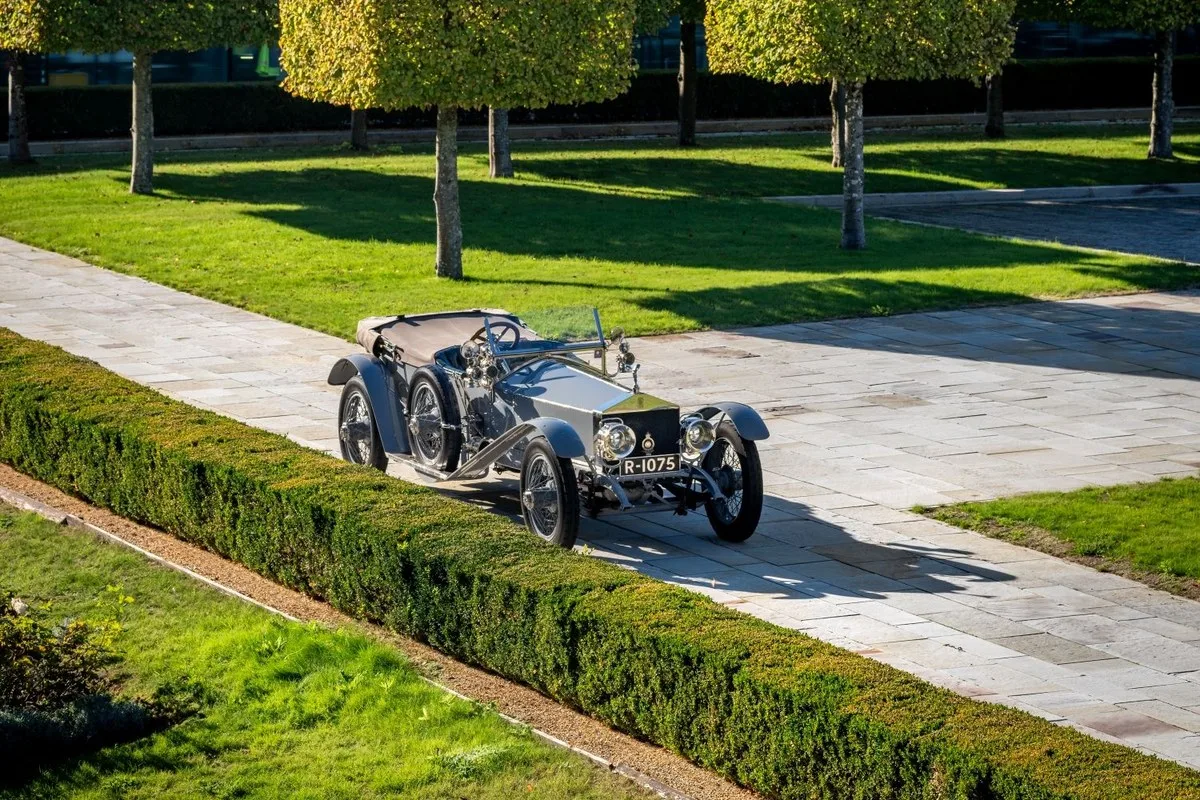
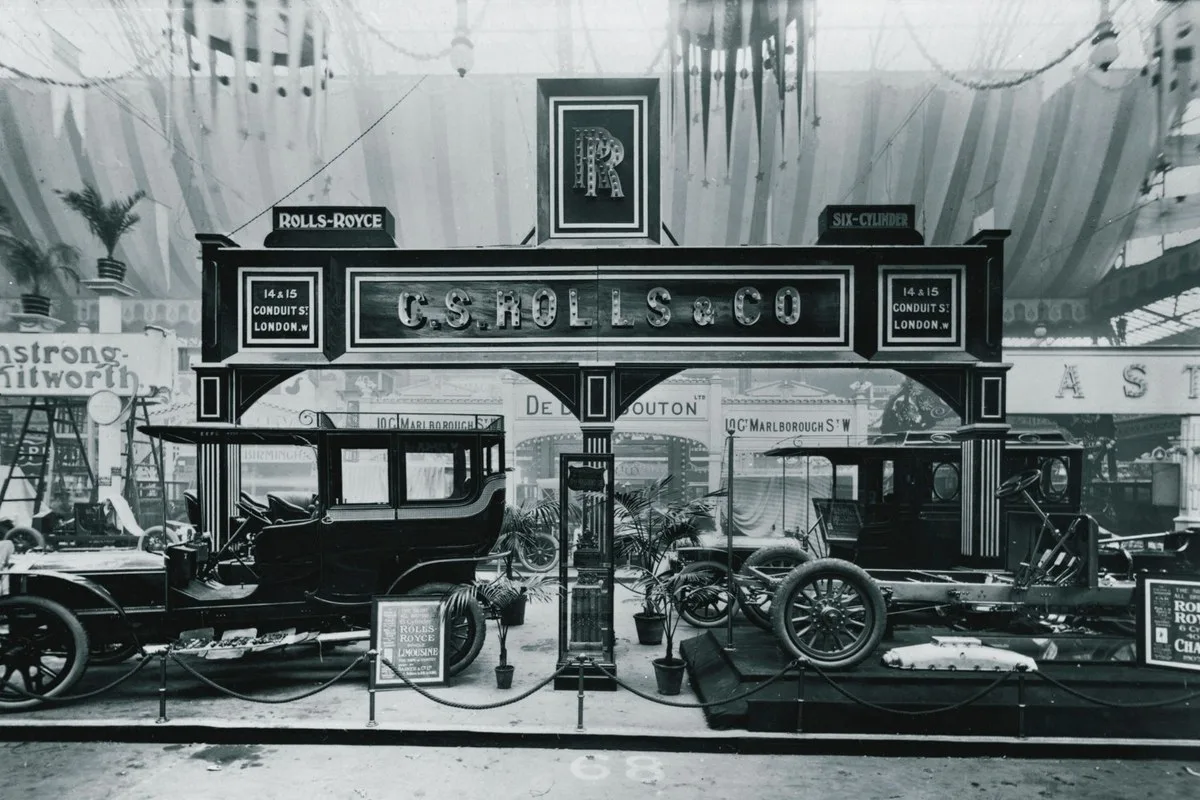
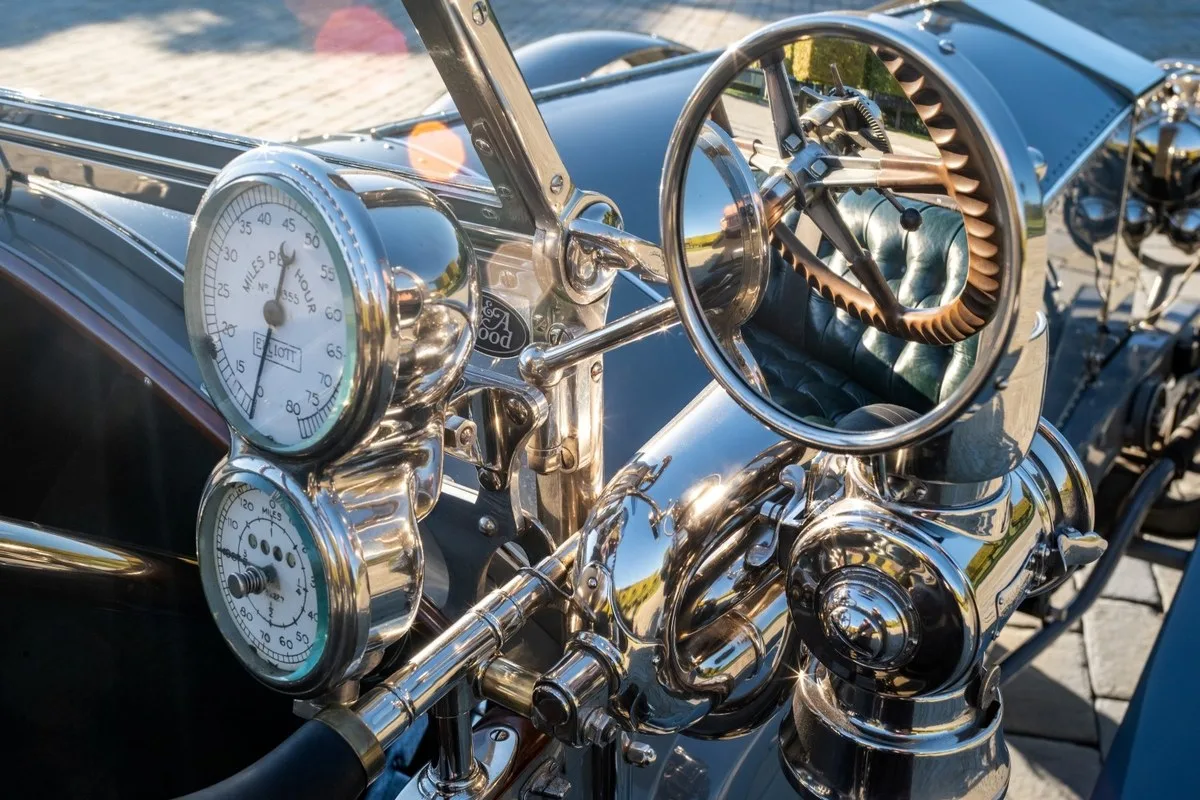
ABOVE: Rolls-Royce Silver Ghost heritage pictures
Locked in Top Gear From London to Edinburgh
Under CJ the car was entered in the Scottish Reliability Trial and the London to Edinburgh run. It also won the Spanish Grand Prix and the Austrian Alpine Trial.
Chassis 1701 was built at Derby and nicknamed “The Sluggard” by CJ. Experimental test driver Ernest Hives took it through the 1911 London to Edinburgh Trial with the gearbox locked in top gear the whole way. It averaged 31.5km/h and used better than 11.8L/100km, beating figures previously set by Napier. A half-mile speed test followed, and it managed 126km/h.
Later that year, with streamlined bodywork, it reached 164km/h at Brooklands and became the first Rolls-Royce over 161km/h (100mph). Chassis 1701 is on display now at the Home of Rolls-Royce at Goodwood, where the Spectre Series II is built. In 2021 it did the London to Edinburgh run again with the gearbox locked in top, 110 years after the first attempt.
Those public demonstrations built confidence among buyers making a big investment at a time when motoring was new. In the press, the Dundee Chronicle called Rolls-Royce “a standard of design that is in a class of its own”, and Country Life went with “The quintessence of all that a car ought to be”.
Owners wrote in as well. One covered about 48,000km on French roads without engine trouble, and in an account reproduced in Punch wrote, “To send praise to Derby I suppose is tantamount to sending coals to Newcastle, but I should like to put on record my high appreciation of the car.” Owner W. H. Johnson kept it shorter, telling The Financial News, “I know there is now a perfect car.”
Rolls-Royce Silver Ghost Owners and Their Who’s Who
Aviation pioneer and yachtsman Tommy Sopwith had one. So did Paris Singer, one of the sewing machine magnate’s 27 children. Financier Baron Alfred de Rothschild owned one, as did Lord Pirrie, chairman of shipbuilders Harland & Wolff.
Composer Sir Hubert Parry and Sir Winston Churchill were owners, and so was American aviator and film producer Howard Hughes. In 1911 the Government of India ordered 8 landaulette-bodied Rolls-Royce Silver Ghosts for the visit of King George V and Queen Mary, and Rolls-Royce supplied the drivers.
The description “the best car in the world” was first associated with Lord Montagu of Beaulieu. His Silver Ghost was also the first car to carry the Spirit of Ecstasy, sculpted by Charles Sykes and introduced as the official mascot in 1911. More than a century on, Rolls-Royce was voted Britain’s most iconic trade mark.
Rolls-Royce Silver Ghost production lasted from 1906 to 1925. Rolls-Royce built 6173 in Britain and another 1703 at its American factory in Springfield, Massachusetts, and 10 armoured-car chassis were delivered in 1927. The chassis took everything from formal limousines to open tourers, with the suspension matched to each body.
In the First World War, Silver Ghost chassis were adapted for military use. They included the armoured cars used by T. E. Lawrence, Lawrence of Arabia, who called them “more valuable than rubies”. Queen Marie of Romania used a Rolls-Royce in her humanitarian work for wounded soldiers and military hospitals during the same war.
Still Driven More Than a Century On
In 2013, 47 Rolls-Royce Silver Ghosts retraced the 2900km route of the 1913 Alpine Trial, chassis 1701 and one of the original team cars among them. Many survive more than 100 years on and are still used by their owners, with specialist restorers and historic motoring clubs keeping them going.
The third Lord Montagu of Beaulieu wrote about the car in The Edwardian Rolls-Royce (Fasal & Goodman, 1994). He said it “offered technical sophistication without appearing too adventurous”, with an extraordinary choice of coachwork, and was “light in appearance without being weak, fashionable without wild excess”. He finished with, “The era of the Silver Ghost has now vanished, but it was one which set standards about quality and luxury that persist to this day.”
Andrew Ball, Head of Corporate Relations and Heritage at Rolls-Royce Motor Cars, said, “The Silver Ghost occupies a special place in Rolls-Royce history. Its engineering achievements established a reputation for refinement, reliability and excellence that was extraordinary even by today’s standards. Equally remarkable was the response it inspired among those who experienced it, and the expectations it created of Rolls-Royce itself. One hundred and twenty years later, those expectations continue to define the standards to which the marque holds itself.”
Above: Polestar launches Polestar 5 and we stay at SeaStacks.
#SeaStacks #Bicheno #polestar5 #Tasmania #CoastalArchitecture #MidCenturyModern
Help Support Gay Car Boys Subscribe to our Youtube Channel by SMASHING THE BUTTON ABOVE
More Rolls-Royce Stories
- 2026 Rolls-Royce Spectre Series II Gains Range and Black Badge Muscle
- Rolls-Royce Black Badge Cullinan Gets Cyril Kongo’s Wild Cabin Art
- Rolls-Royce Bespoke Crafts Turn Old-World Detail Into New Money Theatre

Alan Zurvas is the founder and editor of Gay Car Boys, Australia's leading LGBTQI+ automotive publication. Before launching GCB in 2008, Alan's automotive writing was published in SameSame.com.au and the Star Observer. With over 16 years of hands-on car reviewing experience, Alan brings an honest, irreverent voice to every review — championing value and innovation over brand loyalty.
Leave a Reply