Rolls-Royce Bespoke has gone deep into the decorative arts cupboard, and for once the word bespoke is doing more than wearing a dinner jacket and looking expensive. The marque has introduced four new craft techniques influenced by five centuries of decorative arts, with ideas drawn from art, haute couture, fine jewellery and architecture.
Story by Casper
The work comes from the Bespoke Collective at the Home of Rolls-Royce, and will be shown at Rolls-Royce Motor Cars London in Mayfair during London Craft Week from 11 to 17 May. Rolls-Royce says the techniques are intended for the surfaces of a motor car (motor car mind you, not just any kind of car), which is a very calm way of saying someone has looked at a palace wall, a jewellery bench and a couture workroom, then wondered how much of it could be fitted into a Phantom without looking like a knocking shop.
Rolls-Royce says the new work includes its first hand-sculpted 3D metal application inside a Gallery, layered 3D veneer with brass elements, beadwork and sculpted leather. The point is texture, depth and material drama, rather than another polite trim colour with a posh name.
Above: Denza B8 Could be the Best SUV on the Market
#denza #ElectricCars #phev #denzab8

Help Support Gay Car Boys Subscribe to our Youtube Channel by SMASHING THE BUTTON ABOVE


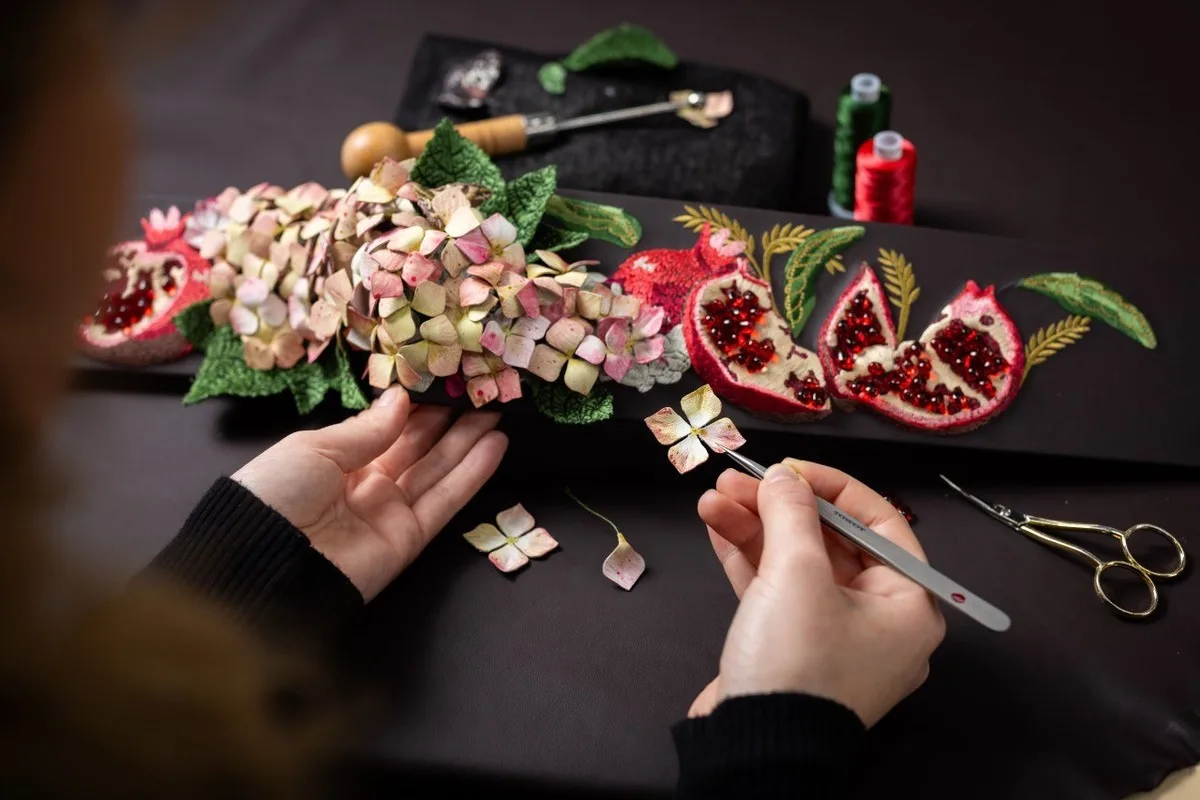
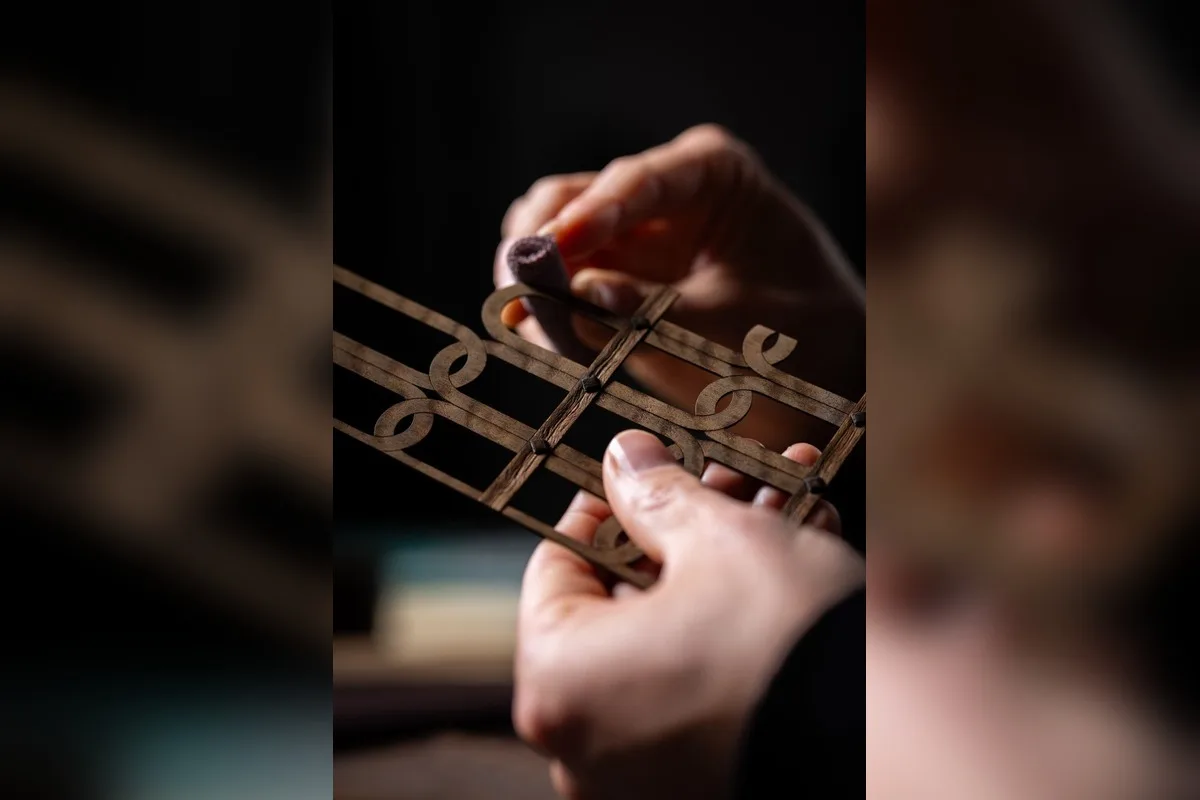
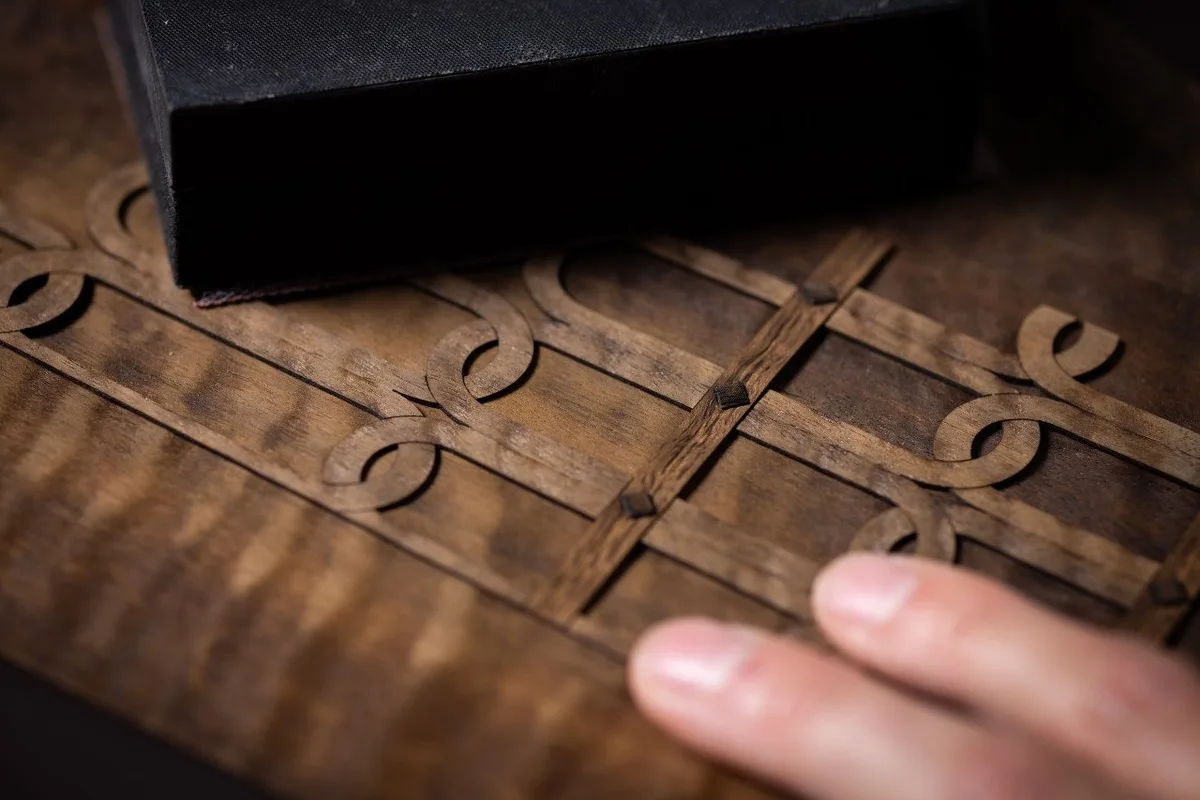
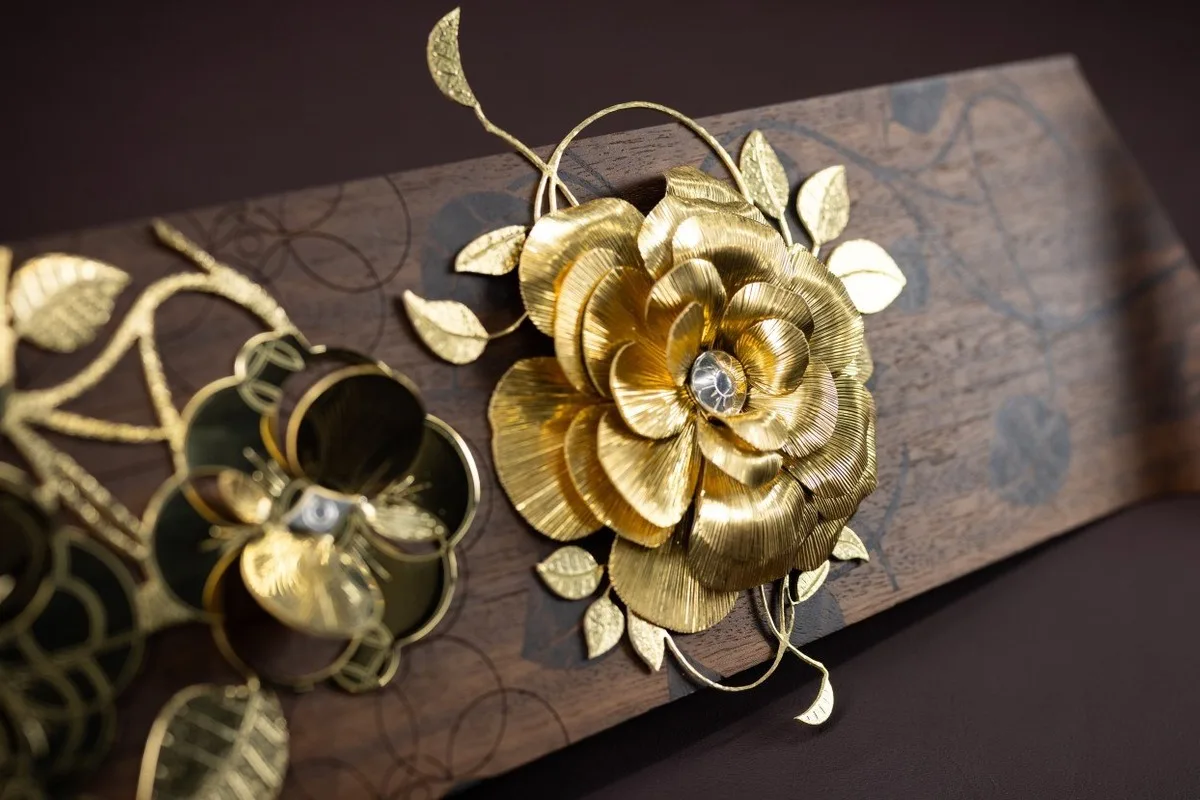
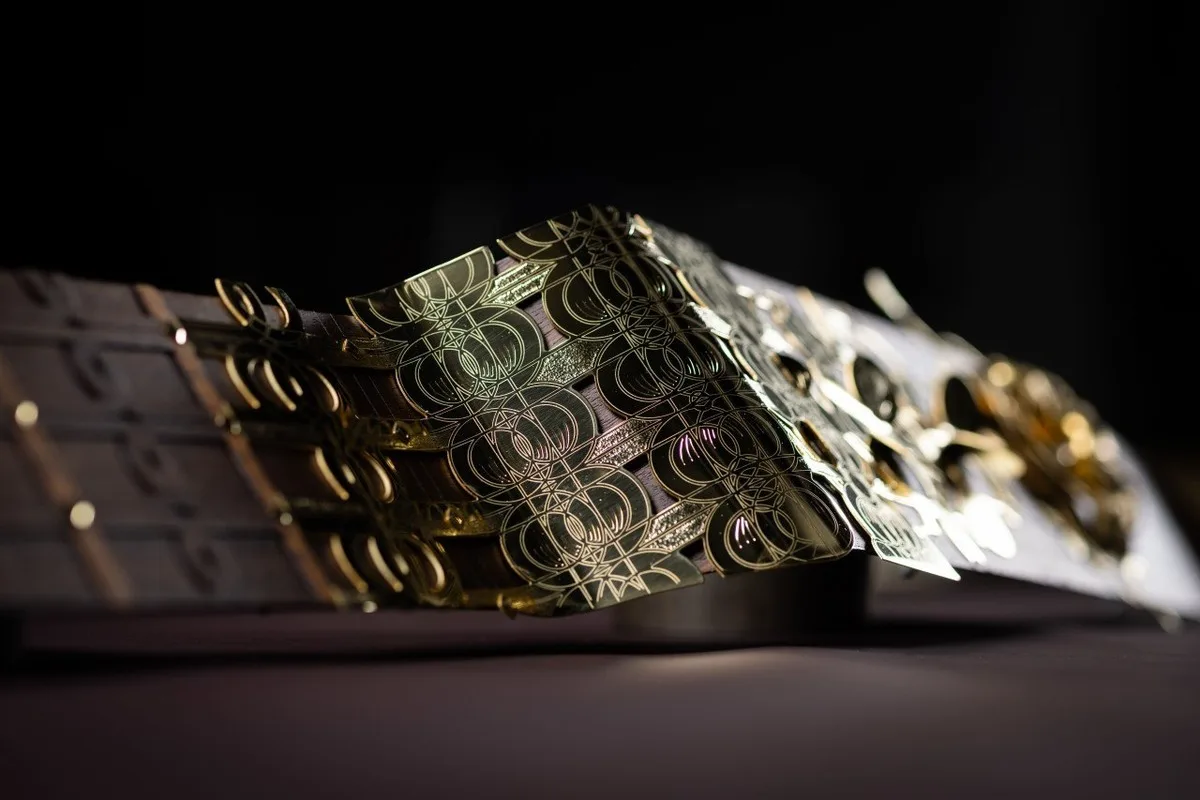
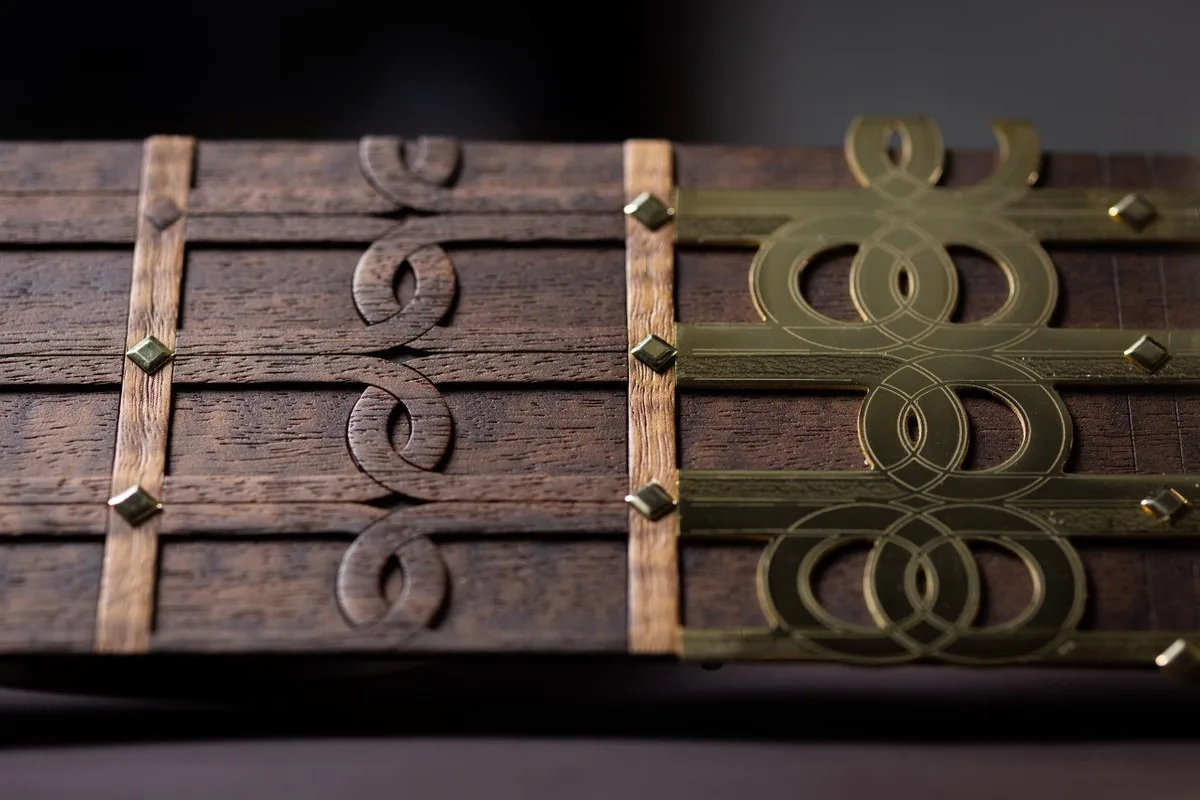

ABOVE: Rolls-Royce Bespoke botanical beadwork, carved wood, brass scrollwork, and dark metal filigree craft details.
The hand-sculpted 3D metal work is the headline flex. The Gallery has always been the place where Rolls-Royce can turn the dashboard into a private exhibition, but metal shaped by hand changes the mood. It is colder, harder and more architectural than marquetry or embroidery, which makes it useful for clients who want craft without everything becoming soft and floral.
Layered 3D veneer brings the warmer side of the brief. Rolls-Royce is integrating brass elements into the woodwork, so the surface is not just a flat decorative skin. The images show carved scrollwork, lattice forms, fretwork, and brass-toned details that look closer to furniture making or ornamental cabinet work than ordinary automotive trim. A Rolls-Royce cabin is sold as a room, not just a driver’s seat surrounded by expensive switches.
The beadwork and leather sculpting are more delicate, and probably more divisive and will appeal to a certain client on a certain continent. The floral work uses tiny forms and pomegranate-like red bead clusters to create realistic botanical shapes. It is part craft bench, part jewellery box, part very wealthy grandmother with excellent taste and no interest in minimalism. Done badly, that kind of detail could turn into hotel-lobby clutter. Done properly, it gives the cabin something digital luxury cannot fake.
That is the quiet and subtle tension in all of this. The luxury car business keeps talking about screens, software and personalisation, but Rolls-Royce is pushing the opposite direction of pampered elegance. These ideas are slow, tactile and awkward to industrialise. They need hands, judgement and a client willing to wait for something no configurator can spit out in three clicks.
Rather conveniently, the timing also suits London Craft Week. This is not Rolls-Royce shouting about power figures or another limited-edition paint finish. It is showing the craft supply chain behind the fantasy. Designers, engineers and craftspeople have to make these surfaces survive inside a car, which means heat, light, movement and years of use. A pretty object on a bench is one matter. A pretty object inside a super-luxury motor car is a more expensive dare.
Rolls-Royce says the techniques are concepts, but the message to clients is obvious. If you want a cabin that looks as if it wandered out of a jewellery atelier, a carved panel, a couture workroom or a private museum, the Bespoke department would like a word. The rest of us can stare at the pictures and wonder how many hours it takes before a dashboard becomes a family heirloom.
More Rolls-Royce Stories
- 2026 Rolls-Royce Voted Britain’s Most Iconic Trade Mark
- Rolls-Royce Project Nightingale New Coachbuilt Era
Help Support Gay Car Boys Subscribe to our Youtube Channel

Alan Zurvas is the founder and editor of Gay Car Boys, Australia's leading LGBTQI+ automotive publication. Before launching GCB in 2008, Alan's automotive writing was published in SameSame.com.au and the Star Observer. With over 16 years of hands-on car reviewing experience, Alan brings an honest, irreverent voice to every review — championing value and innovation over brand loyalty.
Leave a Reply