Subaru has launched the all-new Trailseeker in Australia as if we had never seen one before, but it is a Solterra that is a little longer and has a wagon rump.
It si parachuting into the chock-full electric SUV segment with its most powerful production model to date, arriving alongside Toyota’s bZ4X Touring, and cobbled together under the same Toyota–Subaru EV programme.
Because the Subaru Trailseeker is the longer Solterra wagon and the Subaru twin of Toyota’s bZ4X Touring., both vehicles use the same CATL 74.7kWh lithium-ion battery, the same 280kW dual-motor all-wheel drive driveline, and the same 150kW DC fast-charging capability. Both use shared Toyota–Subaru EV architecture and use the same systems for battery control, torque distribution and charging management.
Above: 2026 EV6 GT Superfast 3.5 second to 100 GT EV Review
#KiaEV6GT #EV6GT #KiaAustralia #ElectricCars #EVReview

Help Support Gay Car Boys Subscribe to our Youtube Channel by SMASHING THE BUTTON ABOVE


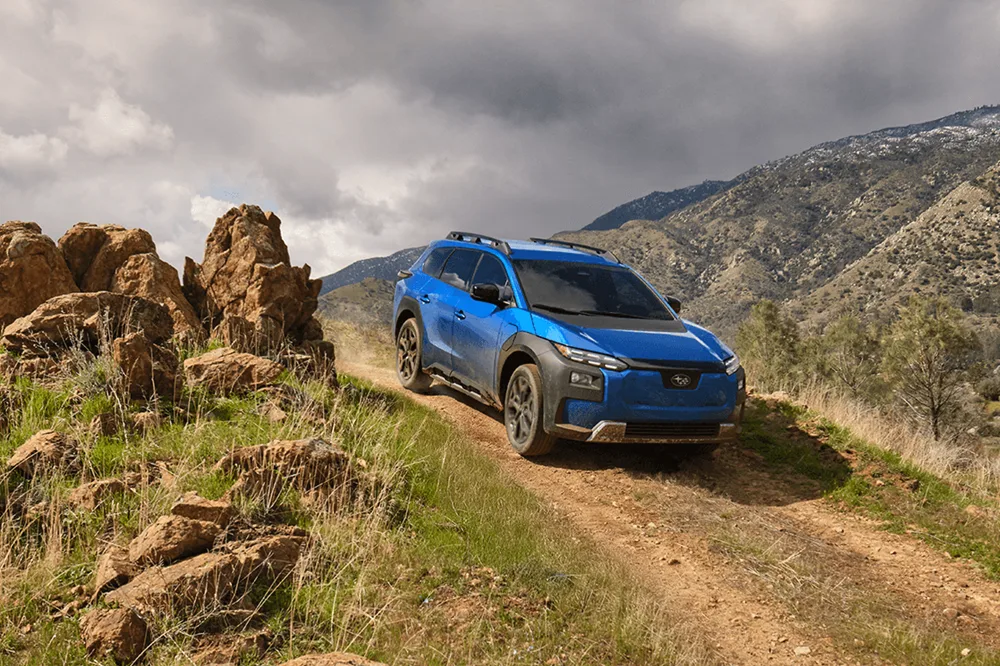
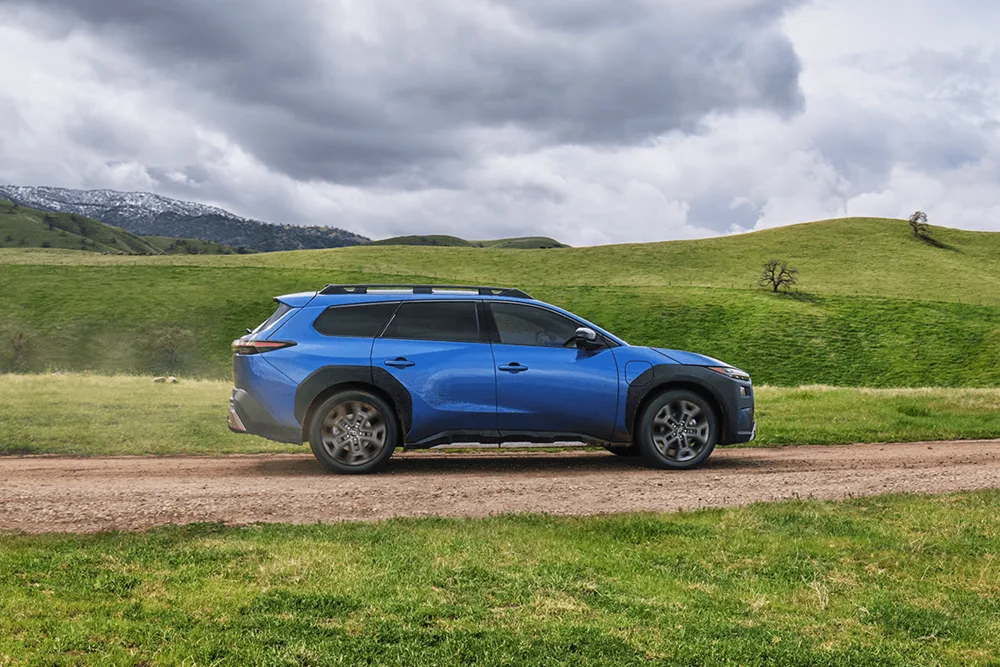
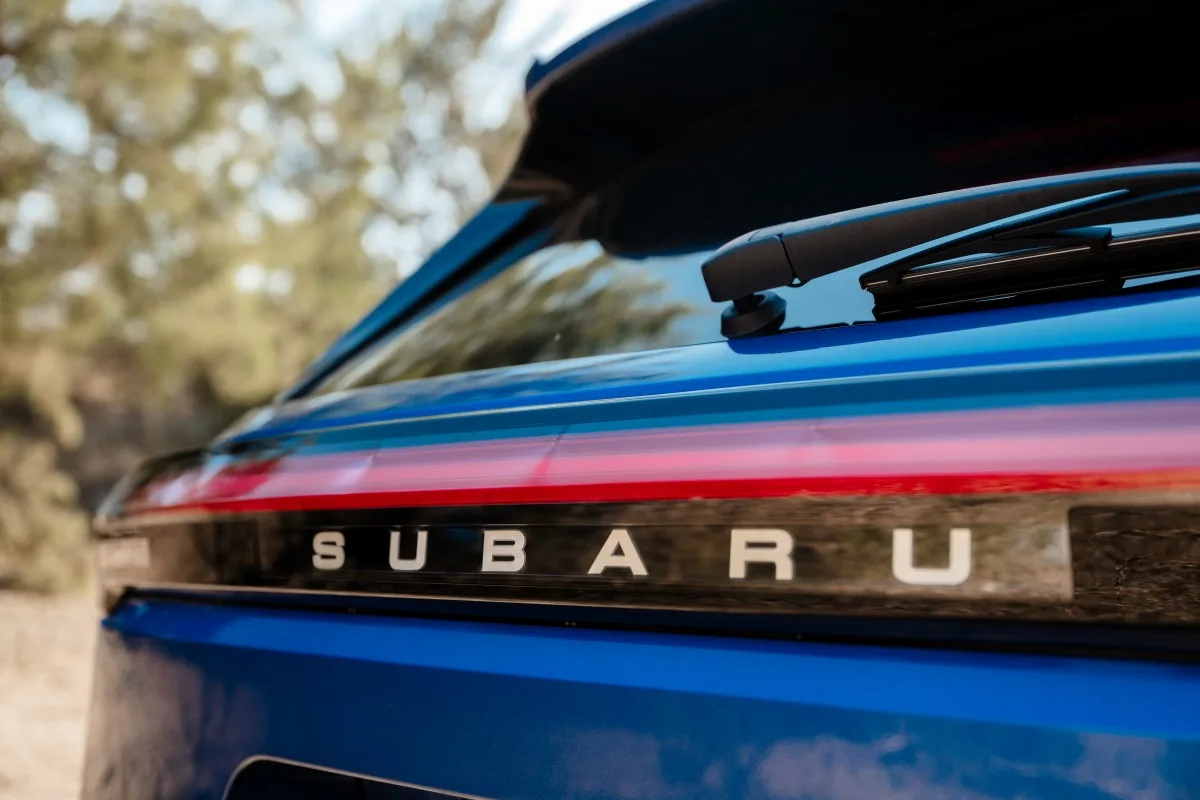
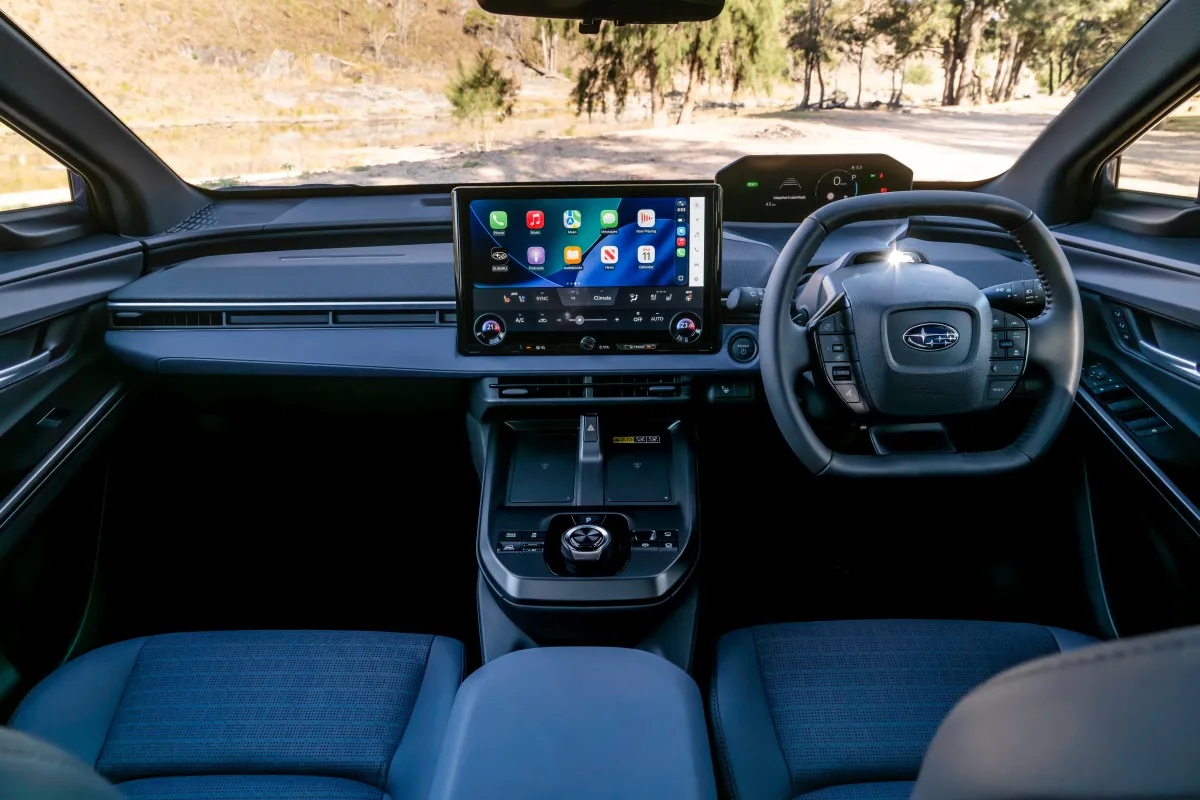
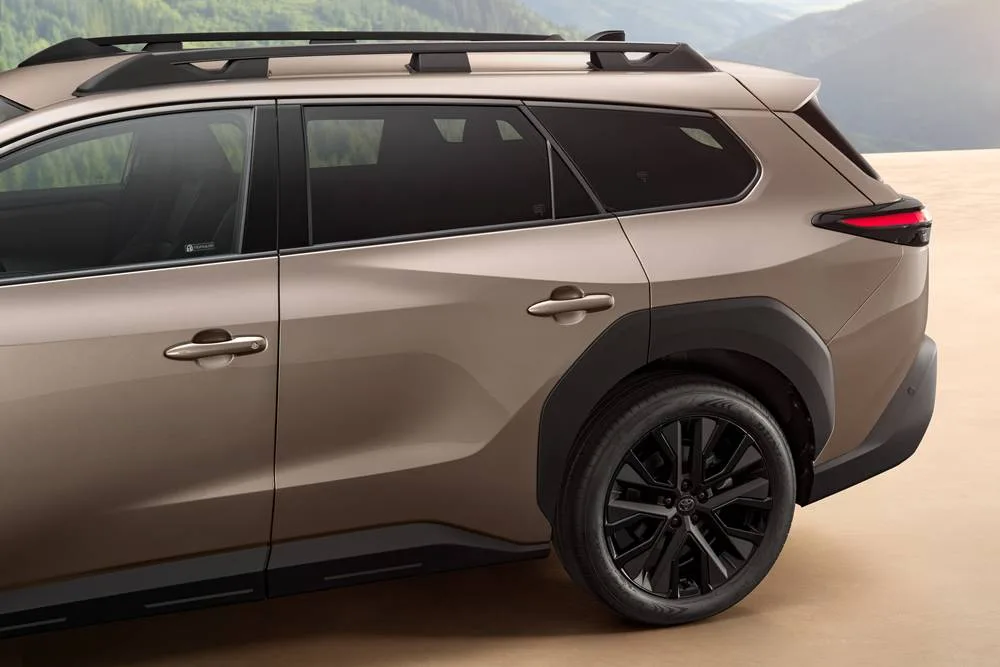
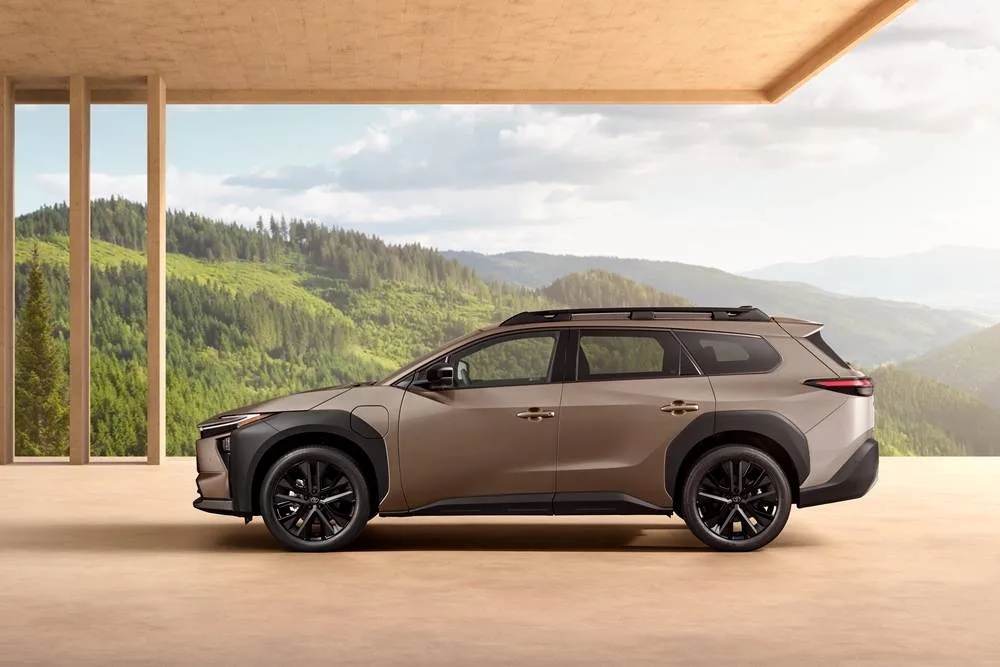
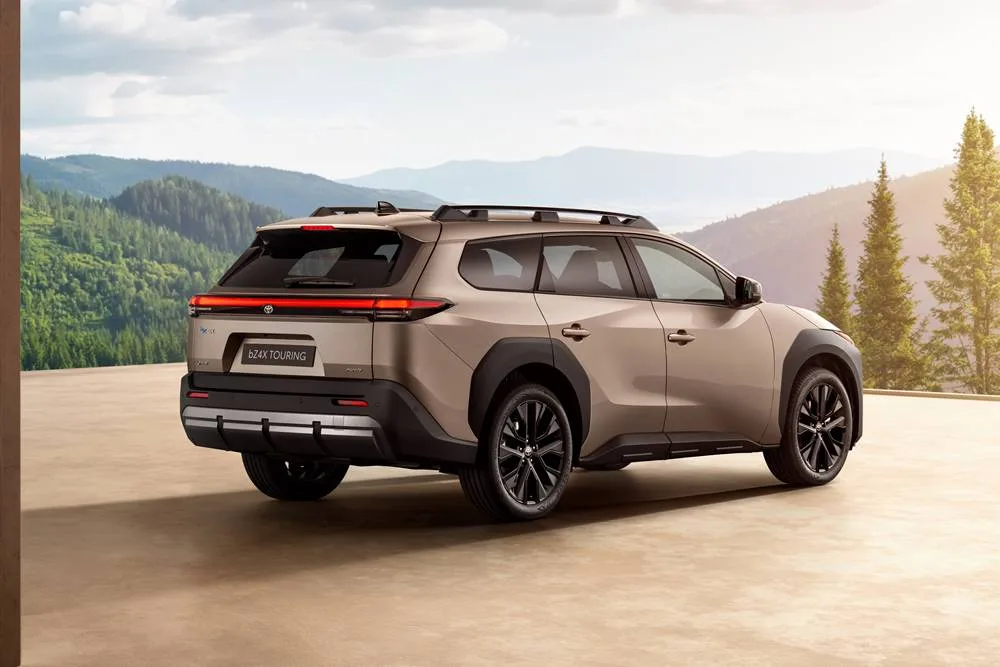
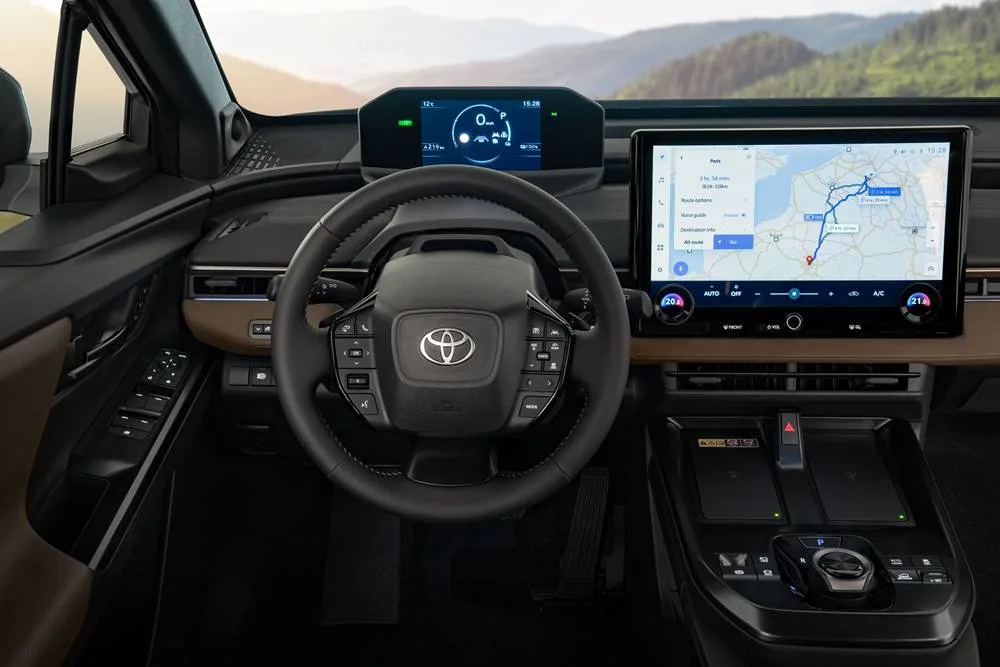
ABOVE: Subaru Trailseeker and Toyota bZ4X Touring
Performance sits in the same band, with both nippy SUVs capable of a 0-100km/h in the mid-four-second range depending on specification.
Subaru continues to position Symmetrical All-Wheel Drive as a defining element of the Trailseeker, pumped out through the shared dual-motor system. Mechanical AWD systems from earlier Subaru models are no longer part of the package, replaced by software-managed torque distribution built into the shared EV architecture. So, Not unique to Subaru in any way.
The Trailseeker is a brave move by Subaru in the EV direction, and this segment that has been dominated by internal combustion and hybrid SUVs in Australia until very recently recently. It also expands Subaru’s electric line-up beyond the Solterra, which continues in updated form within the same programme. The first iteration was unloved, expensive, slow, had limited range, and is not the prettiest thing on the forecourt.
| Model | Price | Battery | Power | Drivetrain | Range (WLTP) | DC Charging | Cargo (L) |
| Subaru Solterra (updated) | TBA | 74.7kWh | 280kW* | Dual-motor AWD | ~500km* | 150kW | ~452L* |
| Toyota bZ4X | $55,990 | 74.7kWh | up to ~160–218kW* | FWD/AWD | ~436–511km* | 150kW | ~452L |
| Subaru Trailseeker | TBA | 74.7kWh | 280kW | Dual-motor AWD | 533km | 150kW | 609L |
| Toyota bZ4X Touring | $69,990 | 74.7kWh | 280kW | Dual-motor AWD | 488km | 150kW | 603L |
Whereas Subaru is claiming the “all-new” approach, Toyota has simply extended the bZ4X range by adding bZ4X Touring as a longer-body wagon-style variant of the existing SUV, rather than a separate model line. The Touring name reflects the expanded rear body packaging, increased cargo volume and revised proportions compared with the standard bZ4X. Touring is a bespoke coachbuilder famous for Shooting Brakes. The Bz4X is like a shooting brake version of the Bz4X, and I’ll say no more.
Visually, the Trailseeker and bZ4X Touring share the same body structure and proportions, with differences largely confined to a spot of light brand-specific glue-ons such as lighting signatures, badging and trim execution. The wagon-style rear design is common across both vehicles. Take the badges off, and try to pick which is which, go on, I dare you. There is no shame in it, see BRZ/GR86 as another Subaru/Toyota colab, so it makes me wonder why Subaru is marketing this EV SUV as a separate model, and Toyota didn’t.
Inside is exactly the same story. Both models share the same architecture, including a large central touchscreen, digital driver display, dual wireless charging pads and a panoramic glass roof depending on grade. Equipment levels vary by specification but the layout is as good as the same.
Cargo capacity is quite obviously different when compared to earlier Solterra and bZ4X cars. The extended rear body increases usable luggage space and overall practicality because of a longer, less sloping rear window. This wagon-style packaging is central to the Touring designation used by Toyota and reflected in Subaru’s Trailseeker.
The launch comes as Japanese manufacturers continue flogging their battery-electric offerings after a glacial transition compared with its global competitors. Toyota has doggedly whipped out hybrid systems across almost every model inthe range, while Subaru’s hybrid offerings remain slim pickings. It’s EV rollout has been non-existent until the arrival of Solterra and now Trailseeker.
That snail’s pace electrification places both vehicles into a market that has already been reshaped by faster-moving competitors from China and Korea. Many of them now offer larger battery capacities, higher DC charging rates and more advanced electrical platforms at similar or lower prices.
Chinese brands continue to push aggressively on range, charging performance and value. Models such as the XPENG G6, BYD Sealion 7 and Deepal S07 offer larger battery packs and faster charging capability, in some cases significantly exceeding 200kW DC charging, while cutting the legs from under traditional Japanese rivals on price, tech, and everything else that makes a buyer sit up and notice. Remember, Japanese brands and all acknowledged they are in strife if they don’t pick up their game.
Korean manufacturers, led by Hyundai and Kia, have also established a credible position in the EV segment through 800V electrical architecture, allowing nuch faster real-world charging speeds. The group has shown strong efficiency across models such as the Hyundai IONIQ 5 and Kia EV6, and IONIQ9 just announced properly accredited bi-directional charging. Subaru and Toyota offer is one way charging at 150kw.
See where the Trailseeker and bZ4X Touring sit next to a couple of likely lads.
| Model | Price | Battery | Power | Range (WLTP) | DC Charging |
| Subaru Trailseeker | TBA | 74.7kWh | 280kW | 533km | 150kW |
| Toyota bZ4X Touring | $69,990 | 74.7kWh | 280kW | 488km | 150kW |
| XPENG G6 Long Range | $59,800 | 87.5kWh | 210kW | 570km | Up to 280kW |
| BYD Sealion 7 Premium | $57,990 | 82.5kWh | 230kW | 482km | Up to 230kW |
| Hyundai IONIQ 5 Dynamiq | ~$69,800 | 84kWh | 168kW | 570km+ | 263kW |
The troubled “Toyobaru” electric vehicle project has faced stiff headwinds. When the platform first launched globally in 2022, a high-profile wheel-hub bolt defect triggered an immediate “Do Not Drive” warning, forcing a recall of roughly 5,300 units, including 2,700 Toyota bZ4X and 2,600 Subaru Solterra units. Because the twins had only just commenced production and sold next to nothing out of the gate, the vast majority were caught before delivery, languishing on holding docks or dealership lots.
The launch also follows Toyota’s more recent local recall of 1,101 bZ4X vehicles in Australia built between September 2025 and January 2026. The issue relates to a software fault in the battery control ECU that may trigger an EV system malfunction warning and, in some cases, cause the electric drive system to shut down while driving. Toyota will update the software free of charge at dealerships.
Bz4X was made outside the effected dates, yet while the recall does not directly involve the Trailseeker, it sits within the broader rollout of Toyota and Subaru’s shared EV programme. Both brands continue developing their first generation of mainstream electric SUVs and it seems to have been quite a struggle.
Worse still, they simply haven’t caught on with buyers. Even with very deep price cuts, including a frantic $10,000 slash to the sticker price that started hitting before the updated models even properly launched in showrooms. Even with the arrival of the stretched Touring wagon variant, buyers are largely looking elsewhere. In a local market where electric vehicle market share is hitting record highs pushing past 16% of total sales, the bZ4X and Solterra remain minor niche players. While Toyota can move thousands of RAV4s a month without breaking a sweat, the bZ4X struggles to clear a few hundred units a month. Subaru fares even worse, tracking at just a handful of Solterra deliveries by comparison. The heavy-hitting Chinese brands like BYD with models like the Sealion 7, alongside the omnipresent Tesla Model Y, are completely dominating the medium electric SUV space.
In short, the Trailseeker enters the Australian market as part of a coordinated Toyota–Subaru strategy, with twin electric SUVs launched under separate badges but sharing the same underlying architecture.
Japan is its own worst enemy. The big players sticking to dependence on fossil fuel has nobbled any possibility of ever catching up. This partnership directly competes with a Tesla Model Y, Australia’s top selling car last month, bar none. Combined, Toyota and Subaru have managed a piddling 4,452 bZ4X / Solterra sales in Australia since they first launched. Tesla beats that lifetime local total by more than 1,100 Model Y units in a single 31-day window. OUCH!
#SubaruTrailseeker, #ToyotaBZ4XTouring, #ElectricSUV, #EVNews, #AustralianEV
SubaruTrailseeker, ToyotaBZ4XTouring, ElectricSUV, EVNews, AustralianEV
More Subaru and Toyota EV Stories
- Toyota bZ4X Touring Joins Subaru Trailseeker
- Subaru Slashes 2026 Solterra and Trailseeker Prices
- 2025 Toyota bZ4X Review: Slow, Bland, and Outclassed by Rivals
Help Support Gay Car Boys Subscribe to our Youtube Channel by SMASHING THE BUTTON ABOVE

Alan Zurvas is the founder and editor of Gay Car Boys, Australia's leading LGBTQI+ automotive publication. Before launching GCB in 2008, Alan's automotive writing was published in SameSame.com.au and the Star Observer. With over 16 years of hands-on car reviewing experience, Alan brings an honest, irreverent voice to every review — championing value and innovation over brand loyalty.
Leave a Reply