Subaru is attempting to frame the Trailseeker as an all-new expression of adventure, but it is essentially a Solterra that spent too much time at the buffet. Arriving in Australia by mid-2026, this is a long-wheelbase version of the same electric SUV that is currently struggling to find its footing. While the branding sounds fresh, keep in mind that overseas it is merely a Toyota bZ4X Touring or a bZ Woodland with some extra plastic cladding and a new badge. In the UK, they are not even pretending, they are just calling it the E-Outback.
The marketing team is leaning heavily on the claim of the fastest production Subaru ever, which is a bit of a low bar given the current local line-up. It features a 280 kW dual motor setup, hitting triple digits in 4.4 seconds. It is quick for a family hauler, technically outrunning an old WRX STI, but it remains built on the same e-TNGA platform that Toyota and Subaru developed years ago. Calling it all-new is a stretch when the interior screens, dashboard, and battery tech are lifted directly from its smaller sibling.
The reality is that Subaru needs a win because the Solterra has been a certified ghost in Australian showrooms. According to the December 2025 VFACTS report, the Solterra shifted a measly 92 units. By January 2026, those numbers plummeted even further to just 65 units. This represents a nearly forty per cent slide in a market where other brands are actually growing. For context, the January sales variance for the Solterra was a negative 40.4% compared to the previous year. When a model sells only 1,281 units in an entire year, it isn’t a hit, it is a liability.
A major part of the skepticism surrounding this platform is the battery and charging performance. Despite being a flagship model for 2026, the Trailseeker is stuck with a relatively small 74.7 kWh battery unit. In an era where competitors are pushing towards 100 kWh for their larger SUVs, this feels like an undersized heart for a car with adventure aspirations. While Subaru claims a 533-kilometre range, those lab figures typically take a dive once you hit the highway or hitch up a trailer.
The charging situation is even more of a bottleneck. The Trailseeker is limited to a maximum DC fast-charging rate of just 150 kW. While that sounds decent on a brochure, it is remarkably slow for a premium 2026 electric vehicle. Many rivals are already offering 250 kW to 350 kW charging, allowing drivers to spend less time tethered to a roadhouse and more time on the track. If you are planning a long-distance Australian road trip, you will be waiting around far longer than you would in a more modern EV architecture.
Above: This Week’s VIDEO Review –2026 Chery Tiggo 7 PHEV Ultimate -Why ASX is dead PART 2
#CheryTiggo7PHEV #MitsubishiASX #Remitzy #PHEVReview #GayCarBoys


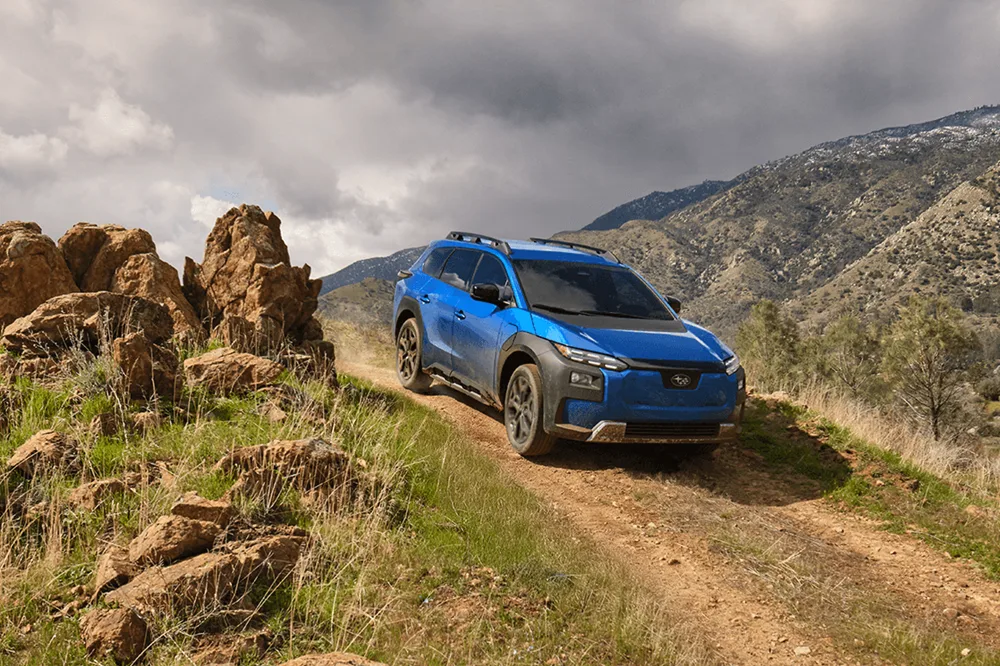
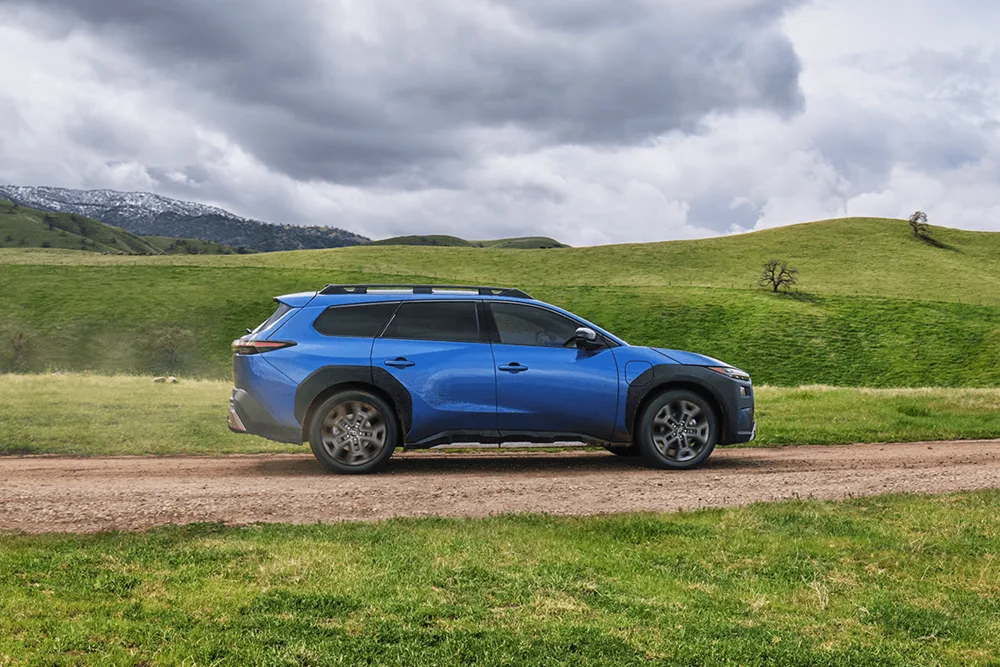

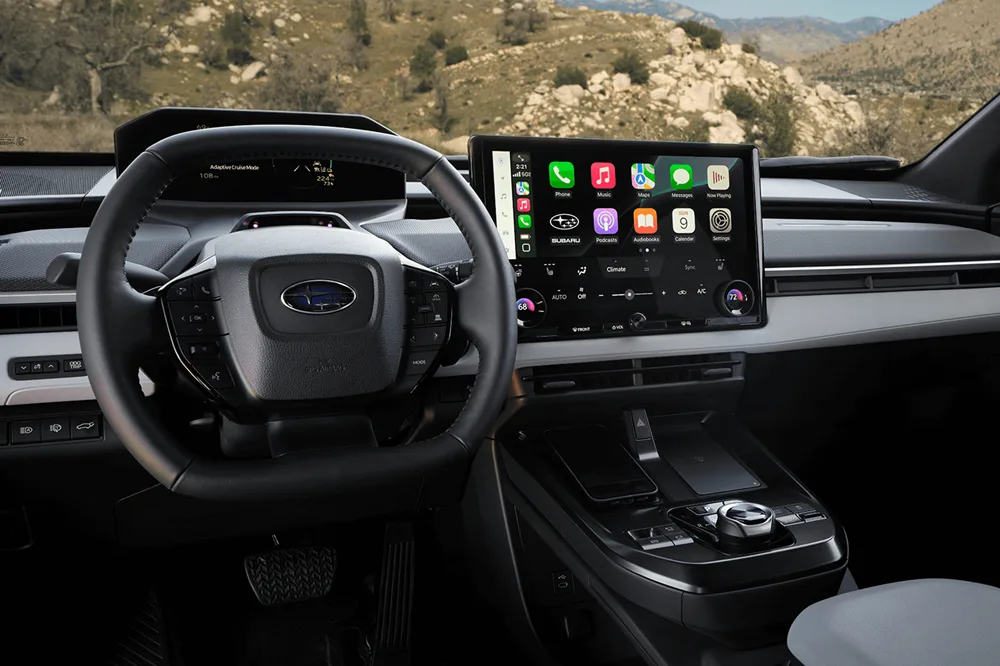
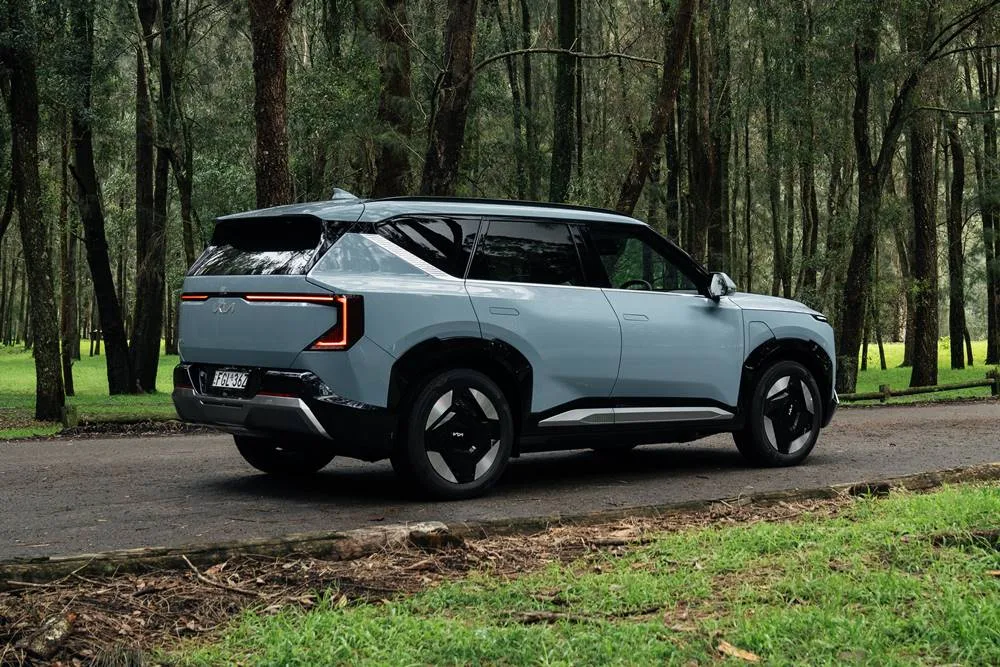
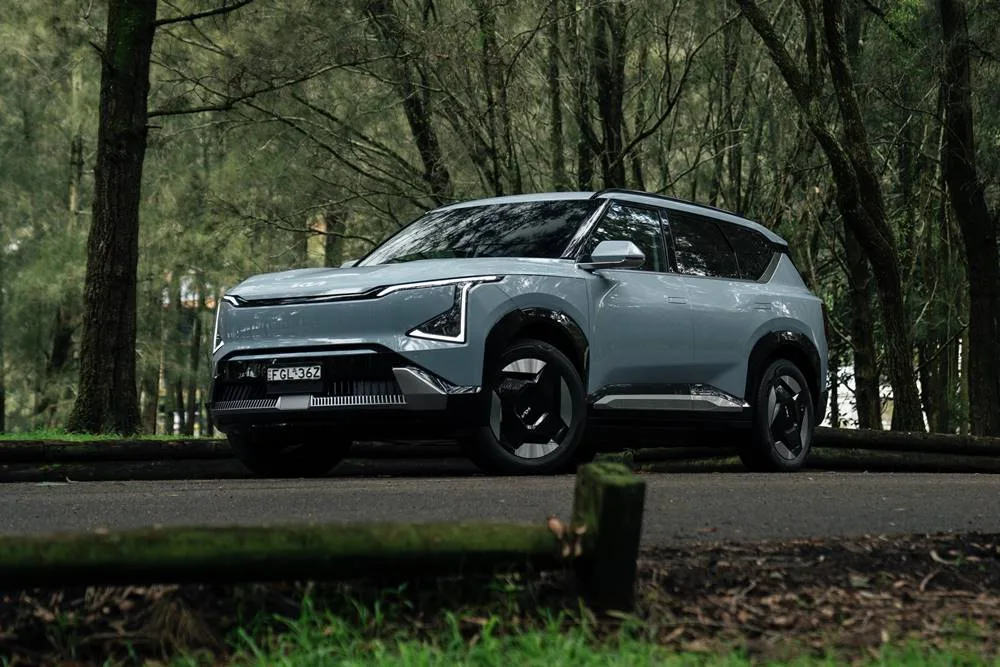
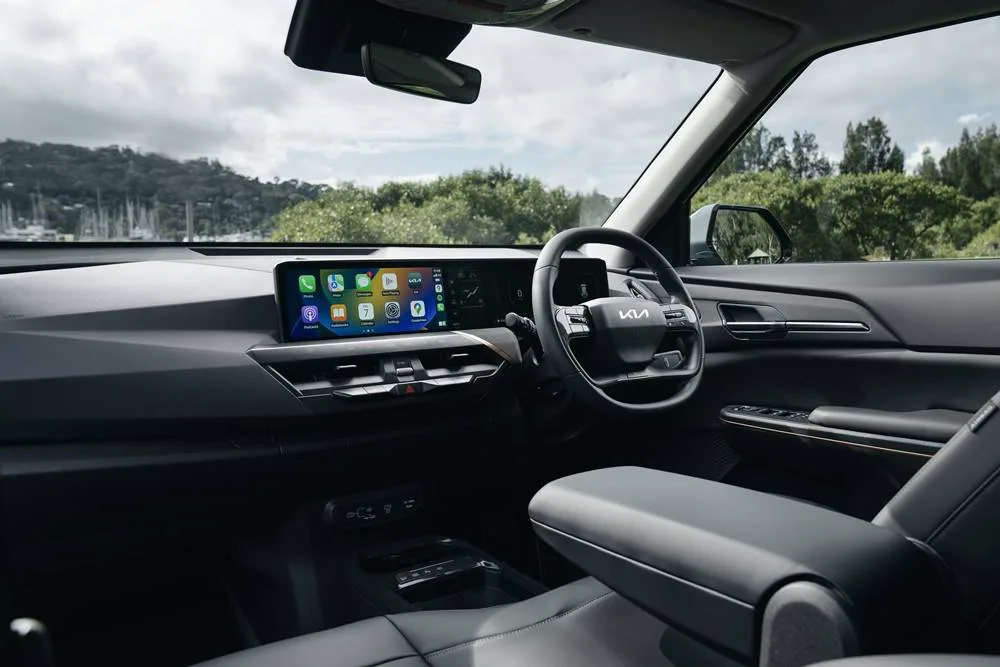

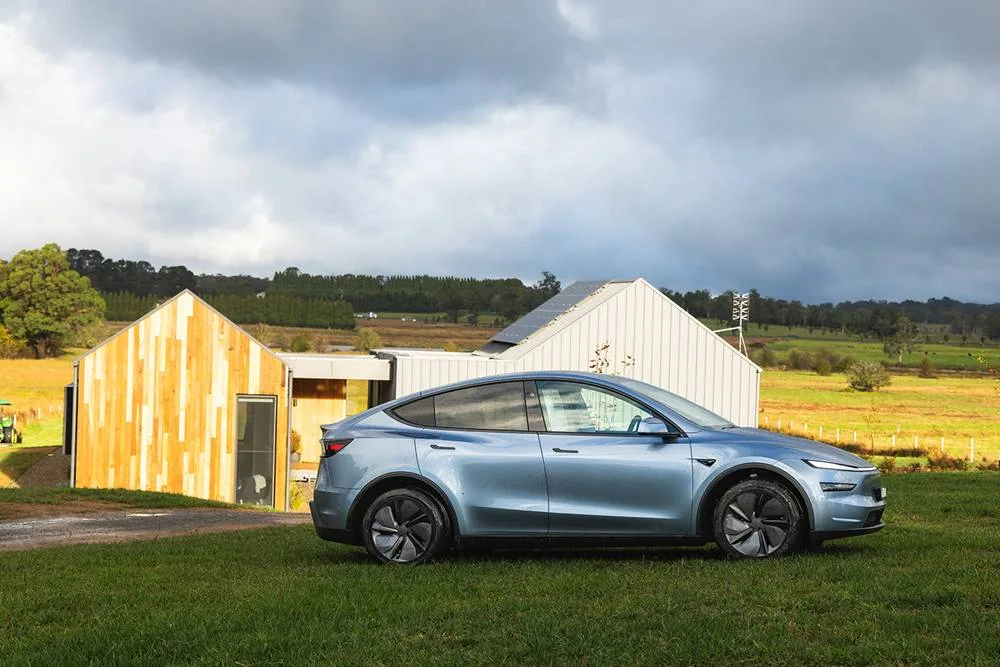

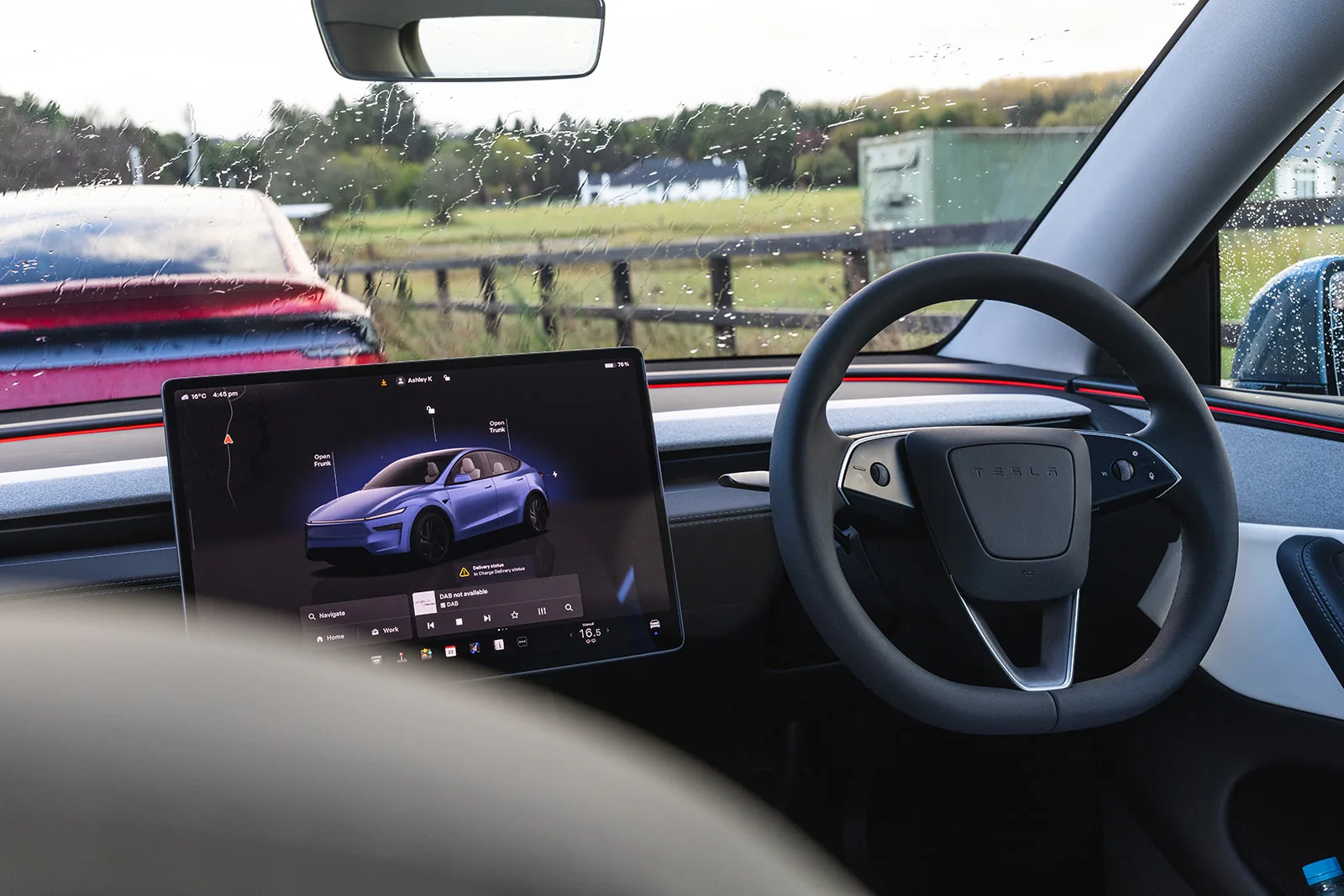
ABOVE: Subaru Trailseeker vs Chinese EVs as Solterra sales slide
Mechanically, the Trailseeker offers 211mm of ground clearance and the trademark Symmetrical All-Wheel Drive. The extra 140mm of length is mostly dedicated to cargo space behind the rear axle, giving it a silhouette that looks more like a wagon than a generic hatchback. It also carries over the 22 kW AC charging and Vehicle to Load (V2L) tech from the refreshed Solterra, which is useful for running camping gear if you have enough charge left to get home.
Towing is rated at 1,500kg, a slight improvement but still not enough to worry a diesel SUV or a petrol Outback. When you combine the small battery capacity with the added weight of a trailer, the effective touring range is likely to become a serious issue for regional buyers. It is a bit of a contradiction to build a vehicle for the bush that forces you to plan your entire day around the next available charger.
Subaru has not confirmed the final Australian price, but looking at its positioning, you can expect it to start around the $80,000 to $85,000 mark. This would sit it comfortably above the smaller Solterra, which currently struggles to justify its $69,990 entry point. Given that the Trailseeker is essentially a stretched Solterra with more power, it has to compete with aggressive new metal from China and established global leaders.
|
Feature |
Subaru Trailseeker (Est) |
|||
|
Est. Price (AUD) |
$80,000 – $85,000 |
$82,900 |
$87,590 |
$65,000 – $70,000 |
|
Power (kW) |
280 kW |
393 kW |
239 kW |
390 kW |
|
0-100 km/h |
4.4 sec |
3.7 sec |
5.2 sec |
4.5 sec |
|
Battery Size |
74.7 kWh |
79 kWh |
77.4 kWh |
82.5 kWh |
|
Max DC Charge |
150 kW |
250 kW |
350 kW |
230 kW |
|
Range (WLTP) |
533 km |
514 km |
484 km |
510 km |
|
Towing (Max) |
1,500 kg |
1,600 kg |
1,600 kg |
1,500 kg |
|
Origin |
Japan |
China |
South Korea |
China |
The Trailseeker’s 150 kW DC charging is the biggest red flag here. In a market where Kia offers 350 kW and even the Chinese-built BYD Sealion 7 can hit 230 kW, Subaru is asking you to spend more time waiting at chargers on your road trips. The 74.7 kWh battery is also on the small side for a vehicle this size, especially if you plan on actually using that 1,500 kg towing capacity. While the 4.4-second sprint makes it the quickest Subaru in the current local line-up, it’s still outmuscled by the Tesla Model Y Performance and the BYD Sealion 7, both of which offer more modern tech for similar or less money.
Subaru is positioning this as their flagship, but it feels more like a necessary correction for the Solterra lack of size and poor sales performance. Is Subaru really reading the room? With Chinese brands like Chery seeing massive growth in the same VFACTS reports—up over 119% for some models—Subaru is under pressure to prove that Japanese engineering still matters in the electric age. The Trailseeker is a safer bet than the Solterra, but it is still playing catch-up in a market that is moving faster than its acceleration times suggest.
Ultimately, the Trailseeker feels like an admission that the first attempt at an EV wasn’t enough. It addresses the lack of space and the lack of power, but it doesn’t change the underlying, aging architecture. For the die-hard fans, the rugged looks and the familiar X-Mode settings might be enough to forgive the Toyota roots. For everyone else, it remains to be seen if a stretched version of a slow-selling model can actually turn the tide for Subaru Australia. We will know for sure when the first units hit the docks in Q2 2026, but until then, keep your expectations as grounded as the car’s low centre of gravity.
Other Subaru Stories
- Is 2021 Subaru Outback a Big Leap Forward?
- How to use Apple CarPlay in 2021 Subaru Outback
- Subaru Launches All New 2021 Outback SUV
- 2022 All-New Subaru BRZ Orders NOW OPEN: ORDER HERE
- Subaru WRX STI R Spec Part 2 – The Review
- Subaru WRX STI Last Hoorah Review PT1
- Our Last Drive of the Current Subaru BRZ
- Top 10 Things about LGBT Favourite: 2021 Subaru XV
- Subaru Forester Sport: Worth the Extra over the Premium Model?
- How to Activate AppLe CarPlay, and Use By Voice Control
- Is Subaru’s XV Hybrid Worth the Money?

Alan Zurvas is the founder and editor of Gay Car Boys, Australia's leading LGBTQI+ automotive publication. Before launching GCB in 2008, Alan's automotive writing was published in SameSame.com.au and the Star Observer. With over 16 years of hands-on car reviewing experience, Alan brings an honest, irreverent voice to every review — championing value and innovation over brand loyalty.
Leave a Reply