Sydney’s footpaths used to be for pedestrians. Now, they are a high-stakes obstacle course where highspeed e-bikes and sctooers have turned a stroll into a 50/50 chance of injury and death. As of 8 February 2026, the NSW Government has finally stopped apologising and started acting. Although there was always sufficient legislation to deal with the issue a lack of interest by police and government allowed a culture of ignorance and defiance to grow like a cancer.
The seize and destroy policy isn’t just a regulatory tweak, it is a direct strike against this culture of lawlessness that has turned our CBD into a playground for the reckless. Although the bad behaviour complaints centre around those as young as single digits, adults have been equally at fault.
With no way of identifying the riders there is no way to enforce law.
The Influencer-Led Incursion
The final straw was the recent peak-hour chaos on the Sydney Harbour Bridge on 3 February 2026. We watched in utter disbelief as a black-clad “swarm” of 40 riders treated our national landmark like a private stunt track. This wasn’t some organic protest, it was a calculated play for views led by American social media influencer Sur Ronster.
By leading a pack of high-powered e-bikes and motorcycles onto the main deck of the bridge where cycling is strictly prohibited, this group didn’t just cause a traffic jam, they put lives at risk. The 26-year-old YouTuber has since been hit with multiple fines for negligent driving, but the real fallout is the new legislation. If an influencer wants to import “bike life” chaos to Sydney, they can watch the local authorities import the crusher.
The New 250W Reality
The wild west of “fat bikes” is officially over. NSW has reverted to a strict 250W continuous power limit to match the rest of Australia. To keep the bikes and scooters out of the scrap yard, it must meet these pillars,
- 250W Power Cap: The brief 500W allowance is dead. Anything higher is legally a motorbike.
- 25km/h Hard Stop: The motor must stop assisting the second you hit 25km/h.
- Pedal or Perish: You must be pedalling for the motor to work. Throttles that operate above 6km/h without leg movement are an immediate fail.
- Mandatory Certification: As of 1 February 2026, all bikes and batteries must display a certification mark (like EN 15194 or UL 2849). No mark means it’s a fire risk and a target for seizure.
Above: This Week’s VIDEO Review –2025 Chery Tiggo 4 Hybrid
CheryTiggo4, #HybridSUV, #GayCarBoys, #CarReview, #ToyotaKiller, #AffordableCars, #HybridReview


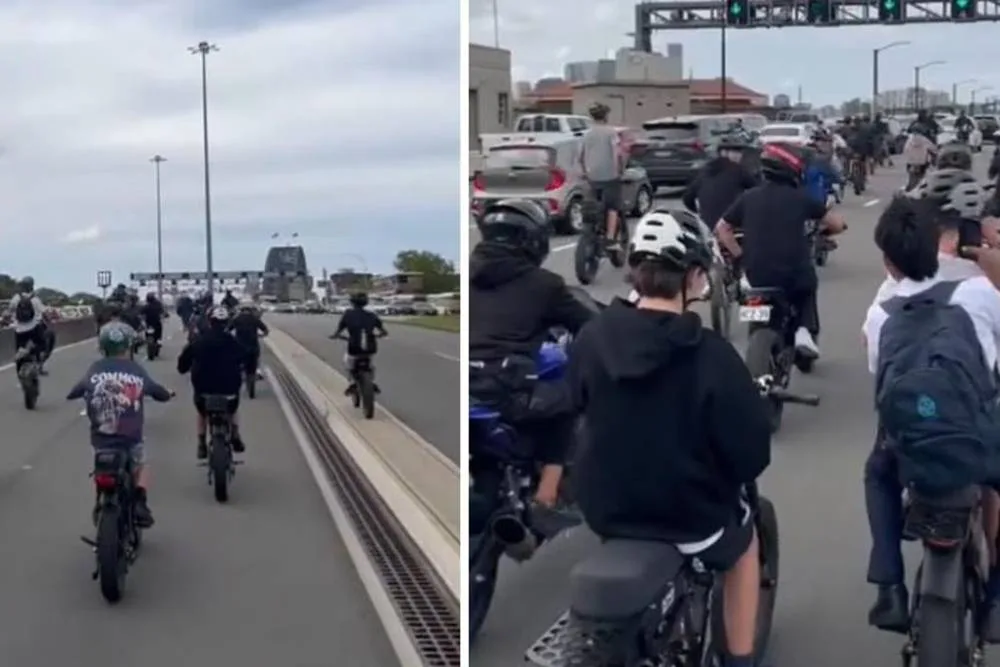



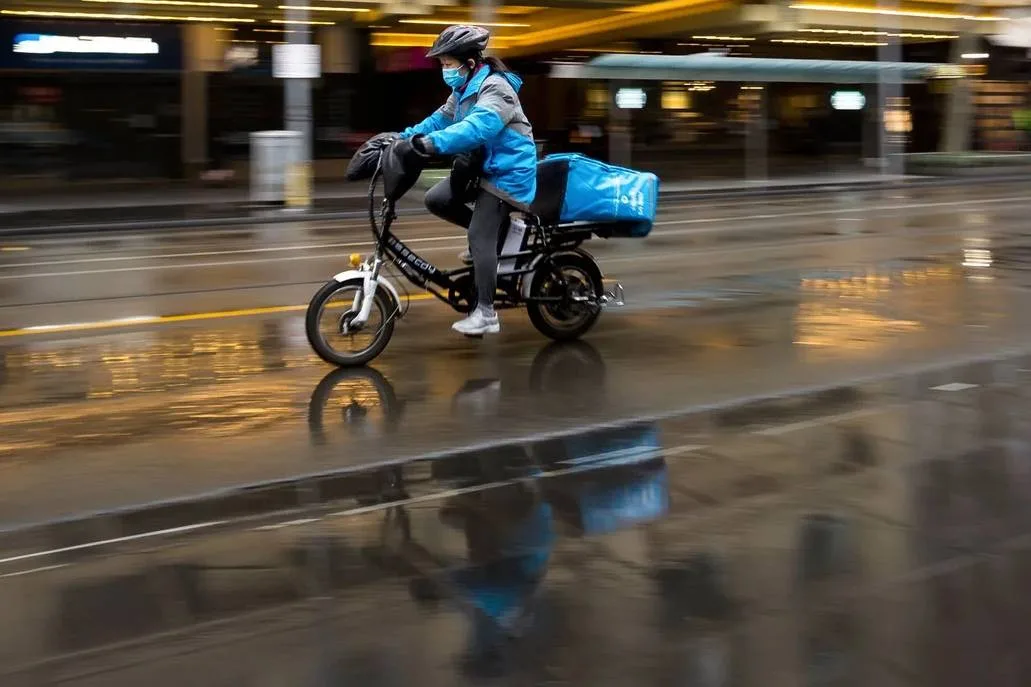
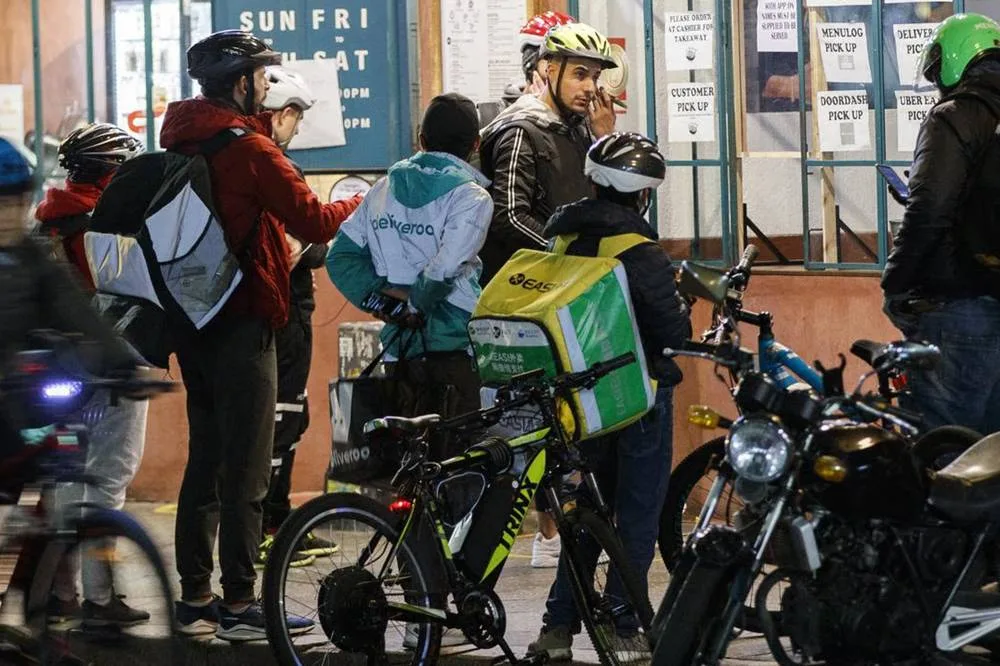
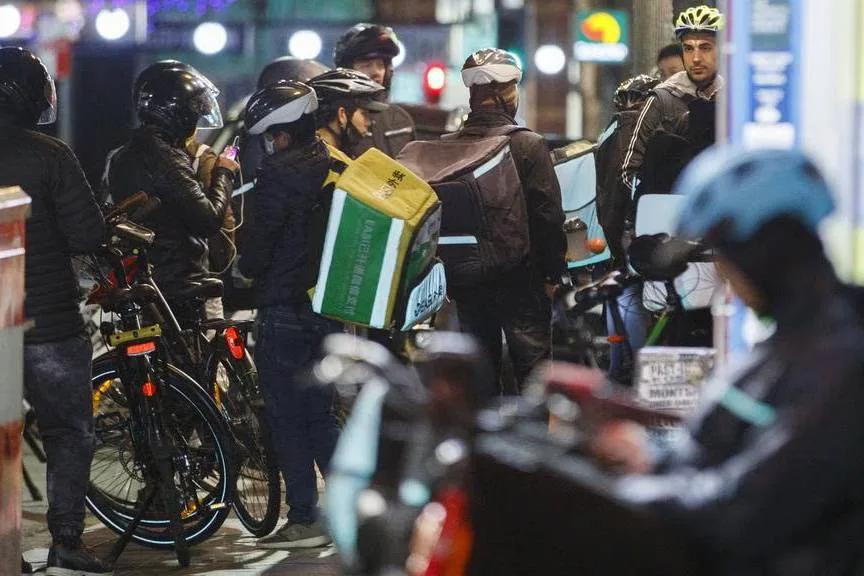


ABOVE: e-bikes cause chaos – sydney harbour bridge, streets and footpaths. Nowhere is safe.
nsw #ebikes #delivery-riders #sydney-harbour-bridge #sur-ronster
Roadside Dyno Traps
Police are now deploying portable dyno units at checkpoints. They place your bike on rollers to measure the actual wattage and speed cut-off. You can’t argue your way out of a digital reading. If the dyno shows the bike is “unlocked” or overpowered, the police have the authority to take it then and there to be turned into a metal pattie.
The Food Delivery Wild West
Let’s be honest about the primary offender: the gig-economy speed demon. Under pressure from “instant” delivery apps, riders on illegal, high-wattage monsters have treated red lights as suggestions. These aren’t bicycles. When you have a 1000W motor and a throttle, you are riding an unregistered, uninsured motorcycle. No more. If a delivery rider is caught on an uncertified “liability bomb,” they will walk the rest of the way while their bike is hauled off to the scrap yard.
The Existing Owner Loophole
- No Retrospective Law: If you bought your bike before the deadline, you are not legally required to go out and get it certified or labelled.
- The “Second-Hand” Trap: Be careful if you try to sell your old bike. From February 2026, selling a bike without the certification mark is technically illegal in NSW. This applies to private sales and second-hand shops.
- Police Focus: Roadside police and the new mobile dyno units are looking for speed and power, not stickers. If your bike is under 250W and cuts out at 25km/h, you’re fine. The stickers are a tool for Fair Trading to stop “liability bombs” from entering the market, not a reason to pull over a legal rider.
When the Sticker Matters
You only need to worry about the EN 15194 or UL 2849 marks if,
- You are buying a new bike: Ensure the label is there so you aren’t buying a future paperweight.
- You are a delivery rider: Police are scrutinising delivery bikes more heavily. While the law doesn’t strictly require a sticker on an old bike, a missing mark on a high-mileage delivery rig is an “invitation” for a dyno test.
The Financial Hit
Riding a non-compliant bike or scooter is a fast way to go broke. You face fines for an unregistered vehicle ($818), an uninsured vehicle ($818), and unlicensed riding ($572). When you add the loss of a five-thousand-dollar bike, the total cost of one ride can easily top $7,000.
Ebike and Scooter News
- 2023 MOOV8 Mag20 E-Bike Review: My Christmas Gift to Myself
- Leitner E-bike Review
- E-Scooters: Should They Be Banned?
- Should E-Scooters be Legal or Are They a Pest?
- Will Bird Electric Hire Scooter Change the Game
- Ducati Electric Scooter – Personal Mobility EV Solution
- Order a Spin E Scooter to Come to You!
- Seat Launches 2 New Electric Scooters
- Cool Hyundai KIA Electric Scooter Concept at CES
- Audi E-scooter Skateboard Concept Combo Announced
- Peugeot 5008 and E-kick Scooter in the Blue Mountains

Alan Zurvas is the founder and editor of Gay Car Boys, Australia's leading LGBTQI+ automotive publication. Before launching GCB in 2008, Alan's automotive writing was published in SameSame.com.au and the Star Observer. With over 16 years of hands-on car reviewing experience, Alan brings an honest, irreverent voice to every review — championing value and innovation over brand loyalty.
Leave a Reply