The latest safety data from ANCAP has just hit the wires, and it is a clean sweep of five star ratings for the newest metal landing in Australian showrooms. This batch of testing is particularly relevant because it represents the final run under the 2023 to 2025 protocols. From next year, the goalposts move again with a new rating system, making these top tier scores a vital benchmark for any manufacturer trying to prove they belong in the local market. This is not just about bragging rights, it is about survival in a market that is increasingly crowded with new brands from China and beyond.
Leapmotor is the biggest story of this round. Their B10 small SUV did not just pass, it set a pace that should make established brands sweat. It pulled a 95 percent score for child occupant protection, which is a monster result that equals the highest score ever seen under the current testing window. For a car that starts at 38,990 dollars drive away, it effectively kills the argument that you have to pay a premium for world class safety. The B10 proved rock solid in frontal offset and side impact tests, keeping dummy readings well within the green zones. It is a clear signal that the entry level end of the EV market is no longer a place for compromised engineering.
Geely is another name that is no longer just a footnote in automotive history. The Starray EM-i is their first plug in hybrid to get the local five star nod, and it did so with a very balanced scorecard. It recorded a 90 percent for adult occupant protection and 86 percent for vulnerable road user protection. The latter is a huge focus for ANCAP lately, and the Starray showed it can actually protect pedestrians and cyclists rather than just acting as a battering ram. It comes out of the box with seven airbags and a 360 degree monitor that actually helps you avoid the bingle in the first place. The inclusion of a centre airbag is particularly important here, as it prevents the front occupants from clashing heads during a side on collision.
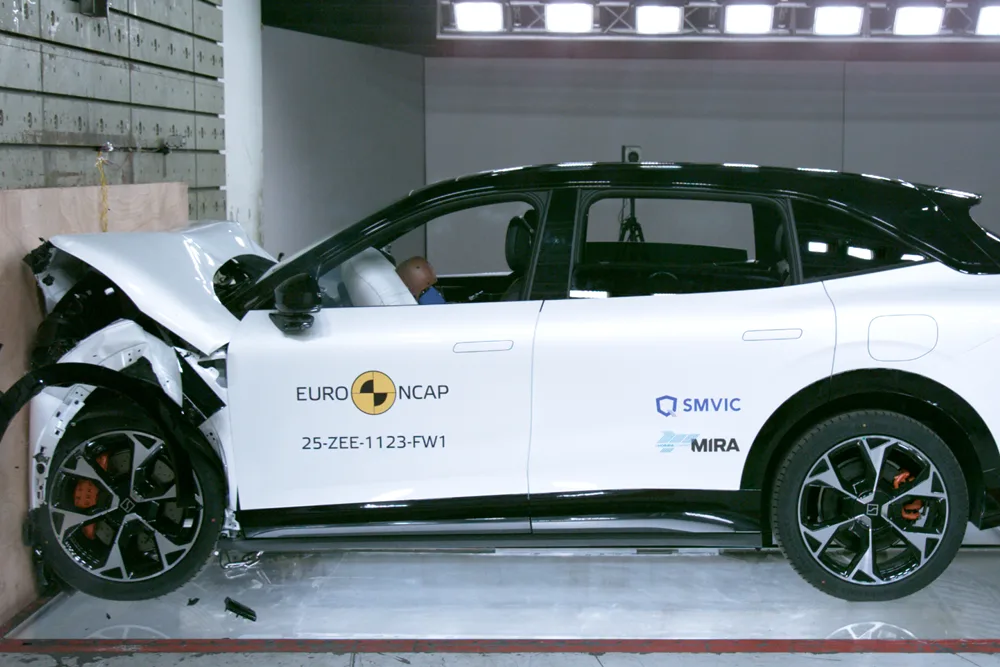
Zeekr is keeping its momentum high with the 7X. It is the second model from the brand to clear the five star hurdle, and it did so by recording maximum points in the side barrier and oblique pole tests. These are the nasty crashes where structural integrity is everything. The 7X showed that its 800V architecture and heavy battery packs do not compromise the safety cell. It also features a 22kW AC charging capability, making it one of the most tech heavy cars in its price bracket to also offer top tier crash protection. The level of detail in the Zeekr engineering suggests that the parent company is taking the Australian market very seriously, aiming directly at the European luxury staples.
|
Model |
Adult Occupant |
Child Occupant |
Road User |
Safety Assist |
|
Leapmotor B10 |
93% |
95% |
84% |
86% |
|
Geely Starray EM-i |
90% |
87% |
86% |
82% |
|
Mercedes Benz CLE Coupe |
93% |
86% |
87% |
84% |
|
Zeekr 7X |
91% |
87% |
78% |
78% |
|
Kia EV4 |
84% |
86% |
77% |
81% |
|
Toyota bZ4X |
88% |
86% |
80% |
82% |
|
Subaru Solterra |
88% |
86% |
80% |
82% |
|
MG HS |
90% |
87% |
83% |
74% |
Above: This Week’s VIDEO Review –2025 Chery Tiggo 4 Hybrid
CheryTiggo4, #HybridSUV, #GayCarBoys, #CarReview, #ToyotaKiller, #AffordableCars, #HybridReview




ABOVE: New 2025 ANCAP Safety Leaders Leapmotor B10 and Geely Starray Gallery
#ANCAP, #Leapmotor B10, #Geely Starray, #Zeekr 7X, #Mercedes Benz CLE
Mercedes Benz brought the CLE Coupe to the party and reminded everyone why they have been the benchmark for nearly a century. It managed a 93 percent adult occupant score and the highest vulnerable road user protection of this entire group. It is a sophisticated piece of kit that uses radar and cameras to prevent incidents before they happen, but the physical crash performance proves the German engineering still has the hardware to back up the software. The CLE is proof that even in a world of high tech sensors, the basic physics of a well built car still matter when the rubber leaves the road.
The Kia EV4 is a significant addition to the local lineup. As the first electric sedan of its kind from the brand to hit our shores, it arrived with a five star rating already in its pocket. It landed with an 84 percent adult occupant score and 86 percent for children. Kia has been very vocal about ensuring the Australian and New Zealand spec cars are not watered down versions of what they sell in Europe, and these results back that up. It is a high tech alternative to the usual SUV crowd that does not skimp on the sensors or the structural reinforcements.
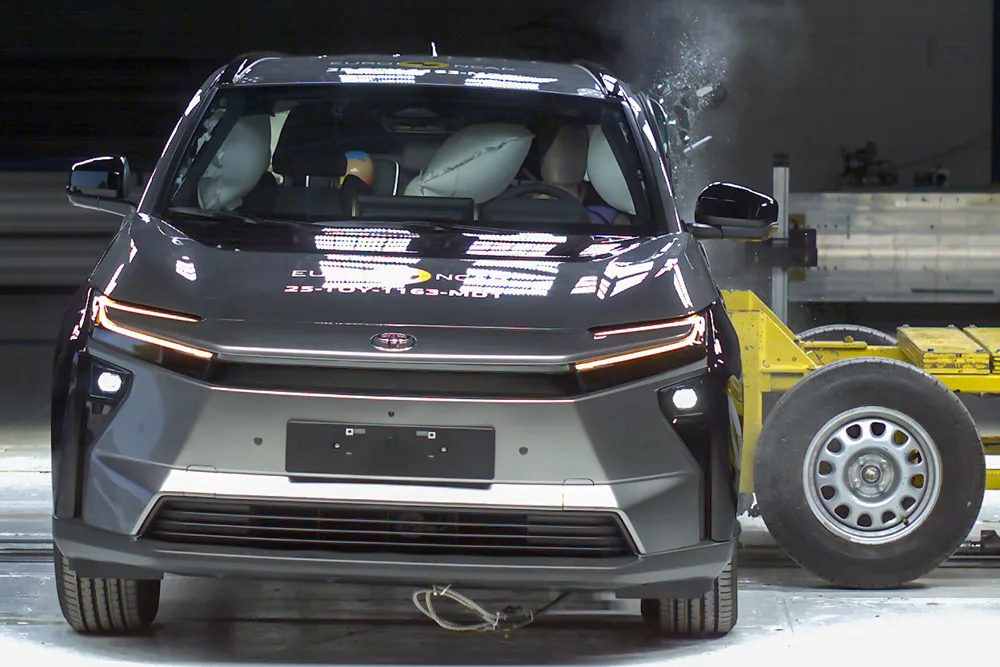
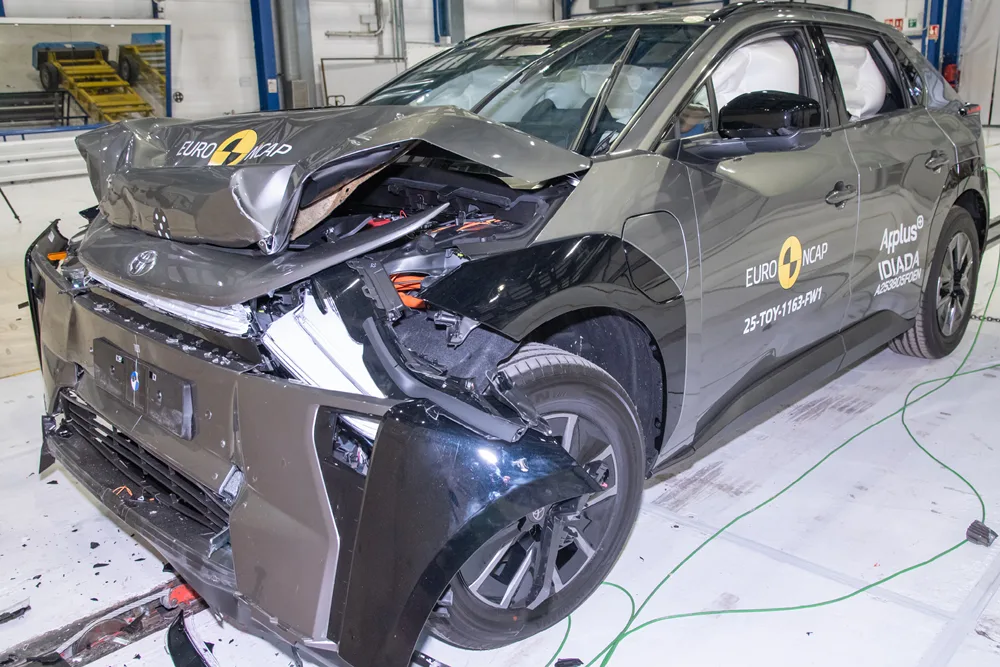
It was not just about the new arrivals, though. ANCAP also updated ratings for some of the veterans that are still moving high volumes. The Toyota bZ4X and Subaru Solterra had their five star status carried over for models built from October 2025. This ensures that as production continues, the safety credentials remain valid for buyers looking at current stock. MG also got a win with the HS, seeing its petrol rating extended to the hybrid and plug in hybrid variants. Additional testing was done to make sure the high voltage batteries would not pose a risk during a serious impact, and the HS cleared those hurdles without an issue. This is vital for the emergency services who need to know these cars won’t become a hazard during a rescue.
ANCAP CEO Carla Hoorweg was direct about why these tests matter. As more emerging brands land in Australia, consumers need a way to cut through the marketing and see what happens when things go wrong. These ratings provide that clarity. With 2026 bringing even tougher rules, including penalties for cars that ditch physical buttons for touchscreen menus, this round of testing is a final look at the current standard of excellence. The message is clear, if you want to sell cars in Australia, you cannot ignore the independent safety auditor.
Manufacturers are clearly getting the message. We are seeing active safety tech like autonomous emergency braking, lane keep assist, and driver fatigue monitoring become standard equipment across the board. It is no longer about how many airbags you can cram into a dashboard, it is about the car being smart enough to never need them. Whether it is a budget EV from Leapmotor or a luxury coupe from Mercedes, the standard for 2025 is now firmly set at five stars. This level of competition is driving a safety arms race that benefits every driver on the road.
The shift toward electrification is also forcing a rethink of how we measure safety. It is not just about the occupants anymore, but about how the vehicle interacts with the environment around it. The high scores for vulnerable road user protection in this group show that engineers are finally looking outside the cabin. Pedestrian friendly bonnet designs and better cyclist detection software are becoming the new baseline. For a country like Australia, where road trips and city commutes share the same infrastructure, this holistic approach to safety is exactly what we need.
Ultimately, the results from this ANCAP session show that the automotive industry is in a state of rapid evolution. The gap between the established prestige brands and the new challengers is closing at a rate that few predicted. Safety is no longer a luxury feature, it is the entry fee for doing business. As we move toward the 2026 criteria, the bar will only get higher, but for now, the latest crop of cars has proven it can handle the pressure.
|
Model |
Key Specifications |
Drive Away Price |
|
Leapmotor B10 |
160kW, 56.2kWh battery, 361km range |
$38,990 |
|
Geely Starray EM-i |
1.5L PHEV, 83km EV range, 943km total |
$39,990 |
|
Kia EV4 |
150kW, 58.3kWh battery, 456km range |
$53,400 |
|
Zeekr 7X |
475kW, 100kWh battery, 543km range |
$79,600 |
|
Mercedes Benz CLE 200 |
2.0L Turbo, 150kW, 9-speed Auto |
$112,500 |
|
Toyota bZ4X |
165kW, 74.7kWh battery, 591km range |
$61,200 |
|
Subaru Solterra |
252kW, 74.7kWh battery, 566km range |
$69,601 |
|
MG HS Super Hybrid |
1.5L PHEV, 165kW combined, 3-speed Auto |
$46,990 |
More ANCAP stories here
- MGU9 gets ANCAP 5-Star Safety Rating, MG Targets SUV-Level Comfort
- Omoda 9, LDV Terron 9, Audi Q5 earn ANCAP five-star safety
- Kia K4 Splits ANCAP Ratings: Five Stars for Most, Four for Base
- Tesla Model 3, Kia EV3, MG S5 EV Score Five-Star ANCAP Ratings
- BYD Sealion 7 & Geely EX5 5-Star ANCAP – But It’s Not All Roses
- Mazda CX-80 Earns Five-Star ANCAP Safety Rating
- 5 Star ANCAP for Toyota Prado, Kia EV5, 1 Star for Suzuki Swift
- ANCAP Rates Electric and Hybrid SUVs but Some Fall Short
- Zeekr X Scores Top Five-Star ANCAP Safety Rating

Alan Zurvas is the founder and editor of Gay Car Boys, Australia's leading LGBTQI+ automotive publication. Before launching GCB in 2008, Alan's automotive writing was published in SameSame.com.au and the Star Observer. With over 16 years of hands-on car reviewing experience, Alan brings an honest, irreverent voice to every review — championing value and innovation over brand loyalty.
Leave a Reply