
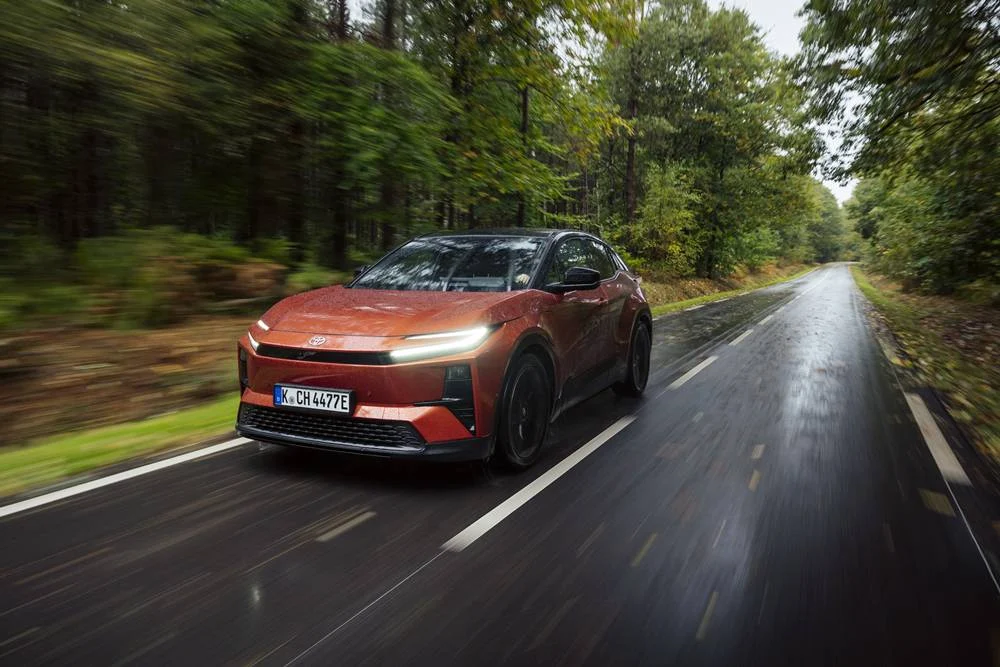
Toyota has finally done what it should have done from day one: fix the clumsily-named bZ4X’s fundamentals. Shared with the identical Subaru Solterra and similar Lexus RZ, updates seek to bring the electric Toyota up standards of much cheaper offerings from other brands. When the bZ4X first arrived in Australia, it was expensive, underpowered, and burdened with a driving range that was well behind market expectations. In a rapidly evolving EV landscape, it felt cautious to the point of being out of step. This upgraded bZ4X, now on sale from $55,990 plus on-road costs, doesn’t reinvent Toyota’s electric strategy — but it does correct some very obvious mistakes.
The most important update is the new 74.7kWh lithium-ion battery. The original bZ4X simply didn’t go far enough on a charge, especially when Chinese rivals were delivering longer range for less money. The upgraded front-wheel drive model now claims up to 591km on the WLTP cycle, a substantial improvement that finally makes the bZ4X viable for longer Australian road trips. AWD models also benefit, with range lifting to 517km WLTP despite a sizeable jump in performance. It is nearing Tesla money so the question still remains – Tesla or Toyota.
Power has been meaningfully addressed. The 2WD bZ4X now produces 165kW and 268.6Nm, while the AWD version gains a second uprated rear motor, lifting combined output to a healthy 252kW and 438Nm. That’s a dramatic 92kW increase over the previous AWD model and transforms the way the bZ4X feels on the road. Braked towing capacity for AWD doubles to 1500kg, adding genuine usefulness for buyers towing trailers, boats or bikes.
Charging was another sore point and has been dragged closer to modern expectations. Australian models now come standard with a 22kW three-phase AC onboard charger, allowing a 10–100 per cent charge in as little as 3.5 hours when connected to appropriate infrastructure. DC fast charging remains capped at a barely adequate 150kW, delivering a 10–80 per cent charge in approximately 30 minutes under ideal conditions. It’s acceptable — but still not class-leading in a market where faster charging is increasingly common at lower price points.
Toyota engineers have also refined the eAxle system, integrating the inverter, motor and transaxle to reduce weight and power losses while improving output. Paddle shifters on the steering wheel now allow drivers to select between four levels of regenerative braking, adding a layer of control and engagement that the earlier model lacked.
Above: This Week’s VIDEO Review –BYD Shark 6 Review: Why Hilux & Ranger Should Be Worried
#BYDShark6, #ElectricUte, #PHEV, #UteReview, #AustralianCars, #EVLife, #CarReview, #GayCarBoys
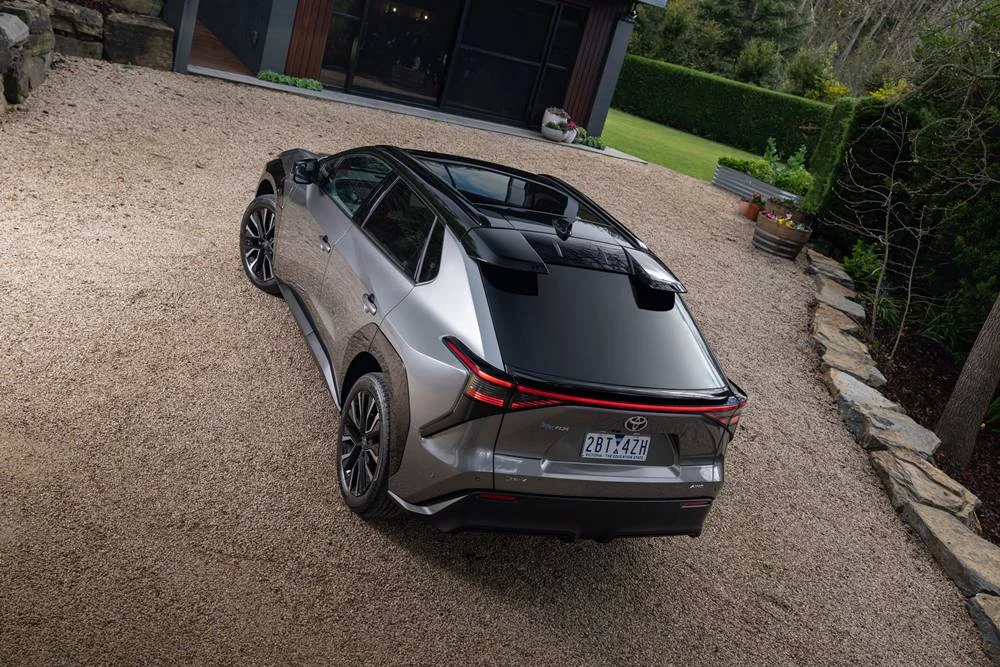

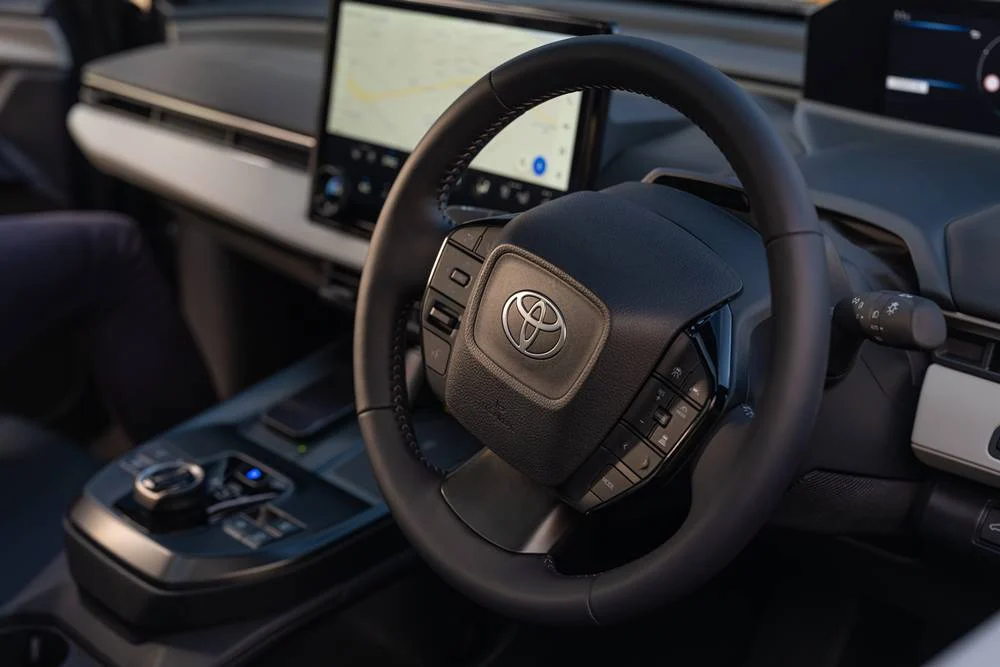
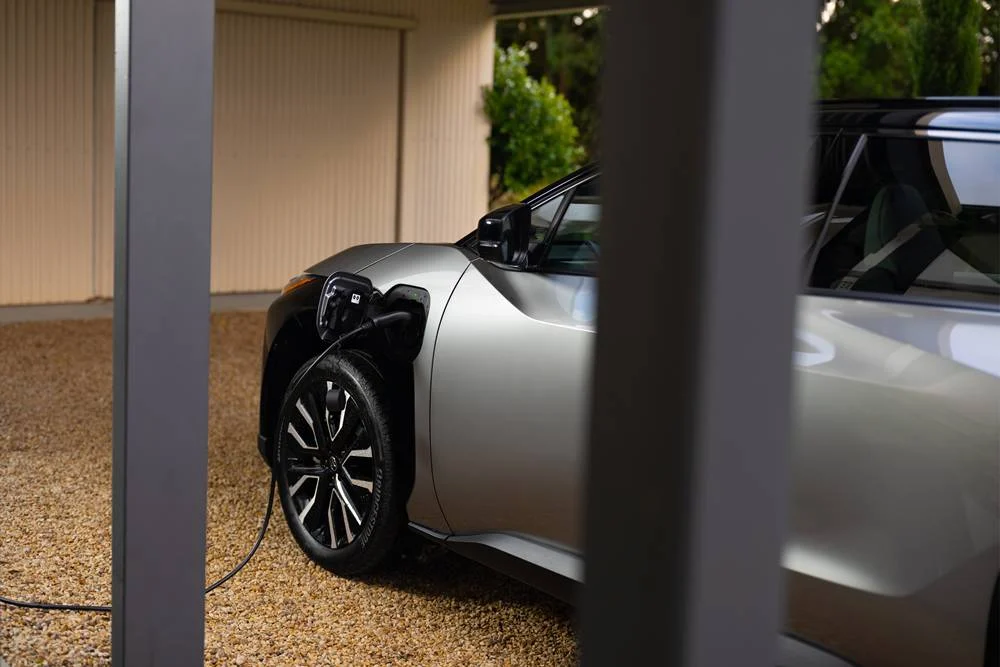

ABOVE: upgraded bZ4X
#Toyota, #bZ4X, #ElectricSUV, #EVAustralia, #ToyotaEV, #ChineseEVs, #EVRange, #AWD, #ElectricCars
Specification levels have climbed noticeably, particularly on 2WD models which now gain newly designed 18-inch alloy wheels with two-tone aero covers, roof rails, puddle lamps, headlamp cleaners and gloss black wheel arch cladding. Inside, the improvements are obvious. A larger 14-inch touchscreen anchors the dashboard, joined by dual wireless phone chargers, a heated steering wheel, nanoeX cabin air ionisation, a powered tailgate with kick sensor and a 1500W inverter in the luggage area for powering appliances or equipment.
Safety has also been expanded substantially. Blind spot monitoring with safe exit assist, rear cross-traffic alert, a driver monitor camera, panoramic view monitor and an additional driver’s knee airbag bring the total to eight airbags. It’s a strong safety suite that plays to Toyota’s long-held reputation in this area.
AWD grades layer on even more hardware. A second electric motor on the rear axle produces 87kW and 168.8Nm, while X-Mode off-road traction control, downhill assist control and enhanced stability systems add confidence in poor conditions. AWD models also gain 20-inch aerodynamically optimised wheels, memory mirrors with reverse tilt, eight-way power front seats, a digital rear-view mirror and radiant front-seat heating that warms occupants directly rather than heating wasted cabin air.
Toyota is also leaning into ownership value. Through the Toyota Go loyalty program, private buyers can choose between a complimentary 7kW home charger or a Chargefox public charging voucher covering up to one year or 625kWh. Buyers financing through Toyota Finance may also qualify for limited-time deposit contributions, helping soften the sticker shock.
But here’s the unavoidable reality. Even with these genuine improvements, the bZ4X remains expensive in a market now dominated by Chinese EVs offering longer range, faster charging and more technology for significantly less money. Toyota is banking on brand trust, dealer coverage, safety tuning and long-term ownership confidence — strengths that still matter, but are being tested harder than ever.
Lexus RZ, Subaru Solterra and Toyota bZ4X are the same vehicle so keep that in mind.
The upgraded bZ4X is no longer way behind the curve, but whether it’s truly competitive at this price is the real test — and only buyers will decide.
| Model | Drive | Battery (kWh) | Range (km WLTP) | DC charging | Price (AUD) | Notes |
|---|---|---|---|---|---|---|
| Hyundai Ioniq 6 | RWD | 77.4 | 614 | ~230–240 kW real-world | $72,000–$80,990 | One of the fastest-charging sedans |
| IM6 | AWD | 100 | 610 | ~395 kW peak, ~250 kW sustained | $60,990–$80,990 | 10–80% in ~17–20 minutes |
| Tesla Model Y Long Range | AWD | 75 | 533 | ~250 kW peak, ~180 kW sustained | $80,000–$80,990 | Fastest Tesla in this group |
| IM5 | RWD | 75–100 | 520 | ~396 kW peak, ~250 kW sustained | $60,990–$80,990 | Standard trims charge ~150 kW |
| Hyundai Ioniq 5 | RWD | 77.4 | 507 | ~230–240 kW real-world | $68,000–$80,990 | 800V; 10–80% in ~18 min |
| Hyundai Kona Electric | FWD | 64 | 505 | ~100 kW real-world | $55,000–$80,990 | Reliable mid-tier charging |
| Tesla Model 3 RWD | RWD | 57.5 | 513 | ~170 kW real-world | $61,000–$80,990 | Consistent 120–150 kW mid-curve |
| Tesla Model Y RWD | RWD | 60 | 455 | ~170 kW real-world | $65,000–$80,990 | Strong taper after 40% |
| Toyota bZ4X | 2WD | 71.4 | 436 | ~120–150 kW real-world | $55,990 | Slow taper; conservative thermal limits |
| Toyota bZ4X | AWD | 71.4 | 411 | ~100 kW real-world | $67,990 | Higher consumption than 2WD |
Other GayCarBoys Toyota Stories:
- Sexy Men Drive 2021 Toyota Yaris Cross
- Toyota Landcruiser VX: King of the Load
- LandCruiser Sahara: Your limo to the wild awaits.
- 2019 Toyota Hilux Rugged X Review, Road Test, and video.
- 2020 Toyota Corolla Hybrid Sedan – Body in the Boot
- 2020 Toyota Corolla and its Gadgets are great
- 2019 Toyota Corolla Video Launch Review Gaycarboys
- 2019 Toyota Corolla hatch Driven at Launch Review
- 2019 Toyota Corolla Hatch Specifications
- 2018 Toyota Corolla ZR Review
- 2019 Toyota Corolla hatch Driven at Launch Review
Discover more from Gay Car Boys
Subscribe to get the latest posts sent to your email.











Leave a Reply