
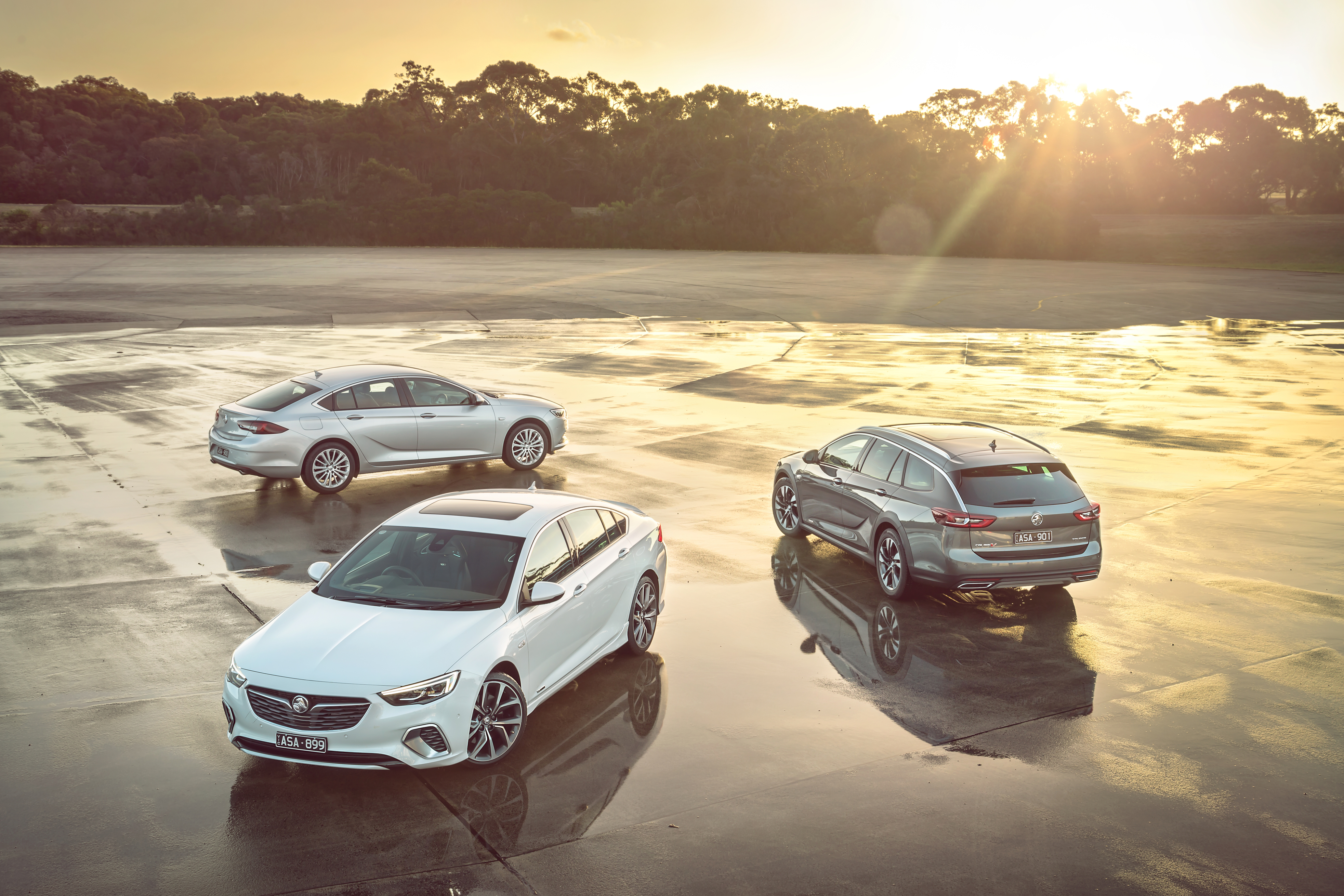
Above: This Week’s Car Review – 2020 Mitsubishi ASX Exceed
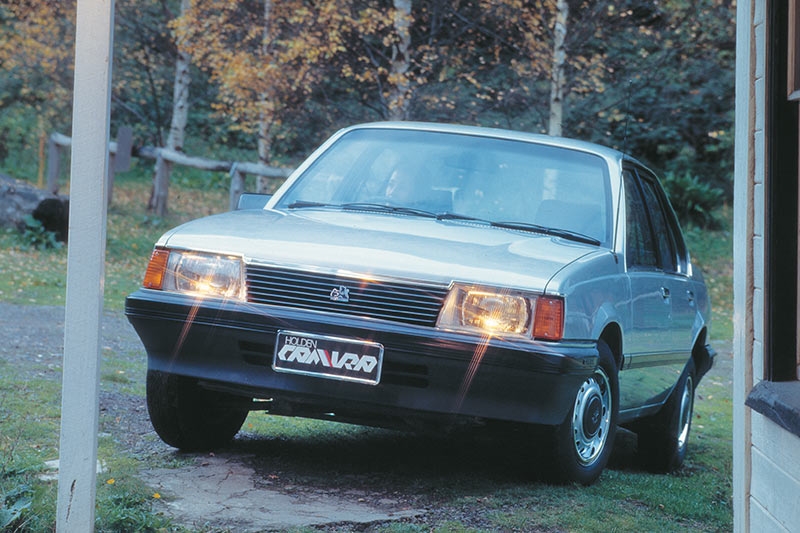
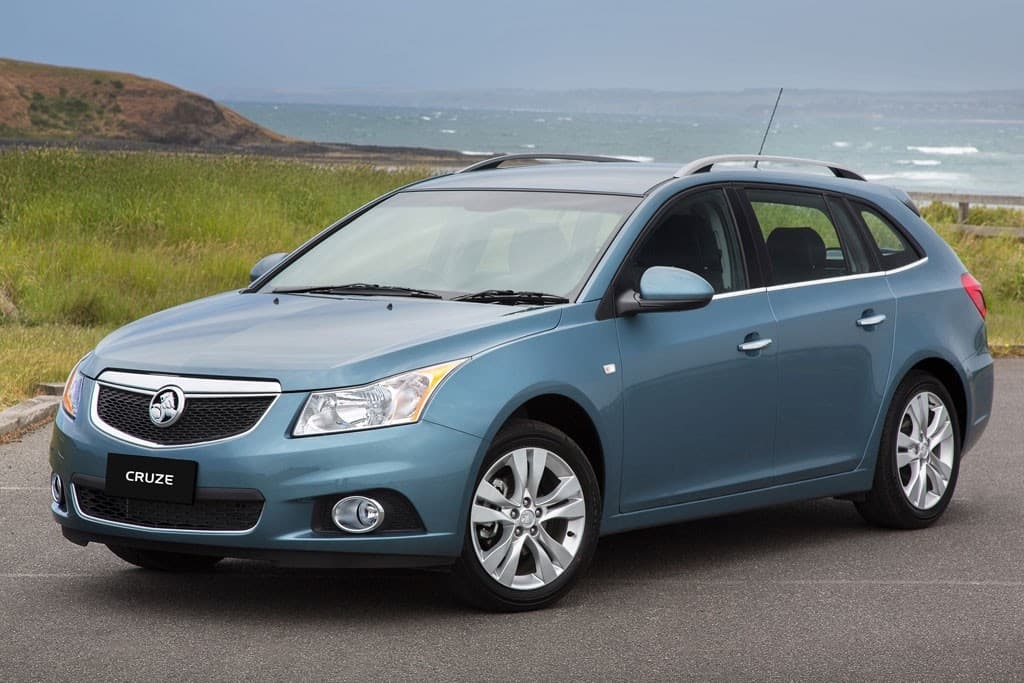

ABOVE: Camira and Cruze
Why Did Holden Fail?
Why did Holden Fail? The answer is simple: product, price, arrogance.
Put simply, a series of mis-steps, blunders, and an appalling attitude to the market, combined with interference from parent company GM, made Holden’s demise inevitable.
Only those at the top really know how much the USA contributed, but Holden management’s arrogant attitude began decades earlier, and continued to the end.
Sub-standard models in the early 70’s, like Kingswood, were lapped up eagerly. It was little more than a an old model, dolled-up in a new frock, using bits from the old parts bin.
As time wore on, a new era heralded Commodore, ironically the hero model that also sealed the once great Australian’s fate. You see, the market shifted away from big family cars, stranding their only big seller in a segment by now is almost extinct. Holden continually failed to read the market, and meet it.
In the late 80’s, Camira, a sub-par small car, started the rot. It sold well until people realised the underpowered, under-spec’d offering was out maneuverered by Japan.
Let’s not forget the dire Holden Starfire 4cylinder engine, and the waste-of-space Toyota based models like Apollo and Nova. Why not just buy the Toyota?
Other Holden Stories
- DON’T Drive YOUR CAR until you’ve Checked if your AIRBAG will KILL YOU
- 10 Hottest Racing Drivers
- Holden and its Dealers Transition Plans
- Holden Dumps Commodore and Astra in 2020
- Holden Acadia LTZ-V 2019 VIDEO Review
- 2019 Holden Colorado LT 4X4 Crew Cab Reviewed and rated
- Holden Commodore Range Video Review

Help Support Gay Car Boys Subscribe to our Youtube Channel
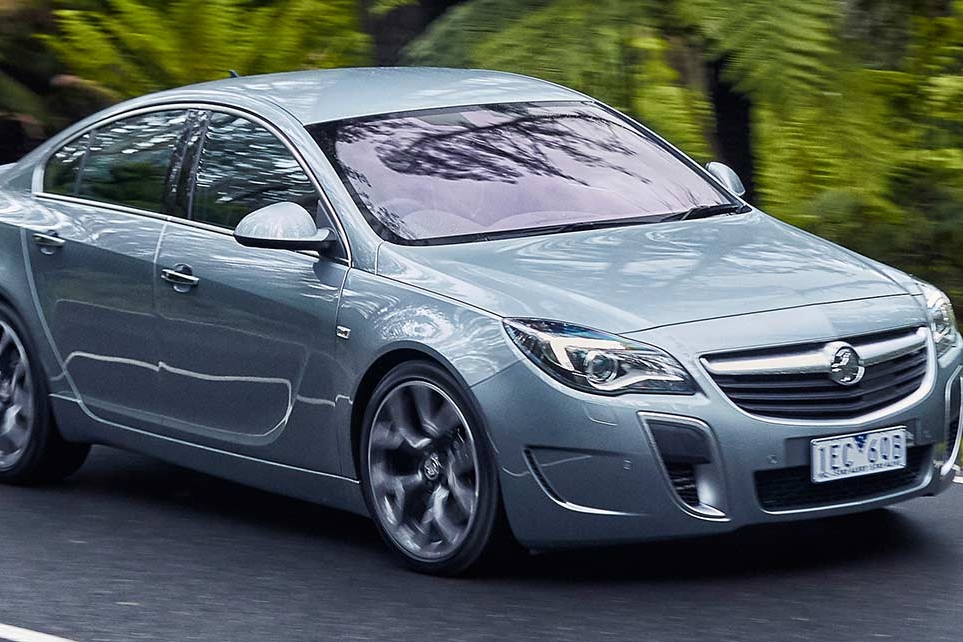
ABOVE: Holden/Opel Insignia
Opel Based Models:
Now we come to the unloved, slow-selling Opels.
Insignia and Cascada were failures from the out. At least Insignia was a brilliant car, but the final model sold as a Commodore, something Australians simply rejected outright. Opel models were far too expensive.
During this period, Opel sold under its own brand, and lasted a very short 12 months. The cars were good to drive but the price was a stretch too far, as the importer tried to sell them as a premium brand.
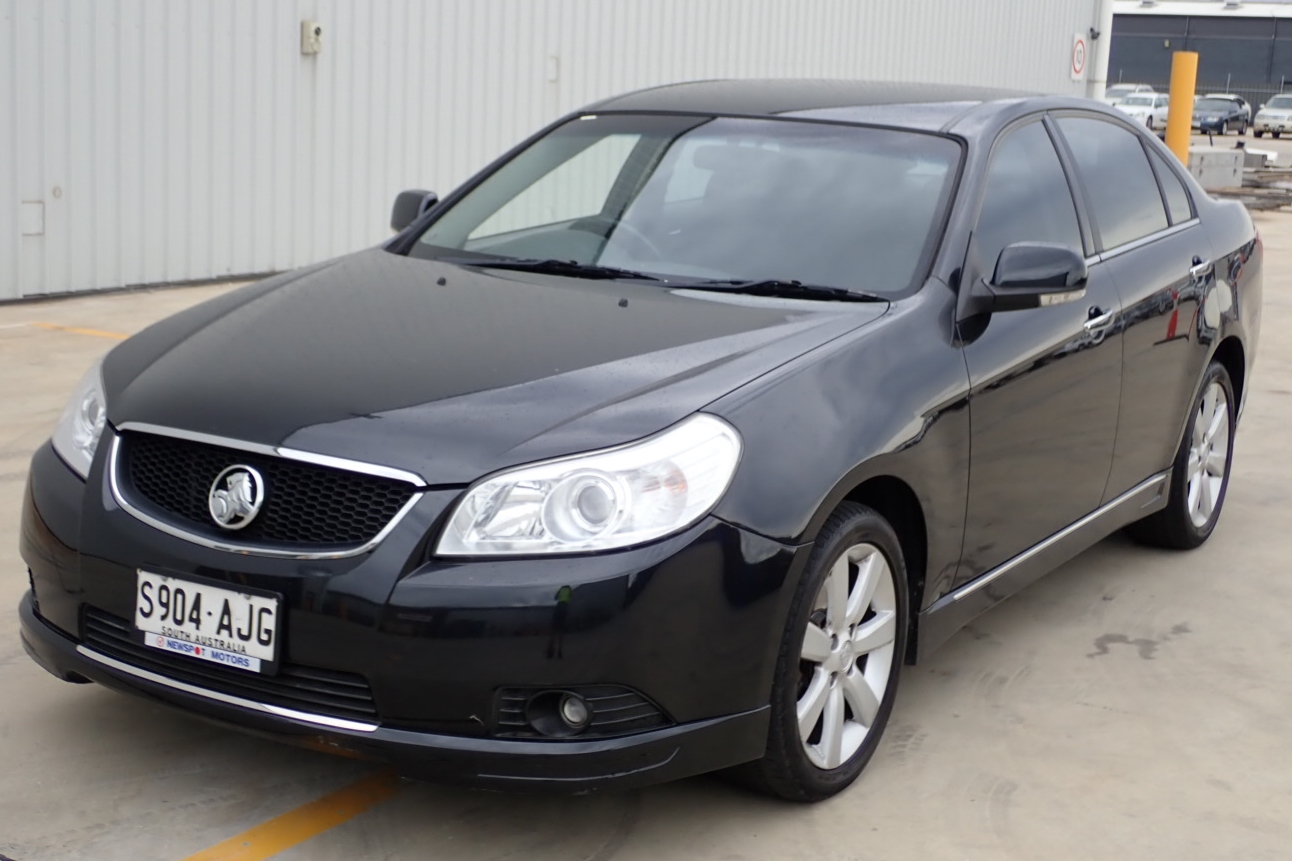
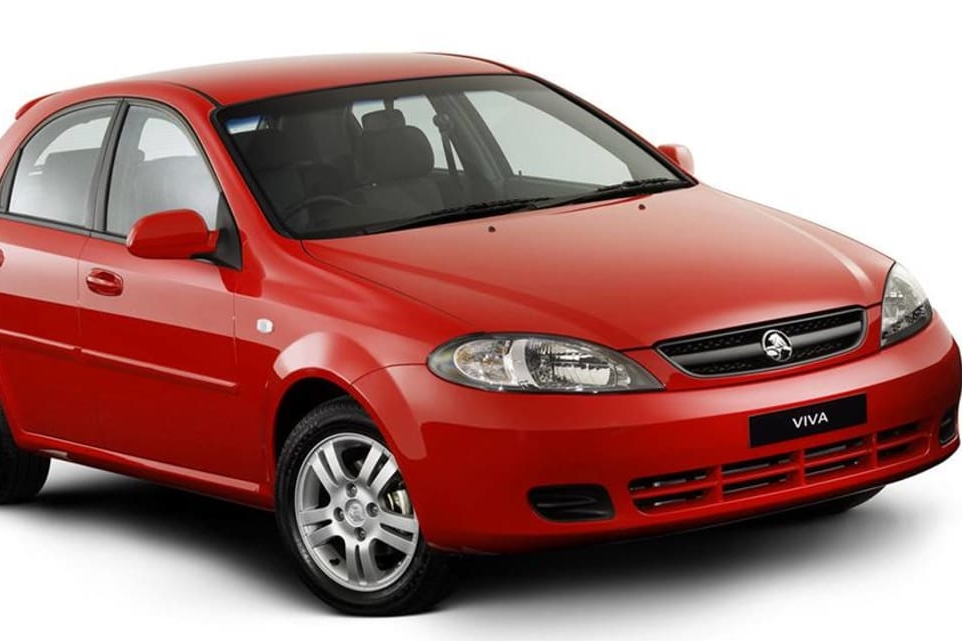
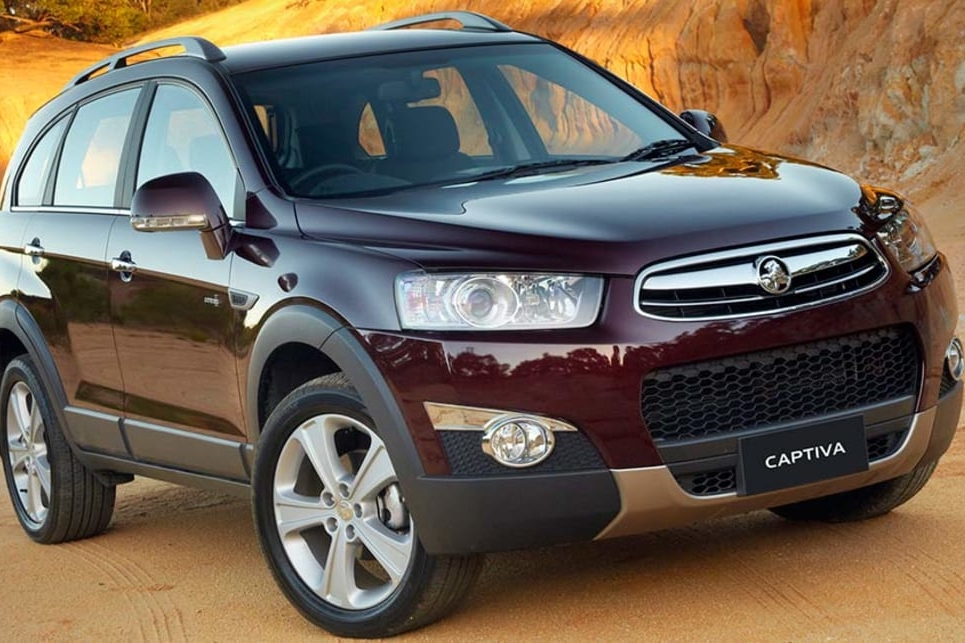
ABOVE: Epica, Vivia, Captiva
Daewoo Models:
Gm bought ailing Korean carmaker, Daewoo, to make cars cheaply. At that, they succeeded. Holden Australia was infected with crappy old Daewoo cars like the vile Epica, and insipid Viva. The Captiva SUV sold for 12 years before being retired in 2018. It was old, never up to snuff, and sold on price only.
Their engines were anaemic, with an exterior design from another century. While Viva and Epica were simply tragic, Captiva had a few redeeming features. It was roomy, but the unattractive bodywork housed an interior from the 90’s.

ABOVE: Design Sketch – Cruze
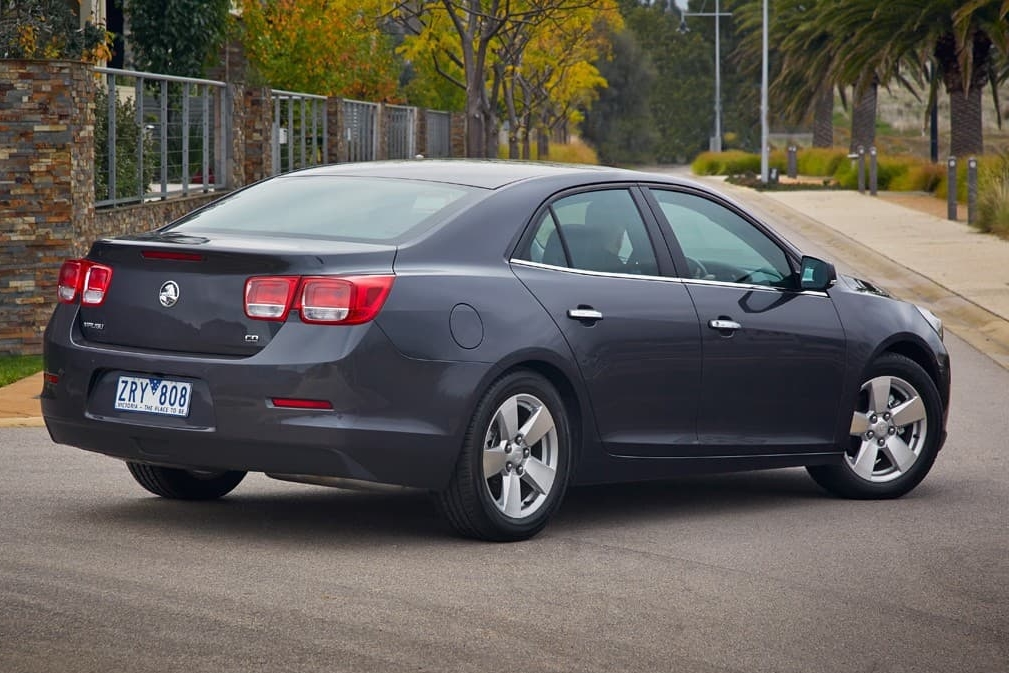
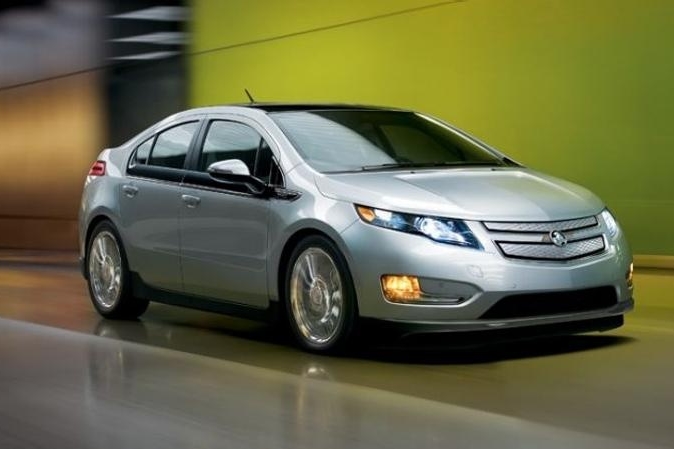
ABOVE: Volt, Cruza, Malibu
Chevrolet Models:
Then we come to the Chevrolet based models like Cruze and Barina. By then, the rot was terminal. Cruze felt cheap and nasty, and Barina was just plain awful. Cruze was adequate on the road, but was dreary in every way.
Holden added insult to injury by showing us sexy sketches of a Cruze hatch that was to be built in Adelaide. It looked beautiful, but we know enough to expect the final product to be somewhat less than exciting. The hatch was utterly hideous.
Insult was added to injury by the horrible Malibu. It ran for a miserable 3 years, and was possibly one of the worst cars it had been my misfortune to drive. So much so, after driving it for a week, I refused to review it. I wrote the review in case I changed my mind. Here are a few quotes from the unpublished work:
“The exterior is uninspiring, verging on dreary. The diesel engine sounds like it was stolen from a 1950’s tractor, and the interior looks like a bucket of cheap plastic exploded in the microwave.” I then went on to say how much I hated Malibu, pointing out its tacky cabin lighting theme, and nasty, uncomfortable seats.
It wasn’t all bad though. Volt, the innovative “range extender” plug-in hybrid, was a great car, but at $65,000, was at least 20k overpriced. I liked it a lot.
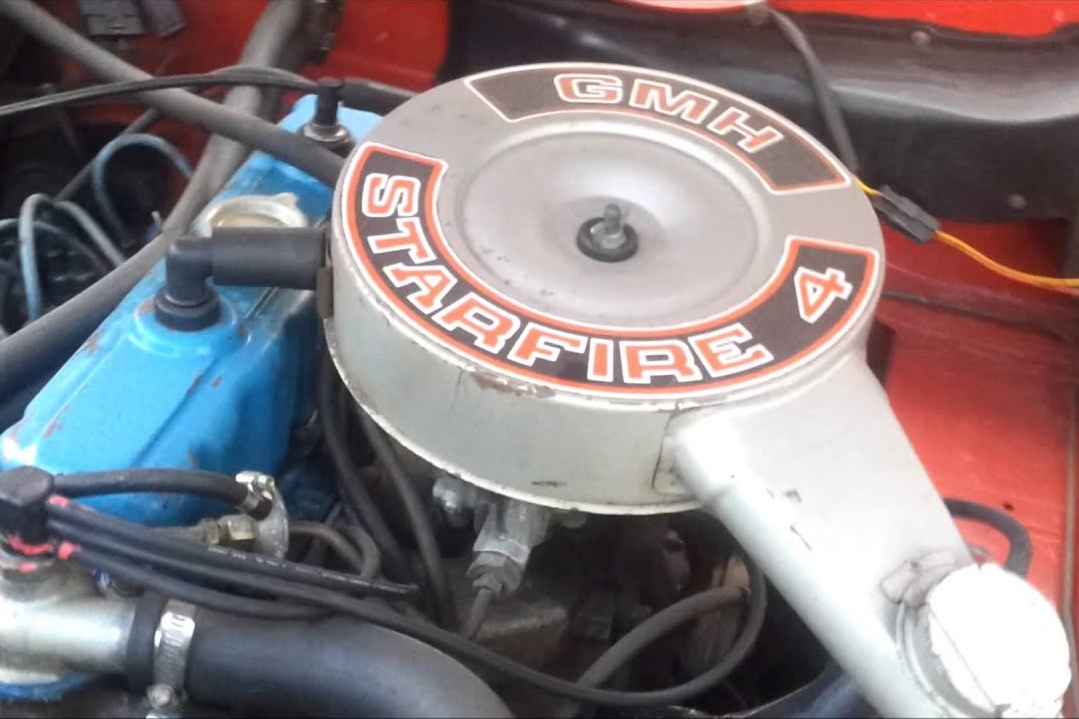
ABOVE: Starfire 4
The engines:
GM engines showed promise. But, like the cars that housed them, aged badly. The V6 was positively geriatric, and the sexy-as-hell V8’s had pushrods. There are 4 cylinder turbos now that put out more grunt.
Holden Missed the diesel craze of the early naughties, leaving those mainly for the commercial models. By the time execs thought, “hey guess what, Australians are buying diesel sedans,” the moment had passed.
Some of the later 4-cylinder engines were adequate, but only just.
The announcement that Commodore and Astra would be dropped:
The rebadged Opel Insignia, sold as Holden Commodore, and the much-unloved Astra, were shown the door.
Holden had slipped from near 50% of the market, to under 5%, and once Australian manufacturing ended, there was no longer a reason for buyers to consider old Australian brand.
The final nail was the fact that only the SUV and Commercial ranges would remain.
Holden Colorado was by far the best LCV/pick-up truck in the segment. It was nice on the road, reasonably smart to look at, and had all the gear you could wish for. Acadia, was nice to look at, but the interior really let it down and it never grew legs.
The wash-up:
Holden survived the GFC, but only just. As GM sold off the posh Euro brands, the writing was on the wall for GM in Australia. Detroit was getting rid of loss-makers left and right. Although Holden had Lang Lang, the excellent proving ground, theHolden HQ looked sad. A grand office building that that once housed 1,400 staff, now a mere a few hundred came through the front door.
The factory behind it, nowa silent, decaying ruin, much like the brand itself.
Finally, GM announced it was abandoning right-hand-drive markets altogether, and alas, the fat lady had sung her last tune. Holden was dead, RIP.
It is rather galling that Holden, like Ford, had taken money from the government to remain an Australian employer. Loyal customers had long been on the hill, cheering local heroes on Mt Panorama.
Sadly, there is little reason to lament the passing of the era. Like fellow yank carmaker, Ford, Holden is merely a fading shadow of its former self. What we are remembering are the halcyon days of families being either Ford or Holden.
Holden promised us they were in for the long haul, even as they launched what are now their final models. Ford said the same, so will Ford last?
In the end, neither could match the technical and marketing genius of Japan and Korea.
Current Holden owners have every reason to be angry and betrayed.
Discover more from Gay Car Boys
Subscribe to get the latest posts sent to your email.












Leave a Reply