The local introduction of Chinese electric vehicle player XPeng has devolved into an absolute circus. What should have been a routine market entry has instead disintegrated into an aggressive civil war, leaving everyday buyers caught in the middle of an unprecedented dual-importer crap shoot.
The root of the chaos traces back to a five-year exclusive rights deal signed in mid-2024 with a local independent company called TrueEV. Launching the G6 coupe SUV looked promising, but the corporate relationship collapsed behind closed doors. Legal documents point to financial stress, with the local importer allegedly purchasing less than a third of its mandatory vehicle allocations across its opening seasons while continuously attempting to alter payment schedules. Ground-level friction also grew louder as customers voiced anger over delayed five-thousand-dollar factory retail incentives.
By early 2026, the Chinese head office had enough, stripping the local firm of exclusivity to establish its own direct factory subsidiary called XPeng ANZ. The local distributor fought back with federal litigation, claiming the manufacturer deliberately restricted vehicle supply to force a retail breakdown and seize control of the local market. The retail landscape became even more complicated when a commercial financier appointed receivers over nearly two hundred unsold TrueEV vehicles at national ports to cover unpaid debt.
With the court declining to block the manufacturer’s corporate entry, a bizarre parallel universe went live on April 1. The official factory subsidiary established a national parts hub and began appointing an independent dealer footprint, while the original importer remained open, attempting to support existing clients and clear remaining stock before the full trial begins in October.


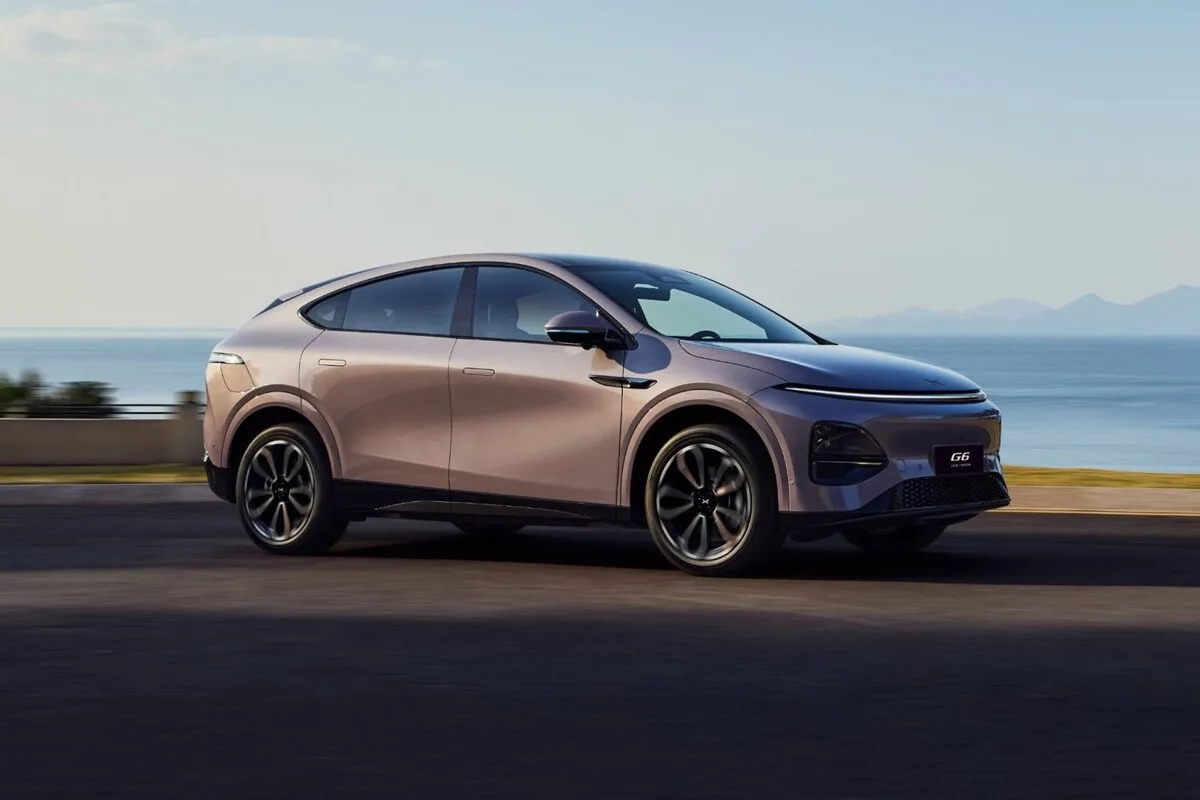

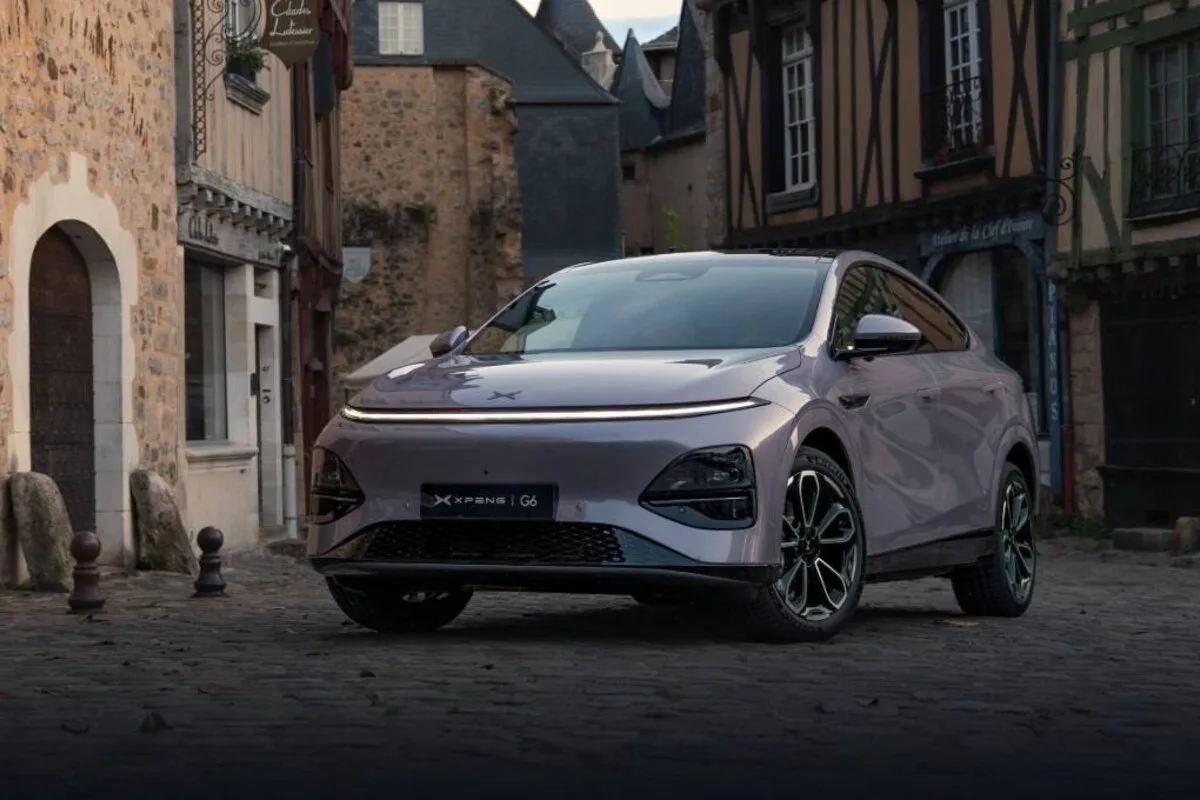


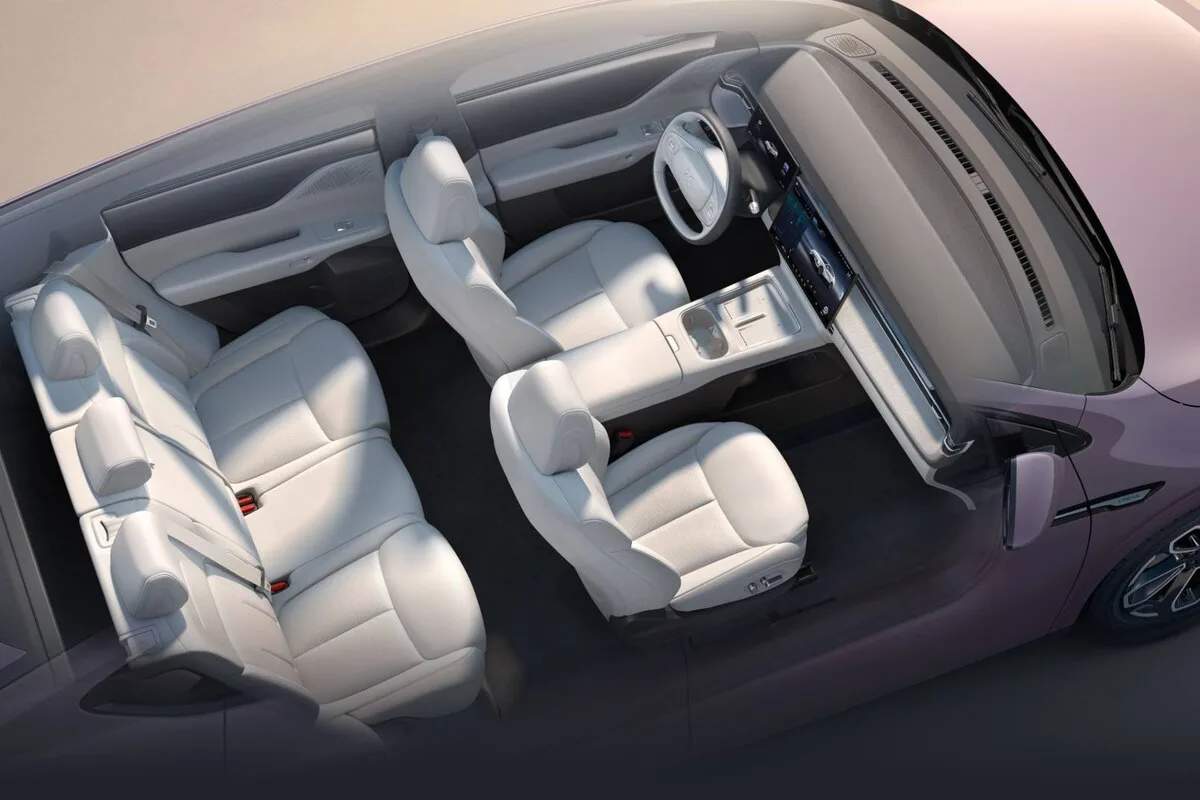

ABOVE: XPeng G6 update
This retail turf war creates a stark division in what consumers can actually buy. The original distributor is left holding inventory of the older, slower-charging launch specification. Meanwhile, the new factory arm has opened orders for the heavily upgraded 2026 facelift.
The refreshed 2026 model line undercuts the older distributor stock by three thousand dollars, opening at $51,800 before on-roads for the entry-level rear-wheel-drive Standard Range. The product catalogue expands from two variants to four, adding an all-wheel-drive Performance grade and a dark visual styling pack.
The range now splits into four distinct tiers: the entry Standard Range offering up to 480km of WLTP range from $51,800, the Long Range at $56,800 stretching to 525km, the dual-motor Performance at $63,800, and the styling flagship Performance Black Edition topping the lineup at $66,800 plus on-roads.
The major engineering upgrade moves the vehicle to an 800-volt silicon carbide high-voltage platform using new battery chemistry. This allows for 5C ultra-fast charging across the range, with maximum charging speeds of up to 451 kilowatts, claiming a ten-to-eighty % replenishment time of twelve minutes under ideal test conditions.
Inside, the cabin receives better materials, a 15.6-inch central touchscreen, a 10.25-inch digital driver display, and physical toggle switches for the dashboard air vents, rectifying an annoying design element on the original importer cars that forced drivers to adjust airflow through digital menus.
Acoustic performance gets an upgrade via an 18-speaker XOPERA spatial audio system, backed by wireless smartphone integration and twin wireless phone charging pads. The standard active safety kit also steps up under the XPILOT Assist suite, bundling adaptive cruise control, lane centring, automatic emergency braking, and a surround-view camera layout with a transparent chassis function.
For anyone looking to buy, this commercial division leaves a confusing choice. The independent importer continues to trade but faces a steep climb to survival after being ordered to provide security for legal costs. Its inventory is also entirely the older specification. Conversely, the official factory subsidiary offers the updated, cheaper, and faster-charging variants backed by direct manufacturer resources and a seven-year unlimited-kilometre factory warranty.
While both businesses currently coexist, anyone focused on long-term vehicle support, warranty assurance, and software updates has a confusing choice. Entering a fresh car brand carries enough risk without buying straight into a fractured distribution dispute, making the direct factory pipeline more attractive.
What does it say about the brand as a whole though? How is this debacle been allowed to continue? Will buyers risk being caught again?
More XPeng Stories
- XPENG Australia 2026: The Chinese EV Brand Takes Direct Control
- XPENG Lands in New Zealand with AI Driven G6 SUV
- XPENG X2 personal electric copter at Sydney International EV Autoshow

Help Support Gay Car Boys Subscribe to our Youtube Channel by SMASHING THE BUTTON ABOVE

Alan Zurvas is the founder and editor of Gay Car Boys, Australia's leading LGBTQI+ automotive publication. Before launching GCB in 2008, Alan's automotive writing was published in SameSame.com.au and the Star Observer. With over 16 years of hands-on car reviewing experience, Alan brings an honest, irreverent voice to every review — championing value and innovation over brand loyalty.
Leave a Reply