We’ve driven plenty of luxury EVs over the last few years and most have been incredibly quick. Most have been packed with technology, but they tried just a little too hard.
The new Volvo ES90 Ultra doesn’t.
Instead, it quietly gets almost everything right. It doesn’t pretend to be a sports sedan, and it certainly doesn’t need a 500kW powertrain to prove a point.
Volvo has created beautiful electric luxury car that feels relaxed, superbly engineered and enjoyable to spend time in.
That doesn’t mean it’s perfect. Android Automotive OS continues to frustrate, and during filming the system froze, leaving blank screens while the car rebooted itself. Software is now just as important as suspension or steering in a premium EV, and it all has to go right.
Thankfully, that’s the only disappointment.
Above: 2026 Volvo ES90 Ultra Review Is The Best EV Luxury Non German?
VolvoES90, #VolvoES90Review, #ElectricVehicles, #LuxuryEV, #CarReview #GayCarBoys #CarReview #LGBTQI #CarReviewAustralia

Help Support Gay Car Boys Subscribe to our Youtube Channel by SMASHING THE BUTTON ABOVE


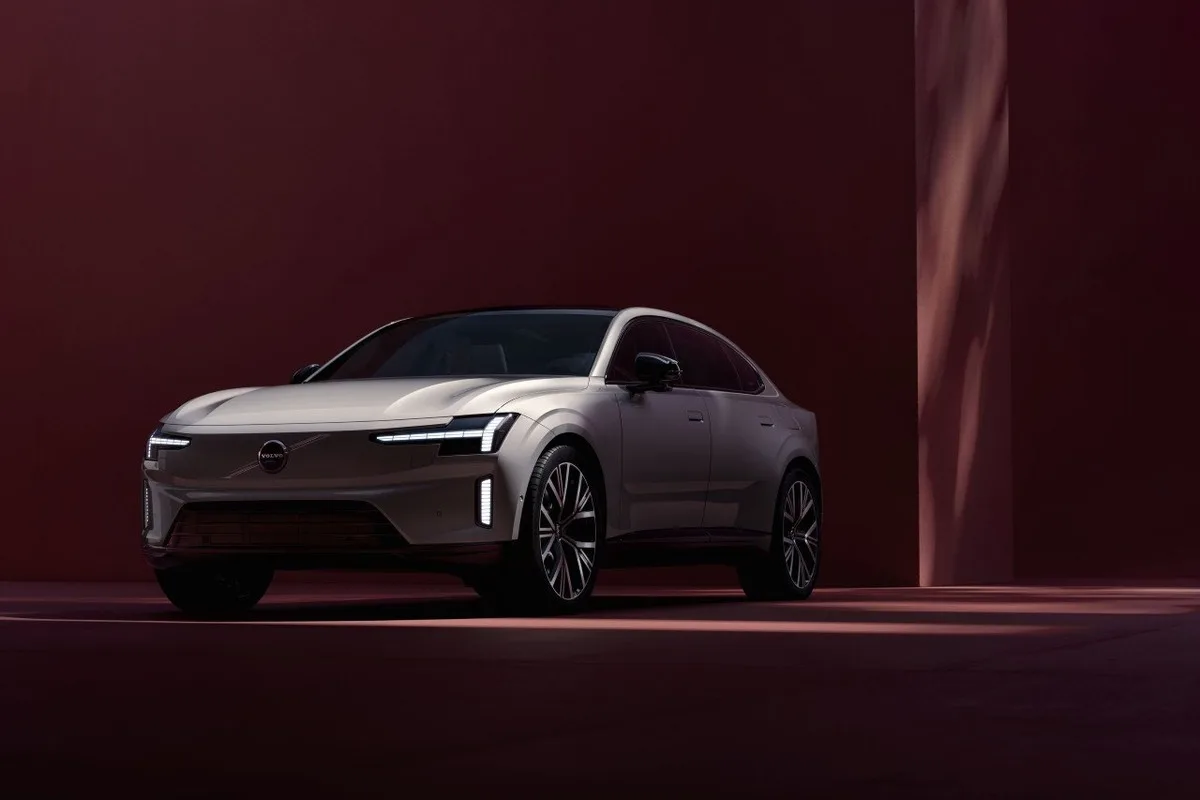
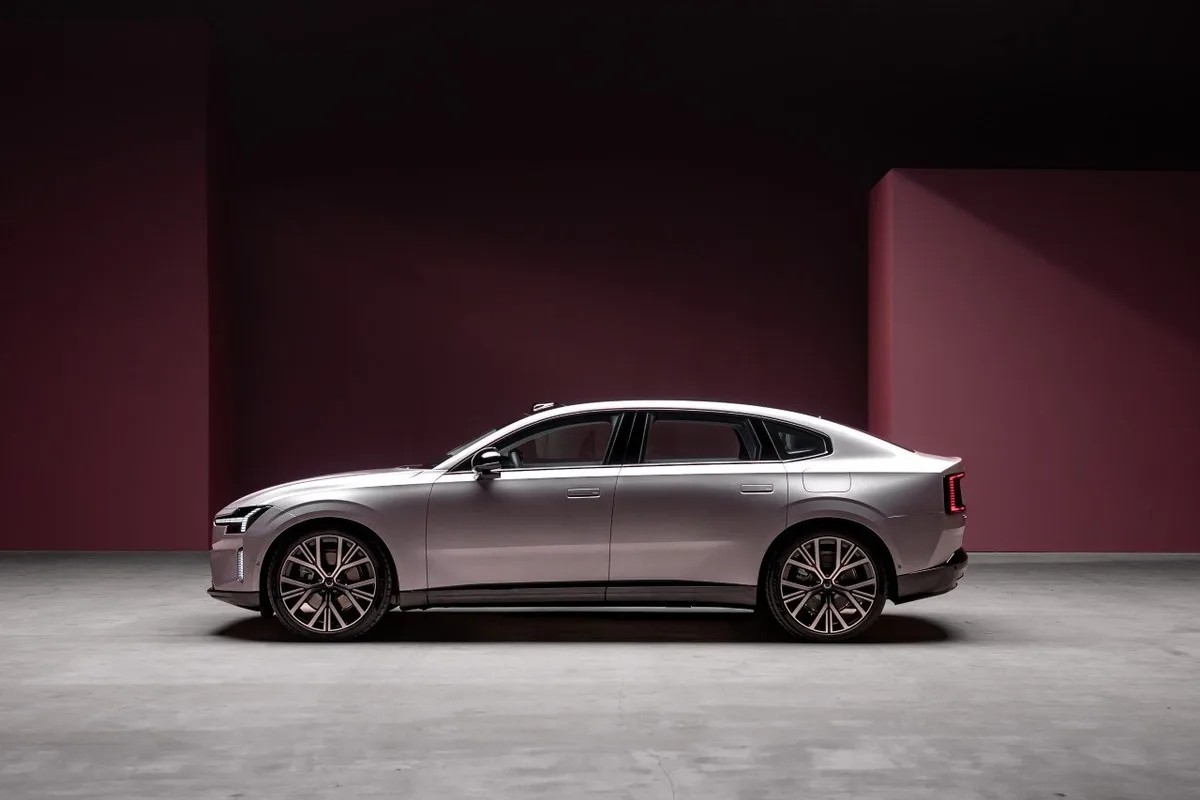
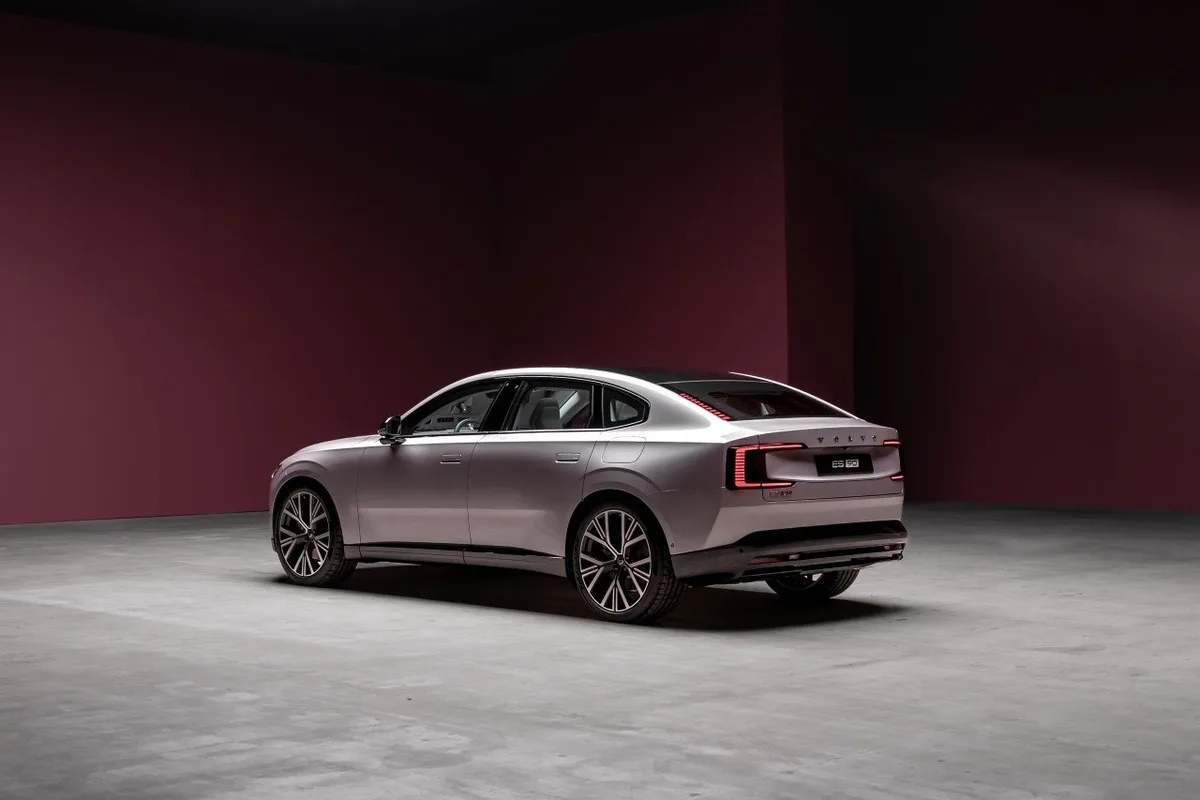
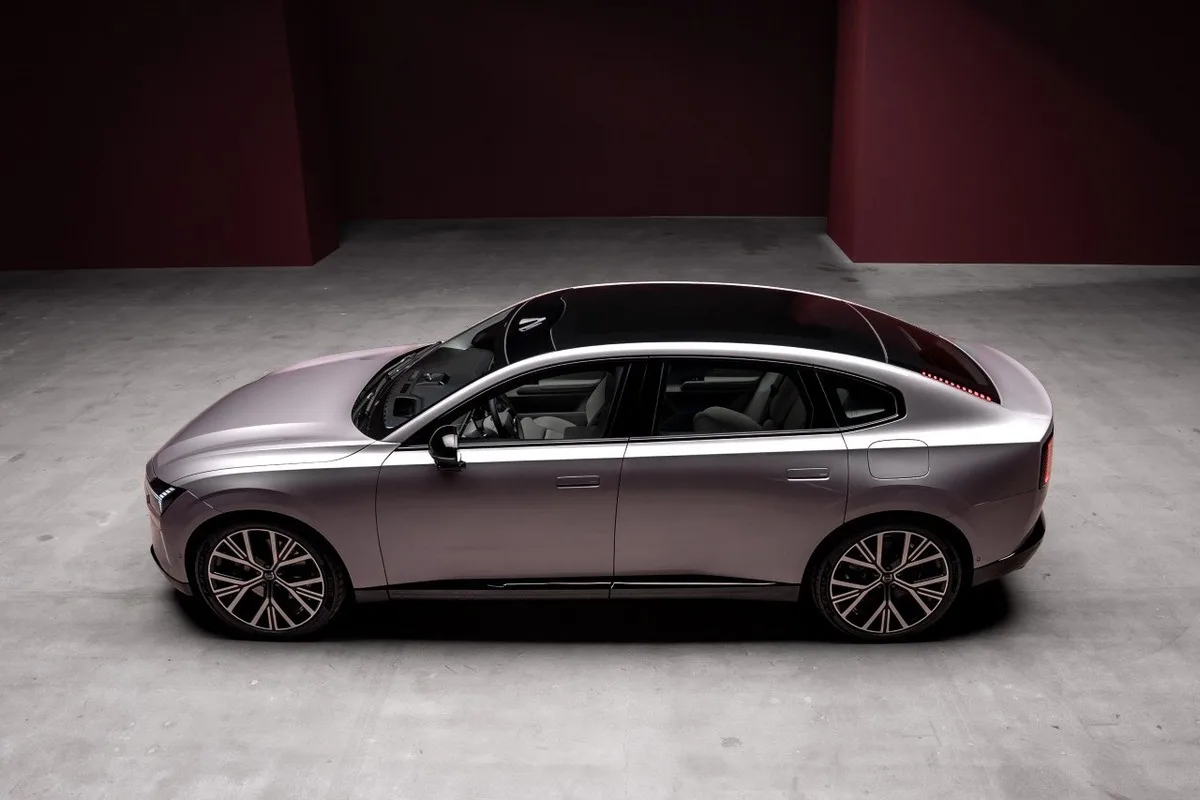
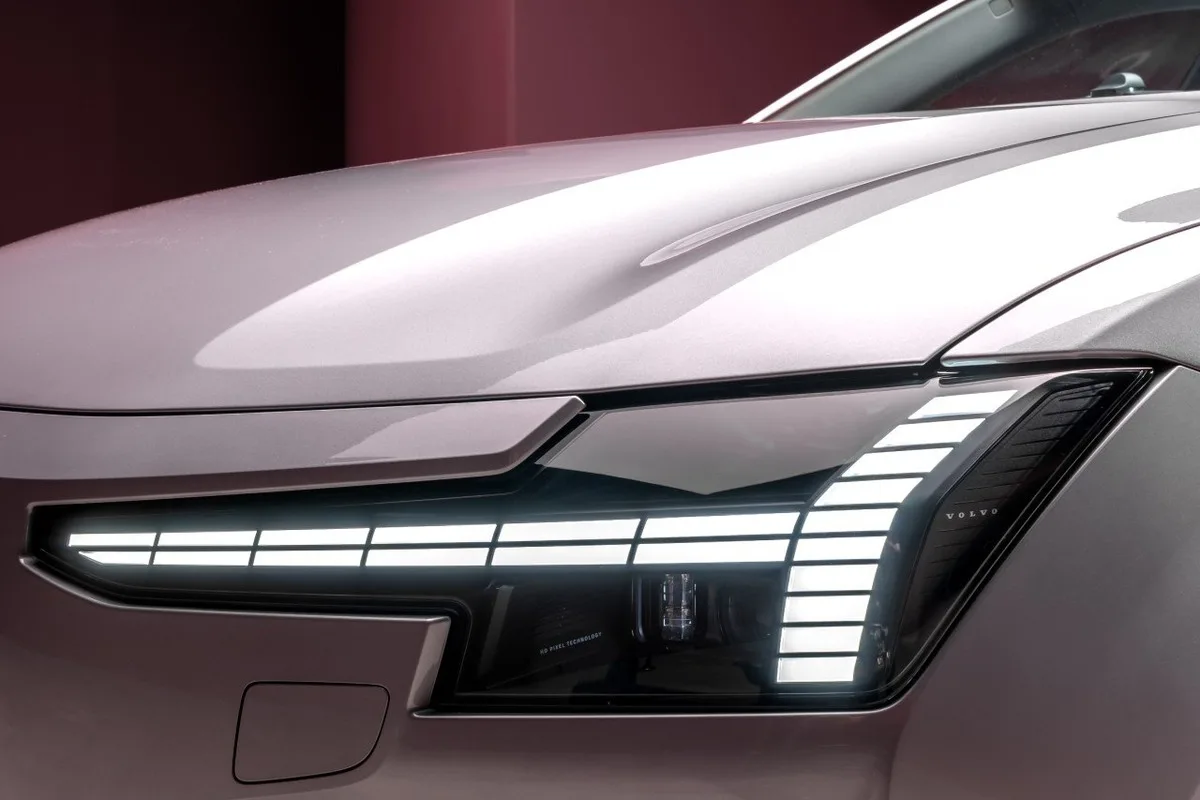
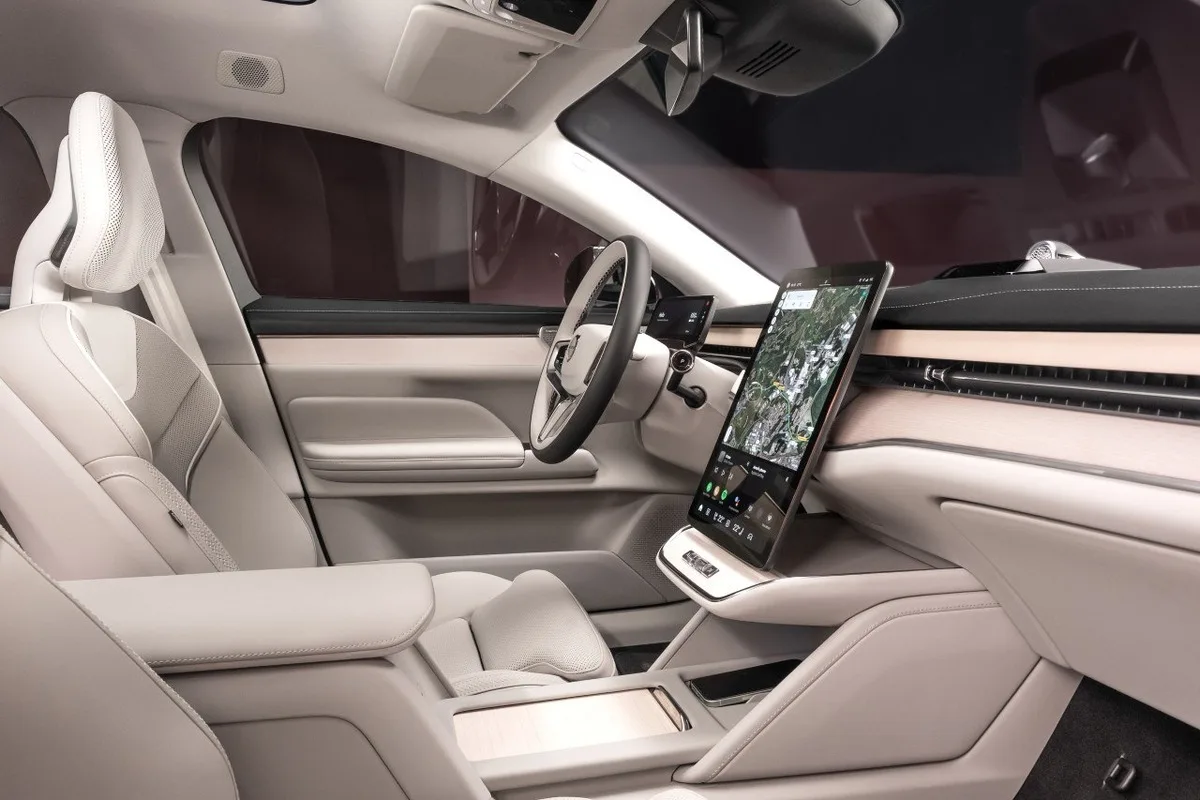
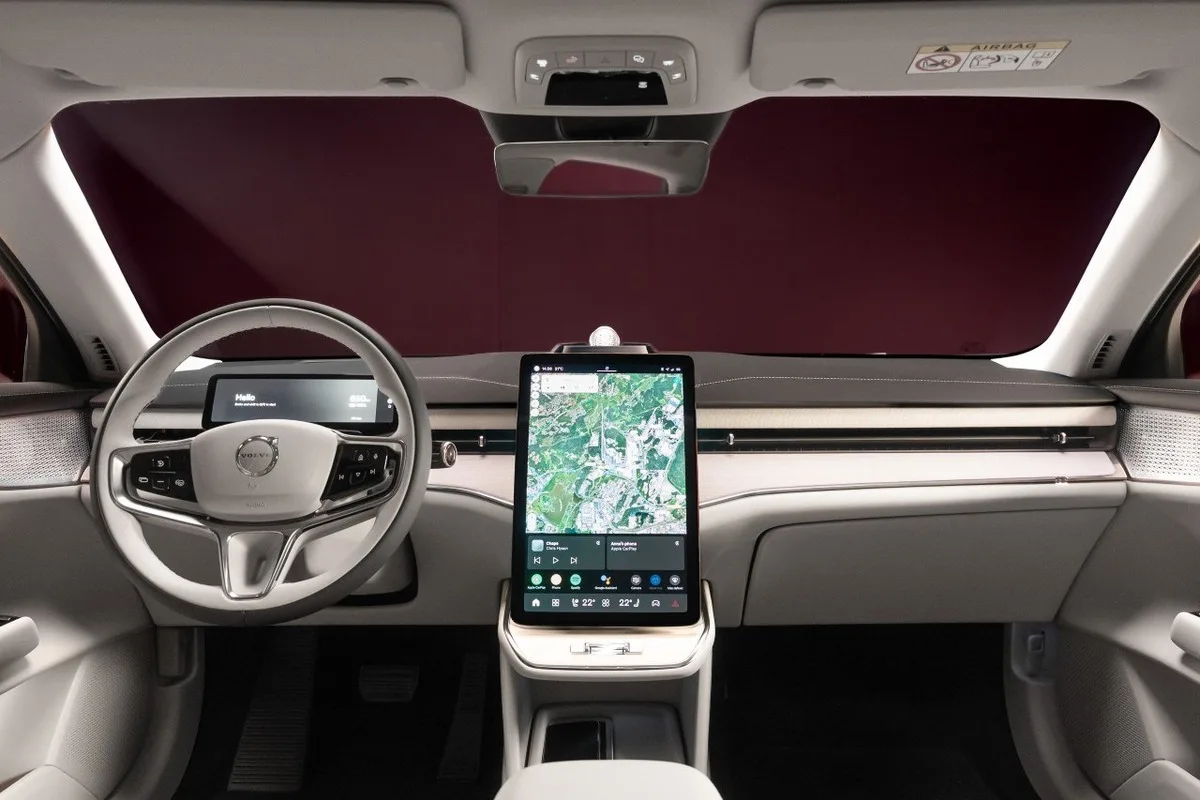
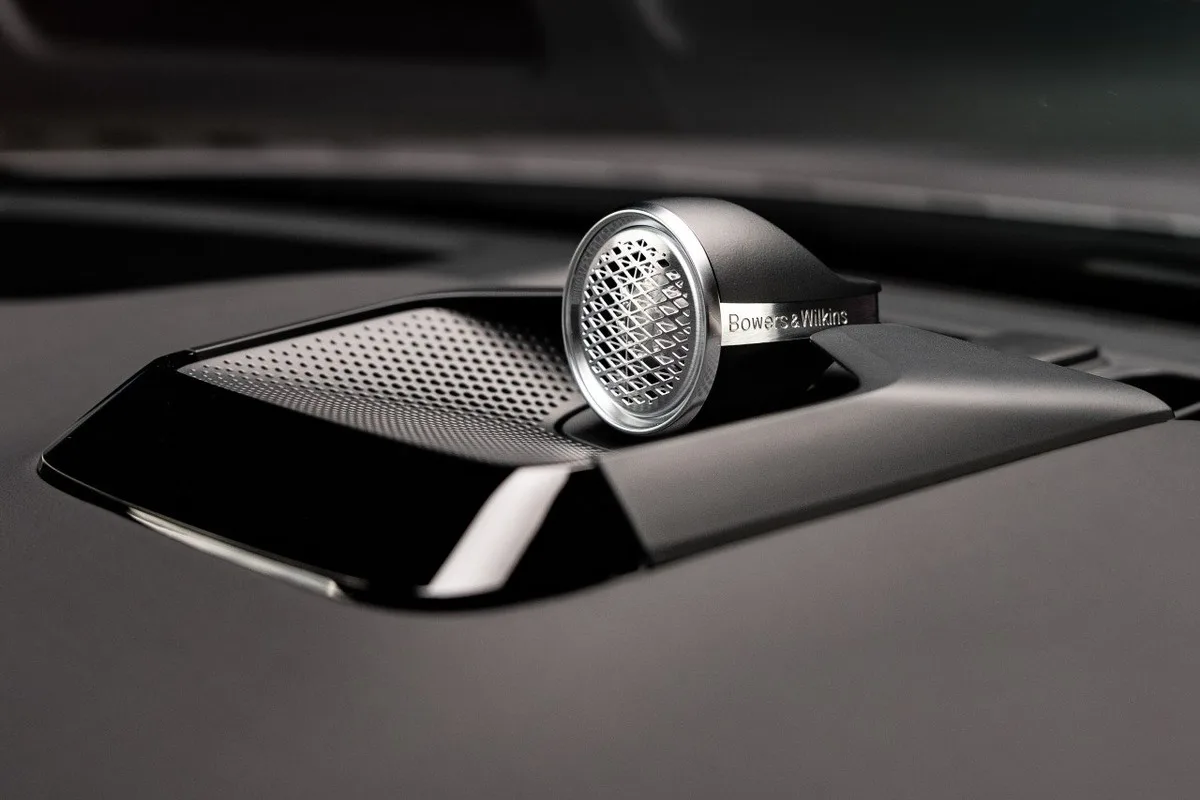

ABOVE: Volvo ES90 exterior, cabin, lighting, audio, and rear seating.
Outside
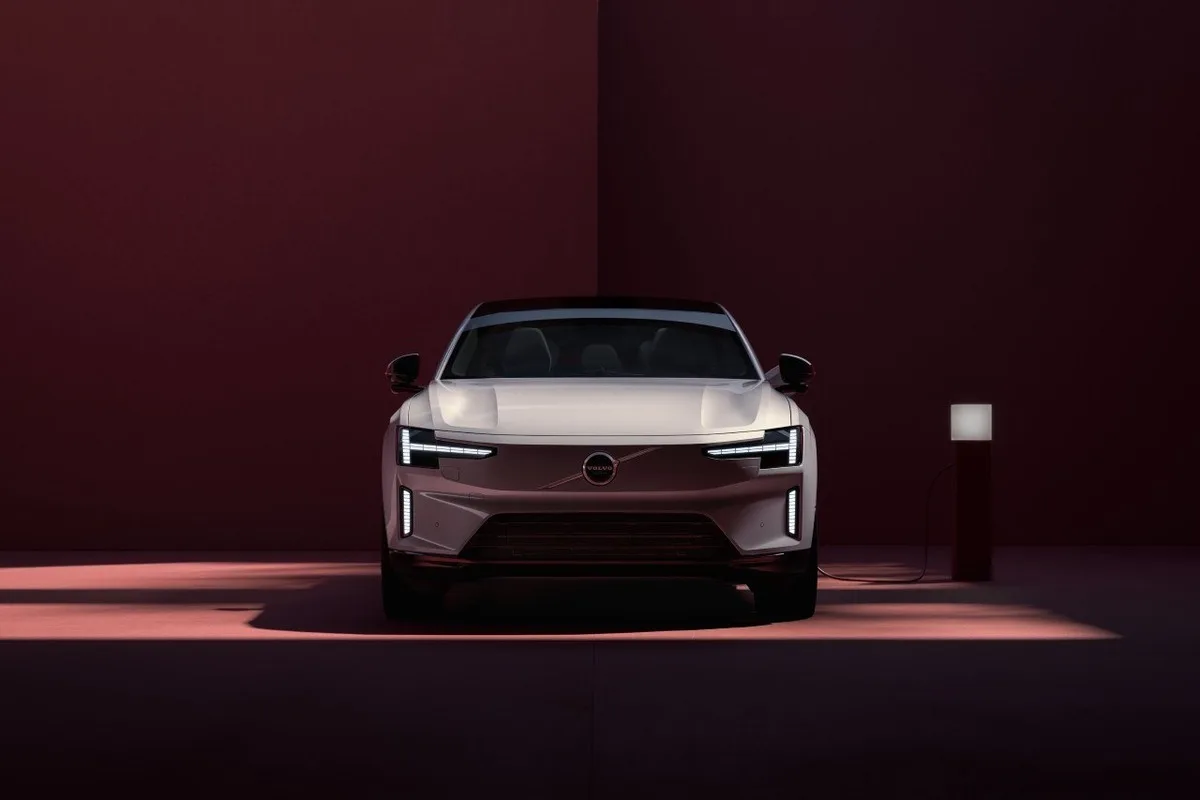
Volvo calls the ES90 a sedan, we say it looks like a really big Polestar 2.
The sloping roof gives it fastback proportions, the hatchback tailgate adds everyday practicality, while the slightly raised air-ride height borrows more than a little from the SUV world. It ends up sitting somewhere between an executive sedan and a luxury crossover and the 250mm wading depth is listed in the brochure. What more does one need?
Aerodynamics play their part in the design. With a drag coefficient of just 0.25, it’s the slipperiest production Volvo ever built, helping the ES90 stretch every kilowatt-hour a little further.
It’s a substantial car that is 5 metres long with a 3.1-metre wheelbase. The distance between the front and rear wheels is longer than Hyundai’s range-topping Palisade SUV. You don’t appreciate that until you climb into the rear seats.
Unlike many low-slung electric sedans, the ES90 also has that 250mm wading depth we mentioned earlier. That doesn’t turn it into an off-roader, but Australian summer storms regularly leave flooded suburban streets where that extra confidence could prove handy.
Then there are the little Volvo touches.
The Thor’s Hammer headlights are still one of the industry’s best lighting signatures, while the rear light treatment gives the ES90 a distinctive look without becoming Las Vegas on wheels.
It feels expensive without trying too hard.
Cabin
Open the soft-close doors and you sense where the money has gone.
The cabin is one of the nicest interiors Volvo has produced. Our favourite feature isn’t the 14.5-inch tablet screen or even the smart glass panoramic roof. It’s the timber. The beautifully finished wood trim appears conventional until the night descends. Hidden lighting glows softly through the timber itself, creating one of the most elegant ambient lighting systems we’ve seen in any luxury car. Rather than strips of chintzy coloured LEDs that look like big poker machines, the ES90 feels warm, calm and recognisably Scandinavian.
From cradle to grave, Volvo tracks emissions so the materials are all responsibly sourced then disposed of
Double glass windows create a silent Zen temple where the Bowers & Wilkins sound can shine. With 25 speakers and Dolby Atmos, it’s among the finest factory audio systems currently available. Whether listening to podcasts or high-resolution music, the clarity is extraordinary, while the Abbey Road listening mode produces a wonderfully natural soundstage. You can adjust the lot for sound, but the speakers look as classy they perform.
Rear passengers are spoiled with that enormous wheelbase translating into limousine levels of legroom. The electric reclining rear seats make long journeys just that little bit more comfortable.
Then there is Android Automotive which I wish I could tell you Volvo has finally sorted.
Unfortunately, it continues to be the weakest part of the ownership experience. During my drive the system started to misbehave, bonging uncontrollably. There was no warning message so we could only assume something had gone wrong. This was the first misdeed. Google had begun randomly dropping out even with full cell signal on the inbuilt SIM.
A reboot left the driver’s screen blank, needing the 2nd reboot to sort it. The bongs continued as did the Google dropouts, so leaving the car to sulk while we had coffee was the last resort. Things mostly returned to normal but Google continued to randomly drop. This isn’t my first experience with Google’s automotive software and, despite numerous updates over several years, reliability still isn’t where it should be.
The response will sound something like, “I’m currently off-line, but I can still help you with things like…” followed by a short list. Again, the inbuilt SIM shows full signal, and remember the Google Assistant isn’t just for case-based requests. It is fully entreated but much of the function requires internet. Cell signal does not mean internet access, at least in this case. Like your home modem, things can go wrong.
Thankfully the driving experience remains largely unaffected, but buyers spending well over $100,000 should expect software that works every single time. The Android Open Source Project base operates in over 40 brands and all have similar gremlins.
Specs and Driving
We tested the ES90 Ultra Single Motor.
On paper it looks almost modest, but not a bit of it. A single rear-mounted electric motor sends 245kW and 480Nm, to the rear wheels alone. Australia misses the 500kw/680Nm performance model with its 4.0 second 0-100, but 6.6 seconds for our car is nothing to be sniffed at.
Some buyers may still lust for the dual-motor version, but 6.6 seconds is already quick on Australian goat tracks. More importantly, rear-wheel drive suits the relaxed personality of the ES90 perfectly.
The real headline is the sublime ride on Volvo’s dual-chamber active air suspension, and it is magnificent.
Broken country roads simply disappear beneath the wheels. Expansion joints become distant thumps rather than sharp impacts, while body control remains beautifully disciplined through sweeping bends.
It’s one of those rare cars that encourages you to slow down because the experience becomes so relaxing. We dispatched the hairpins either side of the Berowra Ferry with Zen charm. Our video review is full of scenic Sydney roads that encourage weekend exploring.
The steering is accurate without pretending to be sporty, while refinement borders on exceptional.
Charging is equally impressive.
Thanks to its new 800-volt electrical architecture, the ES90’s 310kW DC charging chugs down a 10 to 80% top-up in around 20 minutes. The 92kWh battery has a WLTP range of up to 554km in Australian specification, and coupled with that fast charging, makes touring a very real possibility. People insist on buying a car for a dream, not for their lifestyle so 554km will also suit the road trip crew.
But, we aren’t done yet. Then there’s one feature that deserves far more attention and that is the automatic lane changing.
Making sure that lane change assist is clicked in the menu, the system will tell you when its ready by putting little arrows on one or both side of the cruise control symbol on dash or HUD. Activate Pilot Assist by a quick pull down on the gear lever.
Indicate with a full click (using the normal lane change click with only give you a couple of flashes), and the system tells the ES90 to checks surrounding traffic before smoothly completing the lane change itself. It works naturally, confidently and without drama.
Ironically, Tesla owners now need to pay around $149 per month in Australia to access similar advanced driver assistance features through Full Self-Driving Supervised.
Volvo simply includes it with no subscription, no monthly fee, no ongoing bill after you’ve already bought the car.
That feels refreshingly customer-focused. Mercedes-Benz, BMW and the rest of the luxo-barge makers are trying to expand their profit base by keeping a hand in the buyer’s pocket.
Seating & Upholstery
- Perforated Nordico: This is the primary upholstery used for the seats across the Australian range. It is a soft, breathable synthetic leatherette crafted from bio-attributed pine resin and recycled PET bottles.
- Active Seat Climate: Heated front and outer-rear seats are completely standard across both models. Seat ventilation is optional on the Plus and standard on the Ultra, allowing air to flow through the perforated Nordico material.
Dashboard, Console & Door Trims
- Genuine Matte Wood Decor: The dashboard, center console, and rear lounge armrests are finished with light-coloured, authentic matte wood panels.
- Back-Lit Starfall Illumination: The wood grain panels are laser-cut to allow the standard ambient lighting to shine through in a “starfall” pattern. This lighting subtly spells out the word “Volvo” in Morse code.
- Crystal Media Control Dial: Positioned at the base of the minimalist floating center console shelf, the main media volume dial is crafted from genuine Swedish crystal glass.
- High-Grade Leatherette Wraps: The steering wheel, upper dashboard surfaces, and door armrests are wrapped in a soft-touch, premium synthetic leather substitute.
Roof & Glass (Trim-Dependent)
- Electrochromic Panoramic Glass Roof: Standard on the Australian Ultra trim (and optional on the Plus), the massive glass roof uses laminated, infrared-coated glass. It features an electronic frosting function that lets you switch the glass from fully clear to opaque at the press of a button.
Conclusion
The ES90 Ultra isn’t trying to dominate a Nürburgring lap chart or win a horsepower war.
Instead, Volvo has built something much more appealing.
It is elegant without being flashy, beautifully comfortable without feeling aloof and detached, and technologically advanced without forcing owners into subscription services for features that should already belong to them.
Yes, Android Automotive still needs work. Blank screens and occasional software glitches have no place in a flagship luxury car, but it is based on Android Open Source Project, which is likely the root cause. For proof of AOSP instability, try Googling it, and see what other brands have systems based on it, not only those using Android Automotive OS are guilty.
But once the system settles down, the ES90 reminds you why Volvo has built such a loyal following. The ride quality is among the very best in the business, the cabin is simply gorgeous. Its illuminated wood trim is a masterclass in subtle luxury, and the Bowers & Wilkins audio system is sensational.
And despite being the “entry” powertrain, the Single Motor delivers all the performance most drivers will ever want. That’s the sweet spot of the range.
It may not be the quickest ES90 you can buy, it could very well be the best one.
Volvo ES90 Ultra Single Motor:
- $107,990 (Manufacturer’s List Price); $109,040 (as tested)
- Engine / Drive: Single Electric Motor / Rear wheel drive
- Power / Torque: 245kW / 480Nm
- 0-100km/h / Top Speed: 6.6 seconds / 180 km/h
- Battery Capacity / Range: 92 kWh / Up to 554km (WLTP)
- Electricity Consumption: 18.5 kWh/100 km
- Dimensions: 5000 mm (L) / 1546 mm (H) / 2120 mm (W)
- Weight / Towing Capacity: 2420 kg / 1600 kg
- Wheels: 22-inch 5 Spoke Aero Alloy Wheels
- Suspension: MacPherson Strut front and multi-link rear; 4 Corner Dual Volume Active Air Suspension
Ratings
- Looks:6.5
- Performance:6.0
- Safety:7.0
- Thirst:6.5
- Practicality:8
- Comfort:9
- Tech:9
- Value:8
More Volvo Stories
- 2026 Volvo ES90 Ultra: 5-Minute Quick Review
- Volvo ES90 Execu-Hatch, Norse-Blessed, Leads Sydney EV Showcase
- Volvo EX90 First Drive – What a Cracker
Help Support Gay Car Boys Subscribe to our Youtube Channel by SMASHING THE BUTTON ABOVE

Alan Zurvas is the founder and editor of Gay Car Boys, Australia's leading LGBTQI+ automotive publication. Before launching GCB in 2008, Alan's automotive writing was published in SameSame.com.au and the Star Observer. With over 16 years of hands-on car reviewing experience, Alan brings an honest, irreverent voice to every review — championing value and innovation over brand loyalty.
Leave a Reply