Well, that got your attention, didn’t it? It’s true and here’s how we got that number, but first, the Omoda 9 Virtue SHS facts, figures, and other good bits.
If you’re fuming about the price of petrol and distraught at the dosh for diesel, I hear ya. Omoda is a brand that snuck up on us from behind. Along with Jaecoo, Omoda sits under the Chery brolly and, like all Chinese brands, took a moment to take off, but they’re here baby, with a big, blousy bang.
Our first impressions were favourable – read about it HERE.
Chery has divided its empire into value, posh, and premium, but it is hard to pick which is which. The Omoda 9 Virtue is a range-topper without needing anything else in the range. The looks are neither here nor there because most SUVs look the same. There are the boxy ones like the Kia EV9, the traditional style like a Mitsubishi Outlander, and the “coupé style” segment the Omoda 9 slips into.
A slopy roof and rear window hide the capacious interior but make no mistake, the Omoda 9 is a beefy lad. See the specifications sheet here for dimensions.
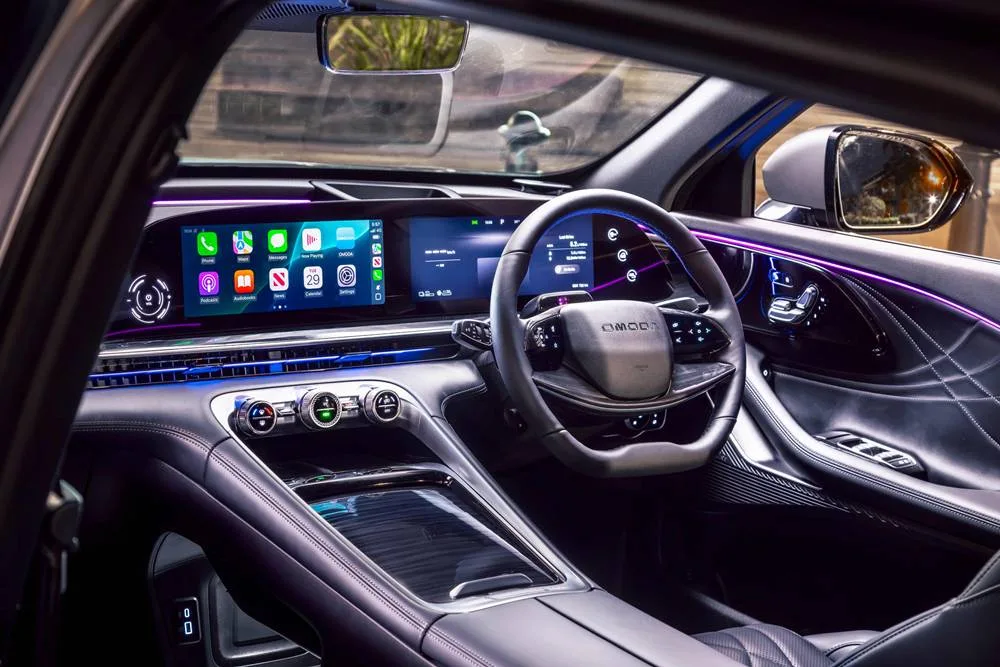
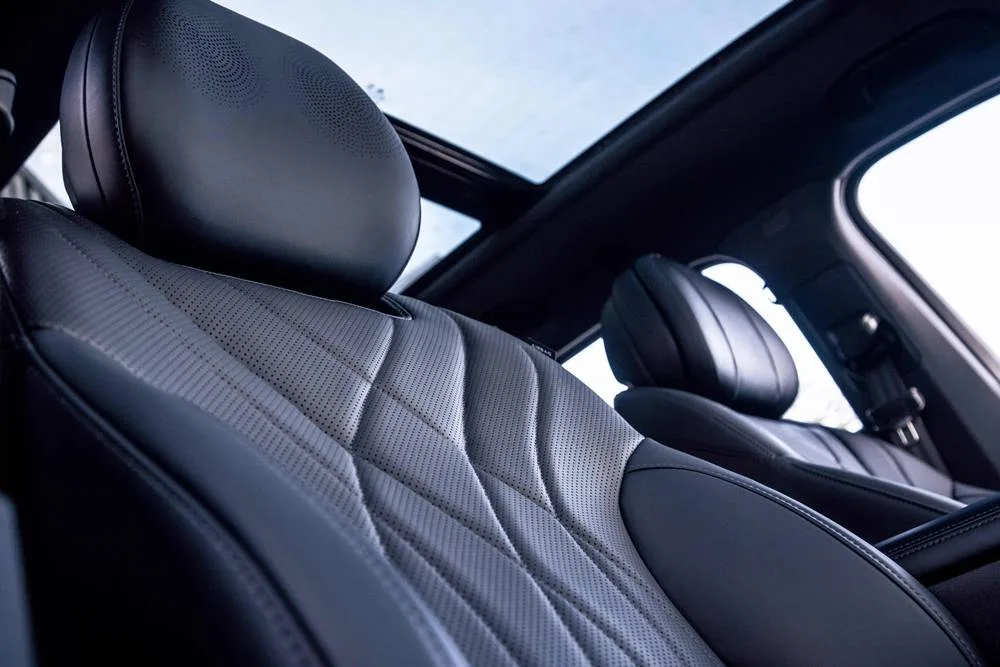
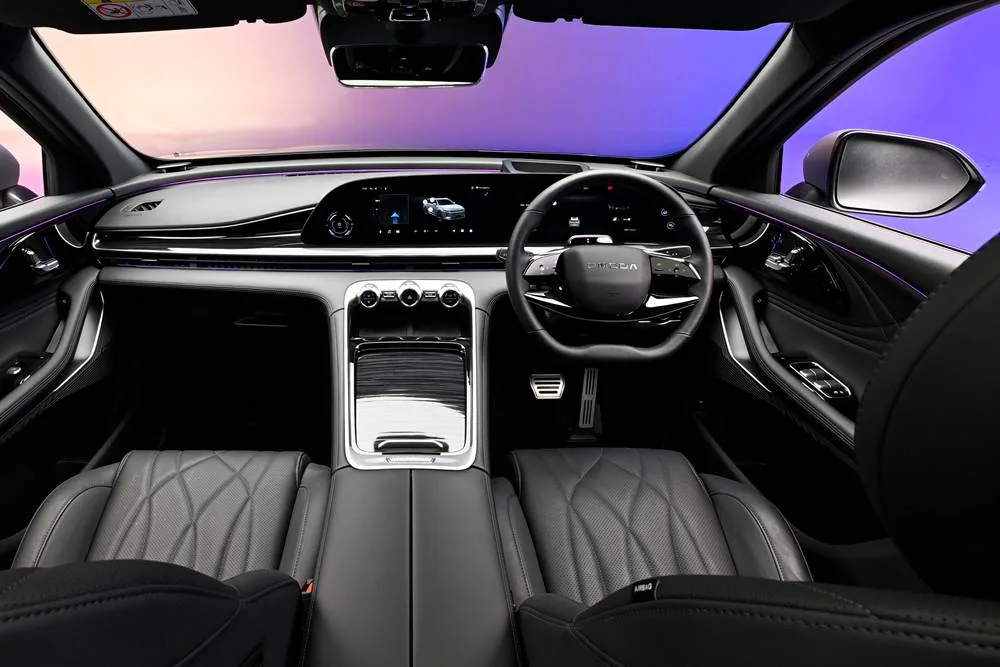
The cabin is a delight. No one is trying to pretend you’re paying 63 grand drive-away for the fully-featured loveliness of a leggy Lexus, but the beefiness under the bonnet is only bettered by the beauty of the capacious cabin. The only problem is the exterior disappearing handles which vanish whenever someone wants to use them and have an electric mechanism that will go wrong sooner or later.
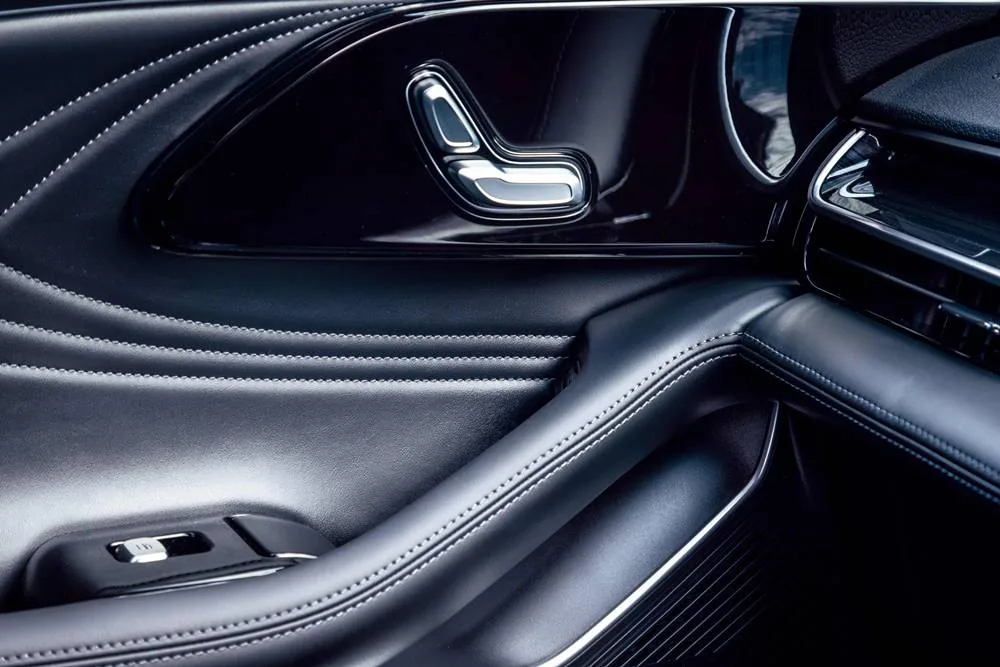
The materials, fittings, and accessories have a quality look far beyond their relatively modest cost. Highlights include extremely clever door handles. While there is a mechanical release, an electric button is close by for everyday use. It rests exactly where the user’s thumb would go as they naturally exit after grasping the armrest handle. Moreover, in an emergency, users don’t need to scramble for egress.
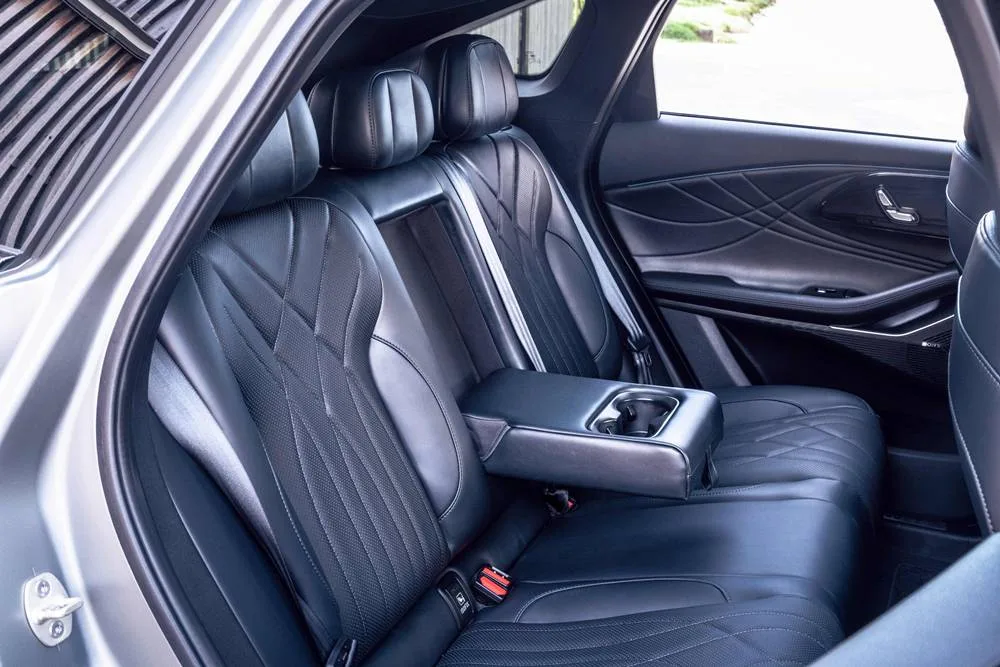
The flat floor creates a space where everyone has room for feet and allows for a second tier of front console for suitable storage plus handy power and USB outlets. There is more than enough room for five adults, beefy or not.
There is a small problem here, though.
The GVM of 2,717kg and the Tare Mass of 2,203kg leaves only 514kg for people and stuff. I am a hefty lad at 105kg. If I take four similarly-sized sluggers with me, we are already overweight. No unkind words please. We couldn’t take so much as a hanky on our holiday, let alone a bevy of bags. “You won’t take four lads with you on a road trip,” I hear you say, and you’re right. But there are airport runs and tarrying teens to sports fields to consider. Both require boots-full of bother with bags, totes, and all manner of sundry detritus to make it all work. Imagine four rugger teens and their gear? Sorry love, someone is taking an Uber.
Above: This Week’s VIDEO Review –Omoda 9 | 11,000km on one tank? My real-world test results
#Omoda9, #PHEV, #LuxurySUV, #GayCarBoys, #CarReview, #chery


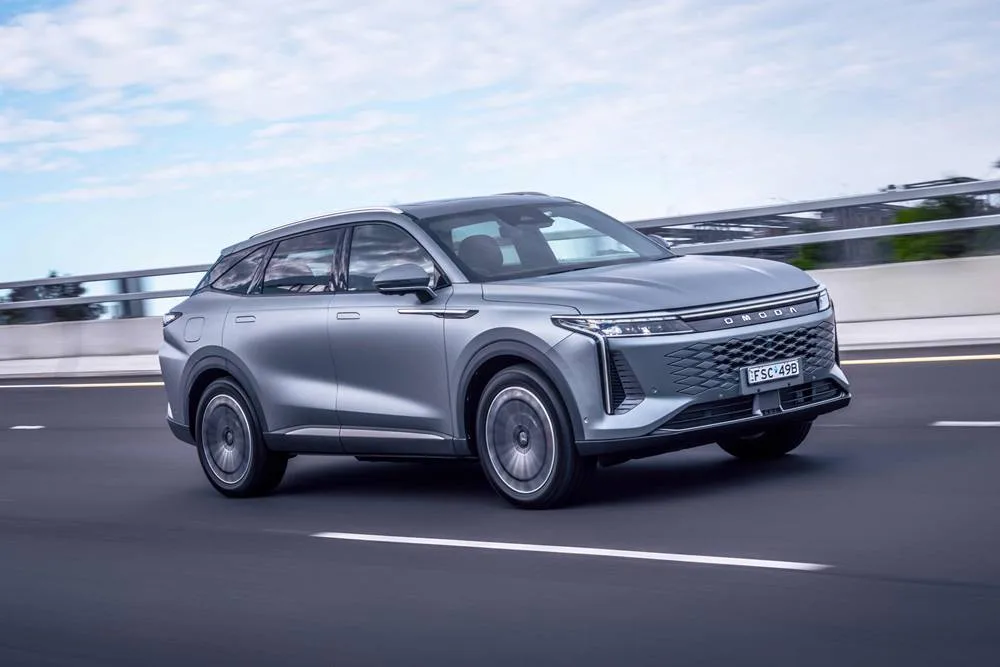
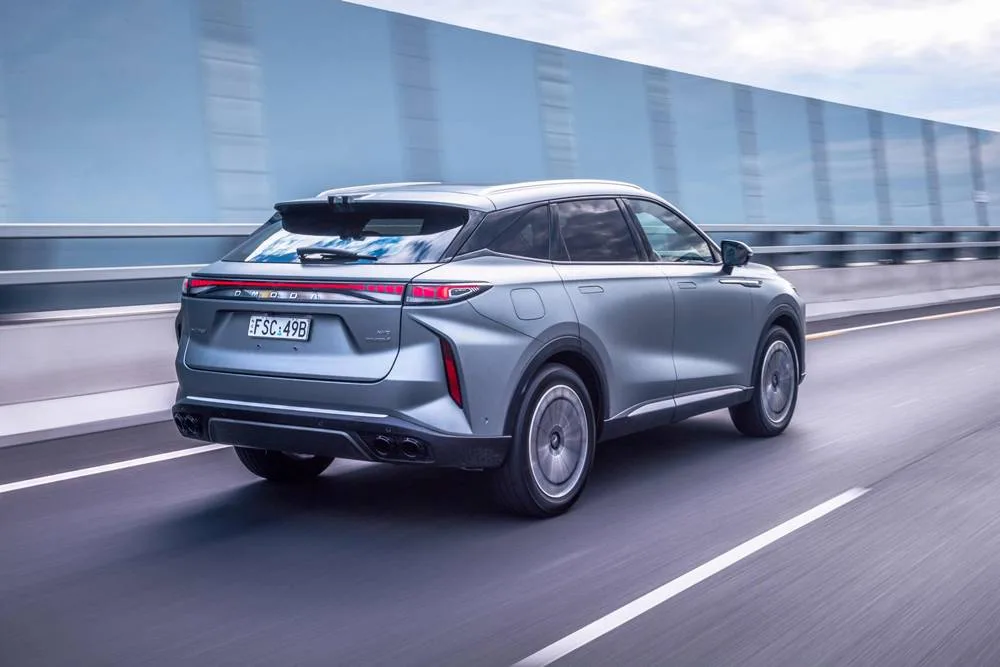
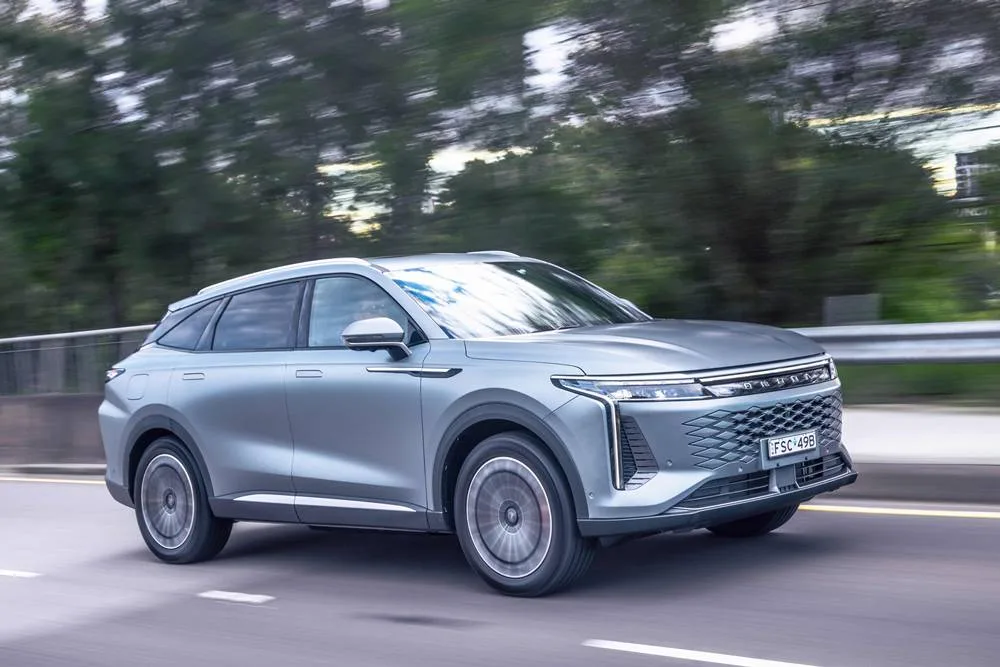
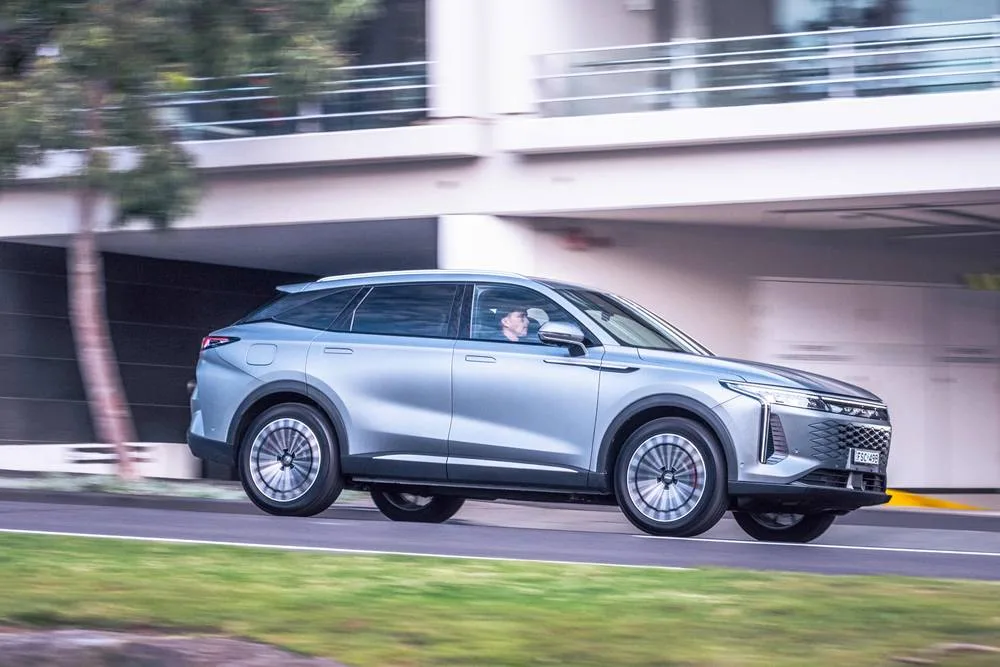
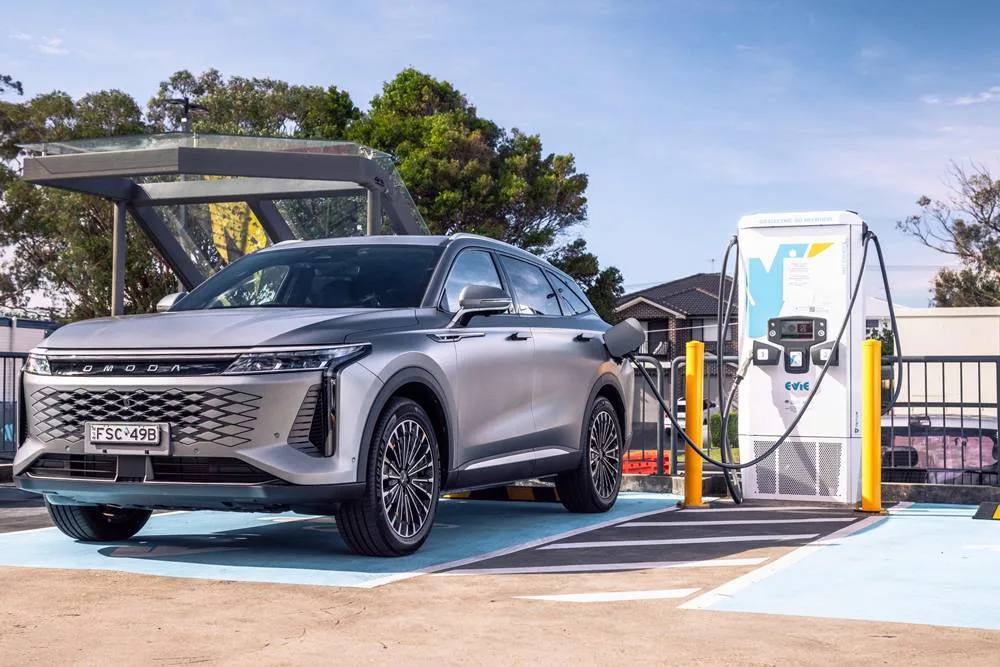
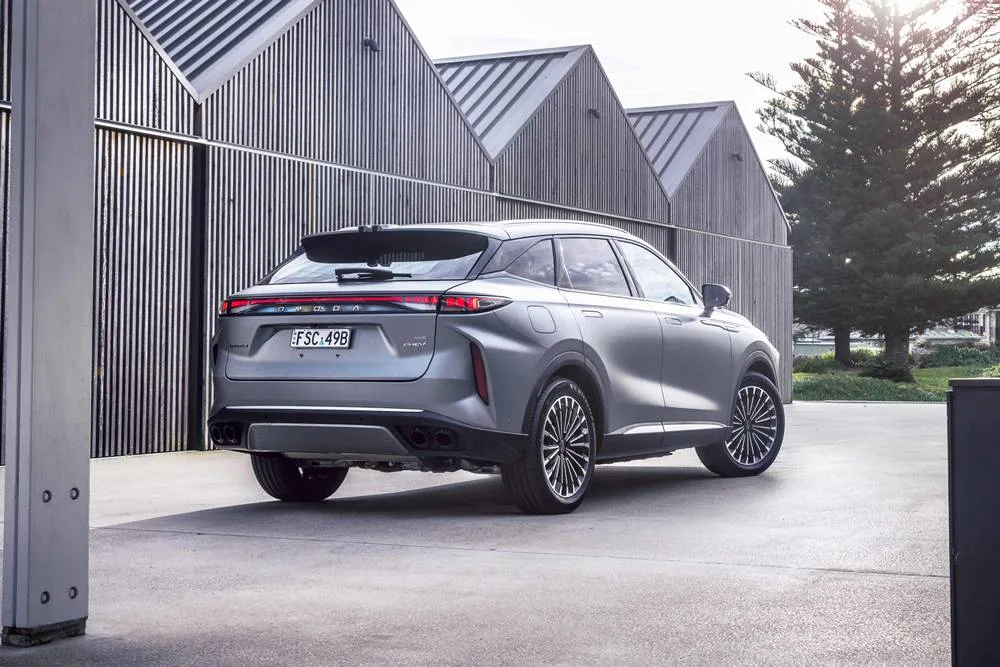
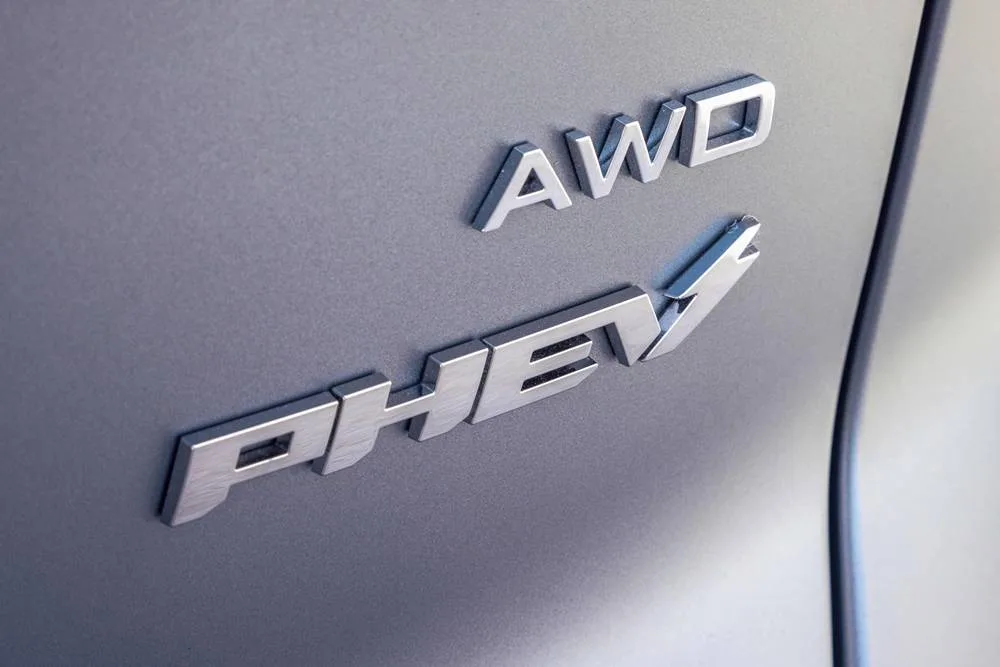

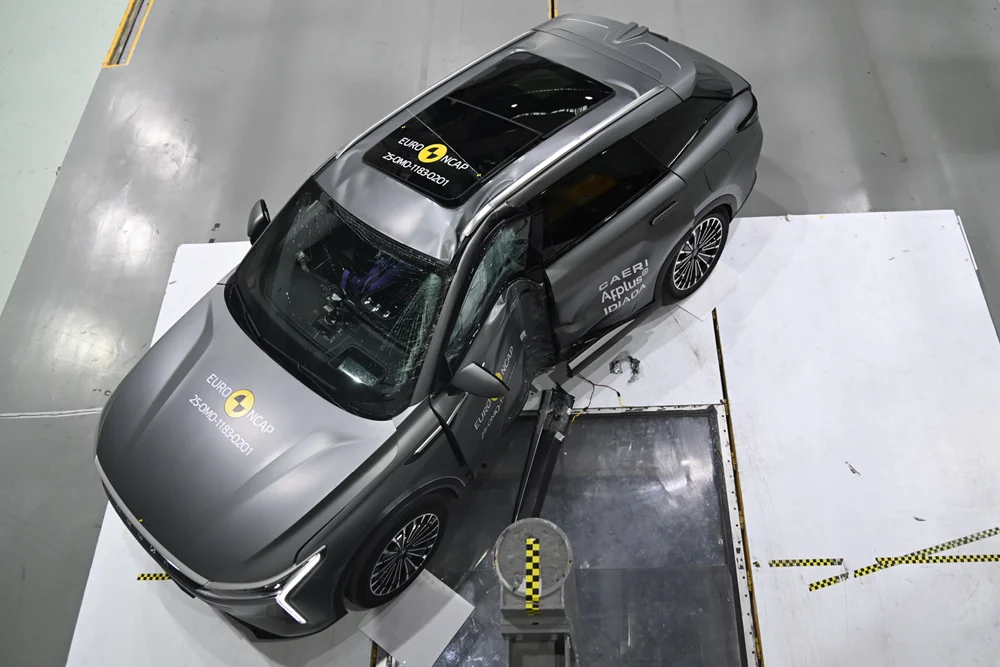
ABOVE: 2025 Omoda 9 Video Review, 11,000km on 1 Tank?
#Omoda9 #LexusNX450h #CarReview #Australia #LuxurySUV #PHEV
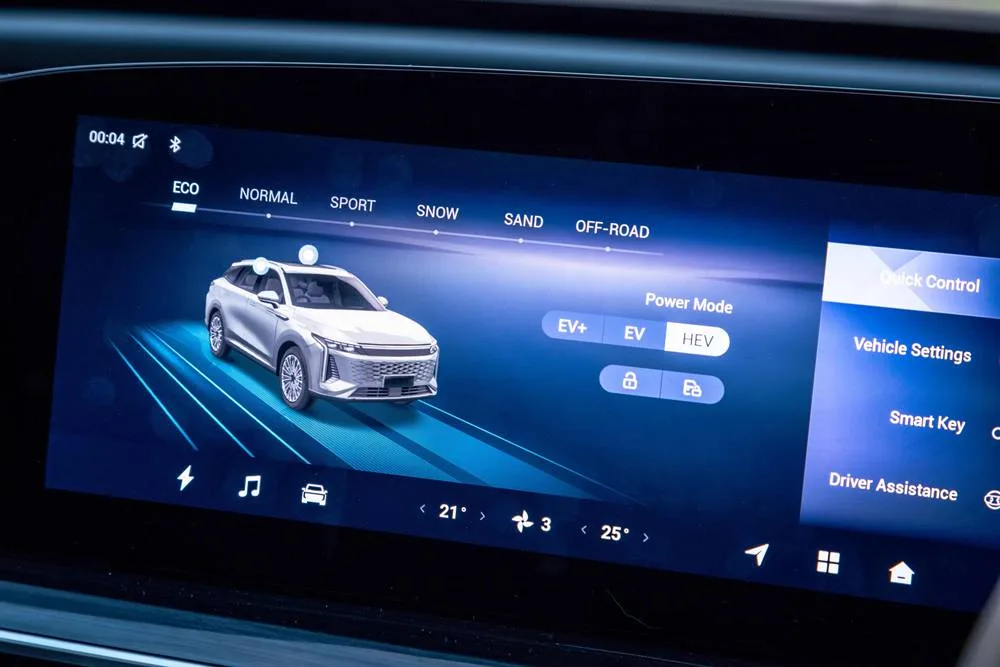
However, I digress; back to the inner workings of the wonderful wagon. All switchgear is ergonomically considerate of all passengers. There is a line of sensible climate controls with a mix of oft-needed dials for drive mode selection. A gentle sweep of LCD display extends the driver dials and infotainment system almost halfway across the dash. I don’t like the continued deprivation of other physical controls in favour of virtual menus that are fiddly no matter the brand. This one even warns you not to make adjustments while on the move. I suppose that’s better than blocking them out as some of the Japanese brands used to do. There is voice control but, despite a promise of natural conversation, it was decidedly uncooperative.
Wireless CarPlay worked every time, but the fast wireless phone charger caused unsolicited warning tones and the only way to stop them was to remove the phone. In fact, the system admonishes drivers it thinks are inattentive, so fiddling with finer tuning should be done while parked.
But the comfort and well-priced inclusions fade when considered against the beast-like power from the Super Hybrid System.
The word “hybrid” is bandied about, battered senseless by the uninformed. Likewise the words CVT, e-CVT, and automatic transmission. There is no easy way to explain the wonderful complexity of the three electric motors working with the 1.5 turbo petrol four-pot and the Dedicated Hybrid Drive instead of a traditional transmission. The 34kWh battery has 70kW DC fast charging to power the motors for a total system output of 395kW and 650Nm.
The Omoda 9 is good for a 4.9-second 0-100 and all the while the engine is idle unless specific conditions are met. This is how we managed a measly 0.6L/100km. A full charge each night kept the battery topped up and we never reached the bottom of its barrel. The engine flicked on from time to time at freeway speeds according to the power flow meter, but it was so unobtrusive that we never noticed it.
The engine is used at certain speeds, or if the battery runs down to around 20%. In other words, you can run the Omoda 9 as an EV, more or less.
The shiftless gear system is not a CVT so there is no awful drone, just an ultra-smooth sense of forceful power as you surge through the night. Around town, the cabin is ghostly quiet, helped by acoustic glass in the windscreen, but there is more than a little tyre hum at speed.
Next week we review the Lexus NX 450h+, also a plug-in hybrid, but although it is more luxurious, it has only 58% of the power of the Omoda 9, 46% of the EV range, 78% of the fuel capacity, 53% of the battery capacity, and no DC fast charging. If you don’t have home charging, you’d almost never be able to keep it’s battery full.
While you are digesting those tidbits, ponder this: a vehicle range of around 1,000km is quoted, but that is if you go the whole hog in one go. If, like us, you went no further than 100km a day and always kept the battery full, you would go two years between petrol station visits. You’d service the car more often than you’d fill the tank. Regardless of what OEMs say, you should always service your vehicle yearly. 0.6L/100km on a 70L fuel tank gives you 11,667km of range. We thought we’d gotten our sums wrong so we asked Siri, Gemini, Copilot, and several other AIs to confirm. There it is, not a lab test but our real test, even if only for a week’s worth of assessment.
Now, we aren’t suggesting this is even slightly achievable; of course it isn’t. The battery is bound to run out sooner or later. You’ll do more than 100km a day perhaps, and although the EV range is quoted at 187km, we never got close. But still, our figures speak for themselves no matter what the whingers mutter under their breaths.
The Omoda 9 is a stunning example of what can be had as a decent-looking family-style SUV with class. Its range of standard features are part of options packs or subscription items in brands like Mercedes and BMW. It outperforms all of their non-sport models but is a third of the price.
It is cheaper than a Model Y but much faster, with a continuous driving range that no EV can match no matter how fast DC charging gets.
Finally, the Omoda 9 has an 8-year warranty, 8-year roadside assist, and 8-year capped-price servicing. Plug-in hybrids like this that can be charged on home solar are golden geese that’ll lay eggs for years. The V2L will power one or two appliances too, just in case. You could use it as a mobile generator during emergencies, so there is more than a small case to consider.
#Omoda9, #PHEV, #LuxurySUV, #GayCarBoys, #CarReview Omoda9, PHEV, LuxurySUV, GayCarBoys, CarReview
WordPress Description Can the Omoda 9 really do 11,000km on one tank? We test the 395kW Super Hybrid System to see if this $63k luxury SUV actually shames the legacy brands.
*11,667km is our extrapolation from the 0.6L on a full tank of fuel travelling less daily than the battery range and charging nightly.
|
Feature |
Specification |
|
Performance |
|
|
0-100km/h Acceleration |
4.9 Seconds |
|
Combined System Power |
395kW |
|
Combined System Torque |
650Nm |
|
Top Speed |
200km/h |
|
Powertrain |
|
|
Engine Type |
1.5L Turbocharged Petrol |
|
Transmission |
3 Speed Dedicated Hybrid |
|
Driven Wheels |
All Wheel Drive (AWD) |
|
Front Motors |
75kW/170Nm and 90kW/220Nm |
|
Rear Motor |
175kW/310Nm |
|
Charging and Range |
|
|
Electric Range (NEDC) |
169km |
|
Fuel Consumption |
1.4L/100km (Combined) |
|
AC Charging Time |
5.5hr (30% to 100%) |
|
DC Fast Charging |
25 min (30% to 80%) |
|
Battery Capacity |
34kWh NCM, Graphite |
|
Dimensions and Mass |
|
|
Length, Width, Height |
4,775mm, 1,920mm, 1,671mm |
|
Luggage Capacity |
660L (1,783L seats folded) |
|
Tare Mass |
2,203kg |
|
Towing Capacity |
1,500kg Braked |
|
Ownership |
|
|
Warranty |
8-Year Unlimited Kilometre |
|
Roadside Assist |
Up to 8 Years |

Alan Zurvas is the founder and editor of Gay Car Boys, Australia's leading LGBTQI+ automotive publication. Before launching GCB in 2008, Alan's automotive writing was published in SameSame.com.au and the Star Observer. With over 16 years of hands-on car reviewing experience, Alan brings an honest, irreverent voice to every review — championing value and innovation over brand loyalty.
Leave a Reply